预约演示
更新于:2026-07-25
BCL-XL inhibitor(TIBET HAISCO)
BCL-XL抑制剂(西藏海思科)
更新于:2026-07-25
概要
基本信息
原研机构 |
在研机构 |
非在研机构- |
权益机构- |
最高研发阶段临床前 |
首次获批日期- |
最高研发阶段(中国)临床前 |
特殊审评- |
关联
100 项与 BCL-XL抑制剂(西藏海思科) 相关的临床结果
登录后查看更多信息
100 项与 BCL-XL抑制剂(西藏海思科) 相关的转化医学
登录后查看更多信息
100 项与 BCL-XL抑制剂(西藏海思科) 相关的专利(医药)
登录后查看更多信息
143
项与 BCL-XL抑制剂(西藏海思科) 相关的文献(医药)2026-06-25·JOURNAL OF MEDICINAL CHEMISTRY
Structure-Based Discovery of Potent BCL-XL Inhibitors through Rescaffolding
Article
作者: Davidson, James ; Daniels, Zoe ; Sanders, Emma ; Bedford, Simon T. ; Colland, Frédéric ; Webb, Paul ; Rocchetti, Francesca ; Whitehead, Neil ; Demarles, Didier ; Herner, Andras ; Dokurno, Pawel ; Hubbard, Roderick E. ; Starck, Jérôme-Benoît ; Le Toumelin-Braizat, Gaëtane ; Nyerges, Miklos ; Molnar, Mark ; Maragno, Ana Leticia ; Parsons, Rachel ; Smith, Julia ; Geneste, Olivier ; Bresson, Laura ; Dodsworth, Mark ; Kotschy, Andras ; Paczal, Attila ; Brooks, Teresa ; Timari, Matyas Pal ; Madarasz, Zoltan ; Novak, Tibor ; Murray, James B.
Evasion of apoptosis is a hallmark of cancer. Deregulation of BCL-XL, a member of the BCL-2 family of proteins, has been linked to the development of various tumor types. This study presents the design and synthesis of BCL-XL inhibitors with novel mono- and bicyclic cores. The new structural features were optimized to combine high binding efficiency with the opening of diverse novel vectors for additional modifications. The lead compounds exhibited picomolar affinities and significant cellular potency in the BCL-XL-dependent MOLT-4 cell line, which also translated into marked tumor growth inhibition in a xenograft study. These findings highlight the potential of BCL-XL inhibitors as therapeutic agents in cancer treatment by targeting the apoptotic intrinsic pathway.
2026-06-03·BIOLOGICAL & PHARMACEUTICAL BULLETIN
Myofibroblasts Acquire Steroid Resistance <i>via</i> Bcl-xL in Asthmatic Lung Fibrosis
Article
作者: Shimora, Hayato ; Makishima, Momoka ; Yamagishi, Nobuyuki ; Sannomiya, Yuya ; Takatani, Yuma ; Kaminuma, Osamu ; Nagatani, Yukino ; Nabe, Takeshi ; Matsuda, Masaya ; Kaibori, Yuichiro ; Maeyama, Hiroto
Severe asthma is characterized by both steroid resistance and fibrotic remodeling. We hypothesized that myofibroblasts in fibrotic lung tissue acquire glucocorticoid resistance through the upregulation of the anti-apoptotic factor B-cell lymphoma-extra large (Bcl-xL). This study aimed to determine whether myofibroblasts become steroid-resistant via Bcl-xL expression in vivo and in vitro. A steroid-resistant asthma model was developed by repeatedly challenging sensitized BALB/c mice intratracheally with a high dose of ovalbumin (OVA). Myofibroblasts were identified by flow cytometry as α-smooth muscle actin (α-SMA)+ CD31- CD45- CD326- cells. Lung mesenchymal stem cells (MSCs; platelet-derived growth factor receptor α+ CD31- CD45- CD326- cells) were isolated and differentiated into myofibroblasts by culturing them with 15% fetal bovine serum (FBS) for 6 d. In asthmatic lungs, α-SMA+ myofibroblasts showed increased Bcl-xL expression, which was unaffected by dexamethasone (DEX) treatment. However, co-treatment with the Bcl-xL inhibitor navitoclax significantly restored steroid sensitivity. In vitro, MSCs were susceptible to DEX-induced early apoptosis, whereas differentiated myofibroblasts were resistant to DEX-induced apoptosis and strongly expressed Bcl-xL. In other words, navitoclax treatment overcame steroid resistance in cultured myofibroblasts. These findings indicate that Bcl-xL-expressing myofibroblasts contribute to the development of glucocorticoid resistance in fibrotic lungs in severe asthma. Targeting Bcl-xL may provide a novel therapeutic strategy to restore steroid responsiveness in severe asthma.
2026-06-01·Molecular therapy. Oncology
Mevalonate pathway activation in Ewing sarcoma reveals a 3D-specific synergy between statins and BCL-xL inhibition
Article
作者: Distel, Martin ; Sturtzel, Caterina ; Kovar, Heinrich ; Halbritter, Florian ; Zylka, Martha Magdalena ; Markovic, Marica ; Ovsianikov, Aleksandr ; Radic-Sarikas, Branka ; Metzelder, Martin ; Ilg, Mathias ; Surdez, Didier
Bone sarcomas are rare and aggressive pediatric cancers with limited progress in targeted therapy development, partly due to the poor physiological relevance of conventional two-dimensional (2D) culture systems used for preclinical testing. To address this gap, we developed a standardized three-dimensional (3D) culture and drug-testing platform for Ewing sarcoma (ES) and osteosarcoma (OS) that more accurately recapitulates in vivo tumor biology. Notably, gene-expression analyses demonstrated that ES and OS spheroids transcriptionally converge toward patient tumor cell states, underscoring their physiological relevance for preclinical testing. Across 3D spheroids, bioprinted constructs, and patient-derived xenograft (PDX) cultures, we observed a consistent activation and dependency on the mevalonate pathway in ES. Leveraging this platform, we identified a selective therapeutic synergy between statins, which inhibit mevalonate pathway flux, and BCL-xL inhibitors-a vulnerability not detectable in 2D cultures. Importantly, this synergistic interaction was tumor-specific and absent in non-malignant fibroblasts, indicating a favorable therapeutic window. Together, these findings highlight the mevalonate pathway as a targetable metabolic dependency in ES and demonstrate how physiologically grounded 3D models can uncover clinically actionable treatment strategies that remain hidden in traditional 2D systems.
109
项与 BCL-XL抑制剂(西藏海思科) 相关的新闻(医药)2026-07-20
2026年5月14日《Cell》杂志在线发表了文章《Navigating clinical progress in antibody–drug conjugates: emerging opportunities and remaining challenges》《纵览抗体偶联药物的临床进展:新兴机遇与剩余挑战》,该文为抗体偶联药物(ADC)领域的Leading Edge综述,首先回溯了ADC从2000年首款产品获批至今的技术迭代轨迹与临床拓展成果,截至2025年第三季度全球已有19款ADC获批,适应症覆盖血液系统恶性肿瘤及乳腺癌、非小细胞肺癌、尿路上皮癌等多类实体瘤;继而从临床转化视角出发,拆解ADC研发的核心瓶颈,涵盖靶点选择的关键考量、连接子与偶联技术的优化路径、临床前模型局限性、耐药机制等基础问题;进一步系统梳理了下一代ADC的创新趋势,包括双特异性/双表位ADC、多载荷ADC、搭载免疫刺激剂/蛋白降解剂/寡核苷酸等非常规载荷的ADC、肿瘤微环境靶向ADC等新兴方向;最后重点讨论了ADC向早期治疗线数拓展、联合用药探索、毒性管理、全球研发布局等行业现实议题,为ADC的后续开发与临床落地提供了全景式参考。
摘要
抗体偶联药物(ADCs)是增长最快的抗癌疗法之一,可在血液系统恶性肿瘤和实体瘤中向肿瘤细胞精准递送强效载荷,安全性显著提升。本综述聚焦ADCs的生物学特性,以及该领域在向早期治疗阶段拓展、开展联合用药时,亟需优化患者筛选与毒性管理的方向。神奇子弹概念
2025年,癌症最有效的治愈手段仍是手术切除,或通过放疗、热消融、高频超声实现局部病灶毁损。然而,当肿瘤无法手术或恶性细胞已发生播散时,全身治疗仍是实现疾病控制的唯一有效途径。但许多抗癌化合物本身具有高毒性,因此如何获得可接受的治疗窗——即在最大化抗肿瘤活性的同时最小化全身毒性,仍是核心挑战。与Paul Ehrlich于1907年提出的“神奇子弹”理念类似,抗体偶联药物(ADCs)旨在将抗癌药物特异性递送至肿瘤部位,从而保护正常组织(框1)。自2000年首个进入临床的ADC gemtuzumab ozogamicin(Mylotarg)获批以来,ADC领域已发生巨变,截至2025年第三季度,全球已有19款ADC获批(表1)。继血液系统恶性肿瘤取得初步成功后,ado-trastuzumab emtansine(Kadcyla)用于乳腺癌、enfortumab vedotin(Padcev)用于尿路上皮癌,尤其是trastuzumab deruxtecan(T-DXd,Enhertu)获批用于HER2阳性实体瘤(包括乳腺癌、非小细胞肺癌、胃或胃食管结合部腺癌等),标志着ADC逐步但坚定地向各类实体瘤拓展,既体现了ADC技术的日益成熟,也证明了其治疗既往难治性疾病的潜力。目前已获批的19款ADC中,6款用于血液系统恶性肿瘤,13款用于实体瘤。
过去10年,可使用ADC治疗的肿瘤类型大幅拓展(图1)。现有获批ADC覆盖的实体瘤适应症包括乳腺癌(HER2阳性;三阴性乳腺癌[TNBC])、非小细胞肺癌、胃或胃食管结合部腺癌、尿路上皮癌、鼻咽癌、宫颈癌、卵巢/输卵管/原发性腹膜癌,以及HER2阳性实体瘤,部分ADC已获批用于上述多个适应症(表1)。可应用ADC治疗的血液系统恶性肿瘤包括急性髓系白血病、急性淋巴细胞白血病、霍奇金与非霍奇金淋巴瘤、多发性骨髓瘤。尽管取得了上述进展,仍有大量肿瘤类型尚未有可用ADC。
图1:已经取得和尚待取得的适应症
目前获批的ADC多采用传统载荷,如微管抑制剂、DNA损伤剂,以及近年出现的拓扑异构酶I抑制剂(Top1i)。Enhertu(载荷为deruxtecan)在HER2低表达或阴性乳腺癌中的成功,以及Trodelvy(载荷为SN-38)在经多线治疗的TNBC中的疗效,开启了载荷多样化的新范式。新兴载荷类别涵盖更多作用机制,包括新型细胞毒化学结构,以及非细胞毒性和免疫调节载荷。 这凸显了ADC已从单纯的细胞毒递送载体,演变为机制多样、可编程的药物,为治疗选择有限的患者群体提供了新可能(框2;图2)。
框1. 其他“神奇子弹”类化合物
得益于抗原特异性,抗体及类抗体分子已被广泛用于位点特异性递送。除ADC外,放射配体自20世纪80年代起便得到探索,本综述不涉及免疫毒素。截至目前,仅两款放射免疫偶联物(RICs)获FDA上市批准:碘-131(¹³¹I)托西莫单抗(Bexxar,已撤市),以及钇-90(⁹⁰Y)替伊莫单抗(Zevalin),后者也在欧盟和日本获批。两者均为靶向CD20⁺非霍奇金淋巴瘤患者的鼠源单克隆抗体。靶向CD147的美妥昔单抗偶联¹³¹I已获批用于治疗肝细胞癌。尽管RICs的临床损耗率较高,2000年以来无新RIC获批,但过去十年进入放射性免疫治疗临床试验的抗体数量略有增加,不过总体规模仍较小(不足20款)。这一新兴趋势可能反映了RIC技术的进步,以及下一代同位素载荷的应用,如α粒子发射体(锕-225、钍-227、硼-10),这类载荷组织穿透深度浅、线性能量转移高,可实现更精准的递送,减少对健康组织的损伤。
其他提升活性化合物肿瘤递送效率、降低正常组织暴露的策略也被广泛开发,包括肿瘤特异性放射配体,如用于神经内分泌肿瘤治疗的¹⁷⁷Lu氧奥曲肽,以及用于前列腺癌治疗的¹⁷⁷Lu vipivotidie tetraxetan。
框2. ADC的作用机制
ADC主要因其抗体的抗原特异性被视为靶向治疗手段。但ADC开发时还需考虑其他细胞毒作用机制。如曲妥珠单抗基ADC所示,部分ADC可通过Fc段与Fcγ受体或补体系统相互作用,触发效应机制,如抗体依赖的细胞介导的细胞毒性(ADCC)和抗体依赖的细胞介导的吞噬作用(ADCP),或补体依赖的细胞毒性(CDC)。多款已获批或处于后期临床开发的ADC候选药物已通过工程化改造增强这类Fc介导的效应功能。反之,另一些ADC则设计了“Fc沉默”结构域,以避免在骨髓、肝脏等富含巨噬组织的脱靶结合。后一类ADC不具备Fc介导的细胞毒性。部分ADC还可通过结合特定靶抗原直接发挥作用,包括调控受体信号通路或激活免疫调节通路。
“旁观者效应”指载荷释放到细胞外环境后,可扩散至邻近肿瘤细胞,产生抗原非依赖的细胞毒性。该效应是部分ADC克服抗原表达异质性的核心特性,也是已获批及后期临床ADC的关键特征。但反之,该效应也可能损伤邻近正常细胞,如骨髓中的细胞。
研究发现,由于TME中蛋白酶浓度较高,细胞毒载荷可在TME中偏好性释放,这为抗原非依赖的细胞毒性提供了新的视角。这种机制实际上可通过替代的抗原非依赖载荷载体实现,前提是所选连接子对蛋白酶敏感。在此场景下,“靶向”药物将利用TME的特性而非肿瘤细胞的抗原表达,从而在抗原低表达的肿瘤中发挥活性。
值得注意的是,多种载荷已被证实可诱导肿瘤细胞发生免疫原性死亡,为ADC与免疫检查点抑制剂的联合用药提供了广阔前景。
图2:ADC药物作用机制
ADC的研发之路漫长曲折,才发展到如今的快车道。gemtuzumab ozogamicin首次获美国食品药品监督管理局(FDA)批准后,因严重不良反应曾在多个市场撤市,后续通过调整给药方案,在不影响抗白血病活性的前提下改善了耐受性,才重新获批。十余年间,多项技术瓶颈被识别并攻克,包括连接子不稳定、免疫原性、药物抗体比(DAR)不均一、生产工艺变异性等问题。定点偶联、连接子技术、高分辨率分析表征技术的逐步进步,使得均一化ADC的生产成为可能,这类ADC具有优化的DAR和更好的药代动力学(PK)稳定性。这推动了2011年brentuximab vedotin获批用于部分淋巴瘤亚型,2013年首个针对实体瘤适应症的ADC trastuzumab emtansine获批。此后该领域快速发展,过去5年共有10款ADC获批,近50款ADC处于后期临床开发阶段(表2)。
尽管取得了重大进展,新型ADC研发仍面临诸多挑战:包括针对未满足临床需求的新型靶点发现、具有原创作用机制的新型载荷开发、应对原发与获得性耐药问题、加深对肿瘤微环境(TME)及抗原可及性的理解,以及优化给药方案和患者筛选,以充分发挥这类强效但具潜在毒性的药物的临床价值。当前提升肿瘤选择性、突破上述局限的努力聚焦于开发新型抗体形式(如双特异性、多特异性结构)、优化连接子系统、调控TME,以及探索非常规、多载荷架构。这些下一代ADC旨在将这一治疗模式的覆盖范围拓展至现有边界之外,同时保持或改善安全性特征。
本综述将梳理ADC设计与临床应用中的技术与转化瓶颈,明确开放性问题,阐述分子工程与药理学的进步如何塑造ADC治疗的下一个时代。纵览ADC研发的挑战
ADC常被称为“三合一药物”,由抗原靶向抗体、细胞毒载荷和连接子三部分组成。由于抗癌抗体研发风险极高,从Ⅰ期到获批的损耗率超过70%,许多企业试图通过仅对三个组件中的一个或两个进行创新,以降低研发风险。 典型例子是抗HER2 ADC的研发,目前已有5款该类产品获批。更换trastuzumab基ADC的载荷可取得成功:采用Top1i载荷的T-DXd,在多种疾病中的活性优于采用微管抑制剂载荷的trastuzumab emtansine。但在其他案例中,如曲妥珠单抗偶联duocarmycin或吡咯苯并二氮杂䓬(PBD)的载荷替换并未带来药物获批。
HER2仍是ADC研发的原型抗原(框3)。由于曲妥珠单抗结合后的药理学特性已被充分表征,曲妥珠单抗基ADC已成为评估新型载荷和下一代结构的金标准基准,这也使得乳腺癌成为ADC研发的核心适应症。 与此同时,以T-DXd为代表的新型曲妥珠单抗基ADC的临床经验,既揭示了其更宽的治疗窗(包括对HER2低表达疾病的活性),也提示了靶点非依赖的安全性考量,如间质性肺病(ILD)风险,这说明尽管成熟的抗体骨架可降低转化风险,仍需对载荷和连接子特异性的安全性进行仔细评估。
框3. HER2:ADC研发的原型
抗原由于HER2是经过充分验证的肿瘤学靶点,曲妥珠单抗骨架结合后的药理学、疗效和安全性特征已被全面表征,曲妥珠单抗基ADC已成为临床前和临床评估新型载荷及下一代治疗模式的金标准基准。Trastuzumab emtansine和T-DXd的临床成功确立了可预测的靶标结合、药代动力学特征和预期的不良事件谱,新型结构可与之对照,降低载荷测试中的转化风险,便于将差异明确归因于载荷、连接子化学或偶联位点,而非靶标生物学特性。因此,多个研究团队利用曲妥珠单抗结构开展以下工作:(1)体外和体内评估新型细胞毒素和双功能载荷;(2)探究旁观者杀伤效应和载荷通透性;(3)在HER2高表达和低表达模型中对照疗效。这也解释了为何乳腺癌仍是ADC研发项目的核心适应症。
靶点选择与多样化
发现新型ADC抗原靶点是持续的核心工作。靶点选择的关键考量因素包括:(1)肿瘤内的表达强度与均一性;(2)跨疾病类型和患者亚群的表达普遍性;(3)正常组织中的表达水平,这直接影响治疗窗和安全性特征;(4)抗原的脱落、剪切或内化能力,这对ADC的肿瘤靶向和细胞摄取至关重要。
高且均一的抗原表达曾被认为是ADC发挥有效活性的前提。大多数已获批ADC聚焦于HER2、CD30、CD33、TROP2等靶点,这些靶点在恶性组织中高表达、内化效率高,且与肿瘤生物学相关。ADC起效所需的最低抗原密度不仅取决于抗原本身的特性(如表位可及性、内吞及溶酶体转运动力学),还与偶联物的分子设计及疾病背景相关。早期定量分析表明,高效ADC活性通常需要细胞表面抗原密度≥10⁴个/细胞,HER2靶向药物即符合这一规律。
然而,新的临床证据对这一观点提出了挑战:T-DXd(Enhertu)在低或超低HER2乳腺癌中的疗效,以及polatuzumab vedotin(Polivy,抗CD79b)的疗效不受靶密度影响,即为典型例证。
多种互补方法被用于发现新型抗原靶点,从膜蛋白组学筛选到功能验证。但ADC介导的细胞毒性机制十分复杂,不仅需要细胞表面存在特定抗原,还需要通过功能实验进一步分析一系列附加属性。肿瘤抗原异质性是影响治疗敏感性的关键参数。可通过组织芯片(TMAs)免疫组化和患者来源肿瘤样本评估肿瘤异质性,以明确同一肿瘤内的抗原分布及不同患者间的一致性。但用于ADC的治疗性抗体通常不适用于诊断筛查,限制了临床前或临床研究的预测价值。另一局限是这类方法很少能提供抗原内化的直接信息,而内化对ADC疗效至关重要。因此,在治疗性抗体开发前,测量靶标介导的内吞和细胞内转运的功能实验是验证候选靶点的核心环节。
除肿瘤细胞外,靶向肿瘤微环境(TME)已成为提升治疗效果的重要策略。对肿瘤生物学的深入认知——尤其是TME在驱动肿瘤进展和治疗耐药中的多重作用——进一步凸显了靶点多样化的必要性。将ADC设计从局限于肿瘤细胞的抗原,拓展至包含基质、免疫和血管相关靶点的方向,正通过多种策略推进,包括免疫调节型、非内化型和TME靶向型ADC。这些策略共同拓宽了可成药靶点的范围,为克服异质性、提升实体瘤疗效提供了新机遇。载荷选择:拓宽治疗窗与作用机制多样性
目前已获批的ADC所搭载的载荷,其作用机制与常规细胞毒性化疗药物相近(图3)。auristatin类属于微管结合剂,与长春碱类、紫杉烷类作用机制一致,外周神经病变是其常见不良反应。calicheamicin属于DNA结合剂,与传统烷化剂类似,可诱发骨髓毒性。exatecan类属于拓扑异构酶I抑制剂(Top1i),与拓扑替康类化疗药物机制相似,胃肠道不良反应较为多见。将这些载荷通过ADC形式进行靶向递送已取得两项关键进展:其一,疗效可优于传统非靶向化疗;其二,部分载荷在同类非偶联药物无效的瘤种中仍能发挥活性。第二点最典型的例证便是T-DXd的成功:拓扑异构酶I抑制剂并非乳腺癌化疗的常规选择,但T-DXd作为单药在该瘤种中展现出显著抗肿瘤活性,疗效甚至优于首款抗HER2 ADC trastuzumab emtansine。
图3:常见payload的作用机制
将新型载荷通过ADC形式偶联,有望应用那些毒性特征不佳、因强疏水性难以制剂,或具备全新作用机制的药物(图4)。载荷在肿瘤内的偏好性分布有望提升治疗指数,使得系统递送强效药物的同时,毒性特征仍可接受。但要开发出强效且安全的新型载荷ADC仍面临诸多挑战:偶联反应存在化学层面的要求(通常需要游离NH₂基团可用)、需具备亚纳摩尔级的高效力、低免疫原性,部分情况还存在知识产权问题。尽管如此,偶联具备原创作用机制的新型载荷,为靶向信号通路、代谢通路、核酸加工过程或细胞结构组分等相对泛表达的靶点提供了可能。
尽管取得了显著进展,目前仅有三类载荷完成了临床验证(表1),且占据了后期在研产品的载荷类型(表2)。历史上,DNA损伤剂和微管抑制剂主导该领域近二十年,奠定了ADC设计的基础。 但近年来,Top1i载荷的出现引发了重大变革,这类载荷正快速渗透临床前与临床管线,重塑ADC的研发格局。DNA损伤剂如PBDs(吡咯苯并二氮杂䓬类)或calicheamicins可在DNA上造成致死性损伤,如双链断裂、交联,进而诱导细胞凋亡。目前仅loncastuximab tesirine(Zynlonta)一款获批ADC搭载PBD二聚体载荷。此外还有两款搭载calicheamicin载荷的ADC获批:gemtuzumab ozogamicin(Mylotarg)和inotuzumab ozogamicin(Besponsa)。这类DNA损伤载荷的极强效力历史上曾引发严重的安全性担忧,限制了其更广泛的应用,但近年来连接子化学、定点偶联、药物抗体比(DAR)优化技术的进步,改善了治疗窗,使得其可更安全地应用于下一代ADC中。微管抑制剂以单甲基澳瑞他汀E(MMAE)和美登素类(DM1/DM4)为代表,可抑制微管聚合,造成有丝分裂阻滞,最终诱导细胞死亡。目前在研的大多数Top1i载荷均为喜树碱衍生物(如SN-38、DXd、exatecan类似物),这类药物通过稳定拓扑异构酶I-DNA切割复合物,阻止单链断裂的重连,最终造成DNA损伤。与前几类载荷相比,其核心区别是固有效力相对较低,允许更高剂量给药而不影响安全性。
除固有效力外,多项载荷相关特征显著影响ADC的疗效与安全性,包括:(1)药物抗体比(DAR),即每个抗体分子所连接的载荷分子数;(2)细胞特异性敏感性或耐药性,如多药耐药(MDR)外排泵的表达;(3)载荷的理化性质,如疏水性、净电荷、膜通透性,这些性质会影响ADC的药代动力学、体内代谢与安全性(例如疏水性载荷可能提升清除率,或促进被动扩散至邻近细胞,介导旁观者杀伤效应)。过去数年,ADC领域的重心已转向载荷多样化,以突破传统细胞毒性药物的局限。这一演进旨在拓宽适用患者人群、应对削弱疗效的耐药机制,以及改善治疗窗。尽管拓扑异构酶抑制剂和微管抑制剂仍占据ADC管线的主导地位,但正交作用机制及大量未公开的载荷正在不断涌现。
已得到验证的小分子作用机制正以ADC形式被重新审视,依托数十年临床经验与已证实的抗癌活性。这包括拓扑异构酶II抑制剂,这类药物历史上曾作为化疗药物使用,最具代表性的是PNU-159682载荷,其开发曾因毒性问题受阻,相关临床试验已终止或显示无活性(NCT04441099、NCT05525286)。RNA聚合酶II(RNA Pol II)抑制剂长期以来因转录抑制作用被广泛认知,近期的创新集中在amanin类载荷,以及将RNA Pol II抑制与拓扑异构酶抑制相结合的双重载荷ADC(如处于Ⅰ期临床的KH815)。此前因毒性过高而失败的机制,以及早期曾探索但未推进的ADC载荷,正被重新挖掘,包括NAMPT抑制剂和BCL家族抑制剂。BCL-XL抑制剂类ADC最早于2010年代后期开发,曾进入针对肺癌和胶质母细胞瘤的临床试验,靶向EGFR(ABBV-637)和B7-H3(ABBV-155)(NCT04721015、NCT06934889、NCT03595059),但初期结果显示疗效不足。相关研究仍在持续推进,例如处于白血病Ⅰ期临床的S227928,是一款靶向CD74的MCL-1抑制剂ADC(NCT06563804),以及7PB-300,一款基于BAK激活剂的ADC。NAMPT抑制剂类ADC的设计最早可追溯至2018年,目前正针对HER2和CD30靶点重新开展临床前研究。新兴的临床前ADC载荷包括mRNA翻译抑制剂、N-肉豆蔻酰转移酶(NMT)抑制剂、蛋白酶体抑制剂、GPX4抑制剂,以及Na/K-ATP酶抑制剂(WO2017023760A1),反映出领域内为克服传统载荷耐药、拓展作用机制的持续努力。
连接子与偶联:基础与挑战
连接子是ADC设计的核心组件,负责将载荷与抗体连接,决定系统的循环稳定性和可控的载荷释放。连接子大致分为两类:可裂解连接子和不可裂解连接子。不可裂解连接子以ado-trastuzumab emtansine中的硫醚连接子为代表,缺乏易被酶或化学剪切的基序。这类连接子设计初衷是提供高血浆稳定性,但化学不稳定性和缺乏旁观者效应的缺陷限制了其更广泛的应用。相比之下,可裂解连接子包含化学不稳定(腙键、二硫键)或酶敏感(蛋白酶可裂解二肽)基序,可在溶酶体或TME中实现可控载荷释放。值得注意的是,19款已获批ADC中有17款采用可裂解连接子。酶敏感连接子在生理pH下惰性,且受血清蛋白酶抑制剂保护,可在肿瘤微环境中实现更精准的释放。此外,肿瘤相关蛋白酶剪切还可增强旁观者杀伤效应,扩大抗肿瘤作用。但这种机制也可能因循环蛋白酶(如中性粒细胞弹性蛋白酶)提前激活连接子,增加全身毒性(如骨髓抑制),Val-Cit-PABC连接子即存在这一问题。此外,含Val的连接子存在种属依赖性稳定性差异,易被小鼠和大鼠血浆中的羧酸酯酶1C降解。近期研究聚焦于提升连接子的循环稳定性,例如解决马来酰亚胺偶联固有的易通过逆迈克尔反应发生去偶联的问题。实际上,多数已获批ADC采用成熟的“连接子-载荷”平台,如vedotin平台(MMAE偶联Val-Cit连接子)或deruxtecan平台(DXd偶联四肽连接子)。直到近期才有新型连接子技术进入临床开发,旨在改善药代动力学和稳定性、优化载荷释放、实现更高或多载荷装载,最终提升治疗指数。
生物偶联方法是实现载荷与抗体骨架化学偶联的核心,是ADC设计的基石。早期ADC主要依赖随机生物偶联,利用天然氨基酸侧链(通常为半胱氨酸巯基或赖氨酸ε-氨基)作为偶联位点,通过马来酰亚胺或酰胺偶联化学反应实现连接。这类反应速率快、产率高,且兼容成熟的抗体生产工艺,但会天然产生异质性产物。免疫球蛋白G(IgG)分子约含80-90个赖氨酸残基(其中约40个具有反应性)和8个链间二硫键,提供大量潜在偶联位点,导致ADC的DAR分布范围宽(0-8)。这种组成异质性会导致血浆稳定性、清除率和生物分布存在差异。目前约45%的后期临床在研ADC的DAR高于4,约三分之一接近8(表2)。优选的DAR也与载荷机制相关:搭载微管抑制剂的ADC平均DAR约为3.4,而基于拓扑异构酶I的偶联物平均DAR可达6.3。尽管马来酰亚胺偶联应用广泛,但仍受限于固有化学缺陷,核心是逆迈克尔去偶联:血浆中的硫醇可与其发生交换,提前释放载荷,导致脱靶毒性和早期ADC项目的临床损耗。这些缺陷推动该领域转向定点偶联技术,可制备DAR明确、均一性高的ADC,提升批次一致性和可重复性。半胱氨酸工程、非天然氨基酸引入、酶标记、生物正交“点击”化学等方法,现已实现对偶联位点和化学计量的精准控制。结合连接子设计的进步,这些策略催生了新一代高载量、药理稳定的ADC,实现了可预测的行为和改善的治疗指数,将生物偶联从合成步骤转变为决定生物学性能的核心要素。桥接鸿沟:ADC研发的转化挑战
尽管ADC设计和临床应用取得了显著进展,但由于ADC的结构复杂性、载荷相关严重不良事件(SAEs)的管理需求,以及药理学、生产和临床策略的协同要求,将临床前潜力转化为一致的临床获益仍具挑战。
核心障碍之一是临床前模型问题:种属特异性抗体反应性、肿瘤抗原表达和模型敏感性可能导致疗效高估,这凸显了解读早期数据时考量转化相关性的重要性。剂量优化同样充满挑战,受限于狭窄的治疗窗、不可预测的载荷药代动力学,以及脱靶毒性风险,尤其是旁观者效应带来的风险。尤其值得关注的是,需要证实旁观者效应的临床相关性。尽管该效应在临床前被越来越多地作为克服靶抗原表达异质性的手段进行研究,各类靶向肿瘤相关抗原(TAA)的ADC也有大量相关证据,但目前仍缺乏记录该效应在患者中活性的临床数据,Wang及其同事对此进行了全面梳理。通常,研究者通过将抗原阳性和抗原阴性细胞按预设比例共培养,评估旁观者杀伤效应。更先进的三维模型(如包含癌细胞和TME组分的类球体)可被整合,以更好地表征调控载荷扩散的空间动力学和细胞相互作用,如细胞邻近性、缺氧和结合位点屏障的影响。这些方法结合小鼠异质性肿瘤模型的临床前研究和计算模拟,有望通过将从体外和动物模型获得的见解转化为临床相关预测,缩小转化鸿沟。
目前仍存在若干开放性问题:(1)明确触发有意义的旁观者效应所需的抗原基础表达水平;(2)通过药代动力学-药效学(PK-PD)建模量化旁观者效应对体内总疗效的贡献;(3)阐明TME因素(如缺氧和结合位点屏障)对载荷扩散的时空调控机制;(4)优化给药方案,在最大化旁观者杀伤效应的同时保持可接受的安全性特征。在此背景下,Singh及其同事开发了PK-PD模型,可同时表征异质性肿瘤中ADC的体内旁观者效应,并模拟不同给药方案和肿瘤组成对该现象的影响。模型显示,HER2阳性细胞比例更高或HER2表达水平升高,可加快旁观者杀伤的启动并增强其强度。此外,模拟结果表明,分次给药可通过延缓抗原阳性细胞的完全耗竭,保留持续ADC内吞所需的细胞机制,从而提升整体疗效和旁观者效应。
除了靶抗原表达异质性的肿瘤(增强旁观者效应在该场景下尤为相关),旁观者杀伤在靶标均一高表达或低表达肿瘤中的治疗贡献仍存在争议。弥合这些鸿沟将有助于协调ADC设计、联合方案与肿瘤结构和抗原表达模式,以获得最佳治疗指数。在新兴策略中,Thurber团队近期探索了利用高亲合力低亲和力(HALA)抗体调控ADC分布的研究。通过根据局部抗原表达竞争性调节受体结合,HALA抗体改善了HER2靶向ADC的肿瘤穿透能力,同时在低表达系统中保留了摄取效率,最终在临床前模型中提升了广谱HER2表达水平的抗肿瘤疗效。尽管该方法的临床相关性仍有待探索,但其有望拓展载体剂量在肿瘤内受体表达异质或转移灶间表达差异的临床场景中的应用。
最终,临床转化必须应对肿瘤异质性、可变抗原表达和不断演变的耐药机制(框4)。 适应性策略正在探索中,包括患者分层、预测建模、生物标志物指导的给药,以及与免疫检查点抑制剂的联合用药,以克服这些障碍,最大化ADC的临床疗效。Loi和Salgado提出了整合肿瘤异质性多决定因素和肿瘤亚型的AI驱动生物标志物。在此方面需强调的是,注册研究中的前瞻性样本采集很少能带来疗效相关潜在生物标志物的发表结果。学界建议强制与学术研究者共享标本及生物学、临床结果,以提升临床相关生物标志物的识别效率。
框4. ADC的耐药机制
ADC的有效载荷递送依赖于多个相互关联过程的顺利协同:扩散穿过肿瘤微环境、抗原识别与结合、内吞(回收或脱落最小化)、溶酶体转运与加工、可控载荷释放、胞内靶标结合,以及下游细胞死亡信号通路的激活。这些事件的累积效率最终决定治疗效力,任一环节的效能不足都会降低整体活性。尽管上述各过程已被单独研究,但它们在体内疗效中的相对定量贡献仍不明确,且机制模型多源自简化的细胞体系,无法复刻人类肿瘤的时空、代谢和克隆异质性。患者的治疗耐药分为原发耐药(即治疗无响应)和继发/获得性耐药(治疗后初始获益后出现进展)。两种情况下,患者耐药机制的识别均面临挑战:包括合适样本的获取、样本的代表性,以及机制的复杂性。ADC耐药可由多种机制导致,包括但不限于:ADC无法到达肿瘤细胞、内吞不充分、溶酶体载荷释放障碍、外排泵导致的载荷蓄积不足、载荷与靶标相互作用异常、肿瘤细胞凋亡诱导失败。TME很可能通过形成药物穿透和疗效的物理与生物学屏障,成为耐药的另一诱因。同一患者可能存在多种耐药机制共同作用。目前来看,ADC在患者中的免疫原性似乎不是主要问题,大幅降低了抗药物抗体的影响。通过更换载荷应对耐药是很有前景的策略,DAISY试验的结果即证明了这一点:trastuzumab emtansine治疗后复发的患者可从T-DXd治疗中获益。但该策略仅在靶抗原未发生下调时才适用。下一代设计越来越多地纳入双载荷或多载荷ADC,将作用机制不同的细胞毒素组合,以减轻载荷特异性耐药,扩大抗肿瘤效应。
创新ADC研发趋势
随着ADC领域的成熟,新的策略正被探索,以克服现有局限,提升治疗疗效。
图4. 非常规载荷的作用机制
多种原创载荷旨在激活免疫反应,如Toll样受体(TLR)激动剂或干扰素基因刺激因子(STING)激动剂。另一类策略是通过siRNA或分子降解剂降低肿瘤细胞存活必需蛋白的含量。这些蛋白可能参与信号传导(G蛋白亚基αQ[Gαq/11];Kirsten大鼠肉瘤病毒癌基因同源物[KRAS];磷脂酰肌醇激酶[PI3K])、细胞周期调控(细胞周期蛋白K[CCNK];周期蛋白依赖性激酶9[CDK9])、解毒(谷胱甘肽S转移酶P1[GSTP1])、染色质重塑(SWI/SNF相关BAF染色质重塑复合物亚基ATP酶2/4[SMARCA2/4];含溴结构域蛋白4[BET/BRD4]),或微管动力学(驱动蛋白纺锤体蛋白[KSP])。
图5. 经验证及候选靶抗原(按ADC形式分类)
BCMA:B细胞成熟抗原;CEA:癌胚抗原;cMET:MET原癌基因;DLL3:Delta样经典Notch配体3;EGFR:表皮生长因子受体;FGFR2b:成纤维细胞生长因子受体2;FR:叶酸受体;HER2:Erb-B2受体酪氨酸激酶;HER3:Erb-B3受体酪氨酸激酶;GPC3:磷脂酰肌醇蛋白聚糖3;MUC1:黏蛋白1;PDL1:程序性死亡配体1;PSMA:蛋白酶体亚基α;PTK7:蛋白酪氨酸激酶7;ROR1:受体酪氨酸激酶样孤儿受体1;STEAP1:前列腺六跨膜上皮抗原1;TROP2:肿瘤关联钙信号转导蛋白2;5T4:滋养层糖蛋白。抗体形式创新
抗体形式的进步总体上旨在提升肿瘤结合亲和力和/或特异性,助力抗原靶向多样化,改善治疗指数(图5)。多种策略正在探索中,包括双特异性抗体和双表位抗体。双特异性抗体可靶向不同细胞上的两个独立抗原,这一特性可用于增强肿瘤细胞的偏好性结合,减少正常细胞损伤。双表位抗体结构类似双特异性抗体,但靶向同一靶点的不同表位,可更好地锁定靶标构象,促进高阶簇集。截至目前,已有30余款双特异性和7款双表位ADC在人体中开展研究,几乎所有临床研究均在过去5年内启动。其中进展最快的是izalontamab brengitecan,目前正在中国进行监管审评,anbenitamab repodatecan和rolditamig deuderuxtecan正处于后期临床试验阶段。izalontamab brengitecan靶向EGFR和HER3,anbenitamab repodatecan和rolditamig deuderuxtecan均为抗HER2双表位ADC。这三款ADC均采用可裂解连接子和拓扑异构酶抑制剂载荷。随着数十款额外的双特异性和双表位ADC处于临床前开发阶段,预计未来几年将有更多这类分子进入临床试验。
双特异性和双表位ADC除提升肿瘤特异性外,还被用于通过“强制”机制增强细胞内摄取,如受体交联或“劫持”,从而减少因摄取通路缺陷或固有内化能力不足导致的耐药。通过结合具有快速组成型周转的受体,促进大型抗原-抗体复合物的形成,这类抗体可将内吞后的复合物导向溶酶体降解,而非回收通路。因此,具有高回收潜能或固有低内化能力的受体也可成为可行的ADC靶点,大幅拓宽了可成药抗原的范围,包括低表达靶点。这也反映在目前的临床研究中,近半数双特异性ADC的一个结合域靶向EGFR。
另一新兴策略是利用双特异性抗体实现跨生物屏障的“搭便车”转运。低亲和力结合内源性转运受体(如转铁蛋白受体或CD98h)可介导跨血脑屏障的转胞吞作用,实现既往无法到达的肿瘤部位的载荷递送。尽管尚无采用该策略的双特异性抗体获批,但包括TfR靶向双特异性和ADC在内的临床前研究已提供了有力的概念验证,为治疗胶质母细胞瘤等难治性脑肿瘤提供了潜在路径。
尽管抗体的长半衰期增强了ADC的疗效,但其大分子尺寸限制了高效的肿瘤穿透:由于系统清除和肿瘤准入受限,仅约0.1%的给药ADC能到达靶细胞。多种因素阻碍ADC在瘤内的均一分布,包括细胞外基质(ECM)密度、组织间隙液压,以及抗体高亲和力导致的“结合位点屏障”。优化抗体亲和力是解决结合位点屏障的关键。另一种改善瘤内均一扩散的策略是开发更小的抗体形式,如抗原绑定片段(Fabs)、单链可变片段(scFvs)、VHH/纳米抗体、工程化小型抗体。值得注意的是,这类形式无法受益于FcRn再循环,血清半衰期远短于全长IgG,因此需要特殊的给药方式(如长期持续输注),且存在肾蓄积和毒性升高的风险。值得注意的是,这类方法也用于非肿瘤适应症,两款基于Fab的抗体寡核苷酸偶联物(AOCs)——DYNE-101和DYNE-251(zeleciment rostudinsen)目前处于治疗肌肉疾病的Ⅰ/Ⅱ期临床研究,均靶向TfR,分别偶联反义寡核苷酸(ASOs)和磷酰二胺吗啉代寡核苷酸。
另一类提升选择性、降低脱靶毒性的策略是开发条件激活ADC,这类药物被设计为仅在特定生物学背景下结合靶标。例子包括条件活性生物制剂(CABs),可优先在酸性环境(如TME)中结合靶标;以及Probody治疗药物,其抗体结合位点被掩蔽,仅能被肿瘤相关蛋白酶选择性去掩蔽。这些策略旨在将ADC活性限制在病变组织,进一步拓宽治疗窗。截至目前,该策略仅产生了少量临床候选药物:过去十年中,仅有5款采用Probody或CAB技术的条件活性ADC进入临床,进展最快的是抗AXL mecbotamap vedotin(NCT04918186、NCT04681131)和抗ROR ozuriftambab vedotin(NCT05271604、NCT04918186),均已进入Ⅱ期临床试验。连接子与偶联技术的进步
为克服马来酰亚胺通过逆迈克尔反应去偶联、循环稳定性有限等早期缺陷,近期创新聚焦于提升连接子的稳定性、亲水性,以及肿瘤选择性。增加连接子亲水性已成为减少疏水聚集、改善药代动力学的有效策略。其中,葡萄糖醛酸连接子受到广泛关注:其固有亲水性,以及在酸性pH下被肿瘤相关β-葡萄糖醛酸酶选择性剪切的特性,使其兼具系统稳定性和肿瘤特异性。其他形式包括分支或多价连接子,将亲水基团作为间隔物或正交位置引入(如PEG基、PSAR基系统、极性酰基/氨基甲酰基基团、柔性连接子),可在不损害理化性质的前提下实现更高载药量;还包括双剪切(“串联”)连接子,需要多种溶酶体酶依次激活。值得注意的是,这些新型连接子的应用使得部分原本无法使用的载荷得以重新探索,改善了其稳定性、溶解度和耐受性。
定点偶联平台已被开发,以实现精准的载荷附着,制备DAR明确、均一性高、批次一致性好、稳定性强、治疗指数优异的ADC。两款通过工程化半胱氨酸偶联生产的ADC获批,以及两款正处于监管审评阶段,进一步验证了该方法的可靠性,激发了领域的极大热情。已进入临床评估的主要定点偶联类别包括:天然或工程化半胱氨酸残基偶联(如ThioMab技术)、赖氨酸定向化学、非天然氨基酸引入(引入酮基、叠氮基、环丙烯或二烯功能基团)、二硫键重桥连,以及酶介导的连接反应。代表性酶系统包括细菌转谷氨酰胺酶(TG)介导的偶联(如处于Ⅲ期临床的trastuzumab envedotin[DP303])。但定点偶联通常需要抗体序列工程化改造,限制了其与天然抗体的兼容性,且半胱氨酸间桥连偶尔会产生错配偶联物。此外,新型化学可能带来化学、生产与控制(CMC)开发及监管评估的未知障碍,导致部分开发者仍依赖经过充分验证的随机偶联平台。因此,当前的努力方向是在无需抗体工程化的前提下,改进传统马来酰亚胺偶联的核心缺陷——逆迈克尔去偶联。多载荷ADC
对于大多数肿瘤类型,只有肿瘤细胞同时暴露于作用机制互补的药物,才有可能治愈播散性疾病。这一原则支撑了数十年的联合化疗,也将免疫治疗加入常规方案后进一步得到强化。使用单载荷ADC的风险在于,一定比例的肿瘤细胞会对该载荷固有耐药,从而存活、增殖,最终导致复发。多载荷ADC可确保同一细胞同时受到不同损伤,降低其存活概率。
直到近期,搭载多个载荷的ADC开发仍受限于先进的偶联和连接子技术的可用性,目前仍被视为新兴策略(图6)。历史上,实现单个载荷的安全高效偶联已是漫长且充满挑战的过程。添加第二个载荷则引入了更高层级的复杂性,需要在连接子化学和ADC设计上实现创新解决方案。连接子和偶联技术的进步催生了更成熟、更多功能的平台,支持设计日益复杂的ADC架构,包括多载荷形式。目前出现了两种核心策略:第一种是位点选择性偶联两个不同的连接子;第二种是采用分支连接子,通过单个偶联位点携带多个载荷,模拟传统ADC的结构。
为ADC选择两个载荷需要仔细平衡效力、耐药风险和毒性特征,避免一个载荷压倒另一个,或组合导致协同毒性。双载荷ADC的探索方向包括:作用机制相似但理化性质不同的载荷(如联合细胞通透性和非通透性Top1i),或作用机制完全不同的载荷。后者中,Top1i联合微管抑制剂MMAE,以及联合免疫调节剂的探索最多。另一有前景的策略是将细胞毒载荷与协同的第二载荷组合,以增强第一载荷的疗效,或在单载荷ADC失败后重新增敏肿瘤,例如将Top1i与DNA损伤反应(DDR)靶向剂配对。所有情况下,DAR和载荷比例都需要经过确定,以确保良好的理化、PK和安全性特征,而非受限于技术约束,同时生产工艺应保持实用、高效、可规模化。
近期双载荷ADC的研究显著增加,越来越多的候选药物进入临床前开发,两款双载荷ADC已进入临床试验:抗CEACAM5 IBI3020(搭载未公开的临床验证载荷,NCT06963281),以及抗TROP-2 KH815(联合Top1i与RNA Pol II抑制剂,NCT06885645),两者均处于Ⅰ期临床。
双载荷的概念已延伸至验证度较低的ADC形式,包括双特异性抗体和新型可裂解连接子系统,进一步拓宽了ADC设计的范围。三重载荷ADC也已开始出现,反映了该领域的快速演进。例如,一款抗nectin-4三重载荷ADC正在开发中,其搭载MMAE和两种不同的拓扑异构酶I抑制剂。
图6. 多载荷ADC
ATR:共济失调毛细血管扩张症和Rad3相关激酶;MoA:作用机制;PARP:聚ADP核糖聚合酶1。非常规ADC
目前获批的ADC搭载的细胞毒载荷,其作用机制与传统非偶联化疗药物相似。增强的肿瘤靶向能力为利用各类具有原创作用机制的化合物提供了可能,包括部分因严重不良反应或生物分布不佳而无法系统给药的化合物。
免疫刺激抗体偶联物(ISACs)是一类新兴的抗体偶联物,其载荷为免疫刺激剂,最常见的是TLR激动剂或STING激动剂。这类载荷可激活固有免疫细胞,触发促炎细胞因子释放,促进免疫细胞招募和激活,驱动抗原呈递细胞成熟。通过这种方式,ISACs有望将“冷”肿瘤转化为“热”肿瘤,衔接固有免疫和适应性免疫。自2018年以来,已有8款ISACs进入临床研究,但大多因系统毒性、免疫原性或疗效欠佳而终止。目前仍有3款处于临床研究阶段,包括抗HER2 IgG1偶联STING激动剂的XMT-2056(calotatug ginistinag);抗claudin-18.2抗体偶联TLR-7/8激动剂的BDC-4182,目前处于晚期胃或胃食管结合部癌的Ⅰ/Ⅱ期临床研究(NCT06921837);以及抗CD22 IgG1偶联TLR-9激动剂的TAC-001(mozistobart zoratolimod)。尽管许多ISAC项目因系统毒性、免疫原性或疗效有限受挫,但当前的临床前研究正通过优化载荷、提升连接子稳定性、改进给药策略(包括与免疫检查点抑制剂的序贯给药),尝试克服这些挑战。
抗体偶联物领域的另一新兴模态是降解剂抗体偶联物(DACs),通常由单克隆抗体通过连接子偶联蛋白降解靶向嵌合体(PROTAC)组成。PROTAC载荷是一种小分子,可连接目的蛋白和E3连接酶,标记目的蛋白以供蛋白酶体降解。DACs有望靶向历史上被称为“不可成药”的致病蛋白,且其治疗应用可拓展至肿瘤学之外。自2022年以来,已有3款DACs进入临床研究,其中ORM-6151是一款抗CD33抗体偶联GSPT1降解剂,目前处于急性髓系白血病和骨髓增生异常综合征的Ⅰ期临床研究(NCT06419634),另有大量候选药物处于临床前开发阶段。
另一类搭载非常规载荷的ADC是抗体寡核苷酸偶联物(AOCs),由单克隆抗体通过连接子偶联寡核苷酸(如小干扰RNA[siRNA]、磷酰二胺吗啉代寡核苷酸[PMO]、ASO)组成。偶联siRNA载荷的AOC也被称为抗体siRNA偶联物(ARCs)。AOCs被设计为结合靶细胞表面的抗原(如转铁蛋白受体1[TfR1])后被内吞,载荷释放后结合RNA靶标,调控基因表达。自2021年以来,已有6款AOCs进入临床研究,均针对肌肉疾病适应症,其中3款抗体计划在2026年底前提交上市申请。尽管目前尚无针对癌症治疗的AOCs进入临床,但多项临床前研究支持AOCs作为靶向抗癌疗法的潜力。
抗体类固醇偶联物由单克隆抗体偶联糖皮质激素受体(GR)调节剂组成,是另一类非常规ADC,可用于肿瘤和非肿瘤适应症。自2018年以来,已有5款抗体类固醇偶联物进入临床,4款用于免疫介导的炎症性疾病,1款用于肿瘤适应症。其中3款仍处于临床研究活跃阶段:ABBV-319是一款抗CD19去岩藻糖基化单克隆抗体偶联GR调节剂载荷的抗体类固醇偶联物,目前正在Ⅰ期临床研究中用于血液系统恶性肿瘤的治疗。ABBV-319具有三重作用机制:直接抑制CD19信号通路、招募自然杀伤(NK)细胞和巨噬细胞等免疫效应细胞,以及递送GR调节剂载荷诱导凋亡。靶向肿瘤微环境
尽管已获批的ADC均靶向肿瘤细胞特异性抗原,但对肿瘤生物学、细胞外载荷释放机制,以及TME在维持恶性进展中核心作用的深入认知,已将治疗策略拓展至非细胞、基质和血管组分。
不依赖ADC内化的TME偏好性载荷释放可能是一种重要的作用机制。Tsao等人近期报道,T-DXd对HER2低表达肿瘤细胞的抗肿瘤活性由cathepsin L(一种可在TME中释放细胞毒载荷的蛋白酶)的存在决定。有趣的是,T-DXd的骨架是具备Fc功能的trastuzumab,其给药剂量与裸抗trastuzumab接近,因此可发挥Fc介导的杀伤机制,如ADCP和ADCC。这一发现为新型ADC的研发提出了若干问题,包括细胞外蛋白酶敏感连接子的选择、Fc沉默或Fc功能抗体的选择,以及对正常组织中相关细胞外蛋白酶表达特征的深入了解。
非内化型ADC通过工程化设计,可在TME中被细胞外剪切激活,其利用肿瘤细胞和基质组分(包括巨噬细胞和成纤维细胞)分泌的cathepsin B等蛋白酶,剪切可裂解连接子并释放载荷。 这种机制可实现局部药物释放,并对邻近的肿瘤和基质细胞产生旁观者杀伤效应。尽管cathepsins是被认为介导这类剪切的主要酶,但其他TME相关蛋白酶是否能在细胞外有效剪切二肽连接子,以及这种剪切在人类肿瘤中是否具有足够的选择性或临床相关性,仍不明确。
目前已有两款非内化型ADC进入临床评估:micvotabart pelidotin目前处于Ⅰ/Ⅱ期临床(NCT06795412),靶向fibronectin EDB,通过mc-Val-Cit-PABC可裂解连接子位点特异性偶联优化的auristatin衍生物。¹⁰⁷ YL242处于Ⅰ/Ⅱ期临床(NCT07197827),靶向VEGF,通过蛋白酶可裂解三肽连接子偶联Top1i。YL242具有双重作用机制:利用抗VEGF抗体的固有抗血管生成活性,以及细胞外释放载荷的细胞毒潜力。
非内化策略的优雅延伸是外源性触发介导的细胞外释放,可实现载荷释放的精准时空控制。在这种两步法中,小分子触发器在ADC给药后单独给予,待未结合的偶联物从循环中清除后再激活。外源性触发器诱导位点特异性连接子剪切,仅在肿瘤部位释放载荷。一种实现方式是采用基于生物正交逆电子需求狄尔斯-阿尔德(IEDDA)反应的“点击释放”化学。含反式环辛烯连接子的设计可与外源性给予的 tetrazine 探针反应,触发哒嗪消除反应,剪切烯丙基氨基甲酸酯,释放含胺细胞毒药物。TGW101是这一策略的典型代表,这是一款靶向TAG72的点击释放ADC,目前处于Ⅰ期临床(NCT06959706)。除ADC外,生物正交激活策略(包括放射性治疗偶联物和钯/铂催化剂介导的解笼策略)正处于临床前探索阶段,为载荷释放提供了前所未有的时空控制能力。
除非内化策略外,直接靶向肿瘤基质和血管也提供了另一重要机遇。重塑后的ECM组分,包括胶原、纤连蛋白、tenascin-C、纤维蛋白、分泌型糖蛋白和基质金属蛋白酶(MMPs),因丰度高、稳定性好、在TME中选择性定位,成为极具吸引力的ADC靶点。同样,靶向肿瘤相关巨噬细胞(TAMs)和癌症相关成纤维细胞(CAFs)等基质细胞,可破坏肿瘤支持性信号和营养供应。临床前和临床工作聚焦于多个基质靶点,包括FAP、组织因子、LRRC15,以及uPAR、Endo180等新兴靶点。由于基质细胞分裂缓慢,载荷选择可与预期作用机制精准匹配:DNA损伤剂可直接清除这类细胞,而微管抑制剂对静止基质群体的有效性较低,可作为 depot 剂,通过可控的细胞外载荷释放促进持续的旁观者细胞毒性。Tsumura等人在胰腺癌模型中的研究即证明了这一原则:抗TF偶联MMAE的ADC在TF高且均一表达的肿瘤中疗效更优,而抗TF偶联DXd的ADC在TF弱或异质性表达的肿瘤中更有效。
体内评估基质靶向的疗效需要合适的模型系统。为研究旁观者效应,常采用由TAMs、CAFs和抗原阴性肿瘤细胞组成的二维共培养或三维类球体。体内研究中,抗原阴性癌症模型或靶基因敲除小鼠可清晰解析ADC的基质特异性活性。例如,两项独立研究中,靶向CAF选择性受体Endo180和LRRC15的ADC在基质阳性、肿瘤阴性的模型中显示出卓越的临床前疗效,为基质介导的旁观者递送提供了有力的概念验证。
目前已有多款靶向TME特异性组分的ADC进入临床试验,包括B7-H3和组织因子靶点。B7-H3(CD276)在多种肿瘤类型的肿瘤细胞中高表达(高达66%的胰腺导管腺癌[PDAC])。 B7-H3也在非肿瘤细胞中表达,如癌症相关成纤维细胞、内皮细胞和髓系细胞。目前有14款靶向B7-H3的单特异性ADC和3款双特异性ADC(2款B7-H3/EGFR,1款B7-H3/PD-L1)处于临床评估阶段。4款单特异性抗B7-H3 ADC处于后期研究,均偶联Top1i:ifinatamab deruxtecan(前列腺癌,NCT06925737;食管鳞癌,NCT06644781;小细胞肺癌,NCT06203210)、risvutatug rezetean(小细胞肺癌,NCT06498479、NCT07099898)、tambotatag pelitecan(鼻咽癌,NCT06629597;小细胞肺癌,NCT06612151),以及MHB088C/QLC5508(小细胞肺癌,NCT06954246、ChiCTR2500101326)。多款靶向组织因子的ADC处于早期临床开发阶段,包括偶联Top1i的ADCE-T02/AMT-754(NCT06597721)和XB371(NCT07123103)。此外,抗组织因子ADC XNW28012(偶联Top1i)和MRG004A(搭载MMAE载荷)均处于胰腺癌的后期开发阶段(分别为Ⅲ期研究CTR20252545和即将启动的NCT07138846/CTR20253026)。(表2)
总体而言,ADC靶向向非细胞组分的拓展正在重塑治疗格局,将ADC的治疗范围拓展至内化型ADC难以靶向的实体瘤,以及基质致密或免疫“冷”的难治性表型肿瘤。需注意的一点是,需要更好地鉴别不同肿瘤亚型相关TME的特征。Ma等人分析HER2靶向ADC在乳腺癌中的应答时发现,HER2阳性细胞的分布在不同亚型中存在差异,且与不同的应答率相关。临床挑战适应症的多样化
明确的机遇在于开发靶向更广泛肿瘤类型的ADC(图1)。早期ADC获批多集中于血液系统恶性肿瘤(2020年前获批的9款药物中有5款),而近年获批的ADC主要聚焦实体瘤,2021年以来获批的10款ADC中仅1款为血液系统适应症。此外,不同适应症的获批ADC数量差异巨大,绝大多数获批用于乳腺癌治疗(图7)。包括多数肺癌、胰腺癌、结直肠癌、前列腺癌患者,以及罕见病患者,目前仍无法获得ADC治疗。尽管多款ADC在这些疾病中已进入Ⅲ期研究,但因多种原因未能获批,包括靶抗原表达异质性、载荷选择欠佳、TME内扩散不足、抗原内化效率低、临床前模型预测价值有限,以及最优给药方案界定困难。这在药物扩散受限的肿瘤中尤为明显,如基质致密的胰腺腺癌,或被血脑屏障部分屏蔽的胶质母细胞瘤和中枢神经系统转移灶。¹²³⁻¹²⁵
图7. 不同适应症的获批ADC数量分布
ADC的治疗宏观环境
过去几十年,多种免疫治疗模态快速发展并获批,包括靶向肿瘤和/或其微环境(包括肿瘤血管和免疫微环境)的抗体类药物、CAR-T细胞疗法(在血液系统恶性肿瘤中显示出卓越应答),以及程度较轻的黑色素瘤和前列腺癌患者治疗性疫苗。同期,干扰素和白介素-2等细胞因子在癌症患者中的应用有所减少,但与其它免疫治疗模态的联合仍具前景。同时,新型抗癌药物家族不断涌现,深刻改变了主要肿瘤类型的治疗方案,包括激酶抑制剂、通路抑制剂,以及非靶向非细胞毒疗法。联合治疗的潜力快速增长,而患者分层的优化在某些情况下减少了可能参与新型ADC临床试验的患者数量。
在这个快速发展的环境中,ADC的定位如何?其未来前景如何?ADC的获批得益于其在难治或复发疾病患者中的强效抗肿瘤活性。随后多款抗体被纳入联合治疗方案,带来了有前景甚至意外的发现。例如,抗CD30偶联物brentuximab vedotin在霍奇金病中具有强效单药活性,曾与传统化疗方案ABVD(阿霉素、博来霉素、长春碱、达卡巴嗪)联合。但接受该联合方案的患者出现了高水平的严重肺毒性,最终博来霉素被从该联合方案中剔除——博来霉素本身即以肺毒性著称。¹²⁸ Polatuzumab vedotin是靶向CD79b、用于非霍奇金淋巴瘤(NHL)的药物,已成功纳入传统CHOP方案,条件是剔除与ADC作用机制和毒性重叠的长春新碱。因此,将ADC纳入联合方案是可行的,但可能需要剔除一种传统药物,尤其是出于毒性考量,同时需要更好地理解ADC对肿瘤免疫微环境的影响。
一个引人关注的问题是ADC与免疫检查点抑制剂(ICIs)联合的潜力。越来越多的数据表明,ADC可诱导免疫原性细胞死亡,在临床前模型中可与抗PD-1或抗PD-L1药物有效联合。部分联合方案已在临床中得到评估,如brentuximab vedotin联合nivolumab用于霍奇金病,或抗HER2 ADC联合各类免疫检查点抑制剂。WSG-ADAPT试验中,trastuzumab emtansine被证实可诱导早期乳腺癌患者的抗肿瘤免疫。反之,trastuzumab emtansine联合atezolizumab用于HER2阳性乳腺癌的KATE2试验未显示无进展生存期获益,提示需要进一步筛选获益亚群。联合用药是可行的,因为两类药物的毒性谱不重叠,尽管ICIs本身在体弱患者中需谨慎使用。值得注意的是,总治疗负担可能成为限制因素。
ADC与靶向治疗的联合也颇具前景。例子包括ADC与聚(ADP)核糖聚合酶(PARP)抑制剂的联合。Bardia等人报道了一项Ⅰb期研究(NCT04039230)的结果,显示sacituzumab govitecan序贯talazoparib在转移性三阴性乳腺癌患者中耐受性良好且有效。卵巢癌领域也有联合方案的报道。临床前数据表明,zeste同源物2(EZH2)也是ADC联合的有前景靶点,据报道其可增强骨肉瘤中GD2抗原的表达。 一项Ⅰ期研究中,EZH1/EZH2抑制剂valemetostat正与Top1i类ADC联合给药,旨在提升Schlafen 11(SLFN11,一种拓扑异构酶I抑制剂细胞毒性的调控因子)的表达,从而通过表观遗传调控提升ADC的靶向性或增强细胞毒载荷的疗效。
一个重要问题是ADC在巩固、维持和辅助阶段的潜在作用。在HER2阳性早期乳腺癌术后残留浸润性疾病患者中,trastuzumab emtansine的疗效优于trastuzumab。ATEMPT试验中,Ⅰ期HER2阳性乳腺癌患者被随机分配接受辅助trastuzumab emtansine或紫杉醇联合trastuzumab治疗(NCT01853748)。接受单药trastuzumab emtansine的患者无复发生存获益显著更优。NCT05480384是一项开放标签Ⅱ期研究,旨在评估辅助T-DXd联合nivolumab用于完成放化疗及食管切除术后HER2过表达胃食管腺癌患者的安全性和初步疗效。NCT05887609试验目前正在评估mirvetuximab soravtansine联合olaparib的维持治疗方案,用于复发性铂敏感卵巢、腹膜和输卵管癌患者。在这些场景中,患者的接受度和生活质量问题,以及技术可行性问题都将十分重要。一项真实世界耐受性分析中,10%的患者因毒性问题中止辅助trastuzumab emtansine治疗。裸抗正越来越多地在门诊场景中皮下给药,而这一模式目前尚不适用于ADC。
目前已有联合方案探索ADC之间的联合。例如,sacituzumab govitecan联合enfortumab vedotin用于转移性尿路上皮癌的Ⅰ期研究(NCT04724018)。该研究结果显示,两款毒性谱不重叠的ADC联合治疗的客观缓解率(ORR)达70%,支持了ADC联合的可行性。理解并比较这种联合策略与双载荷ADC设计的相对优势,将是未来的重要研究方向。管理ADC毒性
随着ADC越来越多地用于合并症较多、年老或体弱的患者,治疗指数的问题愈发重要。尽管ADC对健康组织的损伤相对较轻,但仍与严重不良事件(SAE)的显著风险相关,限制了其适应症范围和在体弱患者中的应用。这是因为大部分给药ADC无法到达肿瘤,在正常组织中暴露直至代谢和/或清除。ADC相关毒性既包括传统毒性(如骨髓毒性和周围神经病变),也包括部分载荷特有的意外毒性,如MMAF类载荷的角膜毒性,或特定载荷相关的肺间质病变。目前这类毒性可被更快速、准确地识别,从而进行适当的剂量调整和患者随访。需注意,这类药物相对较新,长期并发症(尤其是强效DNA结合剂潜在的致突变性)仍未得到充分表征。抗体形式的改变有望改善未来ADC的治疗指数:通过Fc沉默抑制Fc受体结合,预计可减少正常组织暴露,提升治疗潜力。双特异性ADC的开发也有望降低毒性,因为其可被设计为对仅表达单一靶抗原的正常组织亲和力较低。
重要的是,真实世界研究令人安心地显示,其应答率与前瞻性临床试验(入组患者高度筛选)相当。但截至目前,尚无获批的检测方法可用于个体化调整特定患者的给药剂量或方案。患者筛选仍是提升ADC临床价值的核心目标,旨在提高选定人群的应答率,降低SAE发生率。抗体类药物治疗的筛选目前主要通过阴性筛查实现:通过合适的伴随诊断检测显示靶抗原表达不足,或排除具有明确耐药机制(如西妥昔单抗治疗患者中携带K-ras突变)的患者。对于ADC,患者筛选目前尚未纳入载荷应答相关生物标志物,但未来可能会考虑肿瘤细胞的载荷降解或外排能力、胞内载荷靶标的改变,以及肿瘤细胞暴露于载荷后发生凋亡的能力等因素。另一关键问题是共识性获批生物标志物的使用,尤其是用于定义肿瘤抗原“超低”表达的患者——这类患者正越来越多地被纳入获批适应症。
临床中很难区分ADC带来的两方面获益:一是载荷的肿瘤内化效率提升,二是ADC的长血清半衰期带来的持续肿瘤暴露——后者是传统药物无法实现的。目前传统药物长效制剂的例子较少,多为脂质体制剂。Colombo和Rich的一篇引发讨论的文章提出,ADC并未实际改善高细胞毒载荷的治疗指数。ADC当前的研发现状
一款ADC从研发到获批需要多领域的专业知识,包括ADC设计(靶标识别与验证、抗体形式选择、连接子技术、载荷性质、DAR值确定)、合适的临床前模型(体外和体内系统)、优选适应症的筛选,以及合理临床试验的设计与实施。
过去5年,全球生物制药行业大幅增加了ADC的研发投人,临床管线已超过260款在研候选药物,首次人体试验的数量持续增长(图8)。由于临床试验和上市申请监管审评通常需要至少4-5年,大多数(85%)分子处于早期研究阶段(即Ⅰ期、Ⅰ/Ⅱ期、Ⅱ期)。但近50款ADC已进入后期临床研究(表2)。其中近半数具有创新性,靶向的抗原与现有获批ADC均不相同,且多数搭载拓扑异构酶抑制剂。
对临床开发结果的分析显示,ADC的成功率因队列而异,但似乎随时间推移不断提升。基于2000-2019年进入临床开发的ADC估算,总体成功率约为20%,低于经典(裸、单特异性)抗体的成功率(-30%),也低于双特异或多特异性形式的成功率(-32%)。需注意,该数据集涵盖了大量第一代ADC,其中许多存在毒性问题和连接子-载荷设计欠佳,可能是导致总体成功率偏低的因素。 对比更早(2000-2015年)与更近期(2016-2019年)的开发周期,显示新一代ADC受益于设计和连接子-载荷技术的进步,成功率从-16%提升至-25%。对2000-2022年进入临床研究的更大ADC队列按载荷机制分层分析,显示不同载荷类别的成功率差异显著:搭载Top1i载荷的ADC成功率显著高于其他机制。由于Top1i载荷组的完成百分比(即已知结局的分子占比)较低(多数在最近5年进入临床),这些观察结果仅为初步结论。但阶段转换分析(Ⅰ期到Ⅱ期、Ⅱ期到Ⅲ期)得到了更完整的数据支持,一致显示拓扑异构酶I类ADC的阶段转换率更优,凸显了其在下一代设计中的新兴主导地位。近期聚焦2015-2024年进入临床研究的ADC的队列限制性分析显示了显著的地区差异:美国和欧洲起源的分子成功率约为7%,而中国起源的分子成功率约为70%。若将美欧和中国队列合并,总体成功率估计进一步升至约30%。
若这些高创新性的ADC(如多特异性和双载荷ADC)被证实在患者中安全有效,也将获得获批,为亟需治疗的患者带来新希望。
图8. 首次人体研究
内容来源:https://www.cell.com/cell/abstract/S0092-8674(26)00451-4?_returnURL=https%3A%2F%2Flinkinghub.elsevier.com%2Fretrieve%2Fpii%2FS0092867426004514%3Fshowall%3Dtrue&__cf_chl_tk=fo0Euv11M.LgSNYzSTGhlF3pqTG2aZSOW3z2QnClO0U-1784075504-1.0.1.1-n9bS1goARzS1u6xS_OnPGof9PNcV8pUOD6lHYipGYNk
2026-07-10
·楚昌基金
楚昌Vision
全文约7074字,阅读大约需要25分钟
01
方向一:长寿和衰老的标准化测量
目前长寿和衰老的最大瓶颈在于缺少可靠的评价体系。将多年之后、测量成本极高的结局(心血管事件、死亡等)前移到一两年内可以定量测量的指标变化,将会是长寿产业的核心转折点。同时从产业角度讲,标准化检测也是形成商业闭环最为合适的入口——通过检测→形成焦虑→推荐产品形成整体平台。
标准化测量的主要发展方向在于分子指标。体能指标对寿命预测能力甚至超过分子指标,但考虑到噪音和时间尺度,在研发上功能性指标和疾病硬终点不适合作为抗衰老药物开发的早期核心终点,这推动了分子标志物的重要性快速上升。但由于因果性与监管验证的要求,分子标志物很难单独成为最终临床终点。未来更可能形成一个分层结构:分子标志物负责早期信号与决策,功能指标提供人体层面的验证,疾病终点完成最终确认。
理想的衰老时钟的要求与发展进度:
理想的衰老时钟需要满足三个条件:能够准确预测未来疾病和死亡风险、对干预具有敏感响应、不同人群之间具有稳定可重复性。
目前最有可能的是三类时钟:DNA甲基化时钟、蛋白组衰老时钟、多组学综合时钟,均与组学高度相关。
● DNA甲基化时钟:是学术研究中最重要的指标之一,记录的是累积误差(随着时间的积累的各种损伤),也是目前相对最成熟的时钟。
● 蛋白质组时钟:更偏向于瞬时的记录,且血浆蛋白更容易检测,但相应地变化更大,相关性更难确证,明显更早期。
● 终局目标大概率是多时钟与多组学的组合验证:2025年一项大样本研究对14种常用DNA甲基化时钟做了系统比较,显示不同"时钟"对疾病结局与死亡的预测能力差异很大,不存在一个对所有结局都"通吃"的模型。并且不同的系统、器官、组织,甚至同组织中的不同细胞,衰老程度可能都不相同,在研究层面可能都需要更多不同时钟进行分组织、分器官、分系统的衡量。
早期失败案例:
早期大健康概念中,许多公司尝试过"健康仓""健康卫生间""智慧健康小屋"进行系统性标准化健康检测,本质上是想把血压、血糖、体脂、尿液、粪便、心率、睡眠等数据高频采集起来,形成个人健康数据入口。但它们多数都最终失败了——尽管测量并没有问题,但单点或低频健康数据噪音很大、临床解释力有限;用户没有持续付费动力;医生和医院不一定认可这些数据;异常结果之后缺少处方、复诊、干预和责任承接。它们留下的主要教训是,健康管理的价值不来自"测得多",而来自围绕少数高证据、高可干预指标建立长期管理闭环,例如体重、血压、血脂、血糖、心肺适能、睡眠和慢病用药依从性。
当前发展方向:
证据相对充分的仍然是DNA甲基化时钟,国外包括Shft Bio、TruDiagnostic、Elysium Health、MyDNAge等;国内更多是移植,部分基因测试公司如诺禾致源、华大基因也推出过相关产品。技术上复现难度不高,成熟测序公司应均有相应能力,核心是如何完成产品化与商业化,尤其是建立样本和长期(数十年)的随访数据,完成对检测数据的解读和与真实世界衔接。
国内相关公司极少:年年一漾(2025年11月完成天使轮,推出基于DNA甲基化的生理年龄检测产品"拾光");美年健康发布血液学时钟,利用常规体检数据重新解释为生物学年龄与器官衰老状态,并与蚂蚁健康合作进行后续健康管理连接;华大基因有华知龄甲基化生物学年龄评估等产品。国内这个方向首先出头的更有可能是拥有存量数据和线下采样能力的大健康平台,初创公司可能更多走向是被并购等,形成大健康平台的一环。
02
方向二:依从性管理
绝大多数真正能够落实到延寿的手段,核心都落在依从性管理上(即坚持长期执行),因此提升依从性管理可能是长寿产业短期内实际能落实的真实形态。这一部分的解决手段更多在于通过叙事改变消费者的认知和行为,或者提高药物的使用难度。因此也造就了长寿领域高度IP化的独特特点。
长寿终点验证慢,消费受寿命焦虑的强烈情绪影响,产品边界广泛(横跨药物、补剂、生活方式等),不是单一产品而是复杂系统。公众很难理解某种干预通过某个通路影响一些指标从而降低了2-3年的Biological age到底代表了什么,因此更强烈需要一个降低认知负担的人"走在前面"来完成直观理解。在这里,个人IP一定程度上成为了公众认知的"替代指标"。
1. Bryan Johnson与Blueprint
Bryan Johnson,48岁,创立的Blueprint目前在长寿产业最为知名,属于传统手段包装型——通过自我实验、展示数据,并将传统手段包装为从身份认可、指标量化到执行明晰的系统产品,提高依从性和传播性。
(图片来自网络)
Blueprint最强的是叙事能力。Blueprint可以说是以Bryan Johnson个人为载体的长寿依从性管理系统:用极端个人实验制造注意力,用数据和检测制造可信度,用固定流程降低执行复杂度,用产品包和App把流程商品化,再用"Don't Die"等运动和口号把健康行为上升为一种生活方式。
Blueprint相较于普遍健康管理的运动、少吃、规律作息、补充营养并没有本质不同,核心差别是整合了一套可以模仿、能够展示、便于比较和传播的系统Protocol,把传统的这些内容转化为更明确的、每周6小时ZONE2运动、确定的食谱(包含可售卖产品)等可执行、不需要思考的固定流程——这也是真正有效的部分。
Blueprint的其他知名尝试:
● 干细胞注射:在六个关键关节处注射多达3亿个干细胞(瑞典年轻人骨髓来源),有持续随访但未公布结果。
● 换血疗法:进行6次后没有发现任何好处,宣布停止。
● Follistatin基因治疗:6个月后muscle mass增加7%、bodyweight增加5%,但单样本很难证明显著。
● 此外还使用了雷帕霉素(因长期收益不足以抵消副作用停止)、Cerebrolysin(无效)、高压氧(HBOT,号称有效)等。
Blueprint的量化指标反馈体系:
用大量短周期指标替代长期终点,包括体成分、血液指标、睡眠、运动能力、生物年龄、器官相关指标等,以形成干预-反馈的闭环,确保用户感知。
代谢相关指标普通人达到难度并不高(如LDL-C 35-45mg/dL、HbA1c 4.5%或5.0%等),普通人通过遵从医嘱、注意饮食在日常生活中也能达到70%-80%。真正强的是功能储备(VO2max 58.7、RHR 42、血压108/72、握力134 lbs等),这些直接反映心肺、肌肉、骨骼和血管系统的功能冗余。其他的生物年龄指标宣传为主、实际作用有限。
相比通常的攻克衰老机制再产业化的思路,Blueprint是将传统已经确认有效的衰老干预手段,配合高噱头的"抗衰指标与科技",从而将长寿系统化、消费化、内容化,增强干预和反馈的闭环,让用户获得控制感,并且形成比较,增强传播能力和依从性。
2. David Sinclair:科学家机制转化型
David Sinclair是哈佛大学知名度最高的科学家之一,但同时也是最受争议的科学家之一。他确实是哈佛医学院遗传学教授,长期做sirtuins、NAD+、表观遗传衰老和部分重编程相关研究;但同样因为高度参与商业化,存在许多类似媒体解读的危险跳跃,把"某些路径与衰老机制相关"进一步包装为"衰老可逆""人类延寿临近""某些补剂可能接近抗衰干预"。
(图片来自网络)
白藜芦醇:
2003年Howitz团队发现白藜芦醇似乎能激活SIRT1,Sinclair很快看到其作为人类抗衰药物的商业潜力。随后白藜芦醇成为他创立的Sirtris的核心资产,后来被GSK以7.2亿美元收购。但其研究结果的可靠性一直受到质疑,几年后GSK因效果不佳和副作用问题终止了后续开发并关闭了这家公司。这也是"葡萄酒抗衰老"说法的来源。
(图片来自网络)
NMN:
NMN作为补剂的合理机制是NAD+前体补充,NAD+又与线粒体代谢、PARP、sirtuins、DNA损伤应答等相关。在全世界范围内的火爆很大程度上也是因为David Sinclair的研究和推广。
(对David Sinclair的批评,图片来自网络)
因过度跳跃引发舆论:2023年David Sinclair公开宣称其共同创立的宠物长寿公司Animal Bioscience开发的犬用咀嚼补充剂"proven to reverse aging",并引导关注者去公司网站购买,引发广泛质疑。多名研究人员选择离开他任院长的健康与寿命研究院,导致他被迫于2024年3月辞去院长职务。因此涉及学术方面的过早推动往往会引发强烈质疑,难以走通。
3. 国内依从性管理情况
国内尚无明确类似Blueprint的企业。参考Blueprint的特点,国内相关产业可能有多个切入点:配合相关可穿戴设备把老化和功能衰退做成可量化指标;如何将检测从单次单点变为连续检测并与后续的干预、服务、指标反馈形成闭环;将建议落实为更加明确、可以直接执行甚至包含后续的设备服务干预以提高依从性;在系统性实操效果和大众要求的简单心理之间取得平衡并完成差异化表达。
不同人群的接受度和需求有明显差异:Blueprint适合中高认知、中高收入、主动优化型用户,国内发展程度低、此类人群明显较少,可能更多与养老产业结合。相较于Blueprint更被年轻人接受的科技指标与生活方式,国内老年人可能"饮食保健"心理更重;相较于单个明星IP,可能更能接受熟人间的口口相传;同时除了增强自身系统稳定性外,老人防范、减少外部扰动(如跌倒、感染等)的需求更强。
时光派(2019年在上海成立):主要定位长寿综合服务社群平台,已经形成"社群-检测-干预"的模式,自我定义为抗衰服务综合平台,并宣称创立中国首家"长寿诊所"。尝试经营整个长寿服务闭环:内容教育、方案设计、诊所服务、产业论坛和白皮书输出等,有中国长寿消费化的组织平台雏形。
(图片来自网络)
4. 通过药物降低依从难度
通过药物降低代谢调整依从难度可能是另一个更值得关注的方向,如小核酸药物在慢性病上的长效性应用、减重的GLP-1及后续靶点等。
小核酸药物慢性病应用:
许多慢性病现有药物已经能够达到足够药效,但往往受到病人依从性和药物浓度峰谷效应的干扰,小核酸对主要各适应症的依从性改善效果显著。
减重的GLP-1及后续靶点:
GLP-1靶点的司美格鲁肽与替尔泊肽已经在短短数年间成为药王,中国司美格鲁肽专利即将过期,大量仿制药即将进入,形成极为内卷的红海市场,GLP-1单靶点本身的投资价值可能已经有限。但GLP-1与后续相关靶点的联合延伸,是当前最接近低痛感调整代谢网络、维持系统稳态的方向,也是目前最接近现实世界长寿应用的研发驱动方向。
主要可能方向有:口服化、长效化、减少停药反弹等改善依从性(如Amgen的Maritide月度给药);结合GIP、GCGR等继续强化去脂肪能力;结合Amylin、INHBE等改善体成分、减少肌肉流失等。
03
方向三:科研最前线——抗衰
这一部分最为复杂,也决定了未来天花板,目前也处于最早期。首先同样要面对同样的痛点:如何度量衰老。
1. 衰老标志的演进
目前比较受广泛认可的是2013年Cell上的综述将衰老的九个分子细胞和系统标志按照因果层级组织,为后续研究提供方向指引;2023年在此基础上进一步提出更多维度,从细胞内分子损伤模型扩展为多尺度调控网络模型,涵盖细胞、组织、免疫、代谢与生态层面。
新版本更加强调炎症并加强了网络联系:炎症被正式提升为核心驱动因素(过去认为炎症是其他hallmark的下游结果,现在认为慢性炎症本身可以作为因果起点);强调hallmarks之间不是线性路径,而是动态反馈系统。
(内容来自顶级期刊《Cell》文献:Hallmarks of aging: An expanding universe)
2. 营养感知与代谢网络——唯一抗衰主线
当前几乎所有抗衰物质都集中在营养感知与代谢网络轴上。从分子机制层面看,过去二十年所有被认为抗衰的干预手段如热量限制、运动、雷帕霉素、二甲双胍、GLP-1等,几乎全部最终汇聚到同一个网络:AMPK-mTOR-Sirtuins-IGF-1-insulin signaling,也就是营养感应网络。
这个网络本质上在分辨细胞当前是否处于营养充足状态、应该进行生长还是进入维护和修复状态。在目前所有衰老干预路径中,调节营养感知网络仍然是证据最集中、可操作性最高的策略之一。大多数机制最终都指向mTOR-AMPK网络,所以抗衰药物研发中很多干预的机制高度重叠,抗衰领域真正突破性的药物仍然很少。
这一网络被认为具有最高干预价值的原因:一,位于多个衰老机制的交汇节点;二,跨物种高度保守;三,存在多种可操作干预方式(饮食、运动、药物)。
(内容来自期刊《Frontiers in Genetics》文献内 Figure 3)
3. 当前知名抗衰物质
雷帕霉素:科学证据最强的候选药物
机制上可以模拟限制热量带来的mTOR通路抑制,拥有跨物种寿命延长证据、机制明确、重复验证较多。其相关研究ITP(小鼠模型)是目前最严格的抗衰药物测试项目之一。2025年公布的PEARL试验(低剂量、间歇给药、约一年随访)在"安全性/耐受性"层面给出了相对清晰的信息,同时在部分健康寿命相关指标与生物标志物上观察到"幅度不大但可测"的变化。但仍然属于可进入严肃临床研究的候选长寿药物,并未证明能够延长人类寿命。
NMN:机制相关,但无显著结果,更多是叙事推动
NMN的前体NAD+在动物模型上可能是衰老驱动力之一,但尚未在人体上证实。目前临床上补充NMN确实可以提高NAD+,但并未在广泛人群中出现相关的糖脂代谢等的显著受益。从投资角度讲,NMN本身是小分子、生产壁垒不高,主要作为膳食补充剂,属于红海内依靠渠道推动的领域。
其他类似的如二甲双胍,更多是在真实世界回顾性分析中发现二甲双胍单药组生存不但优于糖尿病组还优于非糖尿病组,但这个幅度并不巨大,并在后续类似的研究中出现了反转。干细胞则主要是通过干细胞分泌的生长因子短暂影响内环境,几乎没有远期影响,还远做不到定植和定向分化。
总结:目前所有知名的抗衰物质,没有任何一款有明确临床证据支持。
4. 细胞部分重编程
来源:2012年诺贝尔生理学或医学奖得主山中伸弥发现细胞可以在特定转录因子(山中因子OSKM)诱导下回到多能状态(iPSC)。2016年学术界进一步推进到"partial reprogramming"(细胞部分重编程),通过短暂、可控地激活山中因子,使衰老细胞在不完全去分化为iPSC的前提下,部分恢复更年轻的表观遗传、转录、代谢和应激状态。
与iPSC的区别:iPSC是"把细胞彻底打回起点再重新分化一个年轻细胞",部分重编程则是"不换细胞,只把老细胞回调到更年轻的工作状态"。前者年轻化更深但身份丢失、制造复杂、移植与肿瘤风险更大;后者更符合长寿治疗的直觉目标,但最难的是精确控制剂量、时序、组织特异性和安全窗口。
核心技术难点:
● 作用窗口窄:要强到能回调多个网络,但又不能过强到去分化至失去原有身份,并且不同组织的安全窗口也不相同。
● 同一组织内细胞衰老不同步:无差别作用将会导致健康细胞遭受不必要的干扰。
风险:
● 最主要风险是肿瘤和畸胎瘤风险:多能性与肿瘤是一体两面,OSKM中的c-Myc本身就是原癌基因。
● 细胞身份丢失或功能紊乱:很难保证完全处在窗口之中,细胞的年轻是否能代表组织更健康也尚未证实。
进度:
刚从概念验证进入早期临床,仍然属于极高风险。目前最早进入临床的是局部器官年轻化,通过局部给药控制暴露范围,典型代表就是眼科的Life Bioscience,也是目前唯一进入临床的管线。
5. 细胞部分重编程代表性公司
Life Bioscience:首个细胞部分重编程临床试验
通过AAV载体在眼中受控表达山中因子中的OSK(去除了c-MYC的ER-100管线),在不引发去分化的前提下恢复细胞功能,用于视神经退行性疾病(非动脉炎性缺血性视神经病变NAION)。使用了开关机制:只有当患者服用低剂量的抗生素多西环素时,导入的基因才会被激活;一旦停止用药,基因表达就会随之关闭。NAION是50岁以上人群中最为常见的急性视神经病变,目前尚无任何获批的治疗方法。2026年3月David Sinclair宣布完成了首例人体注射,也是细胞重编程的首例临床。脱离抗衰叙事,本质仍然是使用AAV进行的针对特定适应症的AAV基因治疗。
(图片来自网络)
Altos Labs:细胞重编程核心平台公司
Altos Labs拥有极高的资金投入、顶级投资人、诺贝尔奖级别的科研阵容,定位极高、愿景宏大,被认为是硅谷资本与前沿生物学结合的"曼哈顿计划"。2022年成立之初获得高达30亿美元的天使轮投资,由亚马逊创始人杰夫·贝索斯和俄罗斯亿万富翁尤里·米尔纳共同投资。公司董事会和科学家团队包括多位诺贝尔奖得主(如发现细胞重编程的山中伸弥),并承诺科学家可以自由探索而不必急于进入应用领域。
(图片来自网络)
公司科学地位极高、产业象征意义极强,不是围绕具体的某个特定物质或特定机制开发,而是关注细胞年龄状态本身是否可以被程序化回调这样一个更系统、更上游的总命题,是最有可能定义下一代抗衰/疾病逆转科学范式的公司之一。Altos尚未公布相关管线,而是聚焦科学发展,产业兑现偏早期,很像早期尚未产品化的OpenAI。但AI领域一旦跨过可用阈值产品化速度非常快,而生物医药则完全不同,即使在科学上做出突破也还要穿过递送、安全性、剂量窗、长期毒性、临床终点、监管路径、支付体系这些极重的开发环节。
(图片来自网络,已加入Altos labs的四位诺贝尔奖得主)
6. 细胞衰老(Cell Senescence)
来源:最早是Hayflick在1960年代提出的概念——细胞分裂次数有限,达到上限后进入不可分裂状态。后来发现这些衰老细胞并不是完全静止,而是会分泌大量炎症因子和蛋白酶,这种现象称为SASP(senescence-associated secretory phenotype)。SASP会带来两个重要影响:促进周围细胞衰老、诱导慢性炎症,因此少量衰老细胞可以产生系统性影响。
(图片来自网络)
干预手段(目前主要三类):
● 衰老细胞清除(senolytics):抑制衰老细胞的抗凋亡通路,使其更容易死亡。
● 衰老表型调节(senomorphics):抑制SASP信号。
● 通过免疫系统清除衰老细胞:前景最好,但也更为早期。
核心技术难点:与细胞部分重编程类似,同样是高度异质性导致了如何选择性抑制或清除衰老细胞、如何避免解除衰老的生理作用场景、清除后能否再生。最主要的风险同样是解除具有生理功能的衰老导致的肿瘤风险上升等。
进度:同样处在早期,有较多动物模型数据但临床数据极少。Senolytics路径的直接代表是Dasatinib达沙替尼+Quercetin槲皮素,2019年在特发性肺纤维化IPF中完成first-in-human开放标签试验。UNITY biotech是最重要的标志性公司,同样从眼科出发,主打通过抑制BCL-xl清除依赖该通道的衰老细胞。
7. 细胞衰老相关公司
Unity Biotechnology:
早期UBX0101作为p53/MDM2相关senolytic用于膝骨关节炎,II期未达到12周疼痛改善主要终点,说明机制有效并不代表实际可行。后续转向眼科,UBX1325是BCL-xL抑制剂,定位于糖尿病黄斑水肿等视网膜疾病。2025年公司披露ASPIRE IIb研究36周数据:UBX1325在困难治疗DME人群中与aflibercept视觉获益相当,并在部分亚组中表现较好。
Rubedo Life Sciences:
更强调选择性,依靠某些病理性衰老细胞对铁死亡的敏感性进行选择性清除。2025年RLS-1496开始IND,2026年3月披露的初步Phase 1结果显示局部RLS-1496达到安全性/耐受性主要终点,并在银屑病、特应性皮炎和光老化皮肤中观察到靶点结合、衰老细胞减少、炎症标志物下降和部分临床改善信号。
免疫衰老:
比细胞部分重编程和细胞衰老更早期,由于涉及胸腺退化、T细胞功能下降、TCR多样性收缩等一系列终点分散的过程,成药更难并且更容易引发免疫问题。目前仅有极少数关于胸腺的研究进展,但可能是未来相对可能引发关注热点的方向。
尽管抗衰研究已经不少,但从整个系统角度而言(总系统→子系统→器官→组织→细胞),目前大多数进展仍然处于最基本的细胞层。
(免疫与炎症衰老,图片来自网络)
8. 国内抗衰产业公司
从严格抗衰角度,全世界都处于早期,国内相关公司同样极少:
菁童生命:
2022年创立,2026年2月完成数千万元天使轮。核心是部分重编程,通过AI蛋白设计把重编程限制在起始阶段而锁定安全窗口。管线包括AAV递送用于视神经修复的JTL-1201a、JTL-2201a做肺纤维化逆转、JTL-3202则延伸到senolytic in vivo CAR-T清除衰老细胞。
愈方生物:
成立于2021年,围绕端粒精准调控做基因治疗,首个核心项目JV101聚焦标准治疗无效的心衰,2025年完成超亿元Pre-A轮融资,2024年底递交IND。
昕瑞再生:
2019年成立,依托北京大学分子医学南京转化研究院,目标方向包括组织器官原位再生、纤维化逆转和肿瘤细胞重编程。公司围绕"细胞焕新"建立了CReDIT药物发现平台,底层是细胞重编程技术+高通量组学+AI/机器学习,尚无明确临床。
其他泛抗衰方向:
以维持整个系统稳定存在的角度而言,相当多方向都可以与长寿相关,但通常核心关切点在于具体适应症而非抗衰叙事。如使用iPSC技术治疗各类退行性疾病的相关公司(士泽生物、睿健医药)、使用iPSC制造血细胞的河洛新图和血霁生物、制造肾细胞的华源再生、异体器官移植的中科奥格和启函生物、线粒体自噬相关的天玑济世、针对特定老年疾病如毛细胞再生的玮美基因等。这部分的发展可能更进一步,但抗衰通常并不作为最主要标签。
楚昌Vision
抗衰叙事能点燃市场热情、打开支付意愿,为企业争取用户教育与商业化窗口;但赛道最终的胜负,并不仅取决于谁的故事最动人,还取决于谁能打通"检测—干预—验证"的闭环、形成标准化指标,深耕依从性管理的本质,用高可执行方案缩短认知与实操之间的距离,并通过依从性管理整合运动、代谢、睡眠、慢病控制与前沿抗衰技术,在系统维护的航道上走得更稳、更远。当甲基化时钟从实验室走向应用,当 GLP-1 从减重延伸至代谢稳态,当 Blueprint 式系统方案证明叙事可以反向提高执行力——同时连接市场想象与真实干预效果的企业,才更可能定义长寿产业的终局。
本文由楚昌基金投资团队撰写及整理,转载请注明出处。
免责声明:
本微信公众号所发布的资讯或文章仅为交流讨论目的,不构成任何投资建议或决策依据。
关于楚昌基金
楚昌基金,是中国最大的民营医药商业企业——九州通创始人旗下唯一全资私募股权投资平台。作为大健康CVC领域的新兴力量,2023年以来,楚昌基金已先后发起设立了10余支聚焦医疗健康领域的产业投资基金。楚昌基金秉持产业与资本协同的投资理念,依托九州通深厚的产业根基,赋能医疗健康企业全生命周期发展。
欢迎优秀的创业者和创业项目与我们联系。
邮箱:swh@ccigchina.com
扫码关注了解更多
【长森药业】新一代口服高选择性JAK1抑制剂LW402完成白癜风II期临床首例患者入组 | 楚昌Portfolio
瑞意旭联获近亿元Pre-A轮融资,楚昌基金参与投资 | 楚昌Portfolio
2026-07-09
·泰克生物
目前,T细胞急性淋巴细胞白血病(T-ALL)的治疗主要基于强化化疗方案,该方案在儿童中的总生存率约为85%,在成人中则低于50%。因此,T-ALL领域急需新的治疗方案。前临床研究和临床试验表明,BCL-2家族中的两种抗凋亡蛋白——BCL-XL和/或BCL-2的抑制剂,对T-ALL具有抗白血病作用。然而,BCL-XL抑制剂(BCL-XLi)的疗效因严重的靶向性血小板减少症而受到削弱。Oliveira等[1]人设计了一种基于新型抗hCD7单克隆抗体(mAb)的抗体药物偶联物(ADC),该ADC携带BCL-XL选择性抑制剂(ADCCD7-BCL-XLi),从而规避了这一重大局限性。该研究证明,ADC-CD7-BCL-XLi能有效杀死大多数T-ALL细胞系。T-ALL患者来源的异种移植模型(PDX)实验进一步证明:(i) ADC-CD7-BCL-XLi表现出强效的抗白血病活性,且对血小板无毒性;(ii) ADC-CD7-BCL-XLi与BCL-2选择性拮抗剂维奈托克(venetoclax)产生协同作用,可延长白血病缓解期和小鼠生存期;(iii) ADC-CD7-BCL-XLi联合维奈托克的抗白血病效应,在与化疗联合使用时可实现治愈。这些临床前数据有力支持在T-ALL患者中评估ADC-CD7-BCL-XLi的疗效,为其他难治性肿瘤的抗体药物开发提供了新的思路。
ADC-CD7-BCL-XLi结构设计
为了规避BCL-XLi全身给药的毒性并选择性地靶向白血病淋巴母细胞,该研究构建了一种抗CD7-BCL-XLi抗体药物偶联物(ADC-CD7-BCL-XLi)(图1)。该研究采用一种可被猫肽酶裂解的二肽连接子(Mc-Val-Cit-PABC),将其与BCLXL抑制剂Payload 11偶联,Payload 11具有高亲和力且细胞穿透性降低,从而最大限度地减少毒性。
图1 ADC-CD7-BCL-XLi的结构示意图
2. ADC-CD7-BCL-XLi在体外具有促凋亡活性
该研究首先分析了ADC-CD7-BCL-XLi对一系列T细胞急性淋巴细胞白血病(T-ALL)细胞系存活率的影响。在评估的二十种T-ALL细胞系中,有十五种对ADC-CD7-BCL-XLi表现出特异性且高敏感性(IC50值范围为10pM-4nM,图2A),而四种则表现出中等反应(IC50为50nM-215nM)或反应较差(SUPT11,IC50>300 nM;图2A)。重要的是,ADC-CD7-BCL-XLi的IC50值远低于未偶联有效载荷的IC50值(图2A),且与CD7表达水平呈正相关(图2B)。正如预期的那样,有效载荷和ADC-CD7-BCL-XLi都诱导了T-ALL细胞的凋亡性细胞死亡。
图2 ADC-CD7-BCL-XLi体外促凋亡活性验证
ADC-CD7-BCL-XLi的抗白血病作用
该研究评估了ADC-CD7-BCL-XLi在皮下异种移植ALL-SIL T-ALL细胞系的NSG小鼠中的抗肿瘤潜力(图3A),并将其抗肿瘤活性及对血小板的毒性与双重BCL-2/BCL-XL抑制剂纳维托克拉克斯(Navitoclax)进行了比较。将移植了肿瘤的NSG小鼠分别给予15 mg/kg的ADC-CD7-BCL-XLi(图3A,蓝色箭头)或50 mg/kg的纳维托克拉克斯(紫色箭头),并与未治疗的小鼠(黑色曲线)进行肿瘤生长比较。单次给药ADC-CD7-BCL-XLi可导致明显的肿瘤退缩,并与纳维托克拉克斯相比,其抗肿瘤作用更快、更深且更持久(图3B)。药代动力学实验评估显示,ADC-CD7-BCL-XLi的半衰期范围为12.2天(2.5 mg/kg)至14.1天(15 mg/kg)(图3C),而受试小鼠的血浆中仅检测到少量游离有效载荷(图3C)。纳维托克拉克斯表现出预期的药代动力学特征(图2C)。最重要的是,仅在接受纳维托克拉克斯治疗的小鼠中观察到血小板减少症(图3D,紫色柱),而ADC-CD7-BCL-XLi未影响小鼠血小板计数(图3D,蓝色柱)。
图3 ADC-CD7-BCL-XLi的抗白血病作用及血小板毒性验证
ADC-CD7-BCL-XLi与维奈托克协同作用抑制白血病细胞增殖
随后,该研究探索了联合使用ADC-CD7-BCL-XLi与BCL-2选择性抑制剂维奈托克的潜在协同作用。为了在体内验证这一现象,将T-ALL#2异种移植的白血病小鼠分别给予溶剂、单次给药的ADC-CD7-BCL-XLi、维奈托克,或ADC-CD7-BCL-XLi与维奈托克的联合治疗。在治疗后12、36和60小时分别分析了白血病负荷和白血病细胞凋亡情况。如图4所示,ADCCD7-BCL-XLi随时间推移降低了血液、骨髓和脾脏中的白血病负荷,这种表型在与维奈托克联合治疗时显著增强,而单独使用维奈托克则效果微弱。这与诱导凋亡的协同作用有关(图4D),该协同作用在治疗后12小时即可检测到,并在60小时时仍可观察到,此时小鼠体内几乎检测不到白血病细胞。为了探究这种抗白血病效应是否能转化为小鼠生存率的提高,携带两个独立T-ALL患者来源模型(T-ALL#2和#3)的白血病小鼠分别接受了溶剂对照(黑色曲线)、Iso-BCL-XLi+维奈托克(深灰色曲线)、CD7裸抗体(单独使用,浅灰色实线;或与维奈托克联合使用,浅灰色虚线),以及ADC-CD7-BCL-XLi(单独使用,蓝色曲线;或与维奈托克联合使用,粉色曲线)(示意图见图4E)。如图4F所示,与对照组相比,ADC-CD7-BCL-XLi单药治疗显著延缓了白血病进展,而维奈托克的抗白血病作用微乎其微。值得注意的是,与单独使用ADC-CD7-BCL-XLi相比,ADC-CD7-BCL-XLi与维奈托克的双重给药显著抑制了白血病细胞的增殖,并大幅延长了复发时间(图4F)。此外,该联合治疗方案改善了生存预后:接受T-ALL #2和T-ALL #3异种移植的小鼠存活时间最长可达140天,而仅接受ADC-CD7-BCLXLi治疗的组别中,T-ALL #2小鼠存活83天,T-ALL #3小鼠存活102天(图4G)。
图4 ADC-CD7-BCL-XLi与维奈托克协同作用验证
小结
该研究设计的基于新型抗hCD7单克隆抗体(mAb)的抗体药物偶联物(ADC)(即ADC-CD7-BCL-XLi)能有效杀死大多数T-ALL细胞系,且在PDX模型实验中表现出强效的抗白血病活性,且对血小板无毒性,其与BCL-2选择性拮抗剂维奈托克(venetoclax)产生协同作用,可延长白血病缓解期和小鼠生存期,与维奈托克联合的抗白血病效应,在与化疗联合使用时可实现治愈。这些临床前数据对于未来ADC-CD7-BCL-XLi在T-ALL患者中评估具有指导意义,为其他难治性肿瘤的抗体药物开发也提供了新的思路。
参考文献:
[1] Oliveira, M.L., Nuantang, K., Huré, G. et al. A novel CD7-directed antibody-drug conjugate targeting BCL-XL with potent anti-leukemic activity in T-cell acute lymphoblastic leukemia. Leukemia (2026).
关于泰克生物
泰克生物科技(天津)有限公司基于噬菌体展示技术和酵母展示技术建立了完善的靶向药物抗体开发平台,致力于为全球科学家提供高质量的靶向抗体药物候选序列发现、抗体人源化、抗体亲和力成熟、ADC设计与合成、细胞结合验证、细胞毒性验证以及动物模型验证等一站式ADC药物开发和成药性评估服务,为难治性肿瘤以及“难以成药”靶点相关疾病的药物研发提供有力支撑。
点击下方查看 原文!
点赞
分享
推荐
100 项与 BCL-XL抑制剂(西藏海思科) 相关的药物交易
登录后查看更多信息
研发状态
10 条进展最快的记录, 后查看更多信息
登录
| 适应症 | 最高研发状态 | 国家/地区 | 公司 | 日期 |
|---|---|---|---|---|
| 眼部疾病 | 临床前 | 中国 | 2024-03-14 | |
| 肿瘤 | 临床前 | 中国 | 2024-03-14 |
登录后查看更多信息
临床结果
临床结果
适应症
分期
评价
查看全部结果
| 研究 | 分期 | 人群特征 | 评价人数 | 分组 | 结果 | 评价 | 发布日期 |
|---|
No Data | |||||||
登录后查看更多信息
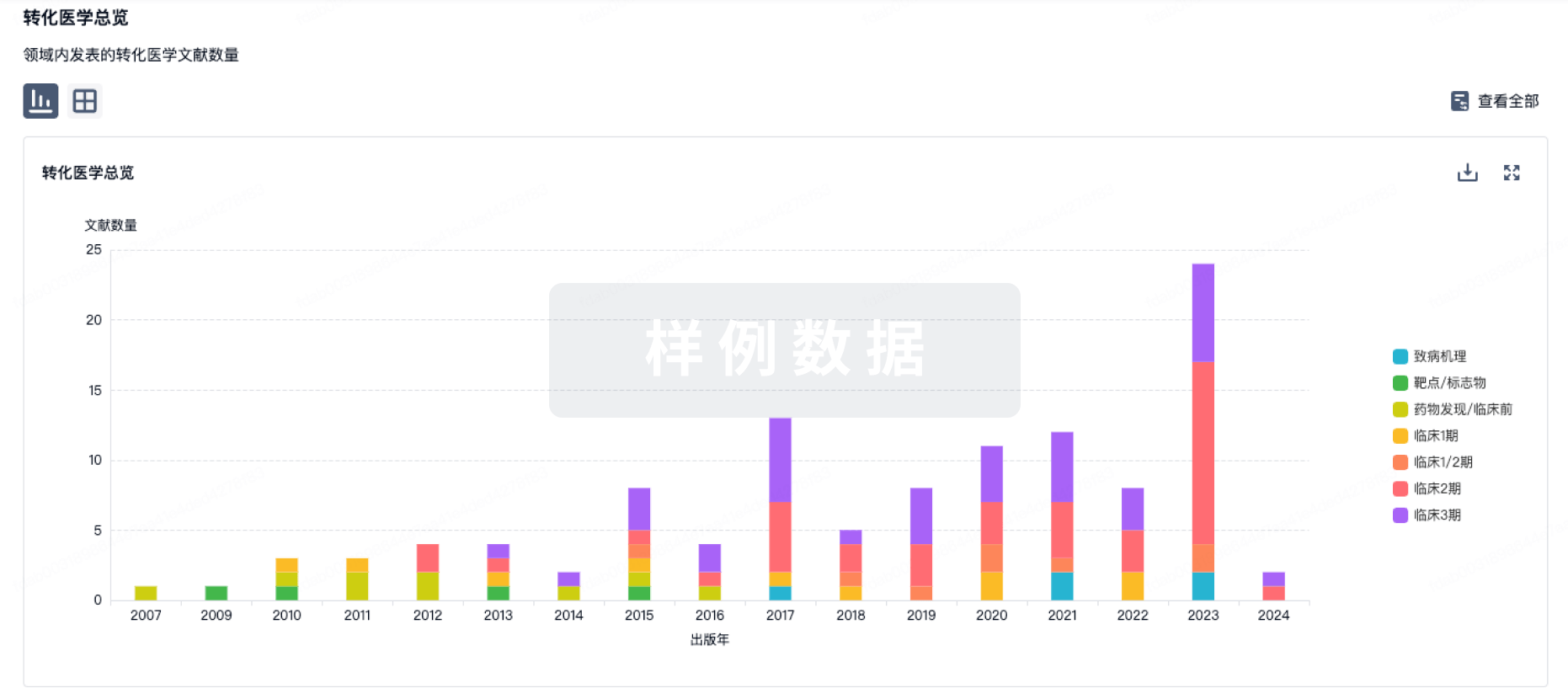
转化医学
使用我们的转化医学数据加速您的研究。
登录
或
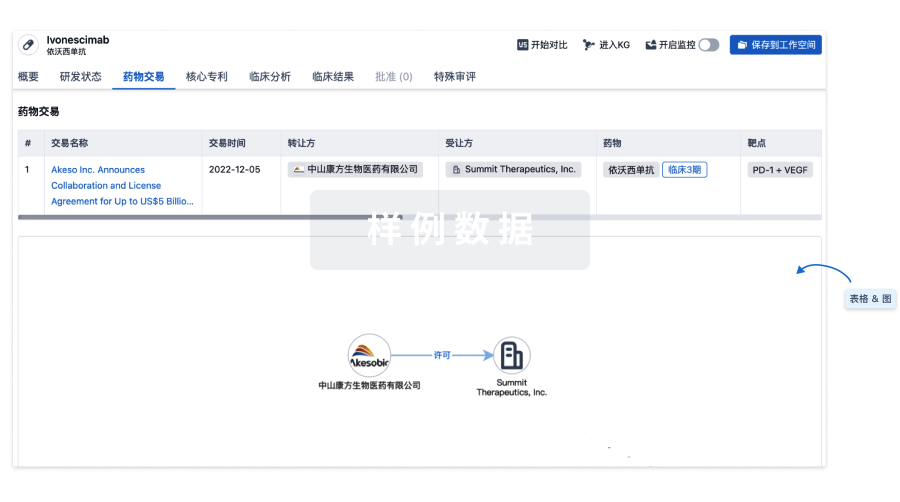
药物交易
使用我们的药物交易数据加速您的研究。
登录
或
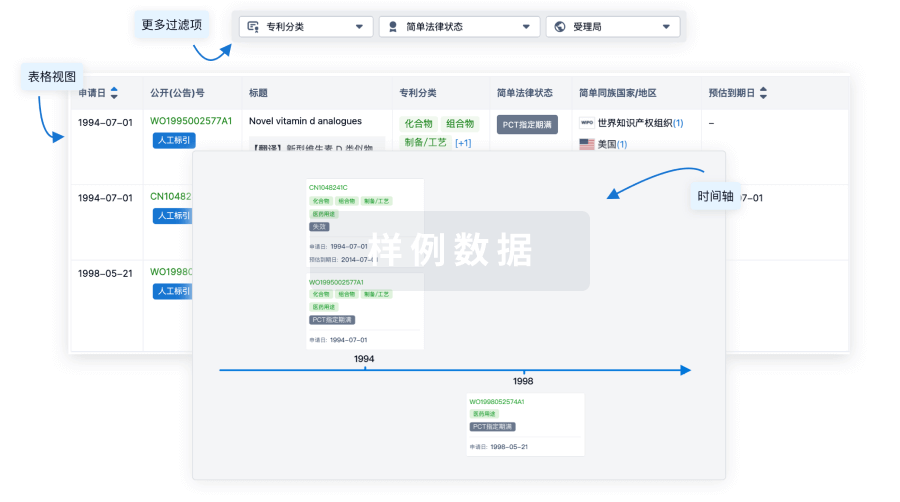
核心专利
使用我们的核心专利数据促进您的研究。
登录
或
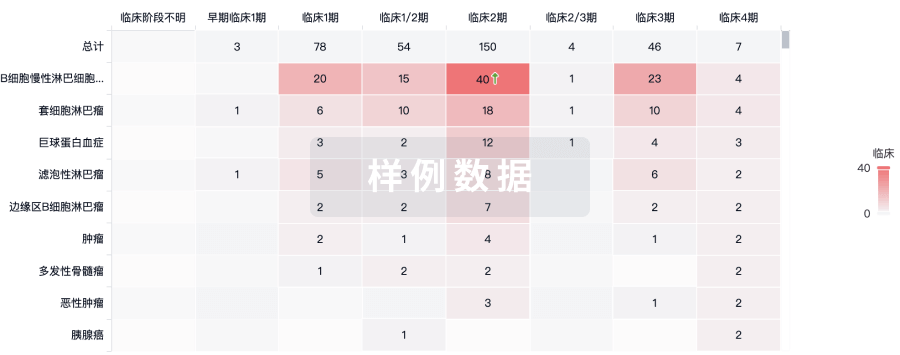
临床分析
紧跟全球注册中心的最新临床试验。
登录
或
批准
利用最新的监管批准信息加速您的研究。
登录
或
特殊审评
只需点击几下即可了解关键药物信息。
登录
或
提出任何生物医药研究问题
让每一步生物医药决策都精准制胜
基于十亿级生物数据与全球情报的精准 AI,赋能早期药物发现
立即开始免费试用!
智慧芽新药情报库是智慧芽专为生命科学人士构建的基于AI的创新药情报平台,助您全方位提升您的研发与决策效率。
立即接入生物医药数据包
智慧芽新药库数据也通过智慧芽开放平台,以MCP或API服务形式对外开放。立即使用我们的MCP服务定制您的LLM智能体。
生物序列数据库
生物药研发创新
免费使用
化学结构数据库
小分子化药研发创新
免费使用