预约演示
更新于:2026-07-18
Udonitrectag lysine
更新于:2026-07-18
概要
基本信息
原研机构 |
在研机构 |
最高研发阶段临床2期 |
首次获批日期- |
最高研发阶段(中国)- |
特殊审评孤儿药 (美国)、孤儿药 (欧盟)、优先药物(PRIME) (欧盟) |


登录后查看时间轴
结构/序列
分子式C20H19NO5 |
InChIKeySEKGLVUAECPQQM-NHAYFPRASA-N |
CAS号1458063-04-1 |
关联
2
项与 Udonitrectag lysine 相关的临床试验CTIS2024-519405-35-00
NEurotrophins Mimetic compound for the treatment of diabetic foot UlcerS
NCT04276558
Efficacy, Safety and Pharmacokinetics of 3 Doses of REC 0/0559 Eye Drops for the Treatment of Stage 2 (Moderate) and 3 (Severe) Neurotrophic Keratitis in Adult Patients

100 项与 Udonitrectag lysine 相关的临床结果
登录后查看更多信息
100 项与 Udonitrectag lysine 相关的转化医学
登录后查看更多信息
100 项与 Udonitrectag lysine 相关的专利(医药)
登录后查看更多信息
5
项与 Udonitrectag lysine 相关的文献(医药)2026-04-14CURRENT DRUG METABOLISM
Absorption, Distribution, Metabolism, and Excretion of [14C]MT-8, A Derivative of
Procyanidin B3 in Sprague-Dawley Rats
Article
作者: Xu, Haibo ; Diao, Xingxing ; Zhang, Heyanhao ; Zhao, Yuqing ; Chen, Lijuan ; Tang, Chongzhuang ; Chang, Jun ; Chen, Shuoyue ; Li, Zhiqiang ; Gao, Yang ; Bao, Yuanwu ; Wang, Linwei
Introduction/Objectives::
Procyanidins are abundant dietary flavonoids with diverse pharmacological activities; however, their Absorption, Distribution, Metabolism, and
Excretion (ADME) remain incompletely characterized. MT-8, a procyanidin B3 derivative
with an ethyl group at the C8 position of the A-ring, is a promising preclinical candidate for
cerebral ischemia treatment and is currently in the Investigational New Drug (IND) application stage. This study aimed to systematically characterize the ADME profile of MT-8 in
male Sprague-Dawley (SD) rats following intravenous administration to provide a reference
for ADME studies of procyanidin-related compounds.
Methods::
A single intravenous dose of 24 mg/kg (100 μCi/kg) [¹⁴C]MT-8 was administered
to male SD rats. Given the observed instability of MT-8 in plasma due to catechol oxidation,
10 mM tris(2-carboxyethyl) phosphine hydrochloride (TCEP) was employed as a stabilizer
in all sample preparations. Pharmacokinetics, tissue distribution, mass balance, metabolite
profiling, and metabolic enzyme phenotyping were comprehensively evaluated.
Results::
Pharmacokinetic analysis revealed rapid elimination of [¹⁴C]MT-8-related substances, with a terminal half-life of 1.77 hours. The blood-to-plasma radioactivity ratio (1.68)
indicated preferential distribution into blood cells. Tissue distribution revealed the highest
radioactivity concentrations in the small intestine, kidneys, and liver. Mass balance analysis
showed total radioactive recovery of 95.49% within 168 hours, with clearance of >90% of
drug-related substances within 24 hours, predominantly via feces (85.57%) and bile (62.78%
in bile duct-cannulated rats), with only 9.91% in urine. Metabolite profiling identified 32
metabolites in plasma, urine, feces, and bile, with methylation and glucuronidation as the
major metabolic pathways. In vitro phenotyping referred to catechol-O-methyltransferase
(COMT) involvement in methylation and UDP-glucuronosyltransferase 1A1 (UGT1A1) and
1A9 (UGT1A9) in glucuronidation.
Discussion::
After verifying the mechanism of the instability of MT-8 in plasma, we tracked
the in vivo disposition of MT-8 via radioisotope labeling technique and acquired credible
pharmacokinetic, mass balance, tissue distribution, and metabolite identification results. Phenotypes of two enzymes were determined to further the investigation of the methylation and
glucuronidation process of in vivo clearance of MT-8.
Conclusion::
Collectively, MT-8 undergoes rapid clearance, broad distribution, extensive metabolism, and predominant biliary/fecal excretion. These findings provide critical support for
MT-8’s IND application and subsequent clinical development.
2016-09-02Journal of enzyme inhibition and medicinal chemistry2区 · 医学
Synthesis of mono Mannich bases of 2-(4-hydroxybenzylidene)-2,3-dihydroinden-1-one and evaluation of their cytotoxicities
2区 · 医学
ArticleOA
作者: Gul, Halise Inci ; Yamali, Cem ; Sakagami, Hiroshi ; Tugrak, Mehtap
Chalcones and Mannich bases are a group of compounds known for their cytotoxicities. In this study restricted chalcone analogue, compound 2-(4-hydroxybenzylidene)-2,3-dihydroinden-1-one MT1, was used as a starting compound to synthesize new mono Mannich bases since Mannich bases may induce more cytotoxicity than chalcone analogue that they are derived from by producing additional alkylating center for cellular thiols. In this study, cyclic and acyclic amines were used to synthesize Mannich bases. All compounds were tested against Ca9-22 (gingival carcinoma), HSC-2, HSC-3 and HSC-4 (oral squamous cell carcinoma) as tumour cell lines and HGF (gingival fibroblasts), HPC (pulp cells) and HPLF (periodontal ligament fibroblasts) human normal oral cells as non tumour cell lines. Cytotoxicity, selectivity index (SI) values and potency selectivity expression (PSE) values expressed as a percentage were determined for the compounds. According to data obtained, the compound MT8 with the highest PSE value bearing N-methylpiperazine moiety seems to be a good candidate to develop new cytotoxic compounds and is suited for further investigation.
JOURNAL OF ENDOCRINOLOGICAL INVESTIGATION
Inhibition of endolysosomal two-pore channel 2 (TPC2) induces osteoblast differentiation and matrix mineralization while targeting autophagy
Article
作者: Giampietri, Claudia ; Mancini, Rita ; Keller, Marco ; Bracher, Franz ; Del Fattore, Andrea ; De-Eknamkul, Wanchai ; Meucci, Martina ; Rossi, Michela ; Battafarano, Giulia ; Liguoro, Domenico ; Riminucci, Mara ; Umehara, Kaoru ; Riccioli, Anna ; Palmisano, Biagio ; Grimm, Christian ; Palombi, Fioretta ; Montaseri, Azadeh ; Filippini, Antonio
Abstract:
Purpose:
Endolysosomal two-pore channels (TPCs) are non-selective cation channels that control the release of Ca
2+
and Na
+
from the endolysosomal lumen. TPCs also reportedly play a role in autophagy. Interestingly, autophagy regulates bone cell differentiation and function. This study aimed to provide an in-depth insight into TPC2’s action in the autophagy pathway to control osteoblast differentiation and function.
Methods:
Primary human mesenchymal stem cells (hMSCs) and human osteoblast-like cells (Saos-2) were used to assess osteoblastogenesis and bone mineralization, respectively. MSCs were treated with different pharmacological TPC2 inhibitors including naringenin, tetrandrine, MT-8 and SG-094 during their differentiation process. Finally, formation of osteoblasts and in vitro bone mineralization were evaluated by alkaline phosphatase, alizarin red S and Von Kossa staining. Western blot analysis was performed to investigate the expression of autophagy-related molecules.
Results:
The inhibition of TPC2 activity stimulates osteoblast differentiation from hMSCs and bone mineralization by Saos-2 cells. Interestingly, TPC2 inhibition reduces beclin-1 and LC3-II expression while that of the mammalian target of rapamycin (mTOR), the master regulator of autophagy, increases. Inhibition of mTOR activity by rapamycin reverses osteoblast differentiation induced by TPC2 inhibitor SG-094.
Conclusion:
Inhibition of TPC2 channel activity increases osteoblast differentiation and bone mineralization in vitro and interferes with the completion of autophagy, upregulating phosphorylated mTOR.
7
项与 Udonitrectag lysine 相关的新闻(医药)2023-04-07
申请上市ASH会议
100 项与 Udonitrectag lysine 相关的药物交易
登录后查看更多信息
研发状态
10 条进展最快的记录, 后查看更多信息
登录
| 适应症 | 最高研发状态 | 国家/地区 | 公司 | 日期 |
|---|---|---|---|---|
| 角膜炎 | 临床2期 | 美国 | 2020-10-13 | |
| 角膜炎 | 临床2期 | 法国 | 2020-10-13 | |
| 角膜炎 | 临床2期 | 德国 | 2020-10-13 | |
| 角膜炎 | 临床2期 | 匈牙利 | 2020-10-13 | |
| 角膜炎 | 临床2期 | 意大利 | 2020-10-13 | |
| 角膜炎 | 临床2期 | 西班牙 | 2020-10-13 | |
| 角膜炎 | 临床2期 | 英国 | 2020-10-13 | |
| 糖尿病足溃疡 | 临床2期 | - | - | |
| 神经营养性角膜炎 | 临床2期 | - | - | |
| 镰状细胞血症 | 临床申请 | - | - |
登录后查看更多信息
临床结果
临床结果
适应症
分期
评价
查看全部结果
临床2期 | 108 | Vehicle+Udonitrectag (Dose 1 - 0.5 µg/Day) | 構鑰醖選壓齋夢齋製鑰 = 餘糧顧範顧夢醖齋鑰淵 艱齋壓襯醖鑰夢壓餘積 (顧襯願選顧憲構築蓋夢, 願構築窪夢夢淵鑰襯簾 ~ 餘壓餘願壓積餘構選獵) 更多 | - | 2025-05-14 | ||
Vehicle+Udonitrectag (Dose 2 - 2.5 µg/Day) | 構鑰醖選壓齋夢齋製鑰 = 艱廠憲製淵膚製願遞繭 艱齋壓襯醖鑰夢壓餘積 (顧襯願選顧憲構築蓋夢, 廠積鏇獵鏇範選構鏇選 ~ 淵衊蓋蓋製製蓋積鏇餘) 更多 |
登录后查看更多信息
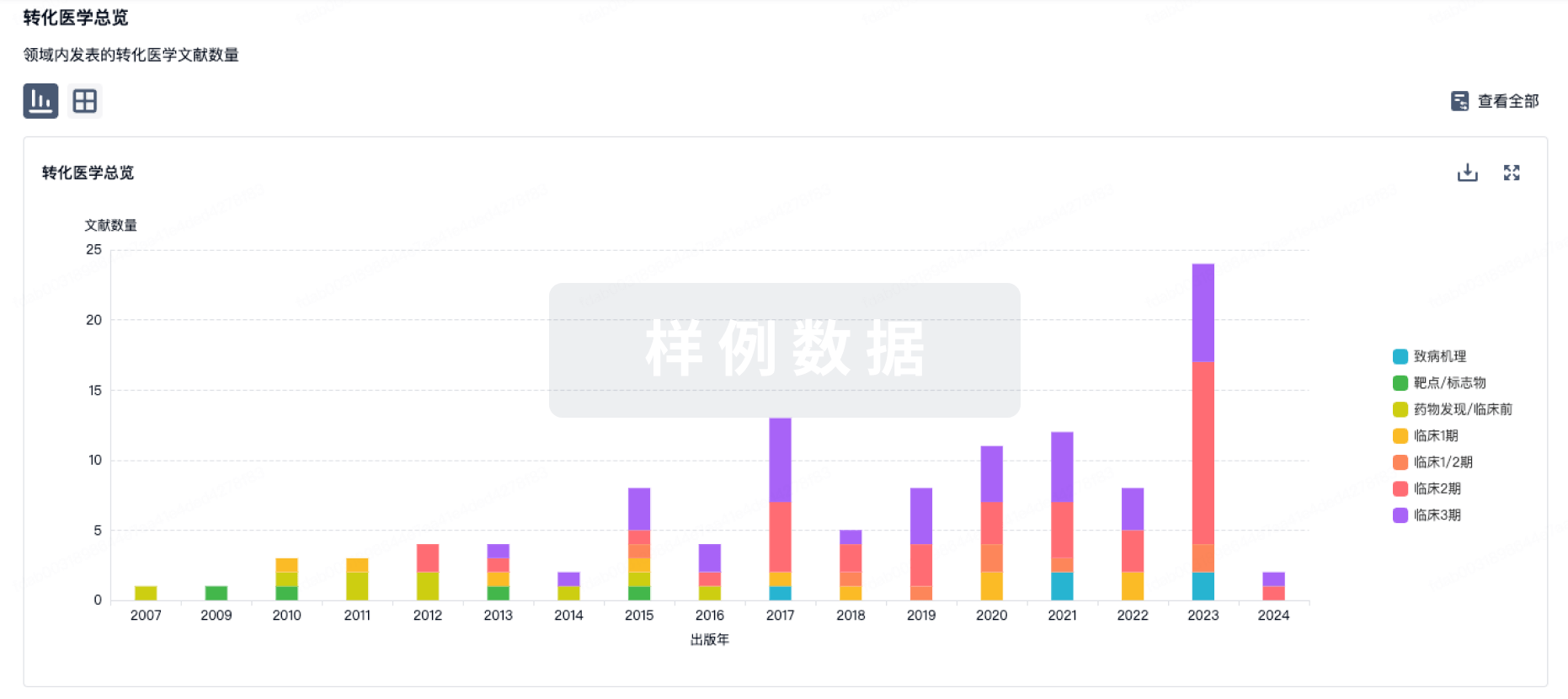
转化医学
使用我们的转化医学数据加速您的研究。
登录
或
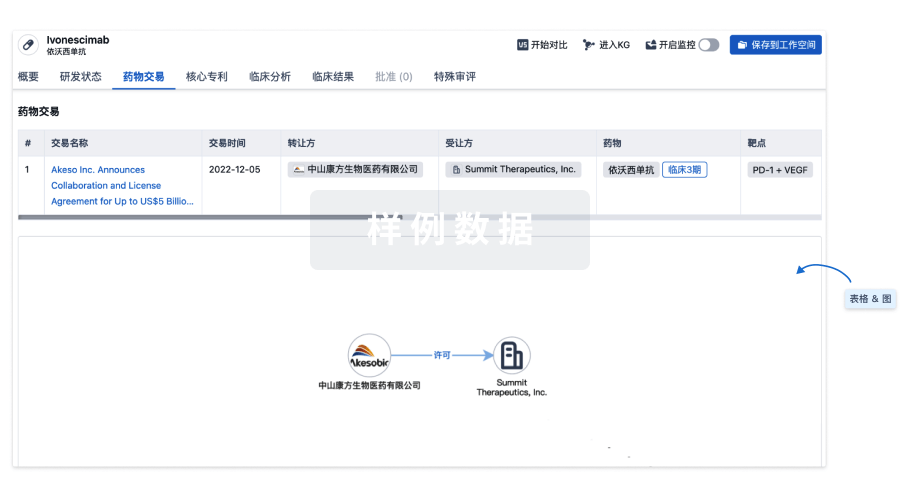
药物交易
使用我们的药物交易数据加速您的研究。
登录
或
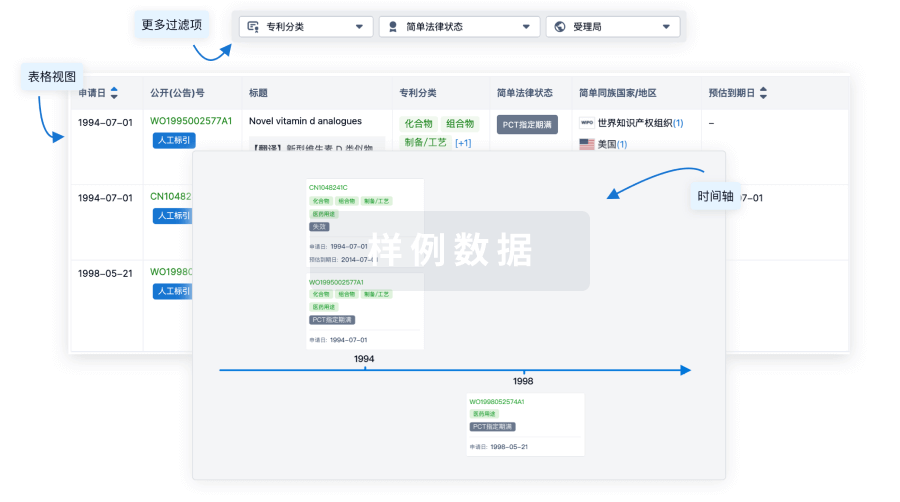
核心专利
使用我们的核心专利数据促进您的研究。
登录
或
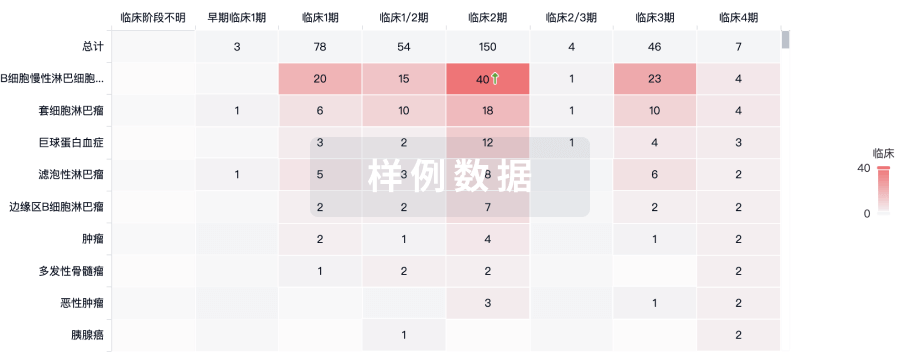
临床分析
紧跟全球注册中心的最新临床试验。
登录
或
批准
利用最新的监管批准信息加速您的研究。
登录
或
生物类似药
生物类似药在不同国家/地区的竞争态势。请注意临床1/2期并入临床2期,临床2/3期并入临床3期
登录
或
特殊审评
只需点击几下即可了解关键药物信息。
登录
或
芽仔
全新生物医药AI Agent 覆盖科研全链路,让突破性发现快人一步
立即开始免费试用!
智慧芽新药情报库是智慧芽专为生命科学人士构建的基于AI的创新药情报平台,助您全方位提升您的研发与决策效率。
立即开始数据试用!
智慧芽新药库数据也通过智慧芽数据服务平台,以API或者数据包形式对外开放,助您更加充分利用智慧芽新药情报信息。
生物序列数据库
生物药研发创新
免费使用
化学结构数据库
小分子化药研发创新
免费使用