预约演示
更新于:2025-05-07
Rabies vaccine recombinant (Sanofi)
更新于:2025-05-07
概要
基本信息
在研机构- |
权益机构- |
最高研发阶段终止临床1期 |
首次获批日期- |
最高研发阶段(中国)- |
特殊审评- |

登录后查看时间轴
关联
9
项与 Rabies vaccine recombinant (Sanofi) 相关的临床试验NCT00000904
A Phase I Trial to Compare the Safety and Immunogenicity of the Live Recombinant Canarypox ALVAC-HIV Vaccines, vCP205, vCP1433, and vCP1452, in HIV-1 Uninfected Adult Volunteers
The purpose of this study is to find out whether three different anti-HIV vaccines are safe and whether they help prevent HIV infection. These vaccines are called vCP205, vCP1433, and vCP1452. Some patients also receive another anti-HIV vaccine, gp160. The vaccines are made up of small pieces of HIV, which help the body learn to recognize and destroy HIV. You cannot get HIV from these vaccines.
There are two different ways a vaccine can protect the body from infection. First, a vaccine may help the immune system make antibodies, which are proteins that recognize invading viruses or bacteria. Second, a vaccine may help the body make immune cells that destroy infected cells. The second type of vaccine is more powerful against HIV. In this study, doctors will see whether vCP205, vCP1433, vCP1452, and gp160 are good vaccines by seeing whether they help the body make immune cells.
There are two different ways a vaccine can protect the body from infection. First, a vaccine may help the immune system make antibodies, which are proteins that recognize invading viruses or bacteria. Second, a vaccine may help the body make immune cells that destroy infected cells. The second type of vaccine is more powerful against HIV. In this study, doctors will see whether vCP205, vCP1433, vCP1452, and gp160 are good vaccines by seeing whether they help the body make immune cells.
NCT00001072
A Phase I Safety and Immunogenicity Trial of Live Recombinant Canarypox ALVAC-HIV vCP300 and HIV-1 SF-2 rgp120 in HIV-1 Uninfected Adult Volunteers
To evaluate, in HIV-negative volunteers, the safety and immunogenicity of ALVAC-HIV MN120TMGNP (vCP300) followed by or combined with boosting using rgp120/HIV-1SF2. To compare ALVAC-HIV vCP300 with ALVAC-RG rabies glycoprotein (vCP65) as a control. To evaluate an accelerated immunization schedule at 0, 1, 3, and 6 months versus 0, 1, 6, and 9 months.
The combination of a live recombinant primer followed by a subunit boost has the potential to induce not only cytotoxic T lymphocytes but also neutralizing antibody.
The combination of a live recombinant primer followed by a subunit boost has the potential to induce not only cytotoxic T lymphocytes but also neutralizing antibody.
NCT00000884
A Randomized Phase I Safety and Immunogenicity Trial of Live Recombinant Canarypox ALVAC-HIV vCP205 Delivered by Alternate Mucosal Routes in HIV-1 Uninfected Adult Volunteers
To compare the safety of ALVAC-HIV vCP205 to that of ALVAC-RG vCP65 rabies glycoprotein, delivered by a variety of mucosal routes. To evaluate the antibody, humoral, and cellular immune responses resulting from ALVAC-HIV vCP205. [AS PER AMENDMENT 8/3/98: To obtain safety data on AIDSVAX B/B boosting administered by the intramuscular and intranasal routes in the context of previous immunization via alternate mucosal routes or intramuscularly with a canarypox vector expressing HIV-1 antigens (vCP205). To obtain immunogenicity data on AIDSVAX B/B boosting.] One of the earliest observations in the HIV epidemic was the demonstration of HIV infection at mucosal surfaces of cells in the genital tract. These data suggest that priming of immune defenses of viral infected cells may be an important component in the strategy of developing an effective HIV vaccine. Direct immunization of relevant mucosal surfaces with a vectored vaccine may stimulate mucosal immunity. The ALVAC-HIV vCP205 immunogen is constructed from a live recombinant canarypox vector that has a good safety profile in volunteers and should allow mucosal induction of immunity.
100 项与 Rabies vaccine recombinant (Sanofi) 相关的临床结果
登录后查看更多信息
100 项与 Rabies vaccine recombinant (Sanofi) 相关的转化医学
登录后查看更多信息
100 项与 Rabies vaccine recombinant (Sanofi) 相关的专利(医药)
登录后查看更多信息
7
项与 Rabies vaccine recombinant (Sanofi) 相关的文献(医药)2014-07-01·Journal of Wildlife Diseases3区 · 农林科学
SAFETY AND IMMUNOGENICITY OF ONTARIO RABIES VACCINE BAIT (ONRAB) IN THE FIRST US FIELD TRIAL IN RACCOONS (PROCYON LOTOR)
3区 · 农林科学
Article
作者: Slate, Dennis ; Johnson, Shylo ; Renshaw, Randall W. ; Vercauteren, Kurt ; Rupprecht, Charles E. ; Nelson, Kathleen M. ; Mills, Samuel A. ; Croson, Christopher K. ; Chipman, Richard B. ; Atwood, Todd ; Algeo, Timothy P. ; Dubovi, Edward J.
1999-09-01·The Journal of Infectious Diseases2区 · 医学
A Canarypox Vector Expressing Cytomegalovirus (CMV) Glycoprotein B Primes for Antibody Responses to a Live Attenuated CMV Vaccine (Towne)
2区 · 医学
Article
作者: John Zahradnik ; Steve Pincus ; Jian Ben Wang ; Stuart P. Adler ; Zsofia Gyulai ; Klara Berencsi ; Al M. Best ; Eva Gonczol ; William I. Cox ; Pierre Dellamonica ; Michel Cadoz ; Claude Meric ; Stanley A. Plotkin
1996-04-01·Vaccine3区 · 医学
Human safety and immunogenicity of a canarypox-rabies glycoprotein recombinant vaccine: an alternative poxvirus vector system
3区 · 医学
Article
作者: S. Plotkin ; L.F. Fries ; E. Paoletti ; J. Tartaglia ; B. Meignier ; E.K. Kauffman ; J. Taylor
100 项与 Rabies vaccine recombinant (Sanofi) 相关的药物交易
登录后查看更多信息
研发状态
10 条进展最快的记录, 后查看更多信息
登录
| 适应症 | 最高研发状态 | 国家/地区 | 公司 | 日期 |
|---|---|---|---|---|
| HIV感染 | 临床1期 | 美国 | 2001-08-31 | |
| 狂犬病 | 临床1期 | 法国 | - |
登录后查看更多信息
临床结果
临床结果
适应症
分期
评价
查看全部结果
| 研究 | 分期 | 人群特征 | 评价人数 | 分组 | 结果 | 评价 | 发布日期 |
|---|
No Data | |||||||
登录后查看更多信息
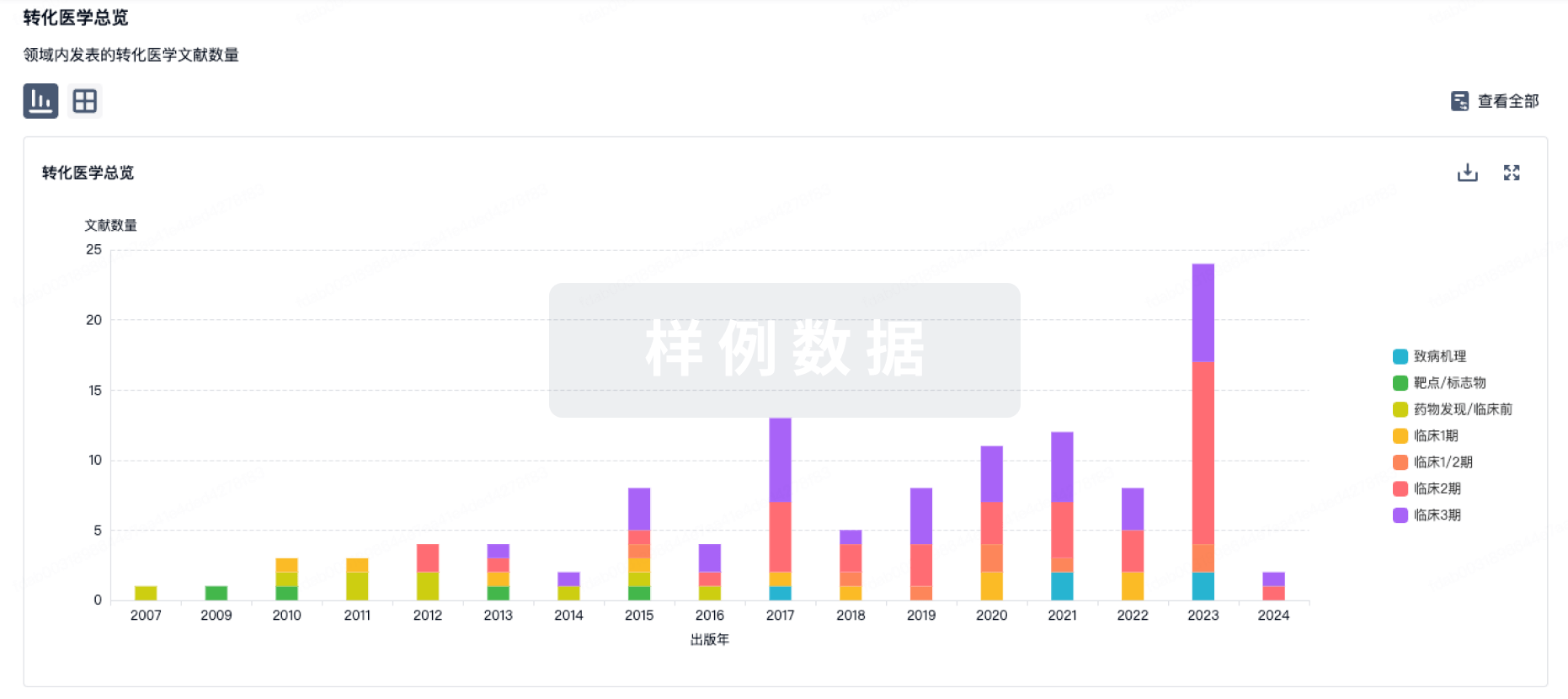
转化医学
使用我们的转化医学数据加速您的研究。
登录
或
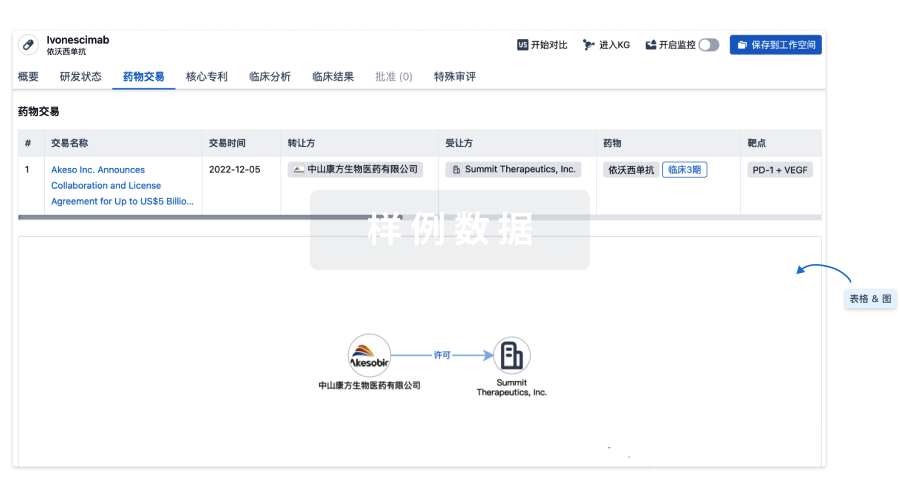
药物交易
使用我们的药物交易数据加速您的研究。
登录
或
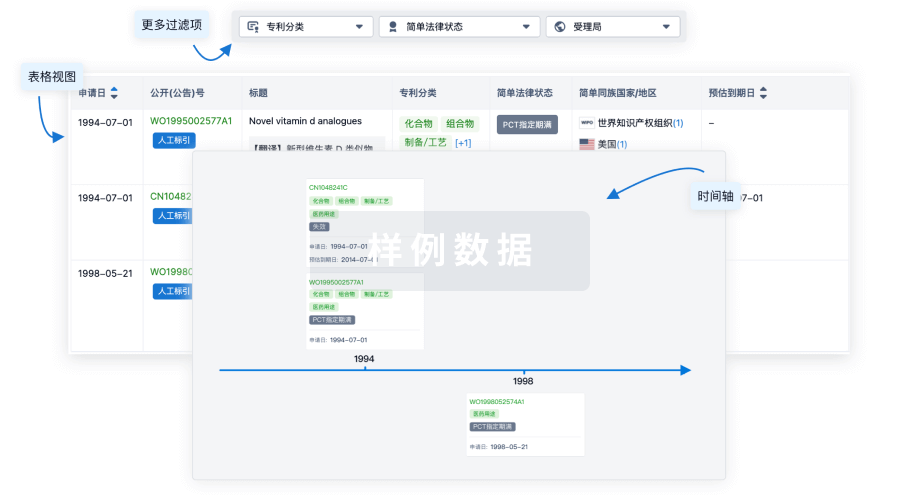
核心专利
使用我们的核心专利数据促进您的研究。
登录
或
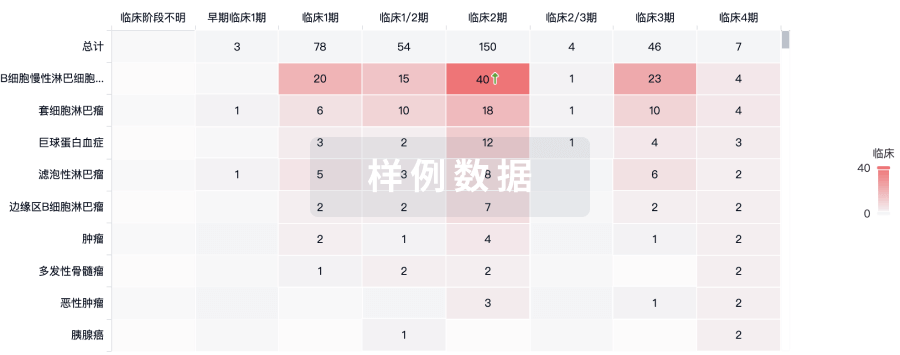
临床分析
紧跟全球注册中心的最新临床试验。
登录
或
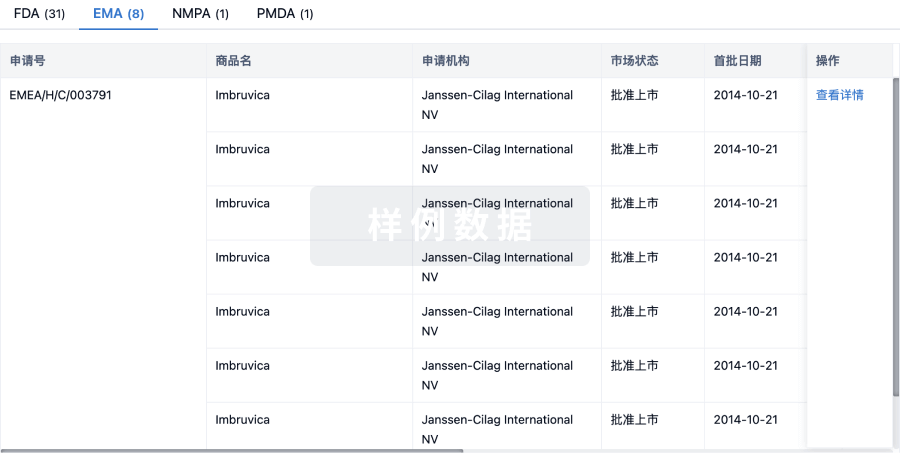
批准
利用最新的监管批准信息加速您的研究。
登录
或
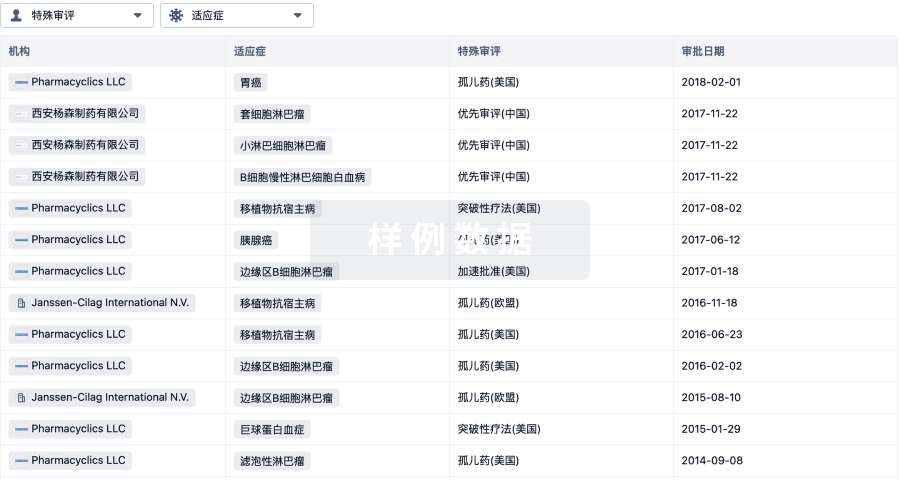
特殊审评
只需点击几下即可了解关键药物信息。
登录
或
生物医药百科问答
全新生物医药AI Agent 覆盖科研全链路,让突破性发现快人一步
立即开始免费试用!
智慧芽新药情报库是智慧芽专为生命科学人士构建的基于AI的创新药情报平台,助您全方位提升您的研发与决策效率。
立即开始数据试用!
智慧芽新药库数据也通过智慧芽数据服务平台,以API或者数据包形式对外开放,助您更加充分利用智慧芽新药情报信息。
生物序列数据库
生物药研发创新
免费使用
化学结构数据库
小分子化药研发创新
免费使用