预约演示
更新于:2026-04-23
Pseurotin A
更新于:2026-04-23
概要
基本信息
药物类型 小分子化药 |
别名- |
作用方式 抑制剂 |
作用机制 PCSK9抑制剂(前蛋白转化酶枯草杆菌蛋白酶Kexin-9抑制剂)、PPI 抑制剂(Cyclophilin peptidylprolyl isomerases inhibitors) |
在研适应症 |
非在研适应症- |
非在研机构- |
权益机构- |
最高研发阶段临床前 |
首次获批日期- |
最高研发阶段(中国)- |
特殊审评- |

关联
100 项与 Pseurotin A 相关的临床结果
登录后查看更多信息
100 项与 Pseurotin A 相关的转化医学
登录后查看更多信息
100 项与 Pseurotin A 相关的专利(医药)
登录后查看更多信息
39
项与 Pseurotin A 相关的文献(医药)2023-05-04·Mycobiology
Metabolite Chemical Composition of the Bletilla striata (Thunb.) Reichb. f. Endophyte Penicillium oxalicum
Article
作者: Gao, Jing ; Luo, Min ; Wang, Guangzhi ; Guo, Dale ; Liu, Ran ; Han, Xuehua
Penicillium oxalicum strain can be isolated from the Bletilla striata (Thunb.) Reichb. f. tubers. Its solid-state fermentation products are concentrated by percolation extraction. Separation and purification have been conducted to the ethyl acetate extracts by preparative HPLC. Based on the use of spectrometry, we have determined 17 known compounds, 12,13-dihydroxy-fumitremorgin C (1), pseurotin A (2), tyrosol (3), cyclo-(L-Pro-L-Val) (4), cis-4-hydroxy-8-O-methylmellein (5), uracil (6), cyclo-(L-Pro-L-Ala) (7), 1,2,3,4-tetrahydro-4-hydroxy-4-quinolin carboxylic acid (8), cyclo-(Gly-L-Pro) (9), 2'-deoxyuridine (10), 1-(β-D-ribofuranosyl)thymine (11), cyclo-(L-Val-Gly) (12), 2'-deoxythymidine (13), cyclo-(Gly-D-Phe) (14), cyclo-L-(4-hydroxyprolinyl)-D-leucine (15), cyclo-(L)-4-hydroxy-Pro-(L)-Phe (16), uridine (17). Here, we report compounds 1-3, 5, 7-8, 11-12, 14-17 are first found and isolated from this endophyte.
2023-04-01·Molecular informatics
Discovery of natural‐derived Mpro inhibitors as therapeutic candidates for COVID‐19: Structure‐based pharmacophore screening combined with QSAR analysis
Article
作者: Abumostafa, Reem ; Khanfar, Mohammad A. ; Salaas, Nada
Abstract:
The main protease (Mpro) is an essential enzyme for the life cycle of SARS‐CoV‐2 and a validated target for treatment of COVID‐19 infection. Structure‐based pharmacophore modeling combined with QSAR calculations were employed to identify new chemical scaffolds of Mpro inhibitors from natural products repository. Hundreds of pharmacophore models were manually built from their corresponding X‐ray crystallographic structures. A pharmacophore model that was validated by receiver operating characteristic (ROC) curve analysis and selected using the statistically optimum QSAR equation was implemented as a 3D‐search tool to mine AnalytiCon Discovery database of natural products. Captured hits that showed the highest predicted inhibitory activities were bioassayed. Three active Mpro inhibitors (pseurotin A, lactupicrin, and alpinetin) were successfully identified with IC50 values in low micromolar range.
2022-03-01·Microbiology (Reading, England)4区 · 生物学
Exposure to the Pseudomonas aeruginosa secretome alters the proteome and secondary metabolite production of Aspergillus fumigatus
4区 · 生物学
Article
作者: Carolan, James C. ; Margalit, Anatte ; Sheehan, David ; Kavanagh, Kevin
The fungal pathogen Aspergillus fumigatus is frequently cultured from the sputum of cystic fibrosis (CF) patients along with the bacterium Pseudomonas aeruginosa. A. fumigatus secretes a range of secondary metabolites, and one of these, gliotoxin, has inhibitory effects on the host immune response. The effect of P. aeruginosa culture filtrate (CuF) on fungal growth and gliotoxin production was investigated. Exposure of A. fumigatus hyphae to P. aeruginosa cells induced increased production of gliotoxin and a decrease in fungal growth. In contrast, exposure of A. fumigatus hyphae to P. aeruginosa CuF led to increased growth and decreased gliotoxin production. Quantitative proteomic analysis was used to characterize the proteomic response of A. fumigatus upon exposure to P. aeruginosa CuF. Changes in the profile of proteins involved in secondary metabolite biosynthesis (e.g. gliotoxin, fumagillin, pseurotin A), and changes to the abundance of proteins involved in oxidative stress (e.g. formate dehydrogenase) and detoxification (e.g. thioredoxin reductase) were observed, indicating that the bacterial secretome had a profound effect on the fungal proteome. Alterations in the abundance of proteins involved in detoxification and oxidative stress highlight the ability of A. fumigatus to differentially regulate protein synthesis in response to environmental stresses imposed by competitors such as P. aeruginosa. Such responses may ultimately have serious detrimental effects on the host.
1
项与 Pseurotin A 相关的新闻(医药)2026-04-08
编者按
2026
Editor's note
北大医学科研工作紧密围绕北大医学发展理念,践行医学+X战略,布局北大医学科技创新发展平台,探索建设跨学部、跨学科交互融合、创新发展的学术体系,取得了一系列创新性的科学研究成果。
2018年3月起,北医官微开设了“科研成果扫描”栏目,为读者及时介绍北大医学最新科研成果。时至今日,本栏目将持续为您呈现,共同见证北大医学“双一流”建设成果!
详细内容
即刻呈现
该研究开发了一项名为cf-EpiTracing的创新液体活检技术平台,通过检测血浆中游离染色质的多组蛋白修饰信息,结合机器学习算法,实现了对疾病受累组织和细胞类型的高灵敏度无创识别。研究团队发现,仅需不到100微升血浆,通过自动化高通量检测三种关键组蛋白修饰(H3K9ac、H3K27ac和H3K4me3),即可构建18种整合染色质状态(ICS),无偏倚地识别疾病来源的组织和细胞类型。在淋巴瘤临床应用中,该技术实现了三大突破:无创精准分型,可有效区分弥漫大B细胞淋巴瘤、滤泡性淋巴瘤和套细胞淋巴瘤等亚型;预后预测能力显著优于传统临床指标;以及能够捕捉疾病早期转化与衰老相关的表观遗传异常。cf-EpiTracing为淋巴瘤的早期筛查、精准分型、预后评估和疗效监测提供了一体化的无创解决方案。
作者简介
_
景红梅 北医三院血液内科主任,主任医师、教授、博士生导师。本文共同通讯作者。主要研究方向:淋巴瘤相关基础及临床研究。
_
张伟龙 血液内科主治医师,副研究员、硕士生导师。本文共同第一作者。主要研究方向:淋巴瘤的分子分型及精准治疗。
原文网址如下
2026.3.4
https://www.nature.com/articles/
s41586-026-10224-0
该研究共入组340例中国成年超重或肥胖受试者,随机分配至博凡格鲁肽注射液五个剂量组(12 mg、18 mg、24 mg、48 mg(均为每两周一次皮下注射); 24 mg(每周一次皮下注射))或安慰剂组。主要终点为治疗30周后体重较基线变化的百分比。研究结果显示:接受不同剂量和给药频次博凡格鲁肽注射液的受试者,在第30周时体重较基线均显著下降,每两周一次给药组体重至多可减轻16.09%,且下降趋势尚未到达平台期;同时,腰围、血糖、血压、血脂及肝酶等多项心血管及代谢指标亦有所改善。药物总体安全性和耐受性良好,不良事件主要为轻至中度胃肠道反应,未发现非预期的安全性信息。在这项IIb期临床试验中,博凡格鲁肽每两周一次的给药方案展现出与同机制药物每周一次减重疗效历史数据的可比性。这种超长效的创新药物降低了给药频次,与同类机制的周制剂相比,年注射次数减少50%(一年仅需26针),有望提升药物的疗效和患者治疗依从性,为代谢性疾病的治疗提供可能的新选择。
作者简介
_
纪立农 主任医师,教授。现任北京大学人民医院内分泌科主任,北京大学糖尿病中心共同主任,博士生导师。主要致力于内分泌疾病的临床诊疗、糖尿病的分子遗传学研究、糖尿病及代谢性疾病的创新药械研究。
原文网址如下
2026.2.27
https://www.nature.com/articles/
s41392-026-02586-8
该研究基于2022年187个国家报告的肝炎估计数据,评估了自2015年以来的消除工作进展、识别了关键数据和项目指标的缺口,并探索实现2030年消除目标的解决方案,为促进全球实现消除病毒性肝炎公共卫生危害提供了最新的证据。研究结果显示,2022年全球估计有3.27%(2.54亿)患有慢性乙型肝炎病毒(HBV)感染,0.65%(5000万)患有慢性丙型肝炎病毒(HCV)感染;新增慢性HBV感染病例120万例,新增慢性HCV感染病例100万例;有110万人死于HBV感染,24万人死于HCV感染相关疾病。在HBV感染者中,3410万人(13.4%)知晓自身感染状况,其中665万人(19.5%)接受了治疗。在HCV感染者中,2022年有2570万人(占2015年估计丙型肝炎病毒感染人数的36.4%)被确诊,2015年至2022年间,1250万人(48%)接受了直接抗病毒药物治疗。用2022年数据估计,有47个国家实现了2030年5岁及以下儿童HBsAg阳性率降至0.1%以下的目标,30个国家实现了2030年死亡率目标(乙肝和丙肝合并,6/10万)。
作者简介
_
崔富强 长聘教授,现任北京大学公共卫生学院卫生检验学系主任。主要研究方向为传染病流行病学,疫苗研究和评价,全球卫生治理研究等。
原文网址如下
2026.3.24
https://doi.org/10.1016/S2468-
1253(25)00375-9
该研究基于中国造血干细胞移植登记组(CBMTRG)数据库,回顾性分析了全国11家中心795例SAA患者的长期随访数据,系统评估了供者年龄、供者类型(全相合 vs 单倍体)及HLA匹配程度对预后的影响。研究发现,在当代移植技术体系下,供者年龄≥50岁是导致患者总生存率(OS)和无失败生存率(FFS)下降的独立危险因素。具体而言,使用高龄供者的患者死亡风险增加约2.1倍(HR=2.09),且发生严重移植物抗宿主病(GVHD)的风险显著升高。更具临床指导意义的是,研究证实:年轻单倍体供者(<50岁)的移植疗效与年轻全相合同胞供者相当,且显著优于年长的全相合同胞供者。这一结论挑战了“HLA匹配优先”的传统观念,为临床医生在面临“高龄全相合”与“年轻单倍体”供者抉择时提供了关键的循证医学证据。未来,供者选择策略应向以“生物学年龄”为核心的精准决策转变,以进一步提升SAA患者的长期生存质量。
作者简介
_
黄晓军 教授,中国工程院院士,北京大学血液病研究所所长,北京大学人民医院血液科主任。长期致力于解决血液系统重大疾病诊疗的关键科学问题。带领团队创建全球首个非体外去T细胞单倍型相合(半相合)造血干细胞移植体系——“北京方案”(Beijing Protocol),解决了供者来源匮乏这一世界性医学难题。
_
徐郑丽 本文第一作者。北京大学人民医院副主任医师,专业方向为造血干细胞移植。
_
许兰平 教授,北京大学人民医院血液科主任医师,北京大学血液病研究所教授,长期从事血液系统疾病临床诊疗与科研工作,主攻造血干细胞移植治疗恶性血液病、再生障碍性贫血及免疫功能低下患者感染性疾病诊治。同为本文第一作者。
_
王顺清 教授 广州市第一人民医院血液内科主任医师、科主任,主要研究再生障碍性贫血的诊治。同为本文第一作者。
原文网址如下
2026.3.15
https://www.sciencedirect.com/
science/article/pii/S209592732
6000824?via%3Dihub
研究团队建立了一套在体细胞命运扰动图谱构建方案,对140个候选因子进行“头对头”比较,锁定CALR为阻碍心肌再生的首要障碍因子。CALR在心梗区成纤维细胞中高表达,通过结合内质网钙离子、降低胞质钙信号,抑制关键重编程因子MEF2C的活性。敲低Calr或激活钙信号可显著提升心肌重编程效率与质量,将诱导效率提升一个数量级,并在人类细胞中验证了其保守性。该研究为心梗再生医疗提供了新靶点,也为在体重编程研究建立了高效的技术平台。
作者简介
_
赵扬 研究员 北京大学临床医学高等研究院。本文唯一通讯作者。主要研究领域为细胞命运重编程、组织器官再生(心脏、肝脏等)。
原文网址如下
2026.3.30
https://www.cell.com/cell-stem
-cell/abstract/S1934-5909(26)
00116-5
该研究整合了来自35名患者共计155,163个细胞的单细胞RNA测序(scRNA-seq)数据与匹配的批量转录组学分析。结果鉴定出在侵袭性肿瘤-间质交界面处、高表达AKT3的上皮-间充质转化(EMT)样细胞为转移起始细胞。体内异种移植模型验证表明,AKT3缺失会减少肿瘤的卵巢定植,而其过表达则赋予细胞具有侵袭能力的间充质表型。此外,研究揭示了AKT3间充质样细胞与癌症相关成纤维细胞(CAF)之间的相互作用在重塑肿瘤微环境中的关键作用。临床样本多重免疫荧光染色进一步在侵袭前沿观察到了与CAF相邻的AKT3等共表达肿瘤簇。在患者来源的CROM类器官(CROM-PDO)中,抑制或敲低AKT3显著抑制了恶性表型。 本研究阐明了结合EMT可塑性与CAF激活的AKT3驱动环路,并为开发针对此种侵袭性结直肠癌的精准治疗提供了CROM-PDO这一强大的平台。
作者简介
_
顾晋 现任职于北京大学肿瘤医院胃肠肿瘤中心三病区及北京大学首钢医院胃肠外科。本文共同通讯作者。主要研究领域涉及结直肠肿瘤的精准诊疗及机制研究。
_
贾桂芳 现任职于北京大学化学与分子工程学院、北大-清华生命科学联合中心及北京核糖核酸研究中心。本文共同通讯作者。
_
石景怡 曾就读于北京大学肿瘤医院胃肠肿瘤中心三病区(2025年6月博士毕业)。本文共同第一作者。
_
王小文 现为北大-清华生命科学联合中心博士研究生。本文共同第一作者。
_
张梧桐 现为北京大学化学与分子工程学院博士后。本文共同第一作者。
_
高兆亚 现任职于北京大学首钢医院胃肠外科。本文共同第一作者
原文网址如下
2026.2.9
https://aacrjournals.org/
cancerres/article/doi/10.
1158/0008-5472.
CAN-25-1718/774245/
AKT3-Driven-Epithelia
l-Mesenchymal-Plasticity
该研究利用单颗粒冷冻电镜技术,成功解析了midnolin-26S蛋白酶体复合物的九个高分辨率结构,完整揭示了从底物识别、主动递送到降解的全流程动态过程。研究发现,midnolin通过其C端α螺旋与蛋白酶体RPN1亚基动态结合,而其Ubl结构域与RPN11发生非催化性结合,将Catch结构域精准定位在蛋白酶体入口上方,实现底物的“主动喂食”功能。此外,该研究还捕获了四种连续的螺旋阶梯构象,直观揭示了AAA+马达以“手递手”方式逐步拉动底物进入降解核心的分子机制,并首次发现镁离子释放与ATP水解协同驱动底物移位。这些发现为基于midnolin架构的新型靶向蛋白降解剂的设计提供了精确的结构模板,有望推动难成药核内蛋白的药物开发。值得一提的是,该文被选为《自然-通讯》结构生物学、生物化学与生物物理学领域的编辑亮点文章。
作者简介
_
梁令 现任北京大学基础医学院副研究员。主要研究领域为重要蛋白质复合物工作机制,特别是蛋白质降解机器、营养物质感知与转运及其在肿瘤发生发展与治疗中的作用等。
_
林志强 现任北京大学基础医学院研究员。主要研究领域为生物材料和生物制造。
_
祝传达 北京大学基础医学院2022级博士研究生。本文第一作者。主要研究方向为蛋白质递送及蛋白质降解机器的结构和功能研究。
_
秦露 北京大学基础医学院2023级博士研究生。本文共同第一作者。主要研究方向为蛋白质降解机器的结构和功能研究。
原文网址如下
2026.3.27
https://doi.org/10.1038/s41467
-026-71002-0
蕈样肉芽肿是最常见的皮肤T细胞淋巴瘤亚型,晚期伴大细胞转化(MF-LCT)者预后差,维布妥昔单抗(BV)作为新型药物,作用及耐药机制尚未明确,临床获益受限。研究分析MF-LCT患者治疗前后配对样本,揭示了BV的多重抗肿瘤机制:BV能诱导肿瘤细胞的免疫原性细胞死亡,特异激活CD30阴性肿瘤细胞干扰素信号通路,放大肿瘤免疫反应;还能直接清除肿瘤浸润调节性T细胞,增强抗肿瘤免疫应答。研究发现并验证了BV与BCL2抑制剂的显著协同效应,为突破BV耐药提供明确转化方向,也为晚期皮肤T细胞淋巴瘤的精准治疗奠定理论基础。
作者简介
_
汪旸 北京大学第一医院皮肤性病科主任,主任医师、教授、博士生导师。本文共同通讯作者。主要研究领域为皮肤T细胞淋巴瘤的临床诊治及发病机制。
_
孙婧茹 北京大学第一医院皮肤性病科副主任医师。本文共同通讯作者。主要研究领域为皮肤T细胞淋巴瘤。
_
姜怡 北京大学第一医院皮肤病与性病学2021级博士研究生。本文第一作者。主要研究方向是皮肤T细胞淋巴瘤。
原文网址如下
2026.2.28
https://advanced.onlinelibrary
.wiley.com/doi/epdf/10.1002
/advs.202517353
中性粒细胞哮喘是哮喘中治疗难度较大的亚型,患者常对糖皮质激素治疗不敏感,且伴有明显的Th17型炎症反应。本研究通过对临床样本及小鼠模型进行脂质组学分析,发现神经酰胺Cer24:1在中性粒细胞哮喘中表达显著降低,其水平与疾病严重程度及中性粒细胞炎症呈负相关。进一步机制研究表明,补充Cer24:1可显著减轻模型小鼠的气道高反应性和中性粒细胞浸润,抑制Th17相关炎症反应。机制上,Cer24:1可直接作用于CD4⁺ T细胞表面的前列腺素E2受体EP2,抑制其信号通路激活进而限制Th17分化,发挥抗炎保护作用。
作者简介
_
常春 现任北京大学第三医院呼吸与危重症医学科主任医师、教授、博士生导师、博士后合作导师,哮喘专业组组长。主要擅长哮喘、慢性咳嗽、过敏性疾病的诊治等。
_
金容 现任北京大学医学部基础医学院免疫学系副教授,博士生导师。主要研究方向为肿瘤免疫与脂代谢、哮喘和脂代谢等。
_
刘欢 北京大学第三医院2022级博士研究生,本文第一作者。主要方向为哮喘脂质代谢与免疫调控机制。
_
阿布都热依木江·艾力 本文共同第一作者。现任北京大学第三医院肿瘤化疗与放射病科助理研究员。主要研究方向为代谢免疫与免疫治疗。
原文网址如下
2026.3.13
http://doi.org/10.1002/advs
.202520695
该研究聚焦好发于青少年的恶性骨肉瘤,针对该疾病临床治疗中化疗耐药、肺转移的核心瓶颈,以其17p11.2染色体高频扩增区域的关键驱动基因COPS3为核心切入点,系统解析了COPS3调控肿瘤干细胞干性的级联分子调控网络与作用通路。研究首次阐明了ITGB2-COPS3-SOX2信号轴与SOX2液-液相分离介导骨肉瘤干性维持的双重调控机制,证实上游胞外基质受体ITGB2可促进COPS3核转位,COPS3通过直接结合SOX2抑制其泛素化降解,进而增强其蛋白稳定性与转录活性。同时首次证实,SOX2在骨肉瘤中可通过液-液相分离形成生物分子凝聚体,该过程是维持骨肉瘤干性的关键机制。基于上述机制,研究筛选出高选择性COPS3小分子抑制剂Z-5891,体内外实验验证其可显著抑制骨肉瘤恶性进展、逆转肿瘤细胞干性,且与化疗药物阿霉素联用具有协同抗肿瘤效应,为突破骨肉瘤临床治疗瓶颈提供了全新的理论依据和候选药物。
作者简介
_
燕太强 北京大学第一医院骨科(骨肿瘤)主任,主任医师、教授、博士生导师。主要研究领域为骨与软组织肿瘤的分子机制与靶向治疗研究。
_
郭磊 北京大学第一医院2023级博士研究生。本文第一作者。主要研究领域为骨肉瘤干性的调控机制及靶向治疗研究。
原文网址如下
2026.3.13
https://advanced.onlinelibrary.
wiley.com/doi/10.1002/advs.
202520913
研究团队通过整合泛癌基因组分析、单细胞转录组学及CRISPR筛选技术,证实了肿瘤突变不耐受基因(MIGs)维持肿瘤生长的双重机制。首先是细胞内在的生存保障:以核心靶点CHEK1为例,研究发现扰动该基因能够诱发合成致死效应,直接导致肺腺癌细胞的增殖受阻。其次是外在微环境的免疫重塑:研究揭示了一类具有干细胞特性的CHEK1 high肿瘤细胞亚群。该亚群通过p53-MIF-CD74信号轴,将巨噬细胞转化为促进肿瘤增殖的M2型巨噬细胞。这一发现为部分患者的肿瘤微环境呈现“免疫沙漠”状态提供了新的分子视角。此外,在独立患者队列中的验证显示,CHEK1的表达水平能够有效预测患者对anti-PD-1免疫治疗的反应。对于那些表现为免疫治疗耐药的患者,CHEK1的异常激活可能是导致治疗失效的关键因素。因此,靶向CHEK1不仅能直接产生抗肿瘤效应,更能作为一种强有力的微环境重塑策略,将冷肿瘤转化为热肿瘤,从而显著提升PD-1抑制剂等免疫检查点阻断疗法的临床响应率。
作者简介
_
毛凤彪 北医三院基础医学研究中心研究员、博士生导师;主要研究方向:肿瘤发生发展的驱动机制。
_
刘彤 北医三院基础医学研究中心副研究员、硕士生导师;主要研究方向:代谢性细胞死亡与肿瘤防控策略。
_
张培培 北京大学基础医学院副研究员、博士生导师;主要研究方向:无膜细胞器与神经退行性疾病。
_
毕洪森 北医三院成形外科主任医师、博士生导师;主要研究方向:瘢痕及再生医学机制研究。
_
索宝军 北医三院消化科副主任医师;主要研究方向:幽门螺杆菌感染、消化道肿瘤及癌前病变的机制研究
_
王涛 本文第一作者,北医三院基础医学研究中心博士后;主要研究方向:肿瘤发生发展的驱动机制。
_
赵虹钰 本文共同第一作者。北医三院生殖医学中心硕士;主要研究方向:肿瘤发生的表观遗传调控机制
_
丁语琪,本文共同第一作者。北京大学基础医学院八年制;主要研究方向:无膜细胞器与神经退行性疾病。
原文网址如下
2026.2.21
https://advanced.onlinelibrary.
wiley.com/doi/10.1002/advs.
202521265
调节性T细胞(Treg)在抑制自身免疫反应、维持免疫稳态中发挥关键作用,是自身免疫性肾炎治疗中极具前景的靶点。本研究设计了一种工程化IL-2蛋白STS718,通过引入点突变并与IgG1 Fc融合,降低了与IL-2Rβγ的结合,并显著延长半衰期。STS718能在小鼠和食蟹猴模型中,呈时间和剂量依赖性地选择性扩增Treg,而不明显激活效应T细胞;在抗肾小球基底膜肾炎和膜性肾病两种自身免疫性肾炎模型中,有效抑制疾病进展,疗效优于野生型IL-2-Fc;还可在健康供体和患者样本中诱导功能性Treg扩增。该研究为自身免疫性肾脏疾病提供了一种精准、高效的免疫治疗新策略。
作者简介
_
崔昭 现任北京大学第一医院肾脏内科主任医师、教授、博士生导师。本文通讯作者。主要研究领域为肾脏病的免疫机制及治疗研究,特别是膜性肾病、微小病变肾病、局灶节段性肾小球硬化症、抗肾小球基底膜病的自身免疫发病机制、临床规范诊断和治疗、新药研发和评价等。
_
贾晓玉 现任北京大学第一医院肾脏内科副主任医师、副教授。本文共同通讯作者。主要研究领域为抗肾小球基底膜病的免疫发病机制和治疗。
_
况煌 北京大学第一医院2021级直博生。本文第一作者。主要研究方向是自身免疫性肾小球肾炎的基础和临床研究。
原文网址如下
2026.2.18
https://www.thno.org
/v16p4787.htm
补体系统是天然免疫的重要组成部分,是人体免疫的第一道防线。补体系统在清除病原体、调节免疫反应及维持体内稳态等过程中发挥关键作用。同时,补体系统的功能紊乱与多种人类疾病有关,其中肾脏由于独特的解剖结构和电荷性质更易受到补体紊乱的影响。研究者从基础的分子机制出发,系统地揭示了补体系统两种C3转化酶的组装机制,同时获得了两种转化酶结合底物C3后形成的“Michaelis”复合物(酶与底物形成的中间体),阐明了补体系统转化酶识别并切割核心组分C3的分子机制,并解释了目前补体抑制药物发挥作用的分子机制,解决了补体生物学中长期存在的关键问题,为靶向补体的治疗研究提供了坚实的结构基础。
作者简介
_
肖俊宇 北京大学博雅特聘教授,现任北京大学前沿交叉学科研究院副院长。实验室主要关注免疫相关分子的功能机制,聚焦不同免疫球蛋白与其特异性受体、病原体分子之间的相互作用,以及补体蛋白与免疫球蛋白的互作和调控。
_
赵明辉 北京大学第一医院肾内科教授,现任北京大学肾脏病研究所所长。主要研究领域为肾脏病免疫炎症发病机制。
_
谭颖 北京大学第一医院肾内科主任医师,主要研究方向是补体相关肾脏病的发病机制及转化研究。
_
贾长昊 北京大学前沿交叉学科研究院2021级博士生。本文第一作者。主要研究方向是补体系统与补体相关疾病
_
杨晓珂 北京大学生命科学学院博士后。本文第一作者,主要研究方向是结构生物学。
原文网址如下
2026.2.20
https://www.science.org/doi/
10.1126/sciadv.adz5404
提高PD1/PD-L1等免疫检查点抑制疗法的响应率对开发新型肿瘤免疫疗法具有重要意义。该研究通过将临床批准的光敏剂维替泊芬与PD-L1靶向肽结合,设计合成了一种光降解靶向嵌合体,并在光照下展现出双重肿瘤免疫治疗作用机制:靶点附近产生的单线态氧有效降解了肿瘤细胞的PD-L1,而远端产生的单线态氧则通过细胞毒性效应诱导了免疫原性细胞死亡。在免疫冷肿瘤小鼠模型中,该嵌合体激发了强大的适应性抗肿瘤免疫,有效抑制了原发和远端肿瘤的生长。这种靶向光敏剂通过单一分子物种在单次治疗中协同实现了免疫检查点阻断与免疫原性细胞死亡诱导,为免疫冷肿瘤的联合免疫治疗提供了新策略。
作者简介
_
刘国全 北京大学临床医学高等研究院研究员。主要研究领域为光/声激活的靶向药物设计、肿瘤微环境氧化还原代谢与耐药和免疫逃逸机制。
_
魏勋斌 博雅特聘教授,现任北京大学临床医学高等研究院副院长。主要研究领域为可用于肿瘤光学早期检测的“在体流式图像细胞仪” 、在体肿瘤光学分子影像技术及近红外纳米光学探针技术、激光医学与老年痴呆症的光治疗技术。
原文网址如下
2026.2.9
https://www.sciencedirect.com/
science/article/pii/S221323172
600073X
PM2.5是威胁全球公众健康的重大环境风险因素,在其诸多毒性效应中,铁稳态失衡扮演了关键角色。现有研究多集中于PM2.5诱导的铁过载与铁死亡,而对于PM2.5是否以及如何引起可利用铁(Fe²⁺)缺乏及其具体分子机制,尚缺乏系统认知。该研究整合人群、动物与细胞多层证据,发现PM2.5暴露可通过损伤溶酶体、阻断自噬/铁蛋白自噬,导致细胞可利用铁(Fe²⁺)缺乏。研究首次明确提出“溶酶体功能障碍—铁稳态失衡”这一关键机制,并验证血清铁蛋白轻链(FTL)可作为PM2.5相关肺损伤的敏感生物标志物,为空气污染健康风险评估与干预提供了新的机制靶点与指标体系。该研究不仅阐明了PM2.5肺毒性的一个全新病理环节,也为相关生物标志物开发和干预靶点探寻提供了重要科学依据。
作者简介
_
魏雪涛 北京大学公共卫生学院毒理系副教授,现任公共卫生学院教学办公室主任、毒理学系副主任。主要研究方向为免疫毒理学、分子与细胞毒理学、环境污染物、药物毒理、生物活性物质的免疫调节作用、安全性评价和风险评估等。
_
王斌 北京大学生育健康研究所研究员/北京大学城市与环境学院兼职教授。主要研究方向为环境健康,暴露组学大数据与人工智能。
_
张琼 北京大学公共卫生学院2022级博士研究生。本文第一作者。主要研究方向是空气污染颗粒物的肺脏和免疫毒性。
原文网址如下
2026.2.9
https://pubs.acs.org/doi/10.1021/
acs.est.5c14185
Pseurotin A是病原真菌烟曲霉产生的一种次级代谢产物,作为毒力因子影响病原菌感染,还具有免疫抑制和抗真菌活性,但其具体生物合成的分子机制尚不清楚。该研究基于Pseurotin A生物合成基因簇与酿酒酵母构建了Pseurotin A的外源代谢产物合成系统,通过表达纯化Pseurotin A合成关键催化酶PsoA与PsoF,结合免疫共沉淀、分子排阻色谱、交联质谱等证实PsoF通过FMO结构域与PsoA的NRPS模块直接结合形成复合物发挥功能。该研究还利用冷冻电镜解析了PsoA的在Apo状态及与底物结合状态下的高分辨率三维结构,揭示了PsoA聚酮合酶模块(PsoA-PKS)催化功能的结构基础以及与哺乳动物脂肪酸合成酶FAS的结构保守性。值得注意的是,该研究发现了PsoA酮基合酶结构域(KS)活性位点中存在一个动态环,其构象变化可调控活性口袋的大小,结合质谱分析推测该区域可能发挥着控制中间产物的甲基化修饰功能。这些发现不仅为Pseurotin A生物合成和PKS-NRPS杂合酶的分子机制提供了新的见解,还有助于未来进一步理解烟曲霉感染机制和基于合成生物学策略改造天然产物合成途径。
作者简介
_
柏林 现任北京大学基础医学院生物物理学系研究员。主要研究领域为抗真菌药物靶点发现与机制研究,以及基于结构的新药研发。
_
孙雷 北京大学基础医学院2022级博士研究生。本文第一作者。主要研究方向为抗真菌药物靶点的结构与功能研究。
_
游子龙 北京大学基础医学院2021级博士研究生。本文第一作者。主要研究方向为抗真菌药物靶点的结构与功能研究。
原文网址如下
2026.3.25
https://www.nature.com/articles/
s41467-026-69114-8
该研究通过在宁波开展整群随机对照试验,创新性地构建了整合学校、医院、家庭与学生的SCIENT干预体系,并整合移动健康技术为超重和肥胖儿童提供个性化生活方式指导。结果发现多层面生活方式干预能显著降低儿童体质指数(BMI),并有效改善肝脏脂肪含量(CAP)与硬度(LSM)指标,使代谢功能障碍相关脂肪性肝病的患病风险降低68%。宏观经济学模型预估,若该模式在全国推广,至2050年将产生约6949.6亿元的累计经济收益,为国家制定儿童健康与经济发展战略提供依据。
作者简介
_
王海俊 教授,现任北京大学公共卫生学院副院长和妇幼卫生学系主任。本文共同通讯作者。主要研究领域为妇幼人群重大健康问题的影响因素及防控技术。
_
王辉 副研究员,现任职于北京大学公共卫生学院妇幼卫生学系。本文共同通讯作者。主要研究领域为妇幼代谢相关疾病影响因素与干预措施。
_
励丽 主任医师,现任宁波大学附属第一医院内分泌科主任。本文共同第一作者。主要研究领域为糖尿病及相关代谢性疾病。
_
傅虹桥 长聘副教授、研究员,现任北京大学公共卫生学院卫生政策与管理系副主任。本文共同第一作者。主要研究领域为卫生经济、卫生政策、互联网+医疗健康服务创新等。
_
张萍萍 现任职于宁波大学附属第一医院。本文共同第一作者。主要研究方向为儿童肥胖和代谢疾病的干预及发病机制。
原文网址如下
2026.3.21
https://www.thelancet.com/
journals/eclinm/article/PIIS
2589-5370(26)00087-8/
fulltext
北京大学医学部 宣
文字、图片/科研处提供
题图源于网络
编辑/ 宣传部 柳欣
临床2期
100 项与 Pseurotin A 相关的药物交易
登录后查看更多信息
研发状态
10 条进展最快的记录, 后查看更多信息
登录
| 适应症 | 最高研发状态 | 国家/地区 | 公司 | 日期 |
|---|---|---|---|---|
| 转移性去势抵抗性前列腺癌 | 临床前 | 美国 | 2025-10-02 |
登录后查看更多信息
临床结果
临床结果
适应症
分期
评价
查看全部结果
| 研究 | 分期 | 人群特征 | 评价人数 | 分组 | 结果 | 评价 | 发布日期 |
|---|
No Data | |||||||
登录后查看更多信息
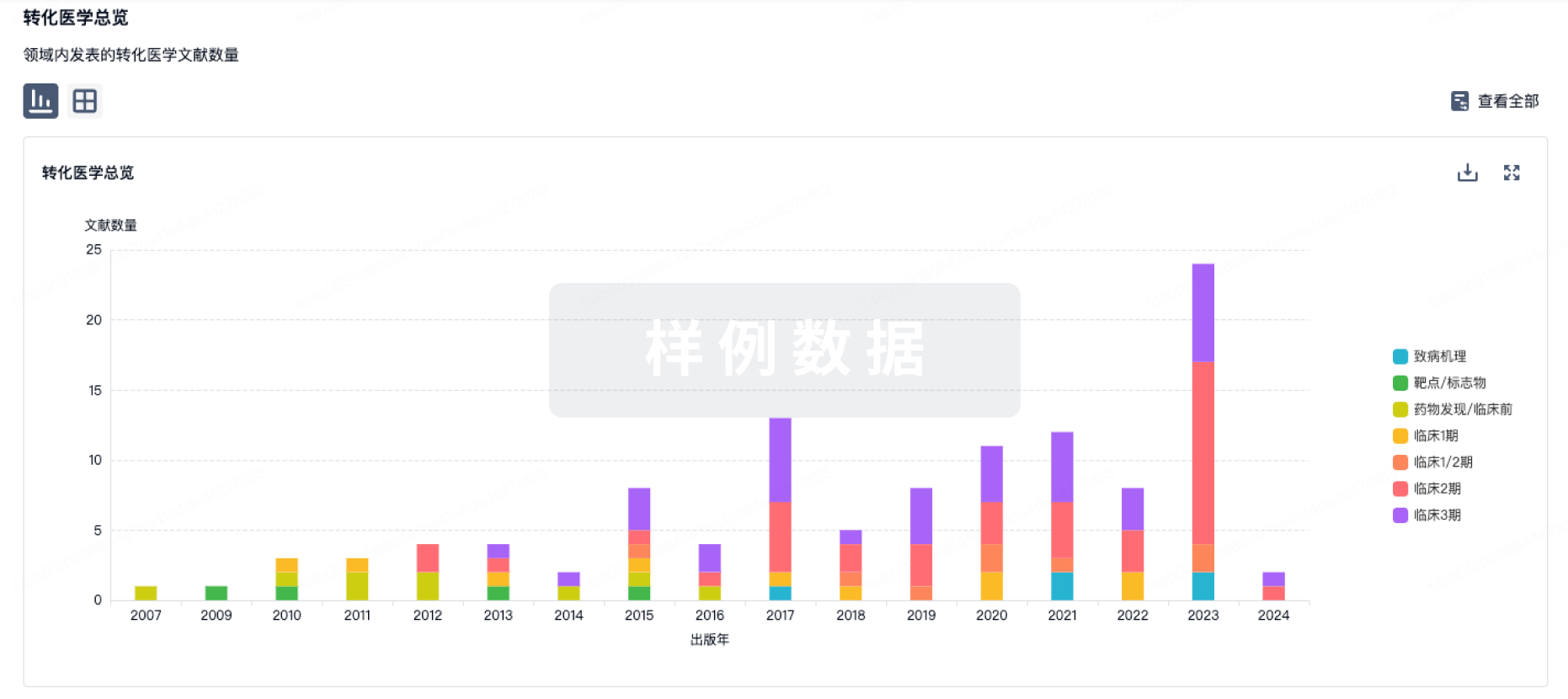
转化医学
使用我们的转化医学数据加速您的研究。
登录
或
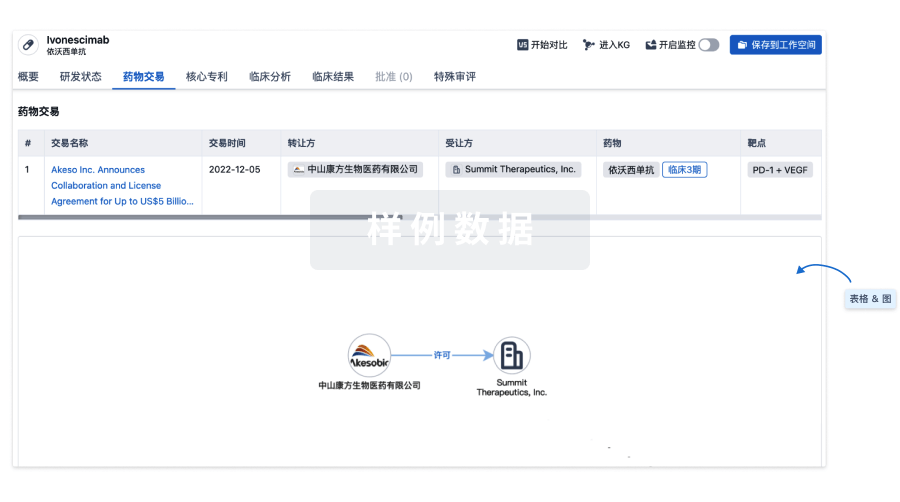
药物交易
使用我们的药物交易数据加速您的研究。
登录
或
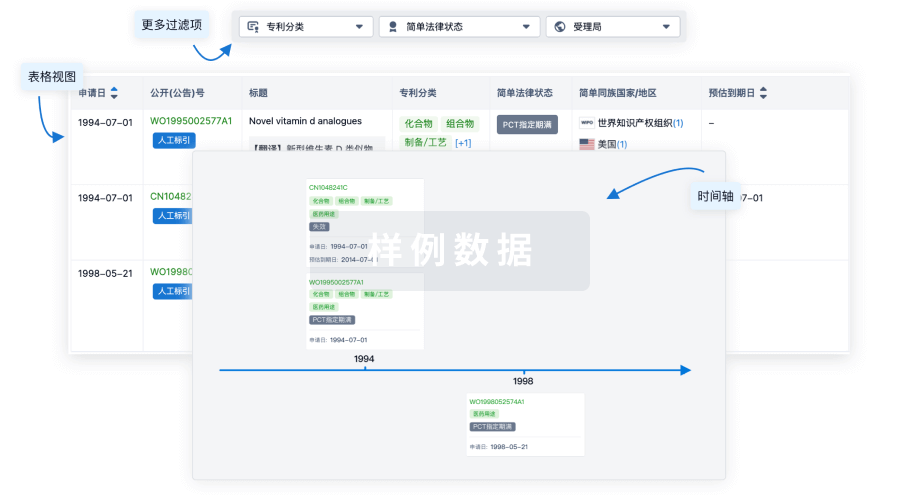
核心专利
使用我们的核心专利数据促进您的研究。
登录
或
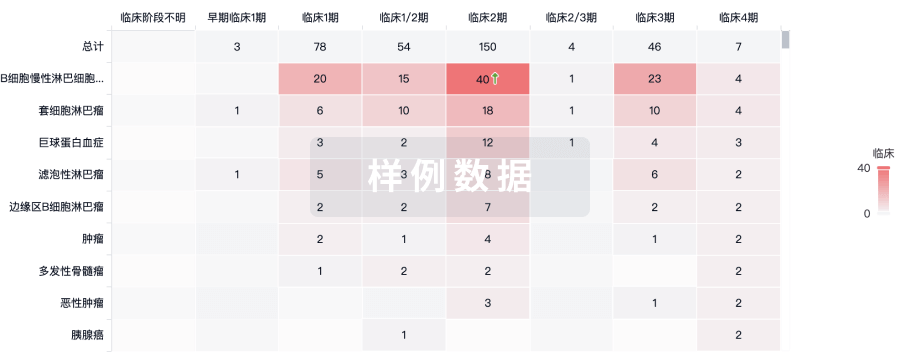
临床分析
紧跟全球注册中心的最新临床试验。
登录
或
批准
利用最新的监管批准信息加速您的研究。
登录
或
特殊审评
只需点击几下即可了解关键药物信息。
登录
或
生物医药百科问答
全新生物医药AI Agent 覆盖科研全链路,让突破性发现快人一步
立即开始免费试用!
智慧芽新药情报库是智慧芽专为生命科学人士构建的基于AI的创新药情报平台,助您全方位提升您的研发与决策效率。
立即开始数据试用!
智慧芽新药库数据也通过智慧芽数据服务平台,以API或者数据包形式对外开放,助您更加充分利用智慧芽新药情报信息。
生物序列数据库
生物药研发创新
免费使用
化学结构数据库
小分子化药研发创新
免费使用