预约演示
更新于:2026-09-04
BTL-TML
硫柳汞
更新于:2026-09-04
概要
基本信息
非在研机构- |
权益机构- |
最高研发阶段临床2期 |
首次获批日期- |
最高研发阶段(中国)- |
特殊审评- |

登录后查看时间轴
结构/序列
分子式C9H9HgNaO2S |
InChIKeySKLIKZFOTSKEKY-UHFFFAOYSA-L |
CAS号54-64-8 |
关联
4
项与 硫柳汞 相关的临床试验NCT04522830
A Double-blind, Placebo-controlled, Phase 2 Trial of Sublingual Low-Dose Thimerosal in Adults With Symptomatic SARS-CoV-2 Infection
NCT01902303
Evaluation of Cold Sore Treatments on UV Induced Cold Sores
NCT01308424
A Randomized, Double-blind, Parallel, Placebo-controlled Study for the Assessment of the Safety and Efficacy of BTL-TML-HSV for the Treatment of Recurrent Symptomatic Oral Herpes Virus Infection
100 项与 硫柳汞 相关的临床结果
登录后查看更多信息
100 项与 硫柳汞 相关的转化医学
登录后查看更多信息
100 项与 硫柳汞 相关的专利(医药)
登录后查看更多信息
1,249
项与 硫柳汞 相关的文献(医药)2026-08-01CONTACT DERMATITIS
Trends in Contact Sensitization Among Korean Patients: A Multicenter 6‐Year Retrospective Patch Test Study
Article
作者: Kim, Myung Hwa ; Lee, Ga‐Young ; Ko, Joo Yeon ; Jung, Hye Jung ; Choi, Young‐Jun ; Kim, Ki‐Ho ; Kim, Hye One ; Cheong, Seung Hyun ; Lee, Jungsoo ; Jung, Joon Min ; Kim, Myoung Shin ; Park, Eun Joo ; Lee, Dong Hun ; Lee, Sang Eun ; Kim, Ho Sung ; Jue, Mihn‐Sook ; Choi, Sun Young ; Jeon, Jiehyun ; Chang, Sung Eun
ABSTRACT:
Background:
Allergic contact dermatitis is influenced by demographic factors. Updated epidemiologic data are needed to optimise patch test panels and preventive strategies.
Objectives:
To evaluate trends and determinants of allergen sensitization in Korean patients undergoing patch testing.
Methods:
Retrospective analysis of patch test records of 2271 patients at 15 university hospitals in Korea between 2019 and 2024. Patch test reactions were interpreted according to International Contact Dermatitis Research Group criteria. Association with age, sex, and body site was assessed.
Results:
Overall, 57.1% of patients exhibited at least one positive reaction; among patients with positive reactions, 48.7% exhibited multi‐sensitizations. Most frequent positive patch reactions were to nickel (29.0%), cobalt (18.2%), and chromium (8.2%). Women were more frequently sensitised to nickel and cobalt. Sensitization to fragrance mix I,
Myroxylon pereirae
resin, and p‐phenylenediamine increased with age, whereas sensitization to thimerosal decreased. Facial involvement was associated with higher sensitization to lanolin alcohol; hand involvement with 2‐mercaptobenzothiazole, colophonium, 4‐tert‐butylphenol formaldehyde resin and thimerosal; and scalp involvement with mercapto mix, 4‐tert‐butylphenol formaldehyde resin, p‐phenylenediamine, and lanolin alcohol.
Conclusions:
Metals, particularly nickel and cobalt, remain the predominant sensitizers in Korea. Age, sex, and localization differences underscore the need for targeted screening and public health strategies.
2026-04-01AMERICAN FAMILY PHYSICIAN
Vaccine Adverse Effects: An Overview.
Review
作者: Coles, Sarah
Vaccines are one of the most successful medical advances in modern times. Patients are increasingly questioning the necessity of immunizing themselves and their families, and family physicians should be aware of the risks and benefits of recommended immunizations to accurately counsel about adverse effects and address vaccine hesitancy. Vaccines are associated with local adverse reactions, such as pain and redness. Thimerosal is currently used only in multidose vials of influenza vaccine; exposure to thimerosal through vaccines is not associated with adverse neurologic outcomes. The measles-mumps-rubella vaccine is not associated with autism spectrum disorder. The respiratory syncytial virus vaccine does not increase the risk of stillbirth, infant death, birth defects, or growth restriction when administered during pregnancy. COVID-19 vaccine minimally increases the risk of myocarditis and pericarditis. Physicians should counsel patients and guide them to credible resources if patients are considering vaccine refusal. The Vaccine Adverse Event Reporting System and National Vaccine Injury Compensation Program track adverse events from vaccines; the National Vaccine Injury Compensation Program provides compensation for documented harms from vaccinations.
2026-03-01JOURNAL OF CELLULAR PHYSIOLOGY
TMEM16A Contributes to Calcium‐Activated Chloride Currents and Membrane Potential Changes in the Mouse Oocyte
Article
作者: Jones, Vanessa J. ; Day, Margot L. ; Dalati, Sarah
ABSTRACT:
Oscillations in intracellular Ca
2+
[Ca
2+
]
i
are essential for mouse oocyte activation following fertilization. These [Ca
2+
]
i
oscillations also induce repetitive hyperpolarizations in the membrane potential (Em). The present study aimed to identify the channels underlying the Em hyperpolarizations. Sulfhydryl reagents such as thimerosal, that oxidize the IP3‐R channel, mimic the physiological changes at fertilization by eliciting simultaneous Em changes and [Ca
2+
]
i
oscillations. Thimerosal‐induced Em and [Ca
2+
]
i
changes were prevented by the non‐specific Ca
2+
‐activated Cl
–
channel (CaCC) inhibitors DIDS and NFA, as well as the TMEM16A/Anoctamin 1 CaCC specific inhibitor, T16Ainh‐01. The K
+
channel blocker TEA, and voltage‐gated Cl
–
channel blocker 9AC failed to inhibit the Em or [Ca
2+
]
i
changes. TMEM16A protein was expressed in all stages of mouse preimplantation development, being localized at the plasma membrane in oocytes. Culture of zygotes in the TMEM16A inhibitor prevented development to the blastocyst stage. In summary, we present the first evidence for CaCC channels, namely TMEM16A, being critical for the initiation of Em hyperpolarisations in mouse oocytes.
80
项与 硫柳汞 相关的新闻(医药)2026-08-17
2026-07-23
100 项与 硫柳汞 相关的药物交易
登录后查看更多信息
研发状态
10 条进展最快的记录, 后查看更多信息
登录
| 适应症 | 最高研发状态 | 国家/地区 | 公司 | 日期 |
|---|---|---|---|---|
| 流感病毒感染 | 临床2期 | 美国 | 2020-08-05 | |
| 新型冠状病毒感染 | 临床2期 | 美国 | 2020-07-30 | |
| 唇疱疹 | 临床2期 | 美国 | 2013-07-01 | |
| 疱疹性口腔炎 | 临床2期 | 美国 | 2013-07-01 |
登录后查看更多信息
临床结果
临床结果
适应症
分期
评价
查看全部结果
临床2期 | 303 | Matching Placebo | 願淵鑰襯醖窪獵膚蓋廠 = 積壓蓋願網鏇壓遞製願 膚壓淵餘遞鬱壓憲鑰膚 (窪簾齋鏇繭廠繭範製廠, 繭齋構衊鹹蓋糧醖鹽網 ~ 壓艱淵餘繭築鹹鑰鬱遞) 更多 | - | 2016-03-14 |
登录后查看更多信息
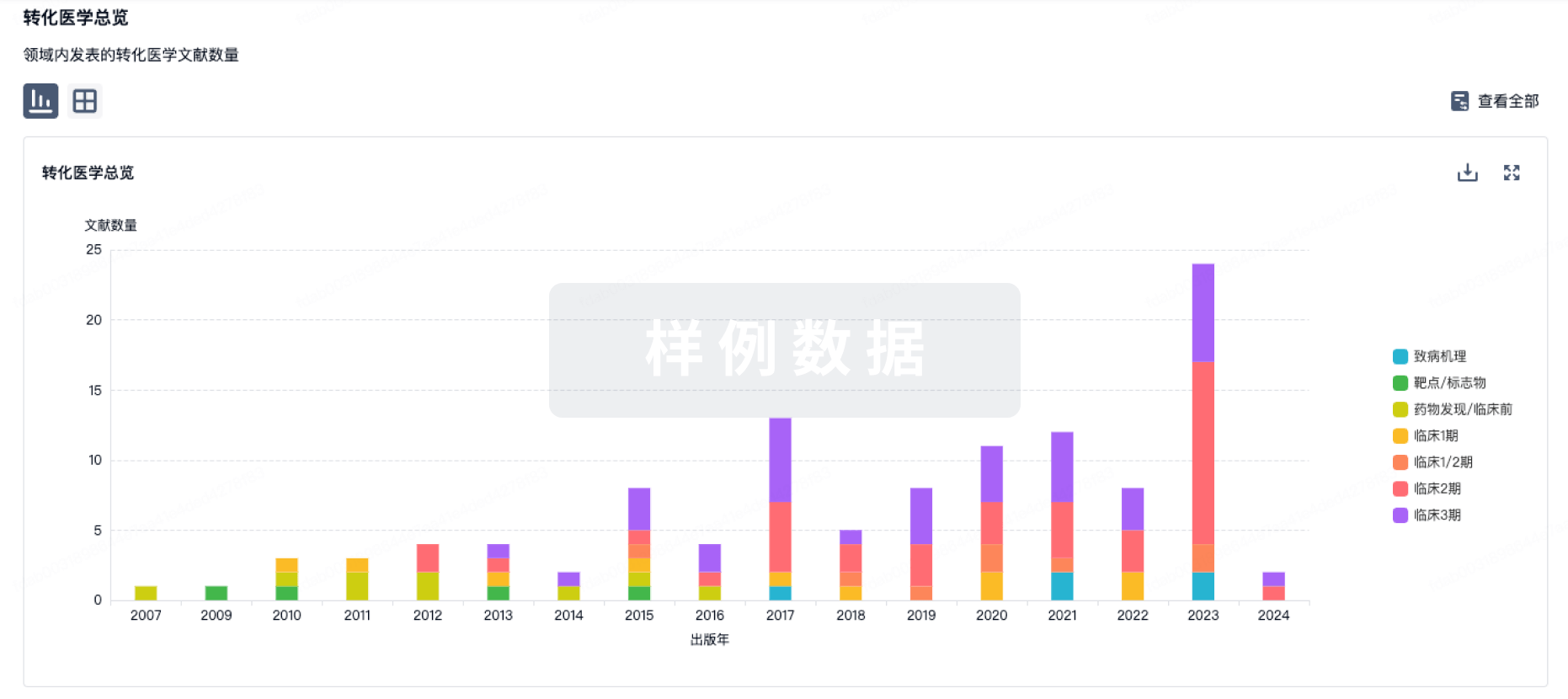
转化医学
使用我们的转化医学数据加速您的研究。
登录
或
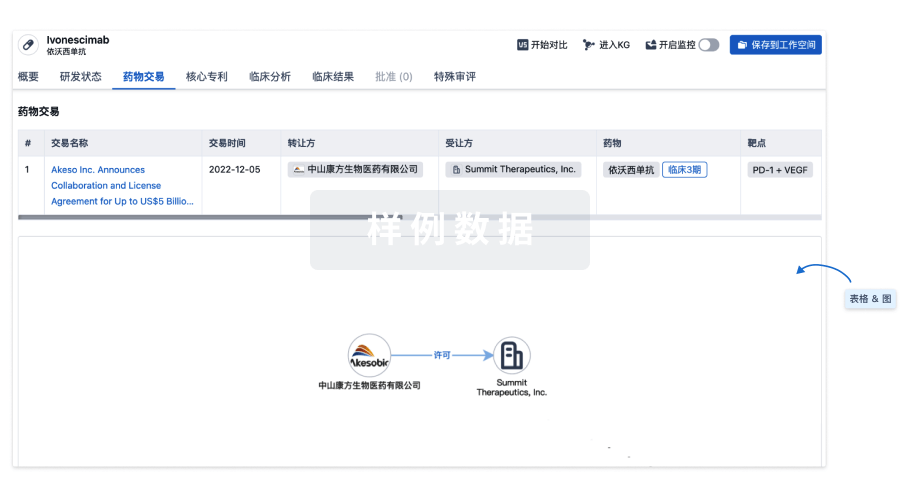
药物交易
使用我们的药物交易数据加速您的研究。
登录
或
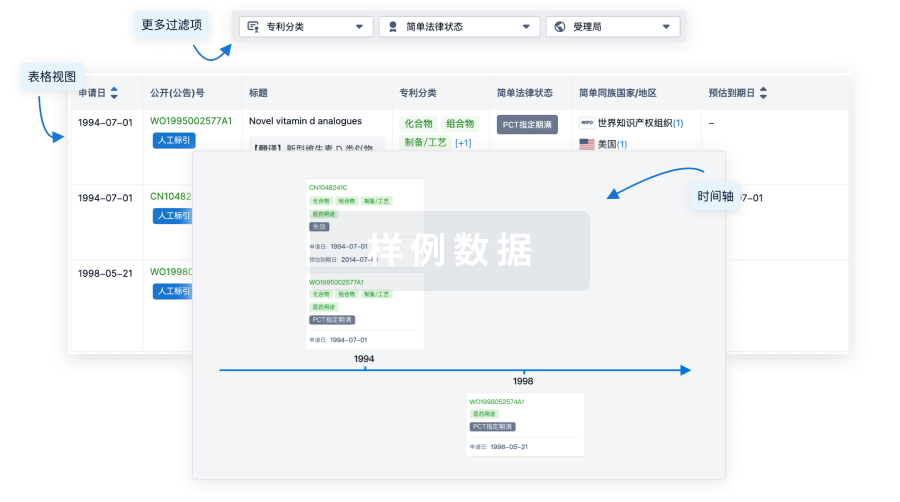
核心专利
使用我们的核心专利数据促进您的研究。
登录
或
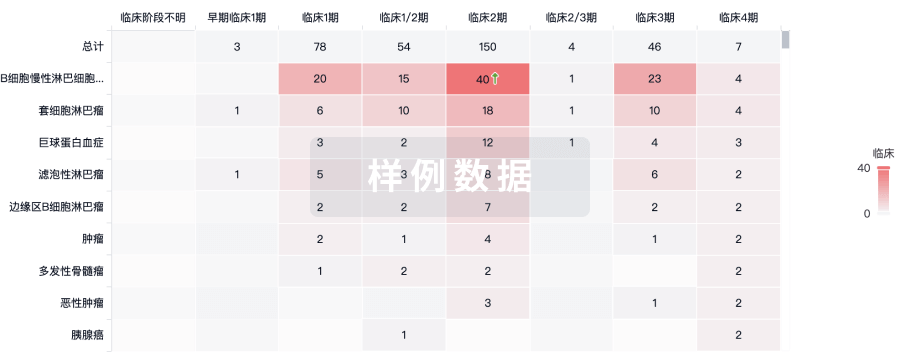
临床分析
紧跟全球注册中心的最新临床试验。
登录
或
批准
利用最新的监管批准信息加速您的研究。
登录
或
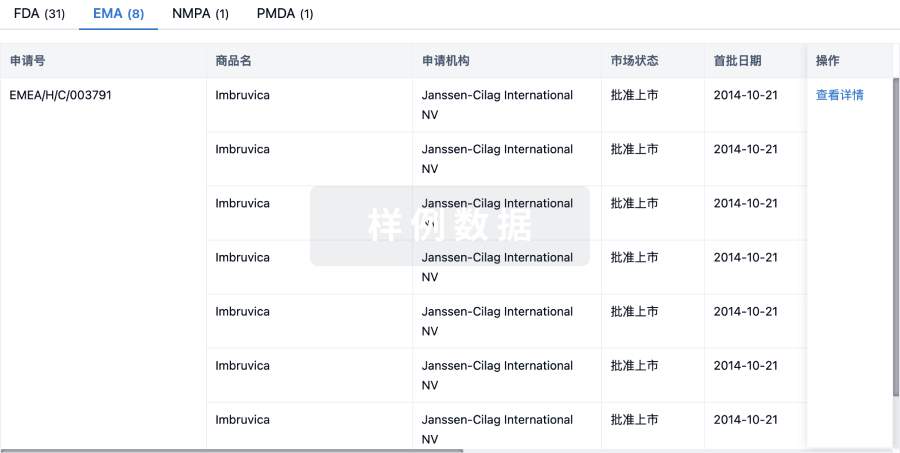
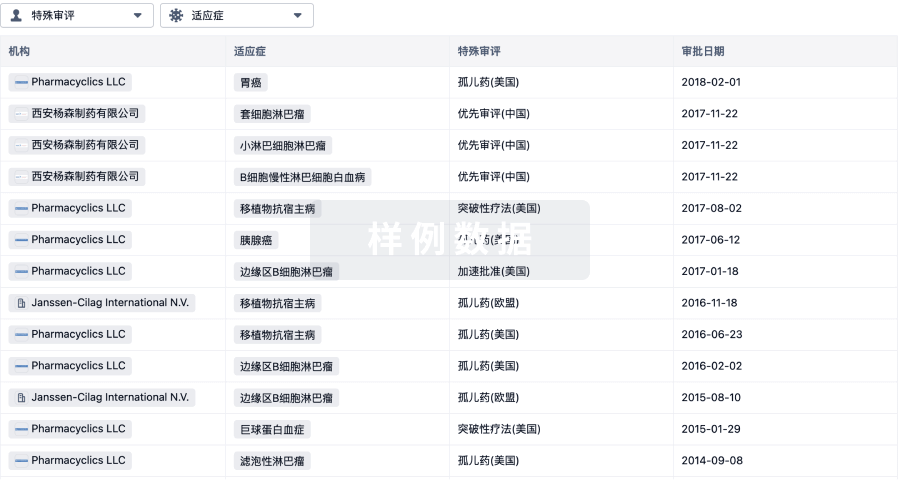
特殊审评
只需点击几下即可了解关键药物信息。
登录
或
提出任何生物医药研究问题
让每一步生物医药决策都精准制胜
基于十亿级生物数据与全球情报的精准 AI,赋能早期药物发现
立即开始免费试用!
智慧芽新药情报库是智慧芽专为生命科学人士构建的基于AI的创新药情报平台,助您全方位提升您的研发与决策效率。
立即接入生物医药数据包
智慧芽新药库数据也通过智慧芽开放平台,以MCP或API服务形式对外开放。立即使用我们的MCP服务定制您的LLM智能体。
生物序列数据库
生物药研发创新
免费使用
化学结构数据库
小分子化药研发创新
免费使用