预约演示
更新于:2025-12-04
Torcetrapib
托塞曲匹
更新于:2025-12-04
概要
基本信息
原研机构 |
在研机构- |
非在研机构 |
权益机构- |
最高研发阶段终止临床3期 |
首次获批日期- |
最高研发阶段(中国)- |
特殊审评- |

登录后查看时间轴
结构/序列
分子式C26H25F9N2O4 |
InChIKeyCMSGWTNRGKRWGS-NQIIRXRSSA-N |
CAS号262352-17-0 |
关联
1
项与 托塞曲匹 相关的临床试验NCT00452842
An Observational Safety Follow Up Trial Of The Occurrence Of Major Cardiovascular Events And All Cause Mortality In Subjects Who Participated In Selected Torcetrapib/Atorvastatin Clinical Trials.
100 项与 托塞曲匹 相关的临床结果
登录后查看更多信息
100 项与 托塞曲匹 相关的转化医学
登录后查看更多信息
100 项与 托塞曲匹 相关的专利(医药)
登录后查看更多信息
288
项与 托塞曲匹 相关的文献(医药)2026-01-01ARTIFICIAL INTELLIGENCE IN MEDICINE
A deep representation learning algorithm on drug-target interaction to screen novel drug candidates for Alzheimer's disease
Article
作者: Yuan, Xin ; Wang, Ju ; Peng, Yonglin ; She, Tiantian ; Gao, Lihui
Alzheimer's disease (AD) is a serious neurodegenerative brain disorder with complex pathophysiology. While currently available drugs can provide symptomatic benefits, they often fail to cure the disease. Thus, there is an urgent need to explore new therapeutic agents. In this study, we developed DTIP (Drug-Target Interaction Prediction), a machine learning-based approach to search novel drugs for AD by utilizing the information of drug-target interaction (DTI). By training a Skip-gram model on drug-target sequences derived from known DTI information, the algorithm learned the drug-target relationship embeddings and to predict potential drug candidates for diseases like AD. For AD, we compiled 917 risk genes and identified 292 potential drugs via the new algorithm. We further performed molecular docking by AutoDock Vina and conducted Inverted Gene Set Enrichment Analysis (IGSEA) on these drug candidates. Our results identified that several drugs could be promising for AD treatment, including human C1-esterase inhibitor, quetiapine, dasatinib, miconazole, aniracetam, chlorpromazine, hypericin, entrectinib, torcetrapib, bosutinib, sunitinib, aniracetam, rosiglitazone, tarenflurbil, milrinone, and MITO-4509. Results from this study also provided insights for understanding the molecular mechanisms underlying AD. As a systematic and versatile method, our approach can also be applied to identify efficacious therapies for other complex diseases.
2025-11-18ChemMedChem
Decoding Structural Fingerprints to Design and Elucidate the Mechanism of Action of Prospective Cholesteryl Ester Transfer Protein Drugs
Article
作者: Nandi, Sudipta ; Senapati, Sanjib
Cardiovascular diseases (CVDs) have become a leading cause of deaths globally. Recent studies have shown that increasing the level of high‐density lipoproteins (HDL) is one of the potential avenues to halt CVD progression. This could be achieved by modulating the neutral lipid transfer activity of cholesteryl ester transfer protein (CETP), a key target in developing effective cardioprotective drugs. This study aims to identify important structural fingerprints and functional moieties as "good" and "bad" contributors toward CETP inhibition, using machine learning (ML) and quantitative structure–activity relationship‐based approaches. Results suggest unsaturated heterocyclic rings and trifluoromethyl substitutions as potential promoters and aliphatic carboxylic acid and ester moieties as the detractors in CETP inhibition. Molecular dynamics (MD) simulations of CETP in complexation with recently reported Obicetrapib with “good” fingerprints versus a clinically failed inhibitor, Torcetrapib shows superior inhibitory potential of the former due to stronger binding and better shape complementarity with the CETP hydrophobic tunnel. By leveraging the potentials of ML and MD simulations, this comprehensive study helps judicious pick of the right functional moieties for designing next generation CETP drugs targeting CVD.
2025-11-01INTERNATIONAL JOURNAL OF PHARMACEUTICS
High-throughput analysis of aqueous drug solubility, supersaturation, and aggregation behaviour using second harmonic light scattering
Article
作者: Kalasová, Jitka ; Kuentz, Martin ; Tarun, Orly ; Shynkarenko, Yevhen
Aqueous solubility is a crucial physicochemical property influencing drug absorption and bioavailability. Current solubility assays, whether assessing thermodynamic or kinetic solubility, involve trade-offs between accuracy, detection limit, speed, and resource consumption. Therefore, this study introduces a novel approach to drug solubility assessment based on non-resonant second harmonic scattering (SHS), which detects interfacial fluctuations of water molecules surrounding solutes. The apparent solubility of 14 poorly water-soluble model drugs was measured and compared to high pressure liquid chromatography (HPLC) data. Furthermore, the supersaturation propensity, defined as the ratio of solubility measured at one hour to that at 24 h, was evaluated for all 14 compounds. Lastly, the self-assembly behaviour was investigated, using sodium lauryl sulphate (SLS) as a reference system to benchmark micellization in the given forward-scattering SHS platform. The results showed a strong correlation between the SHS and HPLC solubility data (r = 0.9273). Supersaturation propensity was assessed and linked to the glass-forming ability and thermal properties of the drugs, whereby ketoconazole and tamoxifen exhibited the best supersaturation performance. Moreover, the critical micelle concentration of SLS appeared as a local minimum following a peak in SHS intensity, reflecting an increase in structural bulk centrosymmetry due to micelle formation. Similar micelle-like patterns were observed for five model drugs (i.e., amiodarone, felodipine, meclizine, tamoxifen, torcetrapib), suggesting the formation of self-assembled structures at concentrations above the solubility limit. These findings demonstrate the potential of non-resonant SHS as a promising analytical tool for solubility determination, offering a versatile, dynamic and high-throughput format with minimal compound and solvent consumption, while also providing insights into drug aggregation or self-assembly at the molecular level.
100 项与 托塞曲匹 相关的药物交易
登录后查看更多信息
研发状态
10 条进展最快的记录, 后查看更多信息
登录
| 适应症 | 最高研发状态 | 国家/地区 | 公司 | 日期 |
|---|---|---|---|---|
| 动脉粥样硬化 | 临床3期 | 美国 | - |
登录后查看更多信息
临床结果
临床结果
适应症
分期
评价
查看全部结果
登录后查看更多信息
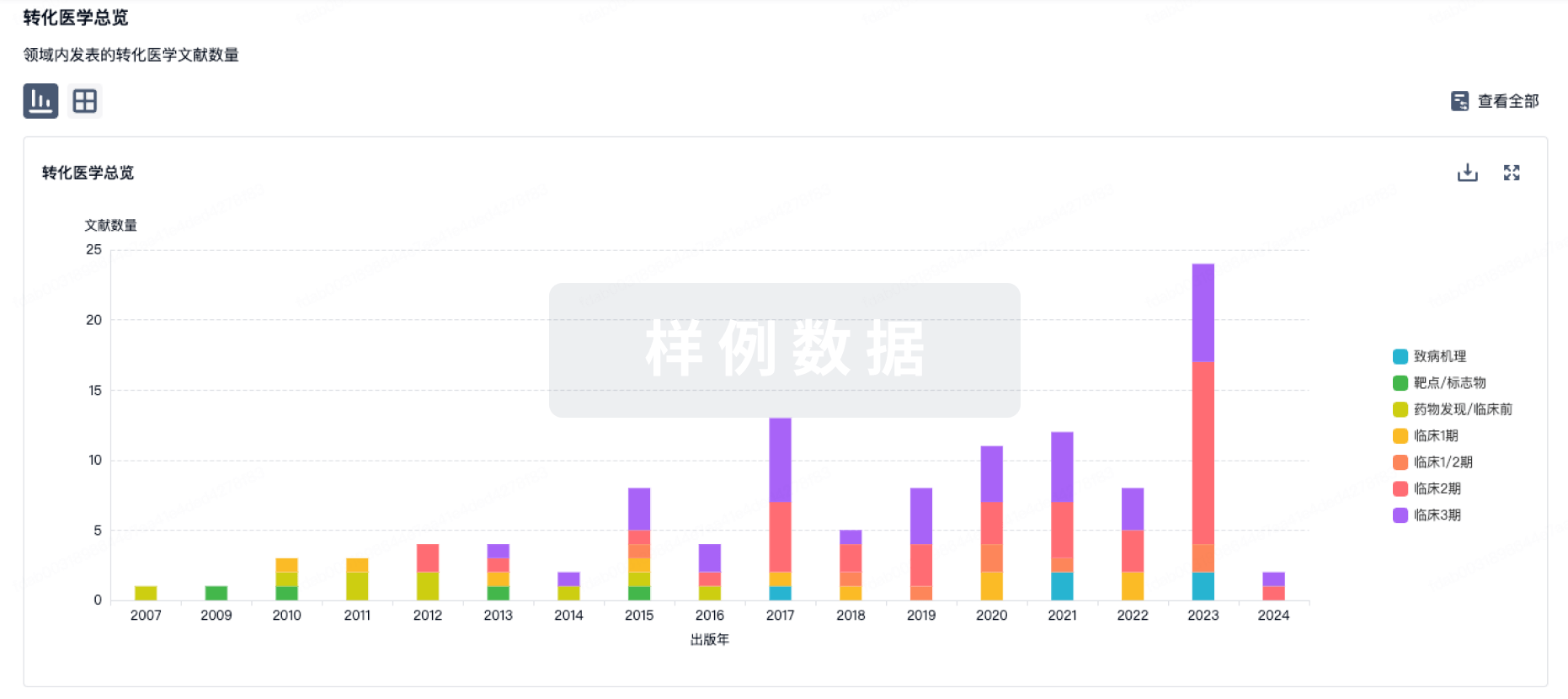
转化医学
使用我们的转化医学数据加速您的研究。
登录
或
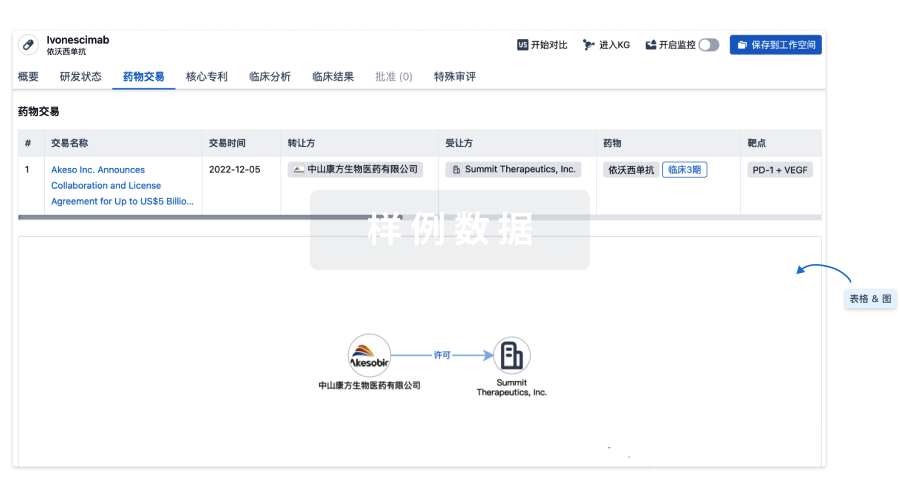
药物交易
使用我们的药物交易数据加速您的研究。
登录
或
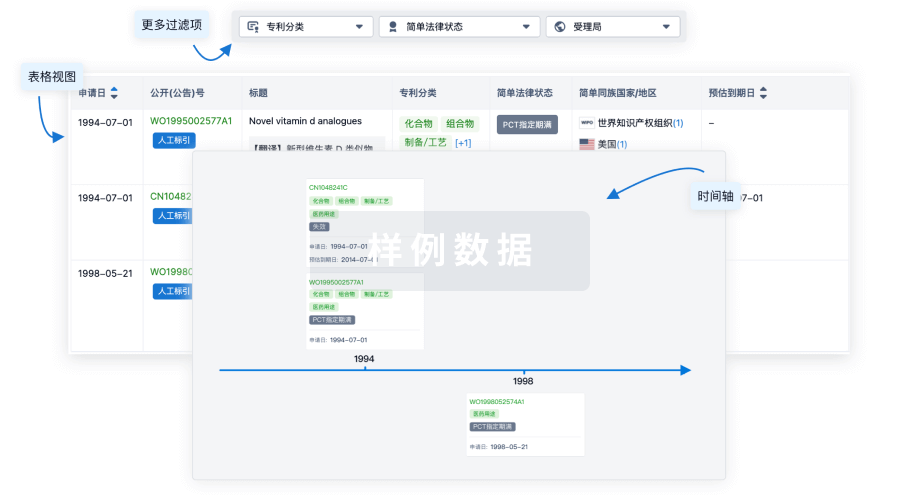
核心专利
使用我们的核心专利数据促进您的研究。
登录
或
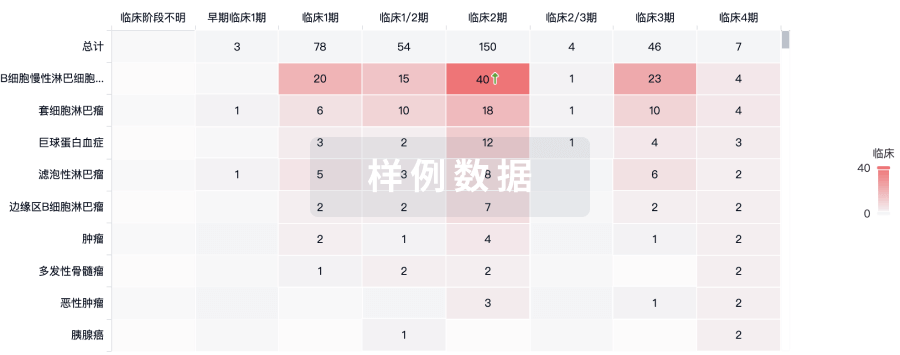
临床分析
紧跟全球注册中心的最新临床试验。
登录
或
批准
利用最新的监管批准信息加速您的研究。
登录
或
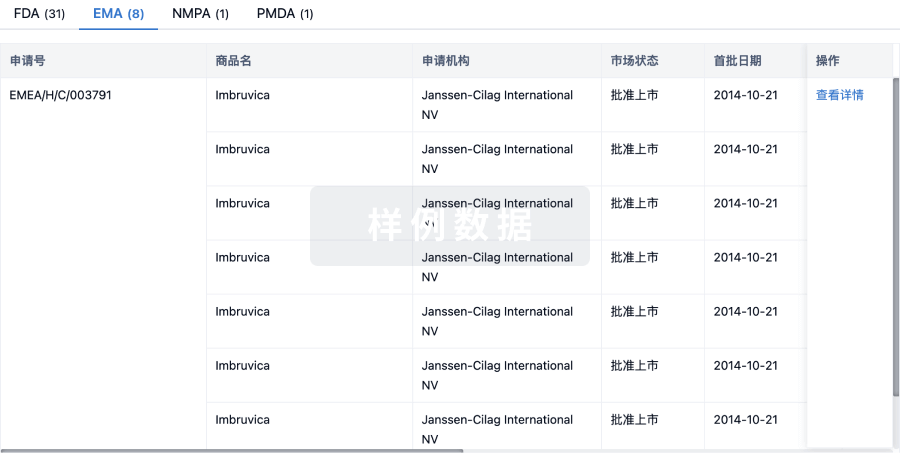
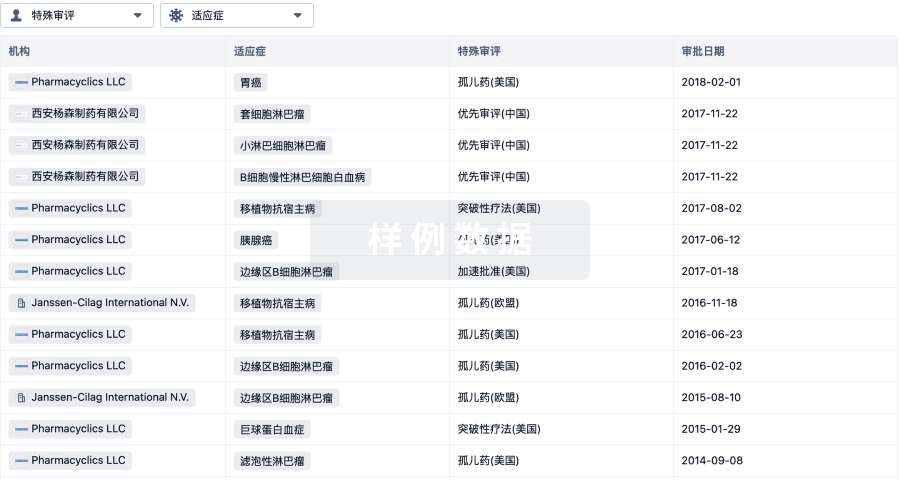
特殊审评
只需点击几下即可了解关键药物信息。
登录
或
生物医药百科问答
全新生物医药AI Agent 覆盖科研全链路,让突破性发现快人一步
立即开始免费试用!
智慧芽新药情报库是智慧芽专为生命科学人士构建的基于AI的创新药情报平台,助您全方位提升您的研发与决策效率。
立即开始数据试用!
智慧芽新药库数据也通过智慧芽数据服务平台,以API或者数据包形式对外开放,助您更加充分利用智慧芽新药情报信息。
生物序列数据库
生物药研发创新
免费使用
化学结构数据库
小分子化药研发创新
免费使用