预约演示
更新于:2026-09-04
Tacedinaline
乙酰地那林
更新于:2026-09-04
概要
基本信息
原研机构 |
在研机构- |
权益机构- |
最高研发阶段终止临床3期 |
首次获批日期- |
最高研发阶段(中国)- |
特殊审评- |

登录后查看时间轴
结构/序列
分子式C15H15N3O2 |
InChIKeyVAZAPHZUAVEOMC-UHFFFAOYSA-N |
CAS号112522-64-2 |
关联
3
项与 乙酰地那林 相关的临床试验NCT00005093
A Randomized Double-Blind, Placebo-Controlled, Multicenter Study of CI-994 Capsules Plus Gemcitabine Infusion Versus Placebo Capsules Plus Gemcitabine Infusion as Second-Line Treatment of Patients With Advanced Nonsmall Cell Lung Cancer
NCT00004861
A Randomized, Double-Blind, Placebo-Controlled, Multicenter Study of CI-994 Capsules Plus Gemcitabine Infusion Versus Placebo Capsules Plus Gemcitabine Infusion in the Treatment of Patients With Advanced Pancreatic Cancer
NCT00005624
A Multicenter Phase 2 Study of Oral N-Acetyl Dinaline (CI-994) in the Treatment of Patients With Advanced Myeloma

100 项与 乙酰地那林 相关的临床结果
登录后查看更多信息
100 项与 乙酰地那林 相关的转化医学
登录后查看更多信息
100 项与 乙酰地那林 相关的专利(医药)
登录后查看更多信息
192
项与 乙酰地那林 相关的文献(医药)2026-08-01iScience
HDAC-driven autophagy repression aids macrophage immune evasion by K. pneumoniae strains displaying classical, MDR, and hypervirulent phenotypes
Article
作者: Padmakumar, Sandhya ; Kumar, Geetha B ; Anil, Avandika B ; Babu, Pradeesh ; Jaykumar, Abhijith Pulimoottil ; R V, Krishna ; P C, Parvathi Mohanan ; Sony, Shima Merin ; Nair, Bipin G ; Abhinand, Kuniyil ; Menon, Arjun M ; Madhavan, Aravind ; Thomas, Shwetha Susan
The global emergence of multidrug-resistant (MDR) and hypervirulent (hvKp) Klebsiella pneumoniae strains poses a major clinical challenge. Here, we compared representative classical (cKp), MDR-Kp, and hvKp isolates to define host epigenetic responses during infection. At 24 h post-infection (hpi), infection with all three strains induced HDAC2 upregulation and H3K18 deacetylation, with chromatin immunoprecipitation (ChIP) analysis revealing HDAC2 enrichment at the ATG5 promoter, linking epigenetic remodeling to autophagy suppression. Functionally, cKp and MDR-Kp isolates promoted M1-like macrophage polarization, whereas hvKp isolate induced an immunosuppressive M2-like phenotype associated with enhanced intracellular bacterial survival and elevated IL-10 expression. HDAC1/2 gene knockdown reduced intracellular bacterial survival, while pharmacological inhibition using CI994 and SAHA restored autophagy, normalized cytokine responses, enhanced bacterial clearance, and reversed M2-like polarization induced by hvKp-isolate. Collectively, these findings identify HDAC-mediated epigenetic reprogramming as a central mechanism underlying immune evasion during K. pneumoniae infection and support HDAC inhibition as a potential host-directed therapeutic strategy.
2026-03-04JOURNAL OF BIOMOLECULAR STRUCTURE & DYNAMICS
Pharmacophore modeling, 3D-QSAR, and MD simulation-based overture for the discovery of new potential HDAC1 inhibitors
Article
作者: Nilanjan Adhikari ; Balaram Ghosh ; Suvankar Banerjee ; Goverdhan Lanka ; Sanjeev Regula
Histone deacetylases (HDACs) are important epigenetic regulators that modulate the activity of histone and non-histone proteins leading to various cancers. Histone deacetylase 1 (HDAC1) is a member of class 1 HDAC family related to different cancers. However, the nonselective profile of existing HDAC1 inhibitors restricted their clinical utility. Therefore, the identification of new HDAC1 selective inhibitors may be fruitful against cancer therapy. In this present work, a pharmacophore model was built using 60 benzamide-based known HDAC1 selective inhibitors and it was used further to filter the large epigenetic molecular database of small molecules. Further, the 3D-QSAR model was built using the best common pharmacophore hypothesis consisting of higher PLS statistics of R2 of 0.89, Q2 of 0.83, variance ratio (F) of 65.7 and Pearson-r value of 0.94 revealing the model reliability and its high predictive power. The screened hits of the pharmacophore model were then subjected to molecular docking against HDAC1 to identify high-affinity lead molecules. The top 10 hits were ranked from the docking studies using docking scores for lead optimization. The potential hit molecules M1 and M2 identified from the study showed promising interaction during HDAC1 docking and MD simulation studies with acceptable ADME properties. Also, the newly designed lead compounds M11 and M12 may be considered highly potential inhibitors against HDAC1. The 3D-QSAR analysis, conformational requirements, and observations noticed in the MD simulations study will enable the optimization of lead molecules and to design of novel effective, and selective HDAC1 inhibitors in the future.
2025-08-01EJHaem
Targeted Degradation of Class 1 HDACs With PROTACs is Highly Effective at Inducing DLBCL Cell Death
Article
作者: Cowley, Shaun M. ; Alraddadi, Abdullah ; Jones, Donald J. L. ; Cao, Thong H. ; Hodgkinson, James T. ; Smalley, Joshua P. ; Al‐Mansour, Fares ; Saleh, Anes ; Jayne, Sandrine ; He, Buwei ; Dyer, Martin ; Macip, Salvador ; Alzahrani, Wael
ABSTRACT:
Despite the good options for the management of Diffuse large B‐cell lymphoma (DLBCL), a significant percentage of patients either do not respond to current treatments or relapse after a short time. Thus, a wider palette of targeted therapeutic strategies is needed. Histone deacetylases (HDACs) inhibitors have shown promising responses in B‐cell malignancies, but their off‐target effects limit their efficiency. Here, we investigated the use of novel targeted therapeutics against class I HDACs to specifically induce cell death in DLBCL cells. We show that a proteolysis targeting chimera (PROTAC) that combined HDAC inhibitor CI‐994 and an IAP ligand had a strong effect in killing different DLBCL cell lines, being more effective in doing so than CI‐994 on its own. Moreover, we show that this was concomitant with the induction of DNA damage and apoptosis. A proteomics screen showed that the mechanism of induction of cell death by this PROTAC likely depends on the simultaneous activation of pro‐apoptotic proteins (such as PARP‐1, PDCD6IP, DAPk1, TP53BP1, and CACYBP) and the inhibition of pro‐survival pathways. We conclude that eliminating class I HDACs with specific PROTACs could be an effective and precise strategy for treating DLBCL that should be further tested for their potential clinical relevance.Trial Registration: The authors have confirmed clinical trial registration is not needed for this submission.
6
项与 乙酰地那林 相关的新闻(医药)2026-02-19
·知乎专栏

100 项与 乙酰地那林 相关的药物交易
登录后查看更多信息
研发状态
10 条进展最快的记录, 后查看更多信息
登录
| 适应症 | 最高研发状态 | 国家/地区 | 公司 | 日期 |
|---|---|---|---|---|
| 晚期非小细胞肺癌 | 临床3期 | 美国 | 1999-12-01 | |
| 晚期非小细胞肺癌 | 临床3期 | 加拿大 | 1999-12-01 | |
| 胰腺癌 | 临床2期 | 美国 | 1999-10-01 | |
| 胰腺癌 | 临床2期 | 加拿大 | 1999-10-01 | |
| 多发性骨髓瘤 | 临床2期 | 美国 | 1997-08-01 | |
| 乳腺癌 | 临床2期 | 美国 | - | |
| 结直肠癌 | 临床1期 | 美国 | - |
登录后查看更多信息
临床结果
临床结果
适应症
分期
评价
查看全部结果
登录后查看更多信息
转化医学
使用我们的转化医学数据加速您的研究。
登录
或
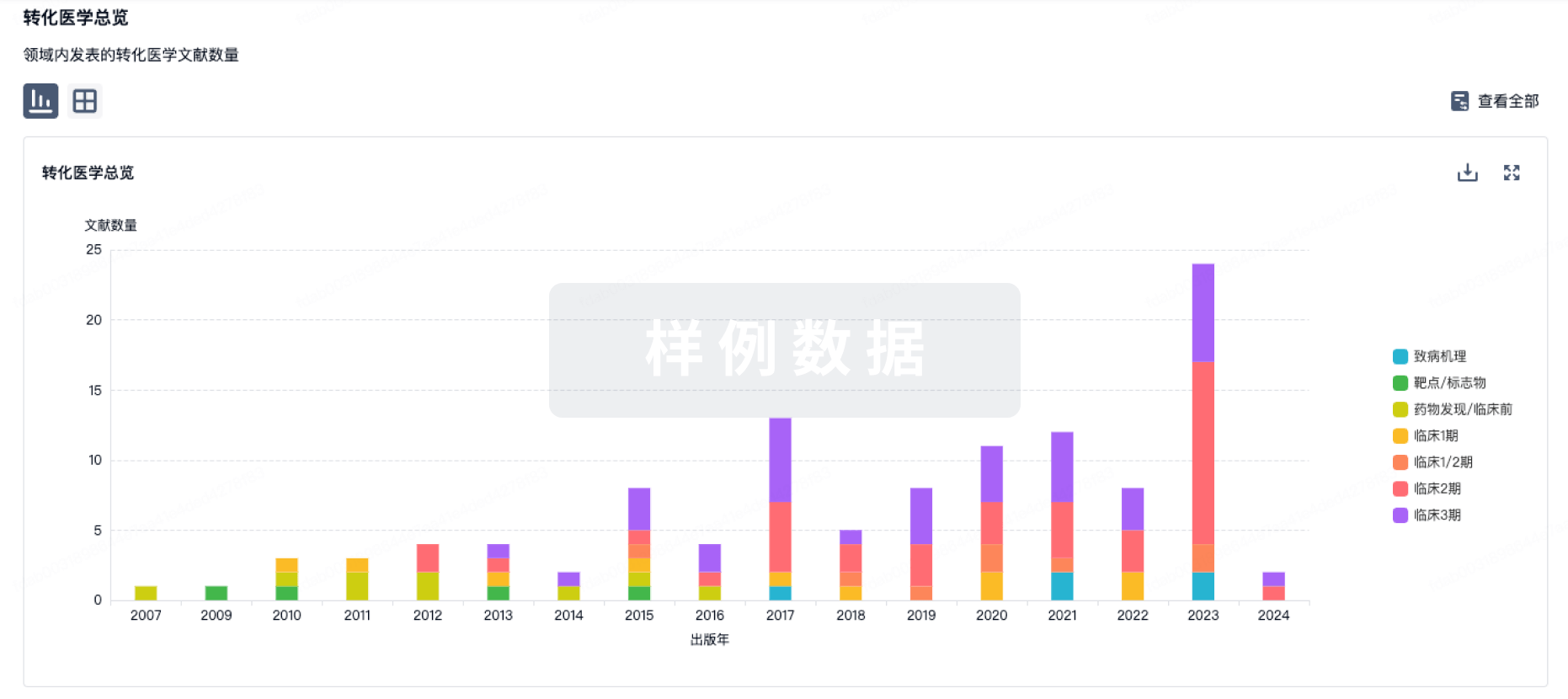
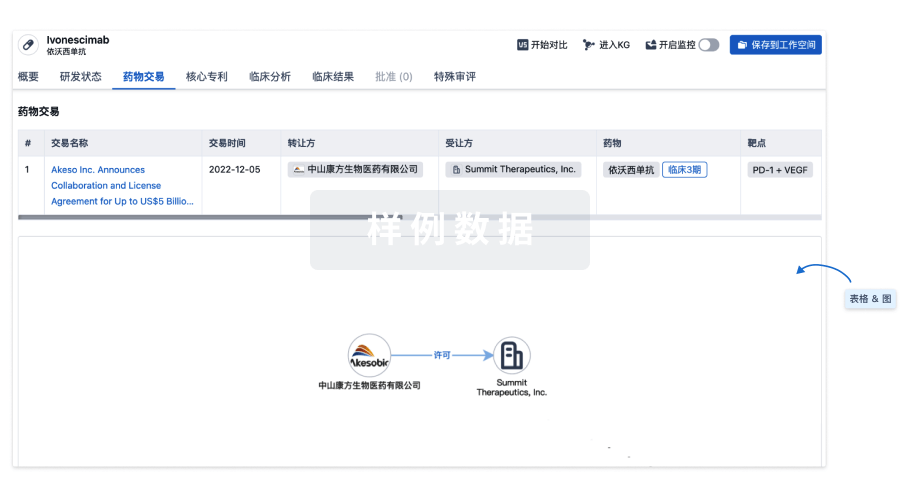
药物交易
使用我们的药物交易数据加速您的研究。
登录
或
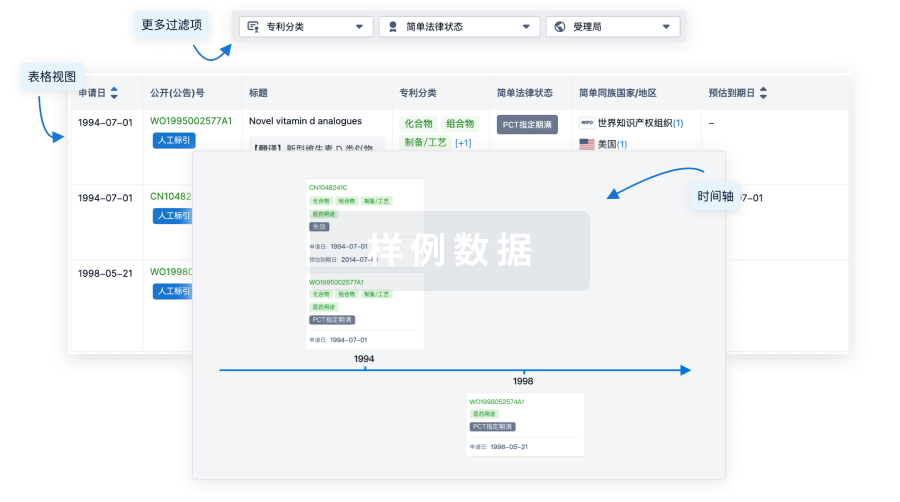
核心专利
使用我们的核心专利数据促进您的研究。
登录
或
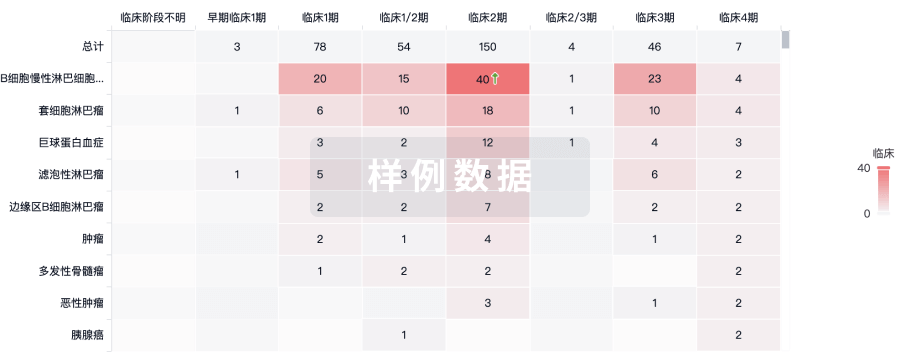
临床分析
紧跟全球注册中心的最新临床试验。
登录
或
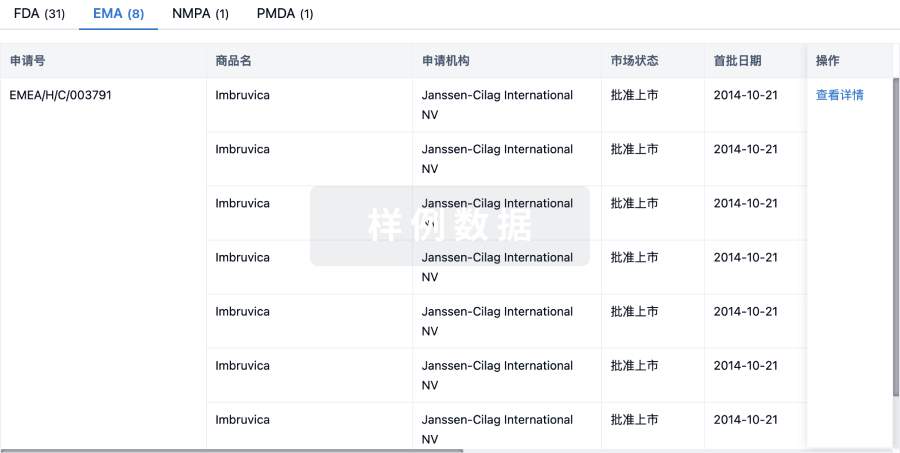
批准
利用最新的监管批准信息加速您的研究。
登录
或
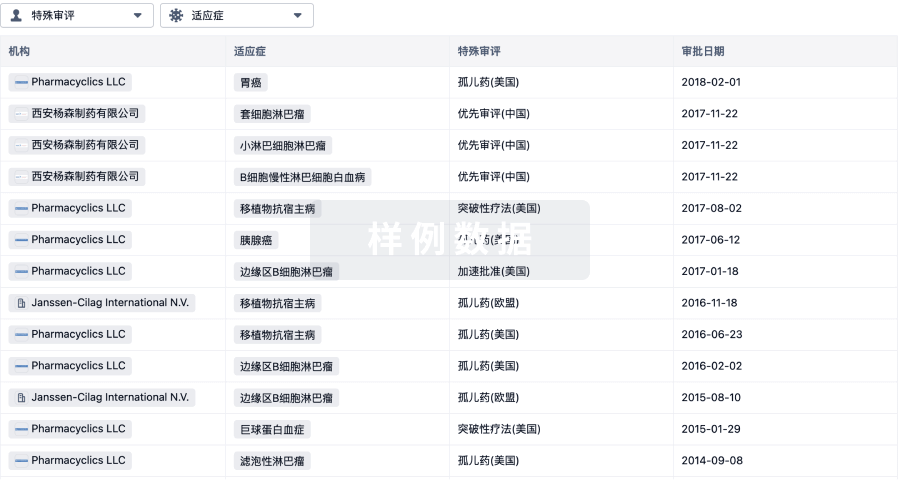
特殊审评
只需点击几下即可了解关键药物信息。
登录
或
提出任何生物医药研究问题
让每一步生物医药决策都精准制胜
基于十亿级生物数据与全球情报的精准 AI,赋能早期药物发现
立即开始免费试用!
智慧芽新药情报库是智慧芽专为生命科学人士构建的基于AI的创新药情报平台,助您全方位提升您的研发与决策效率。
立即接入生物医药数据包
智慧芽新药库数据也通过智慧芽开放平台,以MCP或API服务形式对外开放。立即使用我们的MCP服务定制您的LLM智能体。
生物序列数据库
生物药研发创新
免费使用
化学结构数据库
小分子化药研发创新
免费使用