预约演示
更新于:2026-10-20
Cyclopamine
环杷明
更新于:2026-10-20
概要
基本信息
非在研机构- |
权益机构- |
最高研发阶段临床前 |
首次获批日期- |
最高研发阶段(中国)临床前 |
特殊审评- |


结构/序列
分子式C27H41NO2 |
InChIKeyQASFUMOKHFSJGL-LAFRSMQTSA-N |
CAS号4449-51-8 |
关联
100 项与 环杷明 相关的临床结果
登录后查看更多信息
100 项与 环杷明 相关的转化医学
登录后查看更多信息
100 项与 环杷明 相关的专利(医药)
登录后查看更多信息
1,067
项与 环杷明 相关的文献(医药)2026-11-01·STEROIDS
Emerging trends for therapeutic valuation of Cyclopamine: Structural features, mechanism of action, and formulation strategies
Article
作者: Desai, Harita ; Kale, Ajay ; Gholap, Amol ; Pawar, Bhagyashree ; Bachhav, Yogeshwar ; Eknure, Chetana
Cyclopamine, a jervatrum-type steroidal alkaloid from Veratrum species, is one of the earliest natural inhibitors of the Hedgehog (Hh) signaling pathway and was instrumental in identifying Smoothened (SMO) as a therapeutic target in oncology. Initially recognised as a potent teratogen, its activity was later attributed to direct SMO inhibition, suppressing GLI-mediated transcription and revealing Hh signaling as a driver of diverse malignancies, including basal cell carcinoma, medulloblastoma, pancreatic ductal adenocarcinoma, and glioblastoma. Despite strong pathway specificity, clinical translation of cyclopamine is hindered by poor solubility, acid lability, low bioavailability, and teratogenic risk. Medicinal chemistry optimization, prodrug strategies, and advanced nanocarrier systems, such as micelles, lipid nanoparticles, albumin carriers, and polymer-drug conjugates, have been explored to overcome these limitations and enable tumor-targeted delivery. Moreover, cyclopamine analogues have inspired the development of clinically approved SMO inhibitors, validating the pathway as a therapeutic target. Collectively, cyclopamine's trajectory from developmental toxicant to molecular probe and lead scaffold underscores its enduring impact on Hh-directed drug discovery and highlights the ongoing relevance of formulation-driven strategies in oncology.
2026-10-01·BIOCHEMICAL GENETICS
The Sonic Hedgehog Pathway is Activated in Cushing’s Disease with USP8 Mutations
Article
作者: Zhou, Xiang ; Cao, Xiaoyun ; Xu, Yihua ; Huang, Shan ; Lu, Jiahuan
Cushing's disease (CD) is a neuroendocrine disorder characterized by excessive adrenocorticotropic hormone (ACTH) secretion from pituitary adenomas, closely associated with ubiquitin-specific protease 8 (USP8) mutations. This study aimed to investigate whether USP8 mutations activate the Sonic Hedgehog (SHH) pathway by deubiquitinating its key component Smoothened (SMO), thereby promoting ACTH production in CD. mRNA expression profiles of USP8-mutated and wild-type CD patients (GEO dataset GSE132982) were analyzed for differentially expressed genes, followed by GO and KEGG pathway enrichment. USP8 mutant/wild-type plasmids were transfected into HeLa cells. Co-immunoprecipitation and Western blot evaluated USP8-SMO interaction and SMO ubiquitination. RT-qPCR, luciferase reporter assays, and nuclear translocation analysis assessed SHH pathway gene expression and GLI2 transcriptional activity. Immunohistochemistry detected SMO/SHH proteins in 9 USP8-mutated and 9 wild-type pituitary adenomas. Primary tumor cells were treated with the SMO inhibitor cyclopamine, and POMC mRNA/ACTH secretion were measured by RT-qPCR/ELISA. Chromatin immunoprecipitation (ChIP) verified GLI2 binding to the POMC promoter. SHH pathway genes were significantly dysregulated in USP8-mutated CD. Mutant USP8 enhanced SMO interaction, reduced SMO ubiquitination, and upregulated SHH target genes, promoting GLI2 nuclear translocation/activity. SMO-positive cells were more frequent in mutated tumors, with unchanged SHH expression. Cyclopamine suppressed POMC/ACTH specifically in mutated cells, and ChIP confirmed GLI2-POMC promoter binding. USP8 mutations activate the SHH pathway via SMO deubiquitination, driving GLI2-mediated POMC transcription and excessive ACTH secretion in CD. Targeting the SHH pathway may offer a novel therapeutic strategy for USP8-mutated Cushing's disease.
2026-09-01·BRAIN RESEARCH
Astragaloside IV attenuates cerebral ischemia-reperfusion injury by suppressing PERK/eIF2α/ATF4-mediated endoplasmic reticulum stress through activation of the SHH signaling pathway
Article
作者: Han, Yangyun ; Wang, Jun ; Meng, Jiang ; Luo, Le ; Liu, Jiaxin ; Wei, Pingbo ; Fan, Bo
BACKGROUND:
Cerebral ischemia-reperfusion injury (CIRI) triggers endoplasmic reticulum stress (ERS), a key pathological driver of neuronal apoptosis and neurological impairment. While the neuroprotective effects of astragaloside IV (AS-IV) are well-documented, the precise regulatory bridge between the Sonic Hedgehog (SHH) pathway and ERS remains to be elucidated.
METHODS:
Ischemic conditions were simulated in vitro using HT22 hippocampal neurons subjected to oxygen-glucose deprivation/reoxygenation (OGD/R). Cell viability, apoptosis, and ERS/SHH-related markers were evaluated via Cell Counting Kit-8 (CCK-8), Western blotting, and immunofluorescence assays. Bidirectional rescue experiments were conducted using dithiothreitol (DTT, an ERS inducer), Cyclopamine (Cyc, an SHH inhibitor), and GLI family zinc finger 1 (Gli1) Short hairpin RNA (shRNA) (sh-Gli1). In vivo validations were performed in Middle cerebral artery occlusion/reperfusion (MCAO/R) rats pretreated with AS-IV (28 mg/kg/day, i.p. for 3 days). Neurological deficits, infarct volume, and penumbral neuronal survival were assessed alongside brain tissue immunoblotting.
RESULTS:
AS-IV pretreatment rescued HT22 cells from OGD/R-induced death in a dose-dependent manner and significantly suppressed the PKR-like ER kinase (PERK)/eukaryotic initiation factor 2α (eIF2α)/activating transcription factor 4 (ATF4)-mediated ERS/apoptosis axis. Expanded analysis revealed that AS-IV also partially inhibited the Inositol-requiring enzyme 1α (IRE1α) branch of the unfolded protein response (UPR) without affecting activating transcription factor 6 (ATF6). Mechanistically, AS-IV significantly elevated the expression of SHH, Patched 1 (PTCH1), and Gli1. These protective benefits were largely reversed by pharmacological SHH inhibition, ERS reactivation, or genetic silencing of Gli1, supporting a canonical Gli1-dependent transcriptional mechanism. In MCAO/R rats, AS-IV pretreatment significantly reduced infarct volumes and improved neuronal survival and functional recovery. Consistent with cellular findings, AS-IV attenuated cerebral ERS markers through SHH activation, a mechanism reversed by Cyc.
CONCLUSION:
AS-IV pretreatment protects neurons from CIRI-induced impairment by selectively suppressing the PERK and IRE1α UPR branches of the UPR through activation of the canonical SHH/Gli1 signaling pathway. These findings highlight the SHH/Gli1/ERS regulatory axis as a potential therapeutic target for ischemic stroke.
8
项与 环杷明 相关的新闻(医药)2026-09-08
·百度百家
一、基础信息
全称:环巴胺 - 生物素偶联物
英文:Cyclopamine-Biotin
母核:环巴胺(Cyclopamine,CAS:4449-51-8),Hedgehog/Smo 抑制剂
结构:环巴胺 3 位羟基经连接臂与生物素羧基酰胺化偶联;保留环巴胺与 Smo 蛋白结合活性,生物素端用于链霉亲和素捕获
外观:白色至类白色固体粉末
连接臂可选:C4/C6/PEG 连接臂(常用 C6 烷基链,降低空间位阻)
二、核心特性
1.双功能探针药效端:环巴胺,特异性结合 Smoothened (Smo) 蛋白,抑制 Hedgehog 信号通路;用于基底细胞癌、髓母细胞瘤、胰腺癌等 Hh 异常激活肿瘤靶点识别
捕获端:生物素,高亲和力结合链霉亲和素(Streptavidin),用于亲和 pull-down,从细胞裂解液中富集 Smo 及其互作蛋白
2.保留生物活性:定点修饰在 3 位羟基,不破坏环巴胺与 Smo 结合口袋,维持靶点结合能力
3.可联用 SERS 纳米体系:链霉亲和素修饰 Au@Ag / 银纳米立方体,与本探针的生物素特异性结合,构建 Smo 蛋白原位 SERS 检测探针
三、主要科研应用
Hedgehog 通路相关研究: 作为特异性探针,用于检测细胞或组织中 Smo 蛋白的表达水平与空间定位。结合免疫组织化学(IHC)或免疫细胞化学(ICC)技术,可直观可视化 Smo 的分布,进而评估 Hh 通路的激活状态。
药物筛选与评估: 在药物研发中,可将环巴胺-生物素作为竞争结合探针。通过监测其与 Smo 结合后被候选药物置换的程度(如显色强度的变化),来评估候选药物对 Hh 通路的抑制能力。
代谢与分布追踪: 利用生物素的可检测性,追踪环巴胺在生物样本中的存在、代谢情况及组织分布。
🛒 Cyclopamine-Biotin,环巴胺-生物素 mg规格 科研专用试剂 支持定制
抗体制备与免疫检测: 可作为抗原免疫动物,诱导特异性抗体反应,用于制备针对环巴胺的特异性抗体;也可包被于固相载体上,用于 ELISA 等免疫学检测方法中。
2026-09-08
·有驾
一、基础信息
全称:环巴胺 - 生物素偶联物
英文:Cyclopamine-Biotin
母核:环巴胺(Cyclopamine,CAS:4449-51-8),Hedgehog/Smo 抑制剂
结构:环巴胺 3 位羟基经连接臂与生物素羧基酰胺化偶联;保留环巴胺与 Smo 蛋白结合活性,生物素端用于链霉亲和素捕获
外观:白色至类白色固体粉末
连接臂可选:C4/C6/PEG 连接臂(常用 C6 烷基链,降低空间位阻)
二、核心特性
1.双功能探针药效端:环巴胺,特异性结合 Smoothened (Smo) 蛋白,抑制 Hedgehog 信号通路;用于基底细胞癌、髓母细胞瘤、胰腺癌等 Hh 异常激活肿瘤靶点识别
捕获端:生物素,高亲和力结合链霉亲和素(Streptavidin),用于亲和 pull-down,从细胞裂解液中富集 Smo 及其互作蛋白
2.保留生物活性:定点修饰在 3 位羟基,不破坏环巴胺与 Smo 结合口袋,维持靶点结合能力
3.可联用 SERS 纳米体系:链霉亲和素修饰 Au@Ag / 银纳米立方体,与本探针的生物素特异性结合,构建 Smo 蛋白原位 SERS 检测探针
三、主要科研应用
Hedgehog 通路相关研究: 作为特异性探针,用于检测细胞或组织中 Smo 蛋白的表达水平与空间定位。结合免疫组织化学(IHC)或免疫细胞化学(ICC)技术,可直观可视化 Smo 的分布,进而评估 Hh 通路的激活状态。
药物筛选与评估: 在药物研发中,可将环巴胺-生物素作为竞争结合探针。通过监测其与 Smo 结合后被候选药物置换的程度(如显色强度的变化),来评估候选药物对 Hh 通路的抑制能力。
代谢与分布追踪: 利用生物素的可检测性,追踪环巴胺在生物样本中的存在、代谢情况及组织分布。
🛒 Cyclopamine-Biotin,环巴胺-生物素 mg规格 科研专用试剂 支持定制
抗体制备与免疫检测: 可作为抗原免疫动物,诱导特异性抗体反应,用于制备针对环巴胺的特异性抗体;也可包被于固相载体上,用于 ELISA 等免疫学检测方法中。
2026-09-05
·本草全球
编辑:丹青
根据国际癌症研究机构2022年发布的全球癌症统计数据,肺癌的发病率与死亡率均居全球恶性肿瘤之首,2022年全球肺癌新发病例数约250万例(占比12.4%),死亡病例数约180万例(占比18.7%)[1]。世界卫生组织依据组织学特征将肺癌划分为2大亚型:非小细胞肺癌(NSCLC)占全部肺癌病例的85%,剩余15%为高级别神经内分泌癌(HGNEC)。其中NSCLC可细分为肺腺癌(LUAD)、肺鳞状细胞癌(LUSC)及肉瘤样癌;HGNEC则包含小细胞肺癌(SCLC)与大细胞神经内分泌癌2类[2]。近年来,肺癌诊疗体系已取得显著进展,计算机断层扫描(CT)筛查、微创介入、精准放疗、新型靶向药物与免疫检查点抑制剂等诊疗技术相继落地应用,大幅丰富了临床治疗手段[3]。但多数肺癌患者确诊时已属中晚期,疾病进展难以阻断,仍亟需挖掘并优化后线治疗方案以改善患者预后[4]。
刺猬(Hedgehog)信号通路在肺癌发生、发展进程中呈异常激活状态,该通路可通过自分泌、旁分泌信号环路重塑肿瘤恶性生物学表型,诱发肿瘤侵袭、转移及化疗多药耐药。因此,筛选Hedgehog通路特异性生物标志物、研发通路靶向抑制剂,已成为肺癌治疗的核心策略[5]。中医药具备整体性、多靶点、多层次干预的独特优势,在肺癌综合管理中可发挥抑制瘤体增殖、缓解放化疗并发症、减轻西医治疗不良反应、协同提升常规抗肿瘤疗效等优势[6]。本文系统梳理并探讨中药单体与复方通过调控Hedgehog信号通路抑制肺癌细胞增殖、迁移及侵袭的作用机制,以期为中医药抗肺癌基础研究深化与临床转化应用提供理论参考。
1 Hedgehog信号通路概述
Hedgehog信号通路由Nüsslein-Volhard和Wieschaus于1980年在果蝇胚胎发育研究中首次发现[7]。该通路是一类高度保守的信号传导机制,广泛参与机体生理与病理过程。该通路不仅参与胚胎发育过程中中枢神经系统与肢体形态的构建,还可调控成体干细胞更新、修复组织损伤及维持器官稳态;此外,该通路的异常激活与肿瘤发生、发展密切相关[8]。Hedgehog信号通路包含多种核心组分,主要包括音猬因子(SHH)、沙漠刺猬因子(DHH)、印度刺猬因子(IHH)3类配体,PTCH1、PTCH2 2种12次跨膜受体蛋白,以及GLI1、GLI2、GLI3 3种胶质瘤相关癌基因转录因子。此外,通路还存在多种关键调控分子,如平滑蛋白(SMO)、Hedgehog相互作用蛋白(HHIP)、抑制融合蛋白(SUFU)、蛋白激酶A(PKA)、酪蛋白激酶1(CK1)、糖原合酶激酶-3β(GSK-3β)等[9-10]。
1.1 经典Hedgehog信号通路激活机制
在无Hedgehog配体刺激的静息状态下,定位于初级纤毛(PC)的PTCH蛋白可发挥甾醇转运蛋白功能,对SMO产生抑制作用,导致SMO无法结合甾醇并滞留于细胞质中,维持失活状态。同时,GLI蛋白与SUFU蛋白结合形成复合物,该复合物依次被PKA、GSK-3β、CK1磷酸化,随后经β-转导蛋白重复序列蛋白(βTRCP)介导的泛素化蛋白酶体途径降解,生成截短的抑制型GLI蛋白(GLIR),进而阻断靶基因转录。当Hedgehog配体存在时,配体可通过细胞黏附分子相关/癌基因下调蛋白(CDO)、CDO同源蛋白(BOC)、生长停滞特异性蛋白1(GAS1)等共受体与PTCH蛋白特异性结合,形成Hedgehog-PTCH复合物。该复合物随后从纤毛膜上脱离并发生降解,解除对SMO的抑制,使SMO与甾醇结合并活化。驱动蛋白3(KIF3)与β-抑制蛋白(β-arrestin)介导SMO从胞质向初级纤毛迁移,随后被CK1与G蛋白偶联受体激酶2(GRK2)磷酸化,实现完全活化。同时,SUFU/GLI复合物在驱动蛋白7(KIF7)的辅助下转运至初级纤毛尖端,促使GLI与SUFU蛋白解离,保持全长活化型GLI蛋白(GLIA)。活化的GLIA最终转入细胞核,启动下游靶基因转录[11]。
1.2 非经典Hedgehog信号通路激活机制
除经典的信号转导通路外,Hedgehog信号通路还存在非经典调控机制,广泛参与肿瘤的异常信号调控。非经典Hedgehog信号传导主要涵盖2种模式:(1)源自PTCH1/SMO的信号激活过程不依赖于GLI转录因子;(2)GLI转录因子的激活可独立于SHH配体及PTCH1/SMO,目前,针对第2种模式的研究更为深入,现已证实多种致癌信号通路能够直接上调GLI活性[12]。例如,转化生长因子-β(TGF-β)可诱导正常成纤维细胞、角质形成细胞及多种肿瘤细胞系中GLI1、GLI2的异常表达,激活下游信号通路[13]。磷脂酰肌醇3-激酶(PI3K)/蛋白激酶B(Akt)信号通路激活后,可通过增强GLI1转录活性,介导Hedgehog信号通路的非经典激活[14]。此外,在DNA损伤应答过程中,肿瘤抑制因子p53可激活乙酰转移酶p300/CBP相关因子(PCAF)的E3泛素连接酶活性,促进GLI1的泛素化修饰与蛋白酶体依赖性降解,显著下调GLI1蛋白表达水平,进而抑制Hedgehog通路的生物学功能[15]。
2 Hedgehog信号通路在肺癌中的作用机制
2.1 调控肺癌细胞干性
肿瘤干细胞(CSCs)具有自我更新与肿瘤起始潜能,是肿瘤异质性与生长的调控基础,也是驱动肿瘤发生、转移的关键因素,其生物学特征主要依赖干细胞信号网络的异常激活[16-17]。性别决定区Y框蛋白2(SOX2)、八聚体结合转录因子4(OCT4)、Kruppel样因子4(KLF4)、Nanog同源框蛋白(NANOG)等是维持肿瘤细胞干性的核心转录因子,可通过上调干细胞自我更新与多能性相关基因,抑制细胞分化相关基因表达,进而维持肿瘤细胞干性表型[18]。
配对盒基因6(PAX6)属于同源盒基因超家族,与肿瘤细胞干性维持密切相关,研究发现其能通过转录激活Hedgehog信号通路关键下游因子GLI,促进GLI与SOX2基因近端启动子区直接结合并上调SOX2表达,进而促进OCT4和NANOG等多能性核心因子的高表达;同时拮抗分化谱系因子HOPX与NKX2-1功能,最终驱动肺癌细胞向干细胞样状态转化,显著增强肺癌细胞的干性特征[19]。叉头框蛋白P3(FOXP3)作为调节性T细胞的特征性标志物,在CSCs的存活与维持中发挥关键作用。研究发现,特异性敲低GLI1的表达以阻滞Hedgehog级联通路传导,可下调FOXP3表达,并下调肺癌干细胞标志物醛脱氢酶A1(ALDH1A1)和八聚体结合转录因子4A(OCT4A)的表达水平,同时减少肿瘤球的形成能力,削弱肺癌干细胞特性[20]。环索奈德作为一种糖皮质激素,可有效抑制肺癌细胞增殖及肺癌干细胞恶性生长。Choi等[21]研究表明,环索奈德可通过下调Hedgehog信号通路中关键组分SMO、GLI1和GLI2的蛋白表达,阻断Hedgehog通路异常激活,进而抑制SOX2、NANOG、原癌基因(c-Myc)及蜗牛同源蛋白(Snail)的表达,最终实现对肺癌细胞恶性增殖与干性特征的有效抑制。综上,Hedgehog通路是维系肿瘤干性的核心通路,靶向阻断该通路异常激活有望成为削弱肺癌细胞干性特征的重要策略。
2.2 调控肺癌上皮-间质转化(EMT)
EMT是上皮细胞丧失极性、获得间充质表型的重要生物学过程,也是肿瘤细胞侵袭与转移的核心分子机制[22]。研究证实,上皮标志物E-钙黏蛋白(E‑cadherin)与间质标志物波形蛋白(Vimentin)、N-钙黏蛋白(N‑cadherin)等EMT关键标志物的表达改变,均与Hedgehog信号通路的异常活化密切相关[23]。磷脂酰乙醇胺结合蛋白4(PEBP4)是磷脂酰乙醇胺结合蛋白家族成员,Jian等[24]研究发现,PEBP4异常高表达可通过上调SHH、SMO、GLI1的表达激活Hedgehog通路;进而上调N-cadherin、Vimentin、α-平滑肌肌动蛋白(α-SMA)的表达,下调E-cadherin、闭锁小带蛋白-1(ZO-1)的表达,诱导肺癌细胞发生EMT,显著增强肿瘤细胞迁移及侵袭能力。转录因子阴阳1(YY1)是调控肺癌EMT进程的关键内源性转录因子。Huang等[25]研究发现,YY1过表达可促进肺癌细胞N-cadherin表达,抑制E-cadherin的表达,推动EMT进展,而通过敲低SHH阻断Hedgehog信号通路活化,可有效逆转YY1介导的EMT表型,抑制肺癌细胞侵袭转移。上述研究表明,Hedgehog信号通路在肺癌细胞EMT进程中发挥重要调控作用,针对该通路的靶向干预为抑制肺癌转移提供了新的研究方向。
2.3 逆转肺癌细胞耐药
耐药性是肿瘤治疗的核心挑战,约90%的癌症死亡耐药性的产生密切相关。其形成机制主要涉及药物外排增加、药物代谢灭活、EMT进程激活、CSCs稳态维持以及DNA损伤修复途径的异常激活等[26]。大量研究证实,Hedgehog信号通路的异常激活可赋予肺癌对化疗、EGFR-酪氨酸激酶抑制剂(EGFR-TKI)、放射治疗及免疫检查点抑制剂等多种治疗模式的耐药性[27]。Kirsten大鼠肉瘤病毒癌基因同源物(KRAS)是介导肿瘤细胞获得性耐药的关键基因,研究发现,KRASG12C抑制剂可通过上调GLI1、PTCH1蛋白表达,异常激活Hedgehog信号通路,进而增强KRAS启动子活性并促进KRAS再次表达,最终介导肺癌H358、H23细胞对KRASG12C抑制剂产生耐药;而抑制该通路关键组分SMO可有效阻断Hedgehog信号传导,逆转该耐药表型,恢复肿瘤细胞对药物的敏感性[28]。此外,糖酵解(Warburg效应)诱导产生的反向pH梯度恰好满足了PTCH1介导的质子梯度相关性药物外排所需的理化条件,进而特异性激活了PTCH1的药物外排功能,降低胞内药物浓度,介导肿瘤耐药。因此,通过靶向抑制PTCH1表达来阻断其外排活性,可显著降低肿瘤细胞的治疗耐药性[29]。综上,Hedgehog信号通路是介导肿瘤多药耐药的关键调控节点,抑制该通路的异常激活可有效逆转肿瘤耐药,是提升肺癌综合治疗疗效的重要潜在手段。
2.4 调控血管生成
肿瘤血管生成是肺癌恶性进展的重要驱动力,新生血管可为肿瘤持续增殖提供营养与氧气供给,同时助力肿瘤细胞侵袭转移,并重塑肿瘤微环境的免疫抑制状态。该过程主要受血管内皮生长因子(VEGF)、成纤维细胞生长因子1/2(FGF1/2)、表皮生长因子(EGF)等多种促血管生成因子调控[30]。Hedgehog信号通路的异常活化可通过调控下游促血管生成分子的表达,深度参与肺癌血管生成过程。
作为Hedgehog通路的关键效应因子,GLI1可通过增强自身转录活性与抑制蛋白降解的双重机制显著上调碱性成纤维细胞生长因子(bFGF)的表达,bFGF可分别与内皮细胞表面的成纤维细胞生长因子受体1(FGFR1)和周细胞表面的成纤维细胞生长因子受体2(FGFR2)特异性结合,显著促进肿瘤血管生成[31]。富含亮氨酸α2糖蛋白-1(LRG1)在肺癌组织中呈异常高表达,是调控肿瘤血管生成的重要上游分子。Wu等[32]研究证实,LRG1可与SHH启动子区域的核因子-κB亚基1(NFKB1)结合,通过上调SHH表达来激活Hedgehog信号通路,从而诱导肺癌细胞血管生成。肝激酶B1(LKB1)是一种抑癌基因,Zheng等[33]研究发现LKB1过表达能够通过下调SHH、PTCH、SMO及GLI1的mRNA转录水平,阻断Hedgehog通路激活,进而抑制VEGF表达,最终削弱肺癌细胞的血管生成能力。综上,Hedgehog信号通路在肿瘤血管形成过程中承担关键调控功能,靶向干预该通路能为肺癌的抗血管生成治疗带来广阔前景。
2.5 阻滞肺癌细胞周期
细胞周期的精密调控是维持细胞正常增殖与分裂的基础。当信号通路传导异常、DNA损伤修复失衡,或原癌基因与抑癌基因功能失调时,均会破坏该调控网络的稳态,进而导致细胞周期发生紊乱,最终驱动肿瘤的发生与发展[34]。Hedgehog信号通路作为构成细胞周期进程调控的关键网络节点,其活性变化与肿瘤细胞周期阻滞密切相关[10,35]。机制研究发现,GLI与周期蛋白依赖性激酶(CDK)抑制因子p21的表达密切相关。通过降低GLI的表达来阻断Hedgehog信号转导,可有效上调p21表达,从而诱导肿瘤细胞周期阻滞[36]。蒋玮[37]研究发现,正丁酸钠联合多西他赛能够通过下调GLI1的mRNA及蛋白表达水平,抑制Hedgehog通路,进而上调p21的表达,并降低CDK1、CDK2及细胞周期蛋白D1(Cyclin D1)的表达,最终诱导A549细胞发生周期阻滞,抑制其增殖与侵袭能力。鉴于此,靶向干预Hedgehog通路,诱导肺癌细胞周期阻滞,是抑制肺癌恶性增殖的有效靶点策略。
2.6 诱导肺癌细胞凋亡
细胞凋亡是机体高度保守的程序性细胞死亡过程,在维持组织稳态、清除异常增殖细胞、调控肿瘤发生发展及治疗响应中发挥核心作用。细胞凋亡进程受精密的分子网络调控,半胱氨酸天冬氨酸蛋白酶家族(Caspase)为关键执行分子,B淋巴细胞瘤-2(Bcl-2)、Bcl-2相关X蛋白(Bax)、Bcl-2拮抗剂/杀伤蛋白(Bak)等则构成核心凋亡调控元件[38-39]。Hedgehog信号通路在维系肿瘤细胞增殖与凋亡的稳态平衡中发挥关键作用,其异常激活可显著抑制凋亡发生并增强细胞恶性增殖,进而驱动肿瘤的发生与进展[40]。
白细胞介素-24(IL-24)属于IL-10细胞因子家族。研究证实,IL-24可通过下调GLI1表达抑制Hedgehog通路异常活化,进而下调抗凋亡蛋白Bcl-2的表达,上调cleaved Caspase-3、cleaved-PARP的表达,有效诱导肺癌H1299细胞凋亡,抑制肿瘤细胞增殖[41]。Song等[42]研究发现,LKB1过表达可显著抑制SHH、PTCH、SMO、GLI1的表达,阻断Hedgehog信号通路激活,通过上调促凋亡蛋白Bax、cleaved Caspase-3、cleaved PARP,下调抗凋亡蛋白Bcl-2,诱导肺癌A549、H1299细胞凋亡,阻滞肿瘤生长。综上,Hedgehog通路在肿瘤细胞凋亡调控网络中占据重要地位,阻断该通路异常激活可有效调控凋亡相关分子的表达,启动肿瘤细胞凋亡程序,在肺癌靶向治疗中具有重要应用潜力。
2.7 调控肺癌细胞自噬
细胞自噬作为进化上高度保守的胞内降解途径,在保障细胞质物质更新及维持细胞内环境稳态方面具有关键调控作用[43]。Hedgehog信号通路是调控肺癌细胞自噬的核心上游信号轴,可通过调控自噬相关分子的表达与功能,深度参与肺癌的恶性进展过程[44]。Bcl-2/腺病毒E1B19kDa相互作用蛋白3(Bnip3)为定位于线粒体外膜的蛋白,研究发现其可通过BH3结构域竞争性结合Bcl-2,促使Bcl-2与自噬核心蛋白Beclin1解离,释放游离型Beclin1以启动细胞自噬。近年来的研究表明,Hedgehog信号通路的异常激活可显著下调Bnip3表达,继而抑制Beclin1的功能与表达,最终对细胞自噬产生显著的抑制效应,反之,通过抑制Hedgehog通路可有效解除该抑制效应,显著激活肺癌细胞自噬反应[45-46]。
环巴胺是特异性SMO抑制剂,可精准阻滞Hedgehog信号通路活化。进而显著上调微管相关蛋白1轻链3-II型(LC3II)、Beclin1的表达,诱导A549细胞发生自噬,进而抑制肿瘤细胞的增殖、迁移与侵袭[47]。综上,靶向抑制Hedgehog信号通路可有效激活肺癌细胞自噬,抑制肿瘤恶性生物学行为,为肺癌的机制研究与靶向治疗提供了新的理论依据。
Hedgehog信号通路治疗肺癌的作用机制总结见图1。
3 中医药调控Hedgehog信号通路治疗肺癌的作用
3.1 中药活性成分及衍生物
3.1.1 生物碱类 生物碱是药用植物中广泛存在的天然活性成分,多种生物碱被证实具有显著抗肿瘤活性,可通过诱导凋亡、逆转耐药、抑制干性及阻滞周期等机制发挥疗效[49]。小檗碱(BBR)是一种从黄连、黄柏植物中提取的异喹啉类生物碱,其主要通过诱导肺癌细胞凋亡、阻滞细胞周期、抑制细胞迁移、侵袭及远处转移等多种途径发挥抗肺癌作用[50]。孙彦珍等[51]研究发现,BBR可降低PTCH1、SHH、GLI1、SMO的表达,抑制Hedgehog信号通路异常激活;同时下调细胞增殖相关核抗原(Ki-67)的表达,抑制CD133+肺癌干细胞增殖,并通过上调Bax表达,下调Bcl-2表达,诱导其凋亡,发挥抑癌作用。苦参碱是来源于苦参、山豆根等中药的天然喹啉类生物碱,其主要通过逆转肺癌细胞耐药,抑制细胞增殖、诱导细胞凋亡,阻滞EMT进程等多种途径发挥抗肺癌效应[52]。赵迎杰等[53]研究发现,苦参碱与顺铂(DDP)联合干预通过显著下调SHH、PTCH1、GLI1蛋白的表达水平,抑制Hedgehog信号通路激活,有效抑制肺癌A549细胞增殖并诱导其凋亡,从而协助提升A549细胞的DDP化疗敏感性。藜芦胺(VTM)是提取自百合科藜芦属植物的天然生物碱,兼具抗肿瘤、抗炎、降压等多种药理活性[54]。Lee等[55]研究发现VTM可降低SMO、SHH、GLI1的表达,抑制Hedgehog信号异常激活;同时下调细胞周期相关蛋白(Cyclin)D1、Cyclin B1、CDK4的表达,将肺癌A549细胞阻滞于G0/G1期,有效抑制肿瘤细胞异常增殖。此外,VTM还可下调N-cadherin、扭曲蛋白(Twist)、Snail表达,阻滞肺癌细胞EMT进程,抑制肿瘤侵袭转移。介藜芦碱(JER)与藜芦胺结构相似,同为藜芦属植物的活性生物碱,是藜芦发挥抗肿瘤作用的主要物质基础之一[56]。Lei等[57]研究表明,JER可呈剂量相关性降低SHH、PTCH1、SMO、GLI1的表达水平,抑制Hedgehog信号通路;同时上调自噬标志物LC3-II及凋亡关键蛋白cleaved Caspase-3表达,诱导肺癌A549、H1299细胞自噬与凋亡,显著抑制肺癌细胞的增殖与生长。
吴茱萸碱(EVO)是来源于芸香科植物吴茱萸的吲哚类生物碱,其主要通过抑制诱导肺癌细胞凋亡、阻滞细胞周期、调节肿瘤免疫微环境等多种途径发挥抗肺癌活性[58]。研究发现,EVO可降低SHH、GLI1蛋白及mRNA的表达水平,抑制Hedgehog信号通路活性,并上调Caspase-3、Caspase-8的表达,下调抗凋亡蛋白生存素(Survivin)、Bcl-2的表达,诱导肺癌A549细胞凋亡。此外,其可通过降低Cyclin B1表达,将肺癌细胞周期阻滞在G2/M期[59],阻断肿瘤细胞的增殖进程。
综上,BBR、苦参碱、VTM、JER等多种中药生物碱均可靶向抑制Hedgehog信号通路的级联异常活化,通过诱导肺癌细胞自噬与凋亡、降低肿瘤细胞干性、逆转化疗耐药、阻断EMT进程及阻滞细胞周期等多重机制,展现出显著的抗肺癌药理活性。
3.1.2 皂苷类 中药皂苷类作为天然生物活性成分,兼具“扶正祛邪”的抗癌功效,既能重塑肺癌免疫微环境以增强机体免疫,也可通过诱导凋亡、抑制EMT及抑制血管生成,遏制肿瘤增殖、侵袭与转移[60]。人参皂苷Rh2(G-Rh2)为人参属植物特征性四环三萜皂苷,其主要通过抑制肿瘤细胞增殖、诱导细胞凋亡、阻滞糖酵解通路、下调胞内乳酸含量等多条通路实现抗肺癌作用[61]。Zhang等[62]研究证实,G-Rh2能够下调SMO、GLI1、GLI2、GLI3蛋白表达,阻断Hedgehog信号通路活化;同时上调上皮标志物E-cadherin、下调Vimentin表达,阻滞人肺癌A549细胞发生EMT,最终显著抑制A549细胞的增殖与侵袭速率。人参皂苷Rb1(G-Rb1)提取自人参、三七等中药材,兼具抗肿瘤、神经保护、抗衰老等多重药理活性[63]。现有研究表明,G-Rb1与DDP联合干预时,可同步下调SHH、PTCH1、GLI2的mRNA及蛋白表达,抑制Hedgehog通路异常激活;同时减少肿瘤细胞药物外排,提升胞内DDP蓄积浓度,有效逆转DDP耐药A549/DDP细胞的化疗抵抗[64]。20(S)-人参皂苷Rg3为人参核心皂苷活性组分,抗肿瘤作用明确[65]。该成分可下调GLI1蛋白表达,抑制Hedgehog信号通路;同时上调E-cadherin、降低N-cadherin与Vimentin表达,阻断肺癌A549细胞EMT进程,进而抑制肿瘤细胞增殖与侵袭行为[66]。黄芪甲苷(ASIV)为黄芪主要活性成分之一,其抗肺癌机制涵盖抑制肿瘤细胞增殖、阻断细胞迁移侵袭、调控肿瘤免疫微环境等多个层面[67]。Xiu等[68]研究证实,ASIV可下调表皮调节素(EREG)、E表皮生长因子受体家族(ErbB)、细胞外调节蛋白激酶(ERK)、GLI1表达,阻滞EREG/ErbB/ERK/Hedgehog级联通路;同时降低c-MYC、NANOG、SOX2干性相关基因表达,削弱紫杉醇耐药A549/TR细胞的干细胞特性,明显恢复耐药细胞对紫杉醇的药物敏感性。
基于上述实验结果,G-Rh2、G-Rb1、20(S)-人参皂苷Rg3、ASIV等皂苷类活性成分可通过靶向调控Hedgehog信号级联通路上下游相关蛋白的表达,有效阻断该通路的信号转导,进而诱导肺癌细胞凋亡、抑制细胞上皮间质转化进程并提高药物敏感性,发挥显著的抗肺癌作用。
3.1.3 萜类 萜类化合物广泛分布于植物、微生物及动物体内,兼具增效减毒与逆转耐药的作用,可通过诱导肿瘤细胞凋亡、抑制细胞增殖、阻滞细胞周期、抗血管生成与抑制肿瘤转移等多重机制发挥抗肿瘤活性,在肿瘤防治领域具备独特应用价值[69]。扁蒴藤素(PT)是提取自卫矛科南蛇藤属植物的天然木栓烷型五环三萜化合物,可通过逆转肿瘤化疗耐药、诱导细胞凋亡、抑制肿瘤细胞增殖等途径发挥抗肿瘤作用[70]。现有研究证实,PT能够下调GLI1蛋白表达抑制Hedgehog信号通路;同时降低CD31、PDGFR-β、VEGFR2等血管相关蛋白表达,降低肿瘤微血管密度(MVD)与周细胞覆盖率,抑制H1299细胞裸鼠皮下移植瘤的生长与新生血管形成[71]。雷公藤甲素(TP)为卫矛科雷公藤属植物特有的环氧二萜内酯单体,可通过抑制肺癌细胞增殖与迁移、升高细胞活性氧(ROS)水平、诱导肿瘤细胞凋亡等多条通路发挥抗肺癌活性[72]。Li等[73]研究表明,TP可剂量相关性下调肝细胞核因子1α(HNF1A)、SHH、PTCH1、GLI2、GLI3表达,阻断HNF1A/SHH信号轴与下游Hedgehog通路活化;同时下调多药耐药蛋白1(ABCB1)表达,减少细胞内紫杉醇外排,在细胞模型(A549/PR、H460/PR)及肺癌荷瘤裸鼠体内均能恢复肿瘤对紫杉醇的敏感性,实现体内外逆转紫杉醇耐药。葫芦素B(CucB)是葫芦科植物来源的氧化四环三萜活性成分,可通过阻滞肺癌细胞周期、诱导细胞凋亡、抑制肿瘤侵袭转移发挥抗肺癌作用[74]。CucB可浓度相关性下调SMO、GLI1的基因与蛋白表达,抑制Hedgehog通路活化;一方面上调抑凋亡蛋白p53、促凋亡蛋白Bax,下调抗凋亡蛋白Bcl-2,诱导DDP耐药A549/DDP细胞凋亡;另一方面上调周期抑制蛋白p21,下调CDK2、CDK4、Cyclin D1、Cyclin E1,将耐药肺癌细胞周期阻滞于G0/G1期,多靶点发挥抗肺癌效果[75]。
综上,PT、TP、CucB等萜类化合物均可靶向调控Hedgehog信号通路:通过抑制通路关键分子表达阻断通路过度激活,进一步介导肿瘤细胞凋亡、抑制肿瘤血管新生、逆转化疗耐药、阻滞细胞周期,最终抑制肺癌增殖与转移,在肺癌靶向治疗中具备良好研发与应用潜力。
3.1.4 醌类 紫草素(SH)是一种源自紫草属植物的天然萘醌类成分,其主要通过抑制肺癌细胞增殖、诱导细胞凋亡、抑制细胞侵袭和迁移等多种途径发挥抗肺癌作用[76]。研究发现,SH可通过降低SHH、PTCH、SMO、Gli1、Gli2蛋白的表达,抑制Hedgehog信号通路活化;一方面上调促凋亡相关分子Bax、脂肪酸合成酶(Fas)、PARP1、Caspase-3及周期抑制蛋白p21的表达,下调抗凋亡蛋白Bcl-2、增殖标志物Ki-67、周期蛋白Cyclin D1、微染色体维持蛋白2(MCM2)的表达,诱导A549细胞凋亡;另一方面下调HIF-1α、VEGF、N-cadherin、Snail的表达,上调上皮标志物E-cadherin的表达,抑制肿瘤血管生成与EMT进程,最终发挥显著的抗肺癌效果[77]。
3.1.5 黄酮类 槲皮素(QUE)广泛分布于紫花地丁、仙鹤草、车前子、三七等中药中的黄酮类化合物,其可通过抑制肿瘤细胞生长、侵袭和转移,促进细胞凋亡发挥抗肺癌活性[78]。朱剑云等[79]研究发现,QUE可以降低GLi1、GLi2和SHH蛋白表达,抑制Hedgehog信号通路,并上调Bax、cleaved-Caspase 3表达,下调Bcl-2、CyclinD1及增殖标志物PCNA的表达,诱导A549细胞凋亡,此外,QUE还可降低分化簇133(CD133)、分化簇44(CD44)、ALDH1A1等干细胞标志物的表达,从而有效减弱肺癌细胞干性,展现出良好的抗肺癌活性。
3.1.6 多糖类 槐耳多糖是药用真菌槐耳中的核心天然多糖,可通过抑制肺癌细胞增殖、诱导肿瘤细胞凋亡、阻断肿瘤血管生成发挥抗肺癌功效[80]。曲锋等[81]研究证实,槐耳多糖可下调SHH、GLI1表达以抑制Hedgehog信号通路,上调Caspase-3诱导A549细胞凋亡;同时下调VEGF及其受体VEGFR2表达,有效抑制肺癌组织微血管形成。
3.1.7 酚类 姜黄素(CUR)为姜黄中分离得到的多酚类化合物,具备显著抗癌活性[82]。Zhu等[83]研究显示,CUR可呈浓度相关性下调SHH、SMO、GLI1、GLI2,抑制Hedgehog通路激活;显著降低干细胞标志物CD133、CD44、ALDH1A1、NANOG、OCT4的基因与蛋白表达,削弱A549、H1299细胞干细胞特征;上调Bax及活化型Caspase-3、8、9,下调Bcl-2,启动肺癌细胞凋亡,进而抑制肿瘤细胞增殖、迁移与侵袭。
3.1.8 衍生物类 白桦酸衍生物11a以白桦酸为母核,经C-2位芳香杂环取代修饰得到,属于中药天然活性成分改造衍生物。Frydrych等[84]研究发现,该衍生物可下调GLI1蛋白表达,阻断Hedgehog级联信号通路;同时抑制Cyclin D1、神经母细胞瘤来源的Myc(N-Myc)、Bcl-2表达,激活A549细胞凋亡反应,有效抑制肺癌细胞增殖生长。
各类中药活性成分及其衍生物通过靶向调控Hedgehog信号通路干预肺癌的作用机制汇总见表1。
3.2 中药提取物
多种中药提取物能通过靶向Hedgehog信号通路的关键节点,多层次地发挥抗肺癌作用。半枝莲甲醇提取物可降低SHH、PTCH、SMO和GLI1的mRNA和蛋白表达水平,抑制Hedgehog信号通路,并下调Cyclin A、Cyclin B、CDK1、CDK4的表达,诱导肺癌A549、H1299细胞G1/S期阻滞,从而抑制其增殖、侵袭及转移[85]。冬虫夏草乙醇提取物通过降低SMO、PTCH1、GLI1、GLI2的表达,抑制Hedgehog信号通路激活,并上调cleaved Caspase-3、cleaved Caspase-9的表达,下调Bak、Bcl-2、B细胞淋巴瘤超大蛋白(Bcl-xL)的表达,从而诱导肺癌A549细胞凋亡[86]。睡茄乙醇提取物联合电离辐射(IR)可显著降低SHH、SMO 、GLI1、PTCH1的mRNA表达水平,抑制Hedgehog信号通路激活,并下调OCT4、SOX2、CD133、ABCG2、NANOG的mRNA水平,进而减弱肺癌细胞干性,此外,该联合处理还可上调Bax、E-cadherin表达,下调Bcl-2、Vimentin、Snail-1、α-SMA的表达,从而诱导其凋亡、阻滞EMT进程,显著缩小Wistar肺癌大鼠肿瘤体积[87]。
综上所述,半枝莲提取物、冬虫夏草提取物、睡茄提取物可通过调控Hedgehog信号通路,阻滞肺癌细胞周期、诱导凋亡、减弱细胞干性特征、抑制EMT进程,为治疗肺癌提供了新的潜在靶点和策略,具有重要的理论意义与临床应用前景。
中药提取物调控Hedgehog信号通路治疗肺癌的作用机制总结见表2。
3.3 中药复方
中药复方依托中医辨证论治核心理论,严格遵从君臣佐使配伍规律,形成多组分、多靶点协同作用的复杂干预体系,可针对肺癌患者复杂病理状态实施系统性整体调控,其临床有效性与安全性已在大量实践中得到充分证实。二陈汤主要由半夏、陈皮、茯苓等药物组成,具有燥湿化痰、理气和中的功效,研究发现,二陈汤联合DDP可显著减少GLI1、SMO、SHH、PTCH1的表达水平,抑制Hedgehog通路的信号转导,从而协助增强DDP治疗敏感性,抑制侵袭和转移,最终抑制Lewis肺癌荷瘤小鼠皮下转移瘤生长[88]。醒消丸主要是由雄黄、麝香、乳香等药物组成,具有消肿散结、活血止痛的功效[89]。研究发现,醒消丸可以降低SMO、GLI1蛋白的表达,抑制Hedgehog信号通路活性,并下调SOX2、ALDH1A1蛋白的表达,从而减弱肺癌细胞干性,最终显著抑制裸鼠异种移植瘤生长[90]。理肺消积丸主要由人参、川乌、大黄等药物组成,具有消痰化痞,化癥消积的功效,其含药血清可显著降低PTCH1、SMO、GLI1的表达,抑制Hedgehog信号通路,并下调Cyclin D1的表达,将细胞阻滞于G1期,进而抑制肺癌A549细胞的增殖和迁移能力[91]。补肾疏肝方主要由五味子、白芍、郁金等药物组成,具有补肾疏肝、化痰散结、养血理气的功效,补肾疏肝方含药血清可显著降低SHH、PTCH1、GLI1蛋白的表达,抑制Hedgehog信号通路活性,并呈剂量相关性下调Ang2、VEGF mRNA的表达,抑制肺癌A549细胞血管生成,同时显著提高自噬体和自噬溶酶体数量,促进A549细胞自噬[92]。温下方主要由附子、大黄、当归等药物组成,具有益气温阳、逐瘀祛毒的功效,温下方醋酸乙酯提取部位(WFEA)可显著降低PTCH1、SMO、p-SMO、GLI1蛋白的表达,抑制Hedgehog信号通路活性,显著缩小BALB/c裸鼠皮下移植瘤的体积,抑制其生长、增殖和侵袭[93]。玄丹清金颗粒主要由玄参、丹皮、白芍等药物组成,具有养阴清热解毒的功效,其含药血清联合奥西替尼可显著降低PTCH2、SMO、GLI1、GLI2、GLI3等蛋白的表达,抑制Hedgehog信号通路,并下调OCT4、NANOG、SOX2的表达,抑制奥西替尼耐药PC9/OR细胞的干性,最终显著逆转PC9/OR细胞对奥希替尼的耐药性[94]。
综上,二陈汤、醒消丸、理肺消积丸、补肾疏肝方等中药复方通过靶向作用于Hedgehog信号级联通路,诱导肺癌细胞自噬、逆转耐药,同时减弱细胞干性、阻滞细胞周期进程并抑制肿瘤血管生成,在肺癌治疗中疗效确切,为完善肺癌综合治疗体系提供了新的思路与潜在临床应用策略。
中药复方调控Hedgehog信号通路治疗肺癌的作用机制总结见表3。中医药调控Hedgehog信号通路治疗肺癌的作用机制见图2。
4 结语与展望
综上,Hedgehog信号通路在肺癌的发生与演进过程中扮演着核心调控角色,已成为肺癌靶向治疗领域的研究热点。现有研究证实,中医药凭借其多维度干预优势,可通过调控该通路的信号传导,在肺癌治疗中发挥重要作用。在抗肺癌的分子机制层面,皂苷类、生物碱类、萜类及黄酮类等多种天然活性成分,以及半枝莲、冬虫夏草、睡茄等中药提取物,与二陈汤、醒消丸、补肾疏肝方、温下方等经典方剂能够通过多途径、多层面的方式调控Hedgehog及其交互信号通路,其具体作用机制主要包括诱导肺癌细胞凋亡、抑制肿瘤血管生成、阻滞细胞周期进程、削弱肺癌干细胞干性、逆转多药耐药性、抑制EMT进程以及诱导细胞自噬等,发挥系统性的抗肿瘤效应,为开发新型抗肺癌药物或联合治疗方案提供了坚实的理论依据。
中医药在抗肺癌领域的研究已获得一定进展,但仍存在诸多不足:①中医药通过抑制Hedgehog信号通路抗肺癌的作用机制多是抑制肺癌干细胞特性、阻止EMT进程、诱导肺癌细胞凋亡及逆转耐药,其中阻止细胞周期、诱导细胞自噬等较少,该通路还可能通过其他多种机制参与调控肺癌的发生发展,相关作用机制仍有待进一步深入探究与阐明;②中药活性成分较为丰富,现有研究主要集中于皂苷类与生物碱类,对多糖类、醌类、黄酮类及衍生物等其他潜在活性物质的探讨相对匮乏,需进一步深化并系统阐明更多中药活性成分抗肺癌的药理作用与机制;③目前相关研究多局限于体外细胞及动物实验层面,其在人体内的临床疗效及转化潜力尚待明确,需进一步拓展高水平的临床研究,以验证其在人体中的实际应用价值;④中医药调控Hedgehog信号通路抗肺癌的机制研究主要聚焦于中药单体活性成分,对中药提取物及中药复方的研究相对不足,应进一步加强中药提取物与复方体系干预该通路的机制探讨;⑤肺癌的发生与演进是多条信号通路复杂交互作用的结果,中医药的抗肿瘤效应亦不局限于对单一Hedgehog信号通路的干预,应需进一步深化多通路串扰与协同抗肺癌的机制探讨。
因此,未来研究应进一步深化对中药调控Hedgehog信号通路分子机制的探讨,并明确其在不同肺癌亚型中的作用差异,为精准靶向治疗提供理论依据。多学科交叉深入揭示更多中药活性成分、衍生物、提取物及复方在抗肺癌过程中所涉及的多层次作用机制。在药物研发层面,需结合现代药理学对中药有效成分进行深度挖掘与优化,以加速靶向特定信号通路的高效、低毒抗肺癌中药新药开发,丰富临床治疗选择。持续深化对Hedgehog信号通路上下游关键蛋白的调控机制解析,并利用生物信息学、基因组学及代谢组学等多组学前沿技术,深度挖掘抗肺癌治疗的潜在新靶点,进而系统阐释多层次、多通路、多靶点协同抗肺癌的复杂网络机制。最后,基础研究应紧密衔接临床转化,通过开展高质量的临床试验严格验证中医药的疗效与安全性,进而优化临床治疗方案,推动基础研究成果向临床诊疗新技术的直接转化,展现中医药在肺癌综合治疗中的独特优势与核心价值。
利益冲突 所有作者均声明不存在利益冲突
参考文献(略)
来 源:杜思润,刘 畅,陈俊辉,冯雅琳,冯 博,马纯政,郭军辉.中医药调控Hedgehog信号通路治疗肺癌的研究进展 [J]. 药物评价研究, 2026, 49(8): 2899-2914.
END
文章内容仅供思路参考,不代表本刊观点,非中医药专业人员请勿试药
文章来源:中草药杂志社,本草全球转载仅为传播行业信息,不做商业用途。若转载不当,请联系:28331285@163.com删除,感谢原作者的辛劳付出。文中插入广告与本公众号无关。
本草全球服务内容
包括但不限于:
中药新药、经典名方、配方颗粒、中药CMC、美国FDA IND、中药保护品种临床试验申报、中药上市再评价、药物经济学评价、新药研发及中药类注册备案全过程咨询与委托服务;可为有关单位疑难问题提供解决方案与技术支持、开展内训等服务。凡提交至本草全球的疑难问题,均可协助解决。
联系人:田先生 13801667235
100 项与 环杷明 相关的药物交易
登录后查看更多信息
外链
| KEGG | Wiki | ATC | Drug Bank |
|---|---|---|---|
| - | 环杷明 | - | - |
研发状态
10 条进展最快的记录, 后查看更多信息
登录
| 适应症 | 最高研发状态 | 国家/地区 | 公司 | 日期 |
|---|---|---|---|---|
| 前列腺癌 | 临床前 | 美国 | 2024-04-25 | |
| 高眼压症 | 临床前 | 中国 | 2009-04-01 | |
| 基底细胞癌 | 临床前 | 美国 | 2000-08-01 | |
| 髓母细胞瘤 | 临床前 | 美国 | 2000-08-01 | |
| 横纹肌肉瘤 | 临床前 | 美国 | 2000-08-01 |
登录后查看更多信息
临床结果
临床结果
适应症
分期
评价
查看全部结果
| 研究 | 分期 | 人群特征 | 评价人数 | 分组 | 结果 | 评价 | 发布日期 |
|---|
No Data | |||||||
登录后查看更多信息
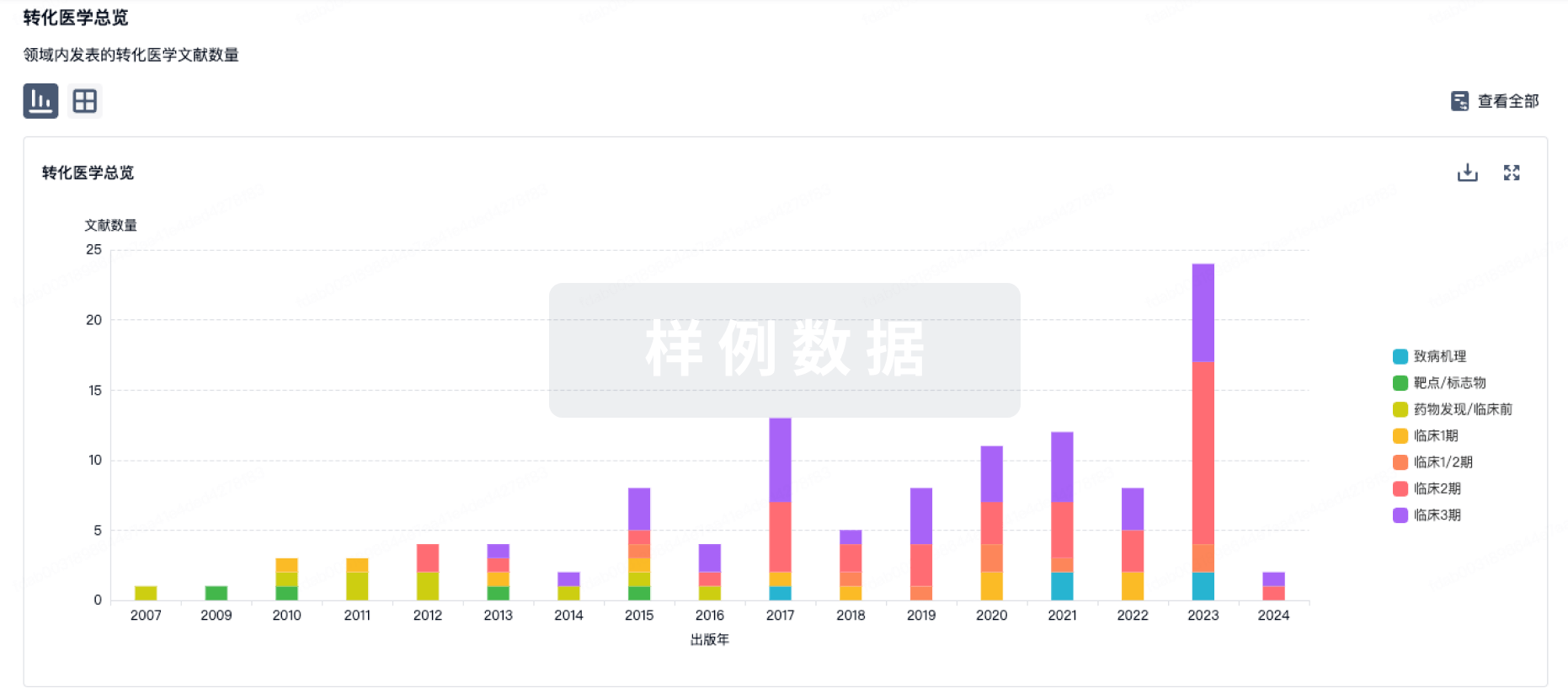
转化医学
使用我们的转化医学数据加速您的研究。
登录
或
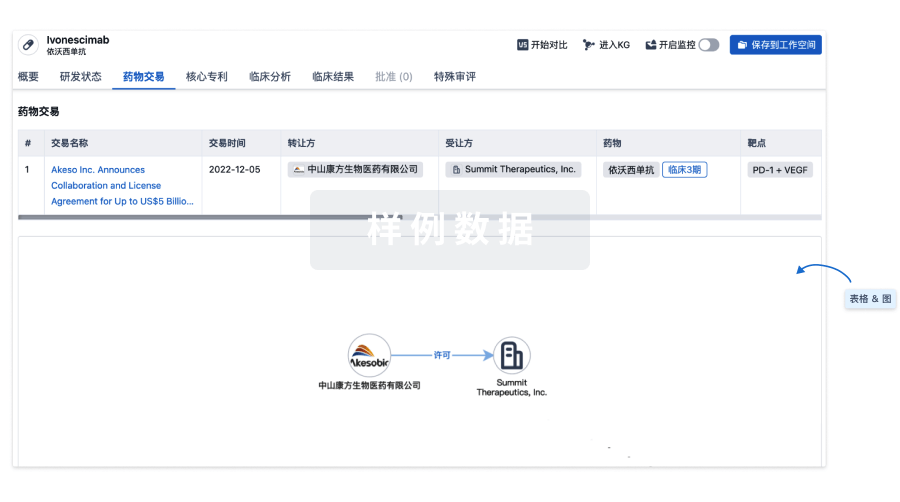
药物交易
使用我们的药物交易数据加速您的研究。
登录
或
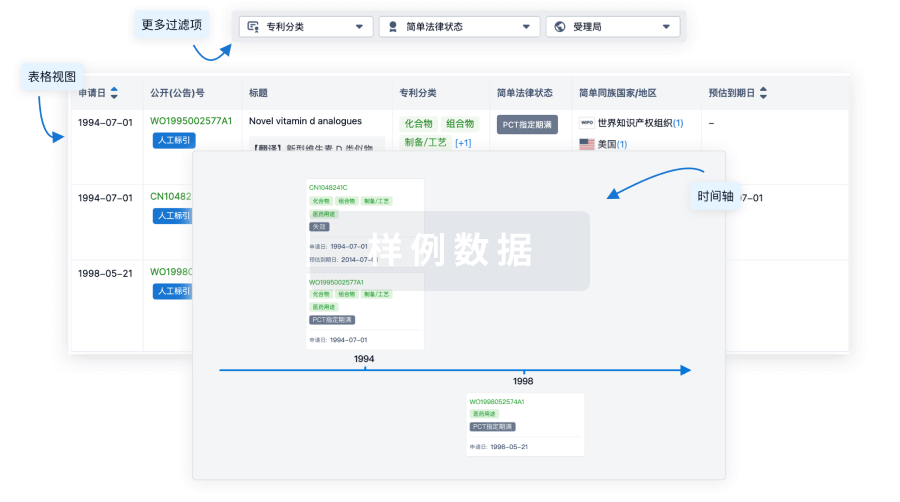
核心专利
使用我们的核心专利数据促进您的研究。
登录
或
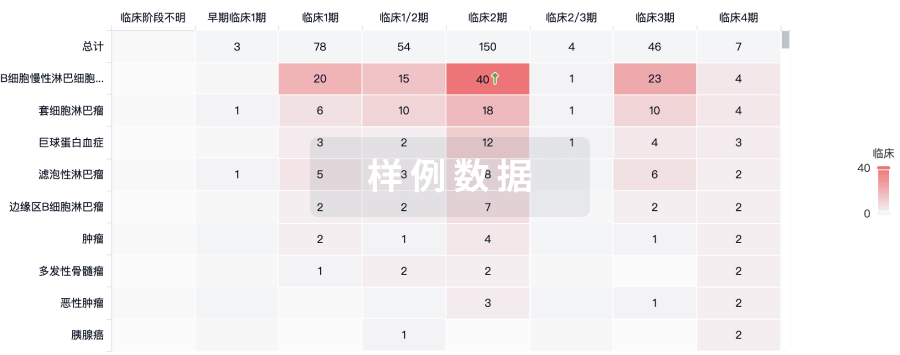
临床分析
紧跟全球注册中心的最新临床试验。
登录
或
批准
利用最新的监管批准信息加速您的研究。
登录
或
特殊审评
只需点击几下即可了解关键药物信息。
登录
或
提出任何生物医药研究问题
让每一步生物医药决策都精准制胜
基于十亿级生物数据与全球情报的精准 AI,赋能早期药物发现
立即开始免费试用!
智慧芽新药情报库是智慧芽专为生命科学人士构建的基于AI的创新药情报平台,助您全方位提升您的研发与决策效率。
立即接入生物医药数据包
智慧芽新药库数据也通过智慧芽开放平台,以MCP或API服务形式对外开放。立即使用我们的MCP服务定制您的LLM智能体。
生物序列数据库
生物药研发创新
免费使用
化学结构数据库
小分子化药研发创新
免费使用