预约演示
更新于:2026-03-17
PD-149163
更新于:2026-03-17
概要
基本信息
原研机构 |
在研机构 |
非在研机构 |
权益机构- |
最高研发阶段临床前 |
首次获批日期- |
最高研发阶段(中国)- |
特殊审评- |


结构/序列
Sequence Code 13439068
关联
100 项与 PD-149163 相关的临床结果
登录后查看更多信息
100 项与 PD-149163 相关的转化医学
登录后查看更多信息
100 项与 PD-149163 相关的专利(医药)
登录后查看更多信息
41
项与 PD-149163 相关的文献(医药)2025-11-01·Reproductive Sciences
Probiotics as an Adjunct Ameliorates Ovarian Toxicity in Endotoxemic Mice via Modulating TLR 4/MyD88/NF-κB Signalling Pathway: Insights from In Vivo and In Silico Study
Article
Gut microbiota plays a critical role in maintaining reproductive homeostasis, and mounting evidence highlights probiotic supplementation as a promising therapeutic candidate owing to its immunomodulatory potentials. Neurotensin (NTS), a tridecapeptide neuropeptide, has been shown to link with the regulation of inflammation and reproductive processes. This study aims to evaluate the possible simultaneous ameliorative effect of NTS receptor 1 agonist PD149163 co-administration with multi-strain probiotics in lipopolysaccharide/LPS induced ovarian dysfunction. Female Swiss albino mice (8 weeks old) were randomly assigned to seven groups: control, LPS (1 mg/kg bw), LPS + PD149163 (50 µg/kg bw), LPS + probiotics (0.6 gm/kg bw/day), LPS + PD149163 + probiotics, PD149163, and probiotics. After 32 days, plasma and ovarian samples were collected for biochemical and histological analyses. Additionally, an in-silico approach was employed to assess the potential interaction of probiotic-derived metabolites (butyrate and propionic acid) with the key proteins of TLR4/MyD88/NF-κB signalling pathway (TLR4/MD-2 complex, MyD88 and NF-κB). Co-administration of PD149163 with multi-strain probiotics attenuated inflammatory markers (NF-κB, TNF-α, IL-6), restored anti-oxidant enzyme activity (SOD, CAT), reduced lipid peroxidation (LPx), normalized hormonal levels (NTS, LH, FSH, E2) and improved ovarian histopathological features. Co-supplementation of probiotics with PD149163 as an adjunct therapy has shown superior efficacy in mitigating the ovarian dysfunction compared to employing single treatment approach. This ameliorative effect is presumably mediated by suppressing TLR4/MyD88/NF-κB signalling pathway, thereby dampening inflammatory cascade and alleviating ovarian dysfunction. Therefore, further investigations are warranted to unravel the underlying mechanisms of probiotic action on reproductive physiology, thereby providing therapeutic insights for the management of sepsis-related reproductive dysfunction.
2025-05-01·EUROPEAN JOURNAL OF PHARMACOLOGY
Efficacy of the neurotensin receptor 1 analog PD149163 in modulation of the kidney inflammation: Inhibition of the nuclear factor kappa β signaling pathway and oxidative stress in endotoxemic mice
Article
作者: Mohanty, Banalata ; Mishra, Swarnima ; Srivastava, Sonia
This study elucidated that the neurotensin receptor 1 agonist PD149163 ameliorated the kidney inflammation in endotoxemic mice inhibiting the nuclear factor kappa β (NF-kβ) pathway and reducing the oxidative stress in a dose-dependent manner. Swiss albino female mice (8 weeks; 25 ± 5 gms) were maintained in six groups (n = 6): Group 1/control, Group 2, Group 3 and Group 4 were exposed to lipopolysaccharide/LPS (1 mg/kg bw; i.p; 5 days) followed by PD149163 treatment with low dose/NTS50 (50 μg/kg BW i.p. 28 days) and high dose/NTS100 (100 μg/kg BW i.p. 28 days) to Group 3 and Group 4 respectively. Group 5 and Group 6 mice were only treated with the agonist, similar low and high doses respectively for the same duration. The results showed LPS-induced significant increase in the plasma levels of the NF-kβ, pro-inflammatory cytokines (TNF-α, IL-6) and a decrease in the anti-inflammatory cytokine IL-10. A significant increase in the pro-oxidant (LPx) and decrease of the anti-oxidants (SOD, CAT) in the kidney tissue was noted. Plasma NTS level was significantly decreased along with a significant increase of the corticosterone. The inflammation was reflected in the kidney histopathology. PD149163 significantly reduced inflammation by down-regulating NF-kβ, TNF-α, IL-6, CORT levels, oxidative stress and alleviated kidney injury. PD149163 enhanced the plasma level of NT. The role of PD149163 in the modulation of inflammation of kidney tissue by its anti-inflammatory and anti-oxidative effects is suggested. Further studies may better confirm the efficacy of the NTS analog for therapeutic intervention in inflammation-related diseases of the kidney.
2024-12-01·NEUROGASTROENTEROLOGY AND MOTILITY
The neurotensin receptor 1 agonist PD 149163 alleviates visceral hypersensitivity and colonic hyperpermeability in rat irritable bowel syndrome model
Article
作者: Nozu, Tsukasa ; Takakusaki, Kaoru ; Ishioh, Masatomo ; Miyagishi, Saori ; Okumura, Toshikatsu
Abstract:
Background:
An impaired intestinal barrier with the activation of corticotropin‐releasing factor (CRF), Toll‐like receptor 4 (TLR4), and proinflammatory cytokine signaling, resulting in visceral hypersensitivity, is a crucial aspect of irritable bowel syndrome (IBS). The gut exhibits abundant expression of neurotensin; however, its role in the pathophysiology of IBS remains uncertain. This study aimed to clarify the effects of PD149163, a specific agonist for neurotensin receptor 1 (NTR1), on visceral sensation and gut barrier in rat IBS models.
Methods:
The visceral pain threshold in response to colonic balloon distention was electrophysiologically determined by monitoring abdominal muscle contractions, while colonic permeability was measured by quantifying absorbed Evans blue in colonic tissue in vivo in adult male Sprague–Dawley rats. We employed the rat IBS models, i.e., lipopolysaccharide (LPS)‐ and CRF‐induced visceral hypersensitivity and colonic hyperpermeability, and explored the effects of PD149163.
Key Results:
Intraperitoneal PD149163 (160, 240, 320 μg kg−1) prevented LPS (1 mg kg−1, subcutaneously)‐induced visceral hypersensitivity and colonic hyperpermeability dose‐dependently. It also prevented the gastrointestinal changes induced by CRF (50 μg kg−1, intraperitoneally). Peripheral atropine, bicuculline (a GABAA receptor antagonist), sulpiride (a dopamine D2 receptor antagonist), astressin2‐B (a CRF receptor subtype 2 [CRF2] antagonist), and intracisternal SB‐334867 (an orexin 1 receptor antagonist) reversed these effects of PD149163 in the LPS model.
Conclusions and Inferences:
PD149163 demonstrated an improvement in visceral hypersensitivity and colonic hyperpermeability in rat IBS models through the dopamine D2, GABAA, orexin, CRF2, and cholinergic pathways. Activation of NTR1 may modulate these gastrointestinal changes, helping to alleviate IBS symptoms.
100 项与 PD-149163 相关的药物交易
登录后查看更多信息
研发状态
10 条进展最快的记录, 后查看更多信息
登录
| 适应症 | 最高研发状态 | 国家/地区 | 公司 | 日期 |
|---|---|---|---|---|
| 躁狂 | 临床前 | 美国 | 2015-10-15 | |
| 精神分裂症 | 临床前 | 美国 | - |
登录后查看更多信息
临床结果
临床结果
适应症
分期
评价
查看全部结果
| 研究 | 分期 | 人群特征 | 评价人数 | 分组 | 结果 | 评价 | 发布日期 |
|---|
No Data | |||||||
登录后查看更多信息
转化医学
使用我们的转化医学数据加速您的研究。
登录
或
药物交易
使用我们的药物交易数据加速您的研究。
登录
或
核心专利
使用我们的核心专利数据促进您的研究。
登录
或
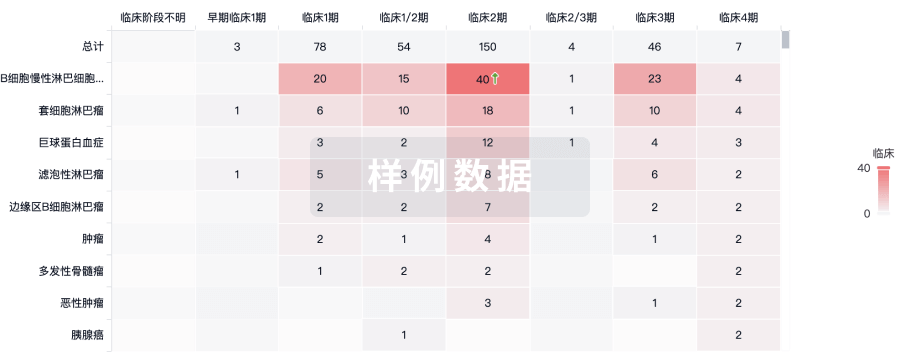
临床分析
紧跟全球注册中心的最新临床试验。
登录
或
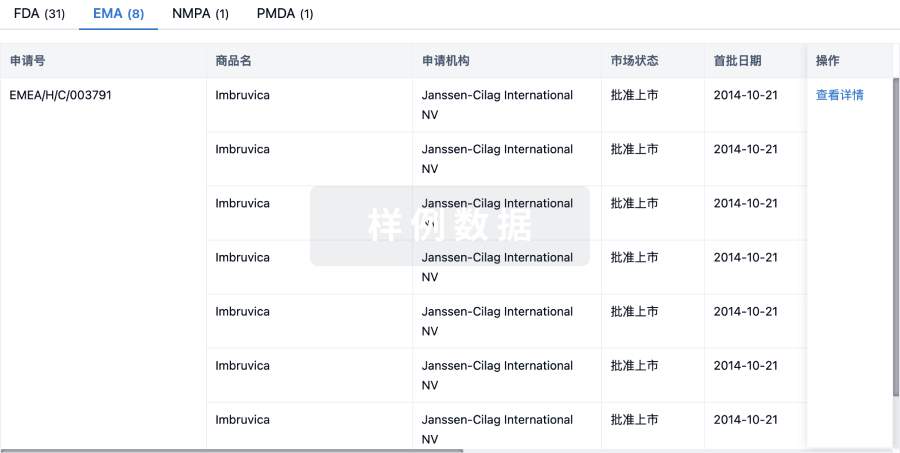
批准
利用最新的监管批准信息加速您的研究。
登录
或
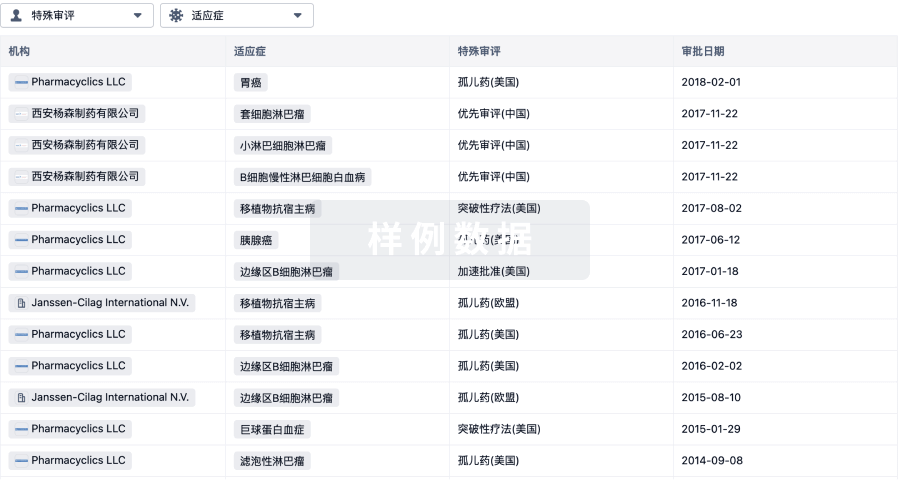
特殊审评
只需点击几下即可了解关键药物信息。
登录
或
提出任何生物医药研究问题
让每一步生物医药决策都精准制胜
基于十亿级生物数据与全球情报的精准 AI,赋能早期药物发现
立即开始免费试用!
智慧芽新药情报库是智慧芽专为生命科学人士构建的基于AI的创新药情报平台,助您全方位提升您的研发与决策效率。
立即接入生物医药数据包
智慧芽新药库数据也通过智慧芽开放平台,以MCP或API服务形式对外开放。立即使用我们的MCP服务定制您的LLM智能体。
生物序列数据库
生物药研发创新
免费使用
化学结构数据库
小分子化药研发创新
免费使用