预约演示
更新于:2026-01-24
SAD-448
更新于:2026-01-24
概要
基本信息
在研机构- |
权益机构- |
最高研发阶段无进展临床1期 |
首次获批日期- |
最高研发阶段(中国)- |
特殊审评- |

登录后查看时间轴
结构/序列
分子式C24H28N4O8S |
InChIKeyPMBUDILHPXTDNY-UHFFFAOYSA-N |
CAS号581106-09-4 |
关联
1
项与 SAD-448 相关的临床试验NCT00503360
A Multicenter, Randomized, Placebo-Controlled, Double-Masked, 4-Arm Parallel Group Study to Assess the Tolerability, Safety and Efficacy of Two Doses of SAD448 in Subjects With Ocular Hypertension
100 项与 SAD-448 相关的临床结果
登录后查看更多信息
100 项与 SAD-448 相关的转化医学
登录后查看更多信息
100 项与 SAD-448 相关的专利(医药)
登录后查看更多信息
2
项与 SAD-448 相关的文献(医药)2014-01-01FASEB journal : official publication of the Federation of American Societies for Experimental Biology2区 · 生物学
Control of spasticity in a multiple sclerosis model using central nervous system‐excluded CB
1
cannabinoid receptor agonists
2区 · 生物学
Article
作者: Lutz, Beat ; Hardcastle, Alison J. ; Selwood, David L. ; Montpetit, Alexandre ; Pryce, Gareth ; Al‐Izki, Sarah ; Baker, David ; Thompson, Alan J. ; De Faveri, Lia E. ; Kooij, Gijs ; Mein, Charles A. ; Visintin, Cristina ; Marsicano, Giovanni ; Thomas, Sarah A. ; Ramagopalan, Sreeram V. ; Giovannoni, Gavin ; Amor, Sandra ; Nuamah, Rosamond A. ; Vries, Helga E. ; Ledent, Catherine
The purpose of this study was the generation of central nervous system (CNS)‐excluded cannabinoid receptor agonists to test the hypothesis that inhibition of spasticity, due to CNS autoimmunity, could be controlled by affecting neurotransmission within the periphery. Procedures included identification of chemicals and modeling to predict the mode of exclusion; induction and control of spasticity in the ABH mouse model of multiple sclerosis; conditional deletion of CB
1
receptor in peripheral nerves; side‐effect profiling to demonstrate the mechanism of CNS‐exclusion
via
drug pumps; genome‐wide association study in N2(129×ABH) backcross to map polymorphic cannabinoid drug pump; and sequencing and detection of cannabinoid drug‐pump activity in human brain endothelial cell lines. Three drugs (CT3, SAB378 and SAD448) were identified that control spasticity
via
action on the peripheral nerve CB
1
receptor. These were peripherally restricted
via
drug pumps that limit the CNS side effects (hypothermia) of cannabinoids to increase the therapeutic window. A cannabinoid drug pump is polymorphic and functionally lacking in many laboratory (C57BL/6, 129, CD‐1) mice used for transgenesis, pharmacology, and toxicology studies. This phenotype was mapped and controlled by 1–3 geneticloci. ABCC1 within a cluster showing linkage is a cannabinoid CNS‐drug pump. Global and conditional CB
1
receptor‐knockout mice were used as controls. In summary, CNS‐excluded CB
1
receptor agonists are a novel class of therapeutic agent for spasticity.—Pryce, G., Visintin, C., Ramagopalan, S. V., Al‐Izki, S., De Faveri, L. E., Nuamah, R. A., Mein, C. A., Montpetit, A., Hardcastle, A. J., Kooij, G., de Vries, H. E., Amor, S., Thomas, S. A., Ledent, C., Marsicano, G., Lutz, B., Thompson, A. J., Selwood, D. L., Giovannoni, G., Baker, D. Control of spasticity in a multiple sclerosis model using central nervous system‐excluded CB
1
cannabinoid receptor agonists.
FASEB J
. 28, 117–130 (2014).
www.fasebj.org
2013-07-11Journal of medicinal chemistry1区 · 医学
An Effective Prodrug Strategy to Selectively Enhance Ocular Exposure of a Cannabinoid Receptor (CB1/2) Agonist
1区 · 医学
Article
作者: Jaffee, Bruce ; Lee, Wendy ; Long, Debby ; McLaughlin, Margaret E. ; Mainolfi, Nello ; Elliott, Jason ; Amin, Jakal ; Sivak, Jeremy M. ; Powers, James ; Brain, Christopher
Glaucoma is a leading cause of vision loss and blindness, with increased intraocular pressure (IOP) a prominent risk factor. IOP can be efficaciously reduced by administration of topical agents. However, the repertoire of approved IOP-lowering drug classes is limited, and effective new alternatives are needed. Agonism of the cannabinoid receptors CB1/2 significantly reduces IOP clinically and experimentally. However, development of CB1/2 agonists has been complicated by the need to avoid cardiovascular and psychotropic side effects. 1 is a potent CB1/2 agonist that is highly excluded from the brain. In a phase I study, compound 1 eyedrops were well tolerated and generated an IOP-lowering trend but were limited in dose and exposure due to poor solubility and ocular absorption. Here we present an innovative strategy to rapidly identify compound 1 prodrugs that are efficiently metabolized to the parent compound for improved solubility and ocular permeability while maintaining low systemic exposures.
100 项与 SAD-448 相关的药物交易
登录后查看更多信息
研发状态
10 条进展最快的记录, 后查看更多信息
登录
| 适应症 | 最高研发状态 | 国家/地区 | 公司 | 日期 |
|---|---|---|---|---|
| 高眼压症 | 临床1期 | 澳大利亚 | 2007-04-01 | |
| 慢性疼痛 | 临床1期 | - | - |
登录后查看更多信息
临床结果
临床结果
适应症
分期
评价
查看全部结果
登录后查看更多信息
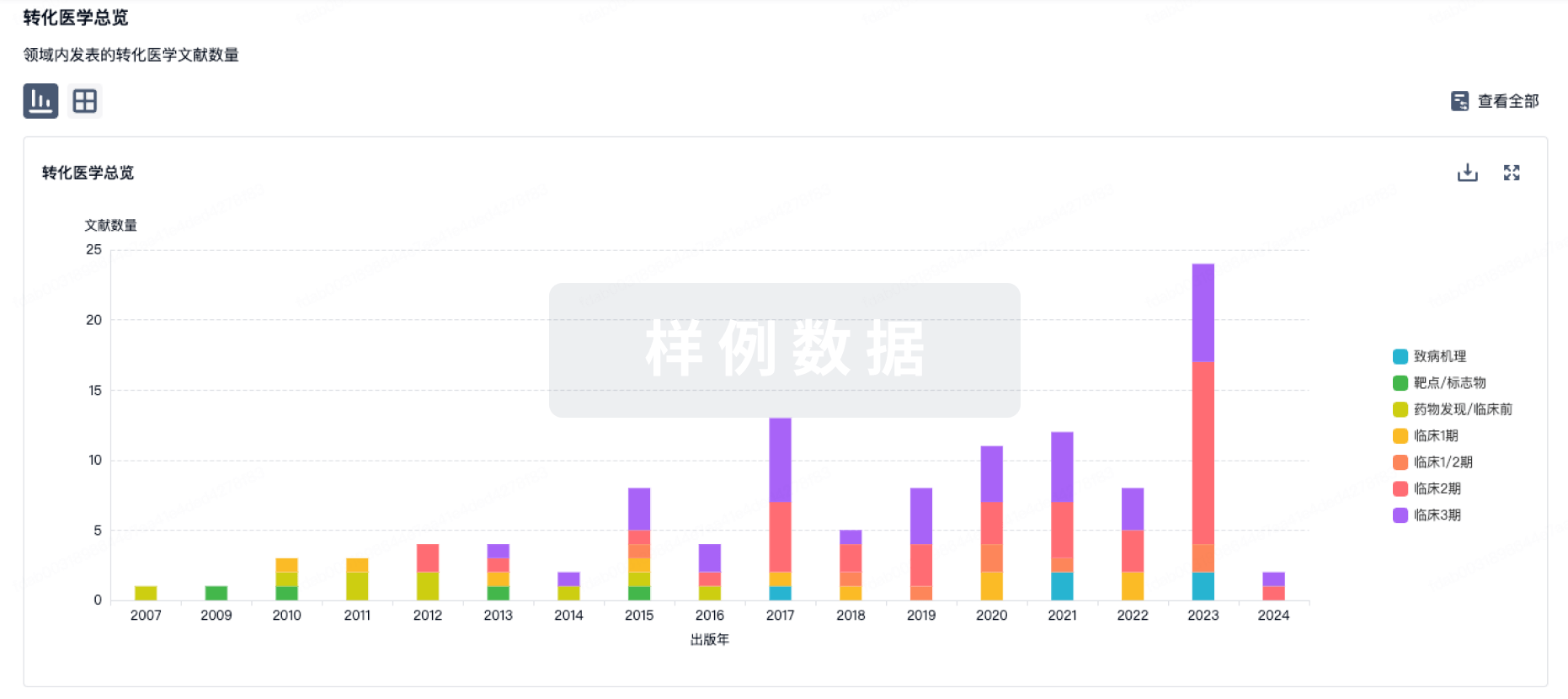
转化医学
使用我们的转化医学数据加速您的研究。
登录
或
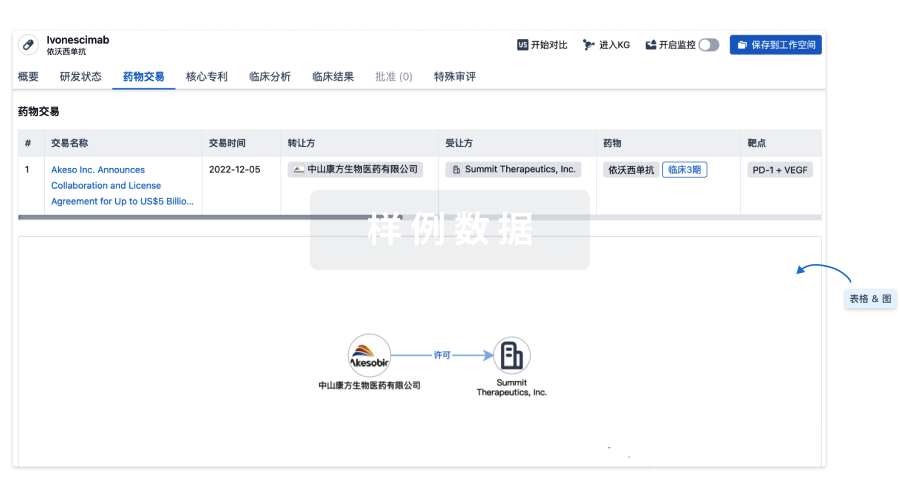
药物交易
使用我们的药物交易数据加速您的研究。
登录
或
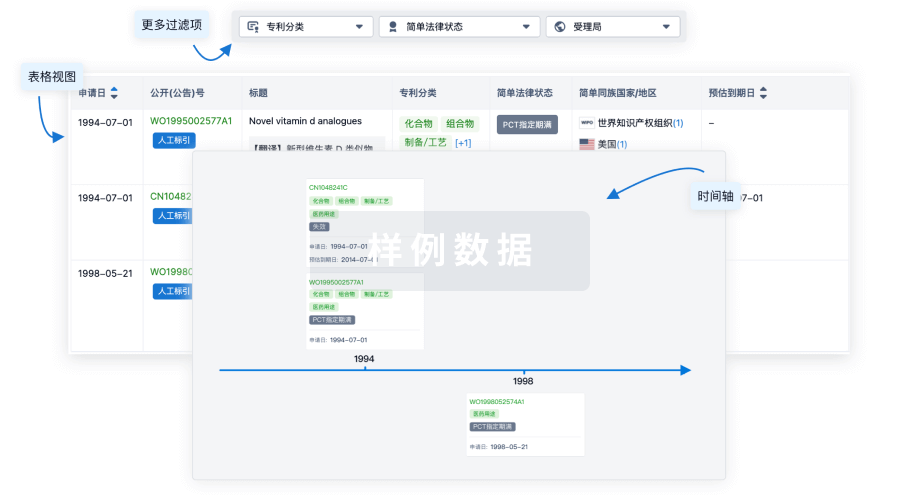
核心专利
使用我们的核心专利数据促进您的研究。
登录
或
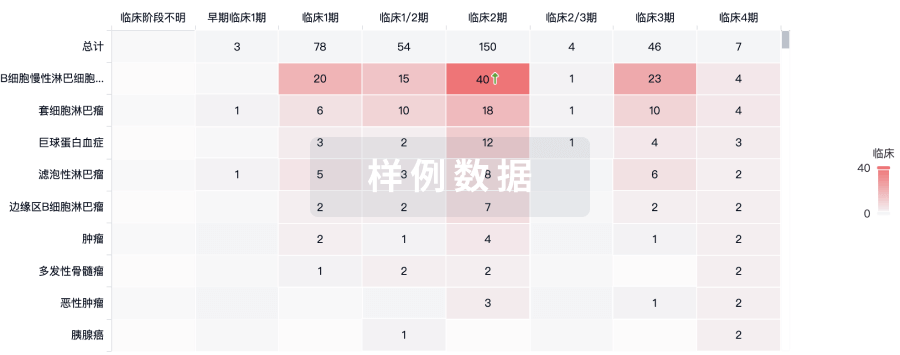
临床分析
紧跟全球注册中心的最新临床试验。
登录
或
批准
利用最新的监管批准信息加速您的研究。
登录
或
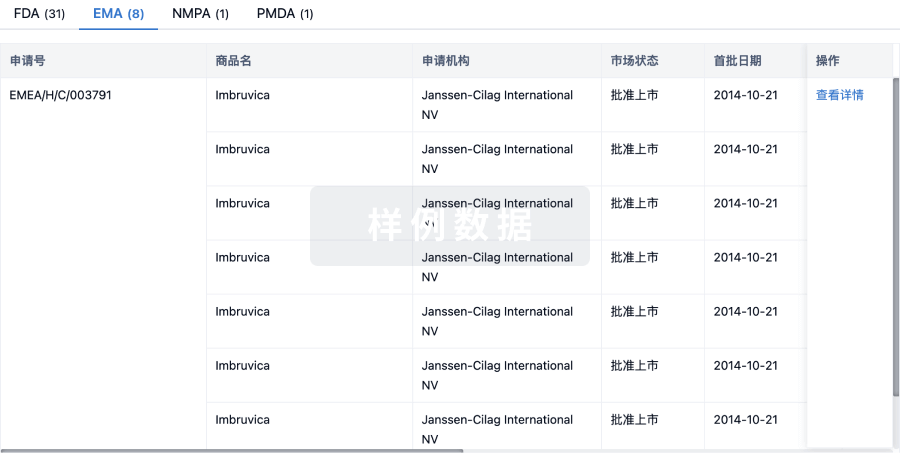
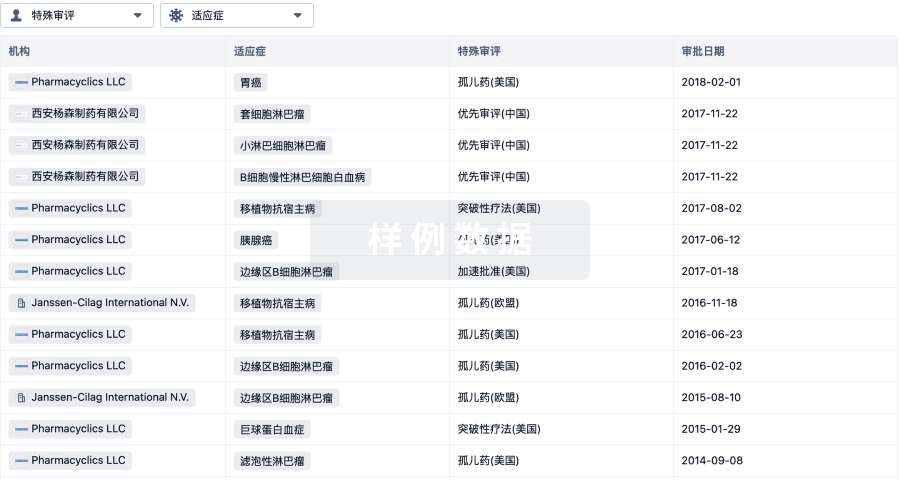
特殊审评
只需点击几下即可了解关键药物信息。
登录
或
生物医药百科问答
全新生物医药AI Agent 覆盖科研全链路,让突破性发现快人一步
立即开始免费试用!
智慧芽新药情报库是智慧芽专为生命科学人士构建的基于AI的创新药情报平台,助您全方位提升您的研发与决策效率。
立即开始数据试用!
智慧芽新药库数据也通过智慧芽数据服务平台,以API或者数据包形式对外开放,助您更加充分利用智慧芽新药情报信息。
生物序列数据库
生物药研发创新
免费使用
化学结构数据库
小分子化药研发创新
免费使用