预约演示
更新于:2026-09-05
HL-08
重组Exendin-4-Fc融合蛋白(华兰生物疫苗)
更新于:2026-09-05
概要
基本信息
原研机构 |
在研机构 |
非在研机构 |
权益机构- |
最高研发阶段临床2期 |
首次获批日期- |
最高研发阶段(中国)临床2期 |
特殊审评- |

登录后查看时间轴
关联
3
项与 重组Exendin-4-Fc融合蛋白(华兰生物疫苗) 相关的临床试验CTR20241819
一项评价 HL08 对单纯依靠饮食和运动血糖控制不佳的 2 型糖尿病患者的疗效和安全性的多中心、随机、双盲、安慰剂对照、平行分
组的 II 期临床研究
主要目的: 通过糖化血红蛋白(HbA1c)自基线到第12周的变化,评价不同剂量HL08(0.75mg、1.5mg和3mg)每周一次(QW)皮下注射对单纯依靠饮食和运动血糖控制不佳的T2DM患者的疗效。
次要目的:
评价不同剂量HL08在T2DM患者中的安全性。
评价不同剂量HL08在T2DM患者中的血糖调控作用。
评价HL08在T2DM患者中的群体药代动力学(PopPK)特征。
评价HL08在T2DM患者中的免疫原性。
开始日期2024-07-08 |
申办/合作机构 |
CTR20223444
评价重组Exendin-4-Fc融合蛋白注射液多次给药在2型糖尿病
患者中的安全性、耐受性、药代动力学及药效动力学特征的随
机、双盲、单中心Ⅰb 期临床研究
主要目的:评价重组 Exendin-4-Fc 融合蛋白注射液多次注射后,在 2 型糖尿病患者中的安全性、耐受性,探索可能出现的最大耐受剂量(MTD)。
次要目的:评价重组 Exendin-4-Fc 融合蛋白注射液多次注射后药代动力学、药效动力学特征和免疫原性。
开始日期2023-02-21 |
申办/合作机构 |
CTR20210852
评价重组 Exendin-4-Fc 融合蛋白注射液单次给药在健康受试者中的安 全性、耐受性、药代动力学及药效动力学特征的随机、双盲、单中心 Ⅰa 期临床研究
评价重组 Exendin-4-Fc 融合蛋白注射液单次注射后,在健康受试者中的安全性、耐受性,探索可能出现的最大耐受剂量(MTD)。
开始日期2021-09-24 |
申办/合作机构 |
100 项与 重组Exendin-4-Fc融合蛋白(华兰生物疫苗) 相关的临床结果
登录后查看更多信息
100 项与 重组Exendin-4-Fc融合蛋白(华兰生物疫苗) 相关的转化医学
登录后查看更多信息
100 项与 重组Exendin-4-Fc融合蛋白(华兰生物疫苗) 相关的专利(医药)
登录后查看更多信息
1
项与 重组Exendin-4-Fc融合蛋白(华兰生物疫苗) 相关的文献(医药)2026-10-01·EUROPEAN JOURNAL OF MEDICINAL CHEMISTRY
Copper(II) complexes of indolo[2,3-c]quinoline-derived Schiff bases: Insight into the mechanism of their antiproliferative activity
Article
作者: Bocz, Csenge ; Gyurcsik, Béla ; Péntek, Bálint ; Kiricsi, Mónika ; Sindlerova, Lenka ; Enyedy, Éva A ; Raptova, Petra ; Madejski, Christian ; Bacher, Felix ; Reynisson, Jóhannes ; Nafaee, Zeyad H ; Hamel, Ernest ; Kuznetcova, Irina ; Jakupec, Michael A ; Hejl, Michaela ; Igaz, Nóra ; Rapta, Peter ; Dömötör, Orsolya ; Stoica, Alexandru-Constantin ; Babak, Maria V ; Alfadul, Samah Mutasim ; Arion, Vladimir B
Indoloquinolines are potent anticancer agents, but their poor aqueous solubility prevents clinical development. Indoloquinoline-based metal complexes offer an opportunity to circumvent this drawback. A series of new indolo[2,3-c]quinoline derivatives HL1-HL8 and their copper(II) complexes were synthesized, comprehensively characterized and tested for antiproliferative activity against MDA-MB-231, MCF-7, MCF-7 KCR, A549 and DU-145 cancer cells and compared to known isomeric indolo[3,2-c]quinolines (HL11-HL14 and 11-14). The Cu(II) complexes were generally as active, or slightly more so, than the proligands. Lead compounds HL8 and 8 showed superior anticancer activity compared to isomers HL14 and 14, respectively. Complex 8 was superior to HL8 in ROS generation in A549 cells, induced mitochondrial dysfunction as evidenced by JC-1 staining, induced lactate dehydrogenase release in medium, inhibited DNA synthesis and triggered apoptosis. DNA-binding studies, supported by molecular docking calculations, showed strong affinity of the compounds for double stranded DNA, to which they bind by intercalation.
47
项与 重组Exendin-4-Fc融合蛋白(华兰生物疫苗) 相关的新闻(医药)2026-07-17
·南京肽业
2026年上半年多肽行业上市公司锐评
前言:风口上的“多肽”与分化中的玩家
2026年上半年,多肽行业延续了2025年的高景气度,但行业整体繁荣与个体剧烈分化同时发生。GLP-1赛道依然是绝对核心——全球GLP-1受体激动剂市场2025年已超600亿美元,预计2030年全球多肽药物市场规模将突破2300亿美元。当市场逐渐成熟,企业的战略定力与兑现能力正在变得同等重要。
本文以财务数据为锚、以战略选择为尺,对2026年上半年多肽行业国内外重点上市公司逐一锐评——看谁在稳健前行,看谁正蓄势待发,看谁在布局未来。
第一部分:CXO及CDMO企业
一、药明康德:TIDES业务全球最强药明康德2026上半年多肽方向全球最强——手握全球26% GLP-1 CDMO份额,替尔泊肽85%原料药由它供应;多肽产能13万升全球领先;TIDES业务全年预计破150亿;在手订单近600亿。2025年全年总营收约454亿元,TIDES业务贡献约113.7亿元,同比增长约96%。2026年Q1营收约124.4亿元,毛利率首破50%,同比增长约28.8%。6月完成A股10亿元回购。
锐评: 多肽CDMO领域的领航者,产能、客户、订单三维度全面领先。13万升产能与150亿TIDES收入的组合,意味着仅这一板块已具备中型CXO的体量。多肽赛道“卖水人”之王,谁赢都是它赢。
二、凯莱英:化学大分子业务翻倍增长凯莱英2026上半年多肽方向全球顶级——多肽产能全球前三、国内领先,年底将扩至6.9万升;服务52个多肽临床项目,19个跟减肥相关;20亿天津新基地已开工。2025年化学大分子CDMO板块营收约10.28亿元,同比增长约124%。2026年Q1营收约18.02亿元,新兴业务增74%,在手订单13.85亿美元。表面净利下滑是汇率波动的会计影响,剔除后真实净利增28%。
锐评: 凯莱英在多肽CDMO赛道的进攻姿态清晰且有力。翻倍增长的业务、128%的订单增速与53%的产能扩张,共同勾勒出一条陡峭的成长曲线。多肽CDMO赛道绝对龙头,GLP-1越火它越赚。
三、泰德医药:全球第三大多肽CRDMO泰德医药2026上半年多肽方向赚翻了——全球第三大多肽CRDMO,替尔泊肽原料药拿下美国FDA登记,司美格鲁肽原料药进了FDA绿名单。上半年营收2.54亿(+28.5%),净利1.02亿(翻倍),毛利率61%。杭州产能超1吨,还在美国加州砸2272万美元建新厂。
锐评: 全球第三的行业地位、翻倍增长的净利润、61%的高毛利率,泰德医药是多肽药“淘金热”里的核心“卖铲人”之一。美国加州的产能布局,为其全球化战略打开了新的想象空间。谁赢都得找它代工。
四、康龙化成:拿下礼来GLP-1大单康龙化成2026上半年多肽方向最大的亮点是拿下礼来GLP-1减肥药的大单——礼来投2亿美元给它建产能。多肽API新车间预计2026年建成。上半年营收预计超74亿、增16%以上,CDMO新签订单暴增超50%。
锐评: 拿下礼来2亿美元产能投资订单,是对康龙化成多肽CDMO能力的最佳背书。新签订单暴增50%以上,预示着其正加速驶入GLP-1全球供应链的快车道。不产药,但帮药厂生产,GLP-1越火它越赚。
五、睿智医药:新模态药物技术平台持续升级睿智医药持续强化在ADC、多肽、小核酸、PROTAC等前沿领域的技术布局。2025年营收约11.35亿元,同比增长约17%;净利润同比增长约106%,扭亏为盈。2026年一季度营收约2.67亿元,归母净利润为负1815.65万元。6月,公司在江西赣南搭建新药研发平台,拓展境内业务版图。
锐评: 扭亏为盈标志着公司经营迎来重要转折。多肽是其“新模态药物”版图中的战略性拼图。随着技术平台升级与境内外布局深化,公司有望在更多前沿项目转化中逐步兑现潜力。
六、益诺思:多肽药上市前的“安检”专家益诺思2026上半年多肽方向专做创新药上市前的“安检”生意——近60个多肽项目经验、多国GLP资质,多肽药想进临床必须过它这关。一季度新签订单暴增199%,业绩扭亏为盈。
锐评: 益诺思是多肽药物研发链条中不可或缺的一环。近60个项目经验与新签订单暴增199%,说明下游研发活跃度极高。不产药,但每款多肽新药上市前都离不开它,创新药越火它越稳。
七、药石科技:砌块专家跨界做多肽药石科技2026上半年多肽方向最大动作是400公斤/年多肽GMP中试车间6月正式投产。新分子业务订单增速超100%,一季度净利增36.6%。
锐评: 中试车间的投产,将把这种独特的技术优势转化为承接高壁垒订单的服务能力。路子确实不一样。
八、诺泰生物:多肽基本盘稳固诺泰生物2026上半年多肽原料药出口猛、产能大、卡位硬——七成收入来自海外,司美格鲁肽原料药拿下巴西首家准入。2025年营收约19.43亿元,同比增长约20%。但价格战太惨烈,主力产品一年跌价近七成;因会计差错被ST戴帽;Q4首次单季亏了1.12亿。
锐评: 诺泰生物展现了极强的全球化能力与扎实的多肽制造基本功。尽管短期面临价格战与财务信披的挑战,但其稀缺的技术壁垒与海外市场先发优势,依然是其价值重塑的坚实基础。全球化最强,信任修复需要时间,但方向是明确的。
九、九洲药业:多肽CDMO订单饱满九洲药业2026上半年多肽方向订单不少——57个在手订单,含17个NDA阶段、6个商业化阶段、3个千万级大单。多肽产能800公斤已投产,560公斤新产线在建。但一季度业绩承压——营收跌19%、净利跌31%,主因是大客户诺欣妥专利到期。
锐评: 订单充裕、项目梯队清晰,是多肽业务价值的最佳佐证。57个在手订单与17个NDA阶段项目,构建了扎实的管线池。多肽是未来,随着新产线建设推进,有望成长为填补传统业务波动的全新增长引擎。
十、普洛药业:多肽为CDMO核心增长点普洛药业2026上半年多肽方向稳扎稳打——114个多肽项目在推进、全链条技术平台已建成、新多肽车间加速建设、司美格鲁肽完成临床入组。CDMO业务一季度增14%、毛利率44%,未来三年订单超68亿。
锐评: 普洛药业在多肽领域更像一位长跑健将,用114个推进中的项目构建了深厚的管线池。虽然原料药拖累总营收,但多肽CDMO正成为公司最确定的增长引擎。
十一、圣诺生物:多肽原料药隐形赢家圣诺生物2026上半年多肽方向赚翻了——专做司美格鲁肽、替尔泊肽等GLP-1减肥药的原料药,25个品种在手、11个拿到美国DMF备案。上半年净利预增超四成,半年赚了接近去年全年的钱。2025年全年营收约7.41亿元,同比增长约63%。年产10吨多肽原料药的产业化基地已于2025年10月开工。
锐评: 圣诺生物用扎实的业绩证明了“GLP-1越火,它越受益”的逻辑。半年净利接近去年全年,丰富的品种储备、国际化的DMF备案与即将释放的新产能,共同为其打开了广阔的成长空间。多肽原料药赛道的隐形赢家。
十二、奥锐特:TIDES业务爆发式增长2025年,公司TIDES类产品实现营收约2.62亿元,同比增长约767%,增长势能惊人。扬州奥锐特年产300公斤司美格鲁肽原料药生产线已通过竣工验收并投入生产。
锐评: 767%的增速是市场对奥锐特战略转型最直接的肯定。规模化产能已就位,虽然利润兑现尚在爬坡,但这正意味着其商业化放量的巨大潜力即将进入验证期。
十三、四川双马:跨界并购多肽CDMO四川双马多肽业务产能猛、概念热——湖北基地年产能已突破4吨,预计2026年年中可达10吨。但上半年业绩承压:营收跌18%、净利腰斩,8.8亿商誉悬顶,行业价格战拖累。
锐评: 跨界转型需要勇气,更考验整合智慧。产能从4吨到10吨的迅速跃升,已展现出标的资产的潜力。如何将产能优势转化为业绩增长、化解商誉风险,是双马下一程最值得期待的看点。
十四、多瑞医药:双赛道布局公司重点打造化学中间体、多肽原料药双赛道布局。当前多肽原料药总设计产能700公斤,2026年整体产能将提升至2吨。核心产品包括艾博韦泰、司美格鲁肽、醋酸兰瑞肽、特立帕肽等。
锐评: 完善的资质与快速扩张的产能是多瑞医药最坚实的底座。产能从700公斤向2吨的跨越、中美欧GMP全拿齐,虽然财务上正经历转型阵痛,但其构建的产能优势,是未来参与市场竞争的核心门票。
十五、美诺华:概念猛如虎,兑现需时日美诺华2026上半年多肽方向全靠一张“饼”撑着——JH389号称“口服多肽+益生菌”减肥胶囊,但还没拿到任何国家上市许可,欧洲安全性试验都没做完。司美格鲁肽原料药倒是在供货,但体量小。
锐评: 股价7天6涨停体现了市场对多肽概念的追捧。但长期来看,真正的价值需要产品上市来验证。欧洲安全性试验的推进与原料药供货的持续放量,将是未来最值得关注的催化剂。
十六、康鹏科技:多肽尚在播种期康鹏科技2026上半年多肽方向还停留在画饼阶段——募投的“医用多肽项目”延期到2027年6月,内部预计明年收入才“千万级别”。公司整体业绩承压:一季度营收暴跌38%,由盈转亏亏了1259万。
锐评: 多肽项目延期是当前的压力,但也说明公司在审慎推进而非盲目冒进。2027年项目落地后的千万级收入预期,是远期的一个观察窗口。主业修复与多肽布局同步推进,需要耐心。
第二部分:创新药研发企业
十七、翰宇药业:多肽原料药隐形冠军翰宇药业2026上半年多肽方向赚疯了——专做GLP-1减肥药原料药,33个品种在手、20个美国DMF备案,武汉基地满负荷运转。半年营收近7亿、净利2.45亿(增超54%),单季利润超去年全年。司美格鲁肽减重药上市申请已受理,三靶点创新药在路上。
锐评: 翰宇药业正经历从“困境反转”到“高质量收获”的关键跃升。多笔大额订单、20个美国DMF备案、减重适应症上市申请受理,共同预示着其正步入新一轮的成长周期。GLP-1越火,它越赚,多肽原料药赛道的隐形冠军。
十八、博瑞医药:BGM0504减重适应症NDA获受理2026年6月12日,公司自主研发的GLP-1/GIP双受体激动剂BGM0504注射液减重适应症新药上市申请获国家药监局受理。III期临床数据显示,高剂量组连续用药52周平均体重降幅约19.3%。公司已与华润三九达成中国大陆地区战略合作。
锐评: BGM0504的NDA受理是公司创新转型的里程碑。52周减重近20%的优异数据与华润三九这样强大的商业化伙伴,为这款产品的未来市场表现增添了更多想象空间。
十九、石药集团:中国多肽出海的标杆石药集团2026上半年多肽方向搞了个大事情——跟阿斯利康签了185亿美元的合作,拿12亿美元首付(已到账),2500万美元里程碑也兑现了。核心产品SYH2082是每月一针的减肥药,已进I期临床;另一款TG103减肥药已申报上市。一季度营收65亿(表面跌8%,剔除授权费影响实际增6%)。
锐评: 185亿美元的合作规模是中国药企BD史上的标杆。首付款与里程碑付款的顺利到账,验证了合作的高效执行力。技术平台换全球市场,中国多肽出海的标杆案例。
二十、恒瑞医药:多肽赛道“全能选手”恒瑞医药2026上半年多肽方向国内最强——瑞普泊肽减肥针已报上市、口服小分子GLP-1年内报产、口服多肽和三靶点排队跟进,形成四重管线矩阵。NewCo模式拿下60亿美元出海大单,合作伙伴已纳斯达克上市。一季度营收81亿、净利23亿双双高增长。
锐评: 全剂型、全靶点、全代际覆盖,恒瑞医药是多肽赛道真正的“全能选手”。四重管线矩阵与60亿美元出海大单,共同勾勒出一幅从国内走向全球的宏大蓝图。
二十一、众生药业:创新药转型进入收获期众生药业2026上半年多肽核心是自研双靶点GLP-1减肥药RAY1225——1月以10亿元授权给齐鲁制药(首付2亿),拿下肥胖合并睡眠呼吸暂停新适应症临床批件,三项III期临床全部完成入组,还拿到了日本核心专利。一季度净利增两成,现金流暴增近6倍。
锐评: RAY1225的10亿元授权、三项III期临床完成入组、日本核心专利获批——每一个里程碑都在宣告:众生的创新药转型已进入收获期。现金流暴增近6倍,是经营质量提升的最佳佐证。
二十二、华东医药:多肽布局层层递进华东医药2026上半年多肽方向稳扎稳打——利拉鲁肽一年贡献23亿创新药收入;司美格鲁肽仿制药减重适应症已报上市(III期疗效等效原研);自研的双靶点、口服、三靶点三款创新药全进了III期临床。一季度营收112亿(+4%)、净利10亿(+9.6%)。
锐评: 华东医药在多肽领域的布局层次分明——现在有利拉鲁肽赚钱,明年有司美格鲁肽上市,后年有创新药爆发。三层递进的管线结构,构成了其稳健且富有想象力的成长格局,是多肽行业“最稳的玩家”。
二十三、翰森制药:奥莱泊肽注射液NDA获受理2026年6月4日,公司宣布奥莱泊肽注射液上市许可申请获国家药监局受理。奥莱泊肽是一款公司自主研发的每周一次给药的GLP-1/GIP双受体激动剂,III期临床数据显示良好疗效。
锐评: 翰森制药在多肽创新药领域展现了其一贯的稳健与扎实。奥莱泊肽的NDA受理,是公司管线价值兑现的重要一步,走得不快,但每一步都很坚实。
二十四、海思科:创新药整体已进入爆发期海思科2026上半年多肽方向有平台、有管线、在推进——自建了多肽技术平台,核心管线是口服环肽IL-23抑制剂(全球第二),已进II期临床,下半年出数据。公司整体赚疯了——半年净利暴增5倍、Q1增了10倍,4笔BD出海狂揽60亿美元。
锐评: 多肽是海思科创新药版图的一块拼图,而这块拼图正在加速成型。口服环肽IL-23抑制剂全球第二、II期临床数据即将揭盲,叠加整体业绩暴增5倍的强劲势头,公司已全面进入创新药的爆发期。
二十五、质肽生物:全球首款月制剂GLP-1冲刺者质肽生物2026上半年多肽方向技术很硬——减肥药佐维格鲁肽每月打一针就行,II期24周减重13.8%,III期临床已启动,有望成全球首款月制剂GLP-1。拿了超5亿融资、递交了港股IPO。年营收才313万、亏了1.9亿、现金流只够撑3个月。
锐评: 佐维格鲁肽的“月制剂”差异化定位极具前瞻性,有望在全球GLP-1赛道中开辟新品类。技术是未来,港股IPO与超5亿融资将为公司补充关键弹药。技术很硬,得先活过今天,但活过去就是另一番天地。
二十六、九芝堂:多肽并购贡献显著2026年一季度,公司实现营收约9.73亿元,同比增长约21%,归母净利润约1.65亿元,同比增长约42%。7月10日发布半年度业绩预告,预计归母净利润达2.41亿元至2.64亿元,同比增长约68%至84%,主要原因是2025年10月收购的多肽企业吉象隆纳入合并报表。
锐评: 并购是切入风口赛道的高效方式。吉象隆的并表已带来立竿见影的业绩增长,68%至84%的净利增速令人振奋。如何让这块多肽资产在未来持续造血,是九芝堂打开新局面的关键。
二十七、阳光诺和:AI多肽平台加速落地阳光诺和2026上半年多肽技术很硬——三个AI平台、STC007推进III期临床、STC009获临床批件、与信立泰达成超8亿合作。但财务承压——上市以来首次中报亏损,亏1500-3000万,经营现金流暴跌。
锐评: 阳光诺和手握AI多肽的前沿技术,项目管线价值持续得到验证。虽然前沿探索期常伴财务投入压力,但其技术平台的远期变现潜力,是公司最宝贵的资产。技术很性感,现金需要时间跟上,典型的“高潜力、低兑现”阶段,值得长期跟踪。
二十八、昂利康:向创新药转型公司研发战略正从有特色的仿制药逐步转向创新药。2026年一季度实现营收约3.40亿元,归母净利润约1765万元。在手订单超18亿元。公司拟募资11.1亿元全部投向核心创新药ALK-N001的境内临床研发。
锐评: 昂利康展现了向创新药企蜕变的坚定决心。11.1亿募资全额投入研发,在手订单超18亿元,彰显了管理层对创新管线的信心,这是一次值得关注的转型征程。
二十九、华兰生物:减肥神药HL08获批临床华兰生物2026上半年多肽方向唯一的亮点就是减肥神药HL08获批临床,但离上市还隔着5-8年。公司业绩承压——营收跌12%、净利跌26%。
锐评: HL08获批临床是一张宝贵的“入场券”,虽然距离商业化还有不短的路要走,但至少已经站在了GLP-1赛道的起跑线上。概念很性感,需要耐心等待临床推进的每一步。
三十、双成药业:多肽是招牌,紫杉醇赚钱双成药业2026上半年从*ST摘帽、业绩扭亏,靠的是紫杉醇出口放量,不是多肽。多肽业务年收入才8495万、毛利率33.88%,受集采降价压得够呛。不过FDA、EMA认证硬、多款药出口美国,司美格鲁肽仿制药ANDA也在路上。
锐评: 摘帽扭亏是公司经营拐点的重要信号。多肽虽体量尚小,但FDA/EMA的国际化认证与司美格鲁肽ANDA的推进,为其打开了一扇面向全球多肽市场的窗户。多肽是招牌,底子正在变厚。
三十一、亿帆医药:多肽尚未成气候亿帆医药2026上半年多肽方向有原料药、有类似药、有创新药,但都不够硬——司美格鲁肽原料药卖到海外,特立帕肽刚获批临床,F-301还在三期入组。公司自己承认“GLP-1制剂尚处早期研发,无产品进入临床”。一季度净利跌30%。
锐评: 亿帆的多肽布局是典型的“广撒网”策略,原料药、类似药、创新药三条线都在推进。虽然尚未成气候,但多元化的管线储备为未来提供了多个潜在增长点。概念有,兑现需要时间,耐心等待管线成熟。
三十二、赛升药业:多肽管线在研,体量尚小赛升药业2026上半年多肽方向有仿制药也有创新药——肌氨肽苷等多肽注射液在生产,安替安吉肽等1类新药在研,K11预计2026年完成临床。但一季度净利暴跌88%,全靠联营企业投资收益拖累。
锐评: 管线有、概念有,K11预计2026年完成临床是多肽业务最近的催化剂。短期业绩受投资收益波动影响,但多肽管线本身仍在推进,未来体量的提升值得关注。
三十三、悦康药业:烧钱等风来的多肽创新者悦康药业2026上半年多肽方向最大的亮点是YKYY017(多肽抗病毒药)拿到FDA新适应症临床批件,中、美、澳三国临床都在推进。但商业上完全是零——多肽管线还没上市、一分钱没赚。公司2025年巨亏2.35亿,一季度再亏3311万。
锐评: YKYY017的中美澳三国临床推进,是多肽抗病毒领域的前沿探索。技术有进展,赚钱还远得很,但三国临床的国际化布局一旦成功,将打开巨大的市场空间。典型的“烧钱等风来”阶段,风来了就是另一番风景。
三十四、麦科医药:港股多肽创新药第一股2026年6月24日,陕西麦科奥特医药科技股份有限公司在港交所主板挂牌上市,成为港股多肽创新药第一股。发行价18.20港元,所得款项总额约10.566亿港元,香港公开发售获约1181倍超额认购。核心产品MT1013预计2028年初商业化,已与云顶新耀达成最高12.4亿元的商业化协议。
锐评: 1181倍超额认购反映了市场对多肽创新药赛道的热情与期待。上市只是起点,明确的商业化路径与强劲的合作伙伴,为其未来兑现价值提供了清晰的时间表。
三十五、佩德生物:从毒液里挖多肽药佩德生物2026上半年多肽方向走了一条没人走过的路——从蝎子、蜘蛛、青蛙的毒液里找药,建了全球最大的有毒动物多肽库(2000多种动物、近2亿条序列),用AI筛药。痤疮多肽管线已以9000万授权出去,验证了路子能走通。
锐评: 全球最大的有毒动物多肽库、近2亿条序列、AI筛选——这是多肽药物发现领域最具想象力的源头创新之一。9000万的痤疮管线授权,已经初步验证了商业模式的可行性。技术很酷、平台很硬,商业化刚起步,未来可期。
三十六、中晟全肽:多肽源头创新的标杆中晟全肽2026上半年多肽方向搞了两件大事——1月把自研的多肽核药授权给诺华,拿到5000万美元首付款;2月又跟礼来签了平台级合作,帮礼来筛多肽药。5月完成超3亿C轮融资,估值近50亿。靠的是全球独创的PICT®多肽库(含近5亿种多肽信息)。
锐评: 半年完成“技术→授权→融资”三级跳,诺华5000万美元首付+礼来平台级合作,是对其PICT®多肽库技术价值的最强背书。估值近50亿、近5亿种多肽信息,中国多肽源头创新的标杆。
三十七、苏盐井神:此多肽非彼多肽苏盐井神2026上半年多肽方向雷声大雨点小——跟海天味业合作搞“多肽+盐”减盐产品,概念很新、故事很动听。但业绩承压:一季度营收跌9%、净利跌32%,多肽新品刚发布、还没贡献收入。
锐评: 与海天味业的合作开创了“多肽+食品”的跨界新场景。虽然多肽新品刚刚发布、尚未放量,但这种消费级多肽应用的探索,一旦成功将打开与医药多肽完全不同的广阔市场。主业是盐,多肽是调味品,概念很有新意。
三十八、好当家:多肽故事还没讲出钱来好当家2026上半年多肽方向有专利、有概念、没业绩——能做海参多肽、牡蛎多肽、降压肽,但全是研发阶段的东西,没形成正经收入。公司一季度营收增20%,但扣非净利润亏了536万,全靠1698万政府补助硬撑着账面盈利。
锐评: 海参多肽、牡蛎多肽的研发储备,是好当家在海洋多肽领域的独特卡位。研发阶段意味着未来潜力尚未释放,一季度营收增长20%说明主业仍在扩张。多肽是个好故事,从研发到收入的转化,是下一阶段最值得期待的看点。
三十九、通化金马:此多肽非彼多肽通化金马的多肽是子公司圣泰生物从猪骨头里提取的骨多肽,做的是骨瓜提取物这类传统老药。公司2026上半年最大的事儿是阿尔茨海默病新药获批,跟多肽没半毛钱关系。营收几乎零增长、净利跌两成。
锐评: 虽然骨多肽与GLP-1无关,但阿尔茨海默病新药获批是公司层面的重大突破。传统多肽药物有其稳定的市场基础,新药获批则打开了全新的成长空间。此多肽非彼多肽,但公司整体正在迎来转折。
四十、锦波生物:多肽给胶原蛋白“打辅助”锦波生物2026上半年多肽方向主要是给胶原蛋白“打辅助”——拿了好几个多肽专利,用来促进细胞黏附和修复,应用在骨科、皮肤修复等领域。但公司主业是重组胶原蛋白,多肽不是独立业务。营收微增,净利却跌了近17%。
锐评: 多肽专利的积累为锦波生物在胶原蛋白之外储备了第二增长曲线。虽然多肽不是独立业务,但“胶原蛋白+多肽”的协同应用在骨科和皮肤修复领域具有差异化优势。净利短期承压,但技术储备是长期竞争力。
第三部分:上游设备与供应链企业
四十一、楚天科技:发布多肽全链条解决方案2026年4月,公司发布多肽药物全链条整体解决方案,涵盖合成、裂解、纯化、浓缩、冻干的一站式服务。推出的3000L自动化多肽固相合成系统配备AGV智能投料设备,单日产能可媲美传统人工一周工作量。2025年公司营收达57.63亿元,归母净利润2.55亿元,实现扭亏为盈。
锐评: 作为多肽产业链上游的“卖铲人”,楚天科技已跻身国内多肽装备领域的第一梯队。3000L自动化系统的发布与扭亏为盈的业绩,共同验证了其战略布局正在进入收获期。
四十二、昊帆生物:多肽合成试剂全球龙头昊帆生物2026上半年多肽方向稳坐全球“卖铲人”头把交椅——多肽合成试剂占全球25%市场,合全药业、凯莱英、诺泰生物都是它客户。一季度营收增27%、经营现金流暴增489%。虽然利润因并购整合暂时小跌,但随着新产能释放,利润修复只是时间问题。
锐评: 昊帆生物完美诠释了多肽赛道“卖水人”的逻辑。全球25%市场份额、下游头部CXO均为其客户、经营现金流暴增489%——每一个指标都在说:它在产业链中的地位牢不可破。新产能释放后,利润修复只是时间问题。
四十三、纳微科技:业绩翻倍增长2026年7月8日,公司预计上半年营业收入5.58亿元至5.72亿元,同比增长35%至38%;归母净利润1.28亿元至1.5亿元,同比增长102%至137%。2025年多肽类药物色谱填料销售收入约1.47亿元,同比增长约63%。
锐评: 业绩翻倍是下游需求对上游耗材强劲拉动的最好证明。净利增长102%至137%、多肽相关收入增长63%,作为纯化环节的核心耗材供应商,纳微科技正进入业绩高速兑现的收获期。
四十四、蓝晓科技:多肽合成载体全球霸主蓝晓科技2026上半年多肽方向稳坐全球头把交椅——多肽固相合成载体占全球75%-80%市场,礼来、诺和诺德都找它买耗材。11.5亿新产业园在建、55%毛利率、年赚9个亿。战略投资峰鑫泽科技,进一步巩固护城河。
锐评: 不管哪家GLP-1减肥药最后赢,都得给它“交过路费”——多肽赛道的“卖水人”,确定性最强的那一个。全球75%-80%的市场份额、55%的毛利率、年赚9亿,这是产业链中地位最稳固的公司之一。
四十五、汉邦科技:多肽纯化设备的“卖铲人”汉邦科技2026上半年多肽方向稳坐“卖铲人”位置——专做多肽药生产用的分离纯化设备,GLP-1减肥药越火,它的设备越好卖。已为多家GLP-1药厂供货,还拿了多肽合成仪专利。一季度营收增18%、净利增66%。
锐评: 不产药,但产药离不开它。汉邦科技专注的分离纯化是多肽生产中最关键的环节之一。营收增18%、净利增66%的稳健增长,叠加多肽合成仪专利的获取,使其在国产替代浪潮中占据了有利身位。
四十六、诺唯赞:GLP-1酶和中间体国内第一诺唯赞2026上半年多肽方向专做GLP-1减肥药的“卖原料”生意——GLP-1酶和司美格鲁肽中间体国内市占率第一,数十家药厂找它供货,产能达吨级。但公司整体还在亏钱——一季度扣非亏了1400万,经营现金流也是负的。
锐评: 国内市占率第一的GLP-1酶和中间体业务,是诺唯赞在多肽产业链中最硬的底牌。数十家药厂的客户基础与吨级产能,意味着一旦行业放量,其弹性将十分可观。行业地位硬,赚钱还早,但卡位优势已经确立。
四十七、华熙生物:多肽中试平台基建猛华熙生物2026上半年多肽方向基建很猛——30亿中试平台、64条产线、国家级五星认证,能帮别人把多肽从实验室搬上生产线。还拿了抗菌肽护肤专利,能生产胶原蛋白多肽。但公司整体业绩连跌三年,一季度营收再跌23%。
锐评: 30亿中试平台与64条产线的产能储备,是华熙生物在多肽CDMO领域最具想象力的资产。平台强、概念有,虽然多肽还没真正赚到钱,但这种基础设施级的布局,一旦对接上GLP-1的旺盛需求,将释放巨大的变现能力。
四十八、瑞联新材:医药业务基因优秀瑞联新材2026上半年多肽/医药业务基因优秀(WGI 74.5,A级):351条管线储备足,毛利率64.83%利润厚,负债率仅9.61%财务稳。一季度营收增10%但净利微降4%,主因低毛利电子材料占比上升。
锐评: 64.83%的毛利率、9.61%的负债率、351条管线储备——这些数据勾勒出一家底子扎实、增长健康的公司。净利的微降只是结构性问题,底子扎实、增长健康,属于稳扎稳打的“长跑型选手”。
四十九、热景生物:与多肽无关的创新药企热景生物2026上半年跟多肽没关系——公司做的全是抗体药和小核酸,核心管线SGC001是心梗抗体,不是多肽。2025年亏2.16亿、一季度再亏6800万。
锐评: 虽然与多肽无关,但抗体药和小核酸的创新管线有其独立价值。公司有创新药,但跟“多肽”二字毫无关联,不是多肽概念股,不宜在多肽框架下过度评价。
五十、卫光生物:多肽是技术标签,不是业务方向卫光生物2026上半年多肽方向只有一块牌子——拥有省级“多肽分离纯化工程中心”,但没有多肽产品、没有多肽管线、没有多肽收入。公司主业是血液制品,上半年因税改和竞争业绩腰斩(净利跌50%-60%),战略重心已转向CGT和合成生物。
锐评: 省级“多肽分离纯化工程中心”是一项有潜在价值的技术标签,未来或可赋能CGT和合成生物等新战略方向。多肽是个技术标签,不是业务方向,但技术储备永远不会浪费。
第四部分:AI技术与多肽交叉领域
五十一、晶泰科技:AI多肽平台密集落地2026年6月,公司依托AI多肽开发平台PepiX,成功研发食品级口服功能肽Tensotide,获得美国Self-affirmed GRAS认证。7月10日,与甘李药业AI智肽递送实验室正式揭牌。公司已与17家全球排名前20的国际药企建立合作。5月,收到DoveTree合作的第二笔1900万美元里程碑付款。
锐评: 晶泰科技是AI+多肽这一前沿领域最活跃的探索者。17家全球前20药企的合作、PepiX平台的GRAS认证、与甘李药业的联合实验室,正为其AI药物发现能力积累宝贵的验证数据。当AI制药迎来收获期,它将是首批受益者之一。
五十二、阳光诺和:AI多肽平台加速落地阳光诺和2026上半年多肽技术很硬——三个AI平台、STC007推进III期临床、STC009获临床批件、与信立泰达成超8亿合作。但财务承压——上市以来首次中报亏损,亏1500-3000万,经营现金流暴跌。
锐评: 阳光诺和手握AI多肽的前沿技术,项目管线价值持续得到验证。虽然前沿探索期常伴财务投入压力,但其技术平台的远期变现潜力,是公司最宝贵的资产。技术很性感,现金需要时间跟上,典型的“高潜力、低兑现”阶段,值得长期跟踪。
第五部分:国外多肽行业重点企业动态
一、诺和诺德:口服Wegovy商业化推进诺和诺德2026上半年多肽方向依然是全球老大——司美格鲁肽全系半年卖超1500亿丹麦克朗,口服减肥药Wegovy上市3个月处方量破200万张。2026年Q1净销售约968亿丹麦克朗,同比增长约24%;经营利润约596亿丹麦克朗,同比增长约54%。公司以约70亿美元收购了多肽开发商Metsera。
锐评: 诺和诺德依然是行业的巨擘。司美格鲁肽全系半年卖超1500亿丹麦克朗,口服制剂上市3个月处方量破200万张,打开了新的增量空间。尽管面临竞争加剧与定价压力,但其深厚积淀与果断并购,正为其构建新的增长防线。
二、礼来:多肽赛道绝对王者礼来2026上半年多肽方向杀疯了——替尔泊肽一季度狂卖128亿美元(占营收64%),全球新“药王”。口服小分子Foundayo 4月获批上市,全球首创。一季度营收198亿(+56%)、净利74亿(+168%),全年指引两连跳到850亿。
锐评: 替尔泊肽一季度128亿美元、全年指引850亿——礼来正以碾压式的数据定义多肽赛道的天花板。retatrutide三期30.3%减重疗效与口服Foundayo的获批,确保了其未来管线的持续竞争力。多肽赛道绝对王者,GLP-1越火它越赚。
三、辉瑞:月度一次GLP-1的差异化突围者辉瑞2026上半年多肽方向走了一条与众不同的路——口服GLP-1研发失败后,转攻全球首款月度一次GLP-1多肽(II期32周减重15.9%),同时减肥药埃诺格鲁肽已在中国获批上市,计划启动10项III期研究。一季度营收144.5亿(+5%)。
锐评: 辉瑞以“月度一次”的差异化策略切入,瞄准长效便捷的蓝海市场。II期32周减重15.9%的积极数据为后续大规模临床奠定了信心基础。不走寻常路,押注差异化,若能成功,将重塑市场竞争格局。
四、强生:口服多肽IL-23抑制剂Icotyde获批上市2026年3月18日,强生宣布Icotyde获得FDA批准上市,用于治疗中重度斑块状银屑病。该药物是一款每日一次口服的多肽类药物。摩根士丹利预测其2035年风险调整后销售额可达53亿美元。Q1总营收约241亿美元,同比增长约10%。
锐评: Icotyde的获批成功验证了口服多肽在自免领域的巨大商业潜力。摩根士丹利53亿美元的峰值销售预测,意味着口服多肽在非代谢领域的价值正在被重新定价,为多肽药物开辟了全新的应用疆界。
五、Vertex:收购Crinetics加码内分泌多肽领域2026年7月,Vertex宣布以每股85美元现金收购Crinetics,对应股权估值约100亿美元。Crinetics核心资产PALSONIFY为首个每日一次口服治疗肢端肥大症的药物。
锐评: 百亿美元级并购,旗帜鲜明地宣告了口服多肽在内分泌罕见病领域的战略价值正在被重估。PALSONIFY作为首个每日一次口服肢端肥大症药物,为同类药物打开了广阔的想象空间。
六、Ascendis Pharma:TransCon CNP获FDA加速批准2026年2月27日,FDA加速批准每周一次的那韦培肽,用于治疗2岁及以上软骨发育不全儿童患者。
锐评: 这一批准是多肽药物在罕见病领域精准靶向、长效给药优势的完美体现。每周一次给药、针对儿童患者的设计,为全球患者带来了变革性疗法,也展现了多肽药物的独特魅力。
七、Hims Hers Health:多肽合法化打开新空间2026年Q1,公司实现营收约6.08亿美元,调整后EBITDA约4430万美元。预计2026年全年营收28亿至30亿美元。公司已提前收购国内多肽生产设施。
锐评: Hims Hers Health敏锐地捕捉到多肽“消费化”的趋势。全年28亿至30亿美元的营收指引、提前布局自有产能,展现了其对这一新市场的雄心与执行力。
八、CordenPharma:收购AmbioPharm2026年5月27日,CordenPharma宣布收购美国多肽原料药CDMO企业AmbioPharm。此前已宣布超10亿欧元史上最大多肽扩产,目标2028年多肽收入破10亿欧元。
锐评: 全球多肽CDMO的产能竞赛正在加速。CordenPharma超10亿欧元扩产计划叠加收购AmbioPharm,直接增加美国和中国双基地产能。全球唯一能吨级生产复杂多肽的CDMO,已签约30亿欧元长期合同。多肽药“淘金热”里的“卖铲人之王”。
九、艾伯维:用“钞能力”砸出多肽护城河艾伯维2026上半年多肽方向不跟风GLP-1,专攻口服免疫多肽——花2亿美元收购Nimble,拿下口服IL-23多肽技术平台,想把注射药Skyrizi的成功复制到口服领域。自研减肥多肽ABBV-295 I期12周减重近10%。一季度营收150亿(+12.4%)。
锐评: 艾伯维用“钞能力”硬生生砸出一条多肽护城河。口服IL-23多肽平台的收购,瞄准的是Skyrizi从注射到口服的剂型升级大市场。用“钞能力”布局未来,口服免疫多肽的潜在市场不可小觑。
十、安进:低频+维持,开辟减肥药新赛道安进2026上半年多肽方向走了一条与众不同的路——减肥药MariTide是抗体+多肽偶联物,每月甚至每季度打一针就行,还能解决停药反弹问题。已启动9项III期临床。一季度营收86亿(+6%),运营利润率暴增至32%。
锐评: 不跟礼来诺和诺德卷周制剂,用“低频+维持”开辟减肥药新赛道。9项III期临床的同步推进,显示了安进对MariTide的巨大信心。如果能解决停药反弹这一行业痛点,市场价值将不可估量。
十一、阿斯利康:猛追GLP-1第二波阿斯利康2026上半年多肽方向猛追GLP-1风口——口服小分子减肥药Elecoglipron II期36周减重11.8%,已杀进III期临床;砸185亿美元牵手石药搞长效多肽(每月打一次),首付12亿已到账。一季度营收153亿(+8%)。
锐评: 错过了GLP-1第一波,正在猛追第二波。185亿美元牵手石药与口服小分子III期推进,双线布局的力度和决心可见一斑。首付12亿已到账,执行的确定性正在逐步验证。
十二、默沙东:大环肽赛道开创者默沙东2026上半年多肽方向搞了个大事情——全球首个口服PCSK9抑制剂Lipfendra(大环肽)7月获FDA批准,每天一片就能降胆固醇,III期数据显示降幅达56%-59%。一季度营收163亿(+4.9%)。
锐评: 全球首个口服PCSK9抑制剂的获批,是默沙东在大环肽赛道开疆拓土的里程碑。每天一片降胆固醇56%-59%的优异数据,意味着大环肽技术路线已走通了从实验室到商业化的全流程。大环肽赛道开创者,短期投入换长期江山。
十三、诺华:高壁垒多肽的战略布局者诺华2026上半年多肽方向不走寻常路——不跟礼来、诺和诺德卷减肥药,专攻放射性多肽药、大环肽等高壁垒赛道。半年内狂砸17亿美元押注大环肽心血管药,5000万美元引进中国RLT多肽资产。一季度营收下滑5%。
锐评: 战略很前瞻,赚钱还得等。放射性多肽药和大环肽是高壁垒、高利润的细分赛道,一旦突破将享受长期独占性。17亿美元的大手笔投入,说明诺华对这一方向志在必得。
十四、赛默飞:多肽药研发的“金标准”供应商赛默飞2026上半年多肽方向不产药,但谁都离不开它——Orbitrap™质谱是多肽药研发的“金标准”,瑞典新实验室专为多肽药临床开发服务,还能帮药厂定制合成多肽。一季度营收110亿美元(+6%),全年指引上调。
锐评: 多肽药“淘金热”里的“卖铲人之王”,谁赢都是它赢。Orbitrap™质谱作为多肽药研发的“金标准”,其需求与行业景气度高度正相关。全年指引上调,说明公司自己也在上调对多肽赛道的预期。
十五、龙沙:多肽偶联药的“核心卖铲人”龙沙2026上半年多肽方向不直接产多肽原料药,专攻多肽偶联药(PDC/ADC)的“连接子+生物偶联”——瑞士Visp基地扩建载荷-连接子产能、收购12亿美元Vacaville基地、深化与美国大药企合作。全年预计增长11%-12%。
锐评: 多肽偶联药时代的“核心卖铲人”。PDC/ADC是继GLP-1之后多肽赛道最值得期待的下一个爆发点,龙沙专注连接子和生物偶联,正好卡住了产业链最关键的位置。
十六、罗氏:双药组合开辟减肥药新赛道罗氏2026上半年多肽方向不走寻常路——减肥药Enicepatide(GLP-1/GIP双靶点)48周减重22.5%,跟礼来替尔泊肽一个级别;另一款Petrelintide耐受性媲美安慰剂。一季度营收147亿瑞郎(+6%)。
锐评: 不卷单药,用“双药组合”开辟新赛道,2028年见分晓。48周减重22.5%的有效性数据与媲美安慰剂的耐受性,构成了罗氏减肥管线最有力的竞争组合。
十七、梯瓦:GLP-1仿制药“平价时代”的开启者梯瓦2026上半年多肽方向最大的牌是全球首个GLP-1仿制药利拉鲁肽在美国上市,正式打响GLP-1“平价时代”第一枪。司美格鲁肽仿制药也在蓄势待发。一季度营收40亿(+2%)。
锐评: 不卷创新药,用仿制药把天价减肥药打下来。全球首个GLP-1仿制药上市的里程碑意义,在于验证了多肽仿制药的商业化路径。司美格鲁肽仿制药蓄势待发,梯瓦有望成为“平价GLP-1时代”的最大受益者。
十八、太阳制药:用仿制药把天价减肥药打成白菜价太阳制药2026上半年多肽方向最大的牌是司美格鲁肽仿制药——3月在印度上市(周治疗费不到100元人民币),7月又拿下南非市场,价格比原研药便宜50%-70%。自研多肽Utreglutide也进了II期临床。
锐评: 周治疗费不到100元人民币,太阳制药正在用实际行动让GLP-1药物从奢侈品变成日用品。印度+南非市场的持续拓展,将为其带来庞大的患者基数红利。
十九、武田:多肽管线有亮点,“瘦身过冬”待春来武田2026上半年多肽方向不走寻常路——专攻罕见血液病多肽药rusfertide(已报FDA上市、Q3有望获批)和穿透血脑屏障的多肽偶联药。同时狂砸AI多肽合作。但整体在转型阵痛期——营收下滑、裁员4500人。
锐评: 多肽管线有亮点,但整体还在“瘦身过冬”。rusfertide Q3有望获批是最近的催化剂,穿透血脑屏障的多肽偶联药是远期最大的想象空间。一旦罕见病多肽药获批,将为公司注入强劲的增长动力。
二十、益普生:成熟多肽稳赚钱,前沿多肽拓边界益普生2026上半年多肽方向不跟GLP-1的风——核心产品索马杜林(兰瑞肽多肽)趁仿制药断档逆势增长,Q1总营收10.75亿欧元(+22.6%)。同时花10.3亿美元引进中国PDC新药IPN60300。
锐评: 成熟多肽稳赚钱、前沿多肽拓边界,走自己的专科路线。索马杜林逆势增长22.6%证明了成熟多肽药物的现金流价值,10.3亿美元引进中国PDC新药则打开了未来的成长空间。
二十一、赛诺菲:整体实力顶级,多肽赛道基本缺席赛诺菲2026上半年多肽方向基本没跟GLP-1减肥药的风——跟Adocia合作的胰淀素多肽M1Pram独家谈判权到期没续约。主要靠Nanobody®多特异性平台做差异化探索。整体业绩很猛:Dupixent单季卖42亿欧元、总营收增13.6%。
锐评: 整体实力顶级,虽然多肽/减肥赛道基本缺席,但Dupixent单季42亿欧元的超级表现说明公司的战略聚焦正在收获回报。多肽赛道的缺席或许是一种主动的战略选择。
二十二、GSK:曲线救国,弹药充足GSK 2026上半年多肽方向走了一条“曲线救国”的路——不跟礼来诺和诺德卷减肥多肽,而是狂买中国siRNA药和肺动脉高压多肽相关药。Q1营收76亿英镑(+5%)。
锐评: 多肽相关管线弹药充足,通过并购中国siRNA和肺动脉高压资产完成了多肽赛道的弯道布局。财务稳健,离赚钱还早,但投入期本身就是价值积累的过程。
二十三、巴赫姆控股:全球多肽原料药老大巴赫姆2026上半年多肽方向全球老大——多肽原料药占全球20%-30%市场,礼来、诺和诺德都找它供货。4月K栋正式投产,产能再上台阶,全年预计增长35%-45%。
锐评: 全球20%-30%的多肽原料药市场份额,礼来、诺和诺德都是其客户——巴赫姆是“卖铲人”逻辑的终极代表。K栋投产后全年预计增长35%-45%,不管谁家减肥药赢,都得用它的原料药。
二十四、辉凌制药:75年多肽合成的“隐形冠军”辉凌制药2026上半年多肽方向稳坐“专科多肽”头把交椅——75年多肽合成历史,全球领跑者。旗舰生育药Menopur®推动年营收破25亿欧元。不卷GLP-1减肥药,在多肽专科领域做“隐形冠军”。
锐评: 75年的多肽合成积淀,是不可复制的护城河。不卷GLP-1,在生殖健康、泌尿等专科多肽领域稳扎稳打,辉凌证明了多肽赛道的宽度远不止减肥药。隐形冠军的价值,在于细水长流的确定性。
第六部分:行业整体特征与趋势总结
GLP-1为最强引擎:全球市场2025年已超600亿美元,全产业链深度受益,增长动力强劲。
产能扩张成主旋律:药明康德超10万升、凯莱英从4.5万升向6.9万升迈进、圣诺生物10吨新基地开工,产能建设是拥抱未来的共同选择。
口服剂型是新战场:诺和诺德口服Wegovy首季处方量超200万张、礼来Foundayo获批、辉瑞月度制剂推进,口服化趋势有望重塑用药格局。
AI技术加速渗透:晶泰科技PepiX获GRAS认证、阳光诺和STC009获受理、中晟全肽PICT®库赋能诺华和礼来,AI正成为多肽药物发现的重要加速器。
BD交易持续活跃:石药与阿斯利康185亿美元合作、翰宇药业签超5亿元海外协议、众生RAY1225授权10亿元,开放创新成为价值最大化的共识。
业绩高增长兑现:圣诺生物预增43%至65%、纳微科技预增102%至137%、九芝堂预增68%至84%,行业景气度正从概念转化为经营成果。
并购整合加速:诺和诺德约70亿美元收购Metsera、Vertex约100亿美元收购Crinetics、CordenPharma收购AmbioPharm,行业集中度进一步提升,格局持续优化。
结语:谁在稳健前行,谁在布局未来?
2026年上半年,多肽行业在GLP-1的强大驱动下,呈现出需求爆发、产能扩张、AI赋能、BD活跃、业绩兑现五大活力特征。分化之中,企业的路径已日渐清晰:
梯队(业绩与战略双重兑现者)
梯队(战略正确,静待花开者)
梯队(技术领跑,兑现潜力者)
梯队(蓄势突破的产业新军)
展望未来,多肽赛道的景气度将持续。那些率先完成技术、产能与渠道积累的企业,将在下一轮行业成长中占据最有利的位置。多肽行业的“淘金热”仍在继续,真正的赢家将是那些既能仰望星空布局未来,又能脚踏实地用产能和订单说话的人。
免责声明:文章数据来自网络,内容纯属基于市场公开信息的简单描述,不作为任何投资建议。
2026-07-11
·今日头条
血液制品与抗生素、化学药品,共同构成了现代临床治疗中不可或缺的药物体系。在凝血障碍、免疫缺陷、急救复苏等特定领域,血液制品发挥着不可替代的关键作用。本系列继开篇之后,将逐一聚焦华兰生物体系内的血制品核心子公司。本篇聚焦新乡华兰生物——华兰生物集团最核心的生产基地,也是中国血液制品行业最著名的企业之一。
新乡华兰生物是国内首家通过GMP认证的血液制品企业,从1992年创立至今,已走过三十余年历程。
新乡华兰的奋起直追
从新乡走出来的“新乡华兰”
新乡华兰生物的故事,要从新乡说起。
华兰生物的创始人安康,1949年出生,毕业于河南师范大学生物系。他曾历任新乡市地区卫生防疫站科长,后调任兰州生物制品研究所处长。
上世纪九十年代,已过不惑之年的安康放弃“铁饭碗”,决定下海创业。1992年,安康牵头创办了河南华兰生物工程有限公司(华兰生物的前身)。之所以取名“华兰”,“华”代表中华,“兰”则代表兰州生物制品研究所。
1998年,新乡华兰生物成为国内首家通过GMP认证的血液制品企业。
新乡华兰其生产规模、品种规格、市场覆盖和主导产品产销量均居国内同行业前列。目前共拥有人血白蛋白、人免疫球蛋白、人凝血因子三大类、11个品种。
浆站与采浆
截至2025年末,新乡华兰生物下属单采血浆站分布于河南(12家)、广西(4家)、贵州(1家)3个省份,单采血浆站数量为17家。
2025年采浆量超100吨的单采血浆站有四个,成熟期浆站的年平均采浆量均在国内前列。值得注意的,只有独山血浆站、贺州血浆站、陆川血浆站是覆盖范围大于2个县所以华兰的血浆站含金量是非常高的,渗透率也是全国最高的企业之一,
生产产能:
研发管线:多个重磅产品蓄势待发
在血液制品领域,新工艺静注人免疫球蛋白(10%)两个规格(2.5g-5g),已获取生产批文,新工艺静注人免疫球蛋白5% 规格处于等待注册检验报告阶段。
皮下注射人免疫球蛋白已完成临床前沟通交流。
人凝血因子Ⅸ已完成临床研究,待新生产场地工艺验证完成后提交药品上市注册申请。
重组Exendin-4-Fc融合蛋白注射液(长效GLP-1)Ⅱ期临床研究已完成,拟启动Ⅲ期临床研究,肥胖适应症已取得临床批件。
从1992年华兰生物成立,到2022年华兰生物医药研发及智能化生产基地泰奠基,再到未来1860吨产能的投产——新乡华兰的故事,是中国血液制品行业从“小”到“大”再到“行业领军”的完整样本。它不仅是华兰生物的核心引擎,更是中国血液制品行业最优秀的企业之一。
本文基于公司年报及公开信息整理,仅供行业知识科普,不构成任何投资建议。数据力求准确,但不保证完全无误,投资者应基于自身风险判断做出决策。
2026-07-10
【血制品行业系列文章】血液制品与抗生素、化学药品,共同构成了现代临床治疗中不可或缺的药物体系。在凝血障碍、免疫缺陷、急救复苏等特定领域,血液制品发挥着不可替代的关键作用。本系列继开篇《天坛生物:百年传承铸就的血液制品“国家队”》、上海莱士篇、泰邦生物篇之后,将走进中国血液制品行业的第四家集团——华兰生物。
在已完成的三个系列中,天坛生物是“规模之王”——107家浆站、2801吨采浆量;上海莱士是“营收之王”——73.48亿元营收、超2000吨采浆量;泰邦生物是“隐形冠军”——2200吨采浆量、凝血因子差异化优势。那么华兰生物呢?
它是中国血液制品行业中业务结构最独特的企业——血液制品、疫苗、抗体药三轮驱动,是国内少有的三主业并行企业。同时,华兰生物也是国内首家通过GMP认证的血液制品企业,从1992年创立至今,已走过三十余年历程。
从兰州所走出的“华兰”
华兰生物的故事,要从安康说起。
华兰生物的创始人安康,1949年出生,毕业于河南师范大学生物系。他曾历任新乡市地区卫生防疫站科长,后调任兰州生物制品研究所处长。
1992年,安康牵头创办了河南华兰生物工程有限公司(华兰生物的前身)。之所以取名“华兰”,“华”代表中华,“兰”则代表兰州生物制品研究所
1998年,华兰生物成为国内首家通过GMP认证的血液制品企业。
随着蜀阳蒋总,泰邦庞总的陆续淡出。第一代龙头企业中,还在奋斗的只有安总,放眼整个行业也只有华兰安总与派斯菲科傅总。
作为中国最优秀的血液制品企业之一,华兰生物的灵魂人物安康,不仅是这家企业的精神图腾,也是整个行业的模范。77岁高龄的他,是血制品龙头企业中唯一仍坚守在经营管理一线、亲自奔波于浆站和展会之间的企业家。而华兰生物的最终归宿,或许可以交给国家接力——毕竟企业的愿景是“一切为了人类健康”,这恰恰与国资体系服务国家战略、保障民生健康的使命高度契合。安康本人也曾说:“生物医药行业,做的是‘民生重器’。当企业的核心价值与国家的战略需求同频共振时,华兰生物的未来,也许并不在于姓“民”还是姓“国”,而在于能否让这家优秀的企业在更广阔的平台上,持续为人类健康保驾护航。
三轮驱动:血制品+疫苗+抗体药
华兰生物的业务结构,在血制品行业中独树一帜。
血液制品是华兰生物的起家之本。公司多年来锚定血液制品行业,其生产规模、品种规格、市场覆盖和主导产品产销量均居国内同行业前列。目前共拥有人血白蛋白、人免疫球蛋白、人凝血因子三大类、11个品种。
疫苗是华兰生物的第二增长曲线。2005年,公司成立华兰生物疫苗股份有限公司。截至2023年末,华兰疫苗已成为亚洲最大的流感病毒裂解疫苗生产基地。
抗体药是华兰生物的第三极。2013年,华兰生物参股公司华兰基因(后更名为华兰安康)成立,主要开展创新药和生物类似药的研发、生产。2025年,华兰安康(40%参股)实现收入2.4亿元。贝伐珠单抗已于2024年11月取得《药品注册证书》。
华兰生物的发展战略是,逐渐形成以血液制品、疫苗、重组蛋白创新药和生物类似药为核心的大生物产业格局。
浆站与采浆:34家浆站,1669吨采浆量
截至2025年末,华兰生物下属单采血浆站分布于河南(12家)、重庆(17家,含6家分站)、广西(4家)、贵州(1家)四个省份,单采血浆站数量为34家(含6家分站)。
2025年,华兰生物实现采集血浆1669.49吨,2026年H1采浆突破930吨。
2025年采浆量超100吨的单采血浆站有四个,成熟期浆站的年平均采浆量均在国内前列。与深圳卫光、四川蜀阳并称为中国血浆采集3大效率王。中国血浆采集行业格局与企业战略模式深度分析(一)
两大生产基地:新乡+重庆
华兰生物拥有两大核心生产基地。
华兰生物工程股份有限公司位于河南新乡,是公司的总部和核心生产基地。
华兰生物工程重庆有限公司是华兰生物在渝全资子公司,位于重庆市涪陵区李渡工业园区,项目设计规模为年处理健康人血浆1200吨。破伤风人免疫球蛋白产品市场占有率全国第一。
研发管线:多个重磅产品蓄势待发
在血液制品领域,新乡华兰新工艺静注人免疫球蛋白(10%)两个规格,已获取生产批文,新工艺静注人免疫球蛋白5% 规格处于等待注册检验报告阶段。
皮下注射人免疫球蛋白已完成临床前沟通交流。
人凝血因子Ⅸ已完成临床研究,待新生产场地工艺验证完成后提交药品上市注册申请。
重组Exendin-4-Fc融合蛋白注射液(长效GLP-1)Ⅱ期临床研究已完成,拟启动Ⅲ期临床研究,肥胖适应症已取得临床批件。
重庆华兰新工艺静注人免疫球蛋白(10%),已取得临床试验批文。
在疫苗领域,冻干b型流感嗜血杆菌结合疫苗、重组带状疱疹疫苗(CHO细胞)和新型佐剂流感疫苗已取得药物临床试验批准通知书。mRNA流感疫苗已报临床。
在生物药领域,参股公司华兰安康已递交地舒单抗注射液、阿达木单抗注射液的药品注册上市许可申请并获受理。曲妥珠单抗已完成Ⅲ期临床即将申报上市。贝伐珠单抗已于2024年11月取得《药品注册证书》,获批正式生产和销售。多个双抗及创新药项目处于临床阶段。
战略使命:中国血液制品行业的“全能选手”
华兰生物的故事,与天坛生物、上海莱士、泰邦生物都截然不同。出身不同,从兰州生物制品研究所走出的“华兰”之名,本身就承载着中国血制品行业的一段历史;业务结构不同,血液制品、疫苗、抗体药三轮驱动,是国内少有的三主业并行企业;区域布局不同,河南加重庆双核驱动,34家浆站覆盖四省;发展路径不同,内生增长为主。
在“国资系”的天坛生物、“民企队”的上海莱士、“资本系”的泰邦生物之外,华兰生物走出了一条以内生增长为核心、横跨血制品与疫苗两大产业的独特道路。从1992年新乡起步,到1998年首家通过GMP认证,到2004年上市,到2022年华兰疫苗分拆上市——华兰生物的故事,是中国血液制品行业从“单一血制品”走向“大生物产业”的完整样本。
系列文章预告: 本篇为“血制品行业系列文章”之华兰生物开篇。后续文章将逐一聚焦华兰生物体系内血制品的核心子公司——新乡华兰、华兰重庆等——深入每家企业的历史传承、技术特色与战略定位,全景呈现中国血液制品“全能选手”的完整版图。
免责声明: 本文基于公司年报及公开信息整理,仅供行业知识科普,不构成任何投资建议。数据力求准确,但不保证完全无误,投资者应基于自身风险判断做出决策。
100 项与 重组Exendin-4-Fc融合蛋白(华兰生物疫苗) 相关的药物交易
登录后查看更多信息
研发状态
10 条进展最快的记录, 后查看更多信息
登录
| 适应症 | 最高研发状态 | 国家/地区 | 公司 | 日期 |
|---|---|---|---|---|
| 2型糖尿病 | 临床2期 | 中国 | 2024-07-08 | |
| 肥胖 | 临床申请批准 | 中国 | 2026-02-02 |
登录后查看更多信息
临床结果
临床结果
适应症
分期
评价
查看全部结果
| 研究 | 分期 | 人群特征 | 评价人数 | 分组 | 结果 | 评价 | 发布日期 |
|---|
No Data | |||||||
登录后查看更多信息
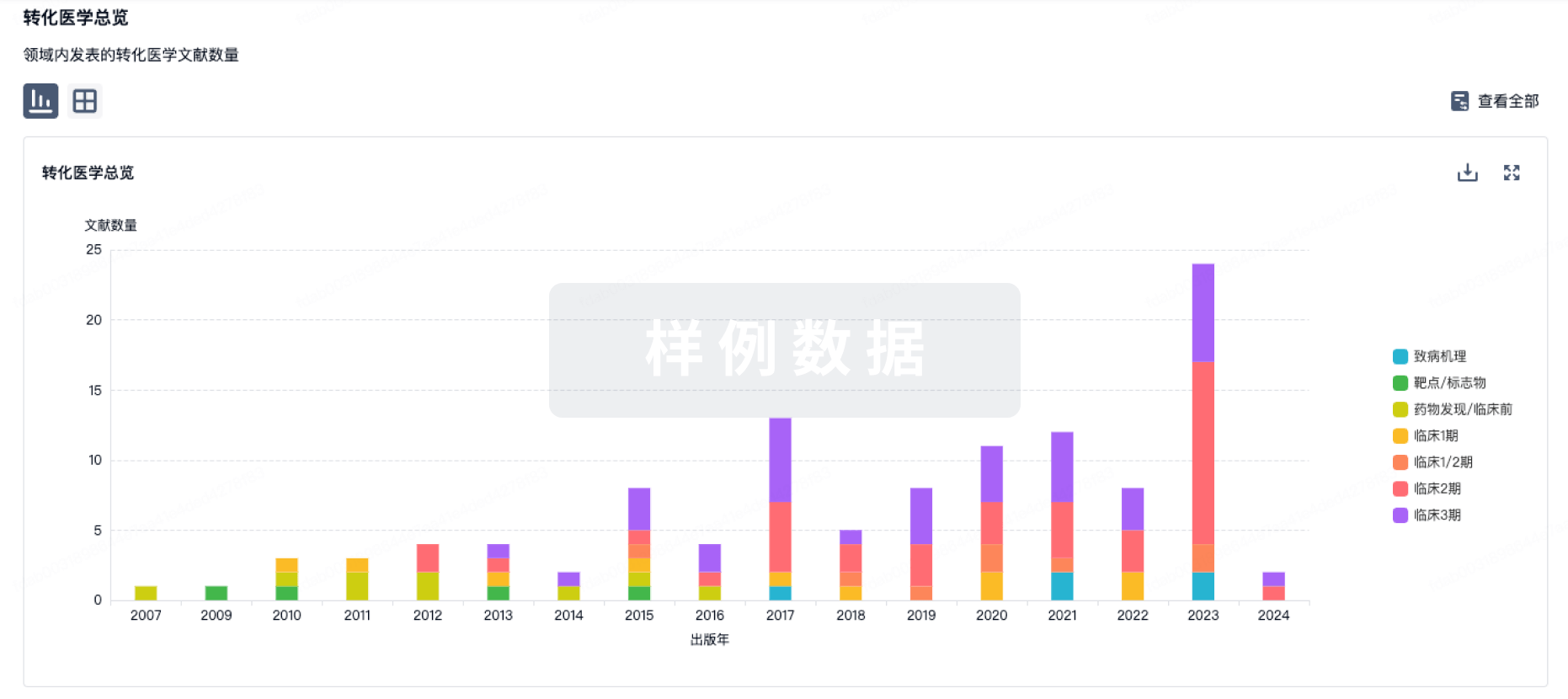
转化医学
使用我们的转化医学数据加速您的研究。
登录
或
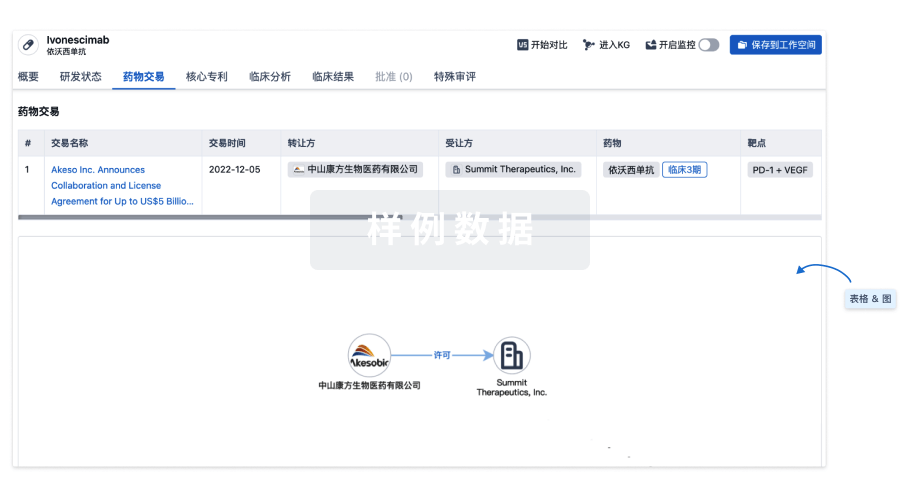
药物交易
使用我们的药物交易数据加速您的研究。
登录
或
核心专利
使用我们的核心专利数据促进您的研究。
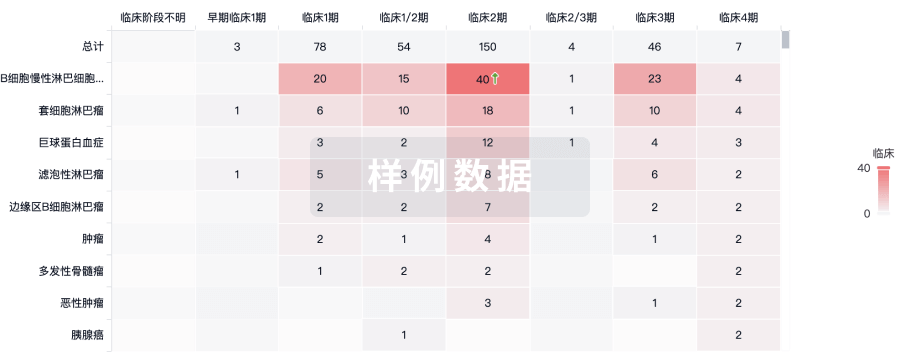
登录
或
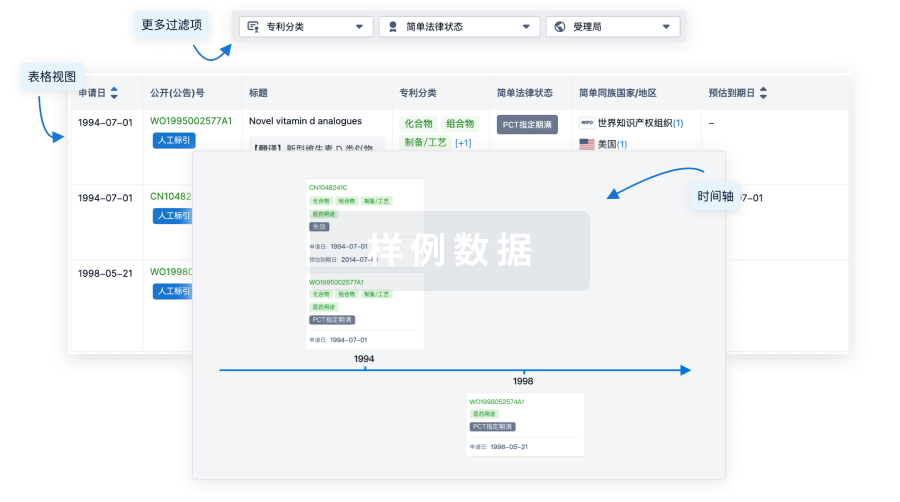
临床分析
紧跟全球注册中心的最新临床试验。
登录
或
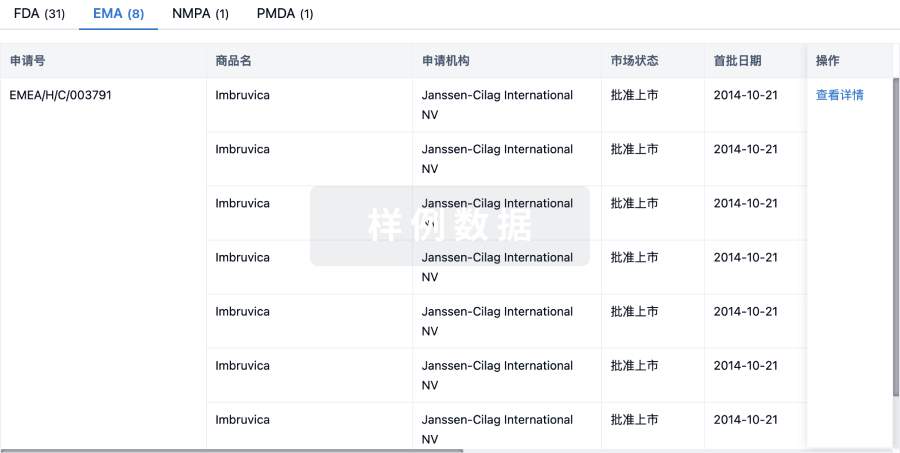
批准
利用最新的监管批准信息加速您的研究。
登录
或
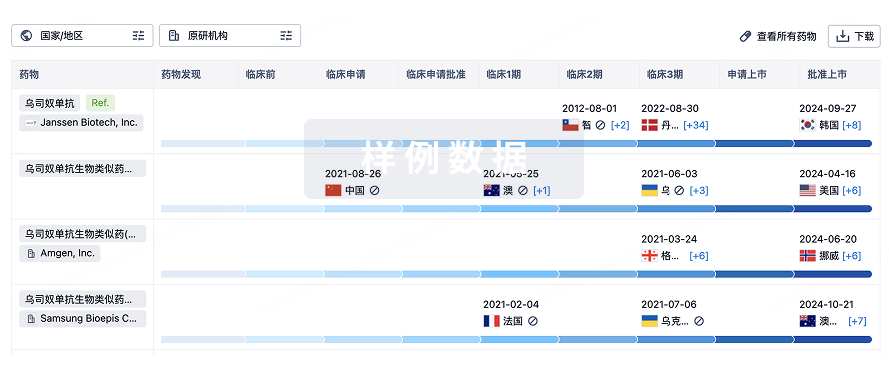
生物类似药
生物类似药在不同国家/地区的竞争态势。请注意临床1/2期并入临床2期,临床2/3期并入临床3期
登录
或
特殊审评
只需点击几下即可了解关键药物信息。
登录
或
提出任何生物医药研究问题
让每一步生物医药决策都精准制胜
基于十亿级生物数据与全球情报的精准 AI,赋能早期药物发现
立即开始免费试用!
智慧芽新药情报库是智慧芽专为生命科学人士构建的基于AI的创新药情报平台,助您全方位提升您的研发与决策效率。
立即接入生物医药数据包
智慧芽新药库数据也通过智慧芽开放平台,以MCP或API服务形式对外开放。立即使用我们的MCP服务定制您的LLM智能体。
生物序列数据库
生物药研发创新
免费使用
化学结构数据库
小分子化药研发创新
免费使用