预约演示
更新于:2025-11-28
Herbacetin
草棉黄素
更新于:2025-11-28
概要
基本信息



结构/序列
分子式C15H10O7 |
InChIKeyZDOTZEDNGNPOEW-UHFFFAOYSA-N |
CAS号527-95-7 |
关联
100 项与 草棉黄素 相关的临床结果
登录后查看更多信息
100 项与 草棉黄素 相关的转化医学
登录后查看更多信息
100 项与 草棉黄素 相关的专利(医药)
登录后查看更多信息
223
项与 草棉黄素 相关的文献(医药)2026-02-01·PHYTOCHEMISTRY
Herbacetin and gossypetin glycosides from Sedum kamtschaticum Fisch. & C. A. Mey. and S. takesimense Nakai, and their antioxidant, anti-aging, and monoamine oxidase inhibitory activities
Article
作者: Kim, Tae-Su ; Yun, Bohyun ; Seong, Su Hui ; Lee, Ha-Nul ; Han, Seahee ; Im, Sua ; Kim, Jung Eun ; Kim, Jin-Ho ; Seo, Chan ; Choi, Kyung-Min ; Kim, Bo-Ram ; Jeong, Jin-Woo ; Jung, Ji-Min
The genus Sedum is recognized for its diverse biological activities; however, the potential anti-depressive properties of Sedum kamtschaticum Fisch. & C. A. Mey. and S. takesimense Nakai, along with their bioactive constituents, remain unexplored. Therefore, this study was conducted to profile the phytochemicals of SK and ST and evaluate their antioxidant, anti-aging, and anti-monoamine oxidase potential in vitro. The 70 % ethanolic extracts of SK and ST showed radical-scavenging, anti-aging, and monoamine oxidase inhibitory activities. Through ultra-performance liquid chromatography-electrospray ionization-high-resolution quadrupole time-of-flight mass spectrometry, three phenolic acids, 12 phenolic glucosides, one ellagic acid, and 14 flavonoids were identified. Notably, four flavonoids were reported for the first time: gossypetin-3,5-di-O-β-d-glucopyranoside-8-O-β-d-xylopyranoside (7), gossypetin-3,5-di-O-β-d-glucopyranoside-8-O-α-l-arabinopyranoside (8), herbacetin-3,5-di-O-β-d-glucopyranoside-8-O-β-d-xylopyranoside (10), and herbacetin-3,5-di-O-β-d-glucopyranoside-8-O-α-l-arabinopyranoside (11), as characterized through mass spectrometry, ultraviolet, electronic circular dichroism, and nuclear magnetic resonance analyses. The biological activity assay revealed that most flavonoids exhibited significant antioxidant and lifespan-extending activities. Moreover, their aglycones-gossypetin and herbacetin-exhibited potent and selective inhibition of monoamine oxidase-B. These findings suggest that gossypetin- and herbacetin-based flavonols, the main active compounds in S. kamtschaticum Fisch. & C. A. Mey. and S. takesimense Nakai, may be employed as lead structures in the development of functional foods or drugs to prevent diseases caused by aging and neurotransmitter imbalances.
2025-12-31·JOURNAL OF ENZYME INHIBITION AND MEDICINAL CHEMISTRY
A study of flavonoid inhibitors against Monkeypox H1 phosphatase
Article
作者: Kim, Mi-Sun ; Kim, Hwa Young ; Shin, Dong Hae
Poxviruses regulate their replication cycle through host phosphorylation pathways, with dual-specific phosphatase H1(DUSP-H1) playing a key role in immune evasion by dephosphorylating STAT1 and inhibiting interferon(IFN) responses. Given its high conservation across orthopoxviruses, it represents a promising antiviral target. This study screened a flavonoid library against DUSP-H1 from monkeypox virus (mDUSP-H1) using a malachite green-based phosphatase assay, identifying Myricetin, (-)-Gallocatechin, Cupressuflavone, (-)-Epigallocatechin gallate, Baicalein, and Herbacetin as potent mDUSP-H1 inhibitors (IC50: 7.07-14.05 μM). Docking analysis revealed key hydrogen bonding interactions between 5,7-hydroxyl groups of the hydroxyflavone backbone and Asp79 and Arg116 of mDUSP-H1, respectively. Additional interactions with Ser23 via the 3'-hydroxyl group seems to enhance binding and effectively blocking the enzyme's active site. These findings align with previous studies on tyrosine phosphatase inhibitors, supporting flavonoids as broad-spectrum viral phosphatase inhibitors. Further structural and pharmacokinetic studies will aid in developing optimised antiviral therapies against monkeypox, variola, and cowpox viruses.
2025-11-01·PHYTOMEDICINE
Multi-scale discovery of herbacetin as a macrophage-targeted SGK1-STAT1 signaling inhibitor alleviating lung inflammation and barrier dysfunction
Article
作者: Wu, Shang ; Yu, Sijia ; Ge, Xutao ; Zhao, Lu ; Zhao, Ronghua ; Zhang, Shujing
INTRODUCTION:
Acute lung injury (ALI) is characterized by dysregulated macrophage-epithelial interactions, leading to barrier disruption and hyperinflammation. Broad-spectrum anti-inflammatory therapies are vital for managing ALI induced by diverse pathogens, yet effective interventions remain limited.
OBJECTIVES:
The study aimed to identify novel therapeutic natural products for ALI and elucidate their mechanisms of action, using a zebrafish-based drug screening platform followed by multi-scale validation.
METHODS:
An ALI-like zebrafish model was established by morpholino knockdown, followed by high-content screening of a natural compound library. In vitro, a macrophage-epithelium crosstalk model was used to assess the effect of the positive hit on barrier function. Mechanistic studies employed immunoprecipitation-mass spectrometry, co-IP and protein-protein docking. In vivo validation included zebrafish swim bladder (functional analog of mammalian lungs) injury model and three murine ALI models (LPS-, spike protein-, and live coronavirus-induced). Pathological damages were evaluated via H&E staining. QPCR, ELISA, western blot, IHC and IF were used to quantify molecular alterations.
RESULTS:
By knocking down the ptpn6 gene, an ALI-like zebrafish model with disrupted swim bladder formation was established. High-content screening of a natural compound library combined with structure-activity optimization identified herbacetin (HBT), a polyhydroxylated flavone, as the most potent ant-inflammatory candidate. HBT restored macrophage-induced lung epithelial barrier dysfunction in vitro by selectively inhibiting macrophage activation rather than directly affecting epithelial cells. Mechanistically, HBT-mediated SGK1 inhibition suppresses STAT1 phosphorylation and downstream inflammatory responses in lung barrier protection. HBT consistently preserved pulmonary barrier function in all the multi-scale models.
CONCLUSION:
Collectively, our findings not only highlight HBT's therapeutic potential for ALI but also identify the SGK1-STAT1 signaling as a novel target for macrophage-driven inflammatory diseases, offering a promising strategy for ALI intervention.
100 项与 草棉黄素 相关的药物交易
登录后查看更多信息
研发状态
10 条进展最快的记录, 后查看更多信息
登录
| 适应症 | 最高研发状态 | 国家/地区 | 公司 | 日期 |
|---|---|---|---|---|
| 创伤性脑损伤 | 临床前 | 中国 | 2025-10-01 | |
| 肝性脑病 | 临床前 | 埃及 | 2024-05-18 | |
| 肥大型心肌病 | 临床前 | 中国 | 2021-11-10 |
登录后查看更多信息
临床结果
临床结果
适应症
分期
评价
查看全部结果
| 研究 | 分期 | 人群特征 | 评价人数 | 分组 | 结果 | 评价 | 发布日期 |
|---|
No Data | |||||||
登录后查看更多信息
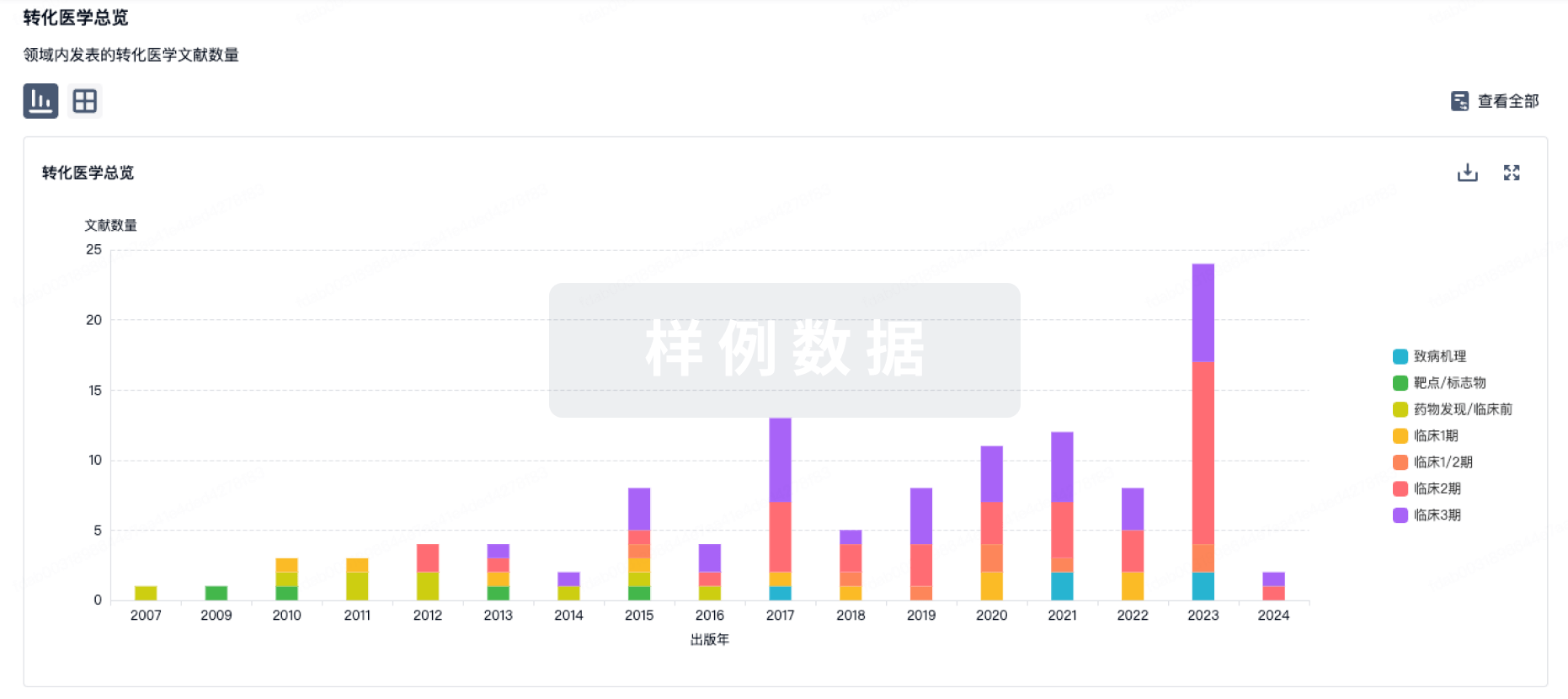
转化医学
使用我们的转化医学数据加速您的研究。
登录
或
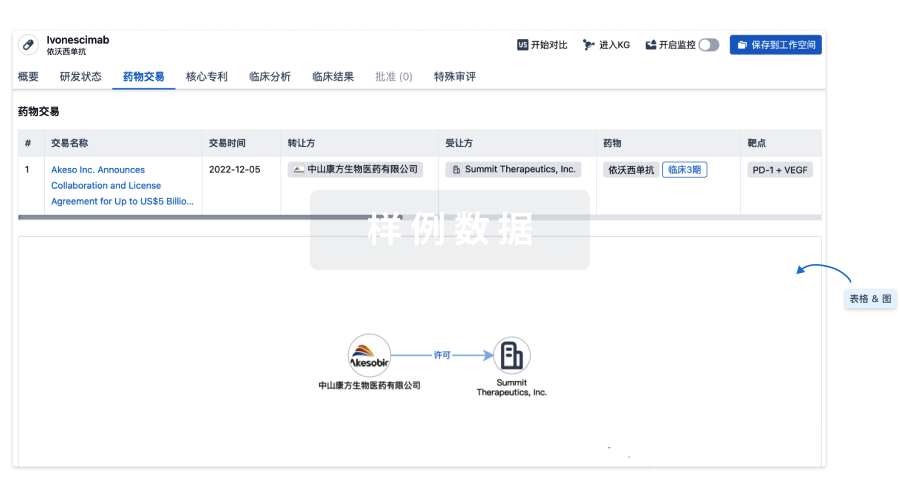
药物交易
使用我们的药物交易数据加速您的研究。
登录
或
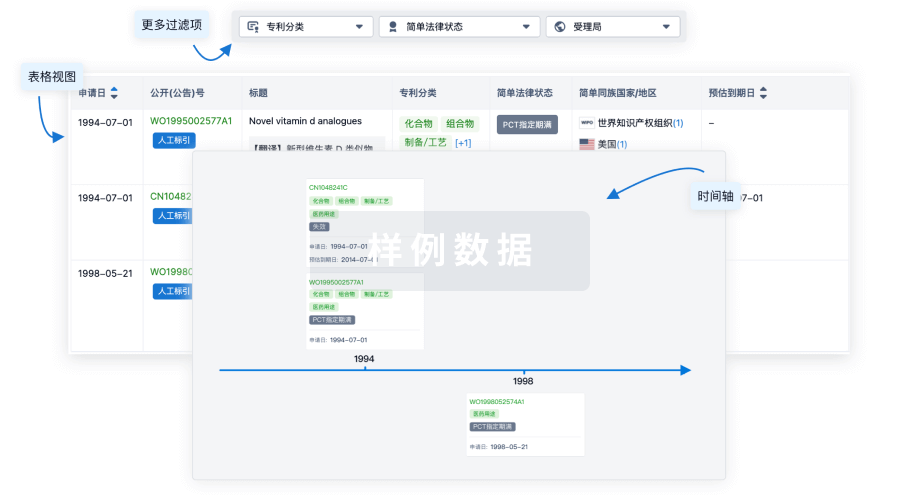
核心专利
使用我们的核心专利数据促进您的研究。
登录
或
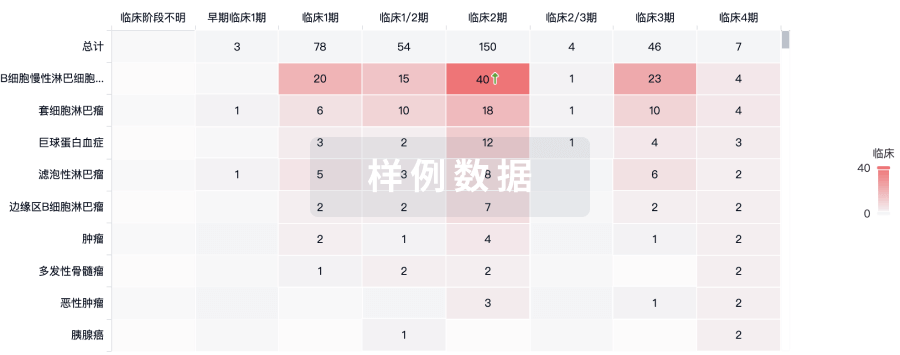
临床分析
紧跟全球注册中心的最新临床试验。
登录
或
批准
利用最新的监管批准信息加速您的研究。
登录
或
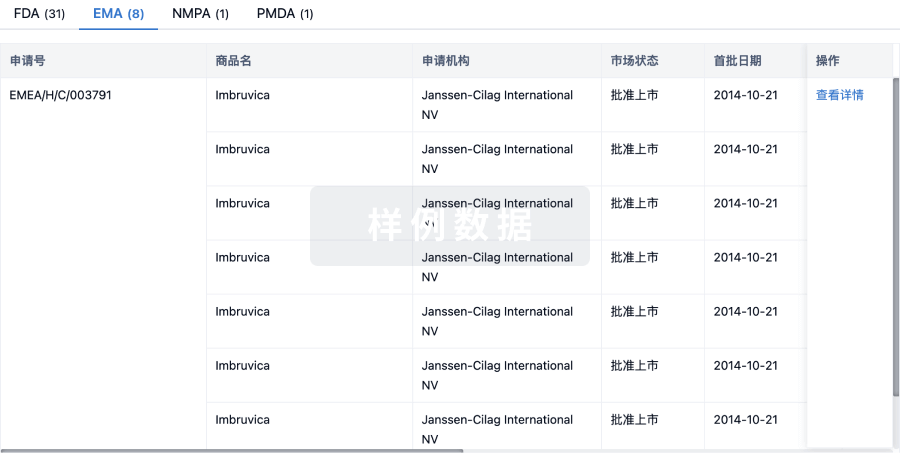
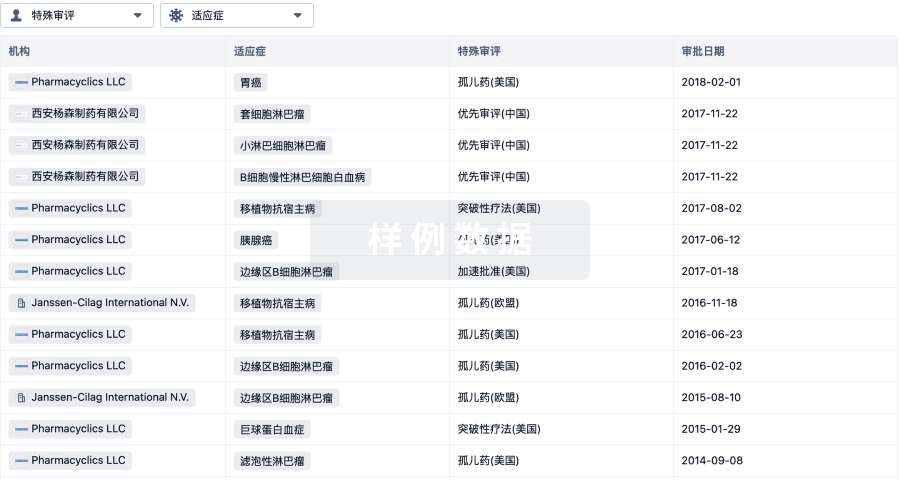
特殊审评
只需点击几下即可了解关键药物信息。
登录
或
生物医药百科问答
全新生物医药AI Agent 覆盖科研全链路,让突破性发现快人一步
立即开始免费试用!
智慧芽新药情报库是智慧芽专为生命科学人士构建的基于AI的创新药情报平台,助您全方位提升您的研发与决策效率。
立即开始数据试用!
智慧芽新药库数据也通过智慧芽数据服务平台,以API或者数据包形式对外开放,助您更加充分利用智慧芽新药情报信息。
生物序列数据库
生物药研发创新
免费使用
化学结构数据库
小分子化药研发创新
免费使用