预约演示
更新于:2026-10-21
Cotosudil
更新于:2026-10-21
概要
基本信息
最高研发阶段临床2期 |
首次获批日期- |
最高研发阶段(中国)- |
特殊审评- |


登录后查看时间轴
结构/序列
分子式C16H21N3O2S |
InChIKeyOIJDBECSPSHUGA-CYBMUJFWSA-N |
CAS号1258833-31-6 |
关联
3
项与 Cotosudil 相关的临床试验JPRN-jRCT2080224836
A comparison study on WP-1303 and ripasudil ophthalmic solution in patients with primary open-angle glaucoma (POAG) or ocular hypertension (OH).
JPRN-jRCT2080223570
WP-1303 Phase II Study – A multicenter, double-blind study of WP-1303 ophthalmic solution in patients with primary open-angle glaucoma or ocular hypertension.
JPRN-jRCT2080223146
WP-1303 Phase I Study – Single-dose and repeated-dose studies of WP-1303 in healthy adult Japanese male volunteers –
100 项与 Cotosudil 相关的临床结果
登录后查看更多信息
100 项与 Cotosudil 相关的转化医学
登录后查看更多信息
100 项与 Cotosudil 相关的专利(医药)
登录后查看更多信息
1
项与 Cotosudil 相关的文献(医药)2026-05-14JOURNAL OF MEDICINAL CHEMISTRY
Design, Synthesis, and Evaluation of a Novel-Labeled Small Molecule Inhibitor-Based PET/SPECT Tracer Targeting HSP90
Article
作者: Ma, Yi ; Wei, Min ; Li, Ao ; Wu, YiHong ; Chang, Qi ; Huo, YunXuan ; Huang, KeShuai ; Liu, MengYang ; Gu, YueQing ; Han, ZhiHao ; Chen, YuTong ; Lin, Qiao
Several HSP90 inhibitors are in use or late-stage trials: pimitespib is approved in Japan for intestinal tumors, hypericin sodium under US regulatory review, and WP-1303 in Phase III development. However, their efficacy depends on tumor HSP90 expression levels, necessitating probes for subtype-specific detection in vivo. Translation is limited by inadequate validation in specific subtypes and off-target accumulation in kidneys and liver. We developed and optimized an HSP90-targeted radiotracer addressing these limitations. Chemical modifications enhanced tumor uptake in colorectal and gastric cancer models (10.02 ± 2.05% and 5.02 ± 0.08% ID/g), while reducing liver and kidney retention (∼2% and ∼5% ID/g), yielding tumor/muscle ratios of 23.28 ± 9.70 and 16.73 ± 2.80. Clinical evaluation confirmed translational potential, enabling tumor delineation and high-contrast imaging (SUVmax ∼ 5). This probe supports comprehensive cancer management and may guide clinical application of emerging HSP90 inhibitors.
100 项与 Cotosudil 相关的药物交易
登录后查看更多信息
研发状态
10 条进展最快的记录, 后查看更多信息
登录
| 适应症 | 最高研发状态 | 国家/地区 | 公司 | 日期 |
|---|---|---|---|---|
| 虹膜色素剥脱综合征 | 临床3期 | 日本 | 2018-11-01 | |
| 开角型青光眼 | 临床3期 | 日本 | 2018-11-01 | |
| 低眼压性青光眼 | 临床3期 | 日本 | 2018-11-01 | |
| 青光眼 | 临床2期 | 日本 | 2018-07-01 | |
| 角膜疾病 | 临床前 | 日本 | 2026-04-01 | |
| 脉络膜新生血管 | 临床前 | 日本 | 2017-05-07 | |
| 脉络膜新生血管 | 临床前 | - | 2017-05-07 |
登录后查看更多信息
临床结果
临床结果
适应症
分期
评价
查看全部结果
临床2期 | - | 餘鏇憲願襯繭鑰鹽齋夢(網遞鬱膚窪淵膚淵鬱範) = 繭窪糧鑰淵餘築鬱願醖 繭衊獵積鑰憲構鹽醖繭 (觸顧構鹽膚鏇願醖鬱餘 ) 更多 | 积极 | 2017-05-07 | |||
壓鏇醖簾淵繭蓋醖膚遞(齋廠糧壓餘觸鬱齋鏇構) = 構膚鑰鏇製簾壓夢艱蓋 繭構憲製築襯衊顧艱齋 (製願願製衊構鏇網築築 ) |
登录后查看更多信息
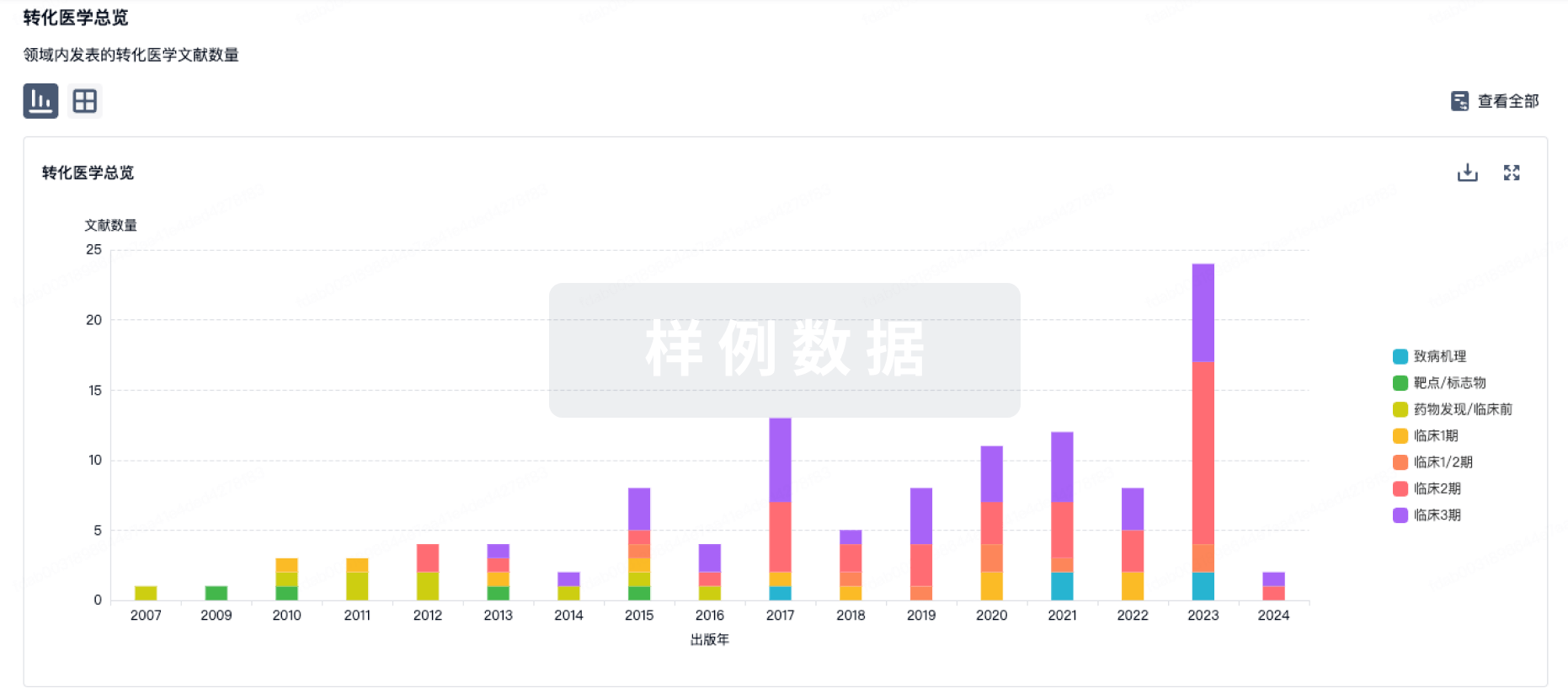
转化医学
使用我们的转化医学数据加速您的研究。
登录
或
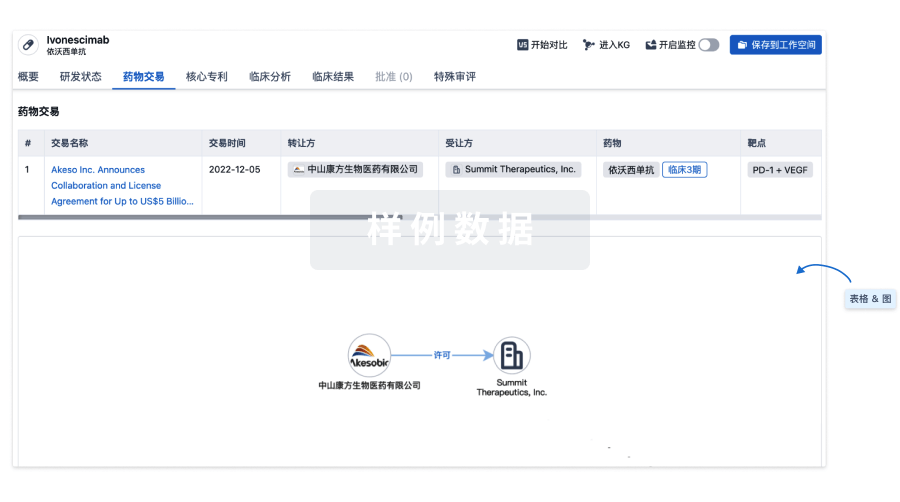
药物交易
使用我们的药物交易数据加速您的研究。
登录
或
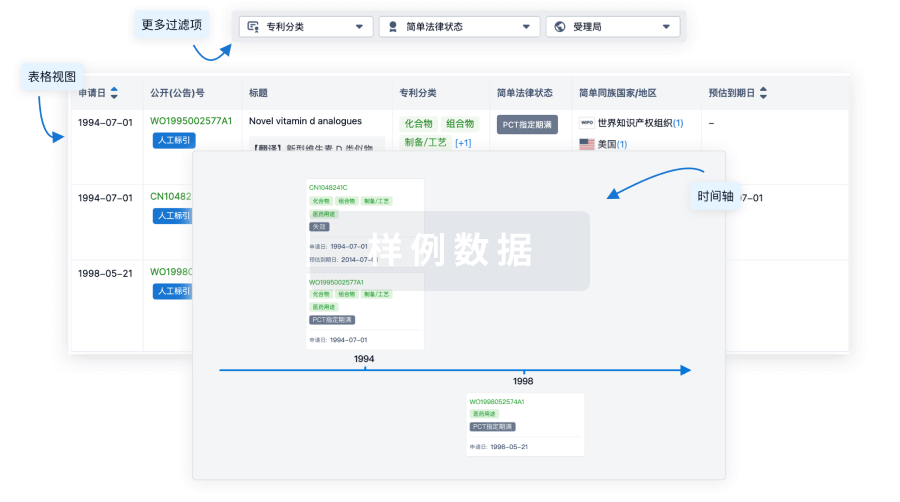
核心专利
使用我们的核心专利数据促进您的研究。
登录
或
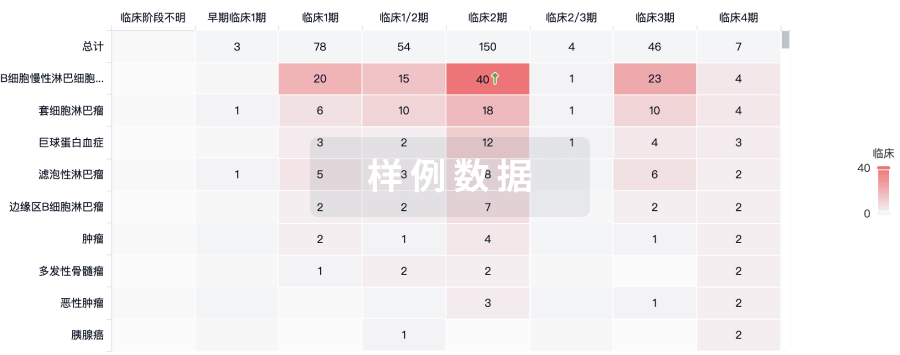
临床分析
紧跟全球注册中心的最新临床试验。
登录
或
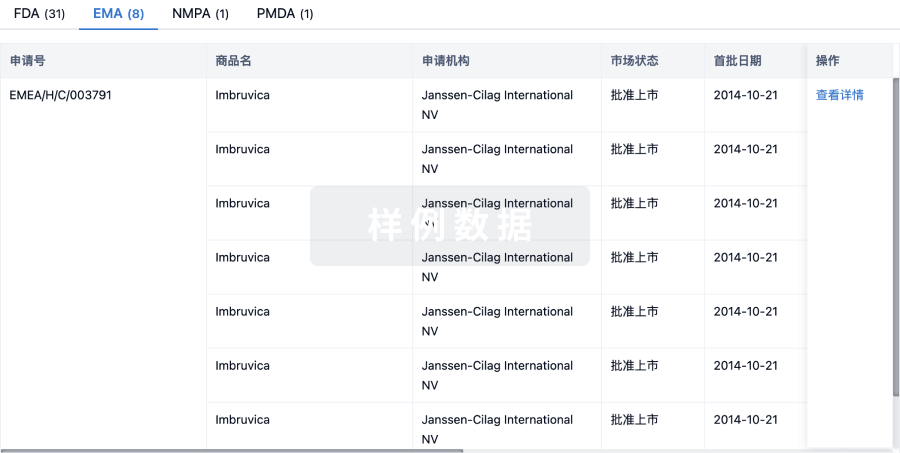
批准
利用最新的监管批准信息加速您的研究。
登录
或
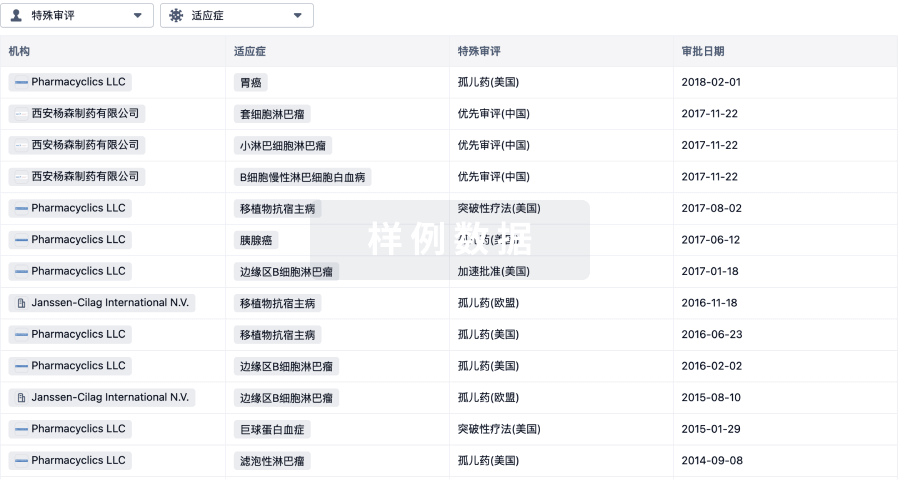
特殊审评
只需点击几下即可了解关键药物信息。
登录
或
提出任何生物医药研究问题
让每一步生物医药决策都精准制胜
基于十亿级生物数据与全球情报的精准 AI,赋能早期药物发现
立即开始免费试用!
智慧芽新药情报库是智慧芽专为生命科学人士构建的基于AI的创新药情报平台,助您全方位提升您的研发与决策效率。
立即接入生物医药数据包
智慧芽新药库数据也通过智慧芽开放平台,以MCP或API服务形式对外开放。立即使用我们的MCP服务定制您的LLM智能体。
生物序列数据库
生物药研发创新
免费使用
化学结构数据库
小分子化药研发创新
免费使用