预约演示
更新于:2026-01-03
ACHN-975
更新于:2026-01-03
概要
基本信息
药物类型 小分子化药 |
别名 ACHN 975 |
靶点 |
作用方式 抑制剂 |
作用机制 LpxC抑制剂(UDP-(3-O-(R-3-羟基肉豆蔻酰基))-N-乙酰氨基葡糖脱乙酰酶抑制剂) |
治疗领域- |
在研适应症- |
非在研适应症- |
原研机构 |
在研机构- |
非在研机构 |
权益机构- |
最高研发阶段终止临床1期 |
首次获批日期- |
最高研发阶段(中国)- |
特殊审评- |

登录后查看时间轴
结构/序列
分子式C20H23N3O4 |
InChIKeyGOCUUDXEOKIQRU-IXDOHACOSA-N |
CAS号1410809-36-7 |
关联
2
项与 ACHN-975 相关的临床试验NCT01870245
A Phase 1 Multiple Dose Study to Assess the Safety, Tolerability, and Pharmacokinetics of ACHN-975 Administered Intravenously to Healthy Volunteers
NCT01597947
A Phase 1, Double-Blind, Randomized, Placebo-Controlled, Single Ascending Dose Study to Assess the Safety, Tolerability, and Pharmacokinetics of Intravenous (IV) ACHN-975 in Normal Healthy Volunteers
100 项与 ACHN-975 相关的临床结果
登录后查看更多信息
100 项与 ACHN-975 相关的转化医学
登录后查看更多信息
100 项与 ACHN-975 相关的专利(医药)
登录后查看更多信息
10
项与 ACHN-975 相关的文献(医药)2025-12-01SLAS Discovery
Fluorescent probe-based detection of outer membrane damage of Gram-negative bacteria
Article
作者: Wang, Yucheng ; Wang, Minghua ; Li, Bingchen ; Duan, Qionglu ; Li, Yinghong ; Wei, Yuanjuan ; Shi, Wenjing ; Li, Yan ; Si, Shuyi
Infections caused by drug-resistant bacteria, particularly Gram-negative species, represent one of the most significant global public health challenges. The outer membrane (OM) is a crucial target for the development of drugs against Gram-negative bacteria. For the confirmation of the mechanism of OM-targeted drugs, the evaluation of OM damage is necessary. In this study, we optimized the method for detecting OM damage employing N-phenyl-1-naphthylamine (NPN) and ethidium bromide (EtBr) as probes in Escherichia coli (E. coli), including the bacterial loading, probe concentration, and incubation time. In addition, three OM-targeted compounds with distinctive mechanisms: polymyxin B, ACHN-975, and IMB-0042, were used to investigate the advantages and problems of two fluorescent probes. The compound fluorescence and quenching effect on the probes were detected. It was found that IMB-0042 caused fluorescence quenching on NPN. The treatment time of compounds with different OM damage mechanisms had a significant impact on the detection. For polymyxin B-treated E. coli cells, which directly disrupts OM, significant fluorescence changes were observed with both probes at short (30 min) and long durations (1-5 h). In contrast, compounds ACHN-975 and IMB-0042, which inhibit OM biosynthesis, showed detectable fluorescence only at long durations. In summary, this study presents a detailed scheme for the detection of OM damage induced by different antibiotics based on NPN and EtBr.
2024-03-01Carbohydrate research
LpxC inhibition: Potential and opportunities with carbohydrate scaffolds
Review
作者: Sumit ; Amudala, Subramanyam ; Aidhen, Indrapal Singh
Uridine diphosphate-3-O-(hydroxymyristoyl)-N-acetylglucosamine deacetylase (LpxC) is a key enzyme involved in the biosynthesis of lipid A, an essential building block, for the construction and assembly of the outer membrane (OM) of Gram-negative bacteria. The enzyme is highly conserved in almost all Gram-negative bacteria and hence has emerged as a promising target for drug discovery in the fight against multi-drug resistant Gram-negative infections. Since the first nanomolar LpxC inhibitor, L-161,240, an oxazoline-based hydroxamate, the two-decade-long ongoing search has provided valuable information regarding essential features necessary for inhibition. Although the design and structure optimization for arriving at the most efficacious inhibitor of this enzyme has made good use of different heterocyclic moieties, the use of carbohydrate scaffold is scant. This review briefly covers the advancement and progress made in LpxC inhibition. The field awaits the use of potential associated with carbohydrate-based scaffolds for LpxC inhibition and the discovery of anti-bacterial agents against Gram-negative infections.
2022-05-17Antimicrobial agents and chemotherapy2区 · 医学
Leaks in the Pipeline: a Failure Analysis of Gram-Negative Antibiotic Development from 2010 to 2020
2区 · 医学
Review
作者: Seiple, Ian B. ; Rosenberg, Oren S. ; Cirz, Ryan T. ; Prasad, Neha K.
The World Health Organization (WHO) has warned that our current arsenal of antibiotics is not innovative enough to face impending infectious diseases, especially those caused by multidrug-resistant Gram-negative pathogens. Although the current preclinical pipeline is well stocked with novel candidates, the last U.S.
100 项与 ACHN-975 相关的药物交易
登录后查看更多信息
研发状态
登录后查看更多信息
临床结果
临床结果
适应症
分期
评价
查看全部结果
登录后查看更多信息
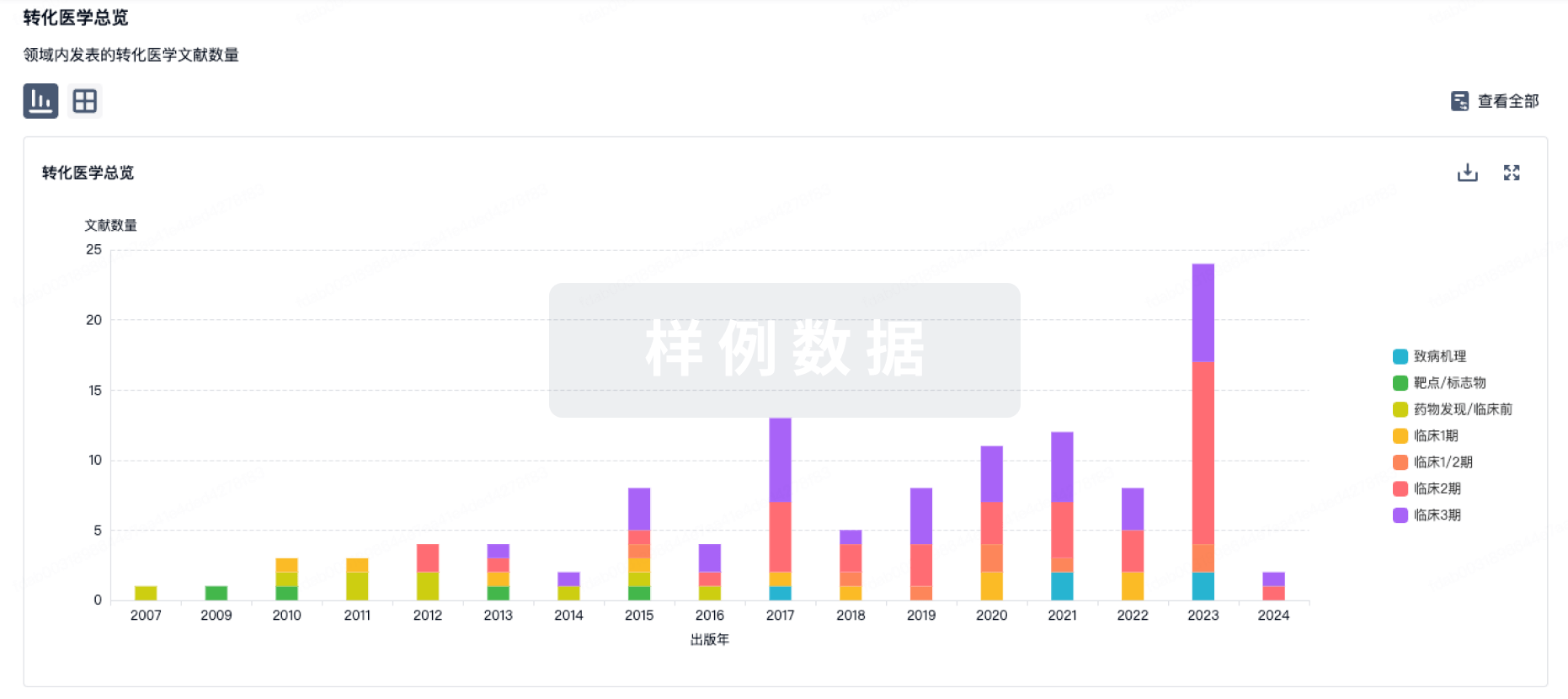
转化医学
使用我们的转化医学数据加速您的研究。
登录
或
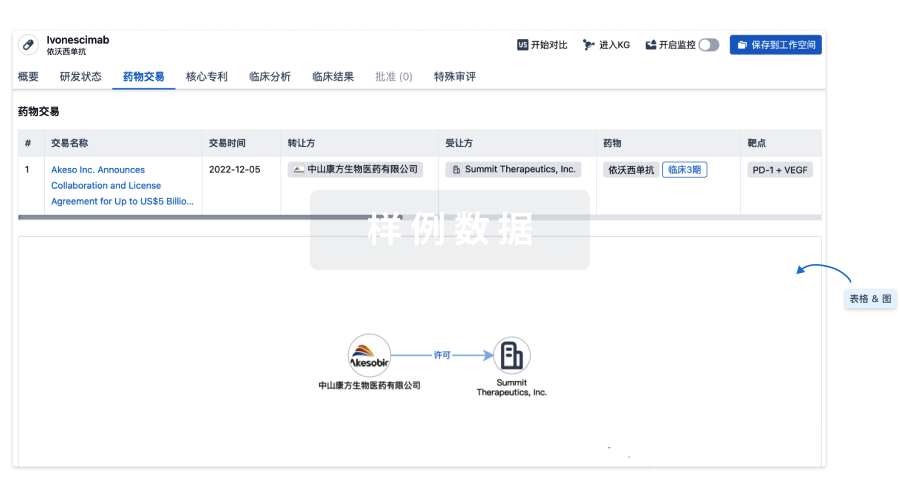
药物交易
使用我们的药物交易数据加速您的研究。
登录
或
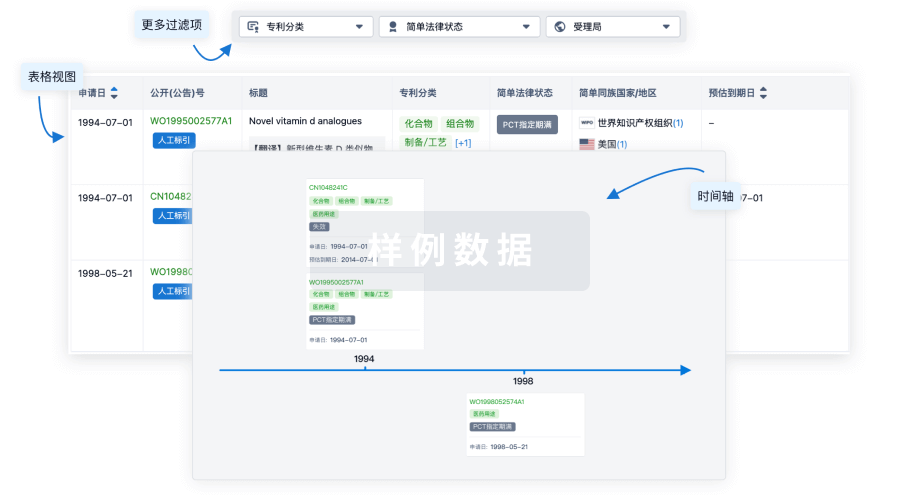
核心专利
使用我们的核心专利数据促进您的研究。
登录
或
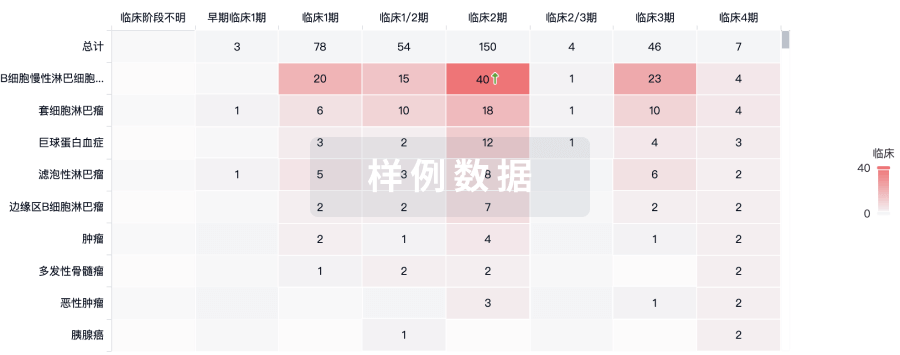
临床分析
紧跟全球注册中心的最新临床试验。
登录
或
批准
利用最新的监管批准信息加速您的研究。
登录
或
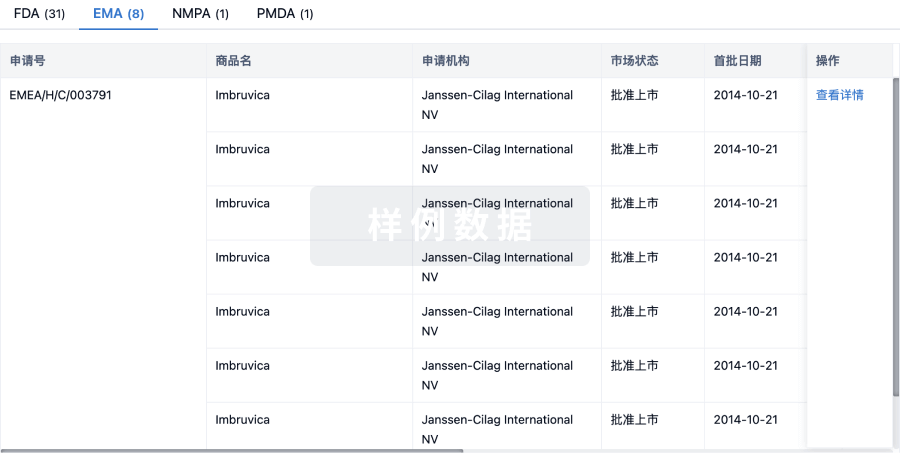
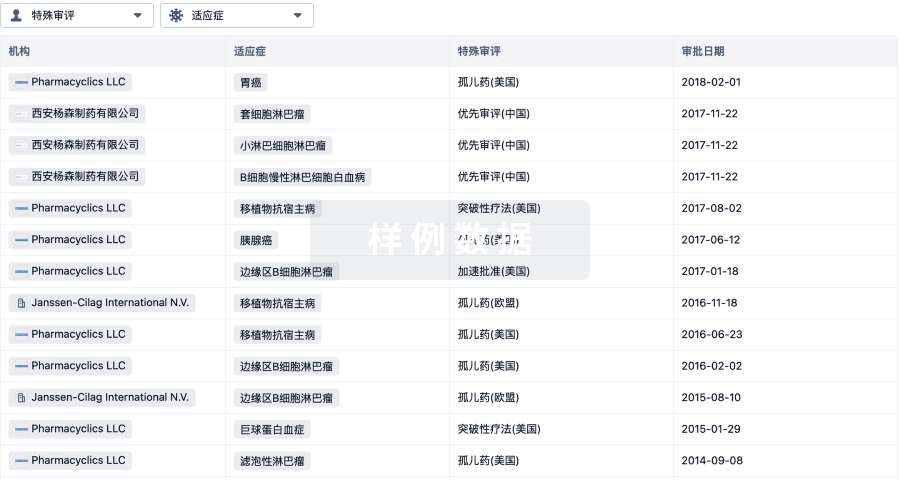
特殊审评
只需点击几下即可了解关键药物信息。
登录
或
生物医药百科问答
全新生物医药AI Agent 覆盖科研全链路,让突破性发现快人一步
立即开始免费试用!
智慧芽新药情报库是智慧芽专为生命科学人士构建的基于AI的创新药情报平台,助您全方位提升您的研发与决策效率。
立即开始数据试用!
智慧芽新药库数据也通过智慧芽数据服务平台,以API或者数据包形式对外开放,助您更加充分利用智慧芽新药情报信息。
生物序列数据库
生物药研发创新
免费使用
化学结构数据库
小分子化药研发创新
免费使用