预约演示
更新于:2026-10-20
Manidipine Hydrochloride
盐酸马尼地平
更新于:2026-10-20
概要
基本信息
原研机构- |
非在研机构- |
权益机构- |
最高研发阶段批准上市 |
首次获批日期 意大利 (2000-06-09), |
最高研发阶段(中国)批准上市 |
特殊审评- |



登录后查看时间轴
结构/序列
分子式C35H40Cl2N4O6 |
InChIKeyJINNGBXKBDUGQT-UHFFFAOYSA-N |
CAS号89226-75-5 |
关联
8
项与 盐酸马尼地平 相关的临床试验TCTR20261006001
A Bioequivalence study of a randomized, open-label, single dose, two-way crossover design with two-period, two-treatment and two-sequence of Manidipine 20 mg tablets relative to Madiplot 20 mg in healthy Thai participants under fed condition
NCT07091136
Exploration of Manidipine to Reverse Aortic Valve Calcification by Activating Valvular Osteoclasts in Patients With Severe Calcific Aortic Valvular Disease
CTR20200873
盐酸马尼地平片在中国健康受试者空腹和餐后状态下单中心、随机、开放、双周期、双交叉设计的生物等效性试验

100 项与 盐酸马尼地平 相关的临床结果
登录后查看更多信息
100 项与 盐酸马尼地平 相关的转化医学
登录后查看更多信息
100 项与 盐酸马尼地平 相关的专利(医药)
登录后查看更多信息
364
项与 盐酸马尼地平 相关的文献(医药)2026-05-01JOURNAL OF MEDICAL VIROLOGY
Suppression of Calcium Influx Reduces Coxsackievirus B3 Lethality With Elevated Interferon Beta Responses in Mice
Article
作者: Yi-Ling Hsiao ; Ming Te Yeh ; Cheng-Huei Hung ; Shun-Hua Chen
ABSTRACT:
The disease course of severe enterovirus (EV) infection with hepatic necrosis is usually fulminant and fatal. Coxsackievirus (CVB3) is the emerging and important serotype of newborn EV inducing hepatic necrosis. Calcium (Ca
2+
) regulates host immunity, type I interferon (IFN‐I), and viral infections. The interaction of Ca
2+
, IFN‐I, and CVB3‐induced hepatitis remains to be investigated. To address these issues, we used the Ca
2+
blocker manidipine, which reduces Ca
2+
influx into cells and is used in the clinic, the human hepatoma cell line (HuH7) for in vitro studies, and a murine infection model. In vitro results showed that CVB3 infection increased levels of intracellular Ca
2+
and Ca
2+
‐binding proteins, calmodulin and calcineurin, which are IFN‐I suppressors. Moreover, manidipine decreased CVB3 titers in a manner dependent on IFN‐I. Mouse results revealed that manidipine reduced CVB3 lethality, viral loads, and organ damage of infected mice with elevated levels of IFN‐β protein and mRNAs encoding IFN‐β and interferon‐stimulated genes (ISGs), especially in the liver. Mechanism studies showed that manidipine enhanced the levels of mRNAs encoding IFN‐β or ISG,
IFNB1
promoter activity, and IFN‐β induction pathways of both RLR and STING in infected HuH7 cells. Overall, CVB3 infection increases Ca
2+
influx to suppress IFN‐β, and blocking Ca
2+
influx has the potential to reduce CVB3 infection by enhancing IFN‐β.
2025-12-01BIOMEDICINE & PHARMACOTHERAPY
Docking and database screening identify manidipine as a potential modulator of matrix metalloproteinase-7 in chronic kidney disease
Article
作者: Kan, Wei-Chih ; Liao, Chia-Te ; Lin, Yen-Chung ; Liu, Wen-Chih ; Chiu, Hui-Wen ; Huang, Hung-Jin
Matrix metalloproteinases (MMPs) are a critical family of proteolytic enzymes responsible for extracellular matrix (ECM) remodeling and degradation. Among them, MMP7 has emerged as a key regulator in the pathogenesis of kidney diseases, exerting a more pronounced influence than other MMPs. In this study, we aimed to identify a potential bioactive drug targeting MMP7 and investigate its molecular mechanisms in chronic kidney disease (CKD) using both in vitro and in vivo models. A virtual drug screening was employed to discover candidate compounds with high affinity to the MMP7 target protein using the DrugBank database. The biological effects of the identified drug were subsequently validated through in vitro experiments in kidney cells and in vivo studies using a CKD mouse model. Manidipine reduced MMP7 enzymatic activity by a fluorogenic peptide substrate. Manidipine functionally enhanced autophagy while suppressing NLRP3/NLRP6 inflammasome activation in kidney cells in vitro and in vivo. Additionally, manidipine significantly downregulated the expression of fibrosis-related proteins, leading to a reduction in renal fibrosis. In experimental CKD models, manidipine treatment improved renal function and mitigated structural kidney damage. Manidipine attenuated the progression of CKD by regulating MMP7 activity, autophagy, inflammasomes and fibrosis in kidney tissues. These findings reveal a novel renoprotective mechanism of manidipine, suggesting its potential as a therapeutic agent for attenuating CKD progression.
2025-09-01ENVIRONMENTAL POLLUTION
Validation of a large volume-solid phase extraction methodology for biotoxicity assessment of pharmaceuticals in aquatic organisms
Article
作者: Gómez-Canela, Cristian ; Moragrega-Knol, Emma ; Barata, Carlos ; Romero-Alfano, Irene
The growing scarcity of freshwater has intensified the need for alternative water sources, which often require advanced treatments to eliminate contaminants. Among emerging pollutants, pharmaceuticals have become a significant concern due to their persistence and potential impact, making their detection essential. However, analysing these contaminants is challenging due to the extremely low concentrations at which they are present. For chemical analysis, minimal or no sample enrichment is often necessary, while bioanalysis typically requires larger sample volumes and an enrichment factor to conduct comprehensive bioassays across various endpoints. Consequently, sample preconcentration techniques for large water volumes are necessary to improve the sensitivity of subsequent toxicological experiments. In this study, a novel large volume solid-phase extraction (LV-SPE) procedure was validated and evaluated for monitoring multiple pharmaceutical compounds in water samples, while maintaining the traditional solid-phase extraction (SPE) methodology using cartridges. This method proved effective extraction and preconcentration of significant amounts of water, with recoveries between 19 % and 109 % in spiked wastewaters (except for fluvoxamine, remdesivir, tamoxifen and tetracycline, with recoveries <10 %). Furthermore, the optimization of this approach covers an expansive chemical space, enabling the capture of a diverse range of pharmaceutical compounds and enhancing the validity of toxicological studies. Bioassays conducted with Daphnia magna juveniles and Danio rerio embryos validated the method's applicability regarding optimized exposure conditions, the absence of adverse effects from SPE blanks or solvent controls and sensitivity in detecting effects across field samples. Overall, the LV-SPE approach enhances sensitivity and reliability for evaluating pharmaceutical mixtures' risks under realistic conditions.
100 项与 盐酸马尼地平 相关的药物交易
登录后查看更多信息
研发状态
批准上市
10 条最早获批的记录, 后查看更多信息
登录
| 适应症 | 国家/地区 | 公司 | 日期 |
|---|---|---|---|
| 原发性高血压 | 法国 | 2001-11-05 | |
| 原发性高血压 | 希腊 | 2001-11-05 | |
| 原发性高血压 | 意大利 | 2001-11-05 | |
| 原发性高血压 | 西班牙 | 2001-11-05 | |
| 高血压 | 意大利 | 2000-06-09 |
未上市
10 条进展最快的记录, 后查看更多信息
登录
| 适应症 | 最高研发状态 | 国家/地区 | 公司 | 日期 |
|---|---|---|---|---|
| 类风湿关节炎 | 临床前 | 美国 | 2025-05-01 | |
| 类风湿关节炎 | 临床前 | 中国 | 2025-05-01 |

登录后查看更多信息
临床结果
临床结果
适应症
分期
评价
查看全部结果
登录后查看更多信息
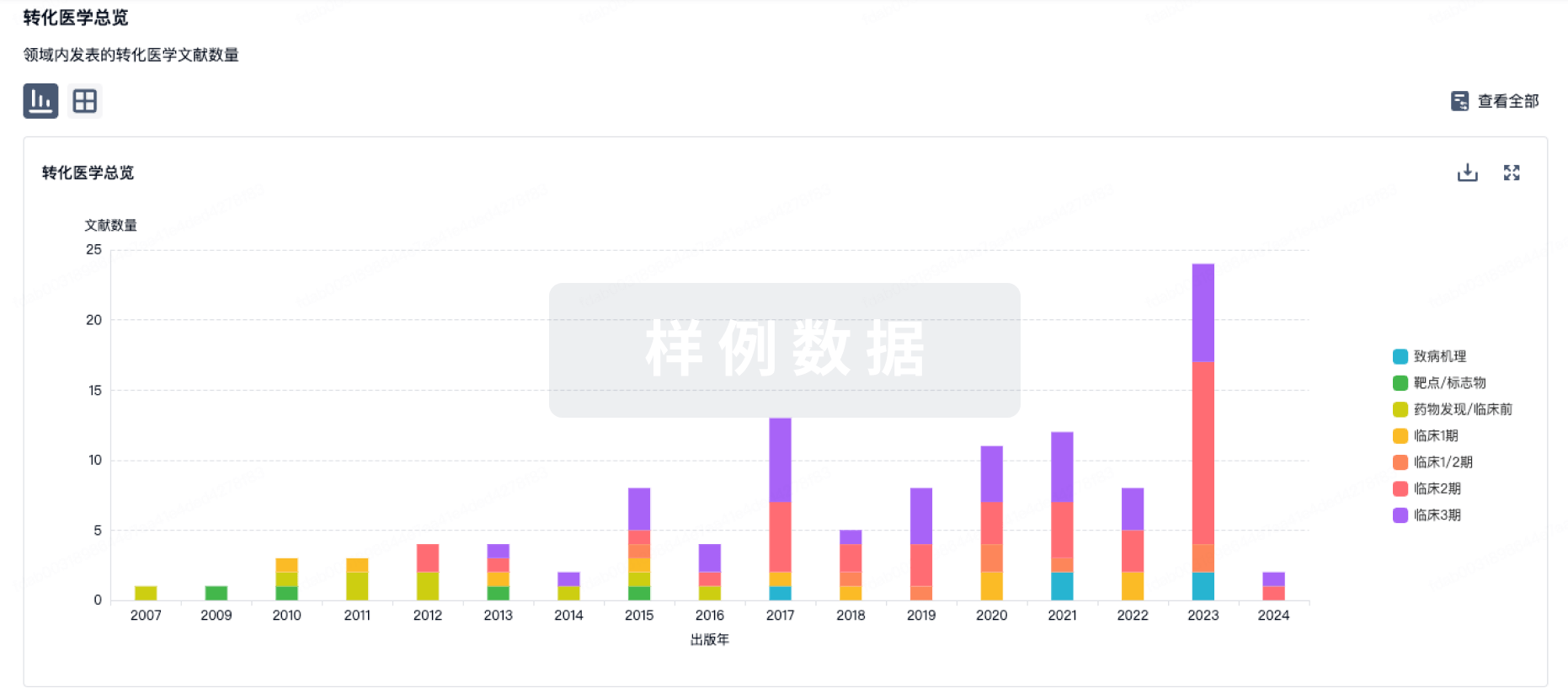
转化医学
使用我们的转化医学数据加速您的研究。
登录
或
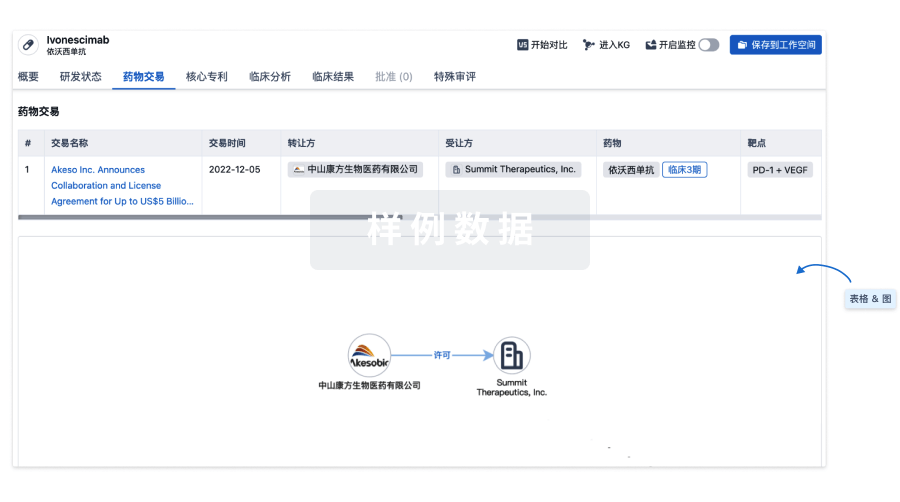
药物交易
使用我们的药物交易数据加速您的研究。
登录
或
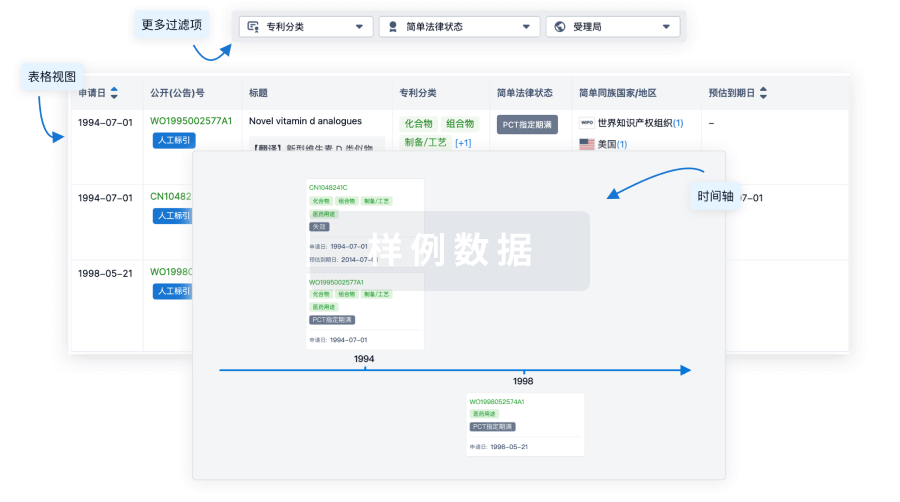
核心专利
使用我们的核心专利数据促进您的研究。
登录
或
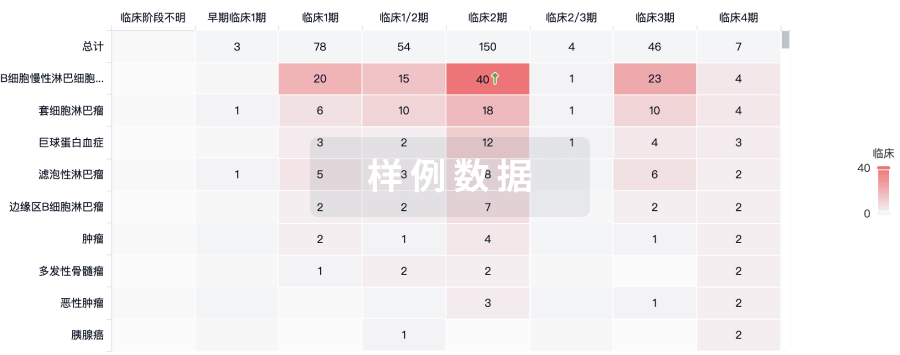
临床分析
紧跟全球注册中心的最新临床试验。
登录
或
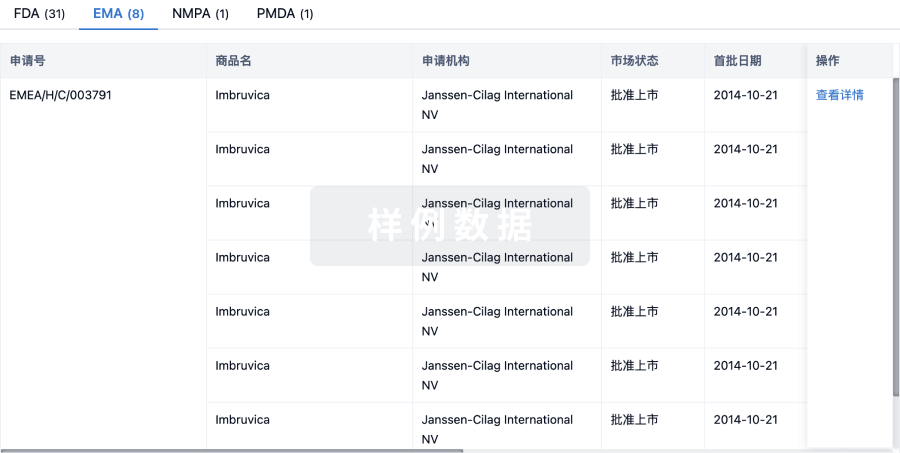
批准
利用最新的监管批准信息加速您的研究。
登录
或
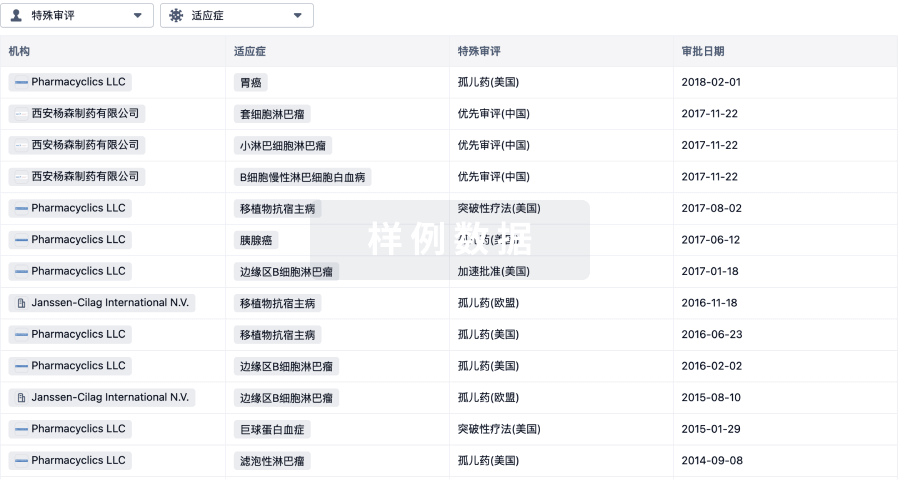
特殊审评
只需点击几下即可了解关键药物信息。
登录
或
提出任何生物医药研究问题
让每一步生物医药决策都精准制胜
基于十亿级生物数据与全球情报的精准 AI,赋能早期药物发现
立即开始免费试用!
智慧芽新药情报库是智慧芽专为生命科学人士构建的基于AI的创新药情报平台,助您全方位提升您的研发与决策效率。
立即接入生物医药数据包
智慧芽新药库数据也通过智慧芽开放平台,以MCP或API服务形式对外开放。立即使用我们的MCP服务定制您的LLM智能体。
生物序列数据库
生物药研发创新
免费使用
化学结构数据库
小分子化药研发创新
免费使用