预约演示
更新于:2026-04-04
EGFR L858R/T790M/C797S inhibitors(China Pharmaceutical University)
更新于:2026-04-04
概要
基本信息

结构/序列
分子式C32H36FN7O2S2 |
InChIKeyURSAVMMLTMTCOJ-UHFFFAOYSA-N |
CAS号3008611-00-2 |
关联
100 项与 EGFR L858R/T790M/C797S inhibitors(China Pharmaceutical University) 相关的临床结果
登录后查看更多信息
100 项与 EGFR L858R/T790M/C797S inhibitors(China Pharmaceutical University) 相关的转化医学
登录后查看更多信息
100 项与 EGFR L858R/T790M/C797S inhibitors(China Pharmaceutical University) 相关的专利(医药)
登录后查看更多信息
88
项与 EGFR L858R/T790M/C797S inhibitors(China Pharmaceutical University) 相关的文献(医药)2025-11-01·JOURNAL OF CELLULAR AND MOLECULAR MEDICINE
Role of
TLR4
in Enteric Glia Response to
Clostridioides Difficile
Toxins: Insights From In Vivo and In Vitro Studies
Article
作者: Rebouças, Conceição da Silva Martins ; de Melo Pacífico, Dvison ; Costa, Deiziane Viana da Silva ; Brito, Gerly Anne de Castro ; de Carvalho Leitão, Renata Ferreira ; Barbosa, Maria Lucianny Lima ; Warren, Cirle Alcantara
ABSTRACT:
Clostridioides difficile
(
C. difficile
) is a Gram‐positive anaerobic bacillus that causes intestinal disorders. Toll‐like receptor 4 (TLR4) plays a key role in innate immunity. This study examines the role of TLR4 in the response to
C. difficile
toxins, which induce cell death and inflammatory responses in enteric glial cells (EGCs). Male C57BL/6 mice were infected with
C. difficile
, and cecum samples were analysed 3 days post‐infection for TLR4 expression. In vitro, EGCs were exposed to
C. difficile
toxins with or without C34, a TLR4 antagonist, or pre‐exposed to TLR4‐specific 21‐nt small interfering RNAs (siRNA). TLR4 expression was assessed by immunocytochemistry, immunofluorescence, qPCR, and Western blotting. NFκB p65, TNF‐α, IL‐6, cleaved caspase‐3, and phosphatidylserine binding to annexin‐V were evaluated. TLR4 expression increased in infected intestinal tissue and toxin‐exposed EGCs. TLR4 antagonist or TLR4 knockdown reduced NFκB p65 nuclear translocation and TNF‐α expression but did not affect
IL‐6
upregulation. Additionally, TLR4 antagonist or TLR4 knockdown mitigated toxin‐induced cell death, as shown by decreased cleaved caspase‐3 and phosphatidylserine binding. These findings suggest that TLR4 contributes to
C. difficile
pathogenesis and that its inhibition reduces inflammation and prevents cell death in EGCs.
2025-07-11·CHEMBIOCHEM
Hybrid Molecules of Small Molecular and Peptidic HIV Fusion Inhibitors
Article
作者: Kobayakawa, Takuya ; Murakami, Tsutomu ; Nishimura, Soshi ; Tamamura, Hirokazu ; Tsuji, Kohei ; Bolah, Peter
Since the membrane fusion step is the last chance to block the virus extracellularly, membrane fusion is an important target for anti‐human immunodeficiency virus (HIV) agents. Previously, the dimeric derivatives of C34, which are contained in the HIV‐1 envelope protein gp41 are found, linked by a disulfide bridge or a pegylated linker at its
C
‐terminus have more potent anti‐HIV activity than the C34 peptide monomer, and that bivalent inhibitors crosslinking two peptidomimetic small compounds have more potent anti‐HIV activity than the parent small compounds. In the present study, the hybrids of small compounds (
7
–
9
) and peptides (SC34 (
2
) and SC22EK (
3
)) are designed as heterodimeric molecules (
10
–
15
) to compensate for the drawbacks of the above homodimeric molecules. Some hybrid molecules of small compounds (
7
–
9
) and peptide SC22EK (
3
) have remarkably higher anti‐HIV activity than peptide SC22EK (
3
). Crosslinking small compounds and peptides (
3
) is found to be critical for an increase in anti‐HIV activity. Hybrid molecules with small compounds and peptides are useful HIV‐1 fusion inhibitors.
2025-06-01·MICROBIAL PATHOGENESIS
Benzo[a]phenoxazine derivative C34 efficacy against fluconazole-resistant Candida spp.
Article
作者: Gonçalves, M Sameiro T ; Costa-Barbosa, Augusto ; Sousa, Maria João ; Sampaio, Paula ; Pacheco, Maria Inês ; Durães, Pedro M ; Carvalho-Pereira, Joana ; Marques, Fabiana
Candida infections pose a significant health risk, prompting the search for new antifungal solutions due to the diminishing effectiveness of traditional drugs. Benzo[a]phenoxazine derivatives, described to have antimicrobial activity, are promising candidates. This study assessed the antifungal efficacy of five benzo[a]phenoxazine derivatives against Candida species for an effective antifungal strategy. The antifungal activity of various compounds against C. albicans, C. auris, C. glabrata C. parapsilosis, C. krusei and C. bracarensis was assessed using the yeast EUCAST protocol. C34, the most effective compound, was encapsulated in DODAB:MO liposomes. Antifungal efficacy, adhesion, and filamentation effects were compared for free and encapsulated C34. Cytotoxicity was determined via the MTT assay in the J774A.1 macrophage-like cell line, which was also employed to assess macrophage yeast killing in the presence of C34. The MIC values ranged from 3.75 to 60 μM, with C34 emerging as the most effective compound against all tested species/strains, specifically against fluconazole-resistant strains. Encapsulation in DODAB:MO liposomes improved C34's antifungal activity for most species, reducing MIC values. Both free and encapsulated C34 effectively reduced Candida adhesion and filamentation. Cytotoxicity assessment allowed the identification of a non-cytotoxic concentration of C34 that significantly enhanced macrophage activity against C. albicans. C34 displayed potent antifungal activity against various strains, including fluconazole-resistant ones as C. auris. It reduced key virulence factors, such as adhesion and filamentation, and enhanced macrophage-mediated clearance, making it a compound of interest for further development as a potential therapeutic option.
100 项与 EGFR L858R/T790M/C797S inhibitors(China Pharmaceutical University) 相关的药物交易
登录后查看更多信息
研发状态
10 条进展最快的记录, 后查看更多信息
登录
| 适应症 | 最高研发状态 | 国家/地区 | 公司 | 日期 |
|---|---|---|---|---|
| 非小细胞肺癌 | 临床前 | 中国 | 2023-10-27 |
登录后查看更多信息
临床结果
临床结果
适应症
分期
评价
查看全部结果
| 研究 | 分期 | 人群特征 | 评价人数 | 分组 | 结果 | 评价 | 发布日期 |
|---|
No Data | |||||||
登录后查看更多信息
转化医学
使用我们的转化医学数据加速您的研究。
登录
或
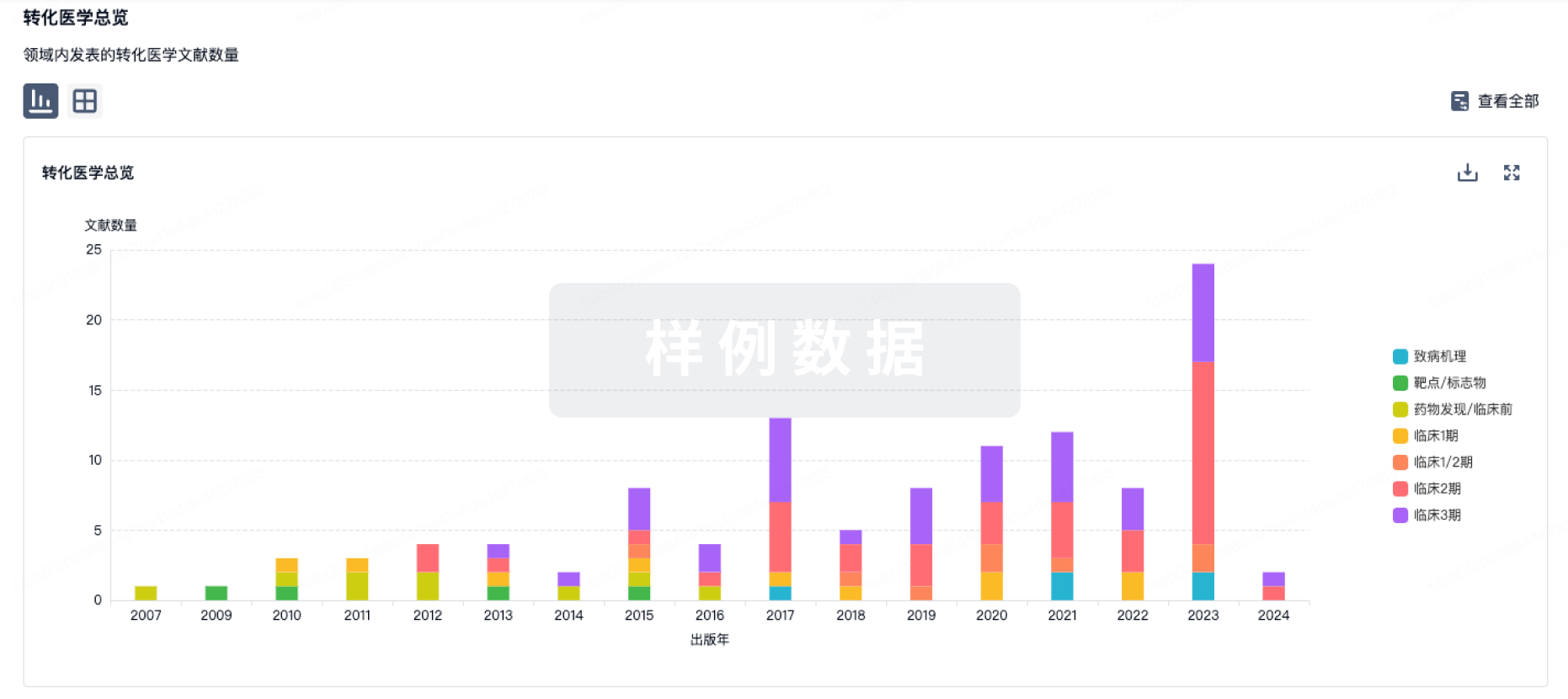
药物交易
使用我们的药物交易数据加速您的研究。
登录
或
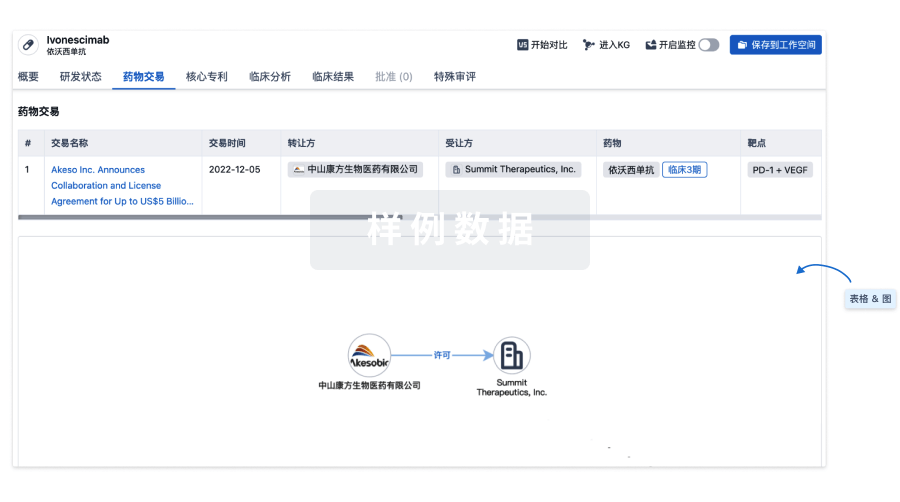
核心专利
使用我们的核心专利数据促进您的研究。
登录
或
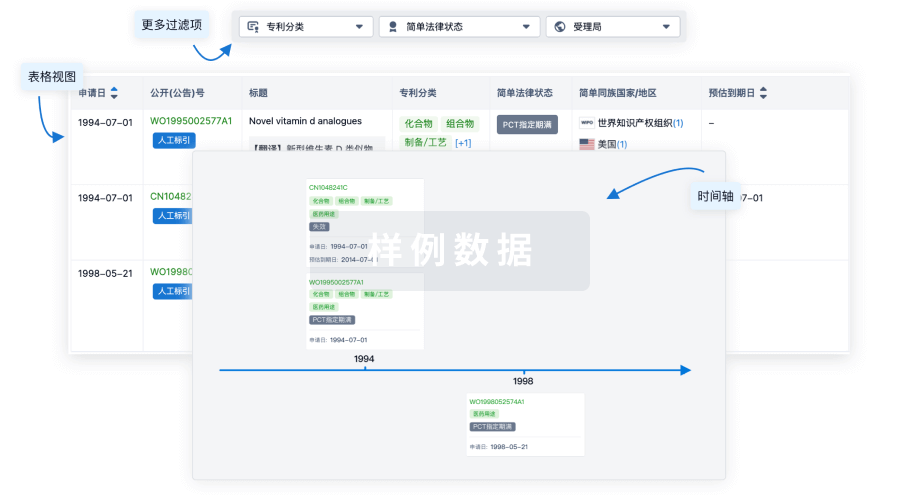
临床分析
紧跟全球注册中心的最新临床试验。
登录
或
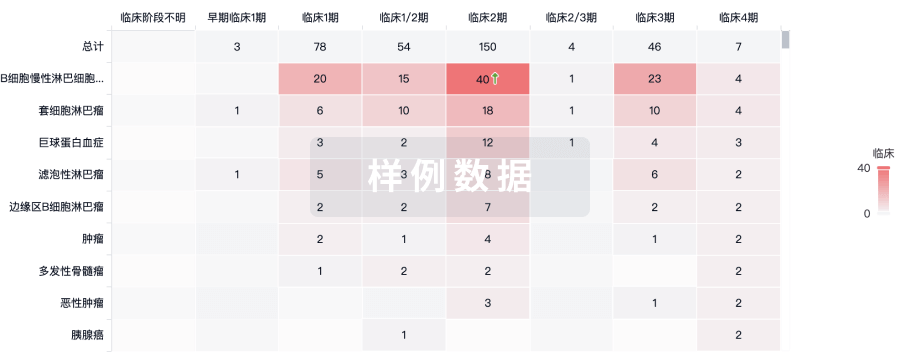
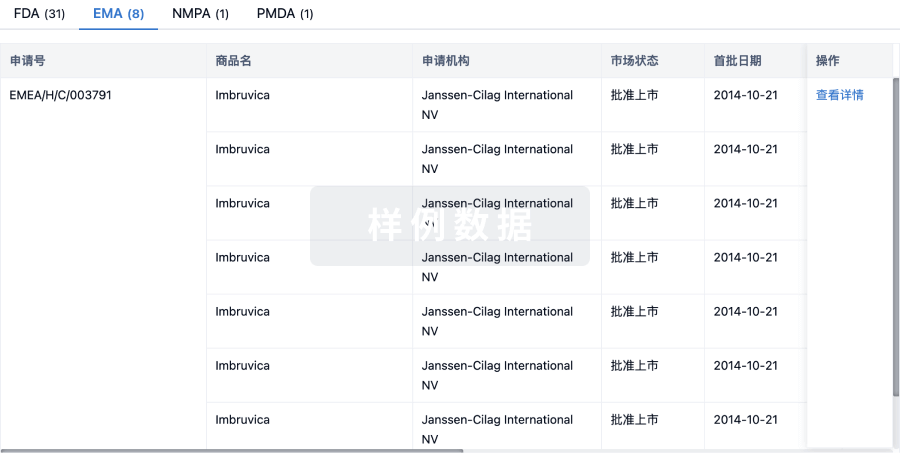
批准
利用最新的监管批准信息加速您的研究。
登录
或
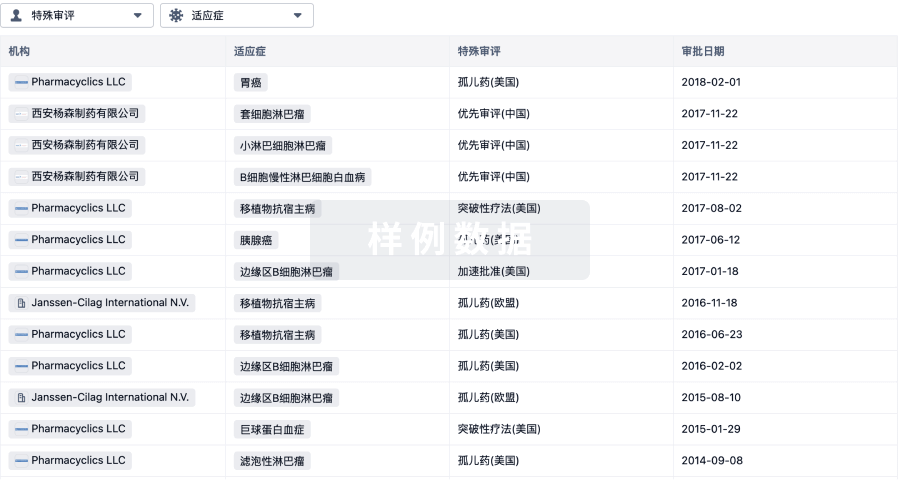
特殊审评
只需点击几下即可了解关键药物信息。
登录
或
生物医药百科问答
全新生物医药AI Agent 覆盖科研全链路,让突破性发现快人一步
立即开始免费试用!
智慧芽新药情报库是智慧芽专为生命科学人士构建的基于AI的创新药情报平台,助您全方位提升您的研发与决策效率。
立即开始数据试用!
智慧芽新药库数据也通过智慧芽数据服务平台,以API或者数据包形式对外开放,助您更加充分利用智慧芽新药情报信息。
生物序列数据库
生物药研发创新
免费使用
化学结构数据库
小分子化药研发创新
免费使用