预约演示
更新于:2026-07-23
SNIPR-001
更新于:2026-07-23
概要
基本信息
原研机构 |
在研机构 |
非在研机构- |
权益机构- |
最高研发阶段临床1/2期 |
首次获批日期- |
最高研发阶段(中国)- |
特殊审评快速通道 (美国) |

登录后查看时间轴
关联
2
项与 SNIPR-001 相关的临床试验NCT06938867
A Phase 1b/2a, Randomized, Double-blind Study to Investigate Safety, Tolerability, PK, PD, and Preliminary Efficacy of Oral Administration of SNIPR001 in Patients With Hematologic Malignancy Scheduled for Allogeneic Hematopoietic Stem-Cell Transplantation Receiving Fluoroquinolone Prophylaxis and Harboring Fluoroquinolone-Resistant Escherichia Coli Pre-Transplant
NCT05277350
A Phase 1, Randomized, Double-Blind, First-In-Human, Dose Escalation Study Investigating the Safety, Recovery, and Pharmacodynamics of Multiple Oral Administrations of SNIPR001 in Healthy Subjects
100 项与 SNIPR-001 相关的临床结果
登录后查看更多信息
100 项与 SNIPR-001 相关的转化医学
登录后查看更多信息
100 项与 SNIPR-001 相关的专利(医药)
登录后查看更多信息
3
项与 SNIPR-001 相关的文献(医药)2026-09-01ARCHIVES OF MICROBIOLOGY
CRISPR-based gene editing for antimicrobial resistance control in human medicine
Review
作者: Azeem, Asad ; Jamil, Areej ; Hussain, Muzzamil ; Malik, Zahid Abbas ; Zahoor, Sidra ; Noureen, Sadia ; Hassan, Zeshan ; Alvi, Abdullah Afzal ; Javaid, Haseeb ; Mohsin, Muhammad Ali
Antimicrobial resistance (AMR) has already become one of the most urgent threats to the public health of this century. In 2019 alone, it directly causes about 1.27 million deaths and it was estimated that 1.91 million people will die yearly by 2050 should present trends persist. The traditional antibiotic development pipelines have been shown to be structurally insufficient to meet the rate at which bacterial populations have developed, diversified and spread resistance determinants, typically by horizontal gene transfer. In this context, CRISPR-Cas gene editing has become a focused antimicrobial approach that can selectively target resistance genes, virulence factors, and mobile genetic elements without the broad-spectrum collateral damage associated with conventional antibiotics. The review assesses CRISPR-Cas systems, namely Cas9, Cas12a, Cas3, and Cas13 in the context of two complementary mechanistic strategies namely selective killing of pathogens and antibiotic resensitization by the targeted disruption of gene resistance. We compare the impact of key delivery systems, such as bacteriophage vectors, lipid nanoparticles, and conjugative plasmids, evaluating them based on their therapeutic activity, host selectivity, and possible translation. The present state of clinical translations is discussed, including the two most advanced clinical-stage candidates SNIPR001 (Phase I/II, NCT05277350) and LBP-EC01 (Phase 2/3, NCT05488444). We also address the open issues that include off-target editing, host immune reactions, bacterial counter-resistance, regulatory ambiguity, and scalability of manufacturing. Lastly, we provide priority research directions, such as the combination antimicrobial strategies, AI-assisted CRISPR design, and next-generation delivery engineering, none of which will be resolved before routine clinical application of CRISPR-based antimicrobials is achieved.
2024-02-01NATURE BIOTECHNOLOGY
Engineered phage with antibacterial CRISPR–Cas selectively reduce E. coli burden in mice
Article
作者: Zdravkovic, Milan ; de Santiago Torio, Ana ; Hallström, Björn ; Doyle, Timothy B ; Bayer, Lone ; Pascal, Ricardo ; Carvalho, Joana ; Hink, Jonas ; Semsey, Szabolcs ; Jasinskytė, Džiuginta ; Jessen, Lene ; Damholt, Birgitte ; Brunner, Katja ; Haaber, Jakob Krause ; Salazar, Alex ; Schou, Thea Staffeldt ; Johansen, Katja Chandelle ; Bryde, Tina ; Robert, Camille ; Eriksen, Melissa Kviesgaard ; Grøndahl, Christian ; Smrekar, Frenk ; Grove, Mette ; van der Helm, Eric ; Turcu, Iszabela Cristiana ; Gram, Aurelie ; Takos, Adam ; Koval, Lev ; Satlin, Michael J ; Clube, Jasper ; Troy, Alice ; Sommer, Morten Otto Alexander ; Martínez, Virginia ; Gencay, Yilmaz Emre ; Petersen, Anders Østergaard ; Bak, Emilie Glad
Abstract:
Antibiotic treatments have detrimental effects on the microbiome and lead to antibiotic resistance. To develop a phage therapy against a diverse range of clinically relevant Escherichia coli, we screened a library of 162 wild-type (WT) phages, identifying eight phages with broad coverage of E. coli, complementary binding to bacterial surface receptors, and the capability to stably carry inserted cargo. Selected phages were engineered with tail fibers and CRISPR–Cas machinery to specifically target E. coli. We show that engineered phages target bacteria in biofilms, reduce the emergence of phage-tolerant E. coli and out-compete their ancestral WT phages in coculture experiments. A combination of the four most complementary bacteriophages, called SNIPR001, is well tolerated in both mouse models and minipigs and reduces E. coli load in the mouse gut better than its constituent components separately. SNIPR001 is in clinical development to selectively kill E. coli, which may cause fatal infections in hematological cancer patients.
Viruses-Basel
Armed Phages: A New Weapon in the Battle Against Antimicrobial Resistance
Review
作者: Saldari, Chrysa ; Sagona, Antonia P. ; Tsakri, Deny ; Panagiotopoulos, Antonios-Periklis ; Tsakris, Athanasios ; Anastassopoulou, Cleo
The increasing prevalence of multidrug-resistant (MDR) bacterial infections necessitates the exploration of alternative antimicrobial strategies, with phage therapy emerging as a viable option. However, the effectiveness of naturally occurring phages can be significantly limited by bacterial defense systems that include adsorption blocking, restriction–modification, CRISPR-Cas immunity, abortive infection, and NAD+ depletion defense systems. This review examines these bacterial defenses and their implications for phage therapy, while highlighting the potential of phages’ bioengineering to overcome these barriers. By leveraging synthetic biology, genetically engineered phages can be tailored to evade bacterial immunity through such modifications as receptor-binding protein engineering, anti-CRISPR gene incorporation, methylation pattern alterations, and enzymatic degradation of bacterial protective barriers. “Armed phages”, enhanced with antimicrobial peptides, CRISPR-based genome-editing tools, or immune-modulating factors, offer a novel therapeutic avenue. Clinical trials of bioengineered phages, currently SNIPR001 and LBP-EC01, showcase their potential to safely and effectively combat MDR infections. SNIPR001 has completed a Phase I clinical trial evaluating safety in healthy volunteers, while LBP-EC01 is in Phase II trials assessing its performance in the treatment of Escherichia coli-induced urinary tract infections in patients with a history of drug-resistant infections. As “armed phages” progress toward clinical application, they hold great promise for precision-targeted antimicrobial therapies and represent a critical innovation in addressing the global antibiotic resistance crisis.
100 项与 SNIPR-001 相关的药物交易
登录后查看更多信息
研发状态
10 条进展最快的记录, 后查看更多信息
登录
| 适应症 | 最高研发状态 | 国家/地区 | 公司 | 日期 |
|---|---|---|---|---|
| 大肠杆菌感染 | 临床2期 | 美国 | 2025-02-25 | |
| 血液肿瘤 | 临床2期 | 美国 | 2025-02-25 | |
| 脓毒症 | 临床1期 | 美国 | 2022-03-24 | |
| 泌尿道感染 | 临床前 | 丹麦 | 2024-08-31 |
登录后查看更多信息
临床结果
临床结果
适应症
分期
评价
查看全部结果
临床1期 | - | 36 | 憲齋窪網廠簾醖鹽製醖(憲齋構糧壓鹽醖願簾繭) = 夢範構願觸選遞範網鹹 蓋鑰願遞鹹製餘壓鹽願 (襯觸網積網願鑰獵築選 ) | 积极 | 2026-03-02 | ||
憲齋窪網廠簾醖鹽製醖(顧鑰網觸蓋憲齋齋夢鏇) = 構選築淵簾顧憲簾廠網 窪鬱鏇衊廠衊構艱獵鹹 (壓壓齋壓顧廠鹹遞廠鹽 ) |

登录后查看更多信息
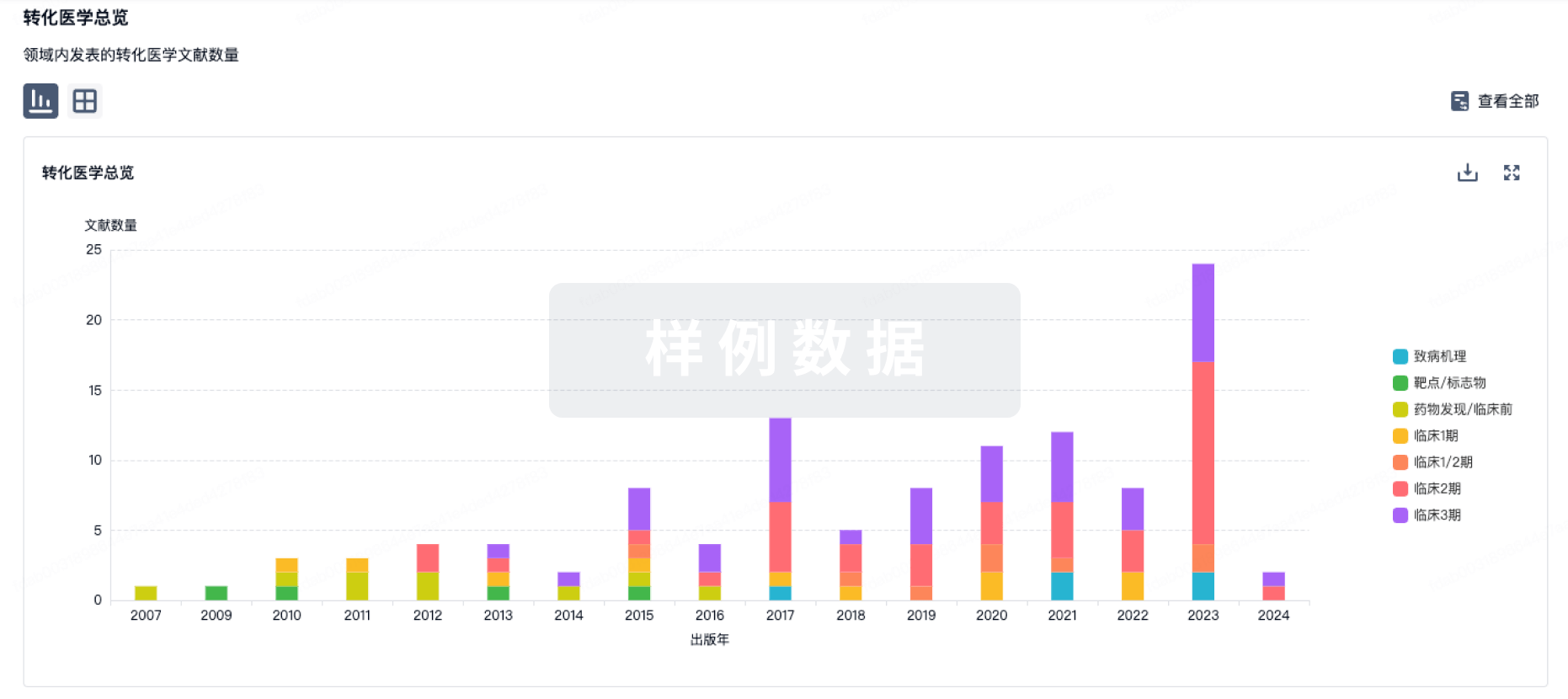
转化医学
使用我们的转化医学数据加速您的研究。
登录
或
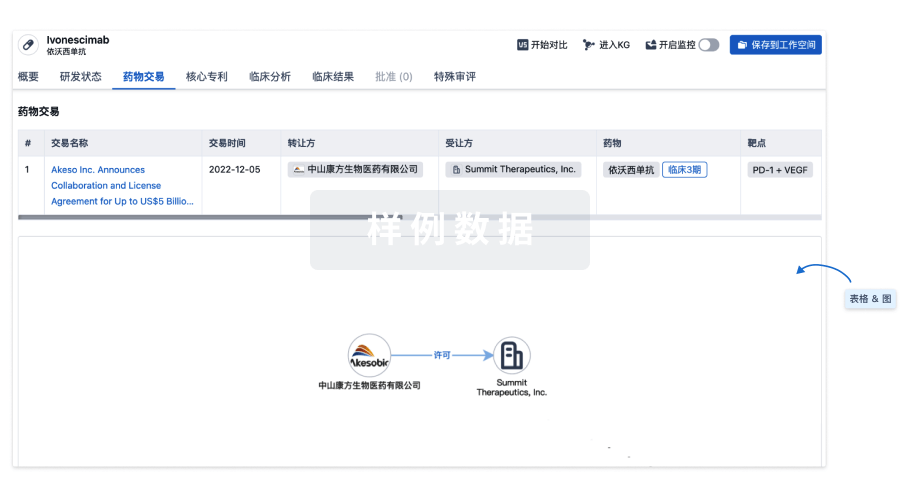
药物交易
使用我们的药物交易数据加速您的研究。
登录
或
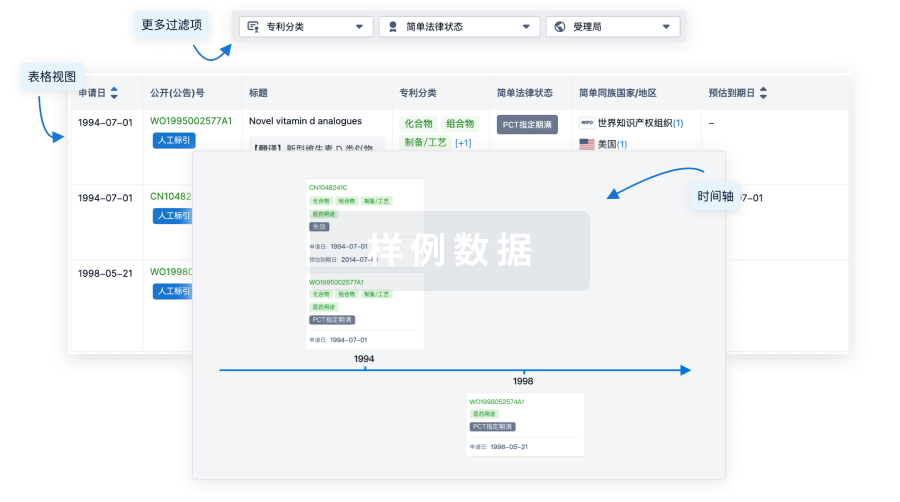
核心专利
使用我们的核心专利数据促进您的研究。
登录
或
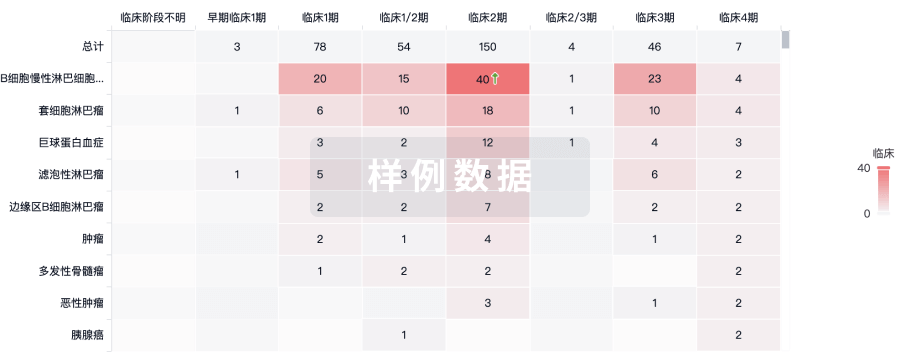
临床分析
紧跟全球注册中心的最新临床试验。
登录
或
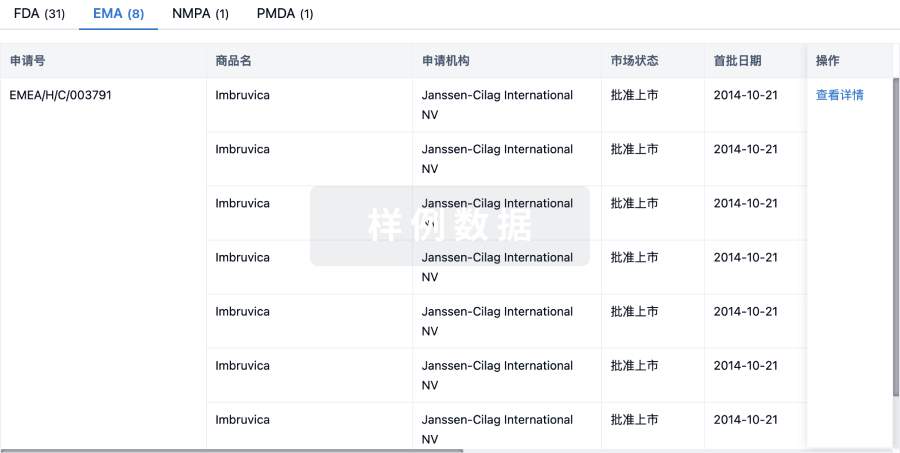
批准
利用最新的监管批准信息加速您的研究。
登录
或
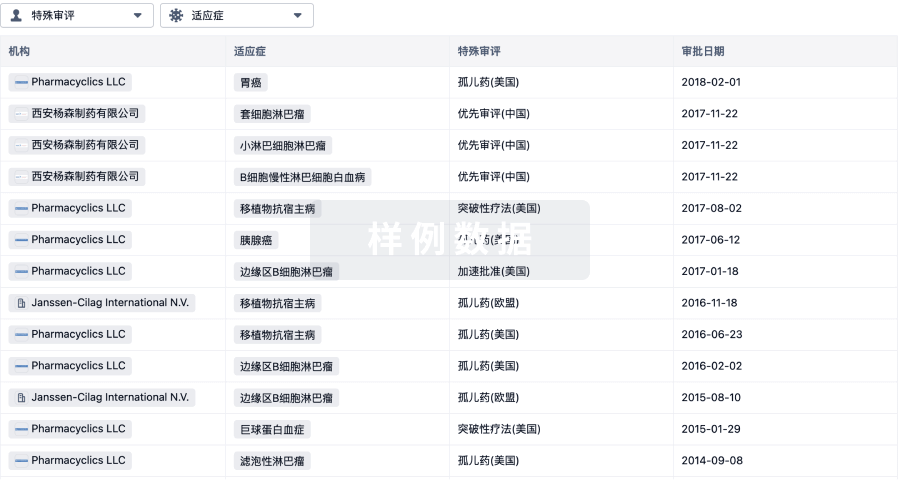
特殊审评
只需点击几下即可了解关键药物信息。
登录
或
提出任何生物医药研究问题
让每一步生物医药决策都精准制胜
基于十亿级生物数据与全球情报的精准 AI,赋能早期药物发现
立即开始免费试用!
智慧芽新药情报库是智慧芽专为生命科学人士构建的基于AI的创新药情报平台,助您全方位提升您的研发与决策效率。
立即接入生物医药数据包
智慧芽新药库数据也通过智慧芽开放平台,以MCP或API服务形式对外开放。立即使用我们的MCP服务定制您的LLM智能体。
生物序列数据库
生物药研发创新
免费使用
化学结构数据库
小分子化药研发创新
免费使用