预约演示
更新于:2026-10-23
Oxolinic Acid
奥索利酸
更新于:2026-10-23
概要
基本信息
药物类型 小分子化药 |
别名 OA、Oxolinic acid (USAN/INN)、NSC-110364 + [2] |
作用方式 抑制剂 |
作用机制 Bacterial DNA gyrase 抑制剂(细菌DNA旋转酶 抑制剂) |
在研适应症 |
非在研适应症- |
原研机构- |
在研机构- |
非在研机构- |
权益机构- |
最高研发阶段批准上市 |
首次获批日期- |
最高研发阶段(中国)- |
特殊审评- |
登录后查看时间轴
结构/序列
分子式C13H11NO5 |
InChIKeyKYGZCKSPAKDVKC-UHFFFAOYSA-N |
CAS号14698-29-4 |
关联
7
项与 奥索利酸 相关的临床试验NCT04931173
Is Mechanical Bowel Preparation Necessary to Reduce Surgical Site Infection Following Colon Surgery: A Randomized Controlled Trial
Following colon surgery, surgical site infection (SSI) is the most common complication and leads to longer recovery time for patients and increased health care costs. Currently, there is high quality evidence to show that the combination of intravenous antibiotics (IVA), mechanical bowel preparation (MBP) and oral antibiotics (OA) is the most effective bowel preparation to reduce SSI. However, there are no studies comparing IVA+MBP+OA and IVA+OA. This is an important question because if IVA+OA works the same as IVA+MBP+OA, then MBP may be safely omitted as part of the bowel preparation to reduce SSI and patients would avoid the side effects of MBP prior to their surgery. Therefore, the objective is to perform a trial to determine if IVA+OA works the same as IVA+MBP+OA to reduce SSI following colon surgery.
开始日期2026-09-01 |
NCT07570342
Comparison of Two Types of Calcium (Ca²⁺) Ionophore Treatments for Oocyte Activation in Cases of Suboptimal Fertilization Potential
This study aims to investigate the effectiveness and safety of assisted oocyte activation (AOA) using Ca²⁺ ionophores in cases of total fertilization failure (TFF) due to oocyte activation deficiency (OAD). The study will be conducted in two phases: Phase I will compare the fertilization rates of oocytes exposed to two types of Ca²⁺ ionophore treatments- Ionomycin solution and commercially available CultActive-against a control group without calcium ionophore treatment. Phase II will assess whether an additional injection of CaCl2, prior to exposure to the chosen ionophore from Phase I, further improves fertilization outcomes. The goal is to identify the optimal AOA protocol for improving fertilization rates and to evaluate the safety and efficacy of this approach in relation to ploidy, with a focus on ensuring normal pre-implantation embryo development.
开始日期2026-04-30 |
申办/合作机构 |

JPRN-jRCTs072210046
The additive effect of lip strip to oral appliance therapy for obstructive sleep apnea
开始日期2021-07-27 |
申办/合作机构- |
100 项与 奥索利酸 相关的临床结果
登录后查看更多信息
100 项与 奥索利酸 相关的转化医学
登录后查看更多信息
100 项与 奥索利酸 相关的专利(医药)
登录后查看更多信息
1,738
项与 奥索利酸 相关的文献(医药)2027-01-01·INTERNATIONAL JOURNAL OF FOOD MICROBIOLOGY
Design and evaluation of a phage cocktail to control agriculture-associated multidrug-resistant Escherichia coli contamination on lettuce
Article
作者: Ahn, Eunbyeol ; Ko, Seungjo ; Kim, Joonbeom ; Ryu, Sangryeol ; Shin, Hojun ; Son, Sumin ; Jin, Yerin
Multidrug-resistant (MDR) Escherichia coli from agricultural environments is an emerging threat to food safety and public health. Bacteriophages have emerged as promising alternatives to antibiotics for controlling MDR bacteria. However, studies evaluating phage biocontrol against phenotypically characterized MDR E. coli isolates from agricultural environments remain limited. This study aimed to characterize E. coli isolates recovered from agricultural environments and to develop and evaluate a phage cocktail against a target MDR isolate. A total of 11 E. coli strains were isolated and assessed for antibiotic susceptibility, biofilm formation, and swimming motility. Among them, KAE09 was selected as the target MDR isolate based on its resistance to multiple antibiotics, including streptomycin, tetracycline, oxolinic acid, and ciprofloxacin, together with strong biofilm-forming ability and high motility. To control this isolate, we developed a phage cocktail consisting of two E. coli phages, ELP2 and ELT3, with previously reported distinct receptor specificities. Cross-resistance analysis showed no reciprocal cross-resistance between ELP2 and ELT3 in KAE09. The phage cocktail significantly inhibited bacterial growth, reduced preformed biofilms, and suppressed biofilm formation of KAE09. The cocktail also effectively reduced viable cell counts of the isolate on lettuce at room temperature and under refrigeration. These findings highlight the potential of the phage cocktail as an effective biocontrol agent for reducing MDR E. coli contamination on fresh produce.
2026-04-01·mLife
Quinolone tolerance in
Escherichia coli
due to defects in the adenosine ribonucleotides
de novo
biosynthesis pathway
Article
作者: Yang, Jingwen ; Drlica, Karl ; Su, Jie ; Zhao, Xilin ; Ma, Lina ; Niu, Jianjun ; Zhu, Weiwei ; Wang, Dai ; Nong, Yuejuan ; Xue, Yunxin
Abstract:
Central carbon metabolism is thought to link reactive oxygen species (ROS) with antibiotic‐mediated bacterial death. During enrichment screening of
Escherichia coli
with the first‐generation quinolone oxolinic acid, unstable antibiotic‐tolerant mutants containing deficiencies in
purB
were obtained. Examination of a stable deletion mutant of
purA
, a gene functionally related to
purB
, revealed reduced lethality of oxolinic acid and ciprofloxacin. This deletion mutation had little effect on the minimal inhibitory concentration (MIC) of quinolones, thereby demonstrating that the observed protection from killing was attributable to antibiotic tolerance. AMP synthesis was blocked by the Δ
purA
mutation, and ciprofloxacin tolerance was reversed by exogenous AMP supplementation. Because AMP is a precursor of ATP, interference with ATP synthesis occurs in the Δ
purA
mutant. RNA‐Seq analysis showed that, prior to antibiotic stress, transcript levels of NADH:quinone oxidoreductase genes were reduced by the
purA
deficiency, thereby predisposing
E. coli
to antibiotic tolerance through reduced respiration. During ciprofloxacin exposure, the
purA
deficiency also suppressed the surge in expression of tricarboxylic acid (TCA) cycle and ATP synthesis genes, as well as the accumulation of intracellular ATP and ROS. Thus, wild‐type PurA, and by extension the downstream enzyme PurB, directs AMP toward an antibiotic‐mediated, ROS‐dependent death pathway. Overall, defects in PurA/PurB‐mediated adenosine ribonucleotides
de novo
biosynthesis reveal a novel quinolone tolerance mechanism that is initiated outside central carbon metabolism; tolerance is likely attributable to a limited supply of AMP, resulting in reduced ATP synthesis and suppression of ROS accumulation.
2026-01-01·JOURNAL OF VETERINARY PHARMACOLOGY AND THERAPEUTICS
Pharmacokinetics and Withdrawal Period of Oxolinic Acid in Silver Pompano Following In‐Feed Administration of the Recommended Therapeutic Dose
Article
作者: Gop, Ambarish Purackattu ; Suresh, Gayathri ; Nadella, Ranjit Kumar ; Chatterjee, Niladri S. ; Pillai, Santhosh Bhaskaran ; Rajisha, R. ; Sankarankutty, Aparna ; Ramachandra, Krupesha Sharma Sulumane ; Santhoshkumar, Sudharsan Kalappurakkal ; Gopakumar, Sumithra Thangalazhy ; Sunitha, Ashily Nelson ; Rajeev, Lakshmi ; Patil, Prasannakumar
ABSTRACT:
Oxolinic acid (OA) is a widely recommended antimicrobial agent for managing Gram‐negative bacterial infections in aquaculture. This study investigates the pharmacokinetics and withdrawal period of OA in
Trachinotus blochii
, a high‐value mariculture species, under tropical conditions. A single oral dose of 12 mg/kg was administered, and OA levels were quantified using Liquid Chromatography–Tandem Mass Spectrometry across 12 time points from plasma, intestine, liver, kidney, and gills. Maximum concentrations (
Cmax
) were reached within 6 h (
Tmax
).
Cmax
(μg/Kg) followed the order: plasma (99.77) < liver (666.67) < intestine (1764.67) = gill (1776.67) = kidney (1783.33). The elimination half‐life (
T½
) was longest in the kidney, followed by the liver and intestine, whereas plasma and gills exhibited faster elimination. Tissue/plasma ratios were 4.6 (liver), 8.4 (gill), 13.95 (kidney), and 17.12 (intestine). The results demonstrated that OA was rapidly absorbed from the intestine, distributed extensively, and eliminated quickly through renal, intestinal, and branchial routes. The kidney played a key role in OA elimination. In the withdrawal study, after 7 days of in‐feed administration at the therapeutic dose, OA exceeded the recommended maximum residue limit in edible tissues at 6 h. The drug levels dropped below detectable limits within 24 h. Applying a 30% safety margin, a withdrawal period of 31.2 h (or 37.7°C‐ days) is recommended. The findings provide a practical framework for the responsible and effective use of OA in
T. blochii
mariculture, promoting aquaculture sustainability and food safety.
2
项与 奥索利酸 相关的新闻(医药)2026-08-14
2026年投资主题-未来已来系列专题的开篇三部曲是《未来已来! 看好2026年九紫星曜IPO科技股和结构化科技小慢牛市,在中国经济最强核心沪苏杭同心圆物理中心寻找火马年十倍股》《2026年度投资主题:未来已来 Future is Now——2026年君晟交流计划及活动概念海报 20251206》《君晟十周年十问十大预测:10%与十倍股孰优?降低股指预期与提高重估预期,金融强国宏观有底、未来已来大有可为!九紫幸福2026年展望》
2025年投资主题-供应链重构 系列专题的开篇是《Welcome to Robot AI World 泛机器人AI世界!王维钢年终专稿20241231》。 《Rise of China Tech Giants!CTG中国科技巨头的崛起20250217》
2024年投资主题-第二阶段贸易战前瞻系列专题的完结篇是《从特斯拉电动车到机器人,中国应对美中贸易战的AI全供应链韧性增强:第二阶段贸易战前瞻IX 20241214》。2024年王维钢博士就真元金砖货币、中华核心资产、第二阶段贸易战前瞻 三个投资主题展开买方投资实践研究。
愿景:深化金融供给侧结构性改革和建设以人民为中心、合理回报预期的人民币资产市场是人民币国际化和金融强国的要求。
点击蓝色标题浏览 《论持久战!反制底气:供应链重构与全球治理优化 王维钢博士复旦主旨演讲 20251128》
点击蓝色标题浏览 《君晟天府会议@成都灵岩书院 先导电影 20250528》
点击蓝色标题浏览 《RobotAI World 王维钢博士西溪AI全供应链董事长交流活动主旨演讲20250301》
点击蓝色标题浏览 《AI全供应链纪念电影20250228》
点击蓝色标题浏览 《君晟九周年纪念电影-白金峰会20250111》
点击蓝色标题浏览 《君晟十周年纪念电影与君晟十周年白金峰会议程20260110-11》
点击蓝色标题浏览 《王维钢博士主旨演讲PPT原音版20260111君晟十周年十问十大预测:金融强国,宏观有底!未来已来,大有可为!》
点击蓝色标题浏览 《全供应链战争 王维钢博士西溪年度演讲 20260320》
点击蓝色标题浏览 《人民币资源-资产-防务闭环 王维钢博士演讲 学军上海校友年会@上海_20260516》
点击蓝色标题浏览 《王维钢博士压轴演讲《AI主升浪中抓住ICT、AI算力金属、AI能源化工主脉络》浙大上海校友会年会@中星珀尔顿酒店 20260628》
(一)正文
A ZY-某公募研究总监
主题:主题:全球产业链重构下的中国资产定价逻辑迁移
B LC-某公募研究总监
主题:8月是2026年第二次“胜负手”
C LX-某公募研究总监
主题:企业盈利与交易结构共振,关注券商机会
D LY-某公募研究总监
主题:继续关注兼具增长与安全边际的板块
E Z-某公募研究总监
主题:AI产业最新进展和投资机会
F S-某公募研究总监
主题:推荐创新药及创新药产业链,关注中报与海外兑现
G Q-某公募研究总监
主题:底部已现,蓄力反转
H T-某公募机构领导
主题:宏观制度改革呼吁与券商板块投资机会
I Y-某公募机构总监/君晟主持
主题:科技股分化趋势与券商板块价值重估
J G-某公募机构总监/君晟主持
主题:A股市场调整复盘与后市配置展望
K 袁鹏涛 中域投资总经理/君晟主持
主题:下半年经济还是比较平淡,但也比较稳定
L LW-某公募机构总监
核心主题:算力租赁新机遇与光刻机国产突破
M L -君晟专委/某公募机构研究总监/君晟主持
主题:看好AI创新药产业长期价值,把握半导体设备周期反弹机遇
N 郝一鸣 润沃沣投资董事长/君晟主持
主题:超跌反弹策略与去杠杆行情判断
O 王维钢 君晟研究创始人/君晟专委/君晟主持
主题:Eternal War 第一阶段贸易战和第二阶段贸易战对中国和美国货物贸易结构再塑造
P 李蓉 伏明资产总经理/君晟主持
主题:A股市场短期结构调整、中长期趋势向上投资观点
Q 王进 君富投资总经理/君晟主持
主题:三季度科技股迎来修复反弹窗口,两条细分主线具备配置价值
R C-君晟专委/某公募机构领导/君晟主持
主题:指数下行空间有限,关注板块轮动与业绩兑现
2023-2027年君晟会议通告:
2023/5/13 君晟中特估中国优势会议.总体国家安全观专场(网络安全/人工智能安全/数据安全、海外利益安全、金融安全)
2023/5/27 ESG绿色化 总体国家安全观专场(生态安全、生物安全、能源安全)
2023/6/1 总体国家安全观北京专场(经济安全、国防安全、网络安全)
2023/6/10 君晟AI+产业智能化会议
2023夏 南疆国土安全体验之旅
2023/7/8 总体国家安全观专场(经济安全、资源安全、金融安全)
2023/7/15君晟科技自立自强会议(中国短板行业逆势而上专场)
2023/7/20 总体国家安全观中国龙脉专场(金融安全、网络安全)
2023/8/12 君晟产业绿色化会议(泛新能源链中国优势行业做大做强专场:出口三前锋光伏、电动车、锂(电池及关键矿物)
2023/8/29 总体国家安全观专场(金融安全、科技安全、生态安全)
2023/9/16 君晟产业融合化会议
2023/10/14 君晟顺周期会议
2023/11/4 君晟数字制造服务融合会议
2023/12/9 君晟2024预测季所长峰会:主题:机械、策略、宏观、计算机、电子
2024/1/13 君晟癸卯年收官所长白金峰会@上海中心,主题:食品、AI-TMT、全球策略、宏观、ICT
2024/2/24 君晟甲辰年开年所长峰会,主题:银行、宏观、金工、电新、非银
2024/3/16 君晟合理投资回报会议,主题:能源、电力、银行、策略、环保
2024/4/10 君晟智能制造会议,主题:有色、低空经济与海运、机器人
2024/4/13 君晟AI会议,主题:互联网传媒、策略、AIGC-海外科技、计算机AI
2024/5/11 君晟AI-TMT会议,主题:海外科技、计算机、半导体
2024/5/18 君晟出海美丽中国绿色新三样会议,主题:宏观、电气设备、电动车、有色、大国重工
2024/5/24-25 君晟新质生产力AI+22家公司董事长交流西溪年度活动@杭州西溪湿地公园,主题:AI+机器人、AI+新消费、AI应用、AI+新能源四大供应链
2024/6/6 君晟创新动力会议,主题:医药、策略、电力
2024/6/15 君晟新质生产力-AI+会议,主题:传媒、策略、计算机、通信
2024/7/1 君晟AI自主可控会议,主题:互联网、计算机、电力
2024夏 ChinaTravel消费复苏跨越山海体验之旅
2024/7/13 君晟ChinaTravel消费复苏会议,主题:策略、农业、食品、轻工、社服
2024/8/2 君晟三中全会改革开放学习会议,主题:非银、策略、半导体
2024/8/17 君晟先进制造会议,主题:策略、机械、军工、交运
2024/9/8 君晟新质生产力会议,主题:宏观、通信、半导体、新基建、创新药
2024/9/24中央金融支持高质量发展学习会议 主题:宏观@北京、AI、全球策略@阿布扎比、策略、非银机构、创新药、银行
2024/10/12 君晟高质量发展会议,主题:宏观、计算机、地产、金属、海外科技
2024/11/8-11/9 君晟研究社区 新质生产力-苏州董事长交流活动@苏州园区香格里拉 主题:ICT、电新、高端装备、AI供应链
2024/11/16 君晟现代化产业体系会议,主题:策略、医药、银行、能源
2024/11/28 君晟变局求胜会议,主题:工程机械、军工、固态电池
2024/12/5 君晟智能进阶会议,主题:自主信创、半导体、人工智能、机器人
2024/12/14 君晟2025预测季所长峰会 主题:策略、宏观、全球基建、AI通信、机器人
2025/1/10周五 君晟AI会议 主题:AI、自主信创、互联网、通信
Platinum Day&Night!2025/1/11周六 君晟甲辰年收官所长白金峰会@世纪汇 主题:互联网、医药、全球策略、宏观、AI-ICT,白金精选上市公司董事长交流 主题:互联网、创新药、高端装备、ICT、AI
2025/2/15周六 君晟乙巳年开年所长峰会 主题:宏观、半导体、策略、机器人、AI
2025/2/20周四 君晟智能制造会议 主题:机械、电动车、军工
2025/2/28-3/2周五-周日 君晟AI全供应链董事长交流西溪年度活动@杭州西溪湿地公园,主题:AI互联网新质生产力全产业供应链:通信、计算机、互联网、智能设备、自动驾驶、机器人
2025/3/8周六 君晟关键创新会议 主题:电子、宏观、医药
2025/3/15周六 君晟全能源供应链会议,主题:能源、银行、策略、能源建设、全球运输、AI算力与能源、AI机器人
2025/3/22周六 君晟绿色节能会议,主题:环保、能源、电新机器人、医药
2025/4/10周四 君晟AI新基建会议, 主题:AI基建、供应链战、稳地产
2025/4/19周六 君晟消费供应链会议,主题:宏观、银行、电子、轻工、电商、家电、海外科技、CTG中国科技巨头
2025/4/24周四 君晟AI创新会议,主题:策略、AI应用、AI通信
2025夏 中国横贯线问天调研计划 君晟新质生产力调研之旅, 主题:创新药、机器人、ICT、新材料、新军工、新消费、清洁能源
2025/5/5周一立夏 君晟中国天龙会议@上海镜天湖, 主题:AI、互联网
2025/5/8周四 君晟中国天柱会议Optimus机器人 @芜湖神山,主题:机器人与智驾供应链
2025/5/11-13周二 君晟中国天元会议@武汉东湖,主题:绿色电力、光通信、医药
2025/5/21-23周五 君晟中国天门会议@重庆朝天门中心,主题:机器人智驾川渝供应链、消费供应链、医药供应链
2025/5/25-28周三 君晟中国天府会议@成都灵岩书院,主题:新军工、关键矿物、创新药、新消费、新材料
2025/6/5-10周二 君晟中国天路会议@拉萨-墨脱-雅江,主题:清洁能源、带路建设
2025/6/21周六夏至 君晟天龙出海全球资金供应链会议@上海陆家嘴,主题:策略、银行助力中资出海、金融科技、全球基建、食品
2025/6/26周四 君晟 AI-ICT会议,主题:策略、AI、海外科技
2025/7/19周六 君晟绿色低碳供应链会议,主题:策略、环保、新能源、电动车、新材料
2025/8/16周六 君晟国家安全供应链会议,主题:宏观、互联网安全、能源安全、农业安全、国防安全、关键矿物安全
2025/9/13周六 君晟财神节新质供应链会议,主题:策略、AI算力、创新医药、机器人、新能源、半导体
2025/10/11周六 君晟AI供应链会议,主题:策略、通信、传媒、计算机、交运、海外科技
2025/10/31-11/1周五-周六 君晟兰亭董事长交流活动@绍兴兰亭,主题:机器人、关键矿物、半导体、新消费
2025/11/8周六 君晟新质生产力供应链会议,主题:宏观、通信、地产、矿产能源、传媒
2025/11/13-15周四-周六 苏州新质供应链董事长交流活动@苏州亨通凯莱假日酒店,主题:创新医药、AI算力、ICT、新能源、机器人智驾、信息与能源,30家上市公司董事长和高管主讲。
君晟十周年系列所长峰会:
2025/12/6周六 君晟十周年2026预测季所长峰会,主题:消费、金属、电新、AI、策略、机器人、宏观。
2026/1/10周六 君晟十周年 13-21时 幸福白金精选董事长交流活动 暨 1/11周日9-13时 乙巳年收官白金所长峰会 、 13-19时 九紫星曜专家主旨演讲会@上海世纪汇,主题:全球策略、互联网、军工、机器人、AI、创新药、ICT、消费、港股、宏观。主讲:八位白金所长唯一精选董事长、六位白金所长、25+位公募机构投研总监为主专家。12-13时太空算力、宏观、AI互联网白金所长午餐会。
2026/2/1周日 君晟十周年丙午年开年所长峰会,主题:策略、半导体、银行、IP电商、新能源、AI。
2026/3/7周六 君晟未来制造会议,主题:宏观、原子级制造、北美缺电燃气轮机制造、人形机器人、智能家电制造、新能源设备制造、循环制造。
2026/3/19-21周四-周六 AI Almighty 董事长交流西溪年度活动@杭州西溪湿地公园,2026/3/20火马年青龙节.西溪寻龙访谈,六大专场主题:AI+金属材料供应链、AI应用与互联网,AI+消费能源供应链、AI+智造、AI+智驾、AI+机器人,截止18日43家上市公司的20位董事长和43位高管受邀主讲。
2026/4/11周六 君晟未来信息会议 ,主题:宏观、具身智能机器人、AI产业链、量子信息、下一代移动通信、卫星互联网、类脑智能。
2026/5/9周六 君晟未来材料会议 ,主题:策略、先进基础材料、关键战略材料、先进半导体、超导材料、社服、食品。
2026/6/6周六 君晟未来能源会议 ,主题:策略、宏观、可控核聚变、氢能、生物质能、储能、固态电池、能源建设、民生消费。
2026/7/11周六君晟未来空间会议@财富之巅,主题:未来投资策略、深空经济-航空航天、深空经济-太空算力、深海经济-全球航运、低空经济-无人机、深地经济-战略资源金属、深地经济-城市地下空间开发。
2026/8/8周六 君晟未来健康会议 ,主题:宏观、非银、策略、IP电商、AI算力、脑机接口、创新药与合成生物、生物育种。
2026/9/3-5周四-六 君晟财神节胜利日会议 @陆家嘴,主题:宏观、未来制造,未来信息,未来材料,未来能源,未来空间,未来健康。
2026/10/23-25周五-周日 君晟青莲九紫百年纪念会议@上海世纪汇,主题:未来策略、未来财富、未来信息、未来材料、未来网络。
2026/11/7周六 君晟未来网络会议 ,主题:策略、通信、传媒、计算机、交运、海外科技、未来网络。
2026/12/5周六 君晟2027预测季所长峰会 ,主题:食品、金属、电新、AI、策略、机器人、宏观。
2027/1/9-10周六-周日 君晟11 幸福白金董事长交流活动暨丙午年收官白金所长峰会 九紫星曜专家主旨演讲会 @上海世纪汇,主题:全球策略、元宇宙未来网络、未来空间、具身智能人形机器人、AI未来信息、脑机接口未来健康、6G与量子通信、民生消费、港股、宏观。
2027/2/20周六 君晟丁未年开年所长峰会 ,主题:宏观、策略、人工智能、银行间接融资、非银行直接融资、未来能源。
2027/3/9-11周二-周四 AI for All 西溪董事长交流年度活动@杭州西溪湿地公园,2027/3/9火羊年青龙节.西溪寻龙访谈,五个专场,预测30家上市公司的15位董事长和30位高管受邀主讲。
正文以后部分为君晟文献,投资者可选择不阅读
(二)君晟研究社区简介与会议通告
卷首语:合规声明、免费参会方式
1、君晟会议机制综述与君晟2020-2022年月度会议与精选会议要素备忘录
2、君晟研究社区简介:专委会、君晟主持人、君晟天团主讲人介绍九宫图
3、君晟活动图片集锦:
君晟铂金奖颁奖礼20161222、
君晟年会助力新财富论坛20161014、
君晟总量会议20171104、
君晟重阳总量年度会议20191007、
君晟己亥年收官会议20200105、
君晟总量年度会议20200830、
君晟庚子年收官会议20210110、
君晟总量年度会议乾天场20210801、
君晟总量年度会议坤地场20210829、
君晟辛丑年收官所长峰会20220103、
君晟壬寅年开年所长峰会20220212、
浙大上研-君晟研究社区 科技创新智造 20家上市公司董事长交流年度活动@杭州西溪湿地公园 20230407-0409
君晟研究社区 新质生产力-苏州董事长交流活动@苏州园区香格里拉 主题:ICT、电新、高端装备、AI供应链20241108-1109
君晟2024预测季所长峰会20231209 主题:机械、宏观、策略、计算机、电子
Platinum Night!君晟癸卯年收官所长白金峰会20240113@上海中心 主题:食品、AI-TMT、全球策略、宏观、ICT出海
君晟甲辰年开年所长峰会20240224 主题:金融、宏观、金融工程、电新、非银
君晟2025预测季所长峰会20241214 主题:策略、宏观、全球基建、AI通信、机器人
Platinum Day&Night!20250111 君晟甲辰年收官所长白金峰会@世纪汇 主题:互联网、医药、全球策略、宏观、AI-ICT,白金精选上市公司董事长交流 主题:互联网、创新药、高端装备、AI、ICT。
君晟乙巳年开年所长峰会20250215 主题:宏观、策略、非银、银行、计算机、电新
君晟AI全供应链董事长交流西溪年度活动@杭州西溪湿地公园20250228-0302,主题:AI互联网新质生产力全产业供应链:半导体、计算机、互联网、智能设备、自动驾驶、机器人。
苏州新质供应链董事长交流活动2025/11/13-15周四-周六 @苏州亨通凯莱假日酒店,主题:创新医药、AI算力、ICT、新能源、机器人智驾、信息与能源。
君晟十周年 幸福白金精选董事长交流活动 暨 乙巳年收官白金所长峰会 、 九紫星曜专家主旨演讲会2026/1/10-11周六-周日@上海世纪汇,幸福白金精选董事长交流活动主讲人:8位白金所长精选10位上市公司董事长,主题:互联网、军工、机器人、AI、创新药、ICT、消费、港股。乙巳年收官白金所长峰会主讲人:五位白金所长,主题:互联网、军工、计算机、医药、宏观。九紫星曜专家演讲会主讲人:25+位公募机构投研总监为主的专家。
(三)历史文献索引
1、学术交流活动记录
2、同业公益活动记录
3、政策建议活动记录
(一)正文
君晟未来健康会议会议纪要 20260808
时间:2026/8/8周六13:00-19:00
主持:Z-某公募机构总监/君晟主持
主题:宏观、非银、策略、IP电商、AI算力、脑机接口、创新药与合成生物、生物育种
A ZY-某公募研究总监
主题:主题:全球产业链重构下的中国资产定价逻辑迁移
上半年全球股市上涨高度集中,约一成头部个股贡献大部分涨幅,A股、美国、日本和欧洲都有类似特征。AI龙头盈利兑现、被动和量化资金偏向大市值、地缘不确定性下的确定性溢价,共同推动了这一轮集中定价。与过去牛市常说的二八分化相比,本轮更接近一九分化,少数龙头上涨,其余个股横盘或回落。这样的结构会放大指数与个股体感的差异,也使得交易不能简单依据指数涨跌判断赚钱效应。在最近一场君晟主播台的宏观交流中,围绕科网复盘、A股改期制与消费板块切换三大议题的系统阐述,恰好为理解当前这种高度分化的市场结构提供了一个底层框架,而贯穿这三条线索的主轴,正是全球产业链重构背景下中国资产定价逻辑的深层迁移。
科网公司的财务复盘是第一个议题,也是理解微观定价逻辑变化最直接的切口。现在的市场对科网龙头的定价,越来越回到现金流和盈利的绝对值上,而不是此前几年被反复交易的营收增速预期或用户增长故事。华创证券张瑜团队对2000年互联网泡沫的复盘提供了一个极有说服力的历史参照,自由现金流和息税折旧摊销前利润是距离股价拐点最近最核心的指标,从有效样本的中位数看,两者拐点领先股价顶点大约一个季度。当年华尔街对科网的定价关键正是盯住这两个指标的绝对值拐点,当一家科网公司的自由现金流和经营盈利动能出现绝对值转弱时,股价见顶的信号就已经亮起,而不是等到利润同比转负才反应。这个规律对当下识别资本开支上行后的财务风险信号同样有参考价值。2024年一季度主要科网平台资本开支合计超过650亿元,同比增速超过50%,市场一季度的各项核心财务指标都处于健康区间,尚未出现明确的走弱拐点,但即将披露的二季报需要高度关注关键财务指标是否从绿灯区转向风险区间。如果FCF和EBITDA的绝对值出现环比走弱,即便同比增速仍为正,按照历史规律,股价在随后一个季度内见顶的概率会显著上升。这种定价逻辑的回归,本质上是全球资金在利率高位震荡、不确定性抬升的环境下,对确定性的极致追逐,也是产业链重构期资本对科网企业真实造血能力的重新校准。
第二个议题是A股在2022年前后发生的改期制,这是理解中观市场结构变化的关键。A股市场的驱动力发生了根本性变化,从一个纯旧经济内部利润主导的市场,转变为一个新经济主导的全球化利润主导市场。2019年科创板启幕,2020年创业板注册制落地,2022年全面注册制写入政府工作报告,注册制的深入实施推动了A股整体结构的质的变迁。从市值结构看,A股信息技术、高端制造业市值占比从2018年的约15%提升至2024年的接近30%,周期和金融地产板块的市值占比则从超过40%收缩至不足25%,科技与创新含量不断提升。广发证券的统计数据清晰地展示了这一趋势,在包容性的注册制标准下,A股产业结构实现了升级跃迁。这意味着A股的基本面结构发生根本变化,市场的利润主导力量从旧经济切换到了新经济。旧经济时代,A股的利润池集中在金融、地产、能源和原材料,利润周期高度内嵌于国内信用扩张与收缩的节奏,外资定价权有限。而新经济主导之后,A股利润池向新能源、半导体、通信设备、电力设备等中游制造和科技硬件迁移,这些行业的利润越来越多地来自全球化订单和海外产能布局,利润周期不再单纯跟随国内信贷脉冲,而是与全球产业链重构的节奏共振。这也是为什么2022年之后A股与美股科技龙头的相关性显著上升,而与国内地产链条的相关性大幅下降。市场定价锚的迁移,使得沿用旧经济框架的宏观分析频频失效,必须用全球化利润周期的视角来重新审视A股。
第三个议题是消费板块的切换与中游制造的胜负手,这是当前资产配置层面最现实的判断。通过分析中国经济发展阶段的需求牵引力转换,可以清晰地看到不同阶段的胜负手轮动。2005年至2015年,上游建筑建材需求增速最高,对应四万亿和城镇化提速,上游是投资胜负手。2016年至2021年,下游商品消费需求增速最高,对应消费升级和品牌化浪潮,消费是主线。而2024年至今,中游制造的需求增速最高,景气度明确。具体来看,中游制造对应的名义需求增速仍维持在8%至9%区间,而消费需求增速仅3%左右,中游制造的景气度最优。消费板块虽有绝对收益但无相对收益,其地位无法回到2016年至2021年的水平。
看多中游制造的核心逻辑在于全球需求分散与供给集中带来的利润溢价力上升,而非简单的出口增长。需求分散体现在三个层面,发展中国家有工业化和城镇化需求,中等强国有国防军备增支和供应链备份需求,发达国家有再工业化和绿色转型需求,全球所有供给焦虑共同共振,形成非常大的中间品和资本品需求。供给集中则意味着中国在中游制造领域的全球市占率在过去三年进一步提升,特别是在机械设备、电力设备、通信设备、汽车零部件等领域,中国供给相对于全球需求的话语权提升、议价能力提升、市占率提升,中国中游制造就会有量价上升逻辑,也会经历更赚钱的过程。当前PPI回升主要由中游制造贡献,这是结构性而非广义周期问题。二季度PPI中枢较一季度显著抬升,上市公司盈利有望迎来进一步上行,为市场提供基本面支撑,但内需修复力度依然偏弱,消费、地产等传统板块持续承压,总量层面尚不具备全面普涨的条件。中国新旧经济转型因三因子共振,时间可能短于海外但波动更深。这三个因子分别是房地产去杠杆、地方债务化解和全球产业链重构,它们在同一时期叠加,使得转型的阵痛被放大,但也加速了资源向新经济和中游制造的集中。中游制造的供需均衡度最佳,堪比2016年至2021年的消费,这也是为什么中游制造是当前及未来3至5年投资的胜负手。消费板块已逐步具备绝对收益价值,必选消费有基本面底、板块股息率较高、部分标的估值已回落至低位,但相对收益层面,消费仍不具备跑赢中游制造的基础。
对持仓而言,需要把行业景气、公司盈利兑现和资金集中度拆开看。在近期的市场震荡中,前期涨幅较大的科技板块受微观流动性扰动影响,股价波动加大,而消费板块因其绝对收益价值开始被资金关注,出现了阶段性走强的迹象。但从中长期的中游制造胜负手判断出发,资金从高位科技向其他方向轮动的迹象虽现,真正的配置核心仍应放在高景气方向上。中游制造的大逻辑非常清晰,这是全球需求分散与供给集中共振的结果,它的利润溢价力上升是一个中期过程,不会因短期的风格切换而逆转。投资者在震荡整固期,需要警惕单纯依据指数涨跌判断赚钱效应的陷阱,把中游制造的景气度、科网龙头FCF与EBITDA的拐点信号、消费的绝对收益与相对收益差异这三层逻辑放在同一框架里审视,才能在全球产业链重构下的中国资产定价逻辑迁移中找到真正的胜负手。
B LC-某公募研究总监
主题:8月是2026年第二次“胜负手”
1. 市场结构与资金面
上半年全球股市上涨高度集中,约一成头部个股贡献大部分涨幅,A股、美国、日本和欧洲均有类似特征。AI龙头盈利兑现、被动和量化资金偏向大市值、地缘不确定性下的确定性溢价,共同推动了这一轮集中定价。
与过去牛市常说的“二八分化”相比,本轮更接近“一九分化”:少数龙头上涨,其余个股横盘或回落。这样的结构会放大指数与个股体感的差异,也使得交易不能简单依据指数涨跌判断赚钱效应。对持仓而言,需要把行业景气、公司盈利兑现和资金集中度拆开看。
7月13日至31日,主力重点持仓ETF日均净流入102亿元、累计1538亿元;全部宽基ETF日均净流入198亿元、累计2977亿元,累计规模已超过前两次高峰。万得全A跌破100日均线后,宽基ETF通常会出现净流入,当前信号显示资金仍有托底意愿。
前两次大额流入分别出现在2024年9月24日至10月9日和2025年4月7日至9日:前者对应“924”政策组合后的快速反弹,主力重点持仓ETF日均流入248亿元;后者对应外部关税冲击后的维稳窗口,日均流入556亿元。本次日均流入低于第二次高点,但持续时间更长,因此累计规模并不弱。
情绪呈现分化:非科技板块情绪在扩散,双创则仍处低位,创业板约26%、科创板约6%。资金有从高位科技向其他方向轮动的迹象,但轮动能否延续仍要看非科技板块的业绩催化。
近五年短线全A情绪指标在极端低位或高位时,对短期顶底有一定参考意义:接近0%时,指数短期反弹概率上升;接近100%时,调整概率上升。当前全A指标更多受科技权重影响,非科技板块情绪的改善与双创低位并存,因此不宜把单一情绪指标理解为全市场的一致信号。
2. 风格判断:先看相对业绩,再看估值
风格切换的核心变量是相对业绩趋势。沪深300相对科创创业板的业绩增速差收窄或转正时,价值蓝筹通常占优;成长业绩优势扩大时,科技更容易占优。红利与成长之间的切换同样取决于两类资产的相对盈利表现。
这一判断并不意味着忽略流动性和宏观,而是强调它们最终仍会落到盈利预期上。会议采用归母净利润同比增速衡量相对业绩,并以Wind一致预期自下而上合成2026年指数增速。对配置而言,更应跟踪盈利预期的变化方向,而不是只依据单一宏观变量押注风格。
红利全收益指数和红利低波全收益指数均接近长期上升通道下沿,年化通道斜率约9%和10%。在高股息筛选机制下,价格回落会提高股息率,红利资产具备一定均值回归特征,当前赔率相对合适。
会议将红利和微盘指数的编制逻辑与普通市值指数区分开来:高股息筛选与股价下跌呈一定反向关系,价格下行后股息率上升,反而可能吸引配置资金。因此红利更适合作为中长期配置品种,但仍需结合分红可持续性、行业资本开支和利率变化,不能只追逐静态股息率。顺周期的研究框架已由“等政策”转向“找业绩”。库存低位未必对应总量刺激,财政更多体现托底,内需顺周期板块需要自下而上验证盈利拐点;输入性通胀品种与内需品种的表现差异,已反映市场对大规模刺激的预期下降。
财政端,2026年官方目标赤字率维持4%,广义财政占GDP比重预计仅小幅提高;海外多数经济体仍维持扩张,且AI投资是主要拉动项。货币端,全球重启加息的阵营扩大。宏观环境决定了顺周期板块难以再获得普遍的估值抬升,个体盈利改善的重要性上升。
3. 内需、地产与AI景气
地产呈现明显分化。内地一线城市租金回报率约1.60%—1.94%,仍低于约3.06%的首套房贷利率;香港租金回报率约3.6%,已超过3.25%的房贷利率上限,房价自2025年下半年开始回升。下半年重点观察上海量价的边际变化。
消费修复仍受中长期贷款增速回落约束,高端消费的修复斜率或较平缓。中长期贷款增速与白酒相对估值、恒生科技盈利增速均有较强相关性,信贷周期仍是观察消费与科技盈利的重要线索。
具体看,企业中长期贷款约占整体的六成、居民中长期贷款约占四成。若企业扩表意愿不足、居民加杠杆能力受限,则消费特别是高端消费难以出现陡峭修复。地产方面则更适合关注核心城市和核心地段的需求韧性,与三四线及非核心区域区分看待。
内地核心城市与香港市场的差异,提示地产研究需要回到租售关系和区域供需。香港租金回报率超过按揭利率后,持有物业的现金流逻辑改善,房价企稳更容易得到验证;内地一线城市租金回报仍低于按揭利率,投资性需求恢复尚需时间。上海的成交量、价格和租金变化可作为内地核心城市的前瞻观察点。
AI应用侧需求继续加速:OpenRouter Tokens调用量在2026年明显抬升,豆包日均Tokens调用量已突破180万亿。随着应用和盈利改善,海外CSP资本开支有望更多由盈利驱动,2026年Capex增速预期仍在60%以上。科创创业板相对业绩优势尚在,仍是科技风格的基本面支撑。
接下来进入海外科技公司二季度业绩密集披露窗口,重点观察英伟达、AMD、微软、谷歌、亚马逊和Meta的GPU、AI服务器、云服务收入及资本开支指引。与此前主要依赖融资推动的阶段相比,若应用收入持续提升,CSP资本开支的持续性会更强。
4. 科技交易节奏与景气阈值
长鑫科技上市可能带来一次性流动性扰动。按首日可流通比例6.63%、换手率50%、总市值4万亿元测算,首日成交额约1326亿元,对科技板块或有短期资金挤出,但不改变中期趋势。
测算公式为“首日成交额≈首日可交易流通市值×首日换手率”,其中可交易流通市值由发行后隐含总市值与首日可流通股份占比确定。50%的换手率参考中芯国际上市首日53.1%的水平。该测算意在提示交易层面的虹吸,而非判断公司长期价值。
复盘2012年以来13条主线、35段横盘调整,平均调整约20个交易日、幅度18.1%;泛科技和高端制造平均约21个交易日、幅度19.1%。半导体当前已进入历史可比的调整区间,后续重点看业绩超预期或利率企稳等催化。
若用波动率调整,高位主线调整幅度大致相当于过去一个月平均K线实体的5倍。2023年以来美股科技的六次调整多由利率上行、估值偏高或流动性收紧触发,调整结束通常需要业绩超预期或利率企稳。该规律有助于判断节奏,但不能替代对单一行业供需和盈利的跟踪。
26Q2主动权益基金电子配置比例为43.7%,但电子在全A自由流通市值占比已达23.7%,在沪深300中占24.5%,应结合超配幅度判断。当前超配程度低于2021年白酒、2014年医药和2015年计算机的阶段高点;7月以来持仓已回落,海外算力链实际被减仓,增配更集中于MLCC、CCL、存储、电子布和核心PCB等具备涨价预期的上游环节。
对电子持仓不能只看绝对比例。剔除股价上涨对持仓占比的被动影响后,光模块、光纤光缆和PCB等海外算力链在二季度实际上被减仓;7月市场回调也带来约3%的持仓比例回落,若计入主动调仓,进一步回落约2%。配置从宽泛的算力叙事向“AI通胀”上游集中,是更值得关注的结构变化。
景气投资可重点跟踪两条经验线:增速维持30%以上时,市场更看重景气而非估值;高增长标的的增速若较前一年回落超过50%,表现往往明显转弱。历史上,强产业景气能够部分抵消地缘冲突、油价上行和利率抬升的估值压力,关键仍是盈利趋势是否保持。
统计显示,对于前一年增速高于50%的标的,当年仍能保持30%以上增长,收益表现通常较好;若增速跌破30%,表现会明显走弱。若增速相对前一年回落超过50%,高增长也可能转为“高增速陷阱”。因此高景气资产不宜只看绝对增速,也要同时观察增速的边际变化。
海外经验并未改变这一逻辑。美国市场同样偏好加速增长、持续高增长和低降幅减速增长,只是2010年后充裕流动性和回购行为弱化了部分统计规律。1999年科网周期和2013年国内移动互联网行情均显示,产业景气足够强时,EPS上调速度可以阶段性跑赢利率上行。
1999年美国首次加息后,纳指直到9个月后才见顶,期间累计上涨约91%,而道指更早受油价与加息影响而震荡;2013年国内钱荒与海外缩减QE预期叠加时,创业板仍在4G基站、移动互联网和手游需求的支撑下走出独立行情。这些案例的共同点是产业链需求传导清晰、盈利预期能连续上修。
目前A股和美股头部个股成交集中度均处高位。拥挤度本身不等于行情结束,若产业景气仍在上行,集中交易可以持续;需要警惕的是盈利趋势走弱后,高拥挤带来的波动放大。
历史上,美股前5%个股成交占比在1995—2000年科网行情中一度超过80%,在2007—2008年危机阶段超过70%,2017年以来大型科技公司的抱团也使这一比例维持高位。硬件设备成交占比多数年份约有17%的稳定阈值,但在90年代科网和2023年后AI周期均长期突破。产业趋势可以打破历史阈值,不能机械以“拥挤”判断卖点。
C LX-某公募研究总监
主题:企业盈利与交易结构共振,关注券商机会
1. 估值与持仓:ROE上行、估值仍在低位
非银的主要矛盾是ROE改善与估值偏低并存。保险行业ROE由2023年的8.57%升至2025年的19.27%,券商ROE由5.44%升至8.09%;非银、券商和保险板块PB分别处于过去十年的约10%、20%和10%分位,主动基金持仓也偏低。
横向看,非银PB相对沪深300PB的比值处于过去十年的约2.6%分位,券商和保险分别约11.2%和6.1%分位。近期两融平仓的案例并不多,持仓偏低更多来自主动降仓而非被动平仓,因此若盈利和市场交易保持改善,低配本身可能带来修复空间。
2. 券商盈利的三条线索
第一,经纪和利息业务受益于增量资金入市。1—4月新增开户数同比增长55%,居民资金入市节奏加快;经纪、利息和投资业务是2025年及26Q1券商利润增长的主要来源。增量资金结构正在由机构向居民扩散。低利率环境下,居民资产负债表重配的意愿提升,代买证券业务款和新开户数据均反映出这一趋势。经纪和两融利息收入对交易活跃度更敏感,若居民配置权益的趋势延续,相关业务的盈利弹性仍可关注。
第二,国际业务正成为头部券商的新增长引擎。境外自营和衍生品仍占较高比重,国际子公司的ROE普遍高于集团:中信证券国际约25.0%、中金国际约15.7%、华泰国际约12.5%、广发国际约12.1%。2025年国际子公司对中信、中金和广发的利润增长贡献分别约31%、48%和10%。 现阶段头部券商境外业务仍以重资本的境外自营、客需衍生品和跨境FICC为主,轻资产业务占比偏低;在国内固收扩表放缓、权益自营尚未大幅扩张的背景下,国际业务有望成为扩表的重要方向。2025年以来多家券商已向国际业务注资,战略地位继续提升。
海外投行的成长经验说明,国际业务的意义不仅在于单年利润,也在于跨境客户、产品能力和资本使用效率的积累。高盛、摩根士丹利均是在本土资本市场繁荣后,通过服务企业跨境经营和海外扩张,逐步形成全球业务网络。国内券商的国际化仍在早期,更适合从ROE、资本投入和利润贡献的持续性观察。
第三,投行、跟投和私募股权投资强化了券商与科技产业的联系。2025年行业另类子和私募子利润贡献显著回升;按科创板IPO规模600亿元、平均跟投比例3%测算,2026年潜在跟投规模约18亿元、预期浮盈约45亿元。可重点留意蓝箭航天、燧原科技、宇树科技等项目对应券商的潜在弹性。该业务的行业平均利润占比并不高,2019—2025年另类子和私募子合计约占券商利润7%,但业绩弹性显著:2025年上市券商相关利润贡献136亿元,而2024年仅14亿元。部分券商因过往战略布局和区域科创生态优势,相关业务利润占比较高,科技融资回暖时更值得跟踪。
国内券商较国际投行仍有估值折价。参考历史两轮第二波券商行情,会议判断后续仍有修复空间。建议关注国际业务领先的头部券商,以及零售业务份额提升、参控股头部公募的特色券商;推荐中信证券、中金公司H、招商证券、广发证券、兴业证券。
历史上,2015年2月至5月及2020年5月至8月的券商第二波行情,板块涨幅分别约51%和46%,均低于牛市初期涨幅,但仍体现出估值和盈利的阶段性共振。与历史相比,当前更需要把握市场成交、居民资金入市、海外业务扩表和科创项目退出节奏,而非单纯套用涨幅。
3. 保险:低估仍是亮点,利率决定修复节奏
EV增速改善尚未有效带动PEV修复,市场对ROE稳定性和投资收益假设仍有顾虑。核心矛盾在于存量负债成本的刚性:储蓄类产品占比提升,使得负债成本下降慢于市场利率。
从估值比较看,国内保险公司较国际同业仍有明显折价,但估值是否修复更取决于市场对可持续ROE的判断,而非单期EV增速。部分公司VIF敏感性上升,也说明在较低利率环境下,可实现投资收益率和可分配利润的不确定性仍然较高。
资产端方面,长端利率在1.7%—2.0%区间运行,新配置资产收益率偏低,险企需要更多依赖权益资产获取超额收益,投资收益不确定性仍在。权益配置呈多元化趋势,OCI股票有望重新成为配置重点。主要风险包括资本市场波动、长端利率继续下行及监管政策变化。
D LY-某公募研究总监
主题:继续关注兼具增长与安全边际的板块
1. 宏观、出口与海外消费
7月进出口同比增长25.3%,其中出口增长23.9%、进口增长27.5%;1—7月出口累计增长18.5%,进口累计增长26.7%。出口区域继续分化,美国方向同比+17.1%,东盟+38.4%,韩国、新加坡和中国香港表现较强。
欧盟出口同比+16.0%,较6月回落2.5个百分点;非洲和拉美分别同比+18.2%和+13.9%。区域数据说明新兴市场仍是出口韧性的主要来源,而对美出口延续修复。关税政策仍在频繁变化,订单和运价的月度波动需要持续跟踪。
美西、美东航线运价月内先涨后弱,月底转弱;人民币维持偏强。美国通胀边际降温,6月CPI同比3.5%、核心CPI同比2.6%,7月红皮书零售销售同比均值约9.0%,密歇根大学消费者信心指数回升至55.2,但绝对水平仍偏低。
运价方面,美西航线环比由7月初的+10.8%转至7月31日的-6.1%,美东由+6.5%转至-0.7%;美元兑人民币中间价则由月初6.8067降至月底6.7894。外需、汇率和运价的组合有利于判断出口企业订单与毛利的边际变化,但关税政策带来的不确定性仍然较高。
2. 跨境品牌、珠宝与电商
跨境电商品牌7月表现分化:安克创新销售额同比基本持平,主要是销量回落、ASP仍增长;赛维量价均下滑;致欧科技销售额同比小幅下降;绿联科技销售额同比增长14.8%,销量增长30.6%,但ASP继续下降。
与6月相比,安克、致欧和绿联的增速均有不同程度放缓。安克6月销售额同比+61.2%,7月转为基本持平;致欧由+35.4%转为-1.8%;绿联由+100.1%降至+14.8%。因此除销量外,也需关注平台活动和价格变化对ASP及盈利质量的影响。
黄金珠宝消费降幅收窄,6月黄金珠宝社零同比-3.4%,较5月改善。7月金价冲高回落,月底约888.4元/克;官方黄金储备继续增加。头部品牌门店销售改善,菜百、亚朵星球、周生生、周大生、周大福等6月增速靠前。
具体门店数据看,梵克雅宝深圳万象城B151店、深圳万象天地店及杭州万象城L264店7月销售额环比分别增长10.5%、9.2%和4.9%。在高金价环境下,头部品牌经营恢复快于行业平均,品牌力、产品结构和门店效率仍是观察重点。
平台侧,6月天猫GMV约1429亿元、同比-1.2%,京东约1541亿元、同比+30.7%,抖音约1275亿元、同比+0.5%。名创优品6月销售额指数同比+13.9%,较5月放缓,客流与交易笔数同步回落,消费频次保持稳定。
名创优品的拆分数据也反映出增速放缓的来源:交易笔数指数同比+14.1%,客流同比+10.5%,均低于5月;客单价同比-0.2%,由5月的正增长转弱;单客交易笔数同比+3.6%,与5月持平。后续需要区分客流恢复、频次变化和价格结构对收入的贡献。
3. 泡泡玛特及零售服务跟踪
泡泡玛特海外搜索热度总体平稳,欧洲边际改善,东南亚保持稳定;TikTok和Instagram全球粉丝数环比基本持平。区域销售上,美国和中国市场仍承压,欧洲周度销售较6月有所修复。7月重点新品为DIMOO × PIXAR系列,覆盖毛绒挂件盲盒、手办盲盒及衍生品等。
搜索热度方面,法国Google Trends指数由月初12升至月末18,英国和德国分别由12、10升至13;泰国、马来西亚、新加坡和印尼月末指数为20、24、30和14。销售端,Yipit数据显示美国和中国市场同比仍有压力,欧洲周度销售指数维持在390—420区间,较6月修复但尚未摆脱同比承压。
零售方面,永辉调改店表现较好,家家悦同店基本持平,红旗连锁受降雨影响承压。义乌上半年出口4207.2亿元、同比+17.3%,6月出口同比+51.9%;小商品城7月签约商铺面积同比下降62%。
重庆百货整体经营相对平稳,合百集团农批业务基本稳定,但百货及电器仍受高基数影响承压。义乌出口较1—5月的累计增速明显加快,说明外需订单仍有韧性;商铺签约面积回落则提示市场活跃度仍需持续观察,不能只据单月出口数据判断。
酒店经营出现边际改善。7月27日至8月2日行业OCC同比-0.6%、ADR同比+1.7%,RevPAR同比+0.8%;供给增速继续放缓。Trip.com 8月同比增长60.5%,领先其他主要OTA平台,亚洲市场仍是主要增长来源。
华住和锦江RevPAR同比分别为-3.1%和-2.7%,入住率已接近去年同期,当前拖累主要来自ADR。供给端,8月初行业整体客房数同比+5.5%,连锁酒店客房数同比+6.3%,均较6、7月继续放缓。供给扩张降速有利于后续经营修复。
4. 免税、就业与博彩
6月海南客流同比-4.7%,离岛免税购物金额同比+2.5%。7月海南免税销售分化,中免、海旅投、海发控、深免和王府井同比增长,中服仍同比下滑但降幅收窄。
其中,海旅投、海发控和深免7月均由负转正,中免同比+9.5%,中服同比-18.8%但降幅较6月收窄。免税板块的观察重点仍是客流恢复、折扣策略和市内免税政策预期三者的配合。
从6月数据看,海南机场港口旅客吞吐量为376.0万人次,客流回落但购物金额转正,说明消费转化仍有韧性。各公司销售的分化也与渠道、折扣和基数有关,不能简单以单月同比替代对份额变化的判断。
6月全国城镇调查失业率降至5.0%,青年就业继续改善;BOSS直聘7月IOS端用户、流水和下载量分别同比增长9.8%、65.6%和52.6%。澳门6月访客量同比-3.1%,7月博彩毛收入202.6亿澳门元,同比-8.4%、环比+9.4%。
就业分年龄看,16—24岁劳动力失业率降至14.9%,连续两个月回落,25—29岁和30—59岁分别为7.1%和4.0%。澳门6月访客量为280.1万人次,恢复至2019年同期的90.5%;7月博彩收入恢复至2019年同期的82.9%,季节性与基数因素仍会影响单月读数。
E Z-某公募研究总监
主题:AI产业最新进展和投资机会
1. 产业阶段:以模型、商业化和资本开支判断可持续性
材料提出,判断AI产业是否存在泡沫,应依次观察模型迭代速度、商业化变现速度与资本开支可持续性。模型能力是需求和收入的源头,ARR增长决定资本开支能否获得现金流支持;只有当模型迭代放缓,或债务扩张显著快于现金流,产业扩张逻辑才可能出现拐点。
资本开支仍处高景气。材料预计2026年全球AI相关资本开支约9000亿美元,覆盖头部云厂商、国内云厂商、NeoCloud及主权AI;若2027年增速不低于40%,叠加大型科技公司和模型公司的融资,全年开支或超过1.5万亿美元。需要关注的不是绝对规模,而是杠杆与单位算力收益率。
当前AI投入的债务占比约15%,低于历史运河、铁路和光纤建设中约45%—100%的风险区间。材料以1GW算力中心测算:约400亿美元资产对应云厂商收入100—140亿美元、模型层收入约400亿美元;若计入训练投入,全链条回报率约30%。该测算旨在说明,模型层利润回流至云和硬件环节,仍能支撑滚动再投资。
2. 商业化与模型迭代:需求端仍在验证
头部模型公司收入增长较快。材料列示Anthropic最新ARR或接近690亿美元,OpenAI已超过400亿美元,且综合毛利率在60%以上、API毛利率更高,部分业务已实现盈利。与2000年互联网泡沫相比,本轮模型公司已有更清晰的收入和毛利支撑;但国内头部模型ARR仍明显低于海外,国内估值更多依赖硬件订单与涨价兑现。
供需信号也在支持商业化判断。DRAM、NAND、云算力等环节均出现涨价,材料分别列示DRAM上涨60%—70%、NAND涨幅超过100%、云算力上涨约15%。新一代海外旗舰模型与国内大模型持续迭代,国内厂商在模型—算力协同优化上加快追赶;后续仍需持续观察模型能力提升能否转化为稳定的推理需求。
3. 海外算力链:关注Rubin代际带来的系统价值量提升
海外链的重点在Vera Rubin出货,机柜整机、PCB、光模块、被动元器件和电源系统均将受益。Rubin从单卡、互联到整柜的升级更强调系统耦合,机柜交付正由单台服务器向整机柜、Pod级系统演进,液冷、结构件和电源等环节的自供率及单柜价值量有望提升。
PCB是本轮硬件升级中价值量提升较快的环节。材料测算,VR200机柜BOM较GB300接近翻倍,PCB单柜价值量由3.51万美元升至11.67万美元、增幅约233%,主要来自层数提升、高端覆铜板和铜箔升级,以及Midplane、模组板等新增品类。Rubin Ultra的正交背板向78层和更高层数演进,工艺和材料壁垒进一步提高。
上游材料也出现通胀与供给约束。高端铜箔有效产能受良率限制,电子玻纤布在淡季仍持续提价,覆铜板可通过顺价传导成本;高层数、高硬度板材亦显著增加微钻针消耗。对光模块而言,ASIC化和以太网架构扩展会增加互联端点,800G及后续1.6T可插拔模块短期仍是主流,CPO更偏中长期增量而非立即替代。
AI功耗提升使被动元器件成为新的观察方向。GB300 NVL72整柜满载功耗约130—140kW,较风冷H100机柜约40kW大幅提升;单台GB300 AI服务器约需3万颗MLCC,整机柜约44万颗。GPU数量、单卡功耗和电源路数同步增加,会带动从板级到机柜侧电容的用量与规格升级,供电“灰区”的系统级增量亦容易被低估。
4. 国产算力:从拿卡能力转向系统效率
算力租赁的竞争维度正从采购能力转向系统集成、调度和运营效率。材料引用GB300 NVL72在智能体工作负载中的测试表现,强调高并发Agent场景下系统级效率的重要性。国产芯片方面,主要厂商加快适配,材料预计2026年中国AI芯片市场约240亿美元,国产份额有望继续提升;订单、预付款及合同负债的变化可作为需求验证指标。
超节点将重塑国产ODM的交付与盈利结构。华为Atlas 950、中科曙光scaleX系列、阿里磐久等产品密集推出后,交付单元由单台服务器提升至整机柜和Pod级系统,工程复杂度、客户验证门槛和议价能力同步上升。后续重点跟踪超节点的量产节奏、供应链认证及系统交付能力。
F S-某公募研究总监
主题:推荐创新药及创新药产业链,关注中报与海外兑现
1. 板块判断:业绩与出海是短期和中期两条主线
材料建议继续关注创新药和创新药产业链。进入8月,中报业绩是短期催化:创新药产业链订单和景气有望延续一季度的较快增长,部分创新药和创新器械则受益于新品持续放量或海外业务增长。中报期间反腐影响预计可控,WCLC、ESMO等学术会议的数据预期也是后续重要观察点。
创新药的中期逻辑仍是全球竞争力提升、BD出海落地和商业化兑现。港股创新药核心资产相对A股仍有折价,市场关注将逐步从“是否达成BD交易”转向核心资产在全球临床、注册和商业化环节的实际推进。国内政策持续支持创新药定价与多元支付,商保目录的建立也有助于高价值创新产品扩大支付覆盖。
基金26Q2医药仓位仍处历史低位,但结构上明显加仓医疗研发外包。医药板块2025年收入同比+1.05%、归母净利润同比+7.92%,2026年一季度收入同比+2.25%、归母净利润同比+5.49%、扣非归母净利润同比+9.65%,板块整体已呈企稳回升。子行业继续分化,医疗服务和化学制剂的盈利表现相对突出。
2. CXO:外需韧性、内需复苏与上游国产替代
外需CDMO景气较强,地缘和生物安全法案的实际影响阶段性出清,新分子成为增长主线。多肽、ADC、双多抗、寡核苷酸等领域已进入放量期,材料认为头部公司在汇率扰动下仍有望维持较快的订单和业绩增长,重点关注药明康德、药明生物、凯莱英,第二梯队关注普洛药业、康龙化成。
内需CRO复苏的关键在新签订单量价和业绩拐点。中国创新药BD出海与一、二级融资回暖,正推动早期研发需求由前端向后端传导;25年四季度至26年一季度,安评报价和实验用猴价格均有提升,部分公司一季度新签订单同比接近翻倍。材料预计二季度趋势延续,2026年下半年内需CRO业绩有望反转,关注益诺思、昭衍新药、泰格医药等。
上游环节可关注工业端高增长与国产替代。试剂出海保持较高盈利,国内企业海外渗透率持续提高;培养基、色谱填料等关键原材料的国产化率仍低,供应链安全和成本控制会推动工业客户的替代进程。材料关注金斯瑞生物、百普赛斯、皓元医药、百奥赛图、药康生物等。
3. 创新药:临床数据、BD与支付体系共振
中国创新药的全球临床竞争力持续得到验证。IO双抗、ADC、自免双抗、GLP-1及小核酸等方向均有重要数据或研发节点,ASCO等会议中国产管线的亮相提升了市场对临床质量的认可。跨国药企面临专利到期压力,也增加了从外部获取新资产的需求,BD交易仍可能延续大额化和平台化趋势。
材料列举多笔大额授权,显示海外药企对中国资产的认可:三生制药与辉瑞的PD-1/VEGF双抗合作、信达与武田的多资产合作、荣昌与艾伯维的PD-1/VEGF双抗授权,以及石药与阿斯利康的多项合作等。交易金额上升是竞争力信号,但估值能否持续修复,最终仍取决于海外临床、注册和销售兑现。
海外政策风险主要体现为情绪扰动。材料认为,美国IRA针对的是上市多年、规模较大的成熟品种;专利药关税对仍以研发和授权为主的中国创新药影响相对有限,且不直接影响知识产权授权模式。需要持续评估的风险仍包括临床数据不及预期、海外监管变化、商业化进度慢于预期和行业竞争加剧。
4. 关注方向
创新药核心资产方面,材料关注港股的信达生物、科伦博泰、康方生物,以及翰森制药、中国生物制药、石药集团、三生制药;A股关注恒瑞医药、百利天恒、荣昌生物、科伦药业、艾力斯、泽璟制药等。弹性较大的中小市值方向包括迪哲医药、迈威生物、益方生物、康诺亚、映恩生物等,需结合临床读出、出海和商业化节奏甄别。
稳健型药企也值得长期跟踪。产品布局较广、商业化能力经过验证的综合药企,在创新药竞争加剧时仍有基本盘支撑;部分公司处于新药获批、放量或海外申报阶段,可能形成业绩与估值双重催化。整体上,医药配置更适合围绕临床差异化、订单兑现、支付改善和盈利可见度进行选择。
G Q-某公募研究总监
主题:底部已现,蓄力反转
一、生猪:供给压力缓解,等待价格拐点
26年上半年猪价低位运行,4月一度跌破9元/公斤;估算上半年均价约10.4元/公斤,同比下降约41.9%。自繁自养头均亏损约238元,申万生猪养殖板块估值回落至约2.07倍PB、处于近十年低位。
亏损正在推动产能出清。能繁母猪存栏环比在25Q4、26Q1、26Q2分别下降0.7%、1.4%、3.2%,26Q2末降至3780万头,同比下降6.5%,接近3750万头的正常保有量。生猪存栏同比仅增0.1%,较一季度进一步收窄。
政策端的变化也较明确。2025年7月主管部门已提出合理淘汰能繁母猪、减少二次育肥、控制肥猪出栏体重;2026年2月提出对头部企业实行年度生产备案管理,5月修订产能综合调控方案并收紧绿色、黄色区域上限,6月再次要求大型企业带头压减产能和产量。
与前两轮相比,本轮能繁母猪累计去化幅度约7.3%,略低于21/22年和23/24年约8%—9%的水平,但正常保有量标准已经下调,且去化在二季度明显提速。猪场流拍、养殖企业破产清算等事件增多,也从侧面反映高成本、高负债产能开始被市场化出清。
产能调控持续加码,正常保有量目标已由3900万头下调至3750万头,头部企业亦开始停建猪场、调减母猪产能。行业效率虽较高,但PSY继续提升面临管理和疫病约束,效率对供给的边际增量或下降。判断26Q2可能是本轮猪价低点,后续供给收缩叠加需求旺季,有望带来价格修复。
生产效率仍是需要跟踪的变量。2025年行业平均PSY已升至24.5,样本集团猪场中长期处于24—26头PSY水平的占比近六成,而超过26头的仅约两成。规模继续扩大后,管理复杂度、单位管控成本和疫病风险都会上升,效率进一步拔高的空间较前期收窄。
以2027年盈利测算为例,在猪价14.5元/公斤的保守假设下,牧原A、牧原H、温氏、德康农牧、立华和天康的对应市值空间分别约64.9%、77.6%、92.2%、83.2%、34.1%和81.1%;在14元/公斤假设下,空间仍分别约41.4%、52.2%、67.2%、56.9%、25.5%和53.3%。测算本身依赖猪价和成本假设,重点仍是成本优势与现金流安全边际。
关注成本与现金流优势。大型养殖企业重点关注温氏股份、牧原股份,关注德康农牧、新希望;经营反转可关注正邦科技,中小养殖企业关注立华股份、天康生物、神农集团、唐人神等。
二、牧业与肉禽:供给收缩支撑景气
原奶仍处低位,但散奶在淡季走强、接近现金成本,喷粉和甩油减少,反映库存进入去化阶段。奶牛存栏继续下降;前期淘汰多为后备牛和低效成母牛,随着牛群结构轮换,26年下半年老龄化影响或初步显现,27年原奶实际供给或面临缺口。
26年上半年主产区生鲜乳价格大体在3.01—3.03元/公斤低位震荡,但6月第一周散奶主流成交已升至2.9—3.1元/公斤,明显高于去年同期约1.6—1.8元/公斤的水平。大包粉喷粉量同比减少、二季度甩油基本停止,均是库存去化的辅助验证。
供给并非立即收缩,原因在于单产仍在提升:26年一季度全国牛奶产量同比增长3.4%,2025年奶牛年化单产约10.5吨、同比提高6.1%。但后备牛减少和成母牛结构老化会在后续削弱有效产出,短期高单产并不必然代表中期供给宽松。
肉牛供给处于收缩通道,26年一季度末全国牛存栏同比下降4.0%,活牛价格较25年初上涨约17%。进口牛肉配额政策也缓解了外部供给冲击,肉牛价格仍处上行周期,关注优然牧业、现代牧业。
进口端的约束进一步强化了供给收缩预期。2026年起进口牛肉采用国别配额及配额外加征关税的保障措施,澳大利亚年度对华配额已用尽,巴西进口量也在年内较快接近配额。肉牛价格上行除了改善养殖端,也会通过淘牛收入增加牧业公司的业绩弹性。
白鸡产业链上半年保持盈利。海外引种阶段性受阻使父母代环节景气有支撑,下半年商品代供给可能增加,但需求旺季下养殖仍有望盈利。黄鸡父母代存栏处于相对低位,供给增幅预计有限,旺季有望带动盈利恢复,关注立华股份、温氏股份。
白鸡父母代鸡苗价格上半年保持高位,商品代鸡苗较年初上涨约13.1%,毛鸡价格大体在7—8元/公斤,产业链均有盈利。1—4月祖代引种更新量同比下降13.9%,但祖代存栏仍处高位;下半年父母代鸡苗景气相对确定,商品代则需要关注前期父母代销量增长带来的供给传导。
黄鸡方面,年初以来中速型鸡价格由约6.12元/斤回落至约5.7元/斤,行业自6月起再度承压。父母代种鸡存栏虽在恢复,但在产父母代仍同比下降,商品代雏鸡销量同比偏弱,供给增长预计较温和。节庆旺季需求若正常释放,价格有望回到盈利区间。
长期看,白鸡受益于标准化、性价比和餐饮、预制菜渠道扩张。2025年白羽鸡出栏90.6亿只,占全国肉禽出栏量57.9%;圣农、仙坛的深加工和调理品销量近两年保持较快增长,副产品价值开发和深加工渗透率提升仍是产业趋势。
三、饲料、动保与宠物
上半年工业饲料产量同比增长5.4%,水产料需求较强,猪料仍受高存栏支撑;但鱼粉价格由年初约1.34万元/吨升至2.2万元/吨的高位,水产料成本压力明显。下半年水产料保持结构性行情,猪料需求可能在四季度由增转降,蛋禽料有望改善。行业产能过剩、赊销和原料波动加剧经营压力,供应链和研发能力更强的龙头有望提升份额。
需求端分化较明显:春季普水鱼投苗增加将支撑普水料,特种鱼虾投苗则受成本影响小幅下降;生猪产能去化将逐步传导至猪料,预计四季度同比转弱;蛋鸡补栏回暖有望带动蛋禽料改善,肉禽料大体保持平稳。鱼粉供应减少与价格高位将继续考验企业的采购和配方能力。
供给端的压力主要来自行业长期产能过剩。散户退出和下游养殖集中度提升压缩了商品饲料的有效市场,一些企业依赖提高赊销比例争取份额,养殖端亏损又会拖慢回款并增加坏账风险。对龙头而言,全球原料采购、配方研发和渠道服务能力是穿越周期的关键。
动保需求受猪周期拖累,猪用疫苗和兽药仍承压,禽用疫苗相对平稳;可关注口蹄疫SAT1型多价疫苗的潜在增量。行业已进入存量竞争,企业正通过多联多价疫苗、宠物疫苗和宠物药拓展第二增长曲线。
26年一季度动保板块销售毛利率约35.2%,同比下降1.5个百分点,猪用产品占比下滑使收入结构承压。3月新疆、甘肃出现输入型南非1型口蹄疫疫情后,相关应急疫苗获批;若O-A-SAT1三价疫苗推出,具备口蹄疫生产资质的企业可能获得新增收入。
宠物板块是动保企业转型中较明确的方向。瑞普生物整合宠物供应链并与宠物医院合作,2025年宠物板块收入8.58亿元、同比增长24.39%;普莱柯的宠物板块收入超过6200万元、同比增长34%。多联多价疫苗、宠物疫苗和宠物药有望改善原有产品结构,但仍需经历渠道和品牌建设周期。
宠物食品内销规模仍在扩容,品牌集中度上升。功能粮正在成为新的品类红利,竞争焦点从性价比、高鲜肉冻干、烘焙粮延伸至功能性主粮。出口端需求保持韧性,头部公司在北美、东南亚和大洋洲的本土化产能进入兑现期。
根据材料,国内宠物食品市场规模由2020年的731亿元升至2025年的1084亿元,预计2030年可达1776亿元;品牌CR10由22%提升至36%。618期间宠物食品GMV增速持续高于电商大盘,功能性主粮已成为头部品牌争夺的新方向。
四、种植与种子
厄尔尼诺若在秋季增强,需关注东南亚高温干旱对天然橡胶供给的扰动,以及全球糖产量收缩对低位糖价的支撑。玉米国内和全球库销比继续下行,价格或维持震荡;大豆全球库存仍相对宽松。
天然橡胶全球七成以上供应集中在泰国、印尼和马来西亚,橡胶树从种植到开割需要5—7年,供给弹性较低;若东部型厄尔尼诺造成主产区高温干旱,割胶和胶乳分泌都可能受影响。白糖则需关注巴西、印度和泰国供给,当前国内库存消费比已较上一年度抬升,若天气扰动导致全球产量下修,市场的宽松预期可能转向。
玉米种业处于去库存阶段,制种面积自2023年高点后连续收缩,行业利润底逐步确认。转基因玉米种植面积持续增加,预计2026年达8000万亩;品种审定趋于常态化,增产、降农药和节省人工的经济性将推动产业化渗透。
2026年5月公示的第四批转基因玉米品种为73个,累计已公示234个,性状组合进一步丰富,并出现耐旱等多元化方向。原始材料测算,转基因玉米相对常规品种可增产3%—20%,农药成本下降30%以上,人工节省30—50元/亩,每亩净利润增加约100—320元,经济性是渗透率提升的基础。
H T-某公募机构领导
主题:宏观制度改革呼吁与券商板块投资机会
当前我最担忧的宏观问题是各行业自动化进程加速后的社会就业危机。无论是工业制造、零售物流还是传统服务业,自动化正在大规模替代人力。刘强东的京东物流已经高度自动化,国美电器也在推进无人化改造,大量基层岗位正在消失。如果中国在社会救济制度上准备不足,可能引发严重的社会动荡。美国至少建立了最低保障救济机制,失业者能获得基本生活保障,而中国在这方面的制度建设还远远不够,这是一个亟待解决的重大问题。
市场公平性方面,量化交易的不公平现象必须引起重视。当前量化机构在高频做空上具备天然优势,散户投资者处于明显劣势,市场利益分配严重失衡。我多次呼吁监管层针对高持股比例股东延长减持年限:对于持股30%的大股东,应延长减持期限至三年;对于持股60%、90%等超高比例的情况,减持限制应更加严格。只有这样才能平衡各方利益,维护市场公平。
市场决策机制也存在问题。政策制定过程中往往只听取"小骂大帮忙"的声音,真正有批判性的独立意见被排斥在外。为什么座谈会不邀请刘继鹏、水皮这样敢于直言的专家?体制内的人都说好话,这样的座谈毫无意义。好在上海交易所还比较开明,通过一些老同志建立了沟通群,我经常把自己和他人的观点发给他们,虽然不指望立即回应,但至少能让决策层听到不同声音。我相信随着各方持续呼吁,市场公平性会有所改进。
投资方向上,我强烈看好券商板块,这是当前市场最确定的结构性机会。券商行业正处于优化整合期,今年已经发生多起并购重组,行业集中度在提升。更重要的是,当前出现了极其罕见的估值倒挂现象——龙头券商的估值竟然低于尾部小券商,这在我几十年的投资生涯中绝无仅有,堪称"天赐良机"。
从长远来看,在中美科技竞赛的大背景下,中国金融巨头有望对标高盛等全球顶级投行。如果我们认为2030年或2035年中国GDP将与美国持平,那么中国企业的财富管理需求、全球融资需求,不可能由高盛来主导,必然要由中信、广发、华泰等本土券商承接。无论是财富管理业务还是投行承销业务,中国券商的成长空间都极为广阔。而且券商的资产负债表中基本没有房地产敞口,不受房地产下行周期拖累,这是相对银行等金融机构的显著优势。
I Y-某公募机构总监/君晟主持
主题:科技股分化趋势与券商板块价值重估
科技股经过上半年的持续上涨和7月份的深度调整后,已经进入必然分化的阶段。这次调整效率很高、幅度较大,但我不认为调整后科技板块会立即出现V型反转。未来科技股必然出现分化,需要仔细甄选标的,有真实业绩和核心技术支撑的公司才能继续上涨,而纯概念炒作的公司将被市场抛弃。这种分化过程需要时间,震荡消化不可避免。
市场整体我判断处于平衡状态。除了市场高度关注的科技赛道,其实中游制造业表现也很好——造船、重卡、纺织服装等出海型制造业业绩稳健增长,毛利率可观,这些企业都是全球细分领域的隐形冠军。但由于科技板块吸引了绝大部分资金和关注度,这些优质的中游制造企业估值都在地板价,市场关注度很低。在平衡市场中,这类稳健增长的企业同样值得重视。
券商板块是我最看好的方向,这是我在这个行业工作一辈子得出的判断。上次我推荐工商银行时也遭到大家嘲笑,但最终证明是对的。这次我依然要强调,从基本面角度看,券商行业已经到了必须重新认识的时刻。第一,行业结构正在优化,今年发生了多起并购重组,行业集中度在提升。第二,当前出现了极其反常的估值倒挂——龙头券商的估值反而低于排名尾部的小券商,这在我的投资生涯中是绝无仅有的,也是最好的投资机会。
券商的盈利模式正在改善,不再是简单依靠牛市的"牛市骑手",而是向综合金融服务转型。如果大家认为现在是机构投资者最终会清醒过来的阶段,那么这种估值倒挂一定会得到修复。更重要的是,我们要把中国龙头券商对标高盛来看待。在中美科技竞赛的大背景下,中国金融巨头比肩美国全球巨头是大势所趋,这个逻辑非常顺滑。如果中国GDP在2030年或2035年与美国持平,中国企业的财富管理和融资需求不可能由高盛来主导,必然由中信、广发、华泰等本土券商承接。而且券商的资产负债表中基本没有房地产包袱,不像银行受到房地产和地方债务拖累。
从市场节奏看,8月是业绩披露期,市场容易出现筹码交换,前期跌幅较大、筹码结构干净的板块(如PCB、部分半导体)反弹阻力较小,可以积极参与。9月需要关注中美高层会晤等重大事件,市场可能围绕"自主可控"和"秀肌肉"方向波动。10月国庆后可能面临兑现压力,年底需防范中小票大幅下跌风险,届时可能出现金融蓝筹护盘行情。投资策略上,建议通过ETF参与半导体设备、创新药等板块,降低个股波动风险。
J G-某公募机构总监/君晟主持
主题:A股市场调整复盘与后市配置展望
一、七月市场调整:牛市进程中的良性自我修复
2025年7月,A股市场走出“快速剧烈调整、随后强劲反弹”的震荡行情,指数短期波动加剧、板块轮动提速,市场情绪经历快速消化与修复。本轮调整并非趋势反转,而是牛市行情中的健康自调整。前期市场热点快速累积、部分赛道估值阶段性走高,叠加内外情绪扰动,市场通过快速回调释放短期风险、挤压泡沫、修复估值结构。
此次深度调整为中长期牛市夯实了基础,一方面有效化解了单边上涨带来的过热风险,让市场走势更稳健、节奏更可持续;另一方面也进一步优化A股估值体系与资金结构,助力资本市场稳步向国民财富核心配置池的战略目标迈进,提升资本市场服务居民财富管理、服务实体经济的核心功能。
二、宏观博弈格局:中美经济错位下的结构性市场基调
当前全球市场处于中美科技博弈长期相持、斗而不破的核心阶段,两大经济体呈现明显的周期错位与优势互补格局,也直接决定了A股无全面牛市、仅有结构性行情的中长期走势。
从经济周期来看,美国面临通胀压力延续的市场环境,而国内处于通缩修复的调整周期,双方均立足自身经济体特征,针对性补齐发展短板、强化核心优势,全力守住经济大盘基本盘。其中,中国的核心竞争力在于完整的工业体系、成熟强大的智能制造产能,是全球制造业供应链的核心支撑;美国则依托高端科技、全球金融霸权、军事硬实力构筑自身竞争壁垒。
这种差异化的竞争格局,意味着中美经济不存在单向碾压式走势,而是长期博弈、动态平衡。对应资本市场,A股难以出现普涨普跌的全面牛市,结构性景气、龙头溢价将成为市场核心主线,资金将持续聚焦具备全球竞争力的优质赛道与头部企业。
三、长期牛市底层逻辑:资金加持与制度革新缺一不可
A股长期牛市、大中华区证券金融资产价值重估,并非单纯依靠市场情绪与资金炒作,而是依托产业积累、外资流入、制度变革三大核心支撑,三者缺一不可。
过去数十年,中国工业化快速推进,凭借完善的产业配套、巨大的市场潜力,持续吸纳港澳台、欧美、中东等全球多地资本落地投资,夯实了实体经济根基。同时,国内持续推进经济体制度创新与市场化变革,不断优化营商环境、完善产业发展机制,为资本市场发展筑牢了底层基础。
对应资本市场的价值重估,同样需要双重条件加持:一是持续的全球增量资金涌入,为证券资产估值修复提供流动性支撑;二是资本市场制度持续完善与创新,优化交易机制、提升市场包容性、强化上市公司质量。缺少外资持续布局与制度革新的支撑,A股全面牛市、长期慢牛的行情便无从谈起。
从经济体韧性来看,中美市场韧性来源形成鲜明对比:美国依托具备弹性的政治制度,实现经济体的自我调节与韧性修复;中国则凭借高效的政府治理能力与居民极强的韧性承载力,守住经济基本盘,抵御各类内外冲击。而在两国长期竞争博弈中,时间与发展速度是决定最终格局的核心变量,也将持续影响资本市场长期走势。
四、下半年市场走势:结构分化加剧,板块轮动迎新机遇
展望2025年下半年,A股将延续“调整与反弹交替、结构性行情主导”的格局,市场整体震荡上行、板块深度分化,业绩与估值将成为资金选股的核心标准。
热门赛道方面,前期热度较高的ICT板块将迎来显著分化,题材炒作、估值虚高、基本面薄弱的标的将持续回调、估值回归;而基本面扎实、业绩确定性强、估值处于合理区间的优质品种,有望穿越震荡行情,延续上涨趋势,成为赛道核心中坚力量。
资金层面,市场增量与存量资金将开启均衡配置模式,部分资金从高估值热门赛道分流,布局前期深度低估、安全边际充足的价值板块。其中,长期被市场低估的生物制药、证券板块,以及持续实施股票回购、高分红的红利龙头企业,估值修复空间充足,将迎来阶段性上涨机遇。
五、核心配置方向与重点标的推荐
结合宏观格局、板块走势与估值性价比,下半年聚焦景气成长+龙头价值双主线,重点布局四大优质方向,核心标的如下:
1. 港股创新药ETF:生物医药板块整体估值处于历史低位,创新药研发管线持续落地,政策边际宽松,叠加港股估值修复红利,长期配置价值凸显。
2. 头部证券龙头企业:重点关注中信证券、华泰证券、广发证券。资本市场改革持续深化、市场活跃度稳步提升,券商行业业绩确定性改善,头部企业凭借资本实力、业务壁垒、综合服务能力,具备持续估值修复与业绩增长空间。
3. 红利ETF:聚焦高分红、低波动、稳经营的龙头企业,在市场震荡环境下具备极强的防御属性与稳健收益能力,适合长期底仓配置。
六、总结
整体而言,7月A股调整是牛市进程中的良性休整,不改中长期上行趋势。在中美经济科技长期博弈、周期错位的背景下,A股全面牛市难以成型,科技、高端智造、全球新消费、头部金融服务四大核心赛道的结构性行情将持续演绎。下半年市场结构分化加剧,投资核心逻辑将从“炒题材、追热点”转向“看基本面、选龙头、重估值”,坚守优质景气赛道与低估值龙头资产,方能把握市场长期红利。
我对市场的判断重点不在于推荐具体个股,而在于把握市场节奏和时间窗口。8月份推荐个股意义不大,因为这是业绩披露期,市场处于筹码交换阶段。我上次来的时候提出一个简单的策略模型:7月等于3月,8月等于4月,9月10月可以类推于5月和6月。这个判断基于什么?因为4月和8月都是业绩发布期间,大家对业绩普遍感觉不好,但恰恰因为都已经跌过了,所以8月反而容易出现反弹行情。
9月份最大的看点是中美两国领导人会晤。会晤之前双方肯定会互相堆叠筹码、彼此"秀肌肉",所以科技板块如果要做分化,我认为应该偏向自主可控和"秀肌肉"的方向为主。这是一个明确的事件驱动逻辑。
时间节奏上,两国领导人会面在9月24-25日,之后是国庆维稳,维稳结束后10月份可能走一波兑现行情。我现在考虑的问题不是8月9月涨什么,而是10月国庆之后做什么。如果对今年利润已经满意,可以直接拿现金;如果还想继续持有,可以拿红利资产作为底仓。
历史上看,这让我想起2014年的11-12月份——当时是"三个金融"(银行、保险、券商)大涨,所有中小票全部大跌。如果今年出现类似情况,11-12月份就要做好防范,关注金融蓝筹护盘行情,同时防范中小票大幅下跌的风险。
方向选择上,我看好半导体设备芯片ETF和算力租赁。算力租赁我线下调研过一些公司,他们有渠道拿到英伟达的卡,净利率非常暴利,能达到30%以上。但要注意,有些老的标的比如寒武纪、润泽科技已经有套牢盘,可以去找一些新的标的,比如京基智农、恒为科技等,这些还在发酵初期。
半导体设备方面,我认为不要期待它再创新高了,因为需要为明年留空间。如果今年涨多了,明年就没有空间了。11-12月份我会考虑券商,因为券商的趋势很好,可以作为年底的配置方向。但具体到8月9月,我建议参与超跌反弹,不要急于追高。等到10月之后再重新评估策略。
总体来说,我的策略是:8月做超跌反弹,9月关注中美会晤和科技板块的"秀肌肉"行情,10月国庆后兑现部分利润,11-12月考虑券商等金融蓝筹作为年底持仓。这是基于时间节点和事件驱动的完整策略框架。
K 袁鹏涛 中域投资总经理/君晟主持
主题:下半年经济还是比较平淡,但也比较稳定
外部看,地缘政治改写全球贸易结构的背景下,无论大国小国,无论南方国家还是北方国家,建立自己的供应链几乎是必修课,也会增加隐性库存。同时,亚洲在未来5年在能源、军工供应链、数据中心等领域的资本开支投入巨大,复合增速几乎是过去5年的一倍。因此更广泛的视角看,未来几年,中游工业制造领域面临较快的需求增速。这为像中国这样的国家提供了机遇。
美伊冲突的持续弱化,对原油、美通胀产生了一定的抑制效果,会逐渐的显现。展望未来半年,美加息预期和加息幅度是弱化的,也就是说,全球流动性,不大会收紧。
近期,美科技大厂的半年报纷纷出台,csp大厂在ai收入上的超预期,一定程度对冲了投资者对超级资本开支扩张的担忧。而大模型的智能化能力,无论中美,都不断的迭代和展现出更好的效果。这对于生产力提升、对于超大规模下游企业去运用AI智能,颇为有益。
展望未来半年-1年,科技依然是主线,但需要去伪存真。主线必然会有限度的扩散,比如创新药cxo、比如中游制造,等等。主线遵从于收入利润的推进和宏大叙事的逻辑。
L LW-某公募研究总监
核心主题:算力租赁新机遇与光刻机国产突破
分享两个市场尚未充分发酵、但潜力巨大的投资方向:算力租赁和光刻机国产化。
算力租赁的商业模式非常优秀,净利率可以达到30%以上,属于暴利行业。关键在于公司获得了英伟达芯片资源的渠道,并且有阿里的订单背书,这是核心竞争壁垒。京基智农目前市值仅100亿左右,还处于未充分发酵阶段,具备很大的预期差。相比已经被市场关注的寒武纪、润泽科技等,京基智农是新的标的,市场认知度还很低,这正是机会所在。
光刻机方面,我最近实地调研了一家非常有潜力的民营企业。这家公司的创始人高安博士曾在荷兰ASML工作8年,回国后在上海微电子担任总工,2023年带领团队出来创业做光刻机整机。整个团队从上海微电子拉了50多人,现在研发人员总数超过300人,都是业内顶尖人才。
公司目前正在研发DUV光刻机(深紫外光刻机),定位110纳米到28纳米制程,属于成熟制程但市场需求巨大。公司已经完成12个子系统的研发,第一条整机产线预计今年9月或10月交付给首个客户。未来3-5年的规划是从110纳米逐步做到65纳米,最终实现28纳米光刻机的量产。虽然不是最先进的EUV(极紫外光刻机),但DUV在成熟制程领域依然是核心设备,国产替代空间巨大。
上市公司联合化学逐步投资了该光刻机公司37%的股权,是第一大股东。最近创始人可能会接受上市公司的协议转让,进一步深化绑定关系。市场此前担心这个光刻机资产会独立上市,但现在看来有望最终装入上市公司体内。联合化学目前市值约70亿,原有化工主业价值二三十亿,光刻机资产的估值想象空间很大。
光刻机研究是非常小众且敏感的领域。很多卖方研究员写过光刻机研究报告后都被国安部门约谈,因为涉及到一些专家可能触及间谍风险,所以这个领域在卖方市场非常敏感,研究报告很少。但这恰恰说明,光刻机对中国半导体产业链的战略重要性。这个团队是目前国内民营企业中最强的,从ASML和上海微电子出来的整建制团队,技术实力毋庸置疑。如果大家感兴趣,可以实地去上海调研,亲眼看看他们的研发进展。
M L -君晟专委/某公募研究总监/君晟主持
主题:看好AI创新药产业长期价值,把握半导体设备周期反弹机遇
站在当前产业周期节点,两大高景气科技赛道具备明确配置逻辑:一是AI全面重构创新药研发范式,打开生物医药长期成长天花板;二是半导体设备迎来AI算力扩产、存储周期复苏、国产替代三重共振,行业进入确定性反弹上行通道,两大赛道分别代表生命科学与硬制造的科技升级主线,中长期增长逻辑坚实。
AI赋能创新药是生物医药行业划时代的变革,彻底打破传统新药研发“双十定律”的长期桎梏。传统创新药平均研发周期10年、投入超10亿美元,临床整体成功率不足10%,靶点挖掘、分子筛选、临床试验全流程高度依赖人工试错,大量难成药靶点长期无法落地。生成式AI、蛋白质大模型、多组学数据融合技术的成熟,让药物研发从“大海捞针”转向“精准定向设计”,产业降本增效成果已经落地验证。
从研发全链条落地场景看,AI的价值贯穿药物研发完整周期。靶点发现环节,AI整合海量多组学数据,快速挖掘肿瘤、自免、纤维化等疾病全新靶点,英矽智能依托AI识别特发性肺纤维化全新靶点TNIK,仅18个月完成从靶点验证到临床前候选分子提名,研发成本仅为传统路线的十分之一。分子设计层面,扩散模型、AlphaFold系列模型实现蛋白结构精准预测,AI一次性同步评估分子活性、毒性、成药性、可合成性,大幅缩小筛选范围,AI设计分子Ⅰ期临床成功率可达80%-90%,显著高于传统药物52%的均值 。临床阶段,AI实现患者分层、试验方案模拟、不良反应预判,大幅降低临床损耗,全球已有170余个AI原创新药管线进入临床阶段,商业化拐点逐步临近。
产业层面,全球头部药企纷纷加码AI制药,礼来、诺华、辉瑞均设立AI联合实验室,国内AI制药企业持续输出临床管线,本土公司接连收获海外药企大额合作订单,市场空间持续扩容。数据显示2026年全球AI药物发现市场规模接近30亿美元,国内市场年复合增速超55%,长期成长空间广阔。尽管当前行业仍存在高质量生物数据不足、算法可解释性不足、临床验证周期较长等短期约束,但技术迭代与政策扶持持续推进,AI重塑创新药产业的长期趋势不可逆。
另一边,半导体设备行业迎来全方位周期反弹,是硬科技领域确定性最高的赛道之一,本轮复苏并非消费电子驱动的短期脉冲,而是AI算力基建、存储芯片扩产、供应链自主可控三重逻辑共振的持续性上行行情。SEMI最新预测,2026年全球半导体制造设备销售额将达1659亿美元,同比增长23.2%,2028年有望突破2295亿美元,连续多年维持高增长,彻底打破过往“一年景气、两年下行”的弱周期特征。
本轮设备反弹的核心驱动力来自全球AI算力基础设施大规模扩容。大模型训练、云端推理、HBM高带宽存储需求爆发,倒逼全球晶圆厂持续上调资本开支,台积电2026年资本开支上调至520-560亿美元,三星、SK海力士抛出千亿级半导体投资计划,美光大幅上调存储扩产预算。每一颗AI算力芯片、每一片HBM存储都需要经过光刻、刻蚀、薄膜沉积、清洗、量测等数十道设备工序,设备作为产业链上游“卖铲人”,订单弹性显著高于芯片设计、封测等下游环节。同时存储行业周期触底反转,DRAM、3D NAND价格企稳回升,存储厂商加速产线扩建,存储专用刻蚀、薄膜设备需求同比增长近30%,成为拉动设备需求的核心增量 。
国产替代是半导体设备长期持续的第二增长曲线,当前行业已经从政策驱动转向商业落地兑现。国内已是全球最大半导体设备消费市场,设备支出连续六年全球第一,但整体国产化率仍不足33%,细分赛道分化显著:清洗、热处理设备国产化率突破30%,刻蚀、薄膜沉积设备稳步渗透,高端量测、离子注入、光刻设备国产化率不足10%,替代空间极其广阔 。大基金三期持续加码设备龙头,中微、拓荆、华海清科等企业接连通过并购、定增扩大产能,下游晶圆厂出于供应链安全考量,持续提升国产设备采购比例。2026年一季度国内半导体设备板块营收同比增长28.56%,归母净利润同比大增63.25%,订单能见度突破80周,业绩兑现能力持续验证行业景气度。
综合来看,AI创新药代表生命科学领域的长期成长主线,技术落地持续兑现管线价值,行业成长天花板不断打开;半导体设备受益AI算力扩产与存储周期复苏,叠加国产替代持续深化,周期反弹确定性充足。两大赛道分别依托生物科技与高端制造的产业升级浪潮,具备中长期配置价值,后续可持续跟踪AI制药临床管线推进、半导体设备订单与交付数据,把握产业持续上行红利。
N 郝一鸣 润沃沣投资董事长/君晟主持
主题:超跌反弹策略与去杠杆行情判断
我的观点聚焦于当前的超跌反弹机会和市场运行逻辑。首先要明确,这波反弹是必须参与的。除非你没有资金或者资金全部套牢无力参与,否则这波反弹不参与实在太浪费了。从技术面看,昨天前天几乎所有反弹的股票都站上了20日均线,这是一个特别好的信号。
超跌反弹的逻辑很简单:前期跌得多、筹码结构干净的板块,反弹路径比较顺畅,反弹幅度也比较高。比如硫化物、生益科技、PCB这些板块,都是前期跌得最凶、最早被市场抛弃的,它们反弹起来报复性比较强。因为前期已经"众叛亲离",没什么对手盘了,成交量萎缩得一塌糊涂,所以反弹的时候阻力比较小——上面没有套牢盘,自然就涨得快。
我认为这个惯性还在、动量还在,值得积极参与。具体标的上,我买了盛虹股份和铜冠铜箔,这两个都是前期跌幅巨大、筹码结构干净的标的。前两次吃饭我一直在看,7月份那一波我也参与了,虽然后来有回撤也卖掉了一部分,但这波反弹我又重新买回来。
创新药方面也有一些形态很好的标的。比如药康生物,它是做实验用老鼠的(不是猴子,赵燕新药是做猴子的),上周五涨停,技术形态走得很好。还有凯莱英、一窍神州等,虽然大家搞不太明白具体逻辑,但这些股票都在接近历史新高的位置,技术形态强劲。一窍神州背后的资金很牛,他们在上周二大盘反弹当天就把它打起来,显然是提前判断大盘要反弹,提前做多占据有利位置,后面可能涨得比较猛。
从宏观角度理解这波调整,我认为本质上是全球局部牛市中的一次去杠杆。带头的是日本——日元套利交易平仓,日本股市暴跌。韩国的散户借钱买三星和海力士,结果爆仓破产。美国也有类似案例,有个小伙子年初100万做到6400万,但他用了4倍杠杆,实际盈利是1200万美元,最后被华尔街围猎,全部清零,因为他借的是银行的钱。
中国的去杠杆我认为不像2015年6-8月那样永无止境地往下跌,因为这次去杠杆比较彻底。美国那个小伙子的账户全部清掉了,韩国借钱买股票的散户已经破产了,中国虽然也有一些杠杆,但远不如10年前那么夸张。而且大量杠杆资金在港股市场,港股跌得比A股更猛就是这个原因。所以这次调整是流动性危机后的恢复性反弹,不需要太多基本面逻辑,就像火警后的逃生,大家有的往东跑、有的往西跑,哪里阻力小就往哪里跑。
具体参与策略上,找那些前期跌幅大、弹性好、筹码结构干净的板块。比如PCB里面最强的是景旺电子,它是创历史新高的,我上周二买的,现在涨了接近两个涨停。创新药里面药康生物、凯莱英都不错。下周行情会继续反弹,而且我做了一个有趣的对比:当前走势跟2021年8月6日、8月7日的走势高度相似,连日期都一模一样。2021年那波反弹涨到了60日均线附近,然后回调一波,再涨到11月份结束。所以我判断这波反弹会推到4000点以上,然后回调,再上去就结束了,大概在11月份结束,跟美国中期选举的时间窗口吻合。
O 王维钢 君晟研究创始人/君晟专委/君晟主持
主题:Eternal War 第一阶段贸易战和第二阶段贸易战对中国和美国货物贸易结构再塑造
贸易战迄今:2017-2026年,第二轮贸易战迄今:2024-2026年。2024年11月22-24日君晟研究发表第二阶段贸易战前瞻VI和VII报告,前瞻预测特朗普上台后美中重构供应链的美国贸易视角测算模型和中国贸易视角测算模型。
一、根据美国与主要贸易伙伴2026年1-6月贸易数据,君晟预测美国与主要贸易伙伴2026年7-12月和2026年全年贸易数据。君晟预测2026年美国货物出口2.523915万亿美元、货物进口3.564784万亿美元、货物贸易逆差1.040869万亿美元,货物出口增长15.1%、货物进口增长3.3%、货物贸易总额增长5.8%、货物贸易逆差减少17.4%。
二、美国出口份额变化:2024-2026年,美国出口增长20.7%,从对中国(-2.5pct)的出口减少转移到对瑞士(+2.2pct)、英国(+1.0pct)的出口扩大。2017-2026年,美国出口增长61.2%,从对中国(-4.0pct)的出口减少转移到对瑞士(+2.0pct)、英国(+1.2pct)、荷兰(+2.0pct)、中国香港(+1.1pct)的出口扩大。
三、美国进口份额变化:2024-2026年,美国进口增长6.7%,自从中国(-6.0pct)的进口减少转移到从越南(+2.9pct)、中国台湾(+4.2pct)、墨西哥(+1.3pct)的进口扩大。2017-2026年,美国进口增长49.3%,自从对中国(-14.1pct)的进口减少转移到从越南(+5.0pct)、中国台湾(+6.0pct)、墨西哥(+3.4pct)的进口扩大。
四、美国货物贸易逆差份额变化:2024-2026年,美国逆差从对中国(-9,7pct)的逆差减少和对瑞士(-7.0pct)和英国(-4.6pct)和荷兰(-4.7pct)的顺差扩大转移到对越南(+12.4pct)和中国台湾(+15.2pct)和墨西哥(+5.1pct)的逆差扩大。2017-2026年,美国逆差从对中国(-32.3pct)的逆差减少和对瑞士(-5.6pct)、英国(-5.2pct)、荷兰(-6.2pct)的顺差扩大转移到对越南(+17.8pct)、中国台湾(+19.2pct)、墨西哥(+10.7pct)的逆差扩大。
五、中国进出口商品构成2025年1-12月分类贸易数据分析:出口增速超过20%的行业:其他运输设备25%、废料59%、皮毛21%、乳蛋品46%、植物油脂146%。进口增速超过20%的行业:其他运输设备42%、动植物油脂62%、活动物109%、饮品32%、生橡胶23%。出口占比超过5%的行业:通信设备8.2%、陆路交通设备6.9%、杂项制品6.0%、机械设备5.8%、电机电气18.4%、计算机设备5.5%。进口占比超过5%的行业:电机电气22.0%、石油12.7%、金属矿砂11.9%。贸易总额占比超过5%的行业:通信设备5.7%、电机电气19.9%、石油5.9%。2025年顺差占中国贸易差额比超过10%的行业:通信设备21.8%、陆路交通设备18.3%、杂项制品16.7%、机械设备14.4%、服装12.3%、金属制品12.2%、纺织11.1%、电机电气10.5%,逆差占中国贸易差额比超过2%的行业:有色金属-2.4%、煤炭-2.9%、农作物-4.5%、天然气-6.3%、石油-24.1%、金属矿砂-25.4%。
六、中国进出口商品构成2026年1-6月分类贸易数据分析:出口增速超过30%的行业:陆路交通设备32%、电机电气41%、计算机设备41%、塑料初级40%、无机化工35%、动植物油脂52%、乳蛋品37%、 植物油脂156%、生橡胶54%、 肉制品33%、 有色金属43%、 农作物50%。进口增速超过30%的行业: 电机电气44%、 计算机设备76%、无机化工42%、动植物油脂51%、废料65%、动物油脂62%、纤维50%、 谷物49%、 天然肥料81%、有色金属44%。出口占比超过5%的行业:陆路交通设备7.3%、 通信设备7.3%、 杂项制品5.3%、 机械设备5.6%、 电机电气21.4%、计算机设备6.6%。进口占比超过5%的行业:电机电气23.9%、计算机设备5.8%、石油10.8%、金属矿砂11.9%。贸易总额占比超过5%的行业:电机电气22.5%、计算机设备6.3%、石油5.2%、金属矿砂5.1%。2026年上半年顺差占差额比超过10%的七章商品是陆路交通设备24.0%、通信设备22.5%、杂项制品17.2%、机械设备16.5%、电机电气14.6%、金属制品13.6%、服装12.3%,逆差占中国差额比超过3%的六章商品是金属矿砂31.6%、石油25.0%、天然气5.6%、农作物4.4%、有色金属3.8%、煤炭3.0%。
七、中国与各经济体2026年货物贸易数据预测与2025-2026年各经济体贸易数据排名分析:中国对世界出口总额从37706亿美元增长16.7%到44014亿美元、中国从世界进口总额从25834亿美元增长22.9%到31760亿美元、中国与世界贸易总额从63540亿美元增长19.3%到75774亿美元、中国对世界贸易差额从顺差11873亿美元扩大3.2%到顺差12254亿美元。中国对美国出口从4201亿美元增长7.0%到4495亿美元、中国从美国进口从1397亿美元增长3.6%到1447亿美元、中国与美国总额从5597亿美元增长6.2%到5941亿美元、中国对美国差额从顺差2804亿美元扩大8.7%到顺差3048亿美元。中国对韩国贸易逆差扩大199%到1100亿美元、对日本贸易逆差从75亿美元扩大到373亿美元、对中国台湾逆差扩大23%到1813亿美元。中国对中国香港差额从顺差3039亿美元扩大35.6%到顺差4121亿美元、对越南差额从顺差1002亿美元扩大11.9%到顺差1121亿美元、对德国差额从顺差254亿美元扩大88.4%到顺差479亿美元、对印度差额从顺差1161亿美元扩大22.4%到顺差1422亿美元。中国的东南亚转口原油进口中转国从马来西亚部分调整为印度尼西亚,导致中国对马来西亚对马来西亚差额从顺差157亿美元扩大294.0%到顺差618亿美元、中国对印度尼西亚差额从顺差32亿美元反转到逆差152亿美元。
八、中国与各经济体2024-2026年贸易份额变化分析:中国对美国出口占比两年减少4.4pct、对阿联酋减少0.6%,中国出口占比两年增加0.3pct以上的经济体是 中国香港2.3pct、中国台湾0.3pct、越南1.0pct、印度0.4pct、泰国0.7pct。中国进口占比两年增加0.5pct以上的经济体是 中国香港1.1pct、韩国1.9pct、印度尼西亚0.7pct、瑞士1.8pct,中国进口占比两年减少超0.5pct以上的经济体是 美国-1.5pct、马来西亚-1.8pct、伊拉克-1.1pct。中国贸易总额占比两年增加0.5pct以上的经济体是 中国香港1.8pct、韩国1.0pct、越南0.6pct、瑞士0.8pct,中国贸易总额占比两年减少0.5pct以上的经济体是美国-3.2pct、马来西亚-0.6pct、阿联酋-0.7pct、伊拉克-0.6pct。中国贸易差额占比两年增加0.5pct以上的经济体是中国香港1.1pct、韩国1.9pct、印度尼西亚0.7pct、瑞士1.8pct,中国贸易差额占比两年增减少0.5pct以上的经济体是美国-1.5pct、德国-0.7pct、马来西亚-1.8pct、沙特阿拉伯-0.6pct、阿联酋-0.7pct、伊拉克-1.1pct。
九、中国因美伊战争油价上涨的代价是若2026年减少9亿桶到进口33亿桶则2026年进口额需多支付761亿美元到3100亿美元,若维持2025年进口量42亿桶则2026年进口额需多支付969亿美元到3955亿美元。若2026年7-12月中国维持4-6月的比2025年月均进口量3.48亿桶少30%即1亿桶到2.5亿桶的进口规模管制,则中国2026年预计少进口9亿桶到33亿桶,按4-6月实际均价106.5美元测算7-12月均价,7-12月月进口额27亿美元,君晟预测中国2026年合计进口原油量33亿桶、进口原油金额3100亿美元、每桶均价从2025年均价71.1美元上升32.5%到94.2美元。中国从俄罗斯进口原油占比从2015-2020年12.6-15.5%上升到乌克兰战争后的2023-2025年20%左右、2026年上半年突破20%国别控制线20%比2025年17.9%上升6pct到23.6%,中国从马来西亚进口原油占比从2015-2020年小于2.3%上升到2023-2025年10.1-12.6%、2026年上半年下降为8.2%。2026年上半年海湾八国合计占比从2025年53.5%暴跌到38.4%,中国原油进口转向巴西、印尼、非洲国家,巴西占比从2024年6.5%和2025年8.0%上升到2026年上半年12.1%,印度尼西亚占比从2024年0.03%和2025年2.5%上升到8.1%。
十、王维钢博士2026年3月13日和7月2日提出观点:如果伊朗战败被美国控制原油出口和霍尔木兹海峡且俄罗斯结束乌克兰战争并重返美元结算体系,美国将有能力在冲突后对中国原油进口禁运制裁。如果美国取得美伊战争的胜利,美伊战争就不仅仅是伊朗政权颠覆的存亡之战,也将是中国在冲突发生后面临美国有能力对中国实施中东原油禁运局面的存亡之战。
十一、2026-2028年世界和中国的GDP、研发投入、制造业增加值、货物出口额的核心假设与测算过程:IMF预测,2025-2028年世界美元名义GDP增速为6.0%、6.7%、4.4%、4.7%,中国美元名义GDP增速为4.0%、6.9 %、5.2 %、6.1 %。君晟假设2026-2028年世界美元计价研发投入增速不低于6%,2025-2028年世界美元研发投入占GDP比为2.55%、2.59%、2.62%。为尽快追赶美国(3.4%)、韩国(5.8%)、日本(3.1%)、德国(3.0%)、中国台湾(3.4%)等主要经济竞争对手的最低水平(3.1%),君晟强烈倡议并假设2026-2028年中国美元计价研发投入占GDP比逐年提高为2.9%、3.0%、3.1%,2024-2028年中国研发投入美元增速为8.0%、7.8%、11.0%、8.8%、9.6%,2025-2028年人民币兑美元平均汇率年变幅假设-0.3%、3.1%、2.1%、1.4%,2026-2028年人民币研发投入目标应设定为 4.2262万亿元、4.5013万亿元、4.8650万亿元。UNIDO联合国工业发展组织2026年5月预测2026-2028年世界制造业增加值名义含通胀增速为4.2%、3.9%、3.7%,实际产出增速为2.8%、2.7%、2.6%,君晟预测中国2026-2028年制造业增加值美元计价增速为9.5%、5.4%、4.7% 。WTO预测世界2026-2028年货物出口贸易量增速1.9%、2.6%、2.4%、出口货物通胀4.4%、3.7%、3.4%、美元名义贸易额增速6.4%、6.4%、5.8%。君晟预测2026-2028年中国货物出口量增长13.0%、3.2%、3.0%,美元兑人民币平均汇率变幅 -3.1%、-2.1%、-1.4%,人民币计价出口货物通胀为2.1%、1.3%、1.3%,美元出口额增速为18.9%、6.8%、5.8%,中国货物出口额占GDP比21.5%、21.8%、21.8%,中国货物出口额占世界比16.2%、16.2%、16.2 %。2024-2025实际的2026-2028年预测的世界和中国GDP、研发投入、制造业增加值、货物出口额及占GDP比和占世界比和增速:
十二、论持久战:重视战争金属钨,持续21年的金门炮战对美伊空袭战持续期的启示:美国主动卷入中东美伊战争是中国的重大战略窗口期。特朗普是短期最受损个人,内塔尼亚胡是短期最受益个人,日本是短期最大受损方,俄罗斯是短期最大受益方,美国是长期最大受损方,中国是长期最大受益方。君晟预测在各国石油储备下降到警戒线前日元和韩元贬值,美元指数因日元贬值而上升,人民币相对美元微弱升值、相对日元和韩元较大升值。
P 李蓉 伏明资产总经理/君晟主持
主题:A股市场短期结构调整、中长期趋势向上投资观点
当前A股市场正处于多空博弈的十字路口,指数整体震荡徘徊、方向尚未明朗。市场经历前期科技主线持续上涨后,资金博弈加剧、分歧逐步放大,既无系统性上行的强势动能,也不存在深度回调的基础,整体呈现震荡整固、等待新一轮方向选择的特征。短期盘面波动加大、板块轮动加快,但拉长投资视角来看,A股核心支撑逻辑并未松动,中长期向上的基本面、资金面、政策面根基扎实,市场整体投资机会依旧丰富。
从中长期维度来看,三大核心主线筑牢A股上行根基,是市场稳定向好的核心底气。其一,市场流动性向好的长期趋势保持不变。当前国内货币政策持续维持合理充裕基调,央行持续通过各类货币政策工具维稳资金面,市场整体资金供给充足、融资环境宽松。同时,资本市场持续深化改革,增量资金入市渠道不断拓宽,机构资金配置比例稳步提升,为A股中长期行情提供持续的流动性支撑,不存在系统性收紧压力。
其二,科技兴国的核心战略方向坚定不移。当前国内产业转型持续深化,高端制造、人工智能、半导体、创新医药等硬科技领域成为政策重点扶持方向,产业升级、国产替代进程持续提速。政策端、产业端、资本端形成合力,持续助力科技产业突破发展瓶颈,科技成长赛道仍是未来数年A股最核心的投资主线,长期成长空间持续打开。
其三,资本市场服务实体经济与国家战略的核心定位不变。A股市场的投融资功能、资源配置功能持续强化,持续向高端科技、新兴产业、实体经济重点领域倾斜资源。在国家产业升级、自主可控的大背景下,资本市场将持续孕育优质成长企业,市场整体估值体系、成长逻辑持续优化,中长期结构性牛市的格局不会改变。整体而言,当下市场短期震荡只是上涨过程中的阶段性休整,并非趋势反转,中长期投资价值依旧凸显。
以一个月的短期维度来看,市场难以出现单边涨跌行情,核心以结构性资金调仓、板块轮动为主。前期AI硬件产业链凭借高景气度、高确定性,成为场内资金的核心抱团方向,板块估值快速修复、持仓集中度持续走高。随着板块行情持续演绎,AI硬件内部标的估值分化加剧,部分细分领域估值趋于高位,场内获利资金开始逐步兑现,抱团资金出现明显分散化特征。
资金从高度集中的AI硬件主线逐步溢出、扩散,是短期市场最核心的交易特征。资金分流后不再单一聚焦算力、光模块、PCB等硬件赛道,而是流向前期调整充分、估值合理、基本面改善的多个板块,带动市场多点开花、行业轮动加速,彻底告别此前单一主线极致拉升的行情格局。这种结构性调整并非行情走弱,而是市场风险偏好趋于理性、投资结构更加均衡的表现。
在当前结构性行情下,短期投资思路需摒弃追高抱团主线的思维,聚焦两大核心布局方向。第一,深耕各细分高景气赛道龙头企业。资金分散化过程中,具备技术壁垒、行业话语权、产业链核心地位的细分龙头,能够凭借稳定的基本面与行业优势,持续承接溢出资金,走出独立行情。第二,重点布局中报业绩超预期标的。8月正值中报密集披露窗口期,业绩将成为短期行情的核心锚点,各类行业中营收、利润增速超预期,或业绩拐点显现、盈利能力修复的企业,将获得资金的重点青睐,具备充足的估值修复与超额收益空间。
综上,A股中长期向好趋势明确,短期震荡属于良性结构性调整。后续操作无需过度恐慌指数波动,重点把握资金扩散带来的轮动机会,坚守优质细分赛道龙头,紧盯中报业绩确定性,在结构性行情中挖掘稳健投资机会。
Q 王进 君富投资总经理/君晟主持
主题:三季度科技股迎来修复反弹窗口,两条细分主线具备配置价值
进入三季度,市场整体处于结构性轮动阶段,前期分化行情下不少科技细分板块估值回归合理区间,叠加产业需求、政策、订单三重边际改善,科技股整体具备明显的反弹基础。在众多科技细分赛道中,AI硬件上游材料、创新药CXO两大方向逻辑清晰、业绩确定性突出,是三季度重点布局主线,下面分别拆解投资逻辑。
第一条主线为AI硬件上游材料。全球算力扩张周期并未结束,各大云厂商持续加码智算中心建设,下游光模块、先进封装作为算力核心硬件,市场需求持续高增,旺盛需求沿着产业链向上传导至上游核心材料。不同于下游零部件,上游关键材料具备产能建设周期长、技术壁垒高的特征,短期新增产能释放有限,行业整体供需格局偏紧,不少核心材料品种长期存在供给缺口。
供需失衡格局下,产业链利润分配持续向上游转移,上游企业盈利能力持续优化。同时国产替代进程持续加速,政策持续扶持高端材料自主可控,国内厂商逐步突破海外技术垄断,不断切入头部硬件厂商供应链,业绩兑现确定性极强。对比估值层面,下游算力硬件经过多轮资金抱团,估值已处于相对高位,而上游材料板块前期资金关注度较低,估值位置更合理,下跌空间有限、上涨弹性充足,攻守兼备,适配三季度震荡市场环境。
第二条主线是创新药研发外包CXO赛道,属于典型困境反转方向。板块经过长期充分回调,估值已回落至历史低位,安全边际充足。政策端持续释放暖意,创新药审评、医保谈判政策趋于温和,行业发展环境持续修复。同时AI制药产业快速爆发,AI技术可快速生成海量虚拟候选药物分子,但虚拟设计仅为研发前端环节,无法替代真实湿实验,直接拉动药物合成、体外筛选、药理临床等外包需求,为CXO行业带来全新增量订单。
需求端多重利好共振,海外大型药企逐步加大创新研发投入,海外外包订单回暖;国内生物医药企业融资环境持续修复,Biotech企业研发投入回升,带动国内CXO订单逐季改善,行业基本面拐点明确,三季度有望迎来估值与业绩双击。
综合两条赛道逻辑,三季度优先配置两大标的:一是CXO龙头凯莱英,深度受益海内外药企订单复苏与AI制药新增需求,基本面持续修复;二是光通信上游材料厂商仕佳光子,紧跟算力光模块需求扩张,上游材料供需紧支撑业绩增长,充分享受科技反弹行情红利。
R C-君晟专家委员/某公募机构领导/君晟主持
主题:指数下行空间有限,关注板块轮动与业绩兑现
站在当前时间节点,A股市场已经完成前期充分的深幅调整,整体风险得到集中释放,市场正在迎来新一轮行情的底部起点。经过持续回调后,市场估值结构已经发生明显优化,不再是局部高估、结构性泡沫的状态,而是呈现普跌后低位企稳的特征。无论是科技成长赛道、大消费板块,还是周期、制造等各行业多数个股,股价与估值均回落至阶段低位、性价比区间,整体下跌空间被充分压缩,市场整体安全边际显著提升,具备开启新一轮修复行情的基础。
从市场整体格局来看,前期深度回调已经充分消化了此前的悲观预期,包括经济修复不及预期、板块估值偏高、资金情绪偏弱等各类利空因素。经过一轮彻底的估值出清后,当前A股各类行业板块的价格位置相对均衡,不存在明显的高估值泡沫板块,也不存在持续杀跌的动力。这种全行业、广覆盖的低位沉淀,并非阶段性小底部,而是新一轮行情启动的重要基础,市场整体已经进入可布局、可参与的新周期起点。
展望后续行情走势,指数层面很难再出现大幅、持续性的下行,整体以震荡企稳、结构性修复为主。经过充分调整之后,市场整体风险偏好已经触底企稳,空头动能基本耗尽,叠加国内流动性环境整体平稳、政策托底态度明确,大盘指数进一步下探的空间极其有限,整体震荡夯实底部、逐步修复回升将是主基调。
但在指数难有大跌的背景下,市场不会出现普涨牛市,未来行情的核心特征将是结构性轮动、业绩定分化。后续市场的机会不再是单一主线单边上涨,而是取决于各个行业、各个板块的预期修复程度与业绩兑现能力。无论是科技成长赛道,还是消费、制造等非科技传统行业,均会依据自身基本面、中报业绩、行业景气度修复节奏,呈现分批轮动修复的特征。
部分前期调整充分、基本面拐点出现、业绩超预期的行业与个股,会率先走出反弹行情;而预期偏空、业绩兑现偏弱的板块,则会持续横盘震荡、走势滞后。市场资金将持续在高低估值、成长价值、科技消费之间反复轮动切换,结构性特征将贯穿三季度整体行情。
总结来看,当前A股底部特征明确,系统性风险已经充分释放,是新一轮行情的起点。指数下行空间有限,整体进入底部震荡修复区间,后续投资无需过度悲观、不宜继续恐慌杀跌,核心思路是立足低位布局,紧跟行业景气修复与业绩兑现节奏,把握市场轮动反弹带来的结构性机会。
正文以后部分为君晟文献,投资者可选择不阅读
(二)君晟研究社区简介与会议通告
卷首语:合规声明、免费参会方式
合规声明:
君晟会议接受研究机构合规约束和监管部门整改要求,不接受非机构投资者加入。非主讲人所在机构客户的投资者请忽略主讲人观点,主讲人发言与所在机构无关,投资者须自行承担投资风险。
君晟会议参加方式:
君晟会议长期坚持免费会议,公募机构投资者可现场参加会议或免费使用VIP通道。2021年历次会议不重复免费在线参会人数1500-3500人。受腾讯会议系统2021年12月起的WIFI接入人数限制,君晟会议提供两个免费通道,仍不能满足投资者对高质量信息的需求。
未入群机构投资者请点击链接或长按图片识别二维码加入君晟研究社区会议,已入群机构投资者无须重复入群https://w.url.cn/s/ARDerDI
君晟公众号文章和君晟会议纪要不收费。
1、君晟会议机制综述
君晟会议机制重启通告20200714
2020年1月5日君晟辛亥年收官会议和1月15日君晟高端装备精选会议后,君晟研究社区通告将根据各主要券商与公募机构恢复正常现场会议工作机制的时间表再从线上交流恢复为现场会议,祝福各位君晟朋友的家人亲友百病不侵、安度疫情大劫。
我们承诺过待到春暖花开时,我们劫波渡尽兄弟再见。历经疫情肆虐、全球经济衰退和中国绝地反击领导全球复苏的过山车洗礼,如今夏花已灿烂,时隔半年君晟研究社区自2020年7月14日恢复君晟会议机制。
君晟会议机制更新架构如下:
君晟总量年度会议每年秋季一次,13:30-20:30。
君晟月度会议每月月初周末一次,14:00-20:00。
君晟部门精选会议每月1-2次,每季不超过9次为期半年,14:00-20:00。
全部现场会议通过腾讯会议直播,向全国公募保险证券私募机构投资研究负责人开放。
君晟部门精选会议由逾12位公募保险证券私募机构负责人任轮值主持人并自选会址。
君晟月度会议由逾12位公募保险机构中高级管理人员担任君晟主持人轮值主持,地点为浦东陆家嘴世纪金融广场1号28F。
2020-07-14
2、君晟研究社区:君晟专委、君晟天团主讲人、君晟主持人介绍
君晟研究社区简介
君晟研究社区是九位中国资本市场从业29-35年的专业人士发起组织的非盈利性学术交流平台,组织全国机构投资者负责人/投研总监/基金经理、全国投资银行研究机构负责人/金牌首席、上市公司高管展开多层次交流活动。作为金融/证券/基金/投资行业的智库,君晟研究社区以组织政策建议、同业公益、学术交流活动为己任,以引导市场理性预期、改善中国资本市场监管治理结构、提升国内外投资者对中国资产信心为使命。
3、图片集锦:
君晟铂金奖颁奖礼20161222、
君晟年会助力新财富论坛20161014、
君晟总量会议20171104、
君晟重阳总量年度会议20191007、
君晟己亥年收官会议20200105、
君晟总量年度会议20200830、
君晟庚子年收官会议20210110、
君晟总量年度会议乾天场20210801、
君晟总量年度会议坤地场20210829、
君晟辛丑年收官所长峰会20220103、
君晟壬寅年开年所长峰会20220212
Platinum Night!君晟癸卯年收官所长白金峰会20240113@上海中心 主题:食品、AI-TMT、全球策略、宏观、ICT出海
Platinum Day&Night!20250111 君晟甲辰年收官所长白金峰会@世纪汇 主题:互联网、医药、全球策略、宏观、AI-ICT,白金精选上市公司董事长交流 主题:互联网、创新药、高端装备、AI、ICT
君晟AI全供应链董事长交流西溪年度活动@杭州西溪湿地公园20250228-0302,主题:AI互联网新质生产力全产业供应链:半导体、计算机、互联网、智能设备、自动驾驶、机器人
君晟铂金奖颁奖礼及专场辩论会 2016年12月22日 新财富薛长青总编主持中国券商研究领袖峰会合影:海通李迅雷副总裁、国泰君安黄燕铭所长、长江刘元瑞总裁、招商杨晔研究总监、申万研究陈晓升总经理、兴业张忆东副所长。
君晟铂金奖颁奖礼 2016年12月22日 新财富于欣副总编获君晟杰出贡献奖。
君晟铂金奖颁奖礼 2016年12月22日 薛长青总编和李迅雷老师获君晟终身成就奖合影:左起国联安基金谭晓雨总经理、上投摩根基金穆矢董事长、新财富薛长青总编、海通李迅雷副总裁、浦发银行崔炳文副行长、常晟王维钢董事长。
君晟研究社区年会《君晟助力新财富投资论坛》2016年10月14日部分群委合影。
君晟总量会议 部分嘉宾合影2017年11月4日
1君晟群委合影
2君晟群委与主讲人合影
3君晟群委 主讲 君晟主持合影
4君晟重阳年会全体嘉宾合影
5君晟群委合影 2
6君晟重阳年会休息区
7李迅雷教授演讲
8赵晓光副总裁演讲
9施康教授演讲
10谢亚轩博士演讲
11杨国平博士演讲
12君晟重阳年会全景
君晟重阳总量年度会议 2019年10月7日
君晟己亥年收官会议2020年1月5日
君晟总量年度会议 2020年8月30日
君晟庚子年收官会议部分嘉宾合影2021年1月10日,参会嘉宾859人
主持人詹粤萍民生资管副总
会议发起人王维钢博士致开幕词
赵晓光天风副总裁
郭磊广发宏观首席
刘富兵国盛副所长
许之彦华安基金助总
荀玉根海通副所长
君晟总量年度会议乾天场现场记录2021年8月1日,参会不重复人数3498人
王胜申万副总策略
王涵兴业首席经济学家宏观
戴康广发策略
杨国平华西副所长金工
张忆东兴业副院长全球策略
姚余栋大成基金副总首席经济学家
主讲人王胜博士、坤地场主持人李慧勇博士、会议发起人王维钢博士
君晟总量年度会议坤地场现场记录2021年8月29日,参会不重复人数2596人
董广阳华创所长
食品15-17.19.21-23第一
郭磊广发首席经济学家
宏观17-23第一
张忆东兴业副院长策略11.13-14海外策略17-23第一@香港
武超则建投所长
TMT13-19第一@北京
赵晓光天风副总裁
电子10-16第一
Platinum Night!君晟癸卯年收官所长白金峰会20240113@上海中心 主题:食品、AI-TMT、全球策略、宏观、ICT出海
世纪华通 谢斐总经理
百利天恒 朱义董事长
浙江荣泰 郑敏敏总经理
震有科技 吴闽华董事长
迈富时 赵旭隆主席
主会场济济一堂
旷实广发
董事总经理 传媒7届第一
孙媛媛兴业
院长助理 医药7届第一
张忆东 兴业研究院
联席院长 全球策略钻石
郭磊 广发
首席经济学家 宏观白金
武超则 中信建投
研究所所长 通信白金
白金所长峰会现场
Platinum Day&Night!20250111 君晟甲辰年收官所长白金峰会@世纪汇 主题:互联网、医药、全球策略、宏观、AI-ICT,白金精选上市公司董事长交流 主题:互联网、创新药、高端装备、AI、ICT
君晟AI全供应链董事长交流西溪年度活动@杭州西溪湿地公园20250228-0302,主题:AI互联网新质生产力全产业供应链:半导体、计算机、互联网、智能设备、自动驾驶、机器人
AI全供应链董事长交流西溪年度活动第一次合影20250228 14:00
AI全供应链董事长交流西溪年度活动第二次合影20250301 14:00
IPO
2026-04-08
3月28日,农业农村部通报,甘肃、新疆两地检出境外传入的南非1型(SAT1型)口蹄疫病毒,这是该型毒株首次在我国出现。
4月1日,兽药GMP目录外审批通道被紧急开启。口蹄疫南非1型亚单位疫苗与灭活疫苗(Re-SAT1/2026株)同时拿到应急批准文号,有效期至6月30日。生产企业中农威特宣布,最快一个月内实现首批疫苗下线。
4月7日,生物股份全资子公司金宇保灵生物药品有限公司获准生产紧急免疫用口蹄疫南非1型亚单位疫苗和口蹄疫南非1型灭活疫苗(Re-SAT1/2026株)。
这场早已被关注,如今终于进入中国境内的新疫情,对如今竞争白热化的兽用疫苗企业将产生什么影响,我们来看看AI的说法。
仅供娱乐,不对之处请海涵。 01 摘要
本报告旨在对当前在中国境内新发的SAT1型口蹄疫(南非1型口蹄疫)疫情,从流行病学和经济学双重维度进行全面分析,并基于疫苗发展的历史规律,对疫情的未来走势进行多情景预判。近期,中国新疆、甘肃等地相继报告了由境外传入的SAT1型口蹄疫疫情,该毒株具有传播力强、现有疫苗无交叉保护作用等特点,使我国偶蹄类动物养殖业面临严峻挑战。
报告首先梳理了SAT1型口蹄疫的病毒学特征、全球流行态势以及其对畜牧业的潜在破坏力。随后,借鉴历史上重大动物疫病疫苗的研发与应用历程,我们构建了三种可能的疫情发展情景:快速控制情景、区域性流行情景和全国性大流行情景。
在此基础上,报告深入剖析了疫情不同走势对疫苗市场格局的颠覆性影响。重点分析了已获得应急批准文号的两家企业——中农威特生物科技股份有限公司与金宇保灵生物药品有限公司——所面临的巨大机遇与挑战,包括其先发优势、产能压力、定价策略和长期竞争格局。
最后,本报告为尚未获得SAT1疫苗批准文号的疫苗企业提供了系统性的战略应对建议。报告指出,尽管一些公司在时间上暂时落后,但通过精准的研发策略、差异化的市场定位和高效的审批沟通,仍有机会在这一新兴的百亿级市场中占据重要地位。核心建议包括:加速研发与注册审批流程、探索技术差异化竞争路径、以及构建灵活的产能与市场进入策略,以应对未来市场的高度不确定性。1. 引言:一场迫在眉睫的生物安全挑战
2026年3月底,农业农村部确认在中国新疆和甘肃部分地区发生南非1型(SAT1)口蹄疫疫情。这一事件标志着一种全新的、对我国畜牧业极具威胁的口蹄疫血清型病毒正式传入我国。SAT1型口蹄疫病毒在非洲、中东等地长期流行其传播范围的扩大已引起联合国粮农组织(FAO)等国际机构的高度警觉。
与国内长期流行的O型和A型口蹄疫病毒不同,SAT1型病毒具有独特的抗原性,导致现有的常规口蹄疫疫苗无法提供有效的交叉保护。这意味着我国数以亿计的牛、羊、猪等偶蹄类动物处于“免疫真空”状态 ,一旦疫情失控,将对我国的肉、奶供应安全、养殖户经济利益乃至国际贸易地位造成不可估量的损失。
本报告旨在立足于2026年4月8日这一时间点,系统性地回答以下核心问题:从历史和科学角度看,SAT1疫情后续可能的演化路径是什么?这场疫情将如何重塑口蹄疫疫苗市场,对率先撞线的两家公司意味着什么?对于仍在追赶的疫苗企业,未来的机遇和挑战何在,应如何布局?
2. SAT1型口蹄疫:流行病学特征与历史警示
在预测未来之前,我们必须深刻理解对手的特性以及历史的教训。2.1 全球及中国流行病学概况
口蹄疫(FMD)在全球范围内被划分为七个主要的疫区,其中非洲、中东和亚洲是长期流行的重灾区。SAT1(南非1型)和SAT2(南非2型)血清型病毒历史上主要在撒哈拉以南非洲地区循环。然而,近年来,地缘政治不稳定、跨境动物贸易以及气候变化等因素,共同推动了这些“区域性”病毒的地理扩散。近期,伊拉克、土耳其等中东和西亚国家相继报告了SAT1疫情。这已经为病毒沿“丝绸之路”向东传播敲响了警钟。
中国此次在新疆、甘肃等地发现的疫情,极大概率是通过与中亚国家的边境贸易或野生动物迁徙传入。中国作为口蹄疫持续发生的国家,本身就存在复杂的传播网络,尤其是在冬春季节,西北、西南等地区是传统疫情高发区。SAT1型病毒的侵入,是在一个本已复杂的流行病学背景上,增加了一个全新的、更危险的变量。2.2 病毒学特征与传播动力学
SAT1型口蹄疫病毒之所以构成巨大威胁,源于其几个关键的生物学特性:高传染性:口蹄疫病毒能通过直接接触、气溶胶(可随风传播数十公里)、受污染的饲料、人员和设备等多种途径传播,这使得传统的物理隔离措施面临巨大压力。对幼畜的高致死率:成年动物感染后主要表现为生产性能下降,死亡率较低。但对于犊牛、羔羊和仔猪等幼畜,病毒会引发心肌炎,导致死亡率超过50% 这将直接摧毁养殖场的再生产能力。免疫逃逸与“免疫真空”:最核心的威胁在于,SAT1型病毒的抗原性与目前中国强制免疫使用的O型、A型疫苗株差异巨大,不存在交叉保护,这意味着过去数十年的免疫屏障对于新病毒完全无效。传播动力学参数推断:尽管搜索结果中未提供此次中国疫情的具体流行病学参数,如基本再生数(R0) ,但我们可以参考国际上对FMD的研究。在易感动物群体中,口蹄疫的R0值通常非常高,有研究模拟值显示牛群中的R0中位数可达9.0-10.0 。这意味着在没有干预的情况下,一个感染单位平均可以传染9-10个其他单位,呈现指数级增长。SAT1在中国这样一个完全易感的庞大牲畜群体中的初始R0值,极有可能更高。2.3 疫苗发展历史的启示:一场与病毒的赛跑
纵观人类与动物重大疫病斗争的历史,疫苗的出现总是扮演着“终结者”的角色。无论是猪瘟、高致病性禽流感,还是O型/A型口蹄疫,其防控历程都遵循着相似的规律,这对我们预判SAT1的未来至关重要:疫情爆发与应急响应期
疫情初期,在没有有效疫苗的情况下,主要的控制手段是严格的扑杀、封锁和限制移动。这种方式成本高昂,对产业伤害巨大,且只能作为权宜之计。应急疫苗研发与批准当疫情显示出扩散蔓延的巨大风险时,政府会启动应急机制,为疫苗研发开辟“绿色通道” 。中农威特和金宇保灵此次快速获得应急批件,正是这一阶段的体现。这个阶段的特点是“速度优先”,技术路线成熟的企业将获得巨大的先发优势。国家强制免疫与市场启动期
一旦应急疫苗产能形成,政府通常会将其纳入国家强制免疫计划(“强免”),通过大规模的政府招标采购,在疫区和受威胁区迅速建立免疫屏障。这是疫苗市场的第一次爆发,订单高度集中于少数几家应急获批企业。市场化竞争与技术迭代期随着更多企业通过常规审批流程进入市场,以及疫情从急性爆发转向区域性流行或散发,市场竞争开始加剧。此时,疫苗的效力(如更高的PD50值) 安全性、生产工艺(如悬浮培养、纯化技术)、是否为DIVA疫苗(可区分感染与免疫动物)等差异化优势将成为竞争的关键。政府采购也可能从“统购统配”转向更加市场化的招标。净化与根除期
在高效疫苗的长期、高覆盖率使用下,结合严格的生物安全措施,最终目标是实现疾病的净化乃至根除。
SAT1型口蹄疫的防控,无疑将重演这一历史路径。当前,我们正处在第二阶段的开端和第三阶段的前夜。3. 宏观经济与流行病学视角下的疫情走势多可能性分析
基于以上分析,未来12-24个月,SAT1疫情在中国的发展路径并非单一的,而是多种可能性并存的。其最终走向取决于病毒传播力、政府干预强度与速度、以及疫苗产能与接种效率这三大核心变量的相互作用。3.1 核心驱动因素分析流行病学驱动因素
病毒的潜伏期、传播系数(R0)、在不同宿主(牛、羊、猪)间的传播效率、以及地理和气候因素(如风向对气溶胶传播的影响,将决定其天然的扩散速度。政策驱动因素
政府的反应速度和决心是决定性的。包括:封锁疫区的范围和严格程度;扑杀政策的执行力度;是否以及何时将SAT1疫苗纳入全国或区域性强制免疫计划;对跨省调运的监管强度。经济驱动因素
疫情对牛肉、羊肉、猪肉及奶制品价格的冲击 ,将反向影响养殖户的补栏积极性和防疫投入。同时,巨大的经济损失也会迫使政府投入更多资源进行防控。国际贸易禁令的风险也是重要的经济考量。疫苗供应驱动因素
中农威特和金宇保灵的SAT1疫苗产能爬坡速度、质量稳定性以及分销网络的效率,将直接决定免疫屏障建立的速度。
结合这些驱动因素,我们构建以下三种情景:3.2 情景一:快速控制情景(乐观,发生概率20%)流行病学走势
疫情被成功限制在新疆、甘肃等初期发现省份及周边少数地区。通过迅速、彻底的扑杀和严格的封锁,病毒传播链被有效切断。应急疫苗在1-2个月内迅速覆盖核心疫区和高风险区,形成有效的防火墙,未出现向东部和南部主要养殖区的远距离跳跃式传播。经济影响
对全国畜牧业的总体冲击有限,主要影响西北地区的养殖业和活畜贸易。肉奶价格可能出现短期、区域性的波动,但全国供应链保持稳定。国际社会对中国动物疫情控制能力的信心得以维持。疫苗市场
疫苗需求主要集中在疫区及周边省份的紧急免疫和预防性免疫。市场规模相对有限,可能在每年5-10亿人民币级别。政府招标将是唯一的采购模式,订单将完全由中农威特和金宇保灵瓜分。3.3 情景二:区域性流行情景(中性,发生概率60%)流行病学走势
这是最可能发生的情景。尽管采取了紧急措施,但由于病毒的隐性传播和高传染性,疫情在被发现前可能已经扩散。在未来3-6个月内,病毒突破了初期的封锁线,传播至内蒙古、宁夏、陕西、河北、河南等北方主要牛羊和生猪养殖省份 形成若干个区域性流行中心。疫情呈现出多点散发和局部爆发的特点,根除难度极大,SAT1在中国由“外来疫病”转为“地方性流行病”。经济影响
对全国畜牧业造成显著冲击。受影响省份的活畜调运将受到严格限制,导致区域性供需失衡和价格剧烈波动。全国性的肉奶产品价格将面临上涨压力。部分国家可能会对中国偶蹄类动物及其产品实施贸易限制。疫苗市场
疫苗需求将急剧扩大。政府极有可能将SAT1疫苗纳入对北方主要养殖省份乃至全国范围的强制免疫计划。这将创造一个巨大的、全新的增量市场。市场规模预计将达到每年50-80亿人民币。初期订单仍由两家应急获批企业主导,但巨大的需求可能超出其短期内的产能极限,为后续进入者留下市场空间。3.4 情景三:全国性大流行情景(悲观,发生概率20%)流行病学走势
由于早期控制措施的疏漏、疫苗产能爬坡不及预期,或病毒出现适应性变异,疫情在6-12个月内迅速蔓延至长江以南地区,波及全国绝大部分主要养殖省份,形成全国性的大流行。经济影响
这将是一场灾难。大量牲畜被扑杀或死亡,畜牧业生产体系遭受重创,可能需要数年时间才能恢复。肉奶供应出现严重短缺,价格飞涨,甚至可能影响社会稳定。中国将面临全球范围内广泛而持久的贸易禁令,严重损害国家声誉和经济利益。疫苗市场
疫苗需求将达到峰值,成为国家战略物资,由国家统一调拨 。市场规模可能超过每年100亿人民币。在国家力量的推动下,所有具备潜在生产能力的企业都可能被动员起来,审批流程将进一步简化,以最快速度扩大总产能。此时,产能本身将成为最核心的竞争力。4. 对已获应急批件公司的影响分析:机遇与压力的二重奏
对于中农威特和金宇保灵这两家公司而言,SAT1疫情的爆发无疑是一次历史性的机遇,但同时也伴随着前所未有的挑战。4.1 巨大的先发优势与市场格局重塑市场垄断与定价权
在未来至少6-12个月(即其他企业常规审批所需的时间)内,这两家公司将形成事实上的双头垄断格局。它们将独享所有政府应急采购和首轮强制免疫招标的订单 。在紧急状态下,政府对价格的敏感度较低,更看重供应的及时性和可靠性,因此两家公司将拥有极强的议价能力,确保初期的高利润率。品牌与渠道的深度绑定
通过深度参与国家层面的疫情防控,两家公司的品牌形象将与“国家生物安全贡献者”深度绑定,极大地提升其在政府和养殖户心中的信誉。同时,通过执行大规模的强免接种,它们的分销网络将得到进一步巩固和下沉,建立起后来者难以逾越的渠道壁垒。技术标准的制定者
作为首批获批疫苗的生产者,其产品的技术参数和质量标准(如使用的Re-SAT1/2026株) 很可能成为后续国家标准的参考蓝本,使其在未来的技术竞争中占据有利地位。4.2 产能与供应链的极限挑战产能的“压力测试”
口蹄疫疫苗的生产工艺复杂,对生物安全等级要求极高 。尽管两家公司都拥有庞大的口蹄疫疫苗生产基地(金宇保灵年产能达24亿毫升,中农威特历史产能也达25亿毫升)但将生产线从O/A型转向全新的SAT1型,涉及毒株培养、抗原制备、质量控制等一系列调整,产能爬坡需要时间。在情景二或情景三下,市场需求可能是数亿甚至十亿头份,这将是对其生产管理、供应链稳定性和质量控制体系的一次极限“压力测试”。供应链风险
生产疫苗所需的关键原材料,如培养基、佐剂、纯化介质等,是否存在供应瓶颈?上游供应链能否应对需求的急剧放大?这将是决定其能否兑现订单的关键。4.3 不同情景下的盈利预期情景一(快速控制)
短期内获得可观利润,但市场天花板较低。这笔业务更像是一次性的“应急红利”。情景二(区域性流行)
将迎来业绩的爆发式增长。SAT1疫苗将成为与O/A型疫苗并列的常规大单品,为公司带来持续数年的稳定现金流和高额利润,市值有望得到重估。情景三(全国性大流行)
短期利润将达到顶峰,但公司将面临巨大的社会责任和政治压力。政府可能介入定价和调配,利润率或受影响。同时,整个畜牧业的崩溃对疫苗行业的长期健康发展并非益事。4.4 长期竞争风险
垄断地位不会是永久的。随着贵公司和其他竞争对手的疫苗产品通过常规审批上市,市场将从蓝海变为红海。届时,中农威特和金宇保灵将面临价格战、技术迭代(如更优效价的疫苗、多联多价疫苗、DIVA疫苗)和渠道渗透的多重挑战。因此,它们必须利用当前的窗口期,建立起技术、品牌和成本上的护城河。5. 对尚未获批企业的影响与战略应对
对于尚未获批的公司而言,当前局势看似被动,实则危中有机。错失了第一轮应急批准,意味着失去了短期的暴利机会,但也避免了极限产能的巨大压力,获得了更从容的战略思考时间。5.1 当前面临的挑战与战略窗口期核心挑战:时间差
根据常规兽药注册审批流程,技术审评时间通常需要90-120个工作日,加上资料准备、临床试验、现场核查和行政审批,整个流程可能长达12-18个月。这意味着贵公司产品上市时,市场格局可能已经初步形成。战略窗口期1)产能缺口窗口
在情景二或情景三下,仅靠两家公司的初始产能,很可能无法满足全国性的免疫需求,这就为贵公司等后续进入者提供了填补市场缺口的宝贵机会。2)技术升级窗口应急批准的疫苗通常优先考虑“有无问题”,而非“好坏问题”。其他公司有时间打磨产品,开发出在效力、安全性、便利性或成本上优于第一代应急疫苗的“2.0版本”产品。3)市场细分窗口随着疫情稳定,大型养殖集团、一体化企业等高端客户的需求将从“有苗用”转向“用好苗”,对疫苗的综合性能会有更高要求,这是进行差异化竞争的切入点。5.2 研发与审批加速策略研发全力冲刺
将SAT1疫苗项目列为公司最高优先级,集中最优秀的研发资源,确保在最短时间内完成临床前研究和样品试制。技术路线上,可以同时推进成熟的灭活/亚单位路线,并探索VLP(病毒样颗粒)等下一代技术平台 ,为未来的产品迭代做好储备。精通并利用审批规则
深入研究《药品特别审批程序》 即便不能获得“应急批件”,也可以争取“优先审评”资格。国家药监局对重大传染病疫苗的审批有“研审联动、滚动审评”的机制 ,贵公司应主动与审评中心(CDE)沟通,提前提交成熟部分的资料,以“滚动提交”的方式缩短整体审评时间。质量标准对标最高
在产品开发阶段,就以最高的质量标准要求自己,确保在技术审评中一次性通过,避免因补充资料而浪费宝贵时间 。安全性、纯度和稳定性等指标也要做到无可挑剔 。5.3 市场进入与差异化竞争策略技术差异化更高保护效力
高效价疫苗,满足大型规模化养殖场对更高免疫保护水平的需求。DIVA疫苗
研发能够区分免疫动物和自然感染动物的DIVA疫苗。这对于未来实施净化和无疫区建设至关重要,是政府和大型出口导向型企业高度重视的技术方向。多联多价疫苗
在疫情稳定后,开发包含SAT1、O、A三价的口蹄疫疫苗,简化免疫程序,提高养殖户的接种便利性和依从性。成本与价格差异化
通过优化生产工艺(如高密度细胞悬浮培养技术) ,努力降低单位生产成本。在产品上市后,可以采取更灵活的定价策略,以价格优势切入非政府采购的市场化渠道,如中小型养殖场和经销商网络。产能与供应链布局
现在就应着手进行产能规划和建设,并与上游关键原材料供应商建立战略合作关系,确保一旦获批,能迅速实现规模化生产,避免“有批文,没产量”的尴尬。市场渠道预热
利用产品研发和审批的空档期,加强与大型养殖集团、行业协会和地方兽医站的沟通,介绍贵公司产品的技术优势和未来规划,建立潜在客户群,为产品上市后的快速推广铺平道路。6. 市场规模与需求预测:一个新兴的百亿级赛道
为了更直观地理解SAT1疫苗市场的潜力,我们进行一个基于合理假设的匡算。6.1 存栏量与免疫对象估算牛:中国牛存栏量约1亿头。羊:中国羊存栏量约3亿只。猪:中国生猪存栏量约4.5亿头。总计:偶蹄类动物总存栏量超过8.5亿头/只。
假设在情景二(区域性流行)下,国家要求对北方10个主要养殖省份的牛、羊和能繁母猪进行强制免疫。这些省份的存栏量约占全国的50%,即约4.25亿头/只。6.2 免疫覆盖率与接种频次假设免疫覆盖率
:强制免疫计划通常要求达到90%以上的覆盖率。我们取90%。接种频次
:口蹄疫疫苗的标准免疫程序为每年春秋两季各免疫一次,即每年2次。目标免疫动物
:4.25亿 * 90% = 3.825亿头/只。年需求总剂量
:3.825亿 * 2次/年 = 7.65亿头份/年。6.3 市场规模测算单位价格假设
:参考现有口蹄疫政府招标价格和新疫苗的溢价,我们假设SAT1疫苗的初期政采单价在5-10元/头份之间。我们取中间值7.5元/头份。市场规模(情景二)
:7.65亿头份/年 * 7.5元/头份 = 57.375亿人民币/年。
在情景三(全国性大流行)下,免疫范围扩大至全国,年需求量可能翻倍,市场规模将轻松突破100亿人民币。而在情景一(快速控制)下,市场规模可能不超过10亿人民币。
这个测算清晰地表明,SAT1型口蹄疫疫情已经催生了一个规模巨大、极具增长潜力的新兴疫苗市场。7. 结论与战略建议
SAT1型口蹄疫的入侵,是中国畜牧业和兽用疫苗行业面临的一次严峻考验,也是一次深刻的产业变革。疫情走势判断
:我们判断,“区域性流行”(情景二)是未来1-2年内最可能出现的局面。这意味着SAT1疫苗将从一个应急产品,迅速转变为一个需求巨大且持久的常规战略产品。对领先者的评估
:中农威特和金宇保灵凭借应急批件,已经赢得了宝贵的“黄金半年”,它们将主导市场初期的格局。其核心挑战在于如何快速将庞大的潜在产能转化为合格的、足量的SAT1疫苗产品。对其他公司的战略定位
:作为追赶者,战略核心应是“以时间换空间,以技术求突破”。
具体战略建议如下:
短期(未来6个月)- 审批突围:首要任务
:不计一切代价加速SAT1疫苗的研发和注册申报工作。关键行动
:成立审批专项小组,与国家药监局审评专家保持高频、专业的沟通,争取获得优先审评资格,将审批时间压缩到极限。
中期(6-18个月)- 市场切入:首要任务
:实现产品差异化,为市场进入做好准备。关键行动
:聚焦于开发一款或多款具有明确技术优势(如更高保护效力、DIVA特性)的第二代SAT1疫苗产品。同步完成生产线的GMP改造和产能准备,确保获批即量产。
长期(18个月以上)- 格局重塑:首要任务
:成为市场的重要参与者和技术领导者。关键行动
:凭借差异化的产品组合,在高价值客户市场(大型养殖集团)建立品牌优势。积极参与政府招标,通过技术和成本优势逐步提升市场份额。同时,布局O-A-SAT1三价联苗等下一代产品,引领市场技术迭代。
历史已经反复证明,在重大疫情面前,能够快速响应并提供高质量解决方案的企业,终将赢得市场的最终胜利,最终的胜负取决于技术、战略和执行力的综合较量。
疫苗
100 项与 奥索利酸 相关的药物交易
登录后查看更多信息
研发状态
10 条最早获批的记录, 后查看更多信息
登录
| 适应症 | 国家/地区 | 公司 | 日期 |
|---|---|---|---|
| 泌尿道感染 | - | - | - |
登录后查看更多信息
临床结果
临床结果
适应症
分期
评价
查看全部结果
| 研究 | 分期 | 人群特征 | 评价人数 | 分组 | 结果 | 评价 | 发布日期 |
|---|
No Data | |||||||
登录后查看更多信息
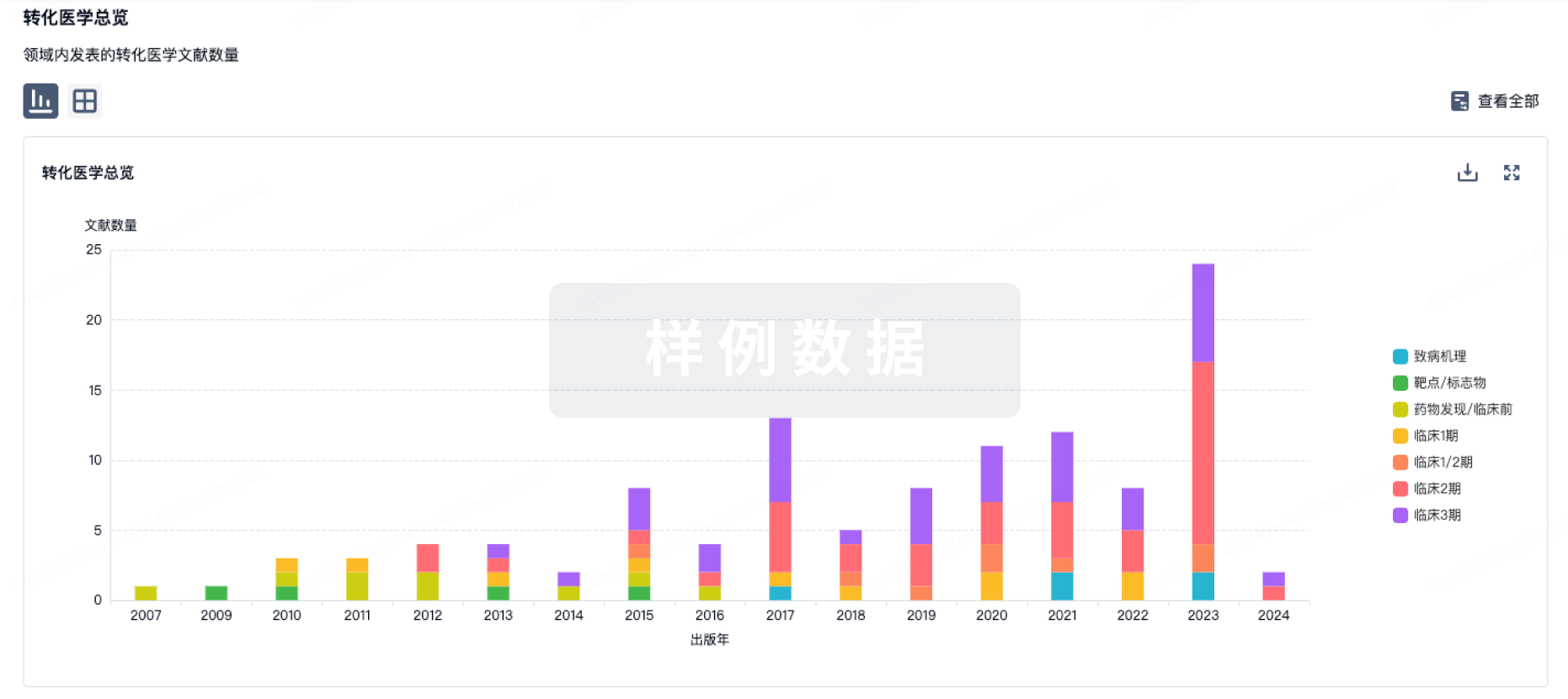
转化医学
使用我们的转化医学数据加速您的研究。
登录
或
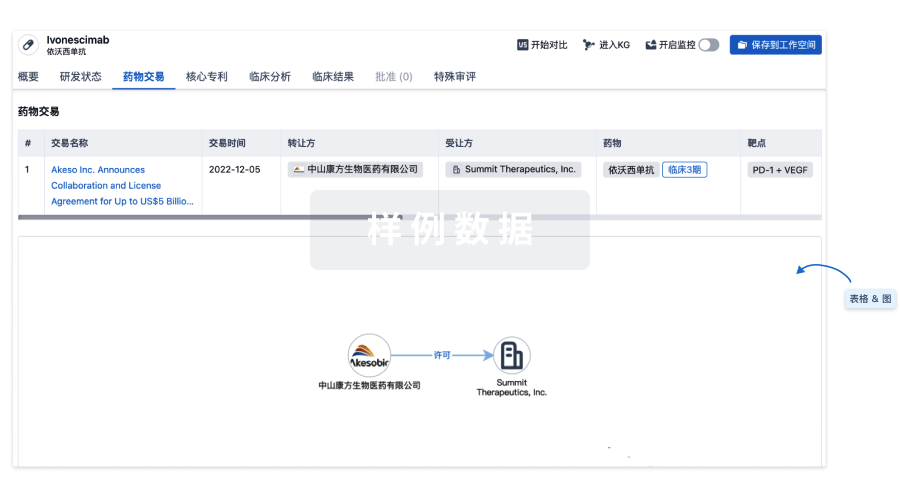
药物交易
使用我们的药物交易数据加速您的研究。
登录
或
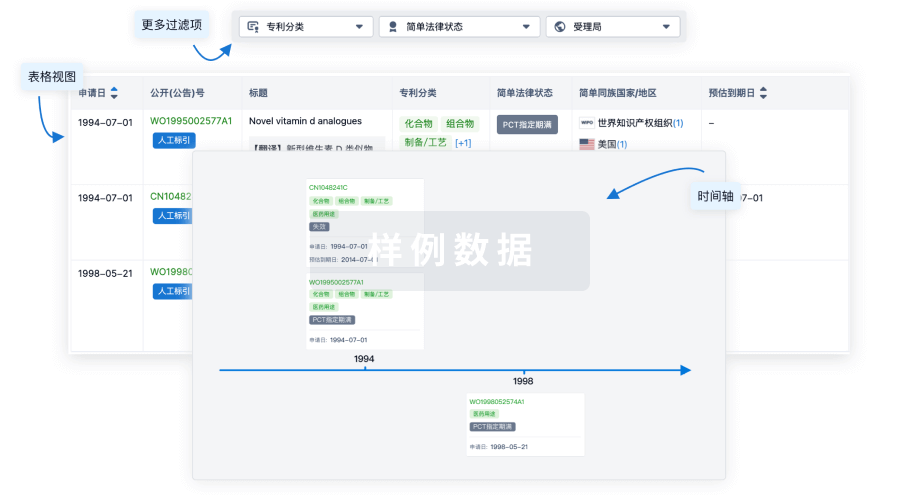
核心专利
使用我们的核心专利数据促进您的研究。
登录
或
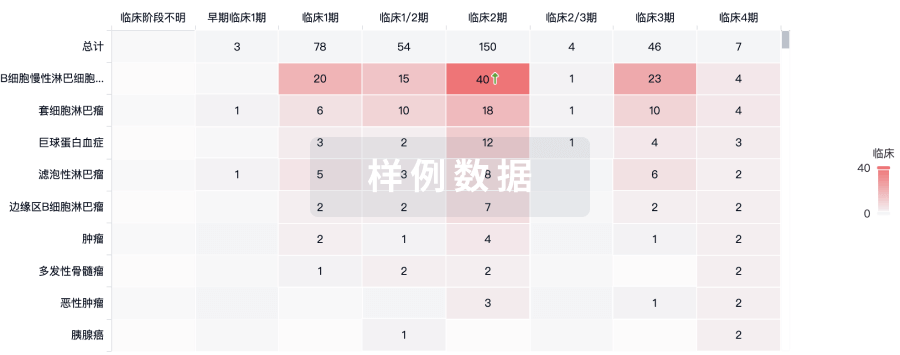
临床分析
紧跟全球注册中心的最新临床试验。
登录
或
批准
利用最新的监管批准信息加速您的研究。
登录
或
特殊审评
只需点击几下即可了解关键药物信息。
登录
或
提出任何生物医药研究问题
让每一步生物医药决策都精准制胜
基于十亿级生物数据与全球情报的精准 AI,赋能早期药物发现
立即开始免费试用!
智慧芽新药情报库是智慧芽专为生命科学人士构建的基于AI的创新药情报平台,助您全方位提升您的研发与决策效率。
立即接入生物医药数据包
智慧芽新药库数据也通过智慧芽开放平台,以MCP或API服务形式对外开放。立即使用我们的MCP服务定制您的LLM智能体。
生物序列数据库
生物药研发创新
免费使用
化学结构数据库
小分子化药研发创新
免费使用