预约演示
更新于:2025-12-09
Agmatine
更新于:2025-12-09
概要
基本信息
药物类型 化学药 |
别名- |
作用方式 激动剂、抑制剂 |
作用机制 5-HT1B receptor激动剂(5-羟色胺1B受体激动剂)、5-HT2A receptor激动剂(5-羟色胺2A受体激动剂)、nNOS抑制剂(脑型一氧化氮合酶抑制剂) |
治疗领域 |
非在研适应症- |
非在研机构- |
权益机构- |
最高研发阶段临床前 |
首次获批日期- |
最高研发阶段(中国)- |
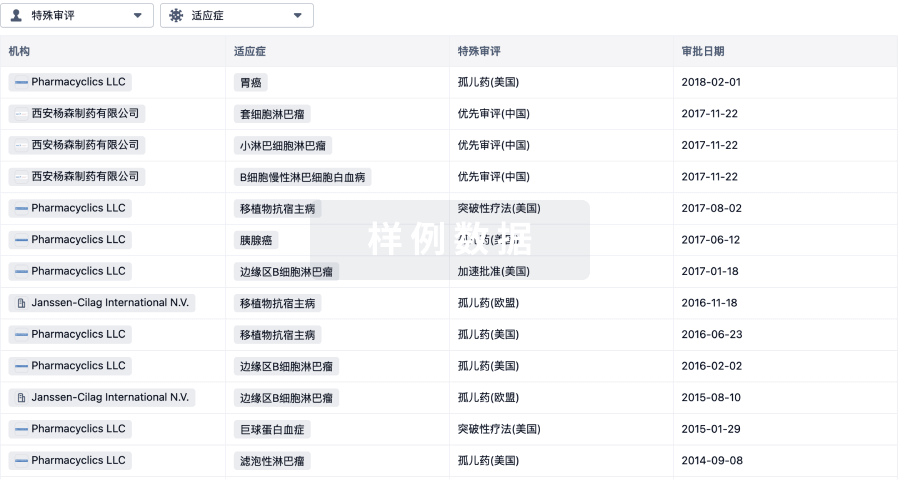
特殊审评- |

关联
3
项与 Agmatine 相关的临床试验ChiCTR2500109508
Clinical study on the effect of agmatine on anxiety and quality of life in patients with colorectal cancer
开始日期2023-10-01 |
申办/合作机构 |
ChiCTR1800019617
Effects of Agmatine on the Occurrence of Sepsis And Related Outcomes in Severe Trauma Patients
开始日期2018-12-01 |
申办/合作机构 陆军军医大学西南医院 [+1] |
ChiCTR-TRC-14005119
Effects of Agmatine on the Occurrence of Sepsis And Related Outcomes in Severe Trauma Patients
开始日期2014-08-01 |
申办/合作机构- |
100 项与 Agmatine 相关的临床结果
登录后查看更多信息
100 项与 Agmatine 相关的转化医学
登录后查看更多信息
100 项与 Agmatine 相关的专利(医药)
登录后查看更多信息
968
项与 Agmatine 相关的文献(医药)2026-02-01·Central nervous system agents in medicinal chemistry
Study of the Antidepressant Effects of the Combination of Agmatine and
Melatonin Following Restraint Stress in Mice: the Role of Oxidative
Factors
Article
作者: Naeini, Ali Jamshidi ; Hosseinzadeh, Azam ; Azimirad, Fahime ; Mehrzadi, Saeed
Objective::
Major Depressive Disorder (MDD) is a psychiatric disorder that has a tight
connection to stressful experiences, decreased levels of endogenous antioxidants and enhanced levels
of oxidative stress. We drafted this research to define the results of combining agmatine and
melatonin on stress-induced depression in mice.
Methods::
Experimental groups included the non-stressed group treated with vehicle (ethanol at a
concentration of 0.0005%), stressed vehicle (ethanol at a concentration of 0.0005%)-treated group,
group treated with fluoxetine (10 mg/kg/day), group treated with melatonin (10 mg/kg/day), group
treated with agmatine (1 mg/kg/day), group receiving a combination of melatonin (10 mg/kg/day)
and agmatine (1 mg/kg/day). The animals were subjected to restraint stress for two hours daily for
a duration of one week, concurrently with the daily oral administration of agents through drinking
water. Open field test and forced swimming test were operated on the 8th day. The oxidative stress
markers were measured in the mice hippocampus.
Results::
Stress led to the elevation of immobility time. The combination group showed a significant
effect in comparison to the agmatine and melatonin groups. The combination of melatonin and
agmatine was successful in the elevation of hippocampus catalase activity; and this effect was
comparable in the fluoxetine group. We observed enhancement of superoxide dismutase activity in
treatment groups and reduction in malondialdehyde levels in melatonin, agmatine and combination
groups.
Conclusion::
A combination of agmatine and melatonin improves stress-induced depression more
effectively than each alone, which may result from suppressing oxidative stress.
2025-11-01·Journal of Pediatric Nursing-Nursing Care of Children & Families
The role of dopamine, acetylcholine, GABA, beta endorphin, and agmatine in the pathophysiology of delirium in children
Article
作者: Erkan, Revşa Evin Canpolat ; Turan, Engin ; Tahiroğlu, Veysel ; Çolak, Berat
BACKGROUND AND PURPOSE:
Delirium is a neuropsychiatric disorder that impairs cerebral functions. This study was conducted to determine the blood levels of Dopamine, Acetylcholine, GABA, Beta Endorphin, and Agmatine, which may be associated with delirium in children, and to determine the relationship of these molecules with delirium syndrome and each other.
MATERIALS AND METHODS:
In a prospective, cohort designed study, a scale was used to determine delirium, and blood values were determined by the ELISA method. The scale was applied by two observers. Blood analyses were performed on 88 patients, 43 in the experimental group and 45 in the control group.
RESULTS:
It was determined that the mean age of the children included in the study was 7.85 ± 4.22 years and 51.13 % were females. The delirium scores of the patients in the experimental group were higher than those who did not develop delirium (27.34-5.46), and 58.15 % of the experimental group were females. The median values of the serum levels of Acetylcholine and GABA molecules in the patients in the experimental group were found to be statistically lower compared to the control group. It was determined that the Agmatine and Beta Endorphin serum levels were lower in the experimental group and Dopamine was higher, albeit insignificantly.
CONCLUSION AND PRACTICAL IMPLICATIONS:
It was found that delirium was more common in females hospitalized in the pediatric intensive care unit and that serum levels of Acetylcholine and GABA molecules were low in children who developed delirium.
2025-11-01·NEUROSCIENCE
Agmatine attenuates ethanol withdrawal induced audiogenic seizures in rats
Article
作者: Kopalli, Spandana Rajendra ; Umekar, Milind ; Rahangdale, Sandip ; Koppula, Sushruta ; Taksande, Brijesh ; Nalkande, Sakshi ; Wankhede, Nitu ; Aglawe, Manish ; Kale, Mayur ; Kotagale, Nandakishor ; Chandurkar, Pranali
Agmatine signalling plays a pivotal role in the endogenous response to mitigate seizures and associated neurodegeneration. Rats were exposed to varying ethanol concentrations (20 % w/v) for 7 days followed by abrupt withdrawal, coupled with high-frequency sound exposure (92-100 dB, 90 s) to induce audiogenic seizures which are characterized by wild running, myoclonic jerks, and tonic-clonic episodes. Notably, alterations in GABA, glutamate, and pro-inflammatory cytokines were observed in the brain of ethanol-withdrawn rats. The study demonstrated that agmatine administration (40 & 80 mg/kg, i.p.) and other agmatinergic agents such as L-arginine (100 mg/kg, i.p.), aminoguanidine (50 mg/kg, i.p.), and arcaine (25 mg/kg, i.p.) significantly attenuated ethanol withdrawal-induced seizure scores. Furthermore, agmatine and its endogenous modulators effectively lowered increased pro-inflammatory cytokine levels in ethanol-withdrawn rats. Additionally, agmatine was found to decrease elevated glutamate levels and increase GABA levels in ethanol-withdrawn rats. These results emphasize the possible therapeutic usefulness of agmatine as a targeted biological intervention for alcohol withdrawal-induced seizures in rats. By elucidating the intricate molecular mechanisms underlying the induction of seizures during ethanol withdrawal and demonstrating the effectiveness of agmatine in mitigating these seizures, this study contributes to the understanding of neurobiological responses to ethanol withdrawal and suggests novel avenues for therapeutic intervention.
2
项与 Agmatine 相关的新闻(医药)2025-12-05
A next-generation drug tested in yeast was found to extend lifespan and slow aging by influencing a major growth-control pathway. Researchers also uncovered an unexpected role for agmatinases, enzymes that help keep this pathway in balance. Diet and gut microbes may affect aging more than expected because they produce the metabolites involved.Researchers at Queen Mary University of London's School of Biological and Behavioural Sciences have demonstrated that the experimental TOR inhibitor rapalink-1 can extend the chronological lifespan of fission yeast, a simple organism widely used to explore basic biological processes.
A study published in Communications Biology by Juhi Kumar, Kristal Ng and Charalampos Rallis reports that both pharmaceuticals and naturally occurring metabolites can influence lifespan through the Target of Rapamycin (TOR) pathway.
TOR Pathway's Central Role in Growth and Aging
The TOR pathway is an evolutionarily conserved signalling system found in organisms ranging from yeast to humans. It plays a vital part in regulating growth and aging and is closely linked to major age-related conditions, including cancer and neurodegenerative diseases. Because of its broad influence, TOR has become a major target in anti-aging and cancer research, with drugs such as rapamycin already showing an ability to extend healthy lifespan in several animal models.
Rapalink-1, the compound examined in the investigation, is a next-generation TOR inhibitor currently being studied for potential use in cancer therapy. The research team found that rapalink-1 slowed certain aspects of yeast cell growth while also extending their lifespan. The effect appears to operate through TORC1 -- the growth-promoting component of the TOR pathway.
Discovery of a Metabolic Feedback Loop Involving Agmatinases
The study unexpectedly identified a significant role for a group of enzymes known as agmatinases, which convert the metabolite agmatine into polyamines. These enzymes appear to participate in a previously unrecognized "metabolic feedback loop" that helps maintain balanced TOR activity. When agmatinase activity was disrupted, yeast cells grew more quickly but showed signs of premature aging, revealing a trade-off between rapid growth and long-term cell survival.
The team also found that adding agmatine or putrescine (a related compound) supported longevity in yeast and improved growth under specific conditions.
"By showing that agmatinases are essential for healthy aging, we've uncovered a new layer of metabolic control over TOR -- one that may be conserved in humans," said Dr. Rallis. "Because agmatine is produced by diet and gut microbes, this work may help explain how nutrition and the microbiome influence aging."
Caution Around Agmatine Supplementation
Rallis noted that agmatine supplements are available commercially but emphasized caution: "We should be cautious about consuming agmatine for growth or longevity purposes. Our data indicate the agmatine supplementation can be beneficial for growth only when certain metabolic pathways related to arginine breakdown are intact. In addition, agmatine does not always promote beneficial effects as it can contribute to certain pathologies."
These findings highlight important connections between TOR signalling, metabolism and longevity. The results may help guide future strategies that pair TOR-targeting drugs with dietary or microbiome-based approaches in the study of healthy aging, cancer biology and metabolic disease.
2025-11-04
Scientists at Mizzou have identified two small molecules, agmatine and thiamine, that could both reveal and fight glaucoma. Their research shows these compounds are lower in glaucoma patients, suggesting they may serve as early warning markers. Even better, they might help protect retinal cells from damage, potentially slowing or stopping vision loss. The discovery could revolutionize how the disease is detected and treated.
A research team at the University of Missouri has made a discovery that could transform how glaucoma is detected and treated. Glaucoma, a major cause of irreversible blindness in older adults, often goes undiagnosed until significant vision loss has already occurred. Scientists are now closer to identifying a biomarker that may allow doctors to detect the disease much earlier and develop new ways to protect the eye.
Glaucoma occurs when retinal ganglion cells (RGCs) and their axons become damaged. These delicate nerve cells, located at the back of the eye, carry visual information to the brain. Once they deteriorate, vision loss begins. Current therapies mainly reduce pressure inside the eye, but none effectively protect RGCs from harm. This gap in treatment highlights the urgent need for neuroprotective strategies that can preserve these critical nerve cells.
Searching for Biomarkers and Protective Treatments
Pawan Singh, a researcher at Mizzou's School of Medicine, is dedicated to finding both biomarkers that reveal glaucoma early and therapies that safeguard the optic nerve. His team recently discovered that glaucoma patients have lower levels of two naturally occurring molecules, agmatine and thiamine, in the clear fluid at the front of the eye compared with individuals without the disease. These small molecules, known as metabolites, may serve as early indicators that can be detected through testing.
"In several cases, people do not find out they have glaucoma until they are older and their eye pressure is elevated," Singh explained. "Our long-term goal is to see if doctors could one day do a simple blood test to check for these biomarkers. If they can, hopefully they will be able to catch the disease much earlier, before vision loss occurs, so patients can receive treatment sooner."
Promising Clues for Future Treatments
Beyond diagnosis, the discovery offers hope for new therapies. Singh's pre-clinical research suggests that agmatine and thiamine may help protect RGCs and maintain visual function, offering neuroprotective potential. These molecules could eventually be developed into treatments, possibly in the form of eye drops or supplements, that slow or prevent vision loss from glaucoma.
"Mizzou's impressive research infrastructure and our collaborative team help make this research possible," Singh said. "While more work needs to be done, the eye doctors I have spoken to here at Mizzou are very excited about this research, so I am proud and hopeful for the future."
The findings were published in Investigative Ophthalmology and Visual Science under the title "Metabolomic profiling of aqueous humor from glaucoma patients identifies metabolites with anti-inflammatory and neuroprotective potential in mice."
100 项与 Agmatine 相关的药物交易
登录后查看更多信息
研发状态
10 条进展最快的记录, 后查看更多信息
登录
| 适应症 | 最高研发状态 | 国家/地区 | 公司 | 日期 |
|---|---|---|---|---|
| 癫痫 | 临床前 | 印度 | 2025-10-01 | |
| 抑郁症 | 临床前 | 斯洛伐克 | 2025-03-27 |
登录后查看更多信息
临床结果
临床结果
适应症
分期
评价
查看全部结果
| 研究 | 分期 | 人群特征 | 评价人数 | 分组 | 结果 | 评价 | 发布日期 |
|---|
No Data | |||||||
登录后查看更多信息
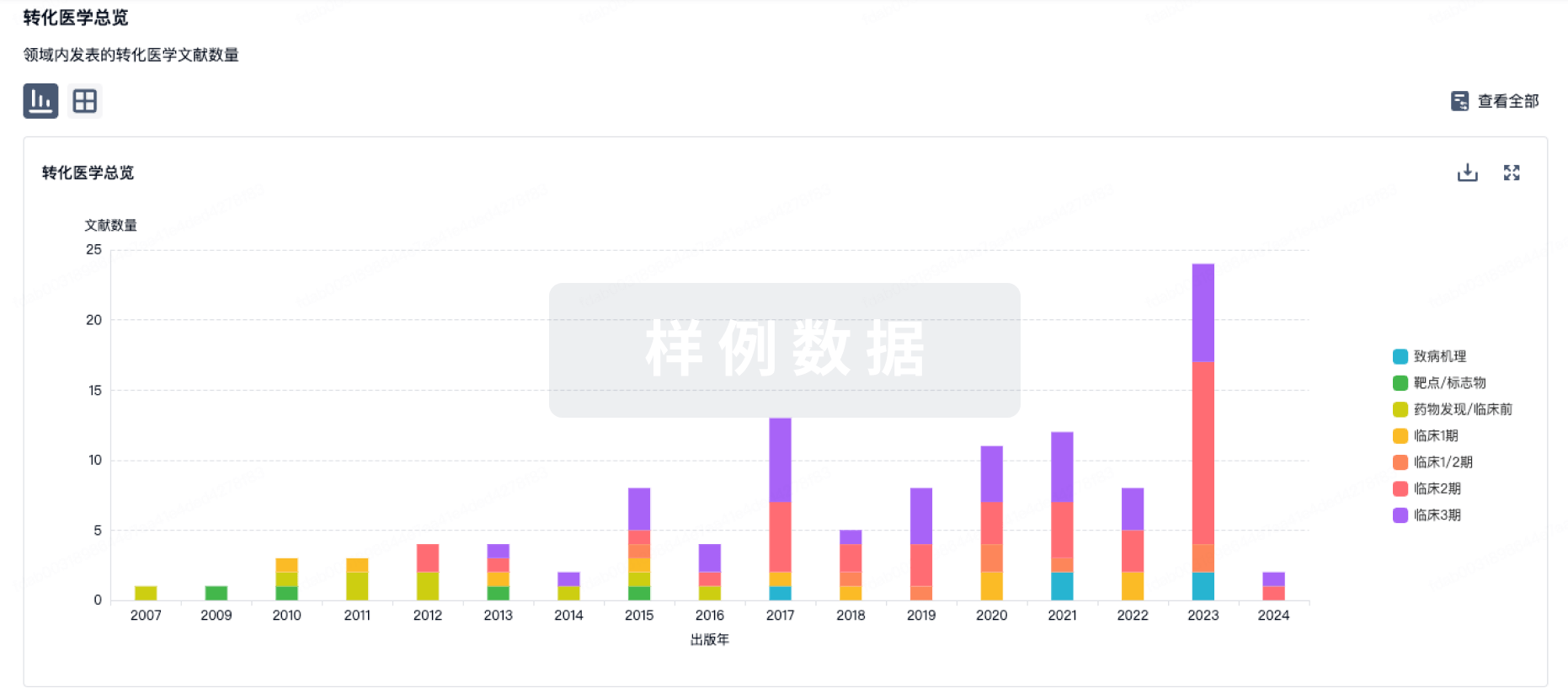
转化医学
使用我们的转化医学数据加速您的研究。
登录
或
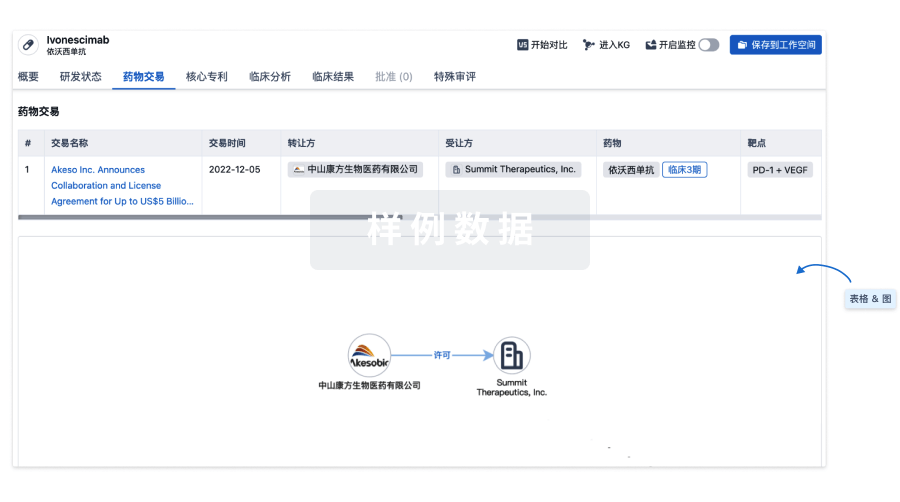
药物交易
使用我们的药物交易数据加速您的研究。
登录
或
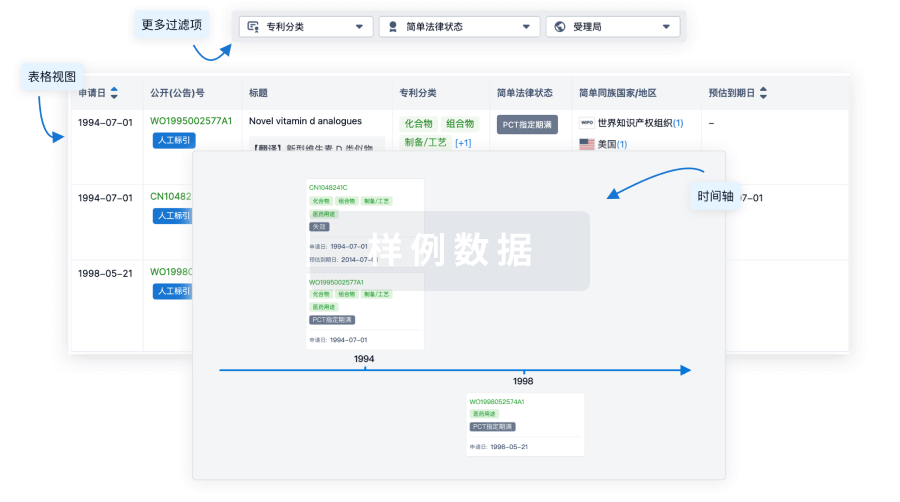
核心专利
使用我们的核心专利数据促进您的研究。
登录
或
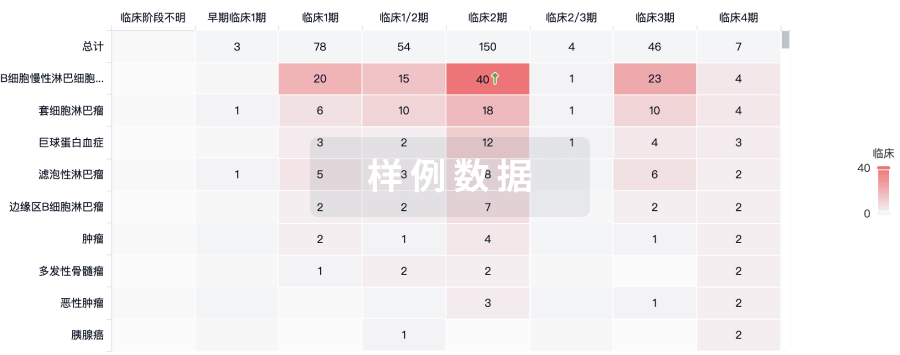
临床分析
紧跟全球注册中心的最新临床试验。
登录
或
批准
利用最新的监管批准信息加速您的研究。
登录
或
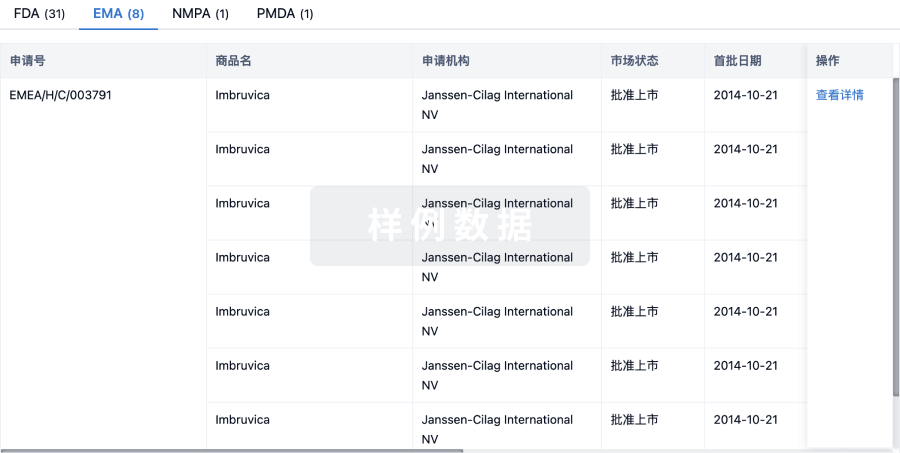
特殊审评
只需点击几下即可了解关键药物信息。
登录
或
提出任何生物医药研究问题
让每一步生物医药决策都精准制胜
基于十亿级生物数据与全球情报的精准 AI,赋能早期药物发现
立即开始免费试用!
智慧芽新药情报库是智慧芽专为生命科学人士构建的基于AI的创新药情报平台,助您全方位提升您的研发与决策效率。
立即接入生物医药数据包
智慧芽新药库数据也通过智慧芽开放平台,以MCP或API服务形式对外开放。立即使用我们的MCP服务定制您的LLM智能体。
生物序列数据库
生物药研发创新
免费使用
化学结构数据库
小分子化药研发创新
免费使用