预约演示
更新于:2025-09-20

Slovak Academy of Sciences
更新于:2025-09-20
概览
标签
神经系统疾病
肿瘤
消化系统疾病
小分子化药
单克隆抗体
疾病领域得分
一眼洞穿机构专注的疾病领域

技术平台
公司药物应用最多的技术
靶点
公司最常开发的靶点
关联
靶点 |
作用机制 |
在研机构 |
原研机构 |
在研适应症 |
非在研适应症 |
最高研发阶段 |
首次获批国家/地区 |
首次获批日期 |


靶点 |
作用机制 |
在研机构 |
原研机构 |
在研适应症 |
非在研适应症 |
最高研发阶段 |
首次获批国家/地区 |
首次获批日期 |
靶点 |
作用机制 |
在研机构 |
原研机构 |
在研适应症 |
非在研适应症 |
最高研发阶段 |
首次获批国家/地区 |
首次获批日期 |
NCT06983431
DIGITALIZATION OF PERSONALISED HEALTH RISK MANAGEMENT IN AT-RISK GROUPS TO IMPROVE HEALTH OUTCOMES THROUGH INTEGRATION OF TECHNOLOGICAL AND SOCIAL INNOVATION
NCT06954298
Metabolic Dysregulation as the Underlying Principle of Integrated Pathophysiology of Obesity-associated Chronic Diseases: Molecular Landscape of Complex Lifestyle Modification
NCT07042087
Lifestyle for the BRAin Health - Time Restricted Eating and Mindfulness
100 项与 Slovak Academy of Sciences 相关的临床结果
登录后查看更多信息
登录后查看更多信息
2026-01-01COGNITION
The impact of distractor processing on semantic memory retrieval: The role of interference-by-process and inhibition
Article
作者: Marko, Martin ; Zelenayová, Veronika ; Riečanský, Igor ; Kubinec, Adam
The retrieval of concepts from semantic memory is fundamental to higher-order cognitive functions and complex behaviors. Despite its vulnerability to disruption-particularly from irrelevant auditory stimuli with semantic content-the mechanisms through which such distractors hinder coherent semantic processing and retrieval remain poorly understood. To address this issue, we conducted four experiments using a novel retrieval interference paradigm, manipulating both the demands on semantic search and retrieval (automatic-associative vs. controlled-dissociative) and the type of distractor (acoustic-meaningless vs. semantic-meaningful, prepotent or remote). Our results show that meaningful distractors significantly disrupt semantic memory retrieval, especially under controlled retrieval demands, while acoustic distractors have minimal impact. Through examining task difficulty, interference habituation, and working memory capacity, we provide converging evidence that the disruption was primarily driven by an interference-by-process mechanism, wherein incidental distractor processing evokes task-irrelevant activation within the semantic network. Moreover, interference was stronger when distractors were semantically close to the retrieval cue, indicating that difficulty in suppressing prepotent, cue-related activations contributes to retrieval disruption. Based on these findings, we propose an activation-suppression framework, whereby semantic interference arises from the interplay between automatic spreading activation and the need for inhibitory control to suppress task-incongruent conceptual activations. These results refine our understanding of the mechanisms underlying semantic retrieval and highlight the putative role of cognitive control in managing semantic distraction.
2025-12-31OncoImmunology
CyTOF profiling of bone marrow immune dynamics across myeloma stages
Article
作者: Klucar, Lubos ; Anderson, Kenneth C ; Valuskova, Zuzana ; Leiba, Merav ; Cholujova, Dana ; Drgona, Lubos ; Beke, Gabor ; Dorfman, David M ; Jakubikova, Jana ; Kastritis, Efstathios
Multiple myeloma (MM) orchestrates a profound disruption of immune balance within the bone marrow (BM) microenvironment, driving disease progression and therapeutic resistance. To better understand these complex immune dynamics, we used high-dimensional mass cytometry (CyTOF) profiling to comprehensively characterize the immune landscape of the BM across different stages of myeloma progression, including MGUS (n = 16), smoldering MM (SMM; n = 25), and active MM, both newly diagnosed (n = 43) and relapsed/refractory (n = 104). Our analysis revealed substantial immune remodeling during disease progression, characterized by adaptive immune suppression and extensive infiltration of innate immune populations. Transformation from MGUS to SMM was marked by significant alterations in central and effector memory T helper cells, effector cytotoxic T cells, and an enrichment of monocytic and neutrophil subsets. Active MM stages were further distinguished by increased expansion of myeloid and monocytic lineages, alongside a pronounced reduction in progenitor and transitional B cells. Correspondence analysis demonstrated that specific immune profiles were significantly associated with clinical outcomes, including progression-free survival and overall survival. This study highlights the potential of CyTOF-based molecular profiling to unravel the intricate immune dynamics of the BM microenvironment across MM disease stages, enhancing our understanding of MM pathogenesis and providing a foundation for identifying prognostic biomarkers and tailoring precision immunotherapeutic strategies.
2025-12-31International Journal of Qualitative Studies on Health and Well-Being
“The doctors and nurses looked like aliens’: a qualitative study on the subjective hospitalization experiences of severe COVID-19 patients in Slovakia“
Article
作者: Tencerová, Jana ; Uhrecký, Branislav ; Halama, Peter
Due to the need to hospitalize a large number of patients during the COVID-19 pandemic, the psychological conditions of hospitalized patients were often overlooked. This study focuses on the qualitative analysis of the subjective experiences of patients with a severe COVID-19 disease in Slovakia during hospitalization. A total of 27 Slovak participants (11 men and 16 women, mean age 57.10 years) who were hospitalized with severe COVID-19 disease were interviewed about their subjective experiences during hospitalization. The data was analysed using thematic analysis. The main themes included negative emotions such as distress, discomfort with the illness, discomfort with the medical environment and helplessness. The main sources of distress were the sense of isolation, witnessing the death of another patient, own death concerns, and concerns for others. Sources and strategies used by patients to improve their mental state included interpersonal resources such as contact with relatives and friends, instrumental support from them, mutual help among patients and professional psychological support. Interpersonal resources included optimism, hope, religion and spirituality, recollection of significant others, and reconciliation with the possibility of death. The results have implications for medical staff as they help them to understand the psychological state of COVID-19 patients during hospitalization and can inform psychological interventions to improve hospital care for these patients.
2025-04-24

100 项与 Slovak Academy of Sciences 相关的药物交易
登录后查看更多信息
100 项与 Slovak Academy of Sciences 相关的转化医学
登录后查看更多信息
组织架构
使用我们的机构树数据加速您的研究。
登录
或
管线布局
2026年02月08日管线快照
管线布局中药物为当前组织机构及其子机构作为药物机构进行统计,早期临床1期并入临床1期,临床1/2期并入临床2期,临床2/3期并入临床3期
临床前
4
1
其他
登录后查看更多信息
当前项目
登录后查看更多信息
药物交易
使用我们的药物交易数据加速您的研究。
登录
或
转化医学
使用我们的转化医学数据加速您的研究。
登录
或
营收
使用 Synapse 探索超过 36 万个组织的财务状况。
登录
或
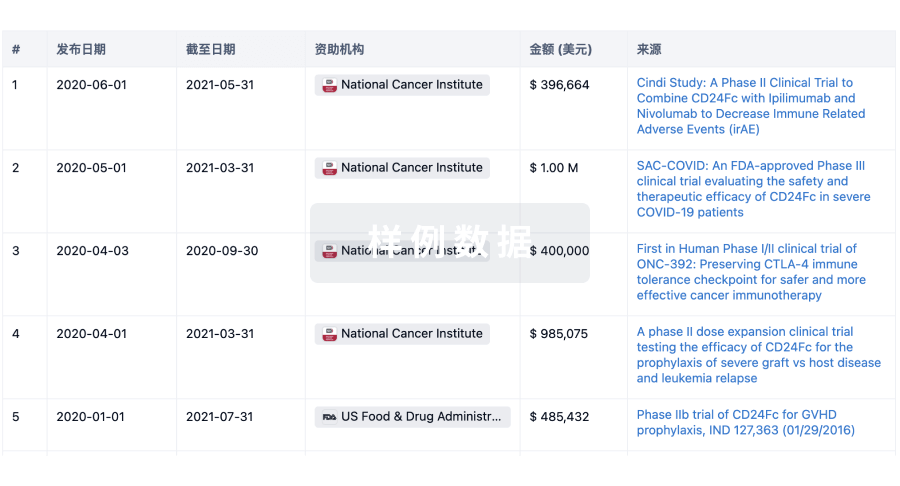
科研基金(NIH)
访问超过 200 万项资助和基金信息,以提升您的研究之旅。
登录
或
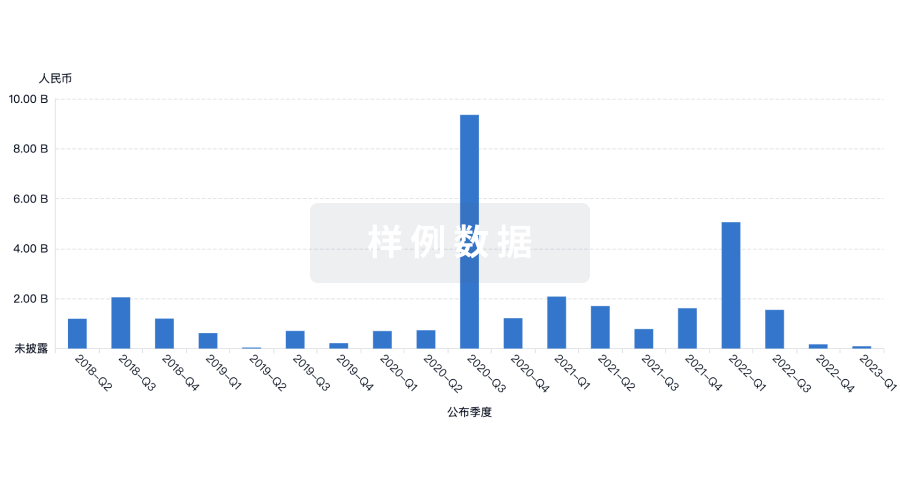
投资
深入了解从初创企业到成熟企业的最新公司投资动态。
登录
或
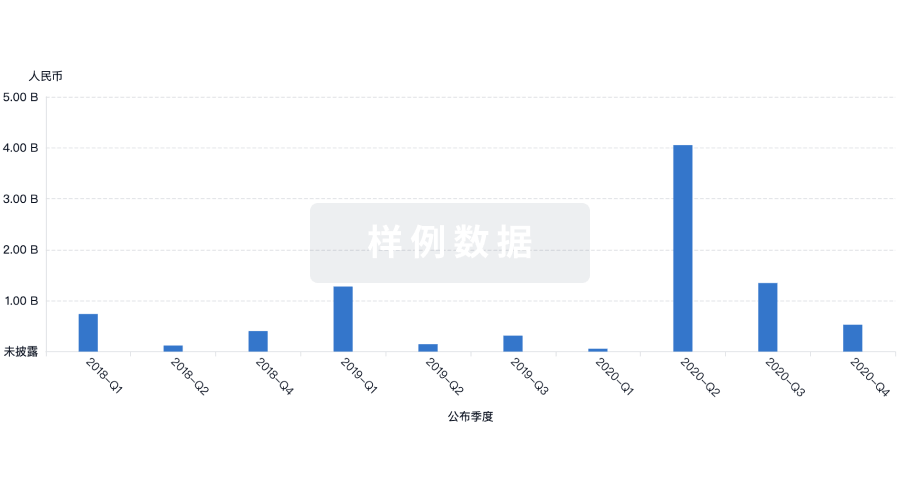
融资
发掘融资趋势以验证和推进您的投资机会。
登录
或
生物医药百科问答
全新生物医药AI Agent 覆盖科研全链路,让突破性发现快人一步
立即开始免费试用!
智慧芽新药情报库是智慧芽专为生命科学人士构建的基于AI的创新药情报平台,助您全方位提升您的研发与决策效率。
立即开始数据试用!
智慧芽新药库数据也通过智慧芽数据服务平台,以API或者数据包形式对外开放,助您更加充分利用智慧芽新药情报信息。
生物序列数据库
生物药研发创新
免费使用
化学结构数据库
小分子化药研发创新
免费使用