预约演示
更新于:2026-09-05
Leu-Leu-Phe
更新于:2026-09-05
概要
基本信息

关联
100 项与 Leu-Leu-Phe 相关的临床结果
登录后查看更多信息
100 项与 Leu-Leu-Phe 相关的转化医学
登录后查看更多信息
100 项与 Leu-Leu-Phe 相关的专利(医药)
登录后查看更多信息
89
项与 Leu-Leu-Phe 相关的文献(医药)2026-08-01·JOURNAL OF ETHNOPHARMACOLOGY
Attenuation of acute lung injury by Lonicerae Japonicae Flos extracts is associated with the rebalancing of Th1/Th2/Th17/Treg cells in lungs and colons
Article
作者: Ai, Xiaopeng ; Li, Shengmao ; Zhao, Qing ; Yu, Kaile ; Han, Bin ; Wang, Jing ; Zhang, Shuwan ; Zhao, Jia ; Peng, Qiang ; Yang, Ming
ETHNOPHARMACOLOGICAL RELEVANCE:
Lonicerae Japonicae Flos (LF), a traditional Chinese medicine sourced from the dried flower buds or the newly-unfurled blossoms of Lonicera japonica Thunb., is widely used to manage diverse respiratory conditions. Current pharmacological studies have revealed its anti-inflammatory actions in cases of acute lung injury (ALI). However, the underlying mechanisms accountable for this action are yet to be exhaustively explicated in the view of gut-lung axis.
AIM OF THE STUDY:
To delve into the potential mechanism of LF in treating ALI through the regulation of CD4+ T cells (Th1/Th2/Th17/Treg) in the lungs and colons.
MATERIALS AND METHODS:
Male ICR mice were utilized to establish an ALI model via intraperitoneal instillation of 10 mg/kg lipopolysaccharide (LPS). The LF extracts at low-, medium-, and high-doses (LLF, MLF and HLF) were administered for treatment, with dexamethasone (DEX) serving as the positive control. Lung weight and lung index were calculated after 24 h of LPS induction. Histopathologic analysis of the lungs and colons was conducted based on their hematoxylin and eosin (HE)-stained tissue sections. T cell proportions were measured using flow cytometry. qRT-PCR analysis was used to assess the relative mRNA expression of genes. Protein expression was detected using western blot, immunohistochemistry, and immunofluorescence.
RESULTS:
LF extracts and DEX reduced the lung weight/index, the lung tissue damage and inflammation scores, as well as the expression of pro-inflammatory cytokines (TNF-α, IL-1β, and IL-6) in the ALI mice. Additionally, LF extracts and DEX inhibited the colon tissue damage and the expression of pro-inflammatory cytokines, while increasing the expression of epithelial tight-junctional proteins (ZO-1 and occludin). Importantly, LF extracts effectively regulated the typical cytokines expression of Th1/Th2/Th17/Treg cells, and restored the balance of Th1/Th2 and Th17/Treg cells, thereby alleviating tissue inflammation in both the lungs and colons of the ALI mice. The therapeutic effects of LF extracts were associated with the regulation of gene and protein expression of Th1/Th2/Th17/Treg-type transcription factors. Specifically, at the protein level, LF extracts significantly suppressed the expression of T-bet and RORγT (Th1-/Th17-related transcription factors), while increased the expression of GATA3 and Foxp3 (Th2-/Treg-related transcription factors) in the lungs and colons. Furthermore, LF extracts inhibited the activation of CCR6/CCL20 signaling pathway in the lungs and colons.
CONCLUSIONS:
The attenuating effect of LF extracts on LPS-induced ALI is associated with the rebalancing of Th1/Th2/Th17/Treg cells in both the lungs and colons.
2026-06-10·JOURNAL OF AGRICULTURAL AND FOOD CHEMISTRY
Deep Learning-Enhanced Generation and Screening of Antihyperuricemic Peptides from Chickpea Proteins: from Multienzyme Optimization to Molecular Mechanisms
Article
作者: Liu, Wei ; Jiang, Shuai ; Hu, Yang ; Zhang, Liling ; Jiang, Ling ; Zhang, Zihan ; Yu, Xiao
Food-derived bioactive peptides have emerged as promising functional ingredients for hyperuricemia management. However, multienzyme hydrolysis strategies remain underexplored because of inefficient screening methods. Herein, a large language model (LLM)-guided strategy integrating deep learning-assisted enzyme selection with experimental validation was developed to generate antihyperuricemic peptides from chickpea proteins. The optimal enzyme combination (Flavourzyme-Pepsin-Pancreatin) produced a hydrolysate (MGI) with strong xanthine oxidase (XO) inhibitory activity (94.1% at 10 mg/mL), outperforming single-enzyme treatments. MGI retained 91.5% activity after simulated digestion and significantly reduced intracellular uric acid, oxidative stress, and inflammation in HK-2 cells. Molecular docking identified four tripeptides (LLF, GFM, FSF, and SWL) with favorable binding to XO through hydrogen bonding and hydrophobic interactions. This study provides a practical strategy for enhancing peptide bioactivity and supports the development of chickpea-derived peptides for hyperuricemia management.
2026-02-01·INTERNATIONAL JOURNAL OF BIOLOGICAL MACROMOLECULES
Lotus leaf flavonoid-loaded zein/chitosan composite films for controlled-release active food packaging
Article
作者: Huang, Wen ; Ma, Zhili ; Gao, Xinrui ; Wu, Huiqing ; Zhang, Dexin
Lotus leaf flavonoids (LLF), derived from an abundant agricultural byproduct, were incorporated into zein/chitosan (ZC) matrices to fabricate multifunctional edible films with controlled-release properties for active food packaging applications. LLF-ZC composite films containing different flavonoid loadings (0.1-0.3%, w/v) were prepared and systematically evaluated in terms of physicochemical, mechanical, thermal, structural, and bioactive properties. The incorporation of LLF significantly increased film thickness, density, tensile strength, and thermal stability, while maintaining low water vapor and gas permeability. Structural characterization by SEM, ATR-FTIR, and XRD confirmed good compatibility between LLF and the ZC matrix, mainly attributed to hydrogen bonding and hydrophobic interactions. LLF addition markedly enhanced the antioxidant and antibacterial performance of the films, with DPPH and ABTS radical scavenging activities exceeding 90% at higher LLF contents and concentration-dependent inhibition against Escherichia coli and Staphylococcus aureus. Among the tested formulations, the 0.2% LLF-ZC film exhibited the most balanced overall performance in terms of mechanical strength, barrier properties, and bioactivity. The release behavior of LLF was strongly influenced by the polarity of food simulants, with the highest cumulative release observed in 50% ethanol, followed by water and 95% ethanol. Kinetic analysis indicated that the release profiles were best described by the Peppas-Sahlin and Ritger-Peppas models, demonstrating that Fickian diffusion was the dominant release mechanism. Overall, these results highlight the potential of LLF-ZC films as sustainable active packaging materials, particularly for semi-fatty food systems.
100 项与 Leu-Leu-Phe 相关的药物交易
登录后查看更多信息
研发状态
10 条进展最快的记录, 后查看更多信息
登录
| 适应症 | 最高研发状态 | 国家/地区 | 公司 | 日期 |
|---|---|---|---|---|
| 高血压 | 临床前 | 中国 | 2025-09-01 |
登录后查看更多信息
临床结果
临床结果
适应症
分期
评价
查看全部结果
| 研究 | 分期 | 人群特征 | 评价人数 | 分组 | 结果 | 评价 | 发布日期 |
|---|
No Data | |||||||
登录后查看更多信息
转化医学
使用我们的转化医学数据加速您的研究。
登录
或

药物交易
使用我们的药物交易数据加速您的研究。
登录
或

核心专利
使用我们的核心专利数据促进您的研究。
登录
或

临床分析
紧跟全球注册中心的最新临床试验。
登录
或

批准
利用最新的监管批准信息加速您的研究。
登录
或

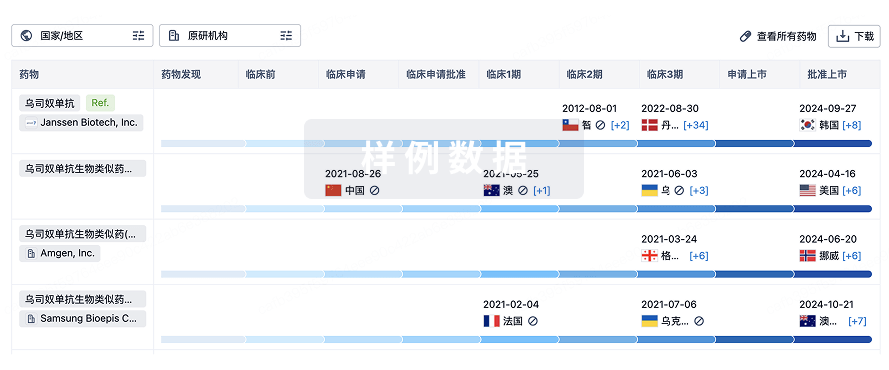
生物类似药
生物类似药在不同国家/地区的竞争态势。请注意临床1/2期并入临床2期,临床2/3期并入临床3期
登录
或
特殊审评
只需点击几下即可了解关键药物信息。
登录
或

提出任何生物医药研究问题
让每一步生物医药决策都精准制胜
基于十亿级生物数据与全球情报的精准 AI,赋能早期药物发现
立即开始免费试用!
智慧芽新药情报库是智慧芽专为生命科学人士构建的基于AI的创新药情报平台,助您全方位提升您的研发与决策效率。
立即接入生物医药数据包
智慧芽新药库数据也通过智慧芽开放平台,以MCP或API服务形式对外开放。立即使用我们的MCP服务定制您的LLM智能体。
生物序列数据库
生物药研发创新
免费使用
化学结构数据库
小分子化药研发创新
免费使用