预约演示
更新于:2026-01-31
17-i
更新于:2026-01-31
概要
基本信息

结构/序列
分子式C19H19F2N3OS |
InChIKeyBPRUTWSXZJFFDR-UHFFFAOYSA-N |
CAS号2955574-79-3 |
关联
100 项与 17-i 相关的临床结果
登录后查看更多信息
100 项与 17-i 相关的转化医学
登录后查看更多信息
100 项与 17-i 相关的专利(医药)
登录后查看更多信息
14
项与 17-i 相关的文献(医药)2025-11-27·JOURNAL OF MEDICINAL CHEMISTRY
Multisite Occupancy and Multidimensional Optimization: Design and Evaluation of Piperazine-Thioureidobenzamide Derivatives as Potent HBV Capsid Assembly Modulators
Article
作者: Guan, Lindan ; Wang, Yan ; Xue, Peng ; Zhang, Jian ; Cai, Yuqing ; Zhang, Lei ; Li, Aixin ; Yang, Zechun ; Mao, Yiyan ; Wu, Zhuanchang ; Liu, Xinyong ; Liang, Minghui ; Zhan, Peng ; Dou, Yutong ; Wang, Mei ; Liu, Yuanyuan ; Jia, Haiyong
Hepatitis B virus (HBV) capsid assembly modulators are a promising class of agents for chronic HBV infection. Thioureidobenzamide compound 17i exhibits potent anti-HBV activity but suffers from poor water solubility, high cytotoxicity, and limited drug-like properties. Herein, we report the design of piperazine-thioureidobenzamide derivatives via multisite occupancy and multidimensional optimization strategies. The representative compound 35a exhibited potent anti-HBV activity and low cytotoxicity in HepAD38 cells (EC50 = 0.020 μM, CC50 > 100 μM) and HLCZ01 cells (EC50 = 0.024 μM, CC50 > 100 μM). Molecular dynamics simulations revealed that 35a retained critical hydrogen bonds with Trp-102, Thr-128, and Leu-140, while forming new hydrogen bonds with Ser-106, Thr-142, and Asn-136. Multidimensional optimization endowed 35a with improved solubility, ideal LogP and high plasma stability. In HBV carrier mouse models, 35a inhibited viral replication more effectively than 17i, highlighting its potential as a promising candidate drug for further development.
2025-10-01·ARCHIV DER PHARMAZIE
Innovative Pyrazole–Thiazole–Oxadiazole Hybrid Compounds for Targeted EGFR/VEGFR2 Inhibition in Cancer Treatment
Article
作者: Osmaniye, Derya ; Kuzu, Burak ; Özkay, Yusuf ; Karaduman, Abdullah Burak
ABSTRACT:
A new series of pyrazole–thiazole–oxadiazole hybrid compounds targeting the EGFR and VEGFR2 enzymes was designed and synthesized using innovative approaches. The compounds were characterized through spectral methods, and their cytotoxic activities were evaluated against the A549 lung and HT‐29 colon cancer cell line using the MTT assay. Among them, compounds
17i
and
17m
exhibited notable cytotoxicity, with
17i
demonstrating approximately threefold greater activity compared to the reference drug sorafenib for A549 cells. Flow cytometry analysis revealed that
17i
induced extensive necrotic cell death, while
17m
triggered a more targeted and controlled apoptotic mechanism. In vitro enzyme inhibition assays demonstrated that
17i
inhibited EGFR and VEGFR2 with IC
50
values of 0.158 and 0.128 µM, respectively. In contrast,
17m
exhibited more potent inhibition of EGFR (IC
50
= 0.012 µM) and moderate activity against VEGFR2 (IC
50
= 0.309 µM). Molecular docking and molecular dynamics simulations further supported the structural stability of the complexes formed by these compounds with their target enzymes, highlighting their potential as effective enzyme inhibitors. Collectively, these findings suggest that pyrazole–thiazole–oxadiazole hybrids represent promising candidates for targeted cancer therapy at the cellular level.
2024-08-08·JOURNAL OF MEDICINAL CHEMISTRY
Discovery and Optimization of Hsp110 and sGC Dual-Target Regulators for the Treatment of Pulmonary Arterial Hypertension
Article
作者: Hu, Liqing ; Wang, Yu ; Chen, Zhuo ; Jin, Zhenming ; Tan, Wenhua ; Li, Qianbin ; Hu, Yuanbo ; Zhao, Congke ; Gao, Ruizhe ; Li, Mengqi
Currently, bifunctional agents with vasodilation and ameliorated vascular remodeling effects provide more advantages for the treatment of pulmonary arterial hypertension (PAH). In this study, we first screened the hit 1 with heat shock protein 110 (Hsp110) inhibition effect from our in-house compound library with soluble guanylate cyclase (sGC) activity. Subsequently, a series of novel bisamide derivatives were designed and synthesized as Hsp110/sGC dual-target regulators based on hit 1. Among them, 17i exhibited optimal Hsp110 and sGC molecular activities as well as remarkable cell malignant phenotypes inhibitory and vasodilatory effects in vitro. Moreover, compared to riociguat, 17i showed superior efficacy in attenuating pulmonary vascular remodeling and right ventricular hypertrophy via Hsp110 suppression in hypoxia-induced PAH rat models (i.g.). Notably, our study successfully demonstrated that the simultaneous regulation of Hsp110 and sGC dual targets was a novel and feasible strategy for PAH therapy, providing a promising lead compound for anti-PAH drug discovery.
100 项与 17-i 相关的药物交易
登录后查看更多信息
研发状态
10 条进展最快的记录, 后查看更多信息
登录
| 适应症 | 最高研发状态 | 国家/地区 | 公司 | 日期 |
|---|---|---|---|---|
| 乙型肝炎 | 临床前 | 中国 | 2023-10-15 |
登录后查看更多信息
临床结果
临床结果
适应症
分期
评价
查看全部结果
| 研究 | 分期 | 人群特征 | 评价人数 | 分组 | 结果 | 评价 | 发布日期 |
|---|
No Data | |||||||
登录后查看更多信息
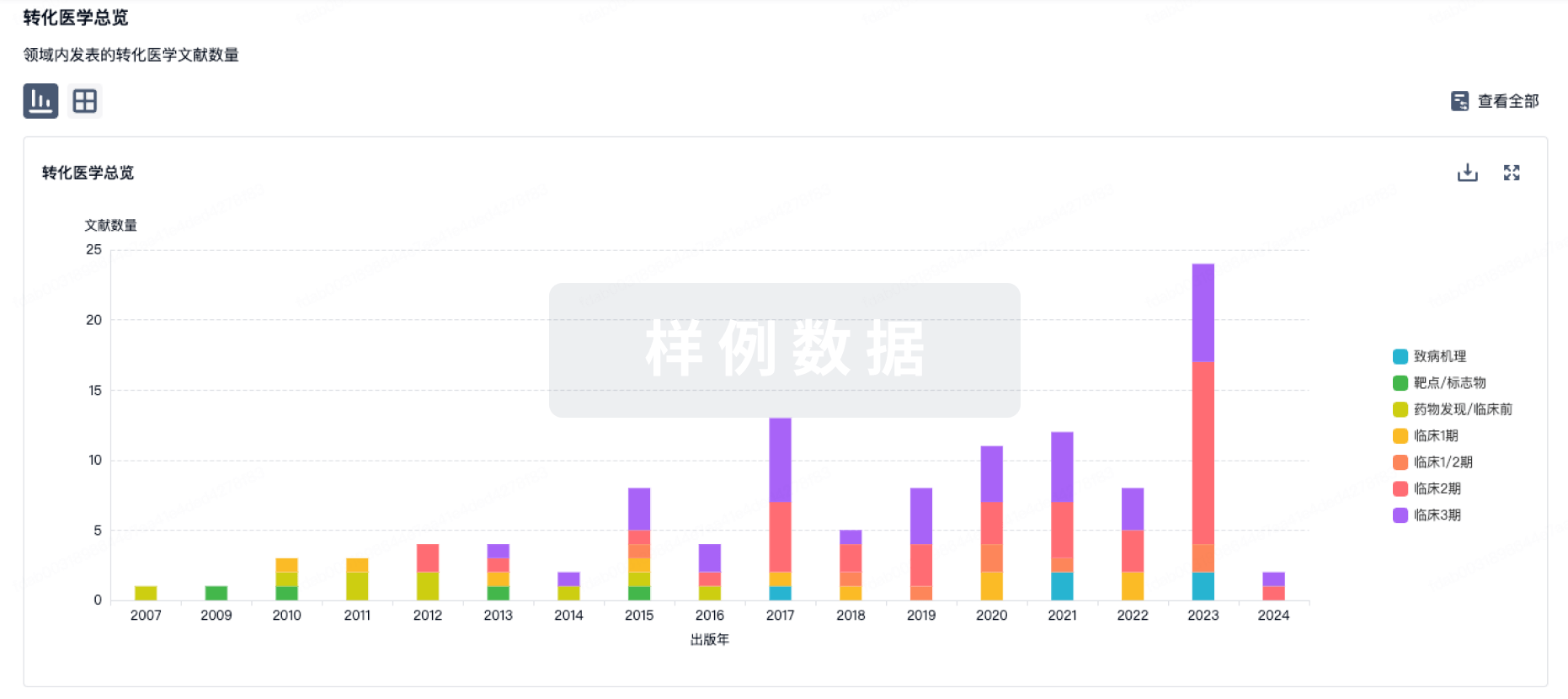
转化医学
使用我们的转化医学数据加速您的研究。
登录
或
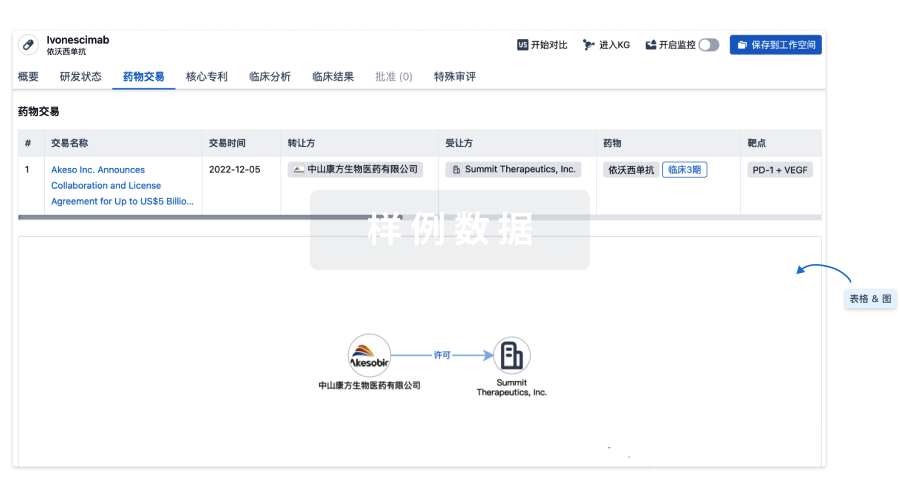
药物交易
使用我们的药物交易数据加速您的研究。
登录
或
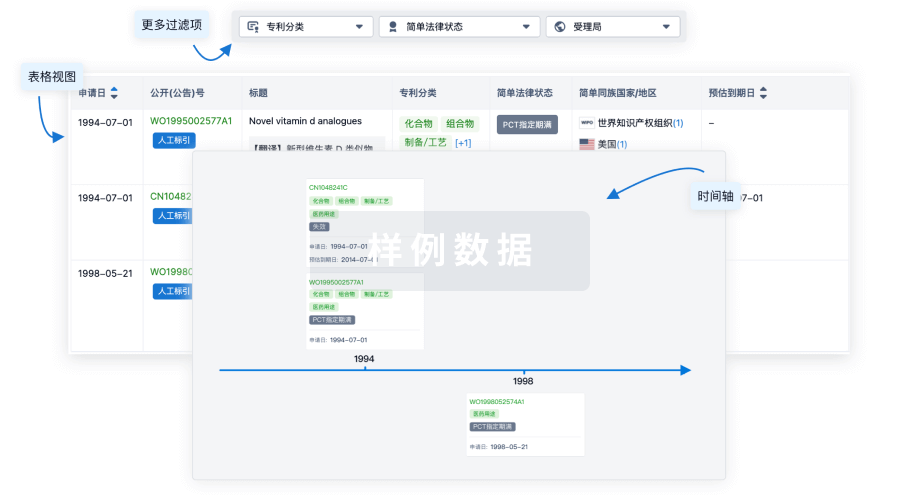
核心专利
使用我们的核心专利数据促进您的研究。
登录
或
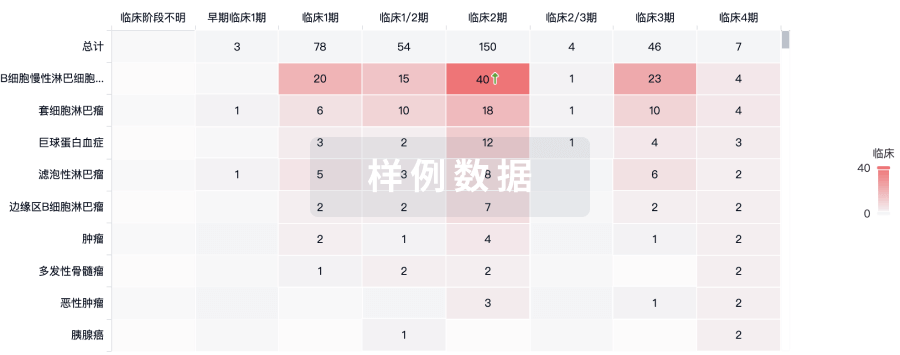
临床分析
紧跟全球注册中心的最新临床试验。
登录
或
批准
利用最新的监管批准信息加速您的研究。
登录
或
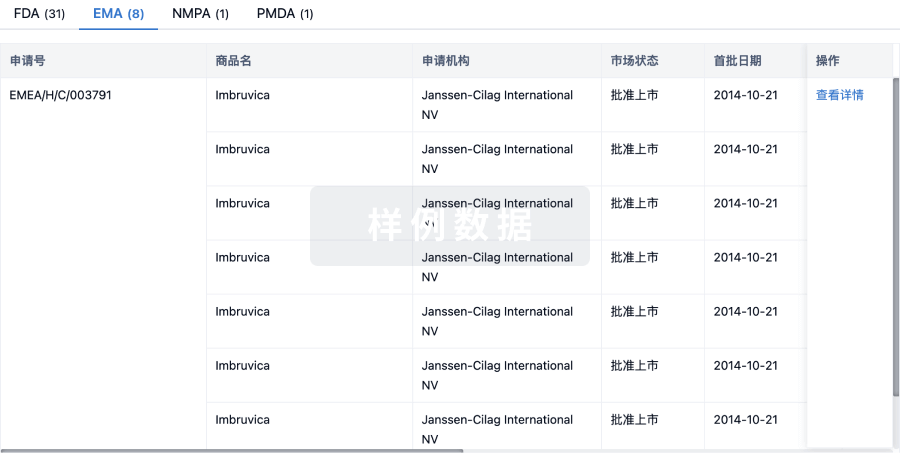
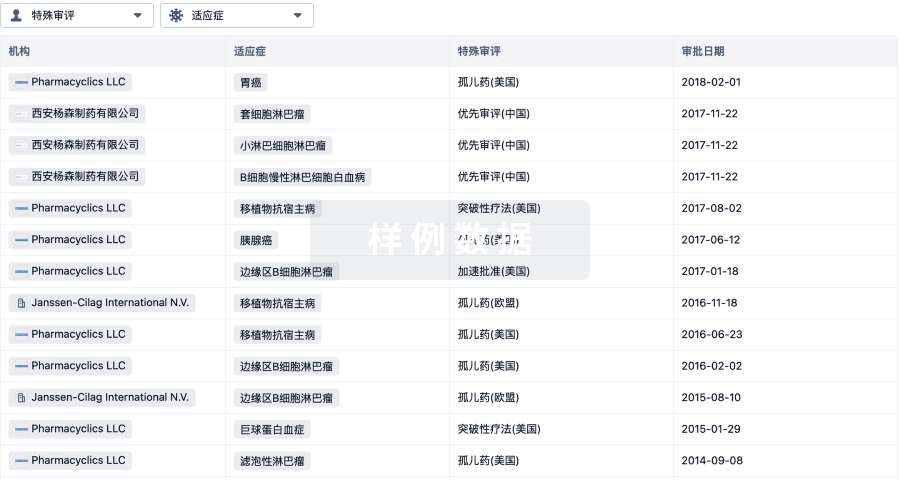
特殊审评
只需点击几下即可了解关键药物信息。
登录
或
生物医药百科问答
全新生物医药AI Agent 覆盖科研全链路,让突破性发现快人一步
立即开始免费试用!
智慧芽新药情报库是智慧芽专为生命科学人士构建的基于AI的创新药情报平台,助您全方位提升您的研发与决策效率。
立即开始数据试用!
智慧芽新药库数据也通过智慧芽数据服务平台,以API或者数据包形式对外开放,助您更加充分利用智慧芽新药情报信息。
生物序列数据库
生物药研发创新
免费使用
化学结构数据库
小分子化药研发创新
免费使用