预约演示
更新于:2026-01-10
Histamine H3 receptor agonists(Freie Universität Berlin)
更新于:2026-01-10
概要
基本信息
药物类型 小分子化药 |
别名- |
作用方式 激动剂 |
作用机制 H3 receptor激动剂(组胺H3受体激动剂) |
治疗领域- |
在研适应症- |
非在研适应症- |
非在研机构- |
权益机构- |
最高研发阶段临床前 |
首次获批日期- |
最高研发阶段(中国)- |
特殊审评- |

关联
100 项与 Histamine H3 receptor agonists(Freie Universität Berlin) 相关的临床结果
登录后查看更多信息
100 项与 Histamine H3 receptor agonists(Freie Universität Berlin) 相关的转化医学
登录后查看更多信息
100 项与 Histamine H3 receptor agonists(Freie Universität Berlin) 相关的专利(医药)
登录后查看更多信息
153
项与 Histamine H3 receptor agonists(Freie Universität Berlin) 相关的文献(医药)2026-01-01EUROPEAN JOURNAL OF PHARMACOLOGY
Histamine N-methyltransferase inhibition as a novel therapeutic strategy for idiopathic hypersomnia
Article
作者: Nakamura, Tadaho ; Fujiya, Motoki ; Ebina, Ren ; Watanabe, Masahiko ; Hirano, Kyosuke ; Mimura, Toshimasa ; Mochizuki, Takatoshi ; Nishibe, Ayaka ; Naganuma, Fumito ; Miyoshi, Chika ; Funato, Hiromasa ; Zhu, Ruoyu ; Yanagisawa, Masashi ; Girgin, Birkan ; Vetrivelan, Ramalingam ; Yoshikawa, Takeo
Idiopathic hypersomnia (IH) is a sleep disorder characterised by excessive daytime sleepiness despite adequate night-time sleep. Although current treatments, including low-sodium oxybate and modafinil, are readily available for IH, they are associated with side effects such as drug dependence and abuse. Histamine, a key neurotransmitter, plays a critical role in promoting wakefulness and reducing the risk of drug dependence. Clinical studies have found reduced histamine levels in the cerebrospinal fluid of patients with hypersomnia, suggesting that enhanced histaminergic neurotransmission could alleviate IH symptoms. In our recent study, we demonstrated that the pharmacological inhibition of histamine N-methyltransferase (HNMT), the enzyme responsible for histamine degradation, significantly increased brain histamine levels and improved hypersomnolence and sleep attacks in a mouse model of narcolepsy. Based on these findings, we hypothesised that HNMT inhibitors could serve as novel therapeutic agents for IH treatment. In this study, we examined the effects of metoprine, a potent HNMT inhibitor, on sleep-wake behaviour in Sik3Sleepy mutant mice, a mouse model of IH. Our results show that metoprine significantly increased brain histamine levels without altering dopamine, norepinephrine, or serotonin levels. Sleep analysis revealed that metoprine markedly promoted wakefulness and prolonged sleep latency, likely through the activation of the histamine receptor H1. Furthermore, the wake-up promoting effect of metoprine was more pronounced than that of other agents, including a histamine receptor H3 inverse agonist and an orexin receptor agonist. These findings suggest that the pharmacological inhibition of HNMT represents a promising therapeutic strategy for IH.
2024-04-01European journal of pharmacology
Pharmacological characterization of seven human histamine H3 receptor isoforms
Article
作者: Vischer, Henry F ; Gao, Meichun ; Leurs, Rob ; Dekker, Mabel E
The histamine H3 receptor (H3R) regulates as a presynaptic G protein-coupled receptor the release of histamine and other neurotransmitters in the brain, and is consequently a potential therapeutic target for neuronal disorders. The human H3R encodes for seven splice variants that vary in the length of intracellular loop 3 and/or the C-terminal tail but are all able to induce heterotrimeric Gi protein signaling. The last two decades H3R drug discovery and lead optimization has been exclusively focused on the 445 amino acids-long reference isoform H3R-445. In this study, we pharmacologically characterized for the first time all seven H3R isoforms by determining their binding affinities for reference histamine H3 receptor agonists and inverse agonists. The H3R-453, H3R-415, and H3R-413 isoforms display similar binding affinities for all ligands as the H3R-445. However, increased agonist binding affinities were observed for the three shorter isoforms H3R-329, H3R-365, and H3R-373, whereas inverse agonists such as the approved anti-narcolepsy drug pitolisant (Wakix®) displayed significantly decreased binding affinities for the latter two isoforms. This opposite change in binding affinity of agonist versus inverse agonists on H3R-365 and H3R-373 is associated with their higher constitutive activity in a cAMP biosensor assay as compared to the other five isoforms. The observed differences in pharmacology between longer and shorter H3R isoforms should be considered in future drug discovery programs.
2023-04-01The Lancet. Neurology
Safety and efficacy of pitolisant in children aged 6 years or older with narcolepsy with or without cataplexy: a double-blind, randomised, placebo-controlled trial
Article
作者: Isabelle Lecomte ; Christian Caussé ; Jean Charles Schwartz ; Patricia Franco ; Jeanne Marie Lecomte ; Gert Jan Lammers ; Giuseppe Plazzi ; Michel Lecendreux ; Philippe Lehert ; Yves Dauvilliers ; Mikhail Poluektov
BACKGROUND:
Narcolepsy is a life-long disorder characterised by excessive daytime sleepiness and cataplexy, often arising in childhood or adolescence. Pitolisant, a selective histamine H3 receptor inverse agonist, has been approved in Europe and USA for adults with narcolepsy with or without cataplexy, with a favourable safety profile. This phase 3 study aimed to assess the safety and efficacy of pitolisant in children with narcolepsy with or without cataplexy.
METHODS:
For this double-blind, randomised, placebo-controlled, multisite study, we recruited patients aged 6-17 years with narcolepsy with or without cataplexy in 11 sleep centres in five countries (Italy, France, Netherlands, Russia, and Finland). Participants were required to have a Pediatric Daytime Sleepiness Scale score of 15 or greater and to have not received psychostimulants for at least 14 days before enrolment; participants who needed anticataplectics (including sodium oxybate) were required to have been on a stable dose for at least 1 month. Participants were randomly assigned to treatment with pitolisant or placebo in a 2:1 ratio at the end of screening. Randomisation was stratified by study centre and treatment was allocated using an interactive web response system. After a 4-week screening period including a 2-week baseline period, patients entered in a 4-week individual up-titration scheme from 5 mg a day to a maximum of 40 mg a day of pitolisant or placebo; treatment was administered at a stable dose for 4 weeks, followed by a 1-week placebo period. For the primary analysis, we assessed pitolisant versus placebo using change in the Ullanlinna Narcolepsy Scale (UNS) total score from baseline to the end of double-blind period in the full analysis set, defined as all randomly allocated patients who received at least one dose of treatment and who had at least one baseline UNS value. A decrease in the UNS total score reflects a reduction in both excessive daytime sleepiness and cataplexy. All adverse events were assessed in the safety population, defined as all participants who took at least one dose of study medication. An open-label follow-up is ongoing. This study is registered at ClinicalTrials.gov, NCT02611687.
FINDINGS:
Between June 6, 2016, and April 3, 2021, we screened 115 participants and 110 were randomly assigned (mean age 12·9 [SD 3·0] years, 61 [55%] male, and 90 [82%] with cataplexy; 72 assigned to pitolisant and 38 to placebo); 107 (70 receiving pitolisant and 37 receiving placebo) completed the double-blind period. The mean adjusted difference in UNS total score from baseline to the end of the double-blind period was -6·3 (SE 1·1) in the pitolisant group and -2·6 (1·4) in the placebo group (least squares mean difference -3·7; 95% CI -6·4 to -1·0, p=0·007). Treatment-emergent adverse events were reported in 22 (31%) of 72 patients in the pitolisant group and 13 (34%) of 38 patients in the placebo group. The most frequently reported adverse events (affecting ≥5% of patients) in either group were headache (14 [19%] in the pitolisant group and three [8%] in the placebo group) and insomnia (five [7%] in the pitolisant group and one [3%] in the placebo group).
INTERPRETATION:
Pitolisant treatment resulted in an improvement in narcolepsy symptoms in children, although the UNS was not validated for use in children with narcolepsy when our study began. The safety profile was similar to that reported in adults but further studies are needed to confirm long-term safety.
FUNDING:
Bioprojet.
1
项与 Histamine H3 receptor agonists(Freie Universität Berlin) 相关的新闻(医药)
100 项与 Histamine H3 receptor agonists(Freie Universität Berlin) 相关的药物交易
登录后查看更多信息
研发状态
登录后查看更多信息
临床结果
临床结果
适应症
分期
评价
查看全部结果
登录后查看更多信息
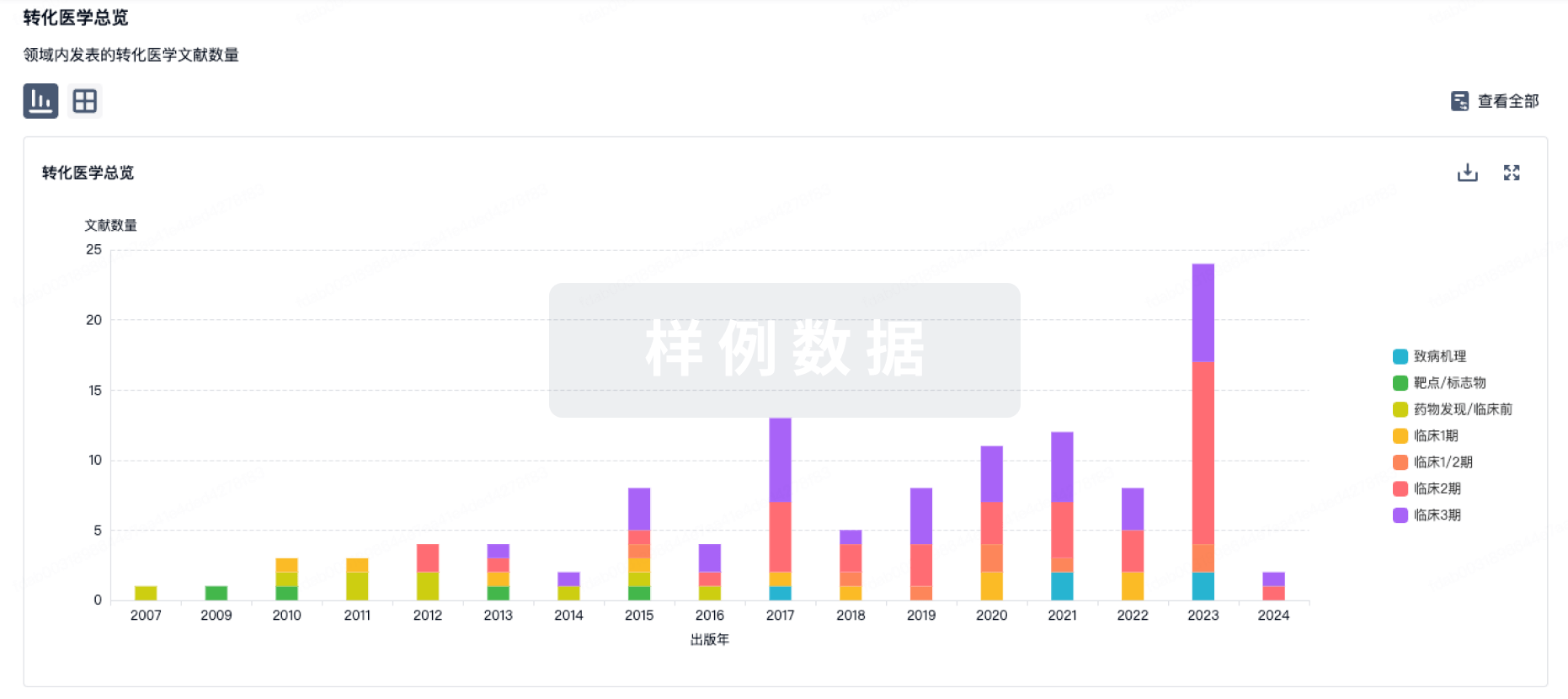
转化医学
使用我们的转化医学数据加速您的研究。
登录
或
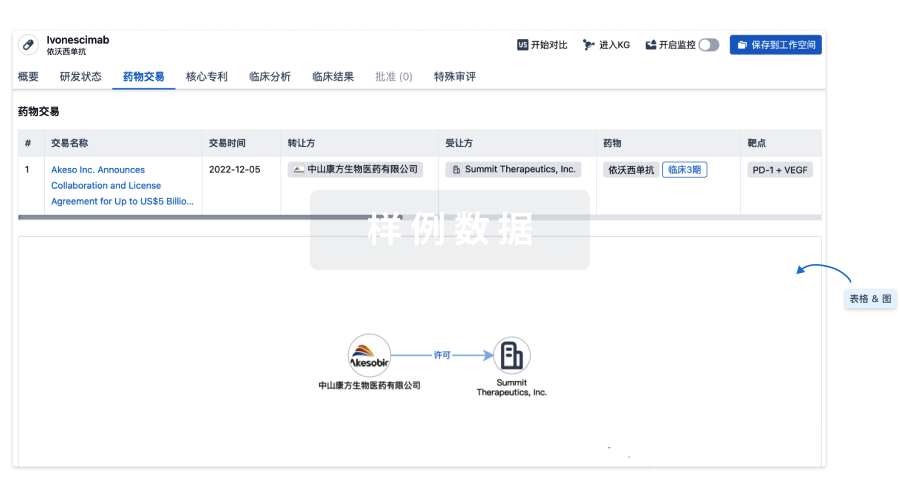
药物交易
使用我们的药物交易数据加速您的研究。
登录
或
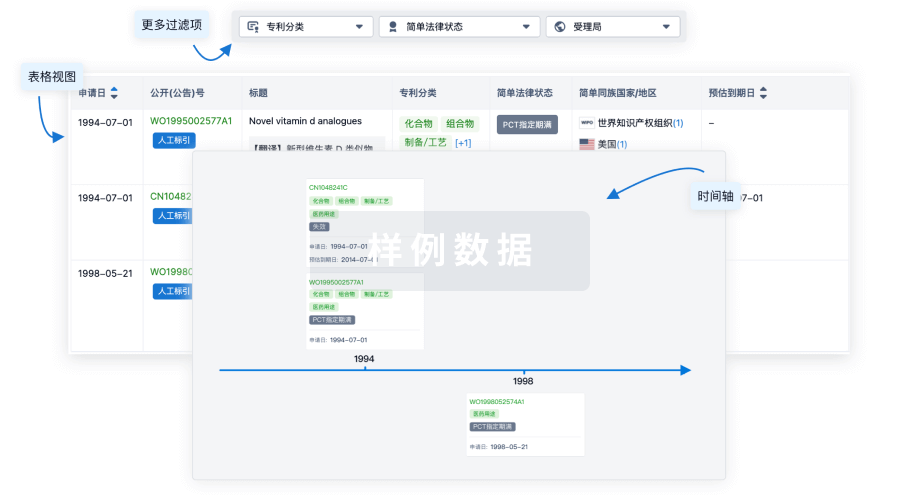
核心专利
使用我们的核心专利数据促进您的研究。
登录
或
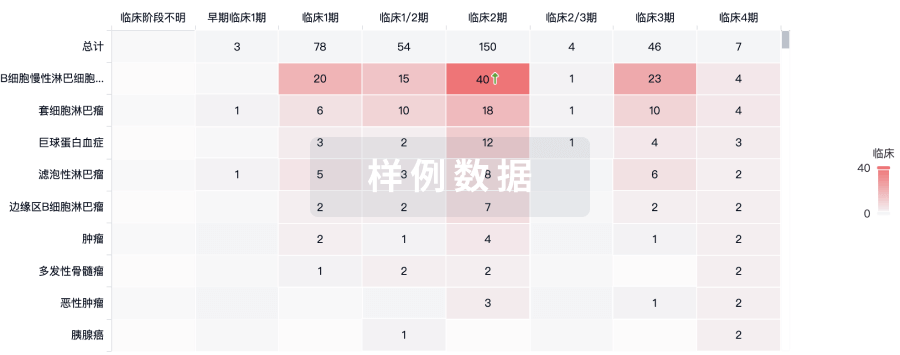
临床分析
紧跟全球注册中心的最新临床试验。
登录
或
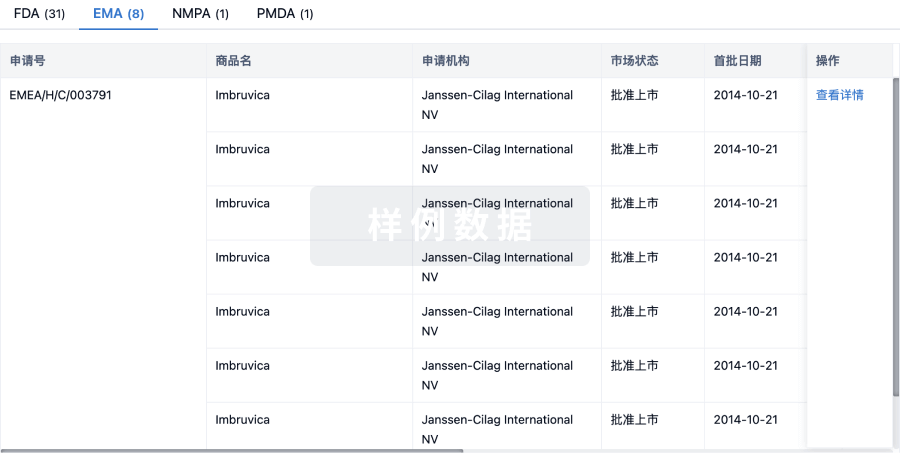
批准
利用最新的监管批准信息加速您的研究。
登录
或
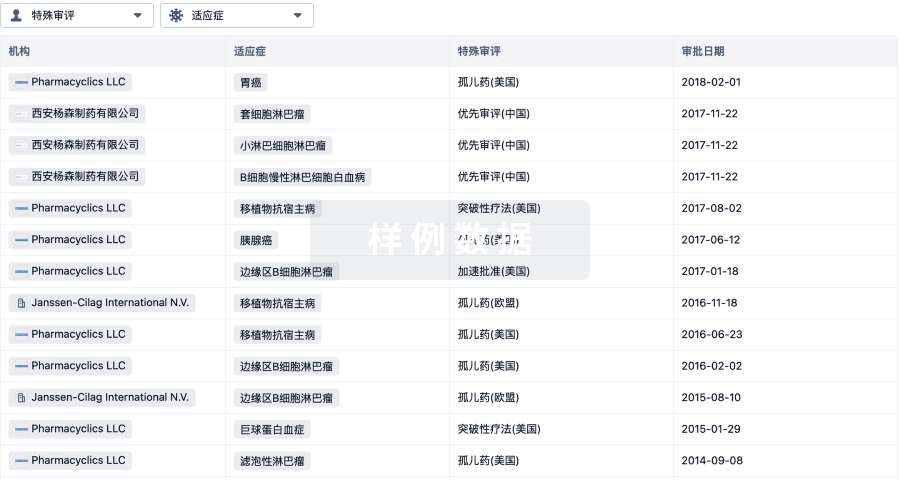
特殊审评
只需点击几下即可了解关键药物信息。
登录
或
生物医药百科问答
全新生物医药AI Agent 覆盖科研全链路,让突破性发现快人一步
立即开始免费试用!
智慧芽新药情报库是智慧芽专为生命科学人士构建的基于AI的创新药情报平台,助您全方位提升您的研发与决策效率。
立即开始数据试用!
智慧芽新药库数据也通过智慧芽数据服务平台,以API或者数据包形式对外开放,助您更加充分利用智慧芽新药情报信息。
生物序列数据库
生物药研发创新
免费使用
化学结构数据库
小分子化药研发创新
免费使用