预约演示
更新于:2025-12-09

Freie Universität Berlin
更新于:2025-12-09
概览
标签
肿瘤
消化系统疾病
其他疾病
小分子化药
CRISPR/Cas9
治疗性疫苗
疾病领域得分
一眼洞穿机构专注的疾病领域

技术平台
公司药物应用最多的技术
靶点
公司最常开发的靶点
关联
靶点 |
作用机制 |
在研机构 |
原研机构 |
在研适应症 |
非在研适应症 |
最高研发阶段 |
首次获批国家/地区 |
首次获批日期 |
靶点 |
作用机制 |
在研机构 |
原研机构 |
在研适应症 |
非在研适应症 |
最高研发阶段 |
首次获批国家/地区 |
首次获批日期 |
靶点 |
作用机制 |
在研机构 |
原研机构 |
在研适应症 |
非在研适应症 |
最高研发阶段 |
首次获批国家/地区 |
首次获批日期 |


DRKS00032982
Optimizing Treatment Expectations in Internet-based Interventions for Depression
ISRCTN24349737
Physiological correlates of anxiety-driven binge eating in a naturalistic setting
DRKS00032324
Smartphone-based intervention for reducing postpartum depressive symptoms (Smart-e-Moms): Randomized controlled trial - Smart-e-Moms
100 项与 Freie Universität Berlin 相关的临床结果
登录后查看更多信息
登录后查看更多信息
2026-02-01JOURNAL OF NEUROSCIENCE METHODS
Do it yourself: Creating 3D brain-surface models and custom-made brain matrices for guided sectioning using photogrammetry and three-dimensional printing technology
Article
作者: Knörnschild, Mirjam ; Holtz, Sophie ; Hechavarria, Julio ; Scharff, Constance
BACKGROUND:
Neuroethologists study many non-model animals. The development of techniques for precise and standardized histological brain analysis is key for understanding neural mechanisms across species.
NEW METHOD:
Here we present a novel cost-effective approach to generate species-specific brain matrices for precise and reproducible trimming, blocking, and sectioning of brain tissue. To produce the matrix, we took high-quality photographs of two male CP brains and then used the open-source 3D graphics suite Blender and its inexpensive photogrammetry plug-in SnapMesh to generate the 3D brain surface model. The brain matrix was then modeled in Blender, and 3D printed.
RESULTS:
Using this approach, we produced the first 3D brain surface model and brain matrix for Seba's short-tailed fruit bat Carollia perspicillata, CP, and assessed its quality using CP brains. Our brain matrix facilitates and standardizes trimming or blocking of brains, providing consistent access to brain regions of CP in the sagittal and coronal planes. This workflow should be suitable for most vertebrate brains.
COMPARISON WITH EXISTING METHODS:
Photogrammetry offers a viable, inexpensive alternative to 3D- or CT-scanners. Our workflow is not only cheaper than alternatives, but does not require blocking the brain during preparation of the 3D surface model, resulting in no tissue loss.
CONCLUSION:
The cost-effectiveness and the tissue-preserving features will benefit researchers globally, particularly those with limited financial means and/or few valuable specimens. By providing an accessible, customizable and reproducible workflow, our study represents a significant step toward democratizing advanced neuroscience across diverse species.
2026-02-01JOURNAL OF COLLOID AND INTERFACE SCIENCE
How lipids suppress cavitation in biological fluids
Article
作者: Jansen, Steven ; Šako, Marin ; Schenk, H Jochen ; Kanduč, Matej ; Netz, Roland R ; Schneck, Emanuel
HYPOTHESIS:
Cavitation in water under tension is often initiated at nanoscale hydrophobic surface defects that stabilize preexisting nanobubbles. We hypothesize that amphiphilic molecules, such as polar lipids, can adsorb onto these defects and suppress cavitation by removing nanobubble nucleation sites.
SIMULATIONS:
To test this mechanism, we performed atomistic molecular dynamics simulations in combination with classical nucleation theory to model lipid bilayers and monolayer coatings at hydrophobic surfaces containing nanoscale pits and to investigate their response to applied negative pressures.
FINDINGS:
We find that lipids readily adsorb onto hydrophobic surfaces, conform to nanoscale features, and eliminate bubble-hosting cavities. This passivation shifts the cavitation-limiting step from nanobubble expansion at defects to rupture of lipid bilayers, which exhibit much higher cavitation resistance. These results provide a molecular basis for how amphiphilic additives enhance the stability of aqueous liquids against cavitation, even in the presence of unavoidable surface imperfections. This mechanism also offers a physically grounded explanation for how vascular plants sustain sap transport under substantial negative pressures despite structural heterogeneities in their water-conducting vessels.
2026-01-01EUROPEAN JOURNAL OF CANCER
First-line treatment efficacy of anti-EGFR versus anti-VEGF antibodies in BRAFV600E-mutated metastatic colorectal cancer according to primary tumor sidedness: A pooled analysis of seven clinical trials performed in the first-line treatment of mCRC (German AIO Study Group)
Article
作者: Schwaner, Ingo ; Tougeron, David ; von Weikersthal, Ludwig Fischer ; Stahler, Arndt ; Taieb, Julien ; Prager, Gerald Werner ; Alig, Annabel ; Pihusch, Rudolf ; Stintzing, Sebastian ; Reinacher-Schick, Anke ; Kaiser, Florian ; Decker, Thomas ; Held, Swantje ; Heinemann, Volker ; Heinrich, Kathrin ; Probst, Victoria ; Fuchs, Martin ; Gruenberger, Birgit ; Weiss, Lena ; Modest, Dominik Paul
BACKGROUND:
Both BRAFV600E-mutation and right-sided primary tumor location (PTL), have been associated with poor prognosis in metastatic colorectal cancer (mCRC). The present pooled analysis of individual patient data evaluates the efficacy of first-line chemotherapy combined with anti-EGFR- or anti-VEGF-directed therapy in BRAFV600E-mut mCRC together with PTL.
METHODS:
We conducted a pooled analysis of seven first-line AIO-studies (FIRE-3, FIRE-4, FIRE-4.5, CIOX, XELAVIRI, PANAMA, VOLFI) including patients with BRAFV600E-mut and RAS-wild-type mCRC.
RESULTS:
Among 209 evaluable patients, left-sided primary tumors (LSPT) were observed in 98 (46.9 %) compared to 111 (53.1 %) patients with right-sided primary tumors (RSPT). In the overall cohort, ORR was comparable (OR 0.85; 95 % CI 0.47-1.52), while median PFS was significantly shorter in patients receiving anti-EGFR-based therapy (HR 1.42; 95 % CI 1.05-1.91; P = 0.022), no major difference was observed with regard to OS (HR 0.96; 95 % CI 0.70-1.32; P = 0.80). Patients with LSPT showed comparable PFS (HR 0.98; 95 % CI 0.63-1.51), but a numerical OS benefit (HR 0.71; 95 % CI, 0.45-1.14) with anti-EGFR- compared to anti-VEGF-based therapy. This effect was observed independent of sex. In contrast, patients with RSPT showed both, inferior PFS (HR 2.09; 95 % CI 1.35-3.22; P < 0.001) and OS (HR 1.31; 95 % CI, 0.84-2.05). These effects were observed in male and female patients.
CONCLUSIONS:
The present analysis of BRAFV600E-mut mCRC suggests a survival benefit from anti-EGFR- or anti-VEGF-directed antibodies in patients with LSPT. This effect was not observed in RSPT, where patients showed a clearly greater benefit from bevacizumab.
2025-11-12
2025-10-15
并购蛋白降解靶向嵌合体
2025-03-13
100 项与 Freie Universität Berlin 相关的药物交易
登录后查看更多信息
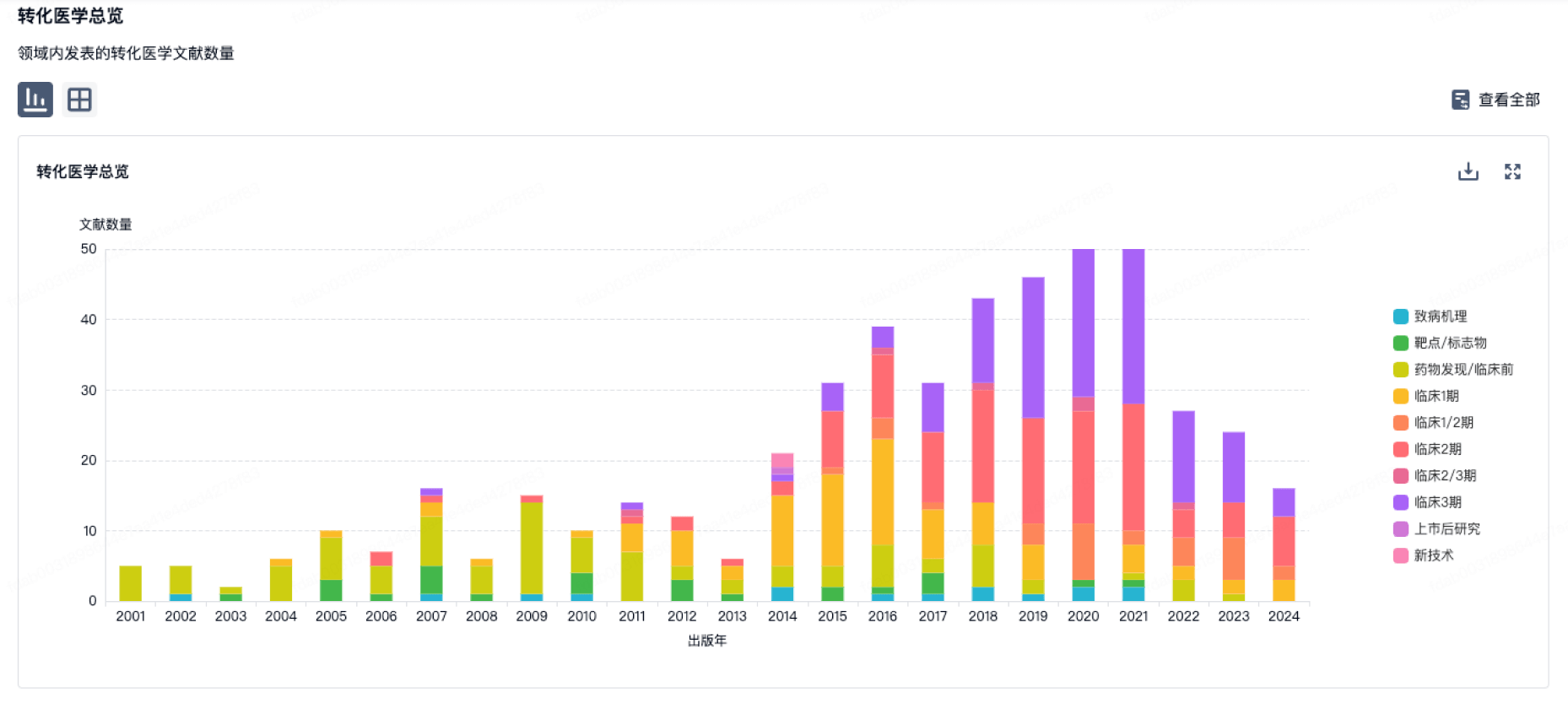
100 项与 Freie Universität Berlin 相关的转化医学
登录后查看更多信息
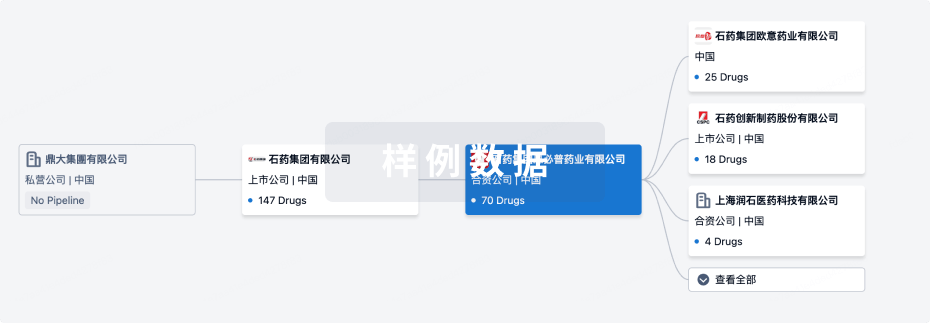
组织架构
使用我们的机构树数据加速您的研究。
登录
或
管线布局
2026年10月10日管线快照
管线布局中药物为当前组织机构及其子机构作为药物机构进行统计,早期临床1期并入临床1期,临床1/2期并入临床2期,临床2/3期并入临床3期
药物发现
6
5
临床前
临床2期
1
6
其他
登录后查看更多信息
当前项目
登录后查看更多信息
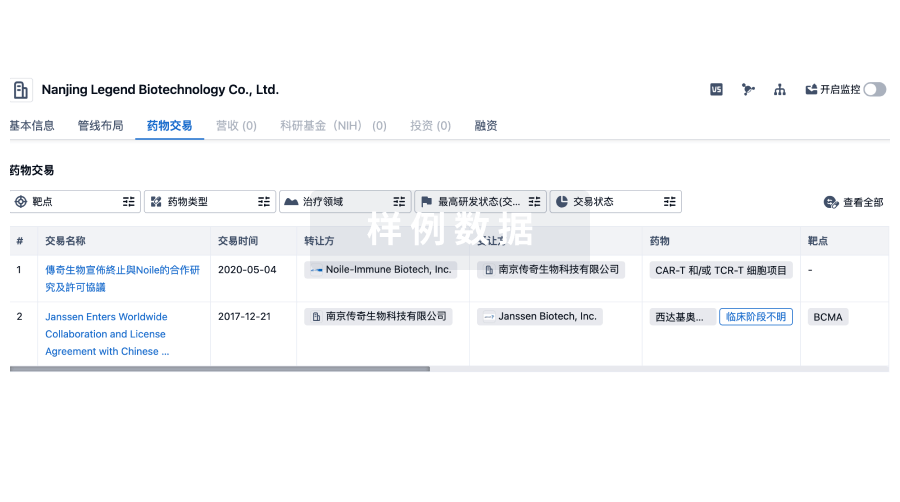
药物交易
使用我们的药物交易数据加速您的研究。
登录
或
转化医学
使用我们的转化医学数据加速您的研究。
登录
或
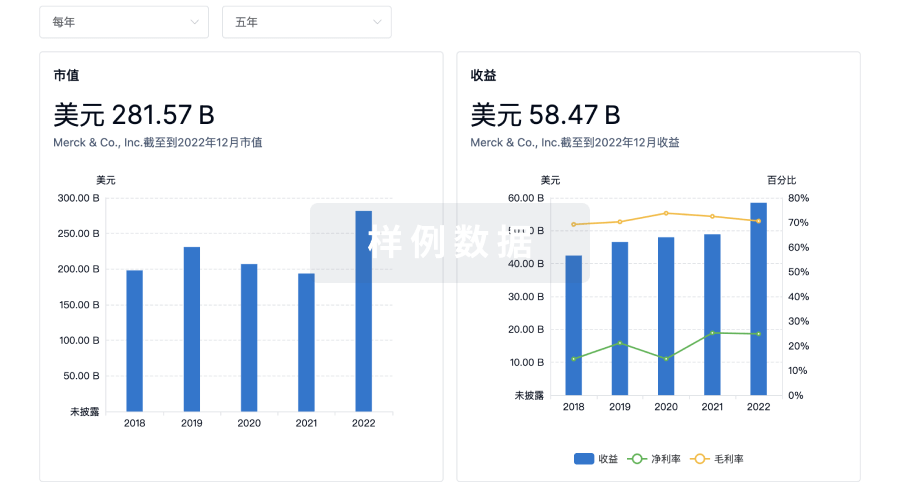
营收
使用 Synapse 探索超过 36 万个组织的财务状况。
登录
或
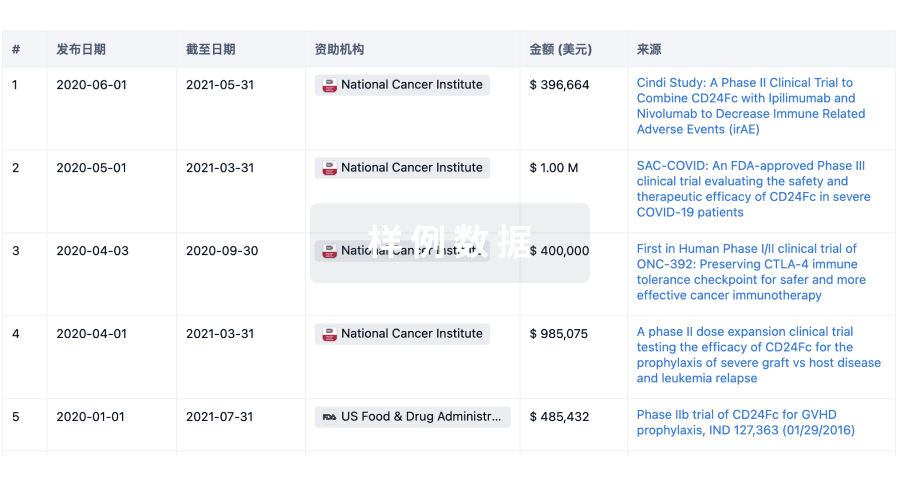
科研基金(NIH)
访问超过 200 万项资助和基金信息,以提升您的研究之旅。
登录
或
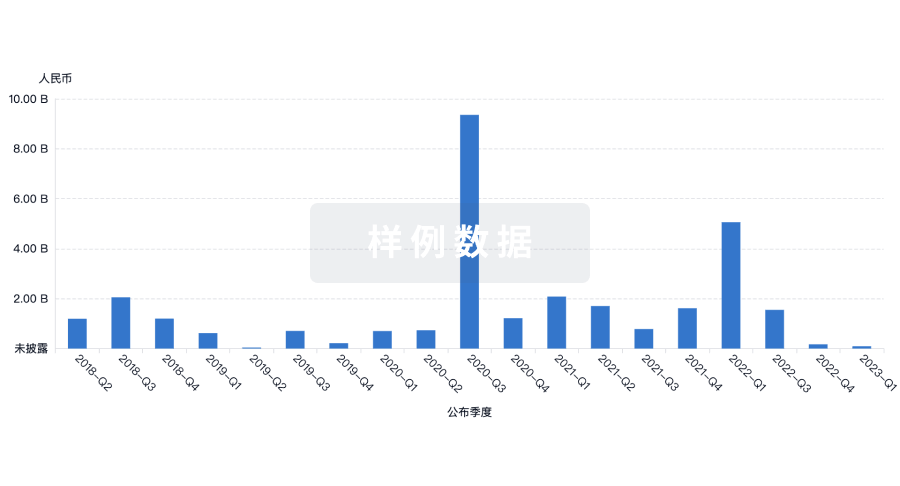
投资
深入了解从初创企业到成熟企业的最新公司投资动态。
登录
或
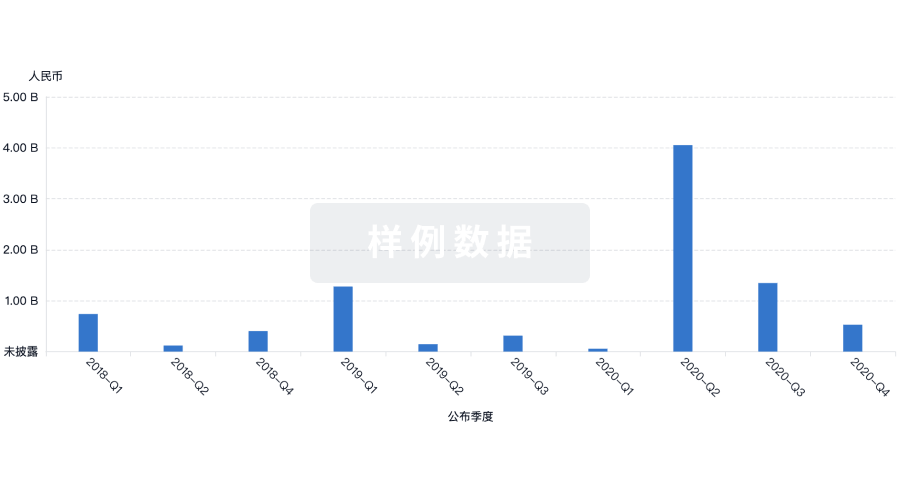
融资
发掘融资趋势以验证和推进您的投资机会。
登录
或
提出任何生物医药研究问题
让每一步生物医药决策都精准制胜
基于十亿级生物数据与全球情报的精准 AI,赋能早期药物发现
立即开始免费试用!
智慧芽新药情报库是智慧芽专为生命科学人士构建的基于AI的创新药情报平台,助您全方位提升您的研发与决策效率。
立即接入生物医药数据包
智慧芽新药库数据也通过智慧芽开放平台,以MCP或API服务形式对外开放。立即使用我们的MCP服务定制您的LLM智能体。
生物序列数据库
生物药研发创新
免费使用
化学结构数据库
小分子化药研发创新
免费使用