预约演示
更新于:2026-02-07
Anti-PD-1 agonist antibody (Meiji Seika Pharma)
更新于:2026-02-07
概要
基本信息
非在研机构- |
权益机构- |
最高研发阶段临床前 |
首次获批日期- |
最高研发阶段(中国)- |
特殊审评- |

关联
100 项与 Anti-PD-1 agonist antibody (Meiji Seika Pharma) 相关的临床结果
登录后查看更多信息
100 项与 Anti-PD-1 agonist antibody (Meiji Seika Pharma) 相关的转化医学
登录后查看更多信息
100 项与 Anti-PD-1 agonist antibody (Meiji Seika Pharma) 相关的专利(医药)
登录后查看更多信息
1
项与 Anti-PD-1 agonist antibody (Meiji Seika Pharma) 相关的文献(医药)2025-08-01·Therapeutic Advances in Musculoskeletal Disease
Safety, tolerability, and efficacy of the PD-1 agonist antibody JNJ-67484703 in adults with active rheumatoid arthritis: results of a multicenter, double-blind, placebo-controlled, randomized, multiple-dose phase Ib study
作者: Ling, Irving T. C. ; Liva, Sophia G. ; Wang, Tong ; Lakshminarayanan, Vani ; Marciniak, Stanley J. ; Orillion, Ashley ; Tikhonov, Ilia ; Noss, Erika H. ; Loza, Matthew J. ; Clarke, Stephen H.
Background::
Programmed cell death protein 1 (PD-1) is associated with the immunopathology of rheumatoid arthritis (RA). JNJ-67484703 is a humanized IgG anti-PD-1 agonist antibody.
Objectives::
To report results of a phase Ib study evaluating the safety, tolerability, and disease-related outcomes of JNJ-67484703 in adults with active rheumatoid arthritis.
Design::
A randomized, double-blind, placebo-controlled, multiple-dose, phase Ib study in adults with active RA who were inadequately controlled on conventional synthetic disease-modifying antirheumatic drugs.
Methods::
JNJ-67484703 at doses of 2 or 3 mg/kg or placebo was administered by subcutaneous injection for 10 weeks (on weeks 0, 1, 2, 4, 6, 8, and 10). Safety was assessed for the first 6 participants in the 2 mg/kg group to determine if enrollment would proceed to the 3 mg/kg dose. The primary endpoint was the proportion of participants with treatment-emergent adverse events (TEAEs). Secondary endpoints included change from baseline at week 12 in Disease Activity Score 28 using C-reactive protein (DAS28-CRP) and circulating PD-1
+
T-cell counts at the 3 mg/kg dose level only. Least squares (LS) mean difference between JNJ-67484703 groups and placebo were based on mixed-effect model for repeated measures for DAS28-CRP.
Results::
A total of 44 participants were randomized to receive JNJ-67484703 2 mg/kg (
n
= 5), 3 mg/kg (
n
= 25), or placebo (
n
= 14); TEAEs were reported in 4 (80%), 17 (68%), and 10 (71%), respectively. None were severe in intensity, and no deaths were reported. TEAEs of infection were reported in 21% of placebo participants and 20% of those in the combined JNJ-67484703 groups. No injection-site or hypersensitivity reactions were reported. At week 12, reduction in DAS28-CRP from baseline was numerically greater in the JNJ-67484703 2 mg/kg and 3 mg/kg groups versus placebo, with a difference in LS means between the 3 mg/kg group and placebo of −0.69 (95% CI −1.55, 0.18;
p
= 0.117). JNJ-67484703 decreased circulating PD-1
+
T cells, with the greatest effect on those with the highest baseline expression of PD-1.
Conclusion::
JNJ-67484703 was well tolerated in participants with active RA and showed evidence for biologic and clinical activity in this small, proof-of-mechanism study.
Trial registration::
ClinicalTrials.gov, NCT04985812.
1
项与 Anti-PD-1 agonist antibody (Meiji Seika Pharma) 相关的新闻(医药)2023-01-16
TOKYO--(BUSINESS WIRE)-- Meiji Seika Pharma Co., Ltd. (Headquarters: Tokyo, Japan, President and Representative Director: Daikichiro Kobayashi) and the Foundation for Biomedical Research and Innovation at Kobe (Headquarters: Kobe, Japan, President: Tasuku Honjo, hereinafter ‘FBRI’) announce the discovery of a novel anti-PD-1 agonist monoclonal antibody, which can induce immunosuppressive effect, through their collaborative research on “Treatment of inflammatory diseases, including autoimmune diseases, through the immunosuppressive activity of PD-1” (HBI* Innovation Program) conducted at the FBRI's Dept. of Immunology, Institute of Biomedical Research and Innovation (Professor: Akio Ohta). Part of the findings from the above research was published in "Science Immunology**" issued on January 13, 2023 (Eastern Standard Time). For more information, please visit the FBRI website (URL: ).
Meiji Seika Pharma and FBRI are working together to develop the above PD-1 agonist monoclonal antibody as therapeutic candidate for autoimmune diseases.
PD-1 is a molecule expressed on activated lymphocytes and has the function as a suppressor of immune responses. Antibodies that inhibit the function of PD-1 (anti-PD-1 blocking antibodies) can enhance anti-tumor immunity, so that they have been applied to cancer treatment as "immune checkpoint inhibitors."
Through the above joint research supervised by Program Director Tasuku Honjo, Nobel laureate in 2018, Meiji Seika Pharma and FBRI discovered the conditions necessary for inducing immunosuppression by stimulating the function of PD-1 with antibodies. "Anti-PD-1 agonist antibody" is expected to be applied as a novel therapeutic for inflammatory diseases such as autoimmune diseases caused by excessive immune reactions.
Meiji Seika Pharma and FBRI continue to progress the joint research on "anti-PD-1 agonist antibody" and strive to the early contribution of this antibody as a therapeutic agent for autoimmune diseases.
*: HBI: Honjo Kobe Research Center for Biomedical Innovation
**: DOI: 10.1126/sciimmunol.add4947
View source version on businesswire.com:
Contacts
Meiji Seika Pharma Co., Ltd.:
Public Relations, Corporate Development Dept.
Email: pr-pharma (Please add “@meiji.com” to the end)
Foundation for Biomedical Research and Innovation at Kobe:
Public relations and Strategic planning group
Email: kbic-pr (Please add “@fbri-kobe.org” to the end)
Source: Meiji Seika Pharma Co., Ltd.
View this news release online at:
免疫疗法
100 项与 Anti-PD-1 agonist antibody (Meiji Seika Pharma) 相关的药物交易
登录后查看更多信息
研发状态
10 条进展最快的记录, 后查看更多信息
登录
| 适应症 | 最高研发状态 | 国家/地区 | 公司 | 日期 |
|---|---|---|---|---|
| 肿瘤 | 临床前 | 日本 | 2023-01-13 |
登录后查看更多信息
临床结果
临床结果
适应症
分期
评价
查看全部结果
| 研究 | 分期 | 人群特征 | 评价人数 | 分组 | 结果 | 评价 | 发布日期 |
|---|
No Data | |||||||
登录后查看更多信息
转化医学
使用我们的转化医学数据加速您的研究。
登录
或
药物交易
使用我们的药物交易数据加速您的研究。
登录
或
核心专利
使用我们的核心专利数据促进您的研究。
登录
或
临床分析
紧跟全球注册中心的最新临床试验。
登录
或
批准
利用最新的监管批准信息加速您的研究。
登录
或
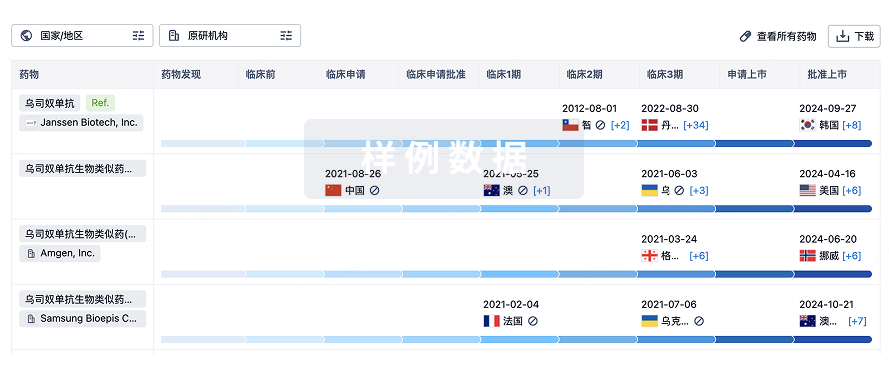
生物类似药
生物类似药在不同国家/地区的竞争态势。请注意临床1/2期并入临床2期,临床2/3期并入临床3期
登录
或
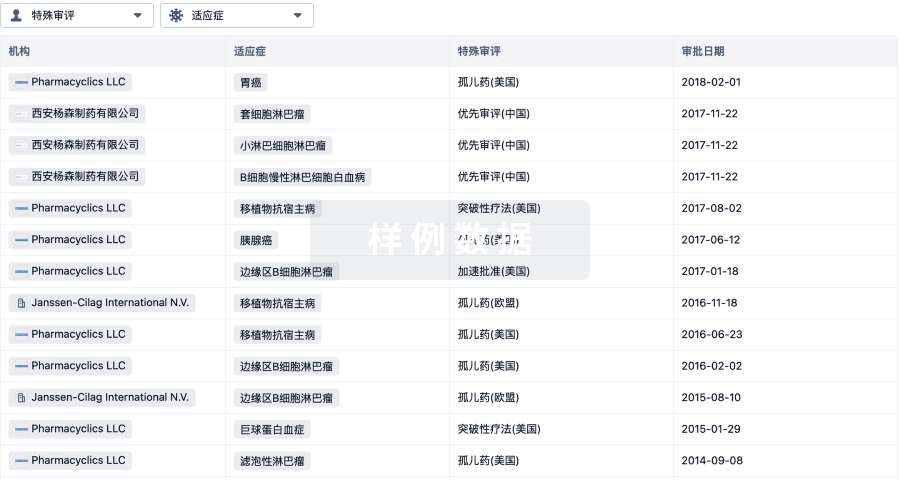
特殊审评
只需点击几下即可了解关键药物信息。
登录
或
生物医药百科问答
全新生物医药AI Agent 覆盖科研全链路,让突破性发现快人一步
立即开始免费试用!
智慧芽新药情报库是智慧芽专为生命科学人士构建的基于AI的创新药情报平台,助您全方位提升您的研发与决策效率。
立即开始数据试用!
智慧芽新药库数据也通过智慧芽数据服务平台,以API或者数据包形式对外开放,助您更加充分利用智慧芽新药情报信息。
生物序列数据库
生物药研发创新
免费使用
化学结构数据库
小分子化药研发创新
免费使用