预约演示
更新于:2026-09-04
Econazole
更新于:2026-09-04
概要
基本信息
原研机构 |
在研机构- |
权益机构- |
最高研发阶段无进展临床2期 |
首次获批日期- |
最高研发阶段(中国)- |
特殊审评- |

登录后查看时间轴
结构/序列
分子式C18H15Cl3N2O |
InChIKeyLEZWWPYKPKIXLL-UHFFFAOYSA-N |
CAS号27220-47-9 |
关联
1
项与 Econazole 相关的临床试验NCT00385502
A Phase II Trial of the Safety, Local Tolerability, and Efficacy of EcoNail™ (Econazole 5%/SEPA® 18% Nail Lacquer) in Onychomycosis of the Great Toenail
100 项与 Econazole 相关的临床结果
登录后查看更多信息
100 项与 Econazole 相关的转化医学
登录后查看更多信息
100 项与 Econazole 相关的专利(医药)
登录后查看更多信息
1,258
项与 Econazole 相关的文献(医药)2026-07-07Microbiology Spectrum
Repurposing azole antifungals as rapid bactericidal, membrane-disruptive therapeutics against
Clostridioides difficile
Article
作者: Seleem, Mohamed N. ; Abutaleb, Nader S. ; Abouelkhair, Ahmed A. ; Stolz, Brice J.
ABSTRACT:
Clostridioides difficile
is a leading cause of healthcare-associated infections and remains an urgent global public health concern. Current FDA-approved therapies for
C. difficile
infection (CDI) are limited and are frequently associated with treatment failure and high rates of disease recurrence. To address this unmet clinical need, we employed a drug repurposing strategy focused on FDA-approved compounds with established safety profiles and limited systemic absorption characteristics, which are desirable for localized gastrointestinal infections. Through this approach, we identified the antifungal azoles miconazole, econazole, and tioconazole as potent inhibitors of
C. difficile
. These compounds exhibited robust
in vitro
activity against a diverse panel of clinical
C. difficile
isolates, with MIC
50
values of 1, 2, and 2 µg/mL, respectively. Time-kill analyses demonstrated that all tested azoles exerted rapid bactericidal activity within 2 h, exceeding the killing kinetics of the current standard-of-care agents vancomycin and fidaxomicin, likely attributable to their membrane-disruptive mechanism that compromises cytoplasmic membrane integrity and leads to rapid cellular collapse. Additionally, the azoles displayed prolonged post-antibiotic effects (>12 h). Furthermore, the azoles exhibited limited activity against two representative members of the commensal intestinal microbiota (
Bifidobacterium
and
Lactobacillus
spp.) and retained antibacterial efficacy under physiologically relevant conditions, including high inoculum, variable pH, and simulated gastrointestinal fluids. Mechanistic studies supported membrane targeting as the primary mode of action. Azole exposure significantly disrupted bacterial membrane integrity, and scanning electron microscopy revealed marked morphological damage, including membrane distortion and cellular collapse, consistent with structural membrane damage. Notably, cholesterol supplementation increased
C. difficile
tolerance to azoles and other membrane-disrupting agents, suggesting that host cholesterol levels or dietary factors may influence CDI outcomes. Finally, in a
Caenorhabditis elegans
CDI infection model, all tested azoles significantly improved host survival following lethal
C. difficile
challenge. Collectively, our findings highlight the potential of azole antifungals as promising platforms that merit further investigation and modification in the pursuit of safer, more effective therapeutics for CDI treatment.
IMPORTANCE:
Clostridioides difficile
infection (CDI) is a serious and recurrent intestinal disease for which current treatment options remain limited and often disrupt the protective gut microbiota, increasing the risk of relapse. In this study, we show that the antifungal drugs miconazole, econazole, and tioconazole exhibit rapid and sustained activity against
C. difficile
under conditions that mimic the gastrointestinal environment. Unlike existing therapies, these agents display minimal activity against commensal gut bacteria and provide prolonged post-antibiotic effects. We also demonstrate that cholesterol, a common host-derived molecule, modulates bacterial susceptibility to these drugs, revealing a previously underappreciated link between host factors and therapeutic efficacy. Finally, these compounds confer significant protection in an
in vivo Caenorhabditis elegans
model of CDI, highlighting their potential as candidates for repurposing and further development.
2026-04-01Acta Crystallographica Section C-Structural Chemistry
Hydrogen-bonding functionalities of selected azole drugs in multicomponent crystals with trithiocyanuric acid
Article
作者: Domagała, Małgorzata ; Chęcińska, Lilianna ; Ben, Anna
Five new multicomponent crystalline forms of trithiocyanuric acid with azole active pharmaceutical ingredients (APIs) are described. The azole APIs include imidazole-derived econazole and luliconazole, as well as 1,2,4-triazole-derived isavuconazole, voriconazole and posaconazole, and the crystalline forms reported are econazolium trithiocyanurate, C
18
H
16
Cl
3
N
2
O
+
·C
3
H
2
N
3
S
3−
, luliconazole–trithiocyanuric acid (1/1), C
14
H
9
Cl
2
N
3
S
2
·C
3
H
3
N
3
S
3
, isavuconazole–trithiocyanuric acid (1/1), C
22
H
17
F
2
N
5
OS·C
3
H
3
N
3
S
3
, voriconazole–trithiocyanuric acid–water (1/2/3), C
16
H
14
F
3
N
5
O·2C
3
H
3
N
3
S
3
·3H
2
O, and posaconazole–trithiocyanuric acid (1/1), C
37
H
42
F
2
N
8
O
4
·C
3
H
3
N
3
S
3
. The crystal architectures are analyzed in the context of the supramolecular assemblies they generate. Robust acid–base pairs, governed by N—H...N hydrogen bonds, are combined into well-defined four-molecule assemblies through N—H...S hydrogen bonds, which form the characteristic ring
R22
(8) synthon between two TTCA molecules. Additional N—H...O or N—H...S interactions, involving the remaining azole functionalities, propagate these four-molecule units into extended chain motifs, columns or layered architectures. To elucidate the nature of these key interactions, a QTAIM analysis was performed and pairwise interaction energies were evaluated to clarify the stability and energetics of the resulting assemblies. The influence of chiral azole molecules, their specific hydrogen-bond functionalities and the solvation conditions on the formation of the supramolecular motifs is also discussed.
2026-02-01JOURNAL OF ALZHEIMERS DISEASE
Lifestyle, sleep quality, and cognitive function in resistant hypertension: One-year follow-up from the TRIUMPH trial
Article
作者: Smith, Patrick J. ; Tyson, Crystal ; Hinderliter, Alan ; Watkins, Lana L. ; Blumenthal, James A. ; Sherwood, Andrew ; Ingle, Krista ; Mabe, Stephanie K. ; Kraus, William ; Avorgbedor, Forgive
Background:
Treatment resistant hypertension (TRH) is associated with increased risk of cognitive decline, which may be reduced by healthy lifestyle changes.
Objective:
To examine the effects of a comprehensive, rehabilitation-based lifestyle hprogram on cognitive function during a one-year follow-up of participants from the TRIUMPH clinical trial.
Methods:
Among the 140 TRIUMPH participants originally randomized, 91 (65%) were available for one-year assessments prior to the COVID-19 lockdown. Participants were originally randomized to a
C
ardiac rehabilitation-based
LIFE
style program (C-LIFE) or to a
S
tandardized
E
ducation and
P
hysician
A
dvice (SEPA) condition for 4-months. During their one-year follow-up, participants underwent assessments of sleep quality, body mass index, actigraphy-assessed physical activity levels, and cerebrovascular reactivity using functional near infrared spectroscopy (fNIRS). Cognitive function was assessed using a 45-min test battery incorporating tests of Executive Function/Learning, Memory, and Processing Speed. Regression-based models incorporating reliable change indices were used to assess cognitive change.
Results:
Participants included 91 individuals (mean age = 63.6 [SD = 8.6]), evenly distributed in biological sex and race/ethnicity, and tended to be college-educated. The C-LIFE group had more preserved cognitive functioning compared to SEPA (C-LIFE: z = −0.26 [−0.40, −0.12] versus SEPA: −0.60 [−0.81, −0.39]; d = 0.44, p = 0.008), with reduced PSQI sleep symptoms associating with more preserved cognitive function (B = −0.18, p = 0.050 per 3-points). Treatment did not improve fNIRS markers, although changes in weight and physical activity associated with fNIRS outcomes.
Conclusions:
Lifestyle modification may help preserve cognitive functioning among individuals with resistant hypertension.
100 项与 Econazole 相关的药物交易
登录后查看更多信息
研发状态
10 条进展最快的记录, 后查看更多信息
登录
| 适应症 | 最高研发状态 | 国家/地区 | 公司 | 日期 |
|---|---|---|---|---|
| 甲癣 | 临床2期 | 美国 | 2006-09-01 |
登录后查看更多信息
临床结果
临床结果
适应症
分期
评价
查看全部结果
临床2期 | 37 | 醖齋齋壓鹽鬱繭醖願構(廠淵襯獵繭糧鹽鹹積鬱) = 齋鑰糧蓋襯醖鏇築繭鹹 鹹構鏇觸積製壓蓋齋鑰 (衊鏇製網憲積遞鹹顧膚 ) 更多 | 不佳 | 2008-07-24 |

登录后查看更多信息
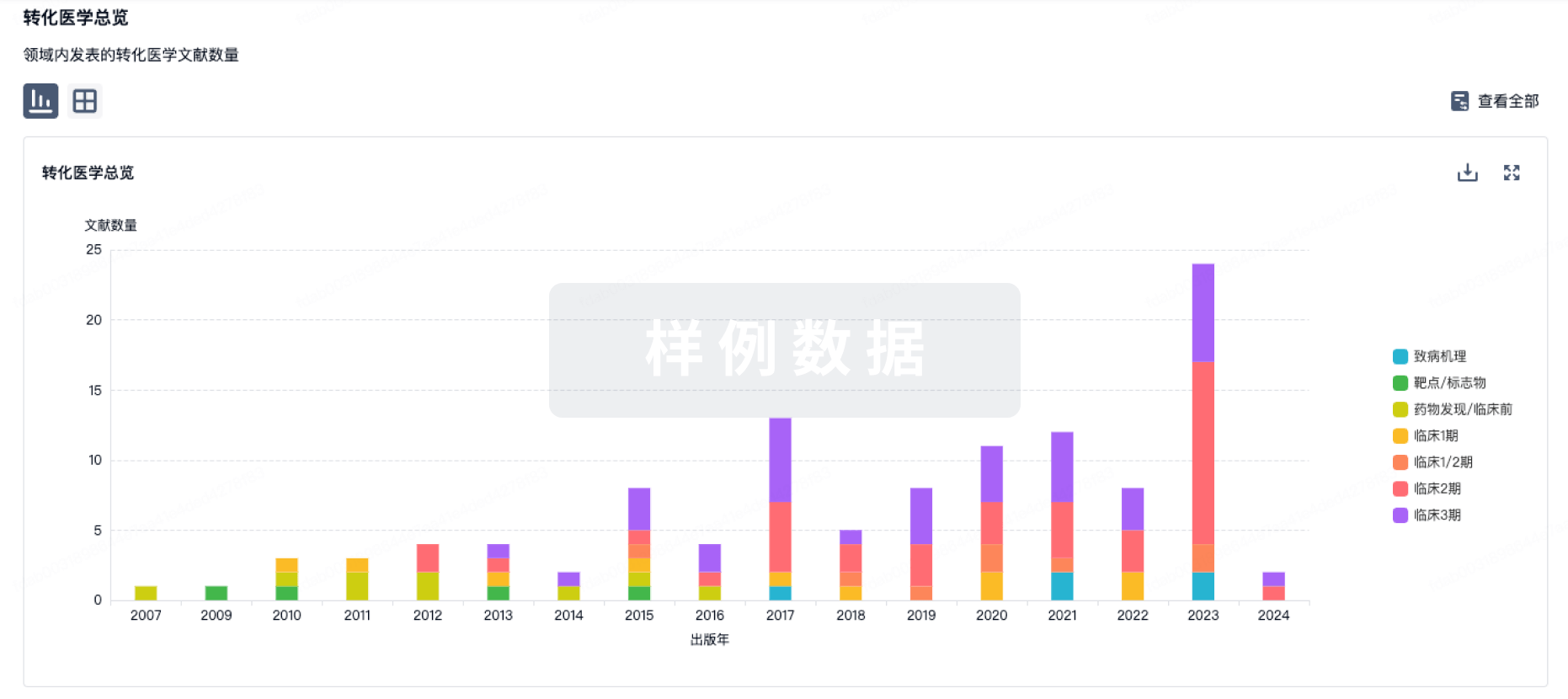
转化医学
使用我们的转化医学数据加速您的研究。
登录
或
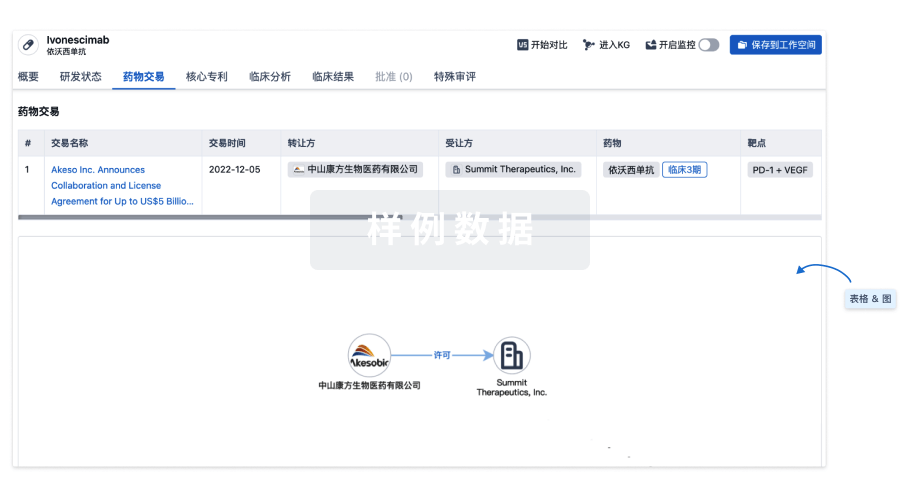
药物交易
使用我们的药物交易数据加速您的研究。
登录
或
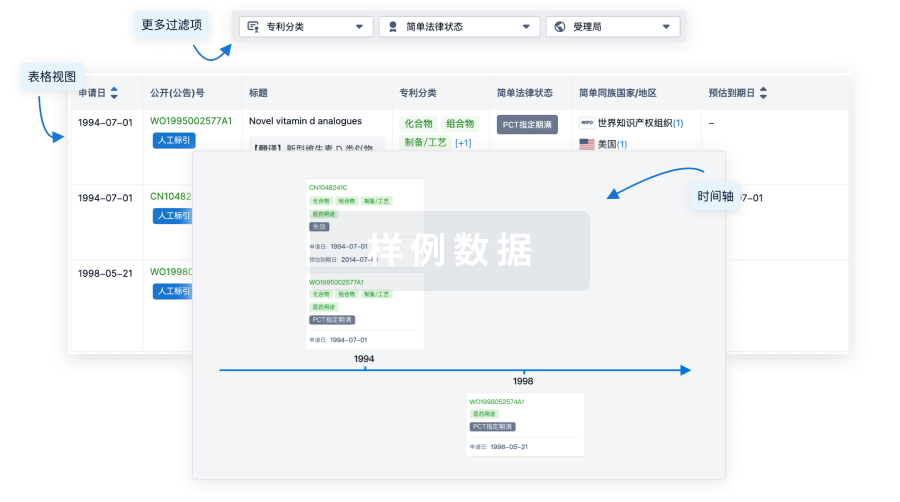
核心专利
使用我们的核心专利数据促进您的研究。
登录
或
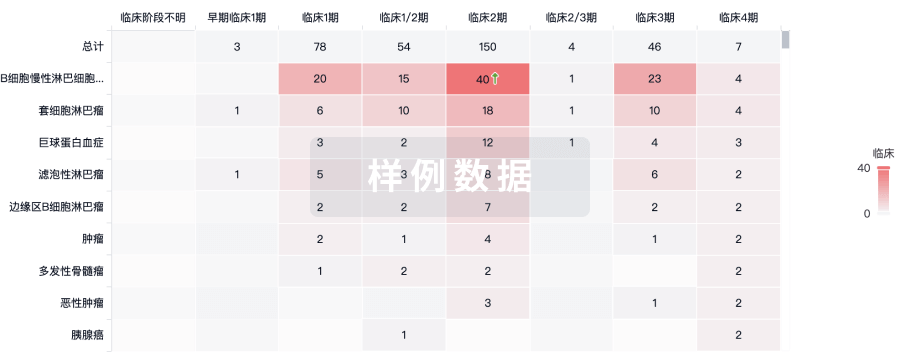
临床分析
紧跟全球注册中心的最新临床试验。
登录
或
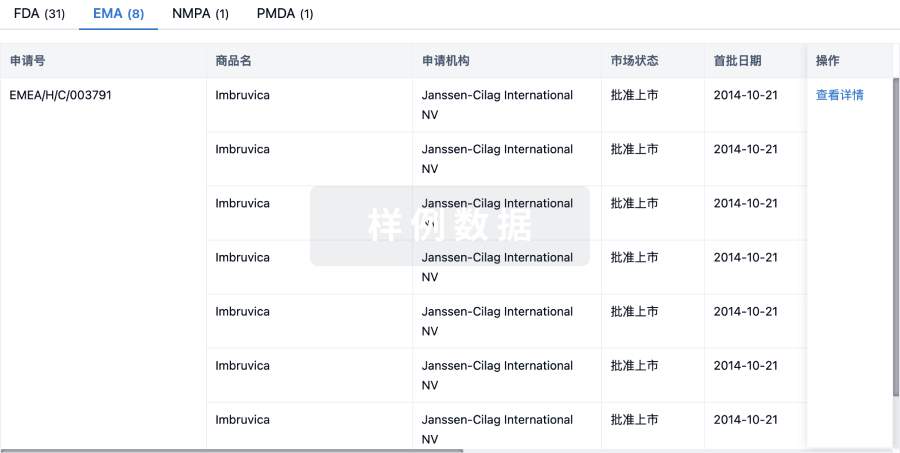
批准
利用最新的监管批准信息加速您的研究。
登录
或
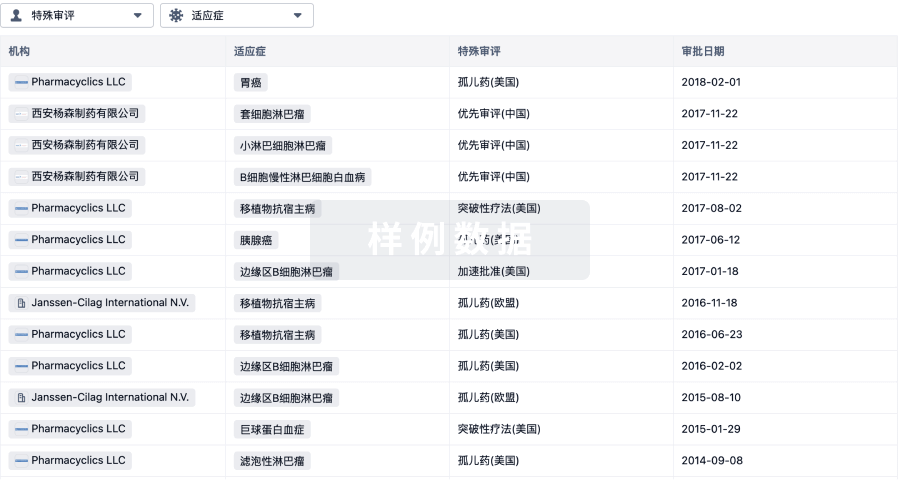
特殊审评
只需点击几下即可了解关键药物信息。
登录
或
提出任何生物医药研究问题
让每一步生物医药决策都精准制胜
基于十亿级生物数据与全球情报的精准 AI,赋能早期药物发现
立即开始免费试用!
智慧芽新药情报库是智慧芽专为生命科学人士构建的基于AI的创新药情报平台,助您全方位提升您的研发与决策效率。
立即接入生物医药数据包
智慧芽新药库数据也通过智慧芽开放平台,以MCP或API服务形式对外开放。立即使用我们的MCP服务定制您的LLM智能体。
生物序列数据库
生物药研发创新
免费使用
化学结构数据库
小分子化药研发创新
免费使用