预约演示
更新于:2026-10-30
DPAP
更新于:2026-10-30
概要
基本信息

关联
100 项与 DPAP 相关的临床结果
登录后查看更多信息
100 项与 DPAP 相关的转化医学
登录后查看更多信息
100 项与 DPAP 相关的专利(医药)
登录后查看更多信息
16
项与 DPAP 相关的文献(医药)2026-04-09·JOURNAL OF MEDICINAL CHEMISTRY
Platinum-Paeonol Complexes as ERK Inhibitors To Restrain Melanoma and Relieve Cancer Pain
Article
作者: Wang, Xiaoyong ; Cai, Linxiang ; Tong, Meiyi ; Wang, Ying ; Guo, Zijian ; Tan, Yehong ; Chen, Yayu
Melanoma is a refractory skin cancer with a poor response to chemotherapy and immunotherapy. Activation of the ERK pathway drives cell proliferation, metastasis, and pain in melanoma. Platinum-paeonol complexes PAP and DPAP were synthesized to inhibit melanoma and alleviate the associated pain. DPAP showed significant antimelanoma activity in vitro and vivo. It damaged DNA and mitochondria, triggering apoptosis via the mitochondrial pathway; moreover, it inhibited the expression of p-MEK1/2 and p-ERK1/2, thereby suppressing the metastasis and angiogenesis of melanoma. Uncommonly, DPAP showed the potential to relieve cancer pain by inhibiting the expressions of p-ERK1/2 and COX-2 in nerve cells and inactivating microglia and astrocytes in the spinal cord of mice. Contrary to conventional ERK inhibitors, DPAP upregulated programmed cell death ligand 1 (PD-L1), creating a unique susceptible tumor microenvironment for immunotherapy with anti-PD-1 monoclonal antibody. The combined therapy of DPAP and anti-PD-1 antibody remarkably improved their respective antitumor efficacy.
2025-09-01·ANTI-CANCER DRUGS
Novel dibenzoylmethane derivative 2-allyl-1,3-diphenyl-1, 3-propanedione: a safe and effective topical treatment for melanoma
Article
作者: Pizziolo, Virgínia Ramos ; Baeta, Jefferson Viktor de Paula Barros ; de Oliveira, Marcos Rodrigo ; Rocha e Oliveira, Maria Aparecida Braga ; de Oliveira Mendes, Tiago Antônio ; Diaz, Marisa Alves Nogueira ; Diaz-Muñoz, Gaspar ; dos Santos, Anésia Aparecida ; Nascimento, Fernada Rodrigues
This study investigated 2-allyl-1,3-diphenyl-1,3-propanedione (DPAP), a dibenzoylmethane derivative, as a potentially more effective and safer alternative to dacarbazine for melanoma treatment. The antitumor activity of DPAP was assessed through comprehensive in-vitro, in-silico, and in-vivo experiments. In-vitro assays evaluated DPAP’s IC50 values against melanoma cells, benchmarking its efficacy against dacarbazine. Molecular analyses explored apoptosis mechanisms, emphasizing the roles of FAS receptors and caspase pathways. In-silico absorption, distribution, metabolism, excretion, and toxicity analysis provided insights into DPAP’s pharmacokinetic profile, including absorption, distribution, metabolism, and toxicity. In-vivo studies examined its effects on tumor volume, vascular endothelial growth factor (VEGF) levels, and the histopathology of the liver, kidney, and lymph nodes. DPAP demonstrated significantly enhanced antitumor activity, reflected by markedly lower IC50 values compared with dacarbazine, underscoring its superior efficacy and specificity toward tumor cells. Molecular assays confirmed that DPAP induces apoptosis through modulation of FAS receptors and activation of caspase pathways. In-silico results revealed favorable pharmacokinetic properties, including high intestinal absorption and good tissue distribution, with no evidence of carcinogenic potential. Notably, in-vivo experiments showed that DPAP effectively reduced tumor volume and VEGF levels, while also preventing hepatotoxicity and nephrotoxicity. In addition, it inhibited the migration of tumor cells to lymph nodes. These findings position DPAP as a promising candidate for melanoma treatment, particularly as a topical therapeutic, offering enhanced efficacy and safety compared with existing treatments. DPAP is a promising candidate for melanoma treatment, particularly through topical application, offering a safer and more effective alternative to current treatments.
2023-09-01·Ecotoxicology and environmental safety
A highly selective and sensitive ICT-based Cu2+ fluorescent probe and its application in bioimaging
Article
作者: Shi, Taozhong ; Zhu, Meiqing ; Liu, Xina ; Wang, Yi ; Xu, Chenyang
Cu2+ is an essential trace element for the organism, but its excess can also cause irreversible damage to the organism. As such, a "Turn-Off" fluorescent probe DPAP for the specific detection of Cu2+ was successfully constructed. DPAP exhibits large Stokes shift (120 nm), fast reaction speed (1 min), low detection limit (15.2 nM), low toxicity, and good cell permeability. Cu2+ quenches the fluorescence of DPAP by blocking its intramolecular charge transfer process to achieve the detection of Cu2+ and has been confirmed by HRMS, 1H NMR and DFT calculations. Excitingly, the five-cycle detection of Cu2+ and the successful recovery of trace Cu2+ in environmental water samples fully demonstrate the potential of DPAP for practical applications. In particular, DPAP can observe the distribution and translocation patterns of exogenous Cu2+ in HeLa cells and zebrafish in real-time. This research concept has offered important theoretical support for the study of the environmental behavior of heavy metal ions.
100 项与 DPAP 相关的药物交易
登录后查看更多信息
研发状态
临床结果
临床结果
适应症
分期
评价
查看全部结果
| 研究 | 分期 | 人群特征 | 评价人数 | 分组 | 结果 | 评价 | 发布日期 |
|---|
No Data | |||||||
登录后查看更多信息
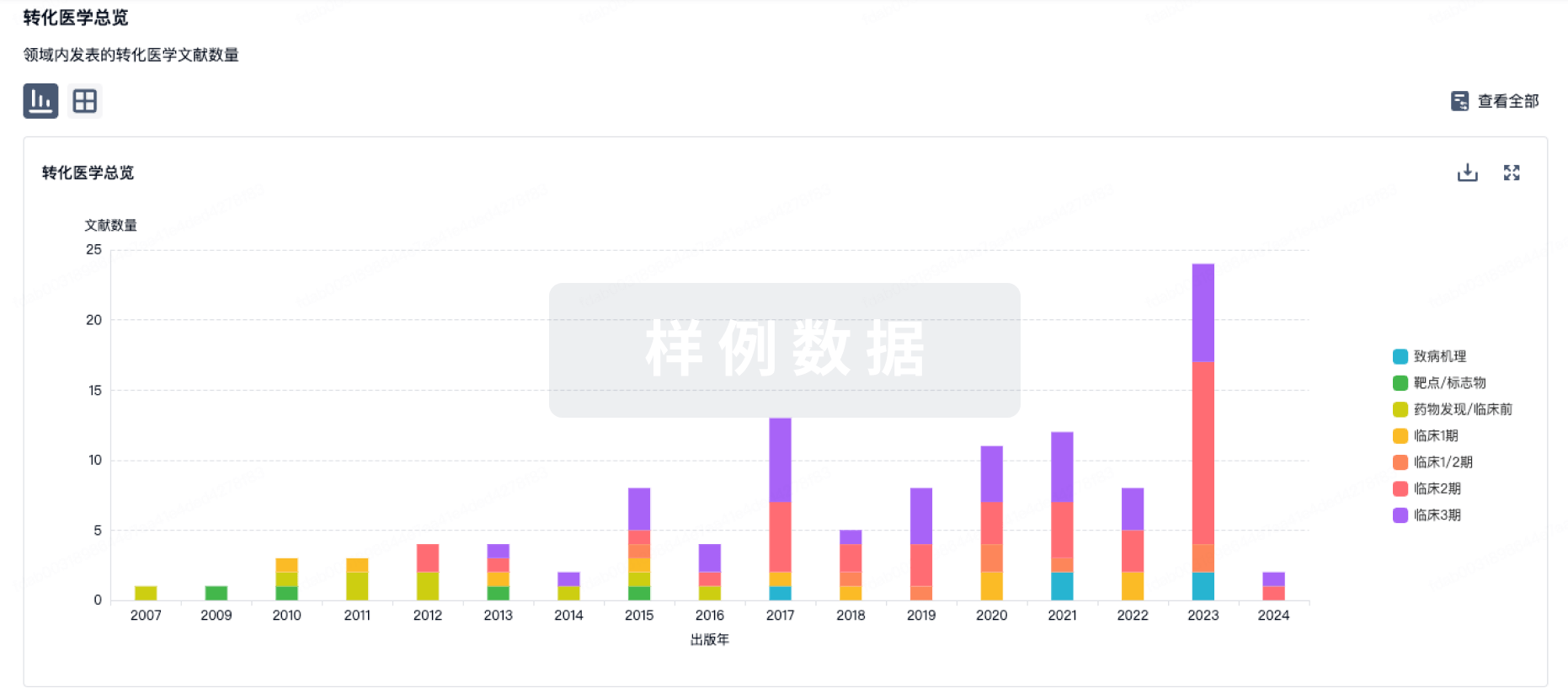
转化医学
使用我们的转化医学数据加速您的研究。
登录
或
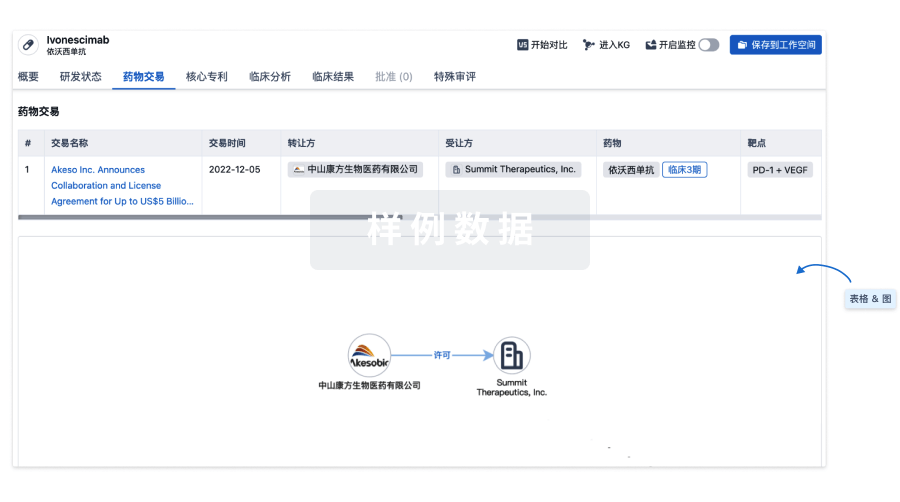
药物交易
使用我们的药物交易数据加速您的研究。
登录
或
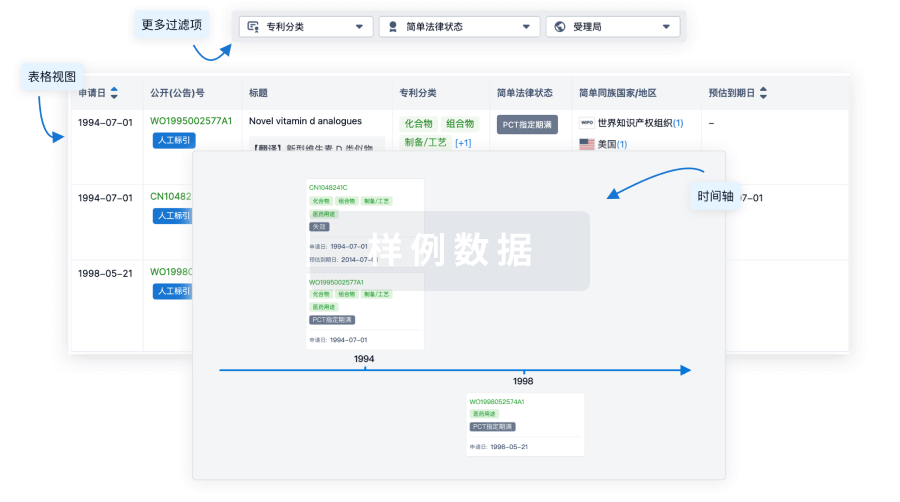
核心专利
使用我们的核心专利数据促进您的研究。
登录
或
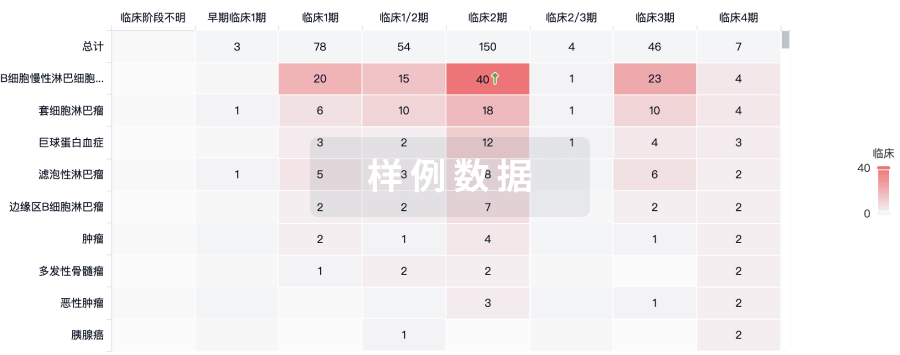
临床分析
紧跟全球注册中心的最新临床试验。
登录
或
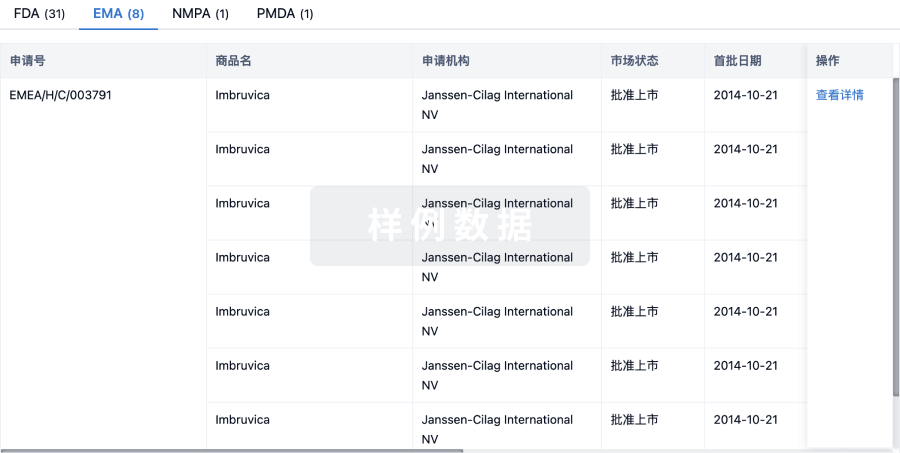
批准
利用最新的监管批准信息加速您的研究。
登录
或
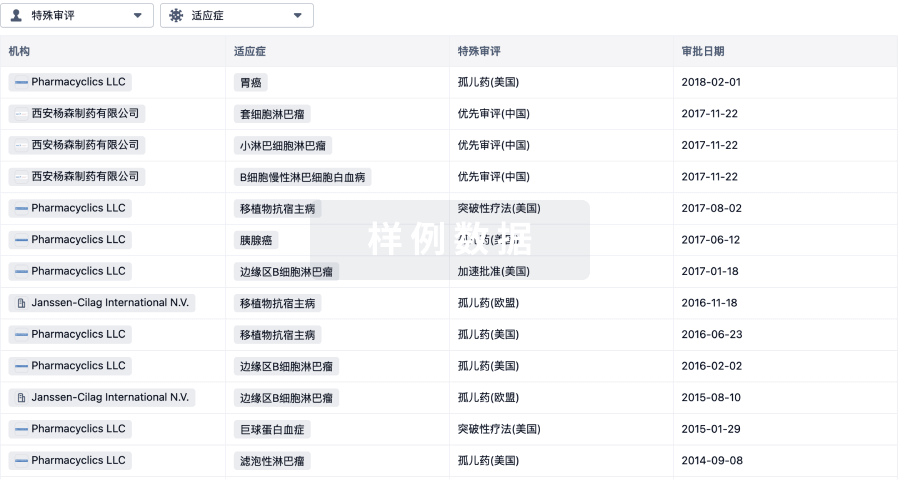
特殊审评
只需点击几下即可了解关键药物信息。
登录
或
提出任何生物医药研究问题
让每一步生物医药决策都精准制胜
基于十亿级生物数据与全球情报的精准 AI,赋能早期药物发现
立即开始免费试用!
智慧芽新药情报库是智慧芽专为生命科学人士构建的基于AI的创新药情报平台,助您全方位提升您的研发与决策效率。
立即接入生物医药数据包
智慧芽新药库数据也通过智慧芽开放平台,以MCP或API服务形式对外开放。立即使用我们的MCP服务定制您的LLM智能体。
生物序列数据库
生物药研发创新
免费使用
化学结构数据库
小分子化药研发创新
免费使用