预约演示
更新于:2026-02-07
Anti-BCMA CAR T cells(Allife Medicine)
更新于:2026-02-07
概要
基本信息
原研机构 |
在研机构- |
非在研机构 |
权益机构- |
最高研发阶段无进展早期临床1期 |
首次获批日期- |
最高研发阶段(中国)- |
特殊审评- |

登录后查看时间轴
关联
1
项与 Anti-BCMA CAR T cells(Allife Medicine) 相关的临床试验NCT03559764
Clinical Study on the Safety and Efficacy of Anti-BCMA CAR T Cells With Relapsed and Refractory Multiple Myeloma
100 项与 Anti-BCMA CAR T cells(Allife Medicine) 相关的临床结果
登录后查看更多信息
100 项与 Anti-BCMA CAR T cells(Allife Medicine) 相关的转化医学
登录后查看更多信息
100 项与 Anti-BCMA CAR T cells(Allife Medicine) 相关的专利(医药)
登录后查看更多信息
31
项与 Anti-BCMA CAR T cells(Allife Medicine) 相关的文献(医药)2025-12-01HemaSphere
Impact of the kinetics of circulating anti‐BCMA CAR‐T cells and normal lymphocytes on the outcome of MM patients
Article
作者: Pérez‐López, Estefanía ; Sánchez‐Guijo, Fermín ; Mateos, María Victoria ; Orfao, Alberto ; López‐Corral, Lucía ; Puig, Noemí ; López‐Parra, Miriam ; Rey‐Búa, Beatriz ; Martín‐Martín, Lourdes ; Gutiérrez‐Herrero, Sara ; Herrero‐García, María ; Puertas, Borja ; González‐Calle, Verónica ; da Silva Barbosa, Eduarda ; Martín‐López, Ana África
Abstract:
Chimeric antigen receptor (CAR)‐T‐cell therapy has improved response rates in relapsed/refractory multiple myeloma (RRMM), yet long‐term disease control remains limited, with only 20% of patients remaining progression‐free at 5 years. Therefore, identifying early predictors of treatment success is critical. Here, we used next‐generation flow cytometry to analyze T‐cell populations in blood at leukapheresis, before infusion, and post‐anti‐BCMA CAR‐T infusion, together with CAR‐T‐cell kinetics and phenotypes before, during, and after the expansion peak, in 53 RRMM patients. Anti‐BCMA CAR‐T cells peaked at Day +14 (72%), comprising >65 distinct populations, predominantly central memory (CM) T‐helper (Th) 1 and Th1/2 CAR‐TCD4
+
and CM CAR‐TCD8
+
cells. Multivariate analyses revealed that higher frequencies of TCD4
+
naive and Th22 transitional memory (TM) cells at leukapheresis, together with circulating tumor plasma cells (CTPCs) before infusion, but none of the specific CAR‐T‐cell populations, were predictors of progression‐free survival (PFS). Based on these variables, we built a risk score that together with disease stage (International Staging System‐Revised [ISS‐R]) independently predicted, before CAR‐T‐cell infusion, which RRMM patients were most likely to benefit from anti‐BCMA CAR‐T therapy. These findings suggest that long‐term PFS is primarily influenced by the patient's immune landscape and the tumor burden rather than anti‐BCMA CAR‐T‐cell properties.
2025-10-01ANNALS OF THE RHEUMATIC DISEASES
BCMA-targeted CAR T cell therapy can effectively induce disease remission in refractory lupus nephritis
Article
作者: Chen, Yuxue ; Shen, Guifen ; Yu, Yikai ; Ye, Cong ; Cai, Shaozhe ; Wang, Di ; Xiong, Hui ; Zhang, Peiling ; Lin, Shengyan ; Zeng, Zhipeng ; Luo, Xiaofang ; He, Xiaofeng ; Yu, Fei ; Dong, Lingli ; Wang, Bei ; Li, Chunrui ; Zhang, Jishuai ; Zeng, Rui ; Hu, Ziwei ; Ye, Ping ; Zhang, Ziyun ; Chen, Yu ; Bai, Lin
OBJECTIVES:
This study aims to evaluate the safety and efficacy of anti-B cell maturation antigen (BCMA)-targeting chimeric antigen receptor (CAR) T cells in treating refractory lupus nephritis (LN).
METHODS:
This is an open-label, single-arm clinical trial assessing anti-BCMA CAR T cells in treating refractory LN patients. CAR T cells were infused following lymphodepletion therapy with cyclophosphamide and fludarabine. Patients were regularly followed up, in which clinical assessments were performed and laboratory indices were collected. Repeated renal biopsies and single cell RNA sequencing in certain patients were performed to help evaluate the therapeutic efficacy. The primary endpoints were the safe dosage of single infusion and the occurrence of adverse events, while the secondary endpoints focused on the therapeutic efficacy (eg, changes of Systemic Lupus Erythematosus Disease Activity Index 2000 [SLEDAI-2000]).
RESULTS:
Seven biopsy-confirmed LN patients were enrolled in this study with a median follow-up of 9 months, whose peripheral B cells were effectively eliminated within the first month postinfusions and restored within 3 months except one patient. Hypogammaglobulinemia was frequently observed in this study. Only one case of grade 1 cytokine release syndrome was noted, and no immune effector cell-associated neurotoxicity syndrome or severe infection was reported. SLEDAI-2K scores decreased from a median of 18 (range 10-22) at baseline to 0 (range 0-4) at the last follow-up, and 5 out of 7 patients achieved definition of remission in systemic lupus erythematosus (DORIS) complete remission. Decreased deposition of immune complex, reduced clonal abundance, and alleviated proinflammatory status of peripheral lymphocytes were also observed in repeated renal biopsy and transcriptomic analyses,.
CONCLUSIONS:
Anti-BCMA CAR T therapy can help LN patients inducing and maintaining disease remission status safely and effectively, which indicated the potential feasibility of the BCMA-only-targeting strategy in treating autoimmune diseases with abnormal humoral immune responses through CAR products.
2025-04-01NATURE MEDICINE
Multiomic profiling of T cell lymphoma after therapy with anti-BCMA CAR T cells and GPRC5D-directed bispecific antibody
Article
作者: Kreuz, Markus ; Braun, Till ; Kuschel, Florian ; Meinel, Jörn ; Kuhn, Christina Katharina ; Klepzig, Hanna ; Scheid, Christof ; Hallek, Michael ; Köhl, Ulrike ; Platzbecker, Uwe ; Große, Florian ; Reiche, Kristin ; Holtick, Udo ; Löffler, Dennis ; Pham, Nhu-Nguyen ; Heger, Eva ; Rade, Michael ; Fandrei, David ; Pflug, Natali ; Schweinsberg, Viola ; Herling, Marco ; Richardson, Tim ; Merz, Maximilian
Chimeric antigen receptor (CAR) T cells and bispecific T cell engagers have become integral components in the treatment of relapsed/refractory multiple myeloma. We report a 63-year-old male who received ciltacabtagene autoleucel CAR T cells and the GPRC5D × CD3 bispecific talquetamab for early relapse of his multiple myeloma. Nine months after CAR T therapy, he developed a symptomatic leukemic peripheral T cell lymphoma with cutaneous and intestinal involvement. Longitudinal single-cell RNA and T cell receptor sequencing of peripheral blood and bone marrow revealed two hyperexpanded CAR-carrying T cell clones. These expanded clones exhibited an exhausted effector-memory T cell transcriptional signature, and the neoplasm itself was sensitive to dexamethasone treatment. The immunophenotypic and transcriptional alterations of these abnormal T cells resembled those of T-large granular lymphocytic leukemia. Spatial transcriptomes of skin lesions confirmed the aberrant CAR-expressing T cells. Whole-genome sequencing revealed three distinct integration sites, within the introns of ZGPAT, KPNA4 and polycomb-associated noncoding RNAs. Before and after CAR T whole-genome analyses implicated clonal outgrowth of a TET2-mutated precursor propelled by additional subclone-specific loss of heterozygosity and other secondary mechanisms. This case highlights the evolution of a CAR-carrying peripheral T cell lymphoma following CAR T cell and bispecific T cell engager therapy, offering critical insights into the clonal evolution from a predisposed hematopoietic precursor to a mature neoplasm.
100 项与 Anti-BCMA CAR T cells(Allife Medicine) 相关的药物交易
登录后查看更多信息
研发状态
10 条进展最快的记录, 后查看更多信息
登录
| 适应症 | 最高研发状态 | 国家/地区 | 公司 | 日期 |
|---|---|---|---|---|
| 复发性多发性骨髓瘤 | 临床1期 | - | 2018-06-01 |
登录后查看更多信息
临床结果
临床结果
适应症
分期
评价
查看全部结果
登录后查看更多信息
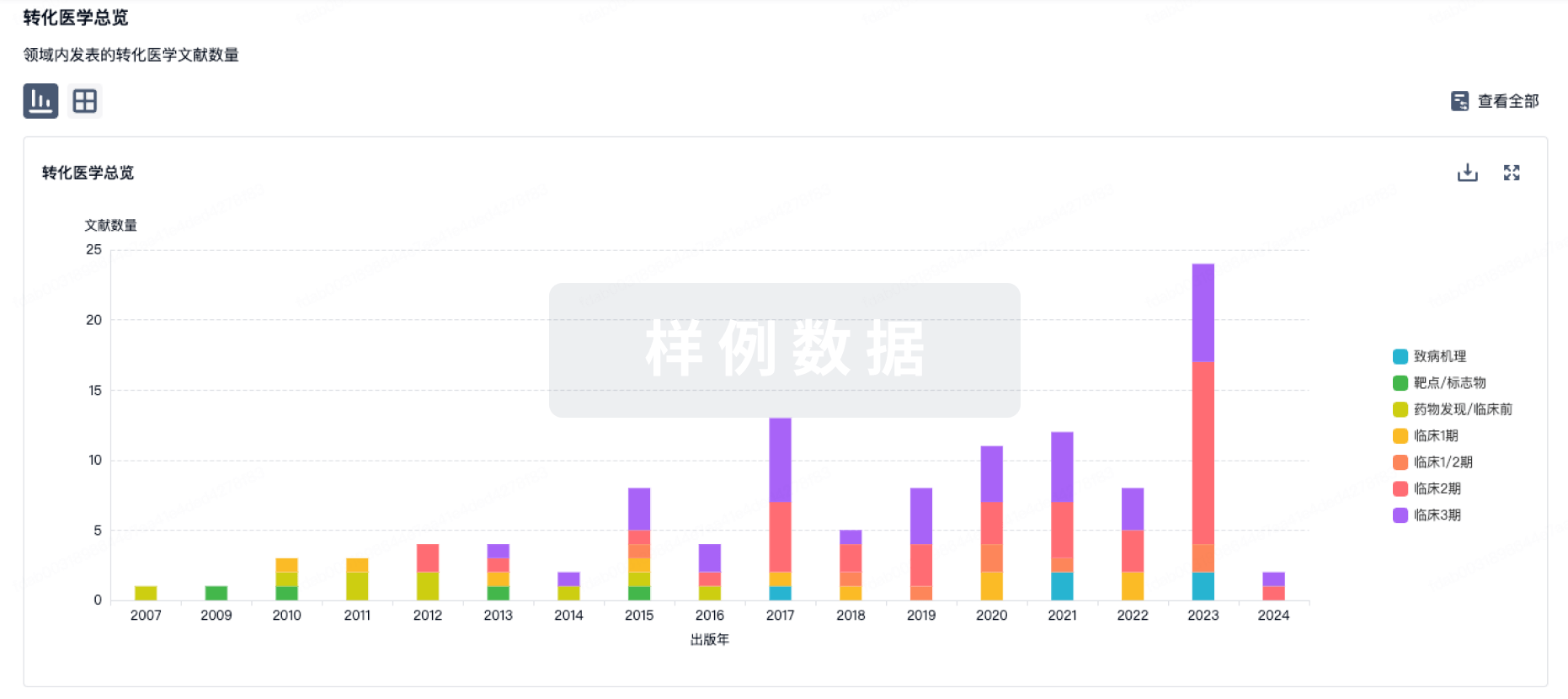
转化医学
使用我们的转化医学数据加速您的研究。
登录
或
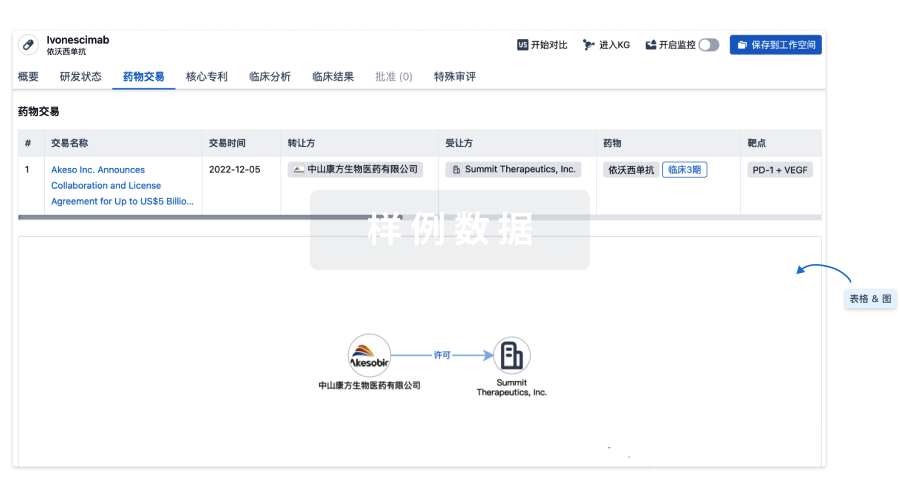
药物交易
使用我们的药物交易数据加速您的研究。
登录
或
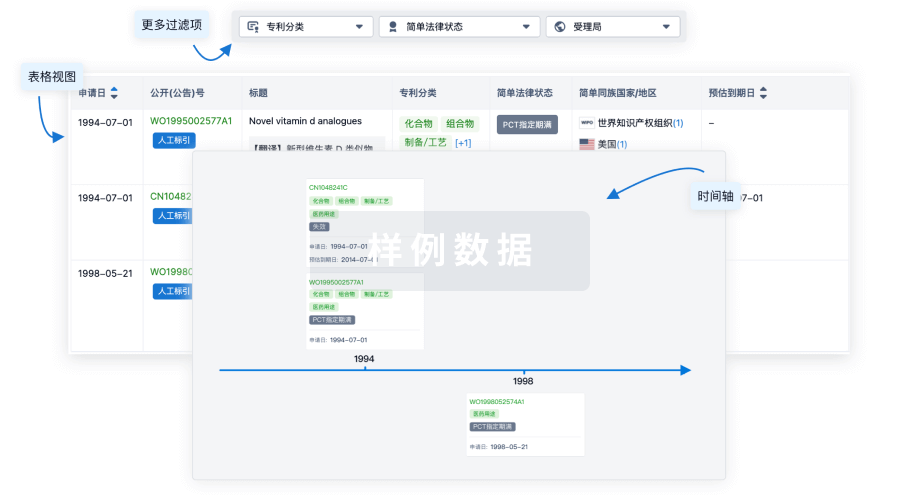
核心专利
使用我们的核心专利数据促进您的研究。
登录
或
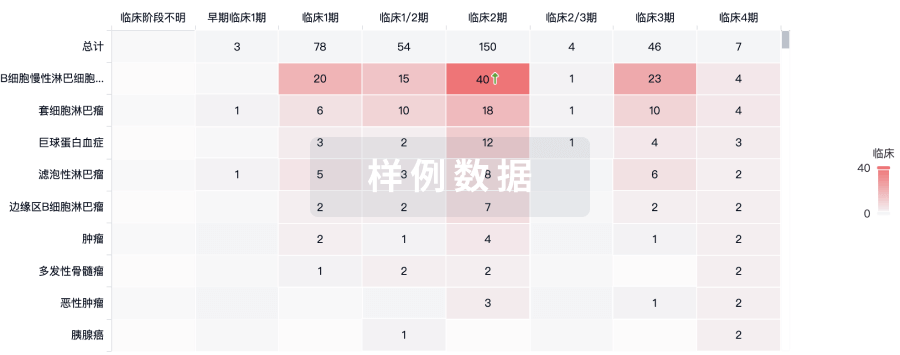
临床分析
紧跟全球注册中心的最新临床试验。
登录
或
批准
利用最新的监管批准信息加速您的研究。
登录
或
特殊审评
只需点击几下即可了解关键药物信息。
登录
或
生物医药百科问答
全新生物医药AI Agent 覆盖科研全链路,让突破性发现快人一步
立即开始免费试用!
智慧芽新药情报库是智慧芽专为生命科学人士构建的基于AI的创新药情报平台,助您全方位提升您的研发与决策效率。
立即开始数据试用!
智慧芽新药库数据也通过智慧芽数据服务平台,以API或者数据包形式对外开放,助您更加充分利用智慧芽新药情报信息。
生物序列数据库
生物药研发创新
免费使用
化学结构数据库
小分子化药研发创新
免费使用