预约演示
更新于:2026-02-07
Ori-Ab-003
更新于:2026-02-07
概要
基本信息
原研机构 |
在研机构- |
非在研机构 |
权益机构- |
最高研发阶段终止临床前 |
首次获批日期- |
最高研发阶段(中国)终止 |
特殊审评- |

关联
100 项与 Ori-Ab-003 相关的临床结果
登录后查看更多信息
100 项与 Ori-Ab-003 相关的转化医学
登录后查看更多信息
100 项与 Ori-Ab-003 相关的专利(医药)
登录后查看更多信息
69
项与 Ori-Ab-003 相关的文献(医药)2025-12-01·CANCER SCIENCE
Article
作者: Chang, Chih‐Hsien ; Lin, Liang‐Ting ; Liu, Shin‐Yi ; Chen, Yu‐Jen
ABSTRACT:
Radionuclides such as Rhenium‐188 (Re188) hold promise for treating metastatic cancers due to their cytotoxic effects and potential to stimulate systemic anti‐tumor immunity. However, mononuclear phagocyte system‐mediated clearance of liposome encapsulated Re188 (Lipo‐Re188) limits its tumor delivery. This study aimed to enhance the therapeutic effect of Lipo‐Re188 against lung metastases through macrophage depletion and immune checkpoint blockade. A lung metastatic colon cancer model was established via intravenous injection of CT26‐luciferase cells and then treated with Lipo‐Re188 (11.1 MBq, 30% of MTD), liposomal clodronate (Lipo‐clod) for macrophage depletion, and/or anti‐PD‐L1 antibody. Tumor progression was monitored by bioluminescence imaging, and radionuclide biodistribution was assessed at 1, 24, and 48 h post‐injection. Flow cytometry was used to assess immune cell populations in the spleen and tumor microenvironment (TME). Cytokine levels were measured using a bead‐based multiplex assay and analyzed by flow cytometry. Macrophage depletion significantly enhanced tumor accumulation of Lipo‐Re188 while reducing hepatic uptake and prolonging survival. The combination of Lipo‐clod and Lipo‐Re188 promoted B cells, restored functional T cells, and suppressed MDSC in both spleen and TME. Notably, IL‐1α and GM‐CSF levels were significantly elevated in the combination group. Triple therapy with Lipo‐clod, Lipo‐Re188, and anti‐PD‐L1 provided the greatest survival benefit, highest intratumoral B cell accumulation, and lowest interstitial macrophage levels, with no significant biological toxicity. Our study reveals that triple therapy overcomes immunosuppressive feedback and promotes a tumor‐suppressive microenvironment. These findings support a rational combination strategy integrating radiopharmaceutical therapy with immune modulation for metastatic cancer treatment.
2025-12-01·ANNALS OF ONCOLOGY
A-BRAVE trial: a phase III randomized trial with anti-PD-L1 avelumab in high-risk triple-negative early breast cancer patients
Article
作者: Del Mastro, L ; Nicolé, L ; Schmid, P ; Guarneri, V ; Ferro, A ; Musolino, A ; Corsi, D C ; Bianchi, G V ; Gennari, A ; Piacentini, F ; Mion, M ; Del Bianco, P ; Dieci, M V ; Cinieri, S ; Bisagni, G ; Zamagni, C ; Conte, P F ; Favaretto, A G ; Tamberi, S ; Zambelli, A ; De Laurentiis, M ; De Salvo, G L
BACKGROUND:
The A-BRAVE trial evaluated the efficacy of avelumab, an anti-programmed death-ligand 1 (PD-L1) antibody, as adjuvant treatment of patients with early triple-negative breast cancer (TNBC) at high risk.
PATIENTS AND METHODS:
A-BRAVE is a phase III study that randomly assigned patients with high-risk early TNBC to 1 year of avelumab versus observation, after completion of standard surgery and (neo)adjuvant chemotherapy. High-risk was defined as either: (i) ≥pN2/any pT, pN1/pT2, or pN0/pT3 after primary surgery (stratum A); or (ii) invasive residual disease (breast and/or nodes) after neoadjuvant chemotherapy (stratum B). Coprimary endpoints were disease-free survival (DFS) in the intention-to-treat (ITT) and stratum B populations. Secondary endpoints were overall survival (OS) and DFS in PD-L1-positive patients. PD-L1 was evaluated in treatment-naïve tumor samples by immunohistochemistry (73-10 RUO assay, Agilent Technologies) and digital pathology.
RESULTS:
From June 2016 to October 2020, 466 patients were randomly assigned: 383 entered stratum B (82%) and 83 entered stratum A (18%). At a median follow-up of 52.1 months, avelumab did not significantly improve DFS in the ITT population [hazard ratio (HR) 0.81, 95% confidence interval (CI) 0.61-1.09, P = 0.172; 3-year DFS estimates were 68.3% for avelumab versus 63.2%], or in stratum B (HR 0.80, 95% CI 0.58-1.10, P = 0.170; 3-year DFS estimates were 66.9% for avelumab versus 60.7%). In a descriptive analysis, avelumab reduced the hazard of OS events: HR 0.66, 95% CI 0.45-0.97. The 3-year OS estimates for avelumab and control arm were 84.8% (95% CI 79.5% to 88.8%) and 76.3% (95% CI 70.1% to 81.3%), respectively. PD-L1 status was prognostic but not predictive for avelumab benefit in terms of DFS (test for interaction P = 0.155).
CONCLUSIONS:
For patients with TNBC at high risk of relapse who complete standard treatment with surgery and (neo)adjuvant chemotherapy, 1 year of adjuvant avelumab versus observation did not improve DFS. However, a descriptive analysis suggests a potential favorable impact on OS.
2025-12-01·CANCER CHEMOTHERAPY AND PHARMACOLOGY
HMGB1 assists the predictive value of tumor PD-L1 expression for the efficacy of anti-PD-1/PD-L1 antibody in NSCLC
Article
作者: Masuda, Takeshi ; Oga, Toru ; Horimasu, Yasushi ; Hattori, Noboru ; Yamaguchi, Kakuhiro ; Hamada, Hironobu ; Funaishi, Kunihiko ; Iwamoto, Hiroshi ; Tanahashi, Hiroki ; Oka, Mikio ; Nakashima, Taku ; Kurose, Koji ; Sakamoto, Shinjiro
Abstract:
Background:
The expression of anti-programmed cell death ligand-1 (PD-L1) in tumors is widely used as a biomarker to predict the therapeutic efficacy of anti-programmed cell death-1(PD-1)/PD-L1 antibodies. However, the predictive accuracy of this method is limited. High-mobility group box 1 (HMGB1) is known to modulate cancer immunity. Therefore, we investigated the potential of circulatory HMGB1 in combination with PD-L1 expression to predict the efficacy of anti-PD-1/PD-L1 antibody monotherapy.
Patients and methods:
This multicenter retrospective study analyzed blood samples collected from 114 patients with non-small cell lung cancer (NSCLC) prior to anti-PD-1/PD-L1 antibody monotherapy at two university hospitals (Hiroshima University Hospital and Kawasaki Medical School Hospital) between December 2015 and October 2020. We evaluated the association of serum HMGB1 levels with tumor response and progression-free survival (PFS).
Results:
Serum HMGB1 levels were significantly higher in patients with complete or partial response than in those with stable or progressive disease. Using receiver operating characteristic analysis, the cut-off level of serum HMGB1 to predict tumor response was determined to be 3.83 ng/mL. PFS was significantly longer in the HMGB1high group than that in the HMGB1low group in the entire cohort (4.3 months vs. 2.3 months) and in patients with NSCLC with PD-L1 tumor proportion score (TPS) ≥ 50% (12.4 months vs. 4.4 months), but not in those with PD-L1 TPS < 50% or unknown.
Conclusion:
HMGB1 may serve as a predictive biomarker for the efficacy of anti-PD-1/PD-L1 antibody therapy in the patients with NSCLC, especially in those with PD-L1 TPS ≥ 50%.
100 项与 Ori-Ab-003 相关的药物交易
登录后查看更多信息
研发状态
10 条进展最快的记录, 后查看更多信息
登录
| 适应症 | 最高研发状态 | 国家/地区 | 公司 | 日期 |
|---|---|---|---|---|
| 实体瘤 | 临床前 | 中国 | 2021-05-26 |
登录后查看更多信息
临床结果
临床结果
适应症
分期
评价
查看全部结果
| 研究 | 分期 | 人群特征 | 评价人数 | 分组 | 结果 | 评价 | 发布日期 |
|---|
No Data | |||||||
登录后查看更多信息
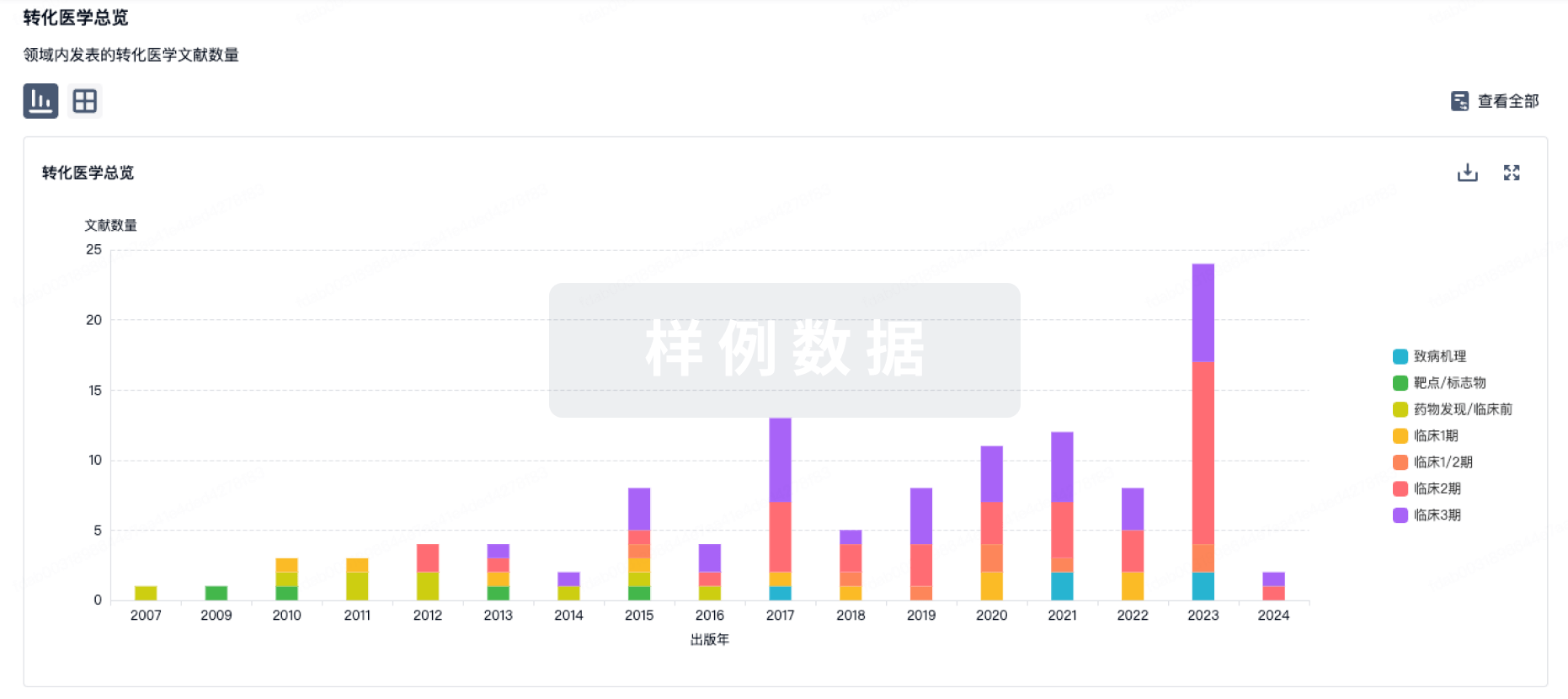
转化医学
使用我们的转化医学数据加速您的研究。
登录
或
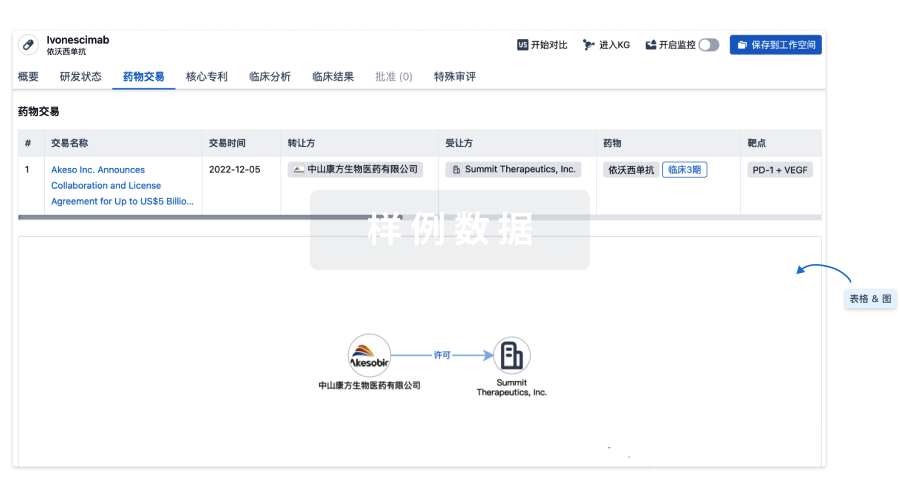
药物交易
使用我们的药物交易数据加速您的研究。
登录
或
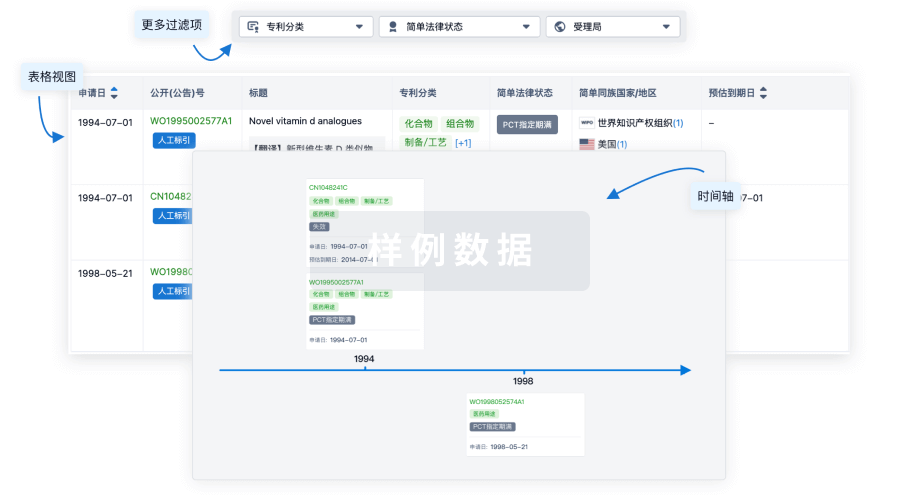
核心专利
使用我们的核心专利数据促进您的研究。
登录
或
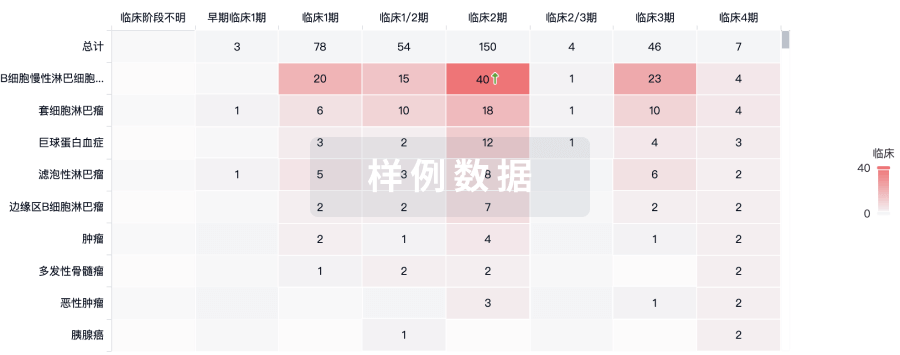
临床分析
紧跟全球注册中心的最新临床试验。
登录
或
批准
利用最新的监管批准信息加速您的研究。
登录
或
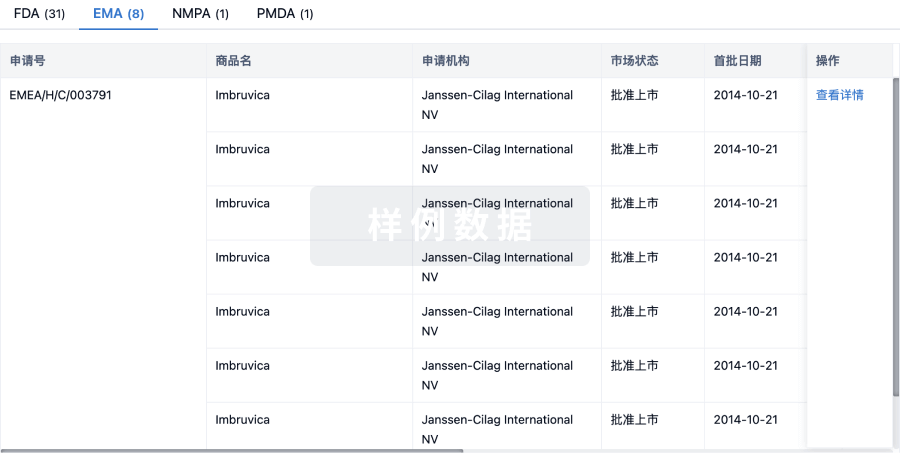
生物类似药
生物类似药在不同国家/地区的竞争态势。请注意临床1/2期并入临床2期,临床2/3期并入临床3期
登录
或
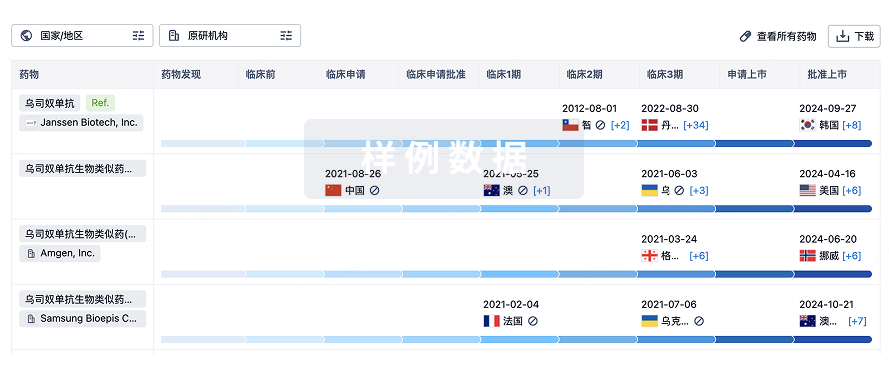
特殊审评
只需点击几下即可了解关键药物信息。
登录
或
生物医药百科问答
全新生物医药AI Agent 覆盖科研全链路,让突破性发现快人一步
立即开始免费试用!
智慧芽新药情报库是智慧芽专为生命科学人士构建的基于AI的创新药情报平台,助您全方位提升您的研发与决策效率。
立即开始数据试用!
智慧芽新药库数据也通过智慧芽数据服务平台,以API或者数据包形式对外开放,助您更加充分利用智慧芽新药情报信息。
生物序列数据库
生物药研发创新
免费使用
化学结构数据库
小分子化药研发创新
免费使用