预约演示
更新于:2026-05-16
Bisphenol S
更新于:2026-05-16
概要
基本信息

关联
100 项与 Bisphenol S 相关的临床结果
登录后查看更多信息
100 项与 Bisphenol S 相关的转化医学
登录后查看更多信息
100 项与 Bisphenol S 相关的专利(医药)
登录后查看更多信息
598
项与 Bisphenol S 相关的文献(医药)2026-06-01·GENE
Variations in DNA repair gene expression and cyto-genotoxic evaluation of bisphenol S in Madin-Darby Bovine Kidney (MBDK) cell line
Article
作者: Momenah, Maha Abdullah ; Kabir, Fatima ; Raza, Sohail ; Ullah, Asad ; Alqahtani, Alaa M ; Nawaz, Sadia ; Ali, Muhammad Muddassir ; Mehmood, Tahir ; Tariq, Ayesha
Bisphenol S (BPS) is ubiquitously used as a substitute for Bisphenol A (BPA) in various consumer and industrial products. However, recent evidence has shown its detrimental effects on human health. Moreover, toxicological data regarding its cyto-genotoxic potential remains underreported. This study evaluated the BPS induced dose dependent cytotoxicity, DNA damage and DNA repair related gene expression in Madin-Darby Bovine Kidney (MBDK) cell line. In MTT (3(4,5-dimethylthiazol-2-yl)-2,5-diphenyltetrazolium bromide) assay, a significant reduction in cell viability was observed as the concentrations of BPS increased, with 50% of viability noted at 120 µM following 24 hrs exposure. Cyto-genotoxic effects were assessed using alkaline comet and micronucleus assays. A dose-dependent increase in DNA damage and micronucleus frequency was observed, especially above 120 µM dose concentration of BPS (P ≤ 0.05). The gene expression analysis through quantitative real time PCR (qRT-PCR) revealed upregulated expression rates of 8-Oxoguanine DNA Glycosylase 1 (OGG1) and hypoxanthine phosphoribosyltransferase 1(HPRT 1), particularly at 240 µM of BPS (P ≤ 0.05). This upregulation suggests the activation of oxidative DNA repair and nucleotide salvage pathways as triggered responses to genotoxic stress. The results of this study raise serious concerns regarding the cyto-genotoxic safety of BPS, thereby warranting the urgent need to reassess its safety profile and regulate its widespread use.
2026-06-01·FOOD CHEMISTRY
Neuroactive compounds in tomatoes: metabolic fate during in vitro digestion and colonic fermentation
Article
作者: Masuero, Domenico ; Mancini, Andrea ; Garcia-Aloy, Mar ; Franceschi, Pietro ; Rubert, Josep ; Vrhovšek, Urška ; Lotti, Cesare ; Kovačič, Ana
Neurodegenerative diseases are hard to treat, and their progression is linked to diet and the gut microbiota. Tomatoes contain potentially neuroactive compounds, but their fate during digestion and colonic fermentation remains unclear. This study tracked neuroactive compounds and fecal fatty acids (50%, 24 h) or increased, whereas others (e.g., caffeic acid, rutin) degraded rapidly (80%, 24 h). Digested tomato enhanced acetic and propionic acid production, though attenuated by neuro-disruptors. The study clarifies colonic bioaccessibility of neuroactive compounds and their potential influence on the gut-brain axis.
2026-06-01·ENVIRONMENTAL RESEARCH
Bisphenol S-induced cardiac remodeling is associated with an imbalance in the renin-angiotensin system
Article
作者: Matsuura, Cristiane ; Alexandre-Santos, Beatriz ; Frantz, Eliete Dalla Corte ; Reis, Guilherme Dos Santos ; Silva, Maria Eduarda Lima da ; Nóbrega, Antonio Claudio Lucas da ; Ferraz, Luiza Mazzali ; Magliano, D'Angelo Carlo ; Miranda-Alves, Leandro
Cardiovascular diseases (CVD) are the leading cause of death worldwide, and cardiac remodeling is a key pathological feature. The renin-angiotensin system (RAS) plays a central role in CVD, but whether different doses of bisphenol S (BPS) modulate cardiac RAS remain unclear. Adult male C57BL/6 mice were assigned to control (C) or 4 (B4), 25 (B25), and 50 (B50) μg/kg/day of BPS in drinking water for 12 weeks. Body mass (BM), plasma cholesterol, left ventricle (LV) and cardiomyocyte morphology, RAS components and signaling markers, and remodeling mediators were assessed. B4 and B25 increased BM and plasma cholesterol, with a higher cardiac risk ratio. Regarding the RAS, all BPS doses overactivated the classical axis, evidenced by increased ACE activity and protein expression, and greater AT1R immunostaining, while suppressing the counterregulatory axis, with reduced ACE2 activity and protein expression and lower Mas receptor immunostaining. AT1R-related intracellular signaling (NOX2, NOX4, ERK 1/2 protein expression) increased in all groups. B4 and B25 presented ER stress, with increased GRP78 and CHOP protein expression, and ATF4 protein expression increased in all groups. B4 and B25 promoted pathological cardiac hypertrophy, with increased LV mass, wall thickness, chamber area and ANP protein expression. Inflammation markers protein expression was observed in all groups, particularly B4 and B25. All doses induced a pro-fibrotic profile with increased collagen deposition and TGFβ protein expression, more pronounced in B50. Overall, exposure to different BPS doses shifted the RAS activation towards the classical axis. These findings underscore the need for public policies regulating BPS.
1
项与 Bisphenol S 相关的新闻(医药)2026-01-15
“BPA-free” food packaging may be hiding new risks. A McGill University study found that several BPA substitutes used in grocery price labels can seep into food and interfere with vital processes in human ovarian cells. Some triggered unusual fat buildup and disrupted genes linked to cell repair and growth. The results raise concerns that BPA replacements may be just as troubling as the chemical they replaced.Chemicals used as replacements for bisphenol A (BPA) in food packaging may have concerning effects on human ovarian cells, according to researchers at McGill University.
In a new study, scientists analyzed several substances commonly found in price stickers attached to packaged meat, fish, cheese, and fresh produce. Their experiments revealed early warning signs of possible toxicity linked to these chemicals.
The results, published in the journal Toxicological Sciences, raise new questions about whether BPA-free packaging is truly safer and whether existing regulations provide enough protection for consumers.
BPA replacements linked to cellular changes
The investigation built on a 2023 finding by Stéphane Bayen, Associate Professor in McGill's Department of Food Science and Agricultural Chemistry. His earlier research showed that chemicals used in label printing, including bisphenol S (BPS), a common BPA substitute, can migrate through plastic wrap and end up in food. To better understand what happens after exposure, Bayen partnered with experts in reproductive toxicology.
The research team exposed lab-grown human ovarian cells to four widely used BPA alternatives: TGSA, D-8, PF-201 and BPS. Several of these substances, especially TGSA and D-8, led to fat droplet buildup inside the cells and altered the activity of genes involved in cell growth and DNA repair.
"These are major cellular functions," said Bernard Robaire, co-senior author of the study and James McGill Professor in McGill's Departments of Pharmacology & Therapeutics and Obstetrics & Gynecology. "Disrupting them doesn't prove harm in humans, but it gives us a strong signal that these chemicals should be further investigated."
BPA-free labels and regulatory blind spots
BPA is known to interfere with hormone activity and has been associated with fertility issues, developmental problems, and metabolic disorders. Due to these risks, it has been banned from baby bottles and restricted in certain products in Canada.
However, many of the chemicals introduced to replace BPA are not subject to the same level of oversight and are not routinely tested for safety, the researchers noted.
"'BPA-free' is an incredibly misleading label," said Robaire. "It usually means one bisphenol has been swapped for another, and there are more than 200 of them. Some may be just as harmful, or even worse. We need to test these compounds before they're widely adopted, not after."
Health Canada has since added all four chemicals examined in the study to a list of substances that require further review.
For consumers who want to reduce potential exposure, Robaire advises removing price labels and plastic wrap from fresh foods before storing them. He also suggests choosing items from the top of display stacks at grocery stores, since pressure from stacked products below may increase the transfer of chemicals into food.
About the study
"High-content imaging and transcriptomic analyses of the effects of bisphenol S and alternative color developers on KGN granulosa cells" by Lama Iskandarani, Stéphane Bayen, Barbara Hales and Bernard Robaire was published in Toxicological Sciences.
The research was supported by the McGill Sustainability Systems Initiative.
100 项与 Bisphenol S 相关的药物交易
登录后查看更多信息
研发状态
10 条进展最快的记录, 后查看更多信息
登录
| 适应症 | 最高研发状态 | 国家/地区 | 公司 | 日期 |
|---|---|---|---|---|
| 乳腺癌 | 临床前 | 中国 | 2025-09-23 |
登录后查看更多信息
临床结果
临床结果
适应症
分期
评价
查看全部结果
| 研究 | 分期 | 人群特征 | 评价人数 | 分组 | 结果 | 评价 | 发布日期 |
|---|
No Data | |||||||
登录后查看更多信息
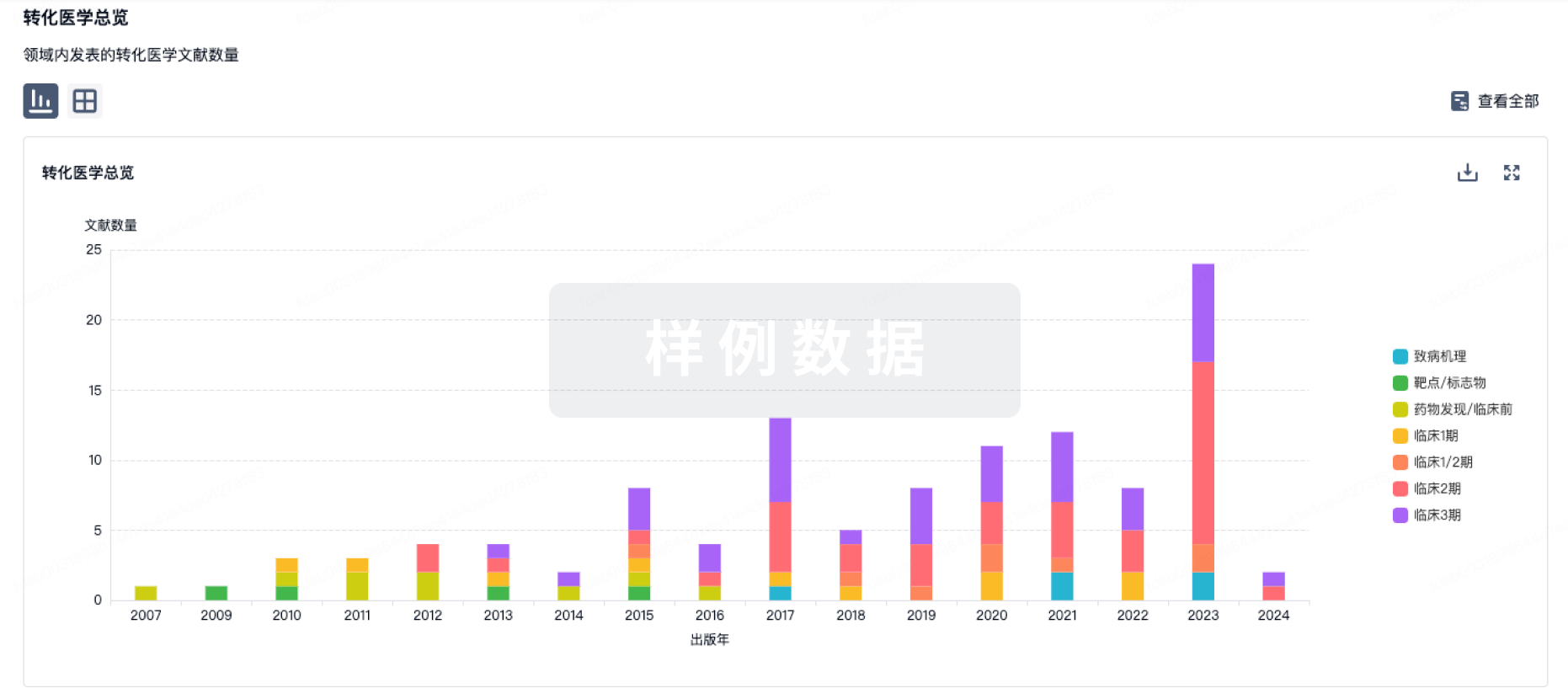
转化医学
使用我们的转化医学数据加速您的研究。
登录
或
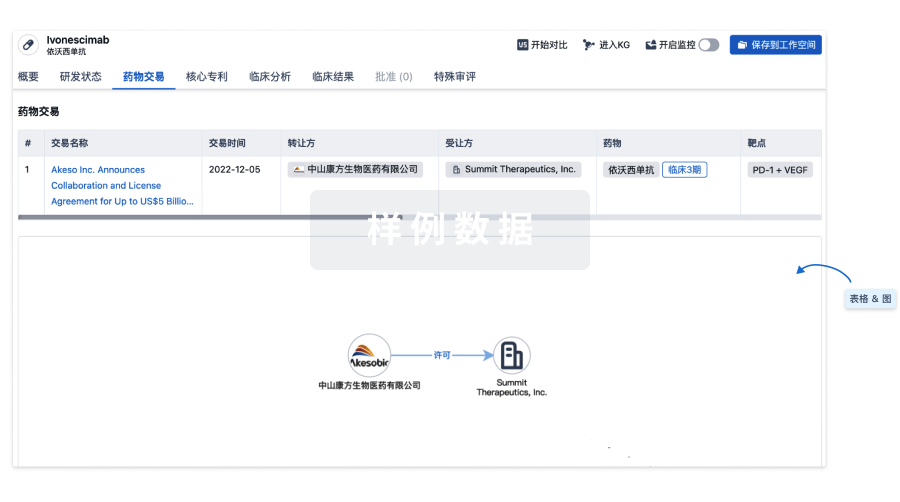
药物交易
使用我们的药物交易数据加速您的研究。
登录
或
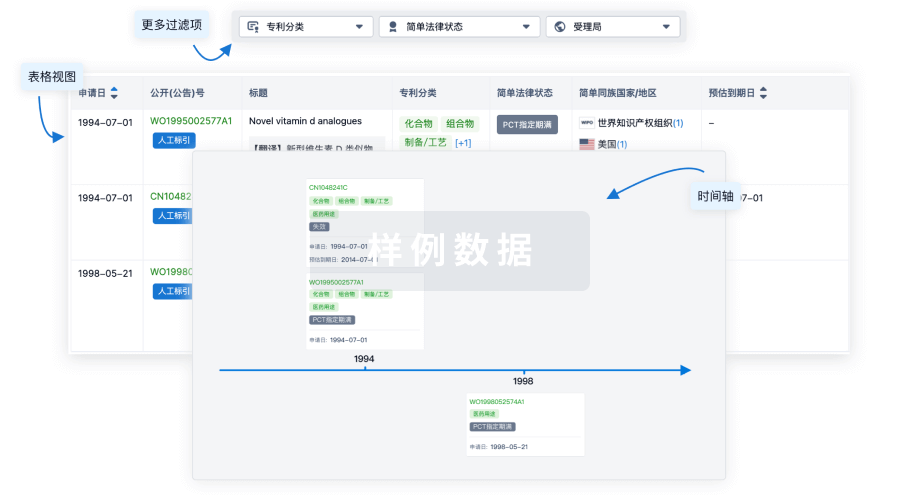
核心专利
使用我们的核心专利数据促进您的研究。
登录
或
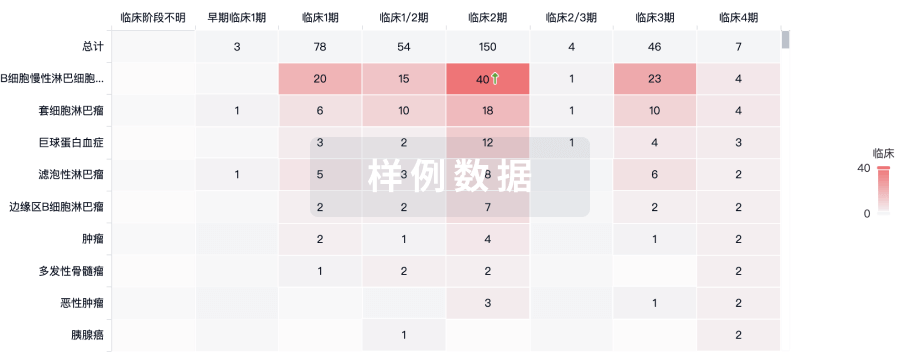
临床分析
紧跟全球注册中心的最新临床试验。
登录
或
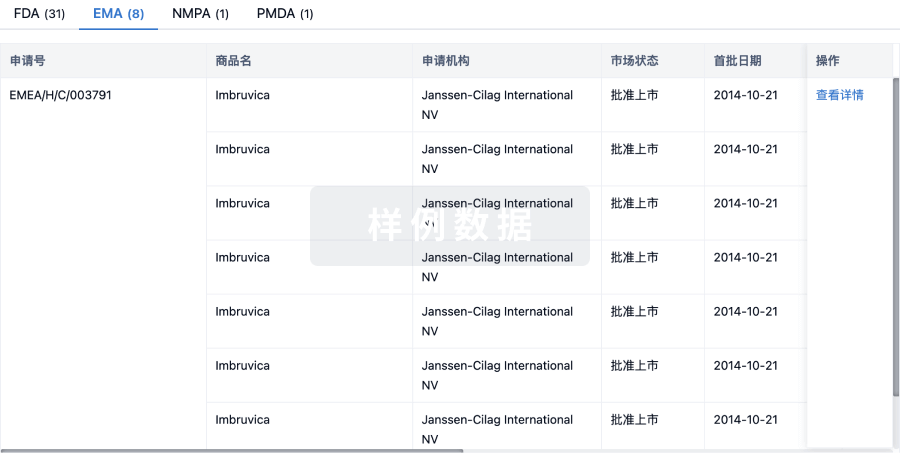
批准
利用最新的监管批准信息加速您的研究。
登录
或
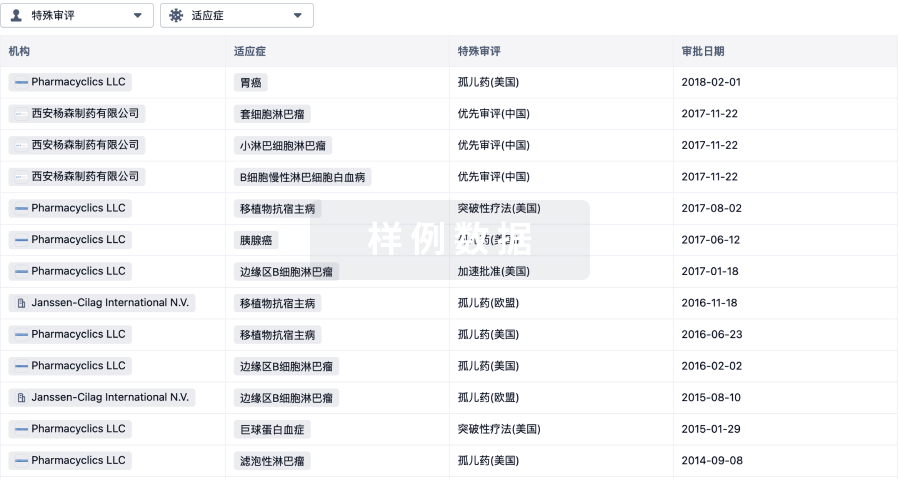
特殊审评
只需点击几下即可了解关键药物信息。
登录
或
生物医药百科问答
全新生物医药AI Agent 覆盖科研全链路,让突破性发现快人一步
立即开始免费试用!
智慧芽新药情报库是智慧芽专为生命科学人士构建的基于AI的创新药情报平台,助您全方位提升您的研发与决策效率。
立即开始数据试用!
智慧芽新药库数据也通过智慧芽数据服务平台,以API或者数据包形式对外开放,助您更加充分利用智慧芽新药情报信息。
生物序列数据库
生物药研发创新
免费使用
化学结构数据库
小分子化药研发创新
免费使用