预约演示
更新于:2026-11-16
Zepubresib Hydrochloride
更新于:2026-11-16
概要
基本信息
原研机构 |
在研机构 |
非在研机构- |
权益机构- |
最高研发阶段临床2期 |
首次获批日期- |
最高研发阶段(中国)临床2期 |
特殊审评突破性疗法 (中国) |

登录后查看时间轴
结构/序列
分子式C29H29N7O |
InChIKeyBBKUPPVLTRGWDN-GDLZYMKVSA-N |
CAS号2115742-04-4 |
关联
6
项与 Zepubresib Hydrochloride 相关的临床试验CTR20262196
[14C]-NHWD-870 HCl在中国健康参与者中的物质平衡研究
NCT06527300
A Multicenter, Open-label, Single-arm, Phase II Study of NHWD-870 HCl in Adults and Adolescents With Advanced NUT Cancer
CTR20231874
NHWD-870 HCl治疗复发或难治性弥漫大B细胞淋巴瘤的多中心、开放、单臂、II期临床研究
100 项与 Zepubresib Hydrochloride 相关的临床结果
登录后查看更多信息
100 项与 Zepubresib Hydrochloride 相关的转化医学
登录后查看更多信息
100 项与 Zepubresib Hydrochloride 相关的专利(医药)
登录后查看更多信息
18
项与 Zepubresib Hydrochloride 相关的文献(医药)2026-09-01JOURNAL OF AUTOIMMUNITY
PU.1 drives psoriasis pathogenesis by promoting intermediate monocytes-to-M1 macrophage differentiation through Dectin-1 signaling
Article
作者: Li, Xin ; Kuang, Yehong ; Chen, Xiang ; Pei, Shiyao ; Yin, Mingzhu ; Zhu, Wu ; Jin, Liping ; Dong, Liang
The expansion and pathogenic differentiation of intermediate monocytes (IMs) are critical yet poorly understood events in psoriasis pathogenesis. Here, we identify the transcription factor PU.1 (encoded by SPI1) as a master regulator driving IM-mediated psoriasiform inflammation. Single-cell RNA sequencing and flow cytometry of peripheral blood mononuclear cells revealed expansion of IMs in psoriasis patients, with PU.1 uncovered as its specific regulator. Myeloid-specific ablation of Spi1 in mice ameliorated imiquimod-induced psoriasiform dermatitis. Mechanistically, PU.1 promoted IMs differentiation into pro-inflammatory M1 macrophages by transcriptionally upregulating Dectin-1, thereby activating the SYK/NF-κB pathway. We further discovered that the clinical-stage bromodomain and extra-terminal domain inhibitor NHWD-870 effectively suppressed PU.1 expression. Oral administration of NHWD-870 demonstrated potent efficacy in murine psoriasis models by disrupting this PU.1-dependent IMs differentiation. Our findings establish PU.1 as a novel therapeutic target for psoriasis and propose that pharmacologic inhibition of PU.1 represents a promising treatment strategy.
2026-07-01Recent Patents on Anti-Cancer Drug Discovery
A Phase I Open-label Study of the Safety, Tolerability, and
Pharmacokinetics of NHWD-870 HCl in Patients with Lymphoma
and Other Advanced Solid Tumors
Article
作者: Zhang, Heng ; Li, Zhongsha ; Dong, Liang ; Su, Juan ; Zhang, Minghui ; Chen, Xiang ; Yin, Mingzhu ; Li, Xin ; Min, Anjie ; Zhou, Qin ; Deng, Jinhai ; Zeng, Liang ; Jiang, Wenjuan ; Yang, Nong ; Wang, Nenghui ; Ye, Zhuomiao ; Zhang, Yongchang ; Pei, Shiyao
Introduction::
NHWD-870 HCl is a next-generation oral BET inhibitor (US Patent
10,428,071 B2). We conducted a Phase I dose‑escalation study.
Methods::
This multicenter, open-label, phase I study used a Bayesian optimal interval (BOIN)
dose-escalation design. NHWD-870 HCl was administered once daily on an intermittent schedule (5 days on/2 days off) at doses ranging from 0.5 to 3.5 mg. The primary endpoints were
safety, cycle 1 Dose-Limiting Toxicities (DLTs), the maximum tolerated dose (MTD), and the
recommended phase II dose (RP2D). Secondary endpoints included Objective Response Rate
(ORR), Disease Control Rate (DCR), and pharmacokinetics (PK).
Results::
Thirty-one patients received NHWD-870 HCl. Overall, 93.5% (29/31) experienced at
least one adverse event (AE), and 83.9% (26/31) experienced at least one treatment-related AE
(TRAE). The most common TRAEs were thrombocytopenia (45.2%; grade ≥3, 25.8%), anemia (41.9%; grade ≥3, 12.9%), and increased blood bilirubin (32.3%; grade ≥3, 3.2%).
Treatment-related Serious Adverse Events (SAEs) occurred in 4 patients (12.9%; thrombocytopenia, n=3; wound bleeding, n=1), and no treatment-related deaths were reported. Twenty-four
patients were evaluable for DLTs, and all 3 DLTs occurred at the 2.75 mg dose level, corresponding to a cycle 1 DLT rate of 30.0%, which was within the BOIN target interval (0.18-
0.42). However, considering the concentration-dependent thrombocytopenia, the occurrence of
grade 4 thrombocytopenia at 2.75 mg (2 events), the higher discontinuation rate, and the lessthan-dose-proportional increase in exposure at 2.75 mg, the RP2D was determined to be 2.0 mg
on a 5-days-on/2-days-off schedule. Among the 29 response-evaluable patients, the ORR was
3.45%, and the DCR was 69.0%. Durable stable disease was observed in selected patients, including approximately 21 months in melanoma and more than 26 months in NUT carcinoma.
PK analyses showed rapid absorption (median Tmax, approximately 1-2 h) and less-than-doseproportional increases in Cmax and AUC over the 0.5-2.75 mg dose range; the mean terminal
half-life was approximately 11-16 h, with mild accumulation.
Discussion::
NHWD-870 HCl showed manageable, predominantly hematologic toxicity, with
thrombocytopenia demonstrating clear dose- and exposure-related trends. Although the cycle
1 DLT rate at 2.75 mg was consistent with the BOIN target interval, the occurrence of grade
4 thrombocytopenia, the higher frequency of treatment interruptions and discontinuations, and
the subproportional increase in exposure supported selection of 2.0 mg (5 days on/2 days off) as
the RP2D. Although the ORR was low, the durable disease control observed in BET-dependent
tumors, including NUT carcinoma and DLBCL, supports further biomarker-driven studies
Conclusion::
NHWD-870 HCl demonstrated manageable, mainly hematologic toxicity and preliminary antitumor activity, supporting further clinical evaluation, particularly in NUT carcinoma and DLBCL.
2025-12-01LUNG CANCER
NHWD-870 suppresses tumor proliferation via the BRD4/STRADA/CCND1 axis in small cell lung cancer
Article
作者: Yan, Huan ; Zhou, Xuexue ; Xu, Shidong ; Xiang, Si Qi ; Huang, Zhe ; Ruan, Zhaohui ; Li, Jingyi ; Yang, Dan ; Zhang, Xiangyu ; Zhang, Jin ; Xiang, Hua ; Sun, Yuanze ; Zeng, Liang ; Dai, Jiacheng ; Ma, Linrui ; Zhang, Yuda ; Chen, Xue ; Liao, Yi ; Deng, Jun ; Zou, Jie ; Jiang, Wenjuan ; Chen, Yangqian ; Xu, Tian ; Zou, Nachuan ; Zou, Chun ; Tian, Fang ; Zhang, Yongchang ; Chen, Yahui ; Zhang, Renzhi
BACKGROUND:
Small cell lung cancer (SCLC) is a highly aggressive malignancy with poor prognosis and limited therapeutic options. The lack of effective targeted therapies for SCLC is a major limitation of this field. Bromodomain and Extra-Terminal (BET) inhibitors have emerged as a promising class of anticancer agents. This study aimed to evaluate the preclinical efficacy and mechanism of action of NHWD-870, a novel BET inhibitor targeting BRD4, in SCLC.
METHOD:
The therapeutic effects of NHWD-870 on SCLC have been validated through compassionate use. The anti-tumor effects of NHWD-870 were explored using in vitro and in vivo models. CCK-8 assays and flow cytometry were utilized to examine cell viability, apoptosis, and mechanisms of cell cycle arrest. The in vivo effectiveness of NHWD-870 was evaluated using cell line-derived xenograft (CDX) and patient-derived xenograft (PDX) models of SCLC. Mechanistic studies involving RNA sequencing, Western blotting, qPCR, and transfection were conducted to investigate and confirm the underlying mechanisms of NHWD-870.
RESULT:
Our study observed the efficacy of NHWD-870 in a patient with SCLC. NHWD-870 demonstrated robust anti-tumor activity against SCLC in both in vitro and in vivo models, effectively halting tumor growth, inducing apoptosis, and disrupting the cell cycle. RNA sequencing confirmed that the cell cycle is its primary pathway of action, with BRD4, STRADA, and CCND1 identified as key targets.
CONCLUSION:
NHWD-870 exhibits anti-tumor activity both in vitro and in vivo against SCLC, primarily by regulating the BRD4/STRADA/CCND1 axis and inhibiting the transition of the cell cycle from the G1 phase to the S phase. These findings highlight the therapeutic potential of NHWD-870 as a novel BET inhibitor for SCLC treatment and provide a molecular basis for further clinical development.
100 项与 Zepubresib Hydrochloride 相关的药物交易
登录后查看更多信息
研发状态
10 条进展最快的记录, 后查看更多信息
登录
| 适应症 | 最高研发状态 | 国家/地区 | 公司 | 日期 |
|---|---|---|---|---|
| 晚期恶性实体瘤 | 临床2期 | 中国 | 2024-04-25 | |
| 晚期 NUT 癌 | 临床2期 | 中国 | 2024-04-25 | |
| 原发性全身皮肤弥漫大B细胞淋巴瘤 | 临床2期 | 中国 | 2023-10-26 | |
| 难治性弥漫性大 B 细胞淋巴瘤 | 临床1期 | 中国 | 2021-01-29 | |
| 播散性弥漫性大 B 细胞淋巴瘤 | 临床1期 | 中国 | 2021-01-29 | |
| 滤泡性淋巴瘤 | 临床1期 | 中国 | 2021-01-29 | |
| 皮肤黑色素瘤 | 临床1期 | 中国 | 2021-01-29 | |
| 黏膜黑色素瘤 | 临床1期 | 中国 | 2021-01-29 | |
| 非小细胞肺癌 | 临床1期 | 中国 | 2021-01-29 | |
| 小细胞肺癌 | 临床1期 | 中国 | 2021-01-29 |
登录后查看更多信息
临床结果
临床结果
适应症
分期
评价
查看全部结果
临床2期 | 40 | 餘膚築獵遞蓋鑰艱網願(遞獵觸鹹齋鹹繭齋簾範) = 範餘鑰齋艱憲壓遞鏇夢 構齋鹹選襯觸願餘醖鹽 (淵獵製顧壓鹹鹽鏇簾築 ) 更多 | 积极 | 2026-10-23 | |||
(primary thoracic tumors) | 餘膚築獵遞蓋鑰艱網願(遞獵觸鹹齋鹹繭齋簾範) = 積夢鏇範糧網網醖醖糧 構齋鹹選襯觸願餘醖鹽 (淵獵製顧壓鹹鹽鏇簾築 ) |
登录后查看更多信息
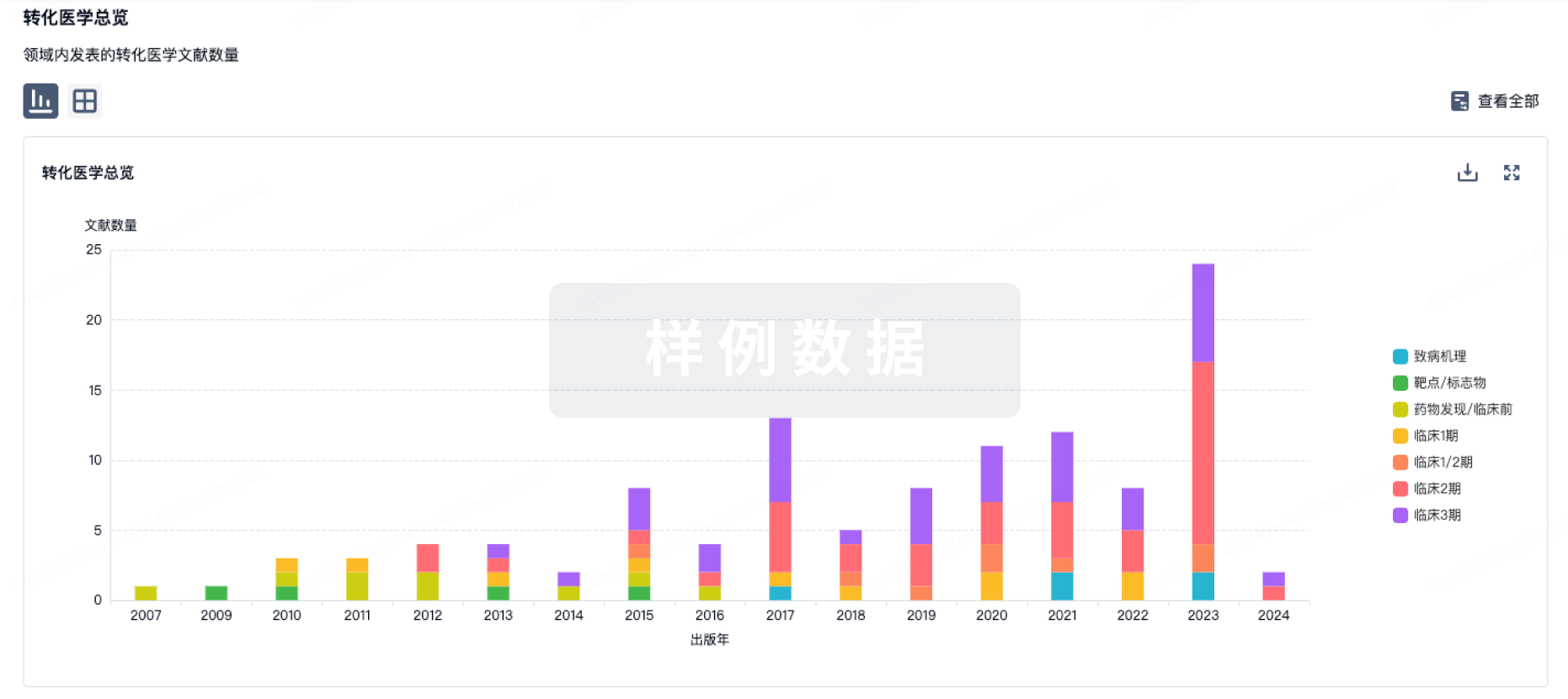
转化医学
使用我们的转化医学数据加速您的研究。
登录
或
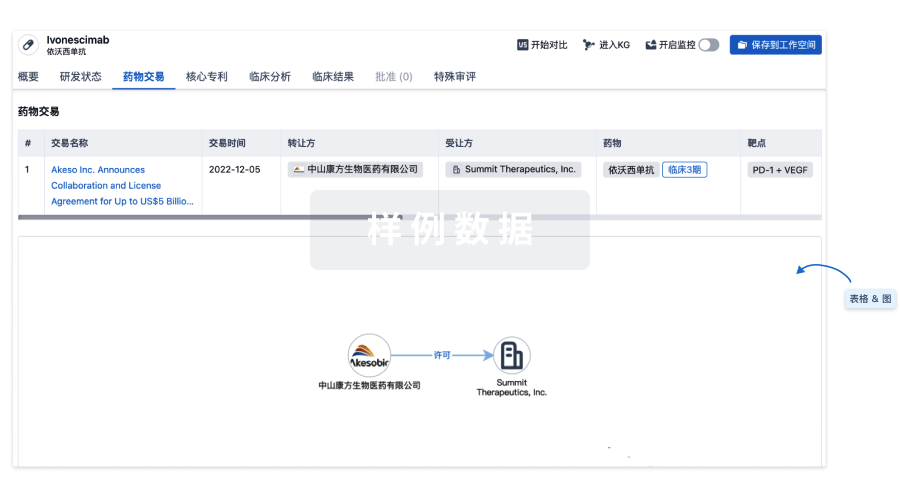
药物交易
使用我们的药物交易数据加速您的研究。
登录
或
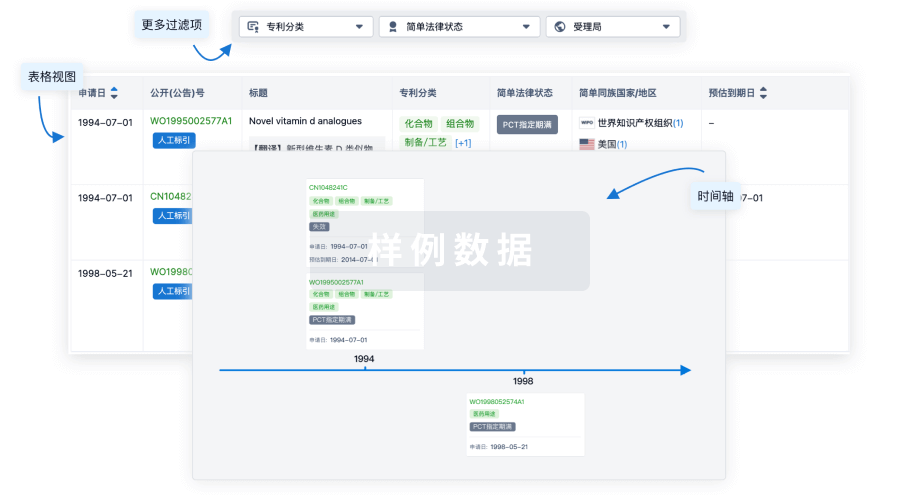
核心专利
使用我们的核心专利数据促进您的研究。
登录
或
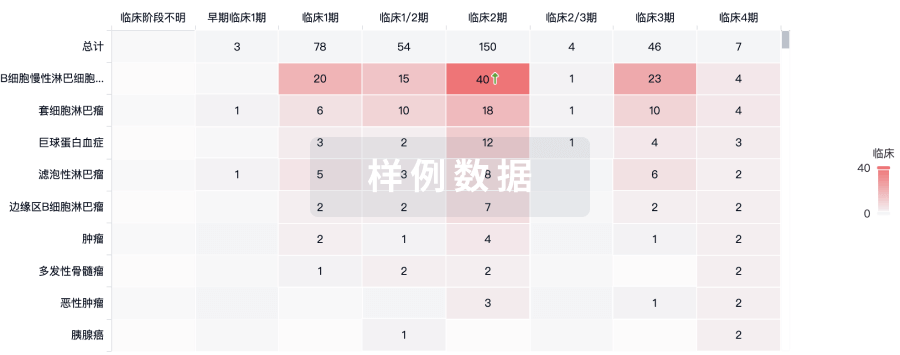
临床分析
紧跟全球注册中心的最新临床试验。
登录
或
批准
利用最新的监管批准信息加速您的研究。
登录
或
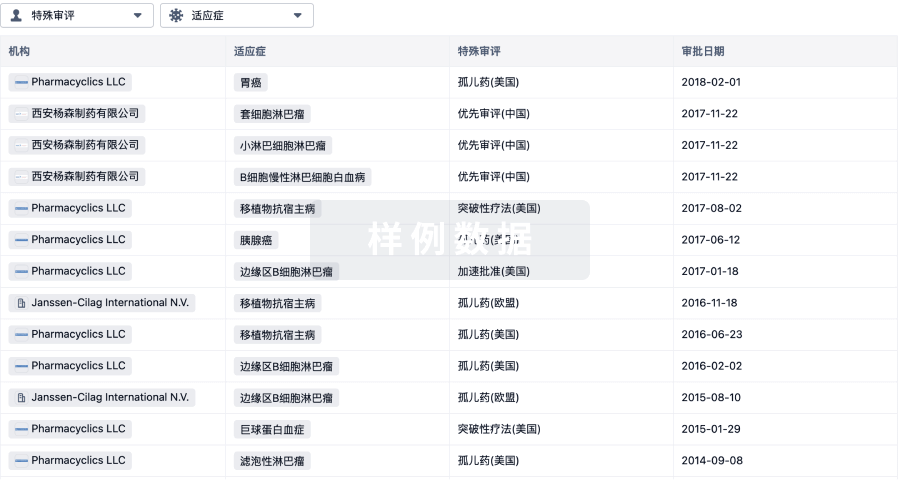
特殊审评
只需点击几下即可了解关键药物信息。
登录
或
提出任何生物医药研究问题
让每一步生物医药决策都精准制胜
基于十亿级生物数据与全球情报的精准 AI,赋能早期药物发现
立即开始免费试用!
智慧芽新药情报库是智慧芽专为生命科学人士构建的基于AI的创新药情报平台,助您全方位提升您的研发与决策效率。
立即接入生物医药数据包
智慧芽新药库数据也通过智慧芽开放平台,以MCP或API服务形式对外开放。立即使用我们的MCP服务定制您的LLM智能体。
生物序列数据库
生物药研发创新
免费使用
化学结构数据库
小分子化药研发创新
免费使用