预约演示
更新于:2025-07-22
Epiberberine
表小檗碱
更新于:2025-07-22
概要
基本信息
原研机构 |
非在研机构- |
权益机构- |
最高研发阶段临床前 |
首次获批日期- |
最高研发阶段(中国)临床前 |
特殊审评- |


结构/序列
分子式C20H18NO4 |
InChIKeyFPJQGFLUORYYPE-UHFFFAOYSA-N |
CAS号6873-09-2 |
关联
100 项与 表小檗碱 相关的临床结果
登录后查看更多信息
100 项与 表小檗碱 相关的转化医学
登录后查看更多信息
100 项与 表小檗碱 相关的专利(医药)
登录后查看更多信息
784
项与 表小檗碱 相关的文献(医药)2025-10-01·JOURNAL OF PHARMACEUTICAL AND BIOMEDICAL ANALYSIS
Joint multi-technology applications for etablishing quality evaluation model of Coptidis Rhizoma
Article
作者: Zhao, Jing ; Liu, Ming ; Wu, Chenlu ; Yao, Jingwen ; Ge, Jiaming ; Zhang, Yuanhao ; Guo, Jinling ; Li, Mengyuan
Based on the pharmacodynamic components of Coptidis Rhizoma (CR) against oral squamous cell carcinoma (OSCC), the combination of chromatographic and spectroscopic techniques was used to achieve the rapid detection of CR quality, which provided a reference for the implementation of the quality detection method of CR oriented to the clinical efficacy. Firstly, the pharmacodynamic components of CR in the treatment of OSCC were studied by means of network pharmacology and molecular docking technology, and the pharmacodynamic components were screened and verified in vitro to screen out the key active components. Subsequently, the contents of key active ingredients of CR from different origins were detected and quantitative analysis models were established by a combination of high performance liquid chromatography (HPLC) and near infrared spectroscopy (NIR) techniques. The results showed that berberine and palmatine in CR had strong curative effect in the treatment of OSCC. Using berberine and palmatine as the key active ingredients, the content of the key active ingredients obtained by HPLC was used as the reference, and the prediction model of berberine and palmatine content was constructed by combining the NIR and partial least squares regression algorithm, and the model obtained a better prediction result with the correlation coefficients of R2p of 0.9704 and 0.8793, respectively. This study screened the index components of CR against OSCC, and also demonstrated that NIR combined with chemometrics had the ability to quantitatively analyse the content of the components quickly, conveniently and accurately. This study is expected to be used for the simultaneous rapid detection of the anti-OSCC components in CR, which will provide a reference for the quality evaluation of CR raw herbs oriented to clinical efficacy.
2025-09-01·JOURNAL OF PHARMACEUTICAL AND BIOMEDICAL ANALYSIS
A multi-level strategy based on comprehensive two-dimensional liquid chromatography-Q-Orbitrap-mass spectrometry combined with PLS regression model and RT-Ensemble Pred model to intelligently distinguish different geographical locations of Huanglian sample
Article
作者: Ocholi, Simon Sani ; Fu, Zhifei ; Liu, Erwei ; Wang, Fengchao ; Wang, Liming ; Han, Lifeng ; Jiao, Xinyi ; Li, Rongrong ; Wang, Haitao ; Chen, Biying ; Cui, Tongcan
Huanglian (HL) is a member of the Ranunculaceae family, including Coptis chinensis Franch., Coptis deltoidea C. Y. Cheng et Hsiao, or Coptis teeta Wall. The dried rhizomes are highly esteemed herbal medicine in Chinese pharmacopeia. However, the composition of HL is complex, and current identification technologies are insufficient for conducting a comprehensive analysis of HL, leading to major obstacles in quality control. Therefore, an in-depth exploration of the influence of species diversity and geographic provenance on the chemical profile of HL is imperative for its rational application and quality assurance. To comprehensively analyze compounds in HL samples from diverse geographical regions, this study employed an integrated approach combining offline two-dimensional ultra-high-performance liquid chromatography coupled with quadrupole-Orbitrap mass spectrometry (2D-LC-MS/MS) with online 2D-LC-MS/MS. This dual-platform strategy enabled detailed characterization of complex compound profiles. Additionally, the retention time prediction (RT-Ensemble Pred) models were utilized to predict and identify the retention times of unknown compounds, which particularly facilitated the differentiation of isomers. The comprehensive research resulted in the identification of 150 chemical constituents in HL, including 72 isomers. Furthermore, the compounds were analyzed and categorized according to mathematical classification models, allowing for distinction between various geographical origins. Based on unexposed data, the model demonstrated robust predictive capability, enabling the selection of 20 distinctive characteristic compounds with prominent features for use in geographical origin discrimination. Overall, this multidimensional investigation significantly enhanced our understanding of the chemical composition and inherent variability of HL plant resources, providing crucial technical underpinnings and methodological insights for the comprehensive exploitation and utilization of HL in biomedical and pharmaceutical applications.
2025-08-01·TALANTA
Intelligent characterization multi-components in Yangxinshi tablet by online comprehensive two-dimensional liquid chromatography-quadrupole time-of-flight mass spectrometry combined with deep learning-assisted mass defect filtering classification and multidimensional data annotation strategy
Article
作者: Wei, Wei ; Chang, Yanxu ; Chen, Shujing ; Zhang, Lili ; Wen, Jiake ; Li, Jin ; Du, Kunze ; Wang, Xiaoyan ; Xu, Jixiang
A comprehensive characterization strategy for the intelligent analysis of multiple chemical components in Yangxinshi Tablet (YXST) was established. The strategy developed the deep learning-assisted mass defect filtering intelligent classification, preferred ions capture list and active exclusion (DLA-MDF-PIL-AE) data acquisition mode by online comprehensive two-dimensional liquid chromatography coupled with quadrupole time-of-flight mass spectrometry (2DLC-Q-TOF-MS/MS). Firstly, the online 2DLC-Q-TOF-MS/MS system was constructed and the orthogonality was evaluated. Secondly, the user interface for deep learning-assisted MDF intelligent classification technology was developed and applied to compounds classification to generate preferred ion capture lists of various types compounds. Finally, molecular networking (MN), associated neutral loss (NL) fragments, and characteristic diagnosis ion (CDI) were utilized for the automatic and manual annotation of compounds, respectively. As a result, a total of 228 compounds including 80 flavanoids, 52 alkaloids, 36 phenolic acids, 15 terpenoids, 17 saponins and 28 others were preliminary identified from YXST and source attribution was assigned to them. Furthermore, 39 compounds were simultaneously quantified by ultra-high performance liquid chromatography coupled with triple quadrupole mass spectrometry (UHPLC-MS/MS) method. Conclusively, the proposed integrated strategy proved to be a powerful method for characterizing multiple components in complex natural products.
100 项与 表小檗碱 相关的药物交易
登录后查看更多信息
研发状态
10 条进展最快的记录, 后查看更多信息
登录
| 适应症 | 最高研发状态 | 国家/地区 | 公司 | 日期 |
|---|---|---|---|---|
| 溃疡性结肠炎 | 临床前 | 中国 | 2025-07-25 | |
| 溃疡性结肠炎 | 临床前 | 中国 | 2025-07-25 | |
| 急性髓性白血病 | 临床前 | 中国 | 2020-04-01 |
登录后查看更多信息
临床结果
临床结果
适应症
分期
评价
查看全部结果
| 研究 | 分期 | 人群特征 | 评价人数 | 分组 | 结果 | 评价 | 发布日期 |
|---|
No Data | |||||||
登录后查看更多信息
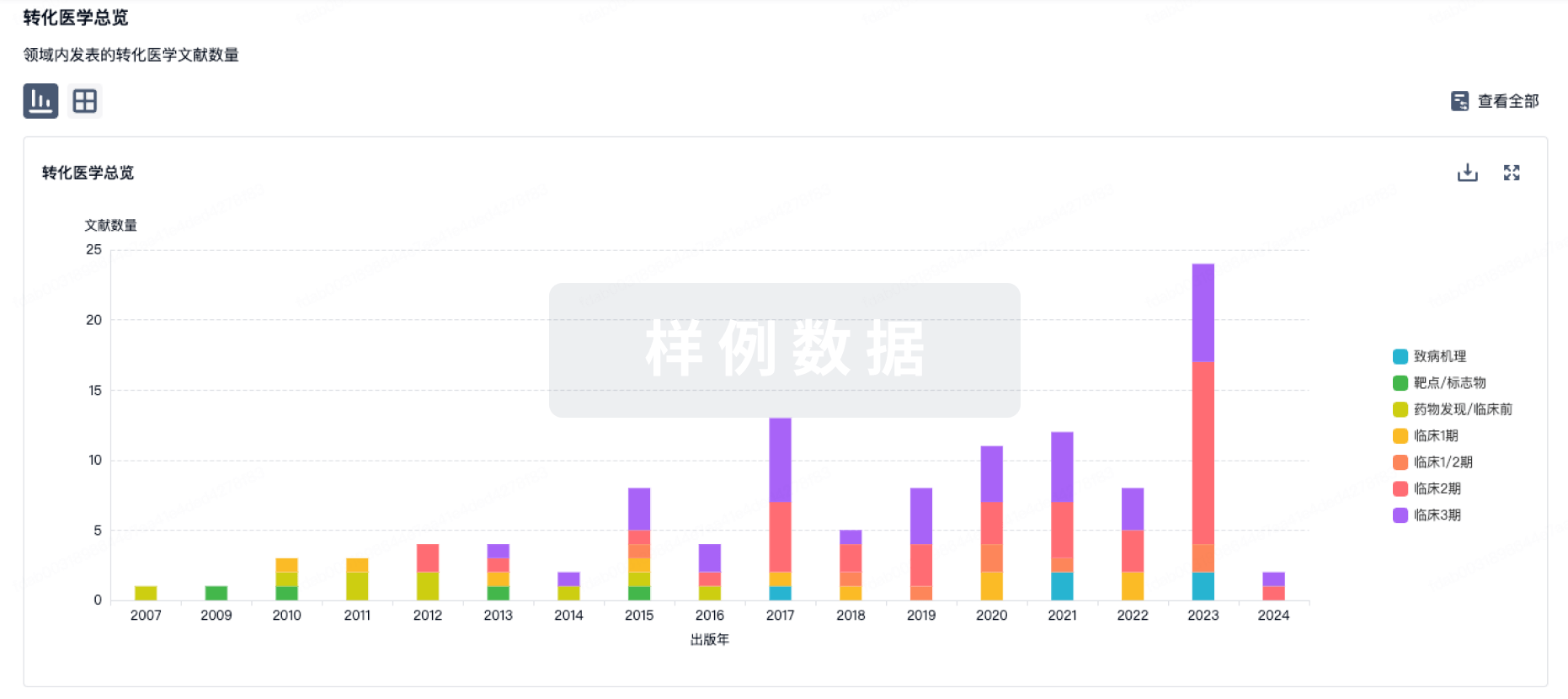
转化医学
使用我们的转化医学数据加速您的研究。
登录
或
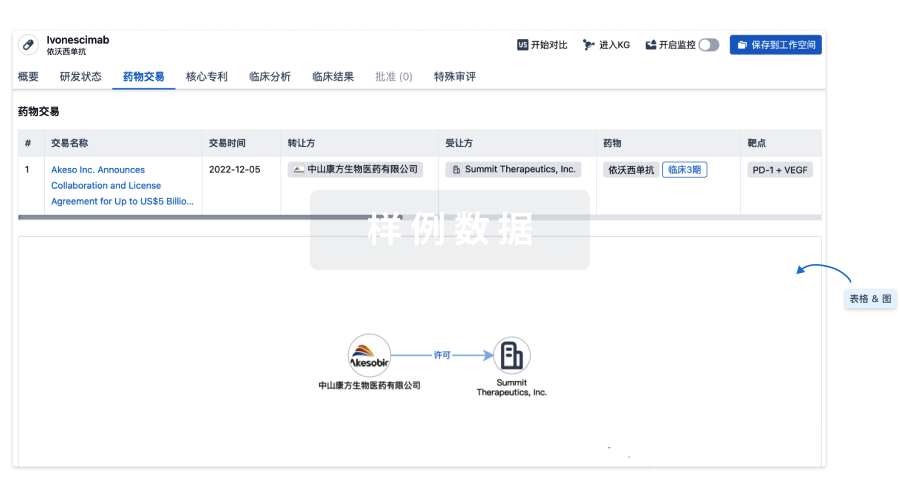
药物交易
使用我们的药物交易数据加速您的研究。
登录
或
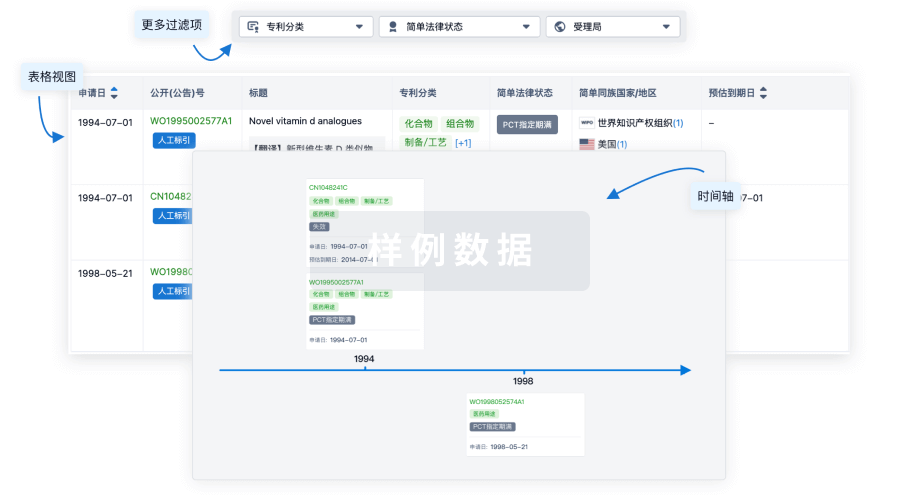
核心专利
使用我们的核心专利数据促进您的研究。
登录
或
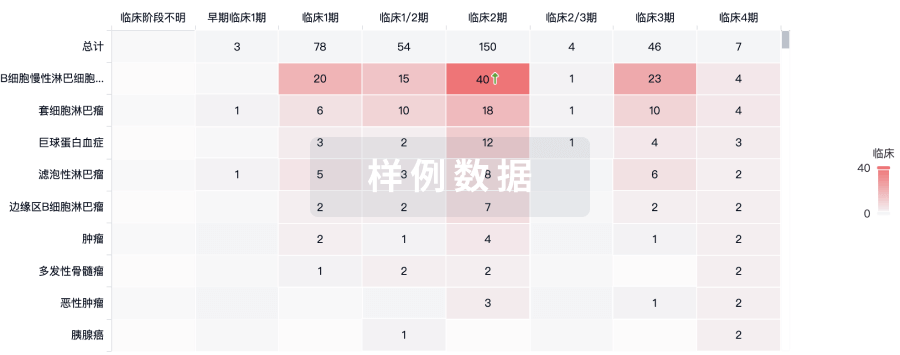
临床分析
紧跟全球注册中心的最新临床试验。
登录
或
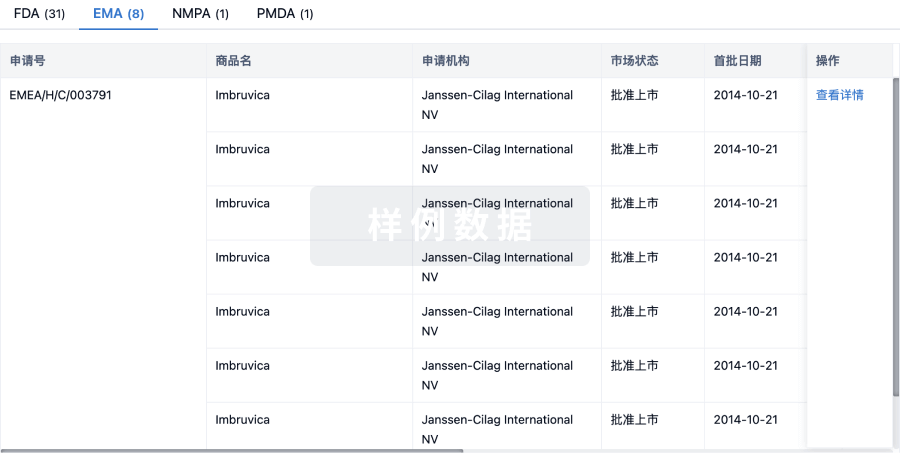
批准
利用最新的监管批准信息加速您的研究。
登录
或
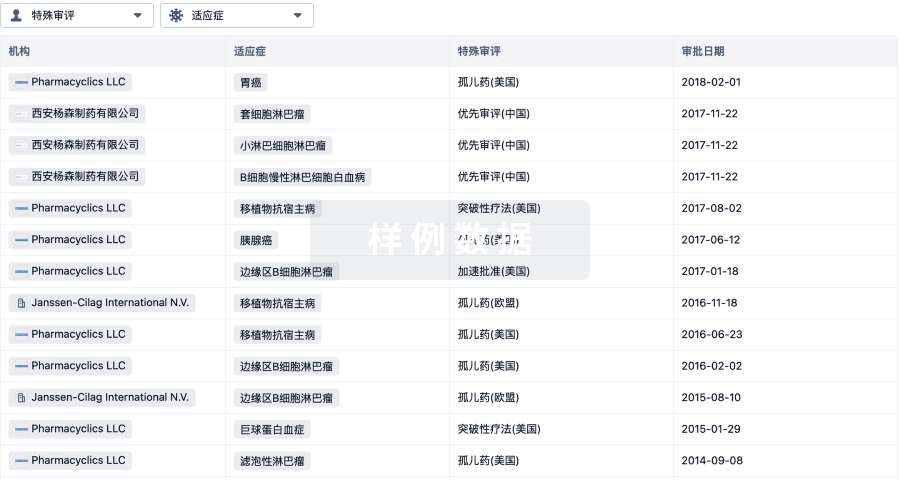
特殊审评
只需点击几下即可了解关键药物信息。
登录
或
生物医药百科问答
全新生物医药AI Agent 覆盖科研全链路,让突破性发现快人一步
立即开始免费试用!
智慧芽新药情报库是智慧芽专为生命科学人士构建的基于AI的创新药情报平台,助您全方位提升您的研发与决策效率。
立即开始数据试用!
智慧芽新药库数据也通过智慧芽数据服务平台,以API或者数据包形式对外开放,助您更加充分利用智慧芽新药情报信息。
生物序列数据库
生物药研发创新
免费使用
化学结构数据库
小分子化药研发创新
免费使用