预约演示
更新于:2026-10-17
TROP2(IntoCell)
更新于:2026-10-17
概要
基本信息
原研机构 |
在研机构- |
非在研机构 |
权益机构- |
最高研发阶段终止临床前 |
首次获批日期- |
最高研发阶段(中国)- |
特殊审评- |

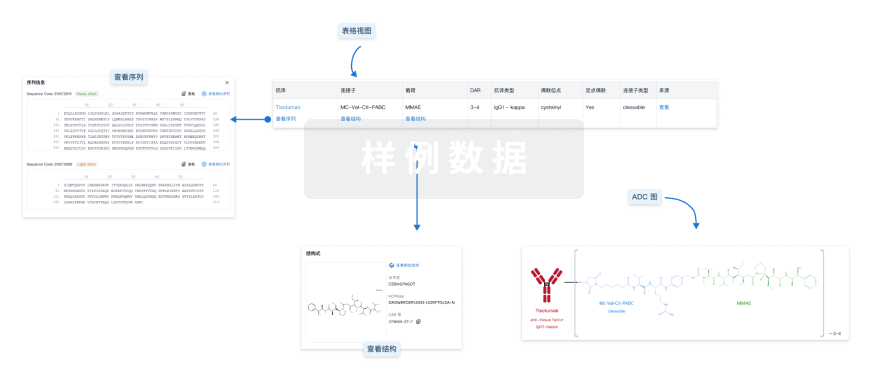
结构/序列
使用我们的ADC技术数据为新药研发加速。
登录
或
关联
100 项与 TROP2(IntoCell) 相关的临床结果
登录后查看更多信息
100 项与 TROP2(IntoCell) 相关的转化医学
登录后查看更多信息
100 项与 TROP2(IntoCell) 相关的专利(医药)
登录后查看更多信息
23
项与 TROP2(IntoCell) 相关的文献(医药)2026-09-01·CRITICAL REVIEWS IN ONCOLOGY HEMATOLOGY
TROP-2 in solid tumors: From oncogenic driver to therapeutic target with antibody-drug conjugates
Review
作者: Tan, Simin ; Luo, Xuefeng ; Zeng, Hai ; Guo, Xinke ; Wang, Lu ; Li, Zixi ; Zhang, Min ; Zhang, Weijia ; Liu, Jinlin ; Liu, Jia
Trophoblast cell surface antigen 2 (TROP-2) has emerged as a pivotal oncotherapeutic target, distinguished by frequent overexpression across diverse epithelial malignancies and functions as a master regulator of oncogenic signaling networks. This review provides a systematic delineation of TROP-2's molecular architecture and critically analyzes the mechanisms through which it drives tumor progression-primarily via calcium signaling, the mitogen-activated protein kinase (MAPK) pathway, and the phosphoinositide 3-kinase/protein kinase B (PI3K/AKT) pathway-establishing the biological rationale for TROP-2 as an ideal target for antibody-drug conjugate (ADC) development. Clinically, TROP-2-directed ADCs, exemplified by sacituzumab govitecan (SG) and datopotamab deruxtecan (Dato-DXd), have demonstrated transformative efficacy across multiple solid tumors including triple-negative breast cancer (TNBC), non-small cell lung cancer (NSCLC), and urothelial carcinoma (UC). Their target-specific delivery and potent bystander effect have led to regulatory approvals, reshaping standard-of-care landscapes in these malignancies. We also critically examine multidimensional challenges confronting the field, including acquired resistance mechanisms, toxicity-specific management protocols, and the imperative to advance beyond protein expression toward integrated predictive biomarker frameworks. Building upon this assessment, we outline prospective directions including optimization of rational combination therapies, development of novel ADC platforms, strategic shift to earlier disease stages, and implementation of precision stratification based on multi-omics profiling. This synthesis consolidates current understanding of TROP-2 biology and ADC therapy while furnishing comprehensive guidance for ongoing research and clinical translation, charting the course for the next phase of TROP-2-directed drug development.
2026-09-01·BREAST CANCER RESEARCH AND TREATMENT
Exploring trop-2-directed ADCs monotherapy and combination therapy in pretreated mTNBC: a real-world study
Article
作者: Li, Qian ; Chai, Jie ; Yao, Herui ; Wang, Ying ; Long, Tianzhu ; Wang, Jiayi ; Chen, Tao ; Zhao, Jianli ; Ding, Linxiaoxiao ; Liu, Jingze
PURPOSE:
Although Trop-2 antibody-drug conjugates (ADCs) have improved outcomes in pretreated metastatic triple-negative breast cancer (mTNBC), resistance remains common and the optimal combination strategy in routine practice is unclear.
METHODS:
In this retrospective real-world study, we identified patients with mTNBC from a health record-derived database who received sacituzumab govitecan or sacituzumab tirumotecan in the later-line setting between April 2020 and December 2025. Patients received at least two cycles of Trop-2 ADC therapy as monotherapy, plus a PD-1 inhibitor (dual-agent combination), or plus a PD-1 inhibitor and an antiangiogenic agent (triple-agent combination).
RESULTS:
Descriptively, the ORR was 57.1% in the triple-agent combination group, 38.5% in the dual-agent combination group, and 31.7% in the monotherapy group. Median follow-up was 15.2 months (95% CI, 8.7-20.6). Median progression-free survival (mPFS) was 15.4 months (95% CI, 5.3-NA) in the triple-agent combination group, 10.0 months (95% CI, 4.2-NA) in the dual-agent combination group, and 3.8 months (95% CI, 3.2-5.2) in the monotherapy group. Severe treatment-related toxicity was not increased in the combination groups. Exploratory analyses identified a genomic scoring system that may enable stratification of patients with a higher likelihood of benefiting from the triple-agent combination.
CONCLUSION:
To our knowledge, this study represents one of the earliest real-world evaluations of this triple-agent strategy in previously treated mTNBC, providing a basis for further prospective validation and biomarker-guided application.
2026-08-01·NAUNYN-SCHMIEDEBERGS ARCHIVES OF PHARMACOLOGY
Datopotamab deruxtecan for endocrine-resistant HR-positive/HER2-negative breast cancer: biological rationale and clinical evidence
Review
作者: Gumma, Bhargavi ; Gumma, Lohitha
Hormone receptor-positive/human epidermal growth factor receptor 2-negative (HR-positive/HER2-negative) breast cancer is primarily managed with endocrine-based therapies; however, resistance to endocrine therapy and CDK4/6 inhibitors commonly develops in advanced disease. Following treatment failure, therapeutic options are largely limited to sequential chemotherapy, which provides modest clinical benefit and is associated with cumulative toxicity. Antibody-drug conjugates (ADCs) targeting trophoblast cell surface antigen 2 (TROP-2) have emerged as a promising strategy for delivering cytotoxic agents selectively to tumor cells in endocrine-refractory disease. This narrative review summarizes current evidence on the biological rationale, pharmacologic characteristics, and clinical development of datopotamab deruxtecan (Dato-DXd), with emphasis on findings from the phase III TROPION-Breast01 trial and relevant translational studies. Datopotamab deruxtecan is a TROP-2-directed ADC that enables targeted delivery of a potent topoisomerase I inhibitor payload to tumor cells. In the TROPION-Breast01 trial, Dato-DXd demonstrated a statistically significant improvement in progression-free survival compared with investigator's choice chemotherapy in patients with endocrine-refractory HR-positive/HER2-negative metastatic breast cancer. Clinical activity was observed across heterogeneous TROP-2 expression, including in heavily pretreated patients and those with visceral disease. Hematologic toxicity was relatively limited, although interstitial lung disease remains an important safety consideration requiring proactive monitoring. Datopotamab deruxtecan represents a clinically meaningful therapeutic option based on the targeted delivery of cytotoxic chemotherapy for patients with endocrine-resistant HR-positive/HER2-negative breast cancer. Ongoing studies are required to define optimal treatment sequencing, combination strategies, and long-term safety outcomes.
7
项与 TROP2(IntoCell) 相关的新闻(医药)2026-05-06
·今日头条
恒瑞医药(600276)作为中国医药行业的绝对龙头,深耕行业数十年,历经仿制药黄金时代、集采冲击阵痛期、创新药转型攻坚期,如今已站在创新成果集中兑现、全球化加速落地、业绩估值双击的关键拐点。截至2026年5月6日,公司总市值约4200亿元,是国内市值最高的制药企业,2025年营收突破316亿元、净利润达77亿元,2026年一季度延续双位数高增,创新药收入占比突破60%,正式完成从仿制药巨头到创新药龙头的历史性跨越。本文从业绩基本面、创新管线矩阵、商业化与全球化、估值逻辑、核心风险、未来展望六大维度,深度拆解恒瑞医药的投资价值与成长逻辑。
回看近几年发展轨迹,恒瑞医药完整走过了行业最艰难的周期低谷,也用实打实的经营数据证明了自身穿越行业周期的硬核能力。曾经仿制药业务贡献主要营收利润,随着国家集采常态化推进,药品价格大幅下行,整个仿制药赛道利润空间被持续压缩,不少传统药企陷入增长停滞甚至业绩下滑的困境,恒瑞同样经历了阵痛调整,主动收缩低毛利仿制药业务,大刀阔斧优化销售费用体系,砍掉低效推广支出,把资源全面向创新研发和高价值新药倾斜。经过多年持续高强度投入,公司研发体系已经成熟完善,累计研发投入超500亿元,2025年研发投入87.24亿元,占营收27.58%,常年营收占比维持在高水平,为后续管线持续输出打下坚实根基,也让恒瑞在国内创新药第一梯队里始终稳居前排位置。
2025年是恒瑞医药转型创新药后的首个完整收获年,业绩全面亮眼,营业总收入316.29亿元,同比增长13.02%,归母净利润77.11亿元,同比增长21.69%,扣非净利润74.13亿元,同比增长20.00%,毛利率86.21%,净利率24.40%,盈利能力持续优化,经营活动现金流净额112.35亿元,同比增长51.4%,现金流质量极佳。核心增长引擎是创新药,2025年创新药收入163.4亿元,同比增长26.1%,占药品收入比重达58.3%,首次超过仿制药,成为业绩第一支柱,同时海外授权BD收入33.9亿元,成为第二增长曲线,验证恒瑞创新管线的全球竞争力。进入2026年一季度,公司依旧延续稳健增长节奏,营收81.41亿元,同比增长12.98%,归母净利润22.82亿元,同比增长21.78%,扣非净利润21.72亿元,同比增长16.59%,最值得关注的是创新药营收占比再度提升,创新药收入45.26亿元,同比增长25.75%,占药品收入比重61.69%,意味着公司经营结构彻底改写,创新药正式成为业绩核心支柱,摆脱了对仿制药赛道的依赖。非肿瘤领域创新药增速尤为突出,非肿瘤创新药收入12.13亿元,同比增长92.13%,远远跑赢传统抗肿瘤板块,标志着恒瑞已经打破市场对其只靠肿瘤药撑场面的固有印象,代谢、自身免疫、心血管等全新赛道开始形成实实在在的业绩增量,成长边界被进一步打开。
创新管线的厚度与成色,是恒瑞长期价值最核心的底气,经过多年布局积淀,公司已经搭建起覆盖肿瘤、代谢、免疫、抗感染等多领域的丰富管线梯队,累计构建了90+创新药管线,覆盖肿瘤、代谢、免疫、心血管四大领域,其中47项计划2026-2028年上市,形成上市品种持续放量、临床后期品种接力申报、早期研发管线源源不断储备的良性循环格局。在当前全球医药最热的ADC赛道,恒瑞已经形成多产品矩阵布局,是国内唯一同时布局HER2 ADC、TROP2 ADC、c-Met ADC的企业,技术水平全球领先,核心品种临床数据表现优异,安全性和有效性对比海外同类产品具备明显差异化优势,未来上市后有望快速抢占市场份额,成为新的重磅营收增长点。其中HER2 ADC瑞康曲妥珠单抗艾维达®2025年底获批上市,2026年一季度新增乳腺癌适应症,安全性全球最优,ILD发生率2.6%,远低于竞品15%,客观缓解率ORR达78%,峰值销售额预计192亿元,2026年有望获批肺癌新适应症,成为核心爆款,TROP2 ADC SHR-A1901获FDA孤儿药资格,中美同步开展III期临床,全球峰值销售额预计12亿美元,国内无直接竞品,有望成为第二个百亿级ADC品种。GLP-1赛道作为当下全球代谢领域风口,恒瑞早早布局双靶点创新品种,HRS9531瑞普泊肽为GLP-1/GIP双靶点激动剂,减重效果对标司美格鲁肽,生产成本低30%,定价预计比进口药便宜一半,极具性价比,临床数据II期临床48周减重17.7%-19.2%,降糖效果优异,上市进度2026年有望获批上市,切入国内千亿肥胖市场,峰值销售额预计100亿元以上,未来上市后有望切入国内庞大的减重降糖消费市场,打开全新成长空间。双抗与融合蛋白领域同样实现关键突破,全球首创品种顺利获批上市,PD-L1/TGF-βRII双特异性抗体瑞拉芙普α艾泽利®是全球首款获批上市的PD-L1/TGF-β双抗融合蛋白,2026年一季度获批胃癌一线治疗,III期临床疗效优于进口PD-1,宫颈癌、肺癌适应症III期数据优异,2026年新增适应症落地,峰值销售额预计50亿元以上,在胃癌等适应症上展现出突出疗效,后续多个新适应症稳步推进临床,有望逐步成长为细分领域标杆品种。PD-1卡瑞利珠单抗艾瑞卡®作为国内首个获批的PD-1抑制剂,2025年销售额超65亿元,海外东南亚销售额4.2亿元,同比增长120%,海外扩张加速。丰富且优质的管线储备,让恒瑞未来数年都能保持新药持续获批的节奏,业绩增长具备极强的连续性和确定性。
商业化能力是恒瑞区别于多数创新药企的核心护城河,深耕医药市场多年,公司搭建了覆盖全国各级医院、基层医疗以及零售终端的完善渠道网络,拥有国内最完善的医药销售渠道,覆盖全国3000+医院、10万家药店,学术推广体系成熟专业,学术推广能力行业第一,新品上市后能够快速完成入院渗透、终端上量。每年医保目录调整都是恒瑞新药放量的重要契机,多款自研创新药陆续纳入医保报销范围,2025年底10款新药首次进入医保,2026年迎来完整放量年度,直接拉动创新药收入增长30%以上,2026年医保覆盖创新药达25款,医保报销比例60%-90%,大幅降低患者用药成本,叠加渠道快速覆盖,实现销量短期快速爆发,用规模放量对冲医保降价带来的压力,形成良性经营循环。同时公司推行创新药加仿制药组合销售,依托渠道优势快速抢占市场份额,在行业普遍面临单品放量乏力的环境下,恒瑞依靠强大商业化操盘能力,让每一款获批新药都能稳步贡献营收,充分体现龙头企业的运营优势。
全球化布局已经成为恒瑞第二成长曲线,公司采取海外授权与自主临床并行的发展路径,稳步推进从国内龙头向全球创新药企迈进的步伐,采用授权先行、临床跟进、自主商业化长期三步走战略,成效显著。海外授权BD方面,2025年获GSK、默沙东等巨头授权首付款33.9亿元,2026年有望新增3-5项海外授权,累计里程碑收入预计59.25亿美元,直接增厚利润,自2023年以来累计达成12笔海外授权交易,潜在总交易价值超过270亿美元,授权对象包括葛兰素史克、默克、默沙东等跨国药企。海外临床方面,PD-1、ADC、GLP-1等15款创新药开展全球多中心临床,其中PD-1在东南亚获批上市,2025年海外销售额4.2亿元,同比增长120%,ADC、GLP-1预计2027-2028年海外获批,海外收入占比2025年达11%,2026年有望提升至15%,长期目标30%,全球化转型加速,随着后续更多品种落地出海,海外业务营收占比还将持续提升,为公司打开长期估值天花板。
从估值角度来看,当前恒瑞医药处于历史估值偏低区间,截至2026年5月6日,恒瑞医药TTM市盈率约45倍,2026年动态PE仅30-35倍,处于近10年历史区间的22.9%分位,显著低于创新药板块平均PE 50-60倍,也低于百济神州、信达生物等同行,估值严重低估,横向对比国内同类创新药企,估值具备明显优势,纵向看自身历史估值位置,也处于底部修复阶段。市场已经逐步认可恒瑞的转型成果,创新药占比提升、管线价值重估、全球化逻辑兑现,都会推动估值中枢稳步上移,叠加未来两年业绩保持稳健增长,业绩与估值双击的修复空间十分可观,业绩端2026年净利润预计95-105亿元,同比增长25%-35%,2027年净利润有望突破120亿元,同比增长20%以上,估值端创新药收入占比突破60%,管线价值重估,估值有望修复至40-45倍PE行业中枢,目标价测算2026年净利润100亿元,给予40倍PE,对应市值4000亿元,目标价75元,较当前股价有30%以上上涨空间。
当然投资过程中也需要理性看待潜在风险,医保谈判常态化背景下创新药依旧面临降价压力,国内医保谈判持续高压,创新药降价幅度达50%-80%,可能压缩毛利率,影响盈利能力,但恒瑞创新药临床价值高、差异化显著,降价幅度相对温和,且医保放量可抵消降价影响。行业热门赛道研发扎堆带来的竞争加剧,国内创新药赛道拥挤,ADC、GLP-1、PD-1等领域竞品扎堆,价格战可能爆发,压缩市场份额,但恒瑞先发优势显著、技术壁垒高、商业化能力强,龙头地位稳固。创新药临床研发存在进度不及预期的不确定性,创新药研发周期长、风险高,ADC、GLP-1等重磅管线可能出现临床数据不佳、获批延期等问题,影响业绩兑现,但恒瑞研发成功率行业领先,临床II/III期成功率超70%,管线梯队完善,单一管线失败影响有限。海外市场拓展也面临审批和推广的多重挑战,海外临床审批严格、竞争激烈,PD-1、ADC等产品可能面临获批困难、市场推广受阻等问题,影响全球化进程,但恒瑞海外授权已验证管线价值,与GSK、默沙东等巨头合作,降低海外拓展风险。
整体来看,恒瑞医药已经熬过行业调整最艰难的阶段,完成经营结构、研发体系、战略布局的全方位蜕变,创新药成为业绩主引擎,多赛道管线接力放量,全球化布局稳步兑现,基本面进入稳健向上的长周期。短期1-2年,2026-2027年是恒瑞医药管线密集兑现期,HER2 ADC、GLP-1、双抗等重磅新药获批上市,医保放量加海外授权双驱动,净利润持续高增,估值修复至行业中枢,目标价70-80元。中期3-5年,创新药收入占比突破70%,海外收入占比达25%,成为全球领先的创新药企业,ADC、GLP-1等产品成为全球爆款,净利润突破150亿元,估值提升至50倍PE,目标价100元以上。长期5-10年,构建肿瘤、代谢、免疫、心血管四大领域全球领先管线,海外收入占比达30%,成为中国首个全球顶级制药企业,市值突破万亿,引领中国创新药走向世界。恒瑞医药的成长史,是中国医药行业从仿制药到创新药的转型缩影,也是中国企业从本土龙头到全球玩家的奋斗历程,当前公司处于业绩高增加估值修复的黄金拐点,短期看管线兑现,中期看全球化落地,长期看创新生态构建,千亿龙头的价值重估之路才刚刚开始。
2026-04-23
·生信大咖
做乳腺癌方向、实体瘤 ADC 研究、着急发文章毕业 / 评职称的朋友,这篇一定要看完。
原文文献信息
中文标题:Datopotamab deruxtecan 与化疗在既往治疗过的无手术/转移性激素受体阳性、HER2 阴性乳腺癌中的比较:III 期 TROPION-Breast01 研究的最终总体生存分析
发表期刊:Annals of Oncology
发表时间:2025年12月
PMID:41448362
DOI:10.1016/j.annonc.2025.12.017
我把刚登顶刊的III期临床重磅研究,拆成了普通人能直接复用的选题思路,不用做大规模临床试验,换个癌种、换个靶点就能用。
2025年12月,全球多中心临床团队在医学一区TOP期刊《Annals of Oncology》(IF=65.4,欧洲肿瘤内科学会ESMO官方顶刊)在线发表了TROPION-Breast01研究的最终总生存期(OS)分析结果,2026年正式见刊。
“Datopotamab deruxtecan versus chemotherapy in previously treated inoperable/metastatic hormone receptor-positive, HER2-negative breast cancer: final overall survival analysis of the phase III TROPION-Breast01 study”
整套「III期临床确证+亚组biomarker挖掘+治疗格局影响分析+安全性长期随访」的完整闭环,是我们平时给客户做课题设计时,最推荐新手复刻的高分临床+转化研究模板。
先给着急的朋友,划 3 个能直接用的核心重点
1.首次公布TROP2 ADC Dato-DXd治疗经治HR+/HER2-晚期乳腺癌的最终OS结果,确证PFS显著获益的核心循证,解决了后线ADC治疗的临床核心争议,可直接做临床研究设计模板
2.挖通了后续ADC交叉治疗对OS终点的影响机制,用IPCW金标准校正法解决了新药研发中OS终点被后续治疗干扰的行业痛点,换个药物就能复刻
3.锁定了HER2 IHC 0、基线脑转移等精准获益亚群,从biomarker筛选到临床获益验证全链路打通,换个癌种/靶点就能直接复用
为什么这个选题能发65.4分顶刊?核心是踩中了这个临床缺口
HR+/HER2-乳腺癌是晚期乳腺癌最常见的亚型,占比超60%,国内外指南推荐一线治疗为内分泌联合CDK4/6抑制剂。但内分泌耐药后,患者的治疗选择极其有限,传统单药化疗不仅OS获益有限,还伴随严重的血液学毒性,严重影响患者生存质量与治疗依从性。
尽管T-DXd、SG等ADC药物已获批相关适应症,但HR+/HER2-乳腺癌后线治疗仍有两大未被解决的核心痛点:一是HER2 IHC 0的患者无法从HER2靶向ADC中获益,存在巨大的未满足临床需求;二是新药研发中,后续线治疗的交叉使用,会严重干扰OS终点的解读,行业内一直缺乏规范的校正分析范式。
有明确临床痛点、又没被完全解决的方向,往往是高价值的选题方向,我们在做科研选题时,永远优先考虑这类方向。
这篇文章的研究方法,新手完全能复刻
很多人觉得60+分的顶刊研究,肯定用了特别复杂的技术、入组了成千上万的患者,其实完全不是。
这项III期研究,仅按1:1随机入组了732例经治的不可手术/转移性HR+/HER2-乳腺癌患者,试验组用Dato-DXd 6mg/kg每3周一次静脉给药,对照组为研究者选择的单药化疗(艾立布林/卡培他滨/长春瑞滨/吉西他滨)。
后续也只是搭配了常规的生存分析、预设亚组分析、事后IPCW敏感性分析、安全性长期随访,加上规范的统计学校正,没有花里胡哨的复杂算法,胜在研究设计严谨、逻辑完整、环环相扣,从临床疗效确证到转化医学挖掘,形成了完整的闭环,这才是它能发顶刊的核心。
这里特别提醒新手:很多人做临床研究,上来就堆各种复杂的统计方法、盲目扩大入组样本量,结果核心逻辑链断了,最后连普通的英文期刊都中不了,完全是本末倒置。
核心研究结果拆解,每一步都有可复用的思路
1. 双主要终点确证核心疗效,这步是选题的基础
研究预设双主要终点为盲态独立中心评审(BICR)评估的无进展生存期(PFS)和总生存期(OS)。此前的主要分析已证实,Dato-DXd可显著降低37%的疾病进展或死亡风险(HR=0.63,95%CI 0.52-0.76,P<0.0001),达成了PFS主要终点,研究已获阳性结论。
本次最终OS分析,中位随访22.8个月,尽管两组中位OS无统计学差异(18.6个月 vs 18.3个月,HR=1.01,95%CI 0.83-1.22,P=0.9445),但研究明确了核心干扰因素——对照组后续ADC药物的使用率是试验组的近2倍(24.0% vs 12.3%),直接影响了OS终点的最终结果。
👉 可借鉴的通用研究思路:换个癌种或新药开展随机对照试验,采用双主要终点设计,先确证无进展生存期的核心获益,再深入分析总生存期终点的干扰因素。这一研究框架完整、数据逻辑清晰,非常适合产出中高水平学术论文。
2. 敏感性分析校正干扰因素,这是冲高分的关键
针对后续ADC治疗的交叉干扰,研究团队采用行业金标准逆概率删失加权(IPCW)法进行事后敏感性分析,校正后的数据显示:Dato-DXd组的中位OS提升至19.1个月,对照组为17.5个月,HR值降至0.86(95%CI 0.70-1.06),展现出明确的OS获益趋势。
同时,研究完成了全维度的预设亚组分析,锁定了两大精准获益人群:一是HER2 IHC 0亚群,Dato-DXd组中位OS达17.8个月,较对照组的14.3个月显著延长;二是基线脑转移亚群,Dato-DXd可降低45%的死亡风险(HR=0.55,95%CI 0.31-1.00),填补了这部分患者的治疗空白。
👉 新手避坑:很多人拿到阴性OS结果就停手了,这也是你只能发低分的原因。高分文章一定会深挖结果背后的核心影响因素,用规范的统计学校正还原药物的真实疗效,同时锁定精准获益亚群,把“是什么”和“为什么”讲清楚,逻辑闭环才是核心。
3. 长期安全性随访+次要终点确证,直接把研究价值拉满
长达22.8个月的随访显示,Dato-DXd的安全性特征与既往报道一致,无新增安全信号,≥3级治疗相关不良事件发生率仅为22.2%,不到化疗组的一半(45.6%),且因不良事件导致的停药率仅3.3%,安全性优势显著。
同时,所有次要疗效终点,包括研究者评估的PFS、客观缓解率(ORR 36.7% vs 22.1%)、缓解持续时间、至第二次疾病进展时间等,均持续倾向于Dato-DXd,全方位确证了药物的临床获益,为其临床应用提供了完整的循证依据。
这不仅给HR+/HER2-晚期乳腺癌后线治疗提供了新的标准方案,也给ADC药物临床研究提供了完美模板——不用从头研发新药,只针对已获批药物的最终生存数据、亚组人群、安全性特征做深度挖掘,就能快速出顶刊级成果。
整篇文章的研究思路,新手可以直接参考套用
我拆了上百篇肿瘤顶刊临床+转化研究,能发高分的研究,底层逻辑都是通的,这篇的完整思路,你直接换个癌种/靶点就能用:
1. 找有明确临床痛点的疾病方向→设计规范的随机对照试验→预设双主要终点,先确证PFS核心临床获益
2. 锁定OS终点的核心干扰因素→用金标准方法做敏感性分析校正→深挖预设亚组,锁定精准获益人群
3. 完成长期安全性随访+全维度次要终点确证→形成“疗效确证-机制解读-精准人群-安全保障”的完整研究闭环
这个思路,不用做复杂的基础实验,不用买昂贵的测序样本,只要研究设计严谨、逻辑通顺,在同领域研究中具备较强竞争力,有机会发表中高水平期刊;如果能补充少量转化实验进一步验证结论,完全具备冲击顶级期刊的潜力。
肿瘤SCI全流程服务
本文研究创新性较强,结构严谨,关注生信大咖,提供精准服务,定制创新选题,助力冲击高分SCI搜索🔍 ZJA-2021016(添加了解更多) 每日持续分享新文献、新思路🛠️近期前沿热点🔥:基因敲除、虚拟敲除✨提供选题设计方案📜,聚焦于生信数据分析📊
精彩推荐
IF43.4顶刊拆解!HPV相关肿瘤选题全解析,换个癌种就能复刻
IF88.5顶刊拆解!头颈肿瘤放疗RCT高分模板复用,换个瘤种即可落地冲高分
IF78.5 顶刊拆解!结直肠癌 RCT 选题直接套用,换个癌种就能发高分
IF39.3顶刊拆解!实体瘤免疫治疗新思路,换个癌种就能用
IF24.9 顶刊拆解!肿瘤 AI 科研选题直接复用,换个癌种就能做
2026-03-03
·医药地理
全球首个PD-1/CTLA-4双抗、全球首个PD-1/VEGF双抗、全球首个IL-4Rα/ST2双抗……康方生物的“全球首个”清单,到底还有多长?近日,在2026ESGO上,康方生物公布卡度尼利复发/转移性宫颈癌关键2期的最新长期生存数据:24个月OS率高达100%!中位随访26.5个月,CR患者的中位总生存期尚未达到,12个月无进展生存率达84.6%。这一数据不仅刷新了晚期宫颈癌治疗纪录,更印证了双特异性抗体从深度缓解通向长期生存的临床价值。
在过去3个月,康方生物密集释放了一系列里程碑:依沃西首个美国上市申请获受理、非肿瘤板块四款新药接连报产、5款自研新药全部适应症纳入国家医保……这家中国创新药企正以体系化创新能力,向全球生物医药舞台的中心加速迈进。
01
肿瘤免疫2.0:双抗基石药物的深度迭代
作为全球首个获批的肿瘤免疫治疗双抗,卡度尼利的价值正在多个维度持续释放。根据Pharma ONE数据显示,在适应症拓展方面,卡度尼利已获批一线胃癌、一线宫颈癌和复发/转移性宫颈癌3项适应症,成为全球唯一在一线胃癌和一线宫颈癌全人群(无论PD-L1表达)治疗中显著获益的肿瘤免疫药物。在临床布局方面,卡度尼利已开展12项关键临床研究,覆盖胃癌、肺癌、肝癌、宫颈癌、结直肠癌等重大瘤种,尤其剑指免疫耐药肿瘤和“冷肿瘤”等难治领域。今年2月,卡度尼利皮下注射剂型临床获批,剂型升级将大幅提升患者依从性,进一步巩固其作为肿瘤免疫2.0基石药物的地位。
数据来源:Pharma ONE药物研发大数据平台-全球临床试验板块,中国医药工业信息中心
依沃西则代表康方在肿瘤免疫2.0时代的另一条主线。今年1月,合作伙伴Summit Therapeutics向FDA提交了依沃西联合化疗治疗EGFR-TKI耐药非小细胞肺癌的生物制品许可申请(BLA),PDUFA日期定于11月14日,这是中国双抗新药首次叩关美国市场。全球3期HARMONi研究显示,中位随访13.7个月时,OS的HR缩小至0.78,北美人群获益更突出(HR=0.70);PFS HR达0.52,降低疾病进展风险48%。
数据来源:Pharma ONE药物研发大数据平台-全球临床试验板块,中国医药工业信息中心
点击“阅读原文”获取更多数据
此前,依沃西已在头对头3期研究中证明疗效显著优于K药,成为全球首个在随机对照试验中击败“药王”的药物。截至目前,依沃西已获5项突破性疗法认定,覆盖非小细胞肺癌(3项)、三阴性乳腺癌和胆道癌一线。其中胆道癌一线2期数据ORR达63.6%、DCR达100%、mPFS达8.5个月、mOS达16.8个月。依沃西还入选FirstWord Pharma“2026年全球产业重塑关键药物”榜单,是唯一入选的中国原创新药。
02
非肿瘤板块:从“多点开花”到“集群爆发”
康方在肿瘤领域建立绝对优势的同时,它的非肿瘤板块也以惊人的速度形成集群效应。
自免领域,古莫奇单抗(IL-17A)治疗强直性脊柱炎的上市申请于1月获受理,成为继中重度银屑病之后第二个报产适应症,有望为中国近400万AS患者带来新选择;曼多奇单抗(IL-4Rα)治疗中重度特应性皮炎的上市申请于2月获受理,国内近7000万中重度AD患者有望迎来国产创新治疗方案,针对青少年患者的关键3期研究也在高效推进中。至此,康方在自免领域已拥有三个处于上市阶段的产品(依若奇、古莫奇、曼多奇),其中依若奇(IL-12/23)是国内首个自主创新的IL-12/23新药。
更值得关注的是全球首创IL-4Rα/ST2双抗AK139的全面发力。2月11日,AK139一次性获批7项II期临床,覆盖慢性阻塞性肺疾病、重度支气管哮喘、慢性自发性荨麻疹、过敏性鼻炎、慢性鼻窦炎伴鼻息肉、中重度特应性皮炎、结节性痒疹。这是康方结合AI新药研发技术开发的临床阶段自免双抗新药,可同时阻断IL-4/IL-13和IL-33/ST2介导的炎症通路。早期研究显示,其在抑制炎症因子释放、组织炎症细胞浸润等指标中显著优于IL-4或ST2单靶点抗体,有望将呼吸及自免疾病治疗带入“双靶点时代”。目前全球尚无同时靶向IL-4Rα和IL-33/ST2通路的抗体药物进入临床,AK139的突破性地位不言而喻。
代谢领域同样捷报频传。2026年2月,康方与济川药业就PCSK9单抗伊努西(伊喜宁)达成中国区独家商业化合作,康方获8000万元授权费加里程碑款,济川负责市场推广。3期研究显示,伊努西对于不同心血管分层的患者均能显著降低LDL-C,已被《全面管理血脂相关心血管风险中国专家共识》等指南推荐。中国拥有1.1亿高胆固醇血症患者,此次强强联合将加速这一创新疗法的市场覆盖。
数据来源:Pharma ONE药物研发大数据平台-医药交易板块,中国医药工业信息中心
03
体系化竞争力:从产品出海到企业全球化
康方生物正在经历从“产品出海”到“企业全球化”的战略跨越。除了依沃西的FDA申报,派安普利单抗的国际化同样值得关注:其治疗鼻咽癌的两项适应症于去年4月获FDA批准上市,同年12月,派安普利联合安罗替尼一线治疗肝细胞癌在国内获批,成为其第5项适应症,3期APOLLO研究显示,相比索拉非尼,该方案降低疾病进展风险48%、降低死亡风险31%,中位PFS和OS均显著延长。
技术平台的持续迭代是康方保持竞争力的底层支撑。康方已建立Tetrabody双抗技术、Dual-Shield ADC技术、siRNA/mRNA技术、细胞治疗技术等平台,并引入AI制药技术赋能新药发现。在IO2.0+ADC2.0战略下,自研双抗ADC药物AK146D1(Trop2/Nectin4 ADC)和AK138D1(新一代Her3 ADC)在中美获批临床,后续一系列双抗ADC/双毒素ADC将相继进入临床。这些布局将从双抗的领先优势延伸至ADC2.0领域,构建“跨代式”竞争壁垒。
商业化层面,康方5款自研新药(卡度尼利、依沃西、派安普利、依若奇、伊努西)的所有已获批适应症均已纳入2025年国家医保目录,覆盖肺癌、胃癌、宫颈癌、肝癌、鼻咽癌、银屑病、高胆固醇血症等重大疾病领域。医保覆盖适应症人群的大幅增长,将推动公司创新药商业化进入持续高速高质量发展阶段。
从卡度尼利刷新宫颈癌生存数据,到依沃西叩关FDA,再到非肿瘤板块集群爆发和ADC管线蓄势待发,康方生物正以“双抗技术平台”为核心,构建覆盖肿瘤、自免、代谢、神经退行性疾病的跨代产品矩阵。当中国创新药企从跟随者蜕变为规则制定者,康方用硬核数据证明:真正的全球化,是从技术源头到临床价值、从产品出海到体系能力、从单点突破到生态协同的全面引领。
互动投票
【拓展阅读】
默沙东,“研”值即市值!
群狼环伺,司美格鲁肽的最后20天
赛诺菲,抢下新处方!
礼来不想只红一届
速看!2025全球制药TOP10新鲜出炉
END
👇欢迎扫码入群
①权威报告获取
②医药行业情报
③专属交流平台
戳“阅读原文”试用数据库
免疫疗法临床结果突破性疗法临床3期临床2期
100 项与 TROP2(IntoCell) 相关的药物交易
登录后查看更多信息
研发状态
10 条进展最快的记录, 后查看更多信息
登录
| 适应症 | 最高研发状态 | 国家/地区 | 公司 | 日期 |
|---|---|---|---|---|
| 实体瘤 | 临床前 | - | - |
登录后查看更多信息
临床结果
临床结果
适应症
分期
评价
查看全部结果
| 研究 | 分期 | 人群特征 | 评价人数 | 分组 | 结果 | 评价 | 发布日期 |
|---|
No Data | |||||||
登录后查看更多信息
转化医学
使用我们的转化医学数据加速您的研究。
登录
或

药物交易
使用我们的药物交易数据加速您的研究。
登录
或

核心专利
使用我们的核心专利数据促进您的研究。
登录
或

临床分析
紧跟全球注册中心的最新临床试验。
登录
或

批准
利用最新的监管批准信息加速您的研究。
登录
或

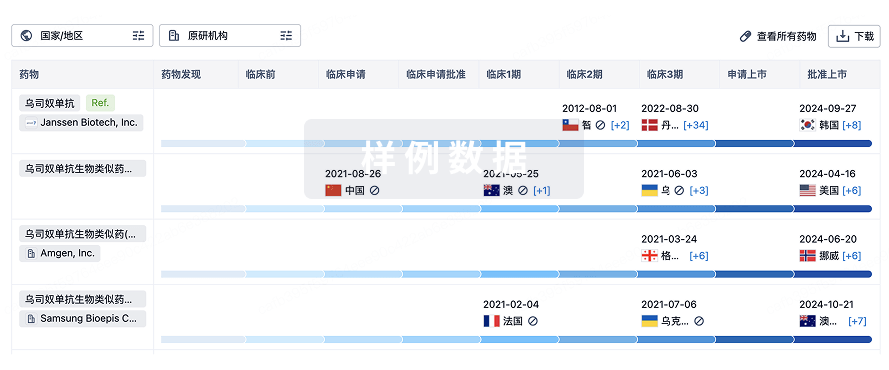
生物类似药
生物类似药在不同国家/地区的竞争态势。请注意临床1/2期并入临床2期,临床2/3期并入临床3期
登录
或
特殊审评
只需点击几下即可了解关键药物信息。
登录
或

提出任何生物医药研究问题
让每一步生物医药决策都精准制胜
基于十亿级生物数据与全球情报的精准 AI,赋能早期药物发现
立即开始免费试用!
智慧芽新药情报库是智慧芽专为生命科学人士构建的基于AI的创新药情报平台,助您全方位提升您的研发与决策效率。
立即接入生物医药数据包
智慧芽新药库数据也通过智慧芽开放平台,以MCP或API服务形式对外开放。立即使用我们的MCP服务定制您的LLM智能体。
生物序列数据库
生物药研发创新
免费使用
化学结构数据库
小分子化药研发创新
免费使用