预约演示
更新于:2026-09-12
Betahistine Mesilate
甲磺酸倍他司汀
更新于:2026-09-12
概要
基本信息
原研机构 |
在研机构 |
非在研机构- |
最高研发阶段批准上市 |
最高研发阶段(中国)批准上市 |
特殊审评- |


登录后查看时间轴
结构/序列
分子式C10H20N2O6S2 |
InChIKeyZBJJDYGJCNTNTH-UHFFFAOYSA-N |
CAS号54856-23-4 |
关联
27
项与 甲磺酸倍他司汀 相关的临床试验CTR20261493
甲磺酸倍他司汀片在健康参与者中随机、开放、两制剂、单次给药、两周期、双交叉空腹和餐后状态下的生物等效性试验

CTR20261160
中国健康试验参与者空腹及餐后状态下单次口服甲磺酸倍他司汀片的单中心、开放、随机、两制剂、两序列、两周期、双交叉人体生物等效性试验。
CTR20260873
甲磺酸倍他司汀片在健康试验参与者中的随机、开放、单次给药、两周期、双交叉、空腹和餐后状态下生物等效性试验

100 项与 甲磺酸倍他司汀 相关的临床结果
登录后查看更多信息
100 项与 甲磺酸倍他司汀 相关的转化医学
登录后查看更多信息
100 项与 甲磺酸倍他司汀 相关的专利(医药)
登录后查看更多信息
139
项与 甲磺酸倍他司汀 相关的文献(医药)2025-11-09Cureus Journal of Medical Science
Maternal Betahistine Exposure and Pregnancy Outcomes: A Retrospective Cohort Study
Article
作者: Minisha, Fathima ; Alsaad, Doua ; Elkassem, Wessam ; Moursi, Ahmed ; Ahmed, Afif
Background In the general population, betahistine has a good safety profile. However, there is insufficient data on betahistine use during pregnancy; safety and teratogenic risks are yet to be evaluated. The study aimed to review pregnancy outcomes in women who were exposed to betahistine during their pregnancies and identify the rate and pattern of major malformation. Material and methods A descriptive retrospective cohort study was conducted. Pregnant women who were prescribed betahistine from Hamad Medical Corporation hospitals between 1st-April-2020 and 31st-March-2022 and had their delivery or abortion at the Women's Wellness and Research Center, Qatar, were included. Patients were followed up until the occurrence of the study outcomes (delivery or abortion), with an additional two months of follow-up for the baby if data were available. Ethical approval was obtained from the Medical Research Center (MRC-01-23-223). Results Forty pregnant women were included, with 42 baby outcomes (including two sets of twins). Betahistine daily dose ranged between 16 mg and 48 mg, with 75% of patients receiving the higher dose of 48 mg. The majority of patients received betahistine during the first trimester (90%) and for a short duration of ≤ 14 days (80%). Six pregnancies ended with spontaneous miscarriage (14.3%), and 34 pregnancies resulted in 36 live babies (85.7%). Four babies (11.1%) were preterm (delivered before 37 weeks of gestation), and four babies had a weight < 2500 g at birth (11.1%). Thirty-one babies had normal outcomes (86.1%), five babies had minor malformations (13.9%), and none had major malformations. These minor malformations were mild pyloric stenosis, bilateral positional talipes, displaced ear, umbilical hernia, hydrocele, tongue tie, and bilateral talipes calcaneus. Conclusions The current study does not suggest an increased rate of major congenital malformations following in-utero betahistine exposure. However, the small sample size and retrospective nature of the data warrant caution in result interpretation and do not confirm its safety for use in pregnant women. Avoidance of unnecessary medication during pregnancy is advisable whenever possible.
2025-11-01PHARMACOLOGICAL RESEARCH
Brain histaminergic system: An emerging target for the treatment of feeding and eating-related disorders
Review
作者: Micioni Di Bonaventura, Emanuela ; Eramo, Barbara ; Micioni Di Bonaventura, Maria Vittoria ; Botticelli, Luca ; Cifani, Carlo ; Gaetani, Silvana ; Provensi, Gustavo ; Passani, Maria Beatrice ; Costa, Alessia
Feeding is an intrinsic and fundamental behavior regulated by complex neurobiological networks that integrate peripheral metabolic signals with neurotransmitter systems within key brain regions. Histamine, a biogenic amine acting as a neuromodulator in the central nervous system, plays a crucial role in the regulation of food intake and energy homeostasis. Within the hypothalamus, histaminergic neurons influence appetite-related circuits, primarily through H1R and H3R. Central administration of histamine suppresses food consumption, an effect largely mediated via H1R. The blockade of H1R has been associated with increased appetite and weight gain, as observed with certain antihistaminic and antipsychotic drugs. Conversely, H3R antagonists, which enhance histaminergic tone by preventing autoinhibition, exhibit anorexigenic properties. Histamine also modulates peripheral mechanisms such as gluconeogenesis and ketone body production. Clinically, pharmacological modulation of histaminergic receptors has gained interest as a potential therapeutic approach for treating obesity and related metabolic disorders. Promising results are emerging from clinical trials evaluating the efficacy of betahistine, a drug with a dual pharmacological profile as a weak H1R agonist and potent H3R antagonist, in restoring histaminergic tone and counteracting weight gain and metabolic side effects induced by antipsychotic therapies. Reduced H1R binding in certain brain areas has been observed in patients with anorexia nervosa. In this review, we surveyed the role of brain histamine in the control of eating behavior and energy expenditure. We also described the implications of histamine release in the gut-brain axis and discussed available clinical data regarding the efficacy of histaminergic compounds in eating-related disorders.
2025-10-07Zhonghua er bi yan hou tou jing wai ke za zhi = Chinese journal of otorhinolaryngology head and neck surgery
[A randomized controlled trial of electronic balance assistant combined with pharmacotherapy for vestibular rehabilitation in patients with acute peripheral vestibular injury].
Article
作者: Deng, Q M ; Wang, W ; Zhang, X Q ; Liu, Q ; Lin, P ; Wen, C ; Li, S S ; Chen, T S ; Xu, K X
Objective: To evaluate the effect of an electronic balance aid in balance rehabilitation training for patients with acute peripheral vestibular injury by comparing the outcomes of medication-only treatment and medication combined with vestibular rehabilitation using an electronic balance aid. Methods: This was a randomized controlled trial. The study subjects included 98 patients (40 males and 58 females, aged 25-69 years) diagnosed with idiopathic sudden sensorineural hearing loss (ISSNHL) with vertigo or vestibular neuritis, who were treated in the Department of Otorhinolaryngology-Head and Neck Surgery of Tianjin First Central Hospital from November 2022 to November 2023. All patients were randomly divided into the experimental group and the control group at a 1∶1 ratio using the sealed envelope method. Control group (conventional drug treatment): Patients received medication treatment for 2 weeks, including betahistine mesilate tablets, vitamin B1 tablets, methylcobalamin tablets, ginkgo biloba tablets, diphenhydramine hydrochloride injection (within 3 days of onset), metoclopramide hydrochloride injection, and glucocorticoids. Experimental group (conventional drug treatment+device training): On the basis of the same medication treatment as the control group, patients received vestibular rehabilitation training using an electronic balance aid (20 minutes per session, once a day,≥5 days per week, for a total of 2 weeks). SPSS software was used to compare the total scores of the Dizziness Handicap Inventory (DHI), the total scores of the Sensory Organization Test (SOT), and sensory analysis indicators between the two groups before and after treatment. Results: After treatment, vertigo symptoms significantly improved in both groups. DHI: The total DHI score in the control group decreased from 77.9±1.8 before treatment to 20.2±2.3 after treatment (P<0.001). In the experimental group, the total DHI score decreased from 73.5±2.1 before treatment to 8.6±0.9 after treatment (P<0.001). The difference in total DHI scores between the two groups after treatment was statistically significant, with the experimental group showing a lower score (t=-4.616, P<0.001). The improvement in DHI scores was also more pronounced in the experimental group compared to the control group (t=2.004, P=0.048). SOT: The total SOT score in the control group increased from 52.90±0.95 before treatment to 73.3±1.1 after treatment (P<0.001). In the experimental group, the total SOT score increased from 54.9±0.8 before treatment to 83.5±0.9 after treatment (P<0.001). The difference in total SOT scores between the two groups after treatment was statistically significant, with the experimental group showing a higher score (t=7.104, P<0.001). The improvement in SOT scores was also more pronounced in the experimental group compared to the control group (t=6.532, P<0.001). Sensory Analysis Indicators Proprioception (SOM): In the experimental group, the proprioception score significantly increased after treatment compared with before treatment (t=-2.338, P=0.029), while, there was no statistically significant difference in the proprioception score of the control group before and after treatment (P=0.537). Before treatment, there were no statistically significant differences in visual, vestibular, or visual dependence scores between the two groups (all P>0.05). After treatment, the visual, vestibular, and visual dependence scores of both groups significantly increased compared with those before treatment (all P<0.05); moreover, the post-treatment visual, vestibular, and visual dependence scores of the experimental group were significantly higher than those of the control group (all P<0.05). Conclusion: Compared with medication-only treatment, the combination of an electronic balance aid and medication for the treatment and rehabilitation training of patients with acute peripheral vestibular injury can significantly improve the therapeutic effect in the short term.
100 项与 甲磺酸倍他司汀 相关的药物交易
登录后查看更多信息
研发状态
10 条最早获批的记录, 后查看更多信息
登录
| 适应症 | 国家/地区 | 公司 | 日期 |
|---|---|---|---|
| 梅尼埃病 | 日本 | 1968-09-05 | |
| 眩晕 | 日本 | 1968-09-05 |
登录后查看更多信息
临床结果
临床结果
适应症
分期
评价
查看全部结果
登录后查看更多信息
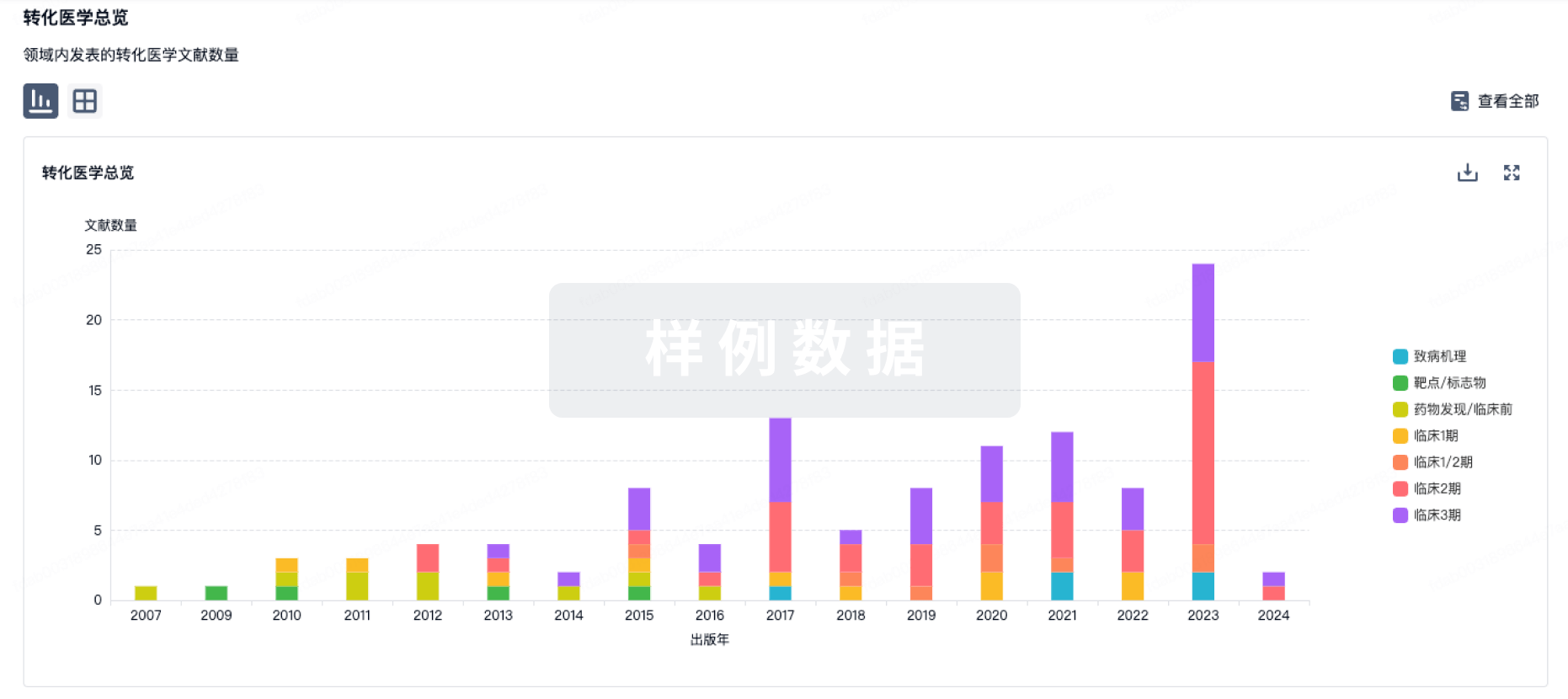
转化医学
使用我们的转化医学数据加速您的研究。
登录
或
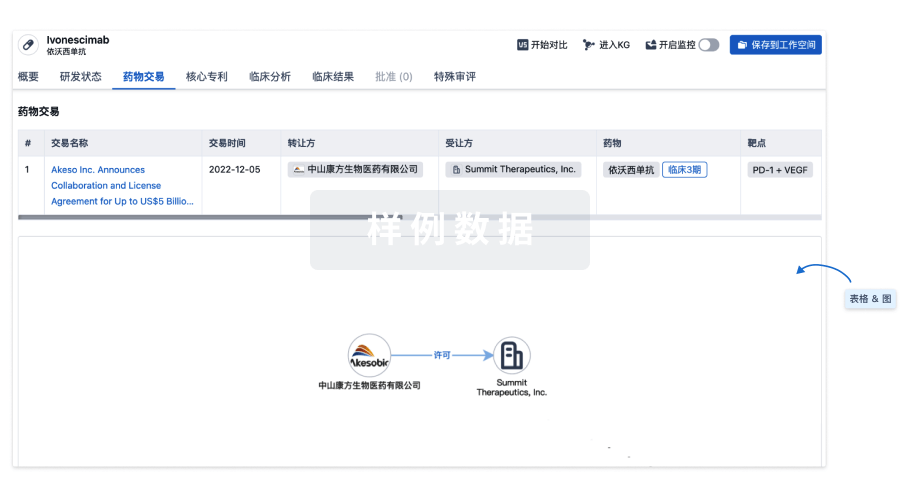
药物交易
使用我们的药物交易数据加速您的研究。
登录
或
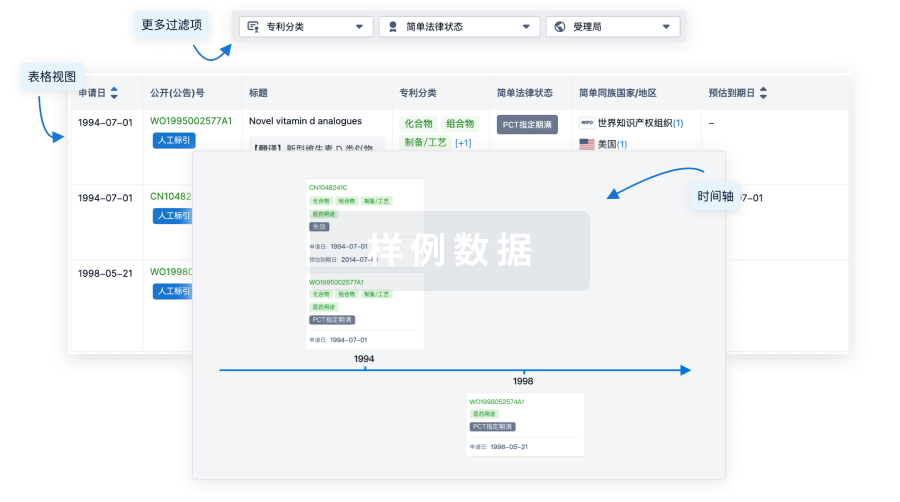
核心专利
使用我们的核心专利数据促进您的研究。
登录
或
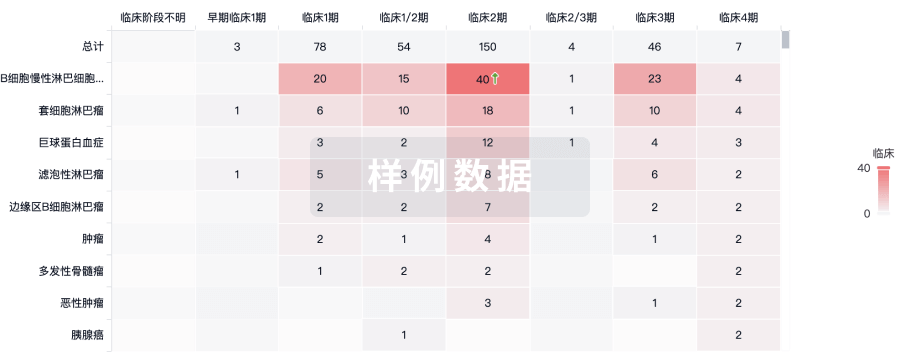
临床分析
紧跟全球注册中心的最新临床试验。
登录
或
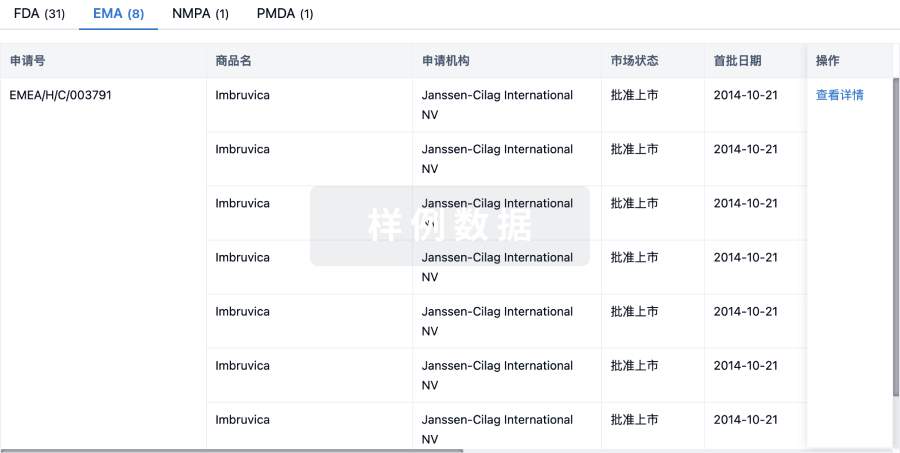
批准
利用最新的监管批准信息加速您的研究。
登录
或
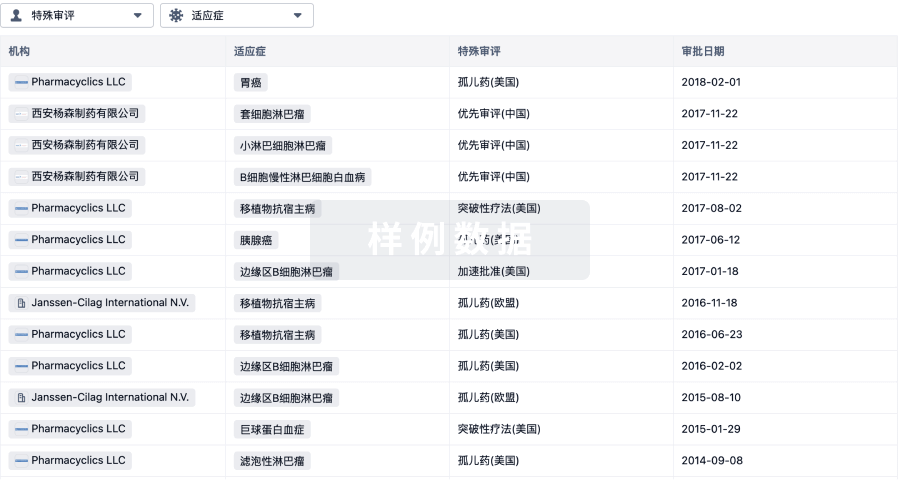
特殊审评
只需点击几下即可了解关键药物信息。
登录
或
提出任何生物医药研究问题
让每一步生物医药决策都精准制胜
基于十亿级生物数据与全球情报的精准 AI,赋能早期药物发现
立即开始免费试用!
智慧芽新药情报库是智慧芽专为生命科学人士构建的基于AI的创新药情报平台,助您全方位提升您的研发与决策效率。
立即接入生物医药数据包
智慧芽新药库数据也通过智慧芽开放平台,以MCP或API服务形式对外开放。立即使用我们的MCP服务定制您的LLM智能体。
生物序列数据库
生物药研发创新
免费使用
化学结构数据库
小分子化药研发创新
免费使用