预约演示
更新于:2026-08-08
YL-205
更新于:2026-08-08
概要
基本信息
原研机构 |
非在研机构- |
权益机构- |
最高研发阶段临床1/2期 |
首次获批日期- |
最高研发阶段(中国)临床1/2期 |
特殊审评- |

登录后查看时间轴
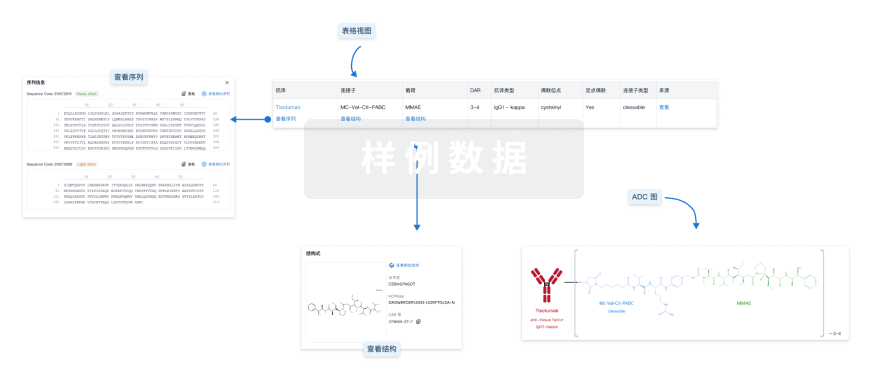
结构/序列
使用我们的ADC技术数据为新药研发加速。
登录
或
关联
2
项与 YL-205 相关的临床试验CTR20241918
一项评估YL205在晚期实体瘤患者中的安全性、耐受性、药代动力学和初步疗效的多中心、开放、I/II期临床研究
主要目的:
评估YL205在局部晚期或转移性实体瘤患者中的安全性,有效性和耐受性;
在晚期实体瘤患者中确定YL205的最大耐受剂量、推荐扩展剂量和Ⅱ期推荐剂量(RP2D)。
次要目的:
评估YL205总抗体、游离毒素以及潜在代谢物的药代动力学特征;
评价YL205的免疫原性;
初步评价YL205在治疗晚期实体瘤患者中的有效性。
开始日期2024-06-04 |
申办/合作机构 |
ChiCTR2400084741
A Multicenter, Open-label, Phase I/II Study to Evaluate the Safety, Tolerability, Pharmacokinetics and Preliminary Efficacy of of YL205 in Patients with Advanced Solid Tumors
开始日期2024-01-17 |
申办/合作机构- |
100 项与 YL-205 相关的临床结果
登录后查看更多信息
100 项与 YL-205 相关的转化医学
登录后查看更多信息
100 项与 YL-205 相关的专利(医药)
登录后查看更多信息
1
项与 YL-205 相关的文献(医药)Frontiers in Oncology
Case Report: Complete response to the novel NaPi2b-targeting ADC YL205 in heavily pretreated platinum-resistant ovarian cancer
Article
作者: Xiao, Hui ; Tang, Zhen-Zi ; Tang, Yan-Xiang ; Guo, Xingzi ; Jian, Lian
Objectives:
High-grade serous ovarian carcinoma (HGSOC) remains a formidable challenge in the platinum-resistant setting (PROC). In the post-PARP inhibitor (PARPi) era, prior exposure reshapes resistance mechanisms, necessitating a shift from traditional platinum-free interval definitions to biomarker-driven strategies. We report an exceptional response to a next-generation ADC and review the evolving therapeutic landscape.
Case report:
A 40-year-old woman with FIGO stage IVB, BRCA-wildtype HGSOC developed rapid multi-drug resistance following neoadjuvant chemotherapy, optimal cytoreduction, and progression on maintenance olaparib/bevacizumab, gemcitabine, and a USP1 inhibitor. Following the identification of high NaPi2b expression (83% tumor proportion score), she initiated YL205, a novel NaPi2b-targeting antibody-drug conjugate (ADC) utilizing a topoisomerase I inhibitor payload, at 2.0 mg/kg every 3 weeks.
Results:
The patient achieved a sustained complete radiological response (CR) and CA-125 normalization 3.5U/ml after 24 weeks, remaining stable through 48 weeks treatment. This represents the first clinical instance of CR observed with this agent. Adverse events were limited to manageable grade 1–2 neutropenia symptoms.
Conclusions:
This case underscores the potential of next-generation ADCs featuring optimized linker-payload technologies. By utilizing topoisomerase I inhibitors, agents like YL205 bypass microtubule-stabilization resistance induced by prior taxane exposure, while “bystander effects” address intratumoral heterogeneity. Longitudinal, biomarker-matched strategies and proactive toxicity management are essential to achieving deep tissue clearance in heavily pretreated HGSOC.
33
项与 YL-205 相关的新闻(医药)2026-06-29
·抗体圈
本文基于《Nature Reviews Clinical Oncology》重磅综述,以抗体研发专家视角系统梳理妇科肿瘤 ADC 药物的研发全景。文章详细解析了三款已获批 ADC(MIRV、T-DXd、TV)的关键数据与安全性特征,全景展示了 TROP2、Cadherin 6、B7-H4、Claudin 6 等新兴靶点的研发进展,并深入剖析了生物标志物标准化、耐药机制、毒性管理、靶点重叠四大核心挑战,展望了未来发展方向,为临床与研发人员提供了专业的全景式解读。
一、ADC 药物:百年 "魔法子弹" 的现代演绎
1907 年,保罗・埃尔利希(Paul Ehrlich)提出 "魔法子弹" 的概念 —— 希望能有一种药物,像子弹一样精准击中病灶而不伤及正常组织。一百多年后的今天,ADC 药物正在让这一梦想照进现实。
ADC 的三大核心组件:
单克隆抗体:精准识别肿瘤细胞表面的特定抗原,发挥 "导航" 作用
细胞毒性有效载荷:强效杀伤肿瘤细胞的 "弹头",通常是治疗窗极窄的细胞毒药物
连接子:在血液循环中保持稳定,到达肿瘤细胞后精准释放药物
为什么妇科肿瘤特别适合 ADC 治疗? 这篇综述给出了清晰的答案:妇科肿瘤(卵巢癌、子宫内膜癌、宫颈癌)普遍高表达多种肿瘤相关抗原,为 ADC 提供了丰富的靶点选择。目前,已有三款 ADC 药物获得 FDA 批准用于妇科肿瘤,另有数十款处于不同临床研发阶段。
二、三大已获批 ADC:改变临床实践的里程碑
表1系统总结了三款已获批 ADC 的关键临床试验数据和安全性特征。
表1 已获批用于妇科肿瘤的 ADC 药物活性与安全性概览
1. Mirvetuximab Soravtansine (MIRV):FRα 靶点的开拓者
靶点:叶酸受体 α(FRα)有效载荷:DM4(美登素类微管抑制剂)连接子:可裂解连接子
研发历程 —— 从挫折到突破的启示: MIRV 的研发之路并非一帆风顺。最初的 FORWARD1 III 期试验未能达到主要终点,关键原因在于入组标准使用了较为宽松的 FRα 检测方法(×10 倍镜下阳性细胞百分比)。
当研究人员重新采用更严格的 PS2 + 评分系统(≥75% 肿瘤细胞≥2 + 染色强度)分析时,发现约 30% 被 ×10 方法判定为阳性的肿瘤实际上是 FRα 低表达。这一发现成为了整个研发项目的转折点。
随后的 SORAYA 和 MIRASOL 试验严格按照 PS2 + 标准入组,取得了令人振奋的结果:
MIRASOL 试验:ORR 达到 42.3%(化疗组仅 15.9%),中位总生存期(OS)16.5 个月 vs 12.8 个月(HR 0.67, P=0.005)
这是铂耐药卵巢癌(PROC)领域首次观察到如此显著的 OS 获益
基于这些数据,MIRV 于 2024 年 3 月获得 FDA 完全批准,用于 FRα PS2 + 的高级别浆液性卵巢癌患者。
点评:MIRV 的研发历程给我们上了重要一课 ——生物标志物的精准检测是 ADC 成功的关键前提。靶点表达水平的阈值设定直接影响临床试验的成败。这也解释了为什么 FRα 检测的伴随诊断(VENTANA FOLR1-2.1)如此重要。
安全性特点 —— 眼部毒性: MIRV 最受关注的不良反应是眼部毒性,发生率高达 50%,包括干眼症、视力模糊、角膜病变等。其机制并非 FRα 在眼部的表达(脱靶效应),而是角膜上皮细胞对细胞毒载荷的摄取和内化。
好消息是,大多数眼部毒性是可逆的,通过治疗中断和对症处理(无防腐剂眼药水、类固醇眼药水)可以控制。因眼部毒性导致停药的比例仅为 2%。2. Trastuzumab Deruxtecan (T-DXd):HER2 靶点的泛瘤种突破
靶点:HER2有效载荷:Deruxtecan(拓扑异构酶 I 抑制剂,依喜替康衍生物)连接子:可裂解连接子
T-DXd 的获批基于 DESTINY-PanTumor02 II 期篮子试验,该试验纳入了 7 种不同组织学类型的实体瘤,每种妇科肿瘤各 40 例患者。
值得注意的发现:在 DESTINY-PanTumor02 试验中,部分对 T-DXd 产生应答的患者,经中心实验室回顾性检测被判定为 HER2 IHC ≤1+。这一现象引发了两个重要问题:
T-DXd 是否对 HER2 低表达甚至极低表达的肿瘤也有效?
妇科肿瘤中 HER2 的瘤内异质性是否影响了检测结果的准确性?
这些问题目前尚无定论,需要更多研究来解答。
安全性关注点 —— 间质性肺病(ILD): T-DXd 的黑框警告是间质性肺病。汇总分析显示,任何级别 ILD 的发生率约为 11-16%,其中≥3 级约 0.6-1.3%,致命性事件约 2.2%。
专家建议:临床医生必须提高警惕,即使是无症状的影像学异常,也应立即暂停用药并启动评估和处理。对于 1 级 ILD 恢复后的患者,重新使用 T-DXd 是可行的,但复发率约 33%;而有症状的 ILD 患者应永久停药。3. Tisotumab Vedotin (TV):组织因子靶点的宫颈癌突破
靶点:组织因子(Tissue Factor)有效载荷:MMAE(单甲基奥瑞他汀 E,微管抑制剂)连接子:可裂解连接子
TV 是首个获批用于宫颈癌的 ADC 药物,基于 InnovaTV 301 III 期试验:
ORR:18% vs 化疗组 5%
中位 OS:11.5 个月 vs 9.5 个月(HR 0.70, P=0.004)
中位 PFS:4.2 个月 vs 2.9 个月(HR 0.67, P<0.001)
独特之处:与 MIRV 和 T-DXd 不同,TV 的疗效与组织因子的表达水平似乎没有明确关联。大多数宫颈癌都有一定程度的组织因子表达,因此 TV 的使用无需前置检测。
安全性特点: TV 的眼部毒性机制与 MIRV 不同 —— 组织因子在眼上皮细胞表达,因此属于"靶点相关、肿瘤外" 的毒性(on-target, off-tumor)。除了常见的干眼症、角膜炎、结膜炎外,角膜溃疡是 TV 特有的严重不良反应。
此外,出血也是 TV 需要关注的不良反应(发生率 42%),但≥3 级的发生率与化疗组相当。
三、ADC 靶点全景:百花齐放的研发格局
通过三张精美的图表,分别展示了卵巢癌、子宫内膜癌和宫颈癌中各类 ADC 靶点的表达情况及在研药物。
图1 卵巢癌中 ADC 靶点及其表达水平
主要靶点包括:FRα、TROP2、HER2、Cadherin 6、Claudin 6、B7-H4、HER3、间皮素、NaPi2b 等。其中 FRα 在高级别浆液性卵巢癌中阳性率为 36%(PS2 + 标准),TROP2 表达率高达 98%。
图 2 子宫内膜癌中 ADC 靶点及其表达水平
主要靶点包括:B7-H4(>90% 表达)、TROP2(93% 任何表达)、HER2、FRα、HER3、NaPi2b 等。不同分子亚型的表达差异显著,如 TP53 突变型子宫内膜癌中 HER2 IHC 3 + 的比例为 16%。
图3 宫颈癌中 ADC 靶点及其表达水平
主要靶点包括:组织因子(80% 任何表达)、TROP2(76-79% 强表达)、HER2、间皮素、Nectin 4 等。腺癌和鳞癌的表达谱存在差异,如腺癌中 HER2 过表达率为 10%,鳞癌为 4%。1. TROP2:最 "广谱" 的靶点
TROP2 在 > 90% 的高级别浆液性卵巢癌、子宫内膜样癌和宫颈癌中表达,是目前最受关注的靶点之一。
在研药物:
Sacituzumab Govitecan (SG):已获批用于三阴性乳腺癌,在宫颈癌 II 期试验中 ORR 达 50%
Sacituzumab Tirumotecan (Sac-TMT):携带新型拓扑异构酶 I 抑制剂 tirumotecan,在铂耐药卵巢癌中 ORR 达 35-59%
Datopotamab Deruxtecan (Dato-DXd):已获批用于乳腺癌
Tizetatug Rezetecan:在铂耐药卵巢癌中显示出早期疗效信号
独特毒性 —— 口腔炎: TROP2 靶向 ADC 最突出的不良反应是口腔炎,发生率超过 50%(SG 除外)。由于 TROP2 在口腔黏膜和食管表达,这被认为是典型的 on-target, off-tumor 效应。虽然大多为低级别,但积极的预防和管理对维持患者生活质量至关重要。2. Cadherin 6:卵巢癌的新兴靶点
Cadherin 6 是一种跨膜蛋白,在 94% 的高级别浆液性卵巢癌中表达,但在正常组织中表达有限,是一个理想的 ADC 靶点。
代表药物 ——Raludotatug Deruxtecan (R-DXd):
I 期试验:ORR 48.6%,中位缓解持续时间 11.2 个月
II 期剂量优化部分:三个剂量水平的 ORR 为 44-57%
5.6 mg/kg 被确定为最佳剂量,将在 III 期 REJOICE-Ovarian01 试验中进一步验证
有趣的发现:早期数据显示 R-DXd 的疗效与 cadherin 6 表达水平似乎没有明确的相关性,这与 MIRV 和 FRα 的关系形成了鲜明对比。具体原因还在进一步研究中。3. B7-H4:免疫调节靶点的 ADC 探索
B7-H4 是一种 T 细胞负调节因子,在正常组织中表达有限,但在卵巢癌(高达 100%)、子宫内膜癌(>90%)和宫颈癌(约 45%)中高表达。
在研药物:
Mocertatug Rezetecan:在铂耐药卵巢癌中 ORR 达 62%(5.8 mg/kg 剂量组),在复发子宫内膜癌中 ORR 达 67%
Puxitatug Samrotecan:在 B7-H4 表达≥25% 的子宫内膜癌中 ORR 达 34.6-38.5%
Emiltatug Ledadotin:在 B7-H4 高表达子宫内膜癌中显示出早期疗效4. Claudin 6:癌胚抗原的潜力
Claudin 6 是一种紧密连接蛋白,在胚胎发育过程中广泛表达,但在成人组织中不表达。这种 "癌胚抗原" 的特性使其成为 ADC 的理想靶点。
表达情况:
卵巢癌:24-58%
子宫内膜癌:11-33%
宫颈癌:29%
代表药物 ——Ixotatug Vedotin: 在 I 期 CATALINA-1 试验中,铂耐药卵巢癌的 ORR 达到 42-50%,显示出良好的前景。5. 其他新兴靶点
NaPi2b:曾有 UpRi 进入 III 期但因疗效和安全性问题终止研发,目前 TUB-040、YL205 等新一代药物正在早期研发中
B7-H3:在 83% 卵巢癌、72% 宫颈癌、76% 子宫内膜癌中表达,SYS6043、BNT324 等早期数据令人期待
间皮素(Mesothelin):早期 ADC 药物疗效有限,新一代药物如 Misitatug Blivedotin 正在研发中
HER3:在多种妇科肿瘤中表达,Patritumab Deruxtecan 正在进行泛瘤种研究
四、研发管线全景:从早期到获批的完整图谱
原文4 以矩阵形式清晰展示了不同靶点、不同载荷类型的 ADC 药物在三种妇科肿瘤中的研发状态。
图4 妇科肿瘤 ADC 药物研发状态全景图
该图按分子靶点和适应症排列,展示了处于不同临床开发阶段的 ADC 药物。包括 FDA 已获批、III 期试验进行中、早期活性已报道、研发中无结果、研发终止等不同状态。
从这张图中我们可以看到几个明显的趋势:
FRα 和 HER2 是研发最集中的靶点,已有药物获批且有多款后续药物在研
拓扑异构酶 I 抑制剂载荷正在成为主流,新一代 ADC 大多采用这一载荷类型
TROP2、Cadherin 6、B7-H4 等新兴靶点快速跟进,已有药物进入 III 期临床
宫颈癌的 ADC 研发相对滞后,但组织因子、TROP2 等靶点正在快速追赶
五、联合治疗:拓展 ADC 临床价值的关键策略
原文 Table 2 系统总结了 ADC 联合治疗在妇科肿瘤中的临床试验数据。
表2 ADC 联合治疗在妇科肿瘤中的临床试验概览
ADC 与免疫检查点抑制剂的联合是目前最受关注的方向。理论上,ADC 诱导的免疫原性细胞死亡可以增强抗肿瘤免疫应答,与免疫治疗产生协同效应。
早期数据令人鼓舞:
MIRV + 帕博利珠单抗:在 FRα PS2+ ≥75% 的铂耐药卵巢癌中 ORR 达 35%
Sac-TMT + 帕博利珠单抗:在宫颈癌中 ORR 达 51%
TV + 卡铂 + 帕博利珠单抗 ± 贝伐珠单抗:在一线转移性宫颈癌中 ORR 达 66%,中位 PFS 10.6 个月,中位 OS 28 个月
这些早期数据令人鼓舞,但还需要 III 期试验的验证。
六、耐药机制:ADC 研发必须面对的核心问题
图5生动展示了 ADC 的作用机制及潜在耐药途径。
图5 ADC 耐药机制示意图
左图展示了 ADC 的正常作用过程:识别靶点→内化→溶酶体融合→释放载荷→细胞死亡。右图展示了潜在的耐药机制:包括 ADC 内化减少、溶酶体 pH 改变导致药物释放减少、ABC 转运蛋白上调导致药物外排、抗凋亡通路上调等。
已知的耐药机制:
靶点表达下调或丢失
ADC 内化减少或延迟
溶酶体 pH 改变导致药物释放减少
ABC 转运蛋白(如 ABCB1)上调导致药物外排
抗凋亡通路上调
细胞周期动力学改变(如有丝分裂滑脱)
关键问题 —— 序贯策略: 随着越来越多的 ADC 药物获批,临床上面临一个重要问题:如何合理安排 ADC 药物的使用顺序?
目前的初步经验是:
同靶点、不同载荷:可能有效。例如乳腺癌中,T-DM1 进展后使用 T-DXd 仍有效;卵巢癌中,MIRV 进展后使用 rinatabart sesutecan(FRα 靶向,拓扑异构酶 I 抑制剂载荷)仍有疗效。
不同靶点、不同载荷:理论上是最优策略,但实际数据有限。
同载荷类、不同靶点:可能存在交叉耐药,需要谨慎。
研发启示:
我们需要更多关于 ADC 耐药机制的转化研究,特别是来自临床进展后肿瘤样本的数据。
设计合理的序贯治疗临床试验,探索最佳治疗顺序。
七、专家视角:ADC 研发的四大核心挑战
作为一名抗体药物研发人员,我认为这篇综述最有价值的部分在于它坦诚地讨论了 ADC 领域面临的核心挑战。这些挑战不仅是临床医生需要面对的,更是我们研发人员需要着力解决的问题。挑战一:生物标志物检测的标准化困境
问题的复杂性:
抗体质量参差不齐:不同厂家的抗体克隆号、染色方案差异巨大。以 FRα 为例,德国 68 家病理机构的对比研究显示,VENTANA FOLR1-2.1 检测的一致性达 87%,而其他抗体的一致性仅 22-25%。
评分系统的多样性:同一靶点可能因药物不同而采用不同的评分标准。最典型的例子是 HER2—— 子宫内膜癌的曲妥珠单抗治疗需要 FISH 检测确认 2 + 病例,而 T-DXd 的获批标准则不需要。这让病理医生在实际工作中需要同时报告两套评分系统。
肿瘤异质性:
空间异质性:原发灶和转移灶的靶点表达可能不一致。研究显示,卵巢癌原发灶 FRα 阳性率(44-55%)显著高于复发 / 转移灶(28-33%)。
时间异质性:靶点表达可能随治疗进程发生变化。FRα 在新鲜活检和存档样本中的一致性约为 71%。
研发启示:
ADC 药物的研发必须从一开始就同步开发伴随诊断,而不是等临床试验失败了才回头优化生物标志物。
探索更稳定的检测方法,如 AI 辅助评分,可能提高判读的一致性和准确性。挑战二:毒性管理与治疗指数优化
一个反常识的发现: 这篇综述提到了一个很有意思的观点 ——ADC 可能并没有像我们想象的那样显著降低毒性。一项纳入 169 项试验、22,000 多例患者的系统综述显示,ADC 治疗相关任何级别不良事件发生率为 91%,≥3 级为 46%。
为什么会这样?
On-target, off-tumor 效应:靶点在正常组织中的表达导致的毒性,如 TROP2 导致的口腔炎、组织因子导致的眼部毒性。
脱靶毒性:连接子在循环中不稳定导致载荷提前释放。
正常细胞的非特异性摄取:如角膜上皮细胞对 DM4 的摄取导致 MIRV 的眼部毒性。
案例教训 ——UpRi 的失败: NaPi2b 靶向 ADC UpRi 采用了 dolaflexin 技术,平均药物抗体比(DAR)高达~10。虽然 I 期数据不错,但 II 期疗效不佳且安全性堪忧 —— 治疗相关死亡 5.6%,因 AE 停药率 26.1%,最终研发终止。
这个案例警示我们:高 DAR 不等于高疗效,反而可能因为毒性增加而降低治疗指数。ADC 的设计是一门平衡的艺术 —— 需要在疗效和安全性之间找到最佳平衡点。挑战三:靶点重叠与治疗选择
一个有趣的发现: 研究显示,妇科肿瘤中多个 ADC 靶点的表达存在显著重叠:
在 33 例子宫内膜癌患者来源异种移植模型中,78.8% 至少高表达 5 个靶点中的 1 个,63.6% 高表达 2 个以上,9.1%5 个靶点全部高表达。
在高级别浆液性卵巢癌中,FRα 和 HER2 同时高表达的比例约 18%。
这带来的问题: 当一个患者的肿瘤同时高表达多个 ADC 靶点时,我们应该如何选择?先选哪个?能否联合使用?这些问题目前都没有明确答案。
更复杂的是: ADC 靶点还与其他生物标志物(如 HRD、BRCA 突变)存在重叠。例如,FRα 高表达在 HRD 阳性和阴性肿瘤中的比例分别为 47.4% 和 39.8%。这就引出了一个重要问题 —— 对于 HRD 阳性且 FRα 高表达的患者,PARP 抑制剂和 FRα 靶向 ADC 哪个更优?能否联合?挑战四:临床试验设计的创新
随着靶点越来越多,肿瘤人群被不断细分,传统的大规模 III 期试验变得越来越难以实施。我们需要创新的临床试验设计:
篮子试验(Basket trial)
伞式试验(Umbrella trial)
适应性设计
真实世界证据的应用
八、未来展望:ADC 的下一个十年1. 新型 ADC 技术平台
双特异性抗体 ADC:同时靶向两个抗原,提高特异性和内化效率
抗体片段 ADC:更小的分子可能具有更好的肿瘤穿透性
新型载荷:超越微管抑制剂和拓扑异构酶 I 抑制剂,探索其他作用机制的载荷
定点偶联技术:获得更均一的 DAR,提高治疗指数2. 前移治疗线
目前大多数 ADC 获批用于后线治疗。随着安全性和疗效数据的积累,ADC 正在向前线甚至维持治疗推进:
GLORIOSA 试验:MIRV + 贝伐珠单抗用于铂敏感卵巢癌的维持治疗
DESTINY-Endometrial02:T-DXd 用于早期高危子宫内膜癌的辅助治疗
TroFuse-021:Sac-TMT ± 贝伐珠单抗用于一线化疗后的维持治疗3. 生物标志物驱动的精准治疗
随着我们对靶点表达谱、耐药机制的理解不断深入,未来的 ADC 治疗将更加精准化。通过全面的生物标志物检测,为每位患者选择最合适的 ADC 药物和治疗顺序。
结语:机遇与挑战并存的黄金时代
读完这篇综述,我最大的感受是:妇科肿瘤 ADC 领域正处于一个前所未有的黄金时代,但也面临着前所未有的复杂挑战。
对于临床医生:
需要熟悉不同 ADC 的作用机制、毒性谱和生物标志物要求
重视生物标志物检测的质量控制
加强多学科协作(肿瘤内科、病理科、眼科等)
关注 ADC 的序贯策略和联合治疗方案
对于研发人员:
靶点选择和验证仍然是成功的基础
生物标志物的开发必须与药物研发同步
治疗指数的优化是永恒的主题
耐药机制的研究将指导下一代 ADC 的设计
对于患者:
ADC 药物为妇科肿瘤患者带来了新的希望
但我们仍需理性看待 ——ADC 不是万能药,也有其局限性和毒性
参加临床试验可能是获得最新治疗的最佳途径
一百多年前,埃尔利希提出 "魔法子弹" 的概念时,可能无法想象今天我们拥有的这些精密武器。而今天的我们,也难以预测十年后 ADC 技术会发展到什么程度。但可以确定的是,在科学家、临床医生和患者的共同努力下,我们正在一步步接近那个精准抗癌的梦想。
参考文献: Moore KN, Yeku OO, Howitt BE, Youssoufian H, Liu JF. Antibody–drug conjugates in gynaecological cancers: opportunities and challenges. Nat Rev Clin Oncol. 2026. doi:10.1038/s41571-026-01164-9
识别微信二维码,添加抗体圈小编,符合条件者即可加入
抗体微信群!
请注明:姓名+研究方向!
版
权
声
明
本公众号所有转载文章系出于传递更多信息之目的,且明确注明来源和作者,不希望被转载的媒体或个人可与我们联系(cbplib@163.com),我们将立即进行删除处理。所有文章仅代表作者观不本站。
2026-06-29
·知乎专栏
原文出处:医药魔方,老狼略有删改。2026ASCO值得重点关注的十个新药开发机会ASCO年会是世界上规模最大、学术水平最高、最具权威的临床肿瘤学会议之一,2026ASCO会议披露了超7700篇摘要,医药魔方对相关内容进行整理并收录至转化医学、临床结果、新闻热点板块,并选出了今年ASCO上最值得关注的10个新靶点、新分子。01 p53 TCR-T代表药品:NT-175代表企业:Neogene Therapeutics (AstraZeneca)关注重点:胰腺癌ORR达到71.4%,有望为TP53 R175H突变肿瘤的治疗提供新选择TP53是人类基因组中重要的抑癌基因,编码的p53蛋白作为核转录因子,在细胞周期调控中发挥检查点作用,保护细胞免于癌变。同时,TP53是人类肿瘤中突变频率最高的抑癌基因之一,其中TP53 R175H突变发生率最高。TP53突变进而导致肿瘤细胞产生。p53一直是非常具有吸引力的抗癌靶点,但由于p53表面相对光滑平坦,缺乏理想的药物结合口袋,长期被视为难成药靶点。在此背景下,NT-175提供了新的解决路径。NT-175是AstraZeneca子公司Neogene研发的自体TCR-T细胞疗法,靶向TP53 R175H突变,用于晚期转移性实体瘤。其原理是从患者自身外周血分离T细胞,在体外转导TCR基因,使其识别HLA呈递的p53突变蛋白并激活T细胞杀伤肿瘤。NT-175的关键工程设计包括三方面:第一,在TCR设计上,使用的TCR序列已在其他TCR-T疗法中经过临床验证,同时制备过程中对内源TRAC和TRBC进行双敲除,防止转导TCR与内源TCR错配。第二,敲除TGFβR2。TGF-β是强效免疫抑制因子,是实体瘤TCR-T疗法的主要障碍之一,敲除TGFβR2可使T细胞无法接收TGF-β信号,提升T细胞存活与功能。第三,对二氢叶酸还原酶进行修饰,使其对甲氨蝶呤产生抗性,生产过程中可用甲氨蝶呤筛选工程化TCR-T细胞,提高输注产品纯度。2026 ASCO公布了NT-175的I期临床结果。试验分为3个剂量组,共纳入22例实体瘤患者,中位既往治疗线数为3线,主要评估安全性和初步抗肿瘤活性。安全性方面,试验期间未出现治疗相关死亡,所有剂量水平均未观察到剂量限制性毒性。3级以上TEAE发生率100%,主要为血细胞减少,是淋巴细胞清除化疗的常见反应,整体安全性可控。有效性方面,全部22例患者ORR为40.9%,中位无进展生存期5.9个月,中位缓解持续时间7.6个月,临床获益率63.6%。值得关注的是,在7例胰腺癌患者亚组中,ORR达到71.4%(5/7),临床获益率85.7%。凭借良好的安全性和有效性,NT-175有望为TP53 R175H突变肿瘤的治疗提供新选择。02 GPC3×4-1BB双抗代表药品:BGB-B2033代表企业:百济神州关注重点:百济神州GPC3×4-1BB双抗BGB-B2033单药治疗实体瘤的初步临床结果公布GPC3是一种膜结合型硫酸乙酰肝素蛋白聚糖,在正常成人组织中表达极低,但在约70%–80%的肝细胞癌中显著高表达,并以可溶性GPC3的形式存在于患者外周血,因此被广泛认为是HCC诊断与免疫治疗的理想靶点。4-1BB(CD137)是T细胞及NK细胞的重要共刺激受体,激活后可显著增强免疫细胞增殖、存活能力及细胞毒性功能。BGB-B2033是GPC3×4-1BB IgG型双特异性抗体,一端结合肿瘤细胞表面GPC3,另一端结合T细胞/NK细胞上的4-1BB。其Fc片段经过工程化改造,阻断FcγR结合,并引入YTE突变以延长半衰期,优化体内暴露特征并降低非特异性免疫激活风险。需指出,BGB-B2033仅在与GPC3结合后才能激活4-1BB受体,降低传统4-1BB激动剂的全身毒性,保证安全性。临床前研究显示,该分子在GPC3阳性细胞系中显著增强T细胞介导的肿瘤杀伤作用,在GPC3阴性体系中未见明显活性,体现出良好的抗原依赖选择性。动物实验表明,BGB-B2033在肝细胞癌原位肿瘤模型中呈剂量依赖性抗肿瘤活性,与抗PD-1抗体联用表现出协同效应。2026 ASCO公布了BGB-B2033的I期临床结果。试验共纳入61例患者,约98.4%为HCC患者,涵盖三个剂量组,每三周给药一次,中位随访时间4.8个月。安全性方面,不良反应未随剂量递增明显上升,68.9%患者出现治疗相关不良反应,3级以上TRAE发生率仅8.2%,整体耐受性和安全性较好。疗效方面,整体经确认的ORR为28.9%。2025年12月,BGB-B2033获FDA快速通道认定,用于肝细胞癌治疗,已宣布启动针对后线HCC、具有支持注册潜力的关键性研究,并计划拓展至前线治疗及更多肿瘤类型。BGB-B2033验证了GPC3靶点在肝细胞癌中的开发可行性,在降低系统性毒性的同时展现抗肿瘤活性,有望改变肝细胞癌的治疗现状。03 IL-2 疗法代表药品:AB248代表企业:Asher Bio关注重点:新一代IL-2药物精准激活CD8+T细胞,降低毒性和免疫抑制,提供有效的偏向调节策略AsherBio开发的AB248是一款通过顺式靶向技术实现CD8+ T细胞选择性激活的IL-2突变融合蛋白。其开发旨在解决传统IL-2疗法疗效与毒性并存的痛点,特别是在免疫检查点抑制剂治疗失败的实体瘤中寻找突破。传统IL-2疗法缺乏特异性,在激活CD8+ T细胞的同时强力驱动NK细胞扩增及Treg的免疫抑制,导致严重剂量限制性毒性。数据显示,IL-2致死性毒性主要由NK细胞非特异性激活驱动。第二代IL-2疗法虽去除α链,仍无法避免NK细胞和Treg非特异性激活,毒性耦合问题未完全解决。基于此,AB248采用差异化分子工程策略,由减毒IL-2突变蛋白与抗CD8β抗体Fc段融合而成。该设计利用顺式靶向技术和双价亲和力,确保IL-2突变体仅在CD8表达细胞表面被呈递,具备超过500倍的CD8+ T细胞选择性,激活效力显著优于传统IL-2,对NK细胞和Treg的激活极低。临床前数据显示,AB248单药及与PD-1抗体联用均展现极强肿瘤抑制效果,联合用药组实现100%完全缓解且安全性良好。AB248正在开展实体瘤I/II期临床研究,本次ASCO展示了初步安全性及有效性数据。整体耐受性良好,不良事件多为1–2级。疗效方面,皮肤黑色素瘤亚组中,高剂量组肿瘤缩小超过78%的比例达18%;黏膜黑色素瘤亚组中,约27%患者实现部分缓解。IL-2改造赛道竞争格局已从早期去除α链转向细胞精准靶向和肿瘤部位富集。第一代非α偏向性策略以Nektar为代表,因无法避免外周NK细胞毒性且疗效不足已停止研发。第二代免疫检查点融合策略以罗氏和信达为代表,安全性良好但临床响应率参差不齐,整体ORR约18%。AB248代表第三代精准靶向策略,是全球进展排名第一的在研管线,也是最早进入临床验证的候选药物之一,具备先发优势。现有临床数据验证了其差异化优势,在实现深度缓解的同时规避了传统IL-2的系统性毒性,展现同类最佳潜力,后续进展值得关注。04 FGFR2b ADC代表药品:ALK201代表企业:安领科生物关注重点:靶向FGFR2b 研发焦点转向ADC,有望克服不良反应靶向FGFR2b的ADC,代表FGFR信号轴在实体瘤中的新一代治疗策略。FGFR2b是FGFR2的剪接异构体,在约30%–40%的胃癌及胃食管结合部癌中过表达,激活下游致癌信号通路促进肿瘤增殖。已有药物上市从临床层面验证了FGFR2b是可成药靶点,但因不良反应频发且疗效欠佳,临床应用受限。随着FGFR2b肿瘤选择性表达及受体内吞特性进一步确认,FGFR2b ADC有望在保留靶向优势的同时提升抗肿瘤活性。过去FGFR2药物研发集中于泛FGFR小分子抑制剂和FGFR2b单抗。小分子抑制剂易同时影响FGFR1至FGFR4,引起高磷血症及皮肤、指甲毒性;单抗虽提高特异性、改善安全性,但肿瘤杀伤强度有限。因此,第三代采用ADC设计策略,在保留靶向选择性的基础上利用payload递送增强肿瘤杀伤。已进入临床阶段的FGFR2b ADC管线中,ALK201进度最快,2024年进入I/II期,2026 ASCO首次公布临床数据。维立志博/百凯医药、创胜医药、Pinotbio等也有早期布局。ALK201于2026年4月获FDA胃癌孤儿药资格认定,采用高亲和力、高特异性抗体设计,亲水性专有linker,payload为Top1i,具备较强膜通透性和旁观者效应。2026 ASCO首次披露的ALK201临床数据显示,在大于7.2 mg/kg剂量组中,可确认ORR为21.6%,FGFR2b高表达鳞状非小细胞肺癌亚组ORR达27.3%。安全性方面,未观察到治疗相关死亡,眼部毒性初步可控,治疗相关眼部不良事件发生率14.8%,以1级干眼症为主,未见3级及以上眼部AESI。相比既往眼毒性突出的ADC,ALK201显示出较友好的眼部安全性窗口。早期数据支持FGFR2b ADC策略继续推进,后续需重点关注扩展队列的疗效确认及不同瘤种的开发潜力05 CD56 ADC代表药品:DXC006代表企业:多禧生物关注重点:国产首创靶向CD56 ADC治疗SCLC1期研究取得突破,ORR达75%CD56是神经细胞黏附分子,在神经组织、NK细胞和部分T细胞上表达,且在多种恶性肿瘤中高表达,小细胞肺癌中过表达概率超过90%,因此靶向CD56是治疗小细胞肺癌的合理策略。靶向CD56的ADC中,除多禧生物的DXC006处于在研状态,其余均停滞,这与初代分子LM临床失败有关。2017年LM治疗小细胞肺癌1/2期结果未显示临床获益,且存在感染、血液学毒性和神经毒性。小细胞肺癌一线疗法为化疗和ICI巩固治疗,由于其侵袭性和易早期转移,二线疗法开发尤为重要。本次2026 ASCO公布的小细胞肺癌二线疗法结果中,DXC006、SYS6043和BL-M25D1数据重磅,与较成熟的TROP2、DLL3、B7-H3靶点ADC相比,DXC006结果具有显著优越性。与LM使用的微管抑制剂payload不同,DXC006基于多禧生物专有技术平台构建,payload为拓扑异构酶抑制剂CPT116,linker为可裂解肽基双连接子,在抗体Fab区域定点偶联。该技术已与Whitehawk Therapeutics、强生达成合作。2026 ASCO公布DXC006的I期临床结果,旨在评估其在多种实体瘤和血液系统恶性肿瘤中的安全性与耐受性,包括小细胞肺癌、多发性骨髓瘤和神经母细胞瘤。给药方案含剂量爬坡与剂量扩展,共入组100例患者,含59例广泛期小细胞肺癌患者。总ORR达59.3%,二线患者ORR达75%。安全性方面,治疗相关不良事件发生率97.3%,3级以上不良事件发生率27.8%。DXC006整体耐受性良好,安全性可控。多禧生物正进行一线维持/一线治疗II期试验,后续临床结果值得关注。06 NaPi-2b ADC代表药品:TUB-040代表企业:Tubulis关注重点:NaPi2b ADC TUB-040在多线经治铂耐药卵巢癌中cORR达58%NaPi2b是一种钠依赖性磷酸盐转运蛋白,在维持磷酸盐平衡中发挥关键作用。健康组织中主要表达于II型肺细胞、支气管上皮细胞和乳腺导管细胞。肿瘤中,其在卵巢癌、子宫癌、非鳞状非小细胞肺癌、乳头状甲状腺癌中高表达。因为它在正常组织中的有限表达和在肿瘤中的显著上调,NaPi2b成为癌症诊断和预后评估的有价值生物标志物,同时也是治疗的潜在靶点。既往NaPi2b ADC因疗效不佳或严重毒副作用被终止开发,可能与靶标表达下调和给药窗口过小有关。Tubulis自研的ADC药物TUB-040在结构上做出新设计:采用Fc沉默策略改造IgG1单抗,阻断Fc介导的非特异性结合,减少健康组织滞留,降低脱靶系统毒性;linker采用自研P5磷酰胺专利连接子串联酶切多肽,较传统马来酰亚胺连接子外周循环稳定性更强,避免毒素提前脱落;payload为TOP1抑制剂,兼具直接抗肿瘤与强效旁观者杀伤作用。Tubulis于2026年4月被吉利德以31.5亿美元首付款收购,体现出外界对TUB-040的信心。2025 ESMO公布早期数据,46例卵巢癌患者ORR达50%。本次ASCO进一步公布TUB-040治疗铂耐药高级别浆液性卵巢癌的I期结果。试验为单臂、多中心、开放、剂量递增和剂量拓展研究,评估安全性、耐受性、PK及初步疗效。入组67例卵巢癌患者,既往接受贝伐珠单抗/PARP抑制剂中位线数4线,涵盖8个剂量水平,每3周一次静脉输注。结果显示,整体全剂量组确认ORR为58.2%,优选1.67~3.3 mg/kg剂量组确认ORR为61%,79%应答患者缓解时长超6个月。安全性和耐受性良好,大多数TEAE为1–2级,未出现因不良事件停药。竞争格局方面,目前有9款NaPi2b ADC在研,2款进入临床。宜联生物YL205在本次ASCO公布了1/2期卵巢癌患者结果,ORR达46.5%。TUB-040依托P5新型ADC平台,兼顾高靶向、高药效、高安全,突破NaPi2b靶点既往研发瓶颈,有潜力成为下一代实体瘤优选ADC。07 5T4 ADC代表药品:JK06代表企业:信立泰关注重点:first-in-class四价双表位ADC,兼具强效抗肿瘤潜力和良好安全性5T4是一种滋养层糖蛋白,调节CXCR4功能和Wnt信号通路,在正常成人组织表达有限,在非小细胞肺癌、乳腺癌、胃癌、泌尿生殖系统肿瘤等多种实体瘤中高表达,异常高表达常与恶性进展加剧和生存期缩短相关。然而,5T4较慢的内吞速率和较低的表面表达密度,限制了其在ADC研发中的应用。信立泰的JK06是靶向5T4的first-in-class四价双表位ADC,由一个完整anti-5T4 IgG1结构域及其C端融合的结合5T4不同表位的scFv结构域构成,linker为val-cit,payload为MMAE。其双表位设计对5T4具备皮摩尔级亲和力,细胞内化效率大幅提升,克服了5T4内吞速率慢的缺点。Fc端引入点突变减弱效应子功能,提高安全性。JK06在Fc区引入特异性偶联位点,将DAR严格控制在2,虽然载药量不高,但凭借超高亲和力和极快内吞速度,进入肿瘤细胞的抗体总量增加,足以高效杀伤。全人源化且Fc区点突变改造,使其既不产生ADA也不激活免疫细胞,兼具强效抗肿瘤潜力与优良安全性。2026 ASCO公布JK06的1/2期结果:截至2026年5月12日,共入组173例不可切除局部晚期/转移性实体瘤患者,剂量爬坡42例,扩展队列131例(NSCLC 64例,乳腺癌44例,泛癌种篮式试验23例)。核心疗效数据:鳞状NSCLC患者ORR为35%,4.5 mg/kg剂量下可评估ORR达50%。HR+乳腺癌ORR 30%(3/10),三阴性乳腺癌ORR 25%(4/16)。整体耐受性和安全性良好,后续数据值得关注。MNC在5T4靶点开发曾历双重挫折:早期肿瘤疫苗安全且特异性高,但受TME免疫抑制,疗效受限;第一代ADC因靶点“低密度、慢内吞”特征未能破局。传统二价抗体无法拉动5T4快速内吞,ADC长时间滞留细胞表面无法释放毒素,导致系统毒性较高但肿瘤内有效毒素浓度极低,安全与疗效无法平衡,辉瑞等在临床I期终止项目。下一代5T4管线正践行双轨革新,或依托创新ADC分子设计直接克服靶点局限,或通过疫苗联合免疫检查点抑制剂攻克TME抑制屏障,后续发展值得期待。08 第四代EGFR抑制剂代表药品:BH-30643 ; DZD6008代表企业:BlossomHill Therapeutics ; 迪哲医药关注重点:破局C797S耐药,第四代EGFR抑制剂有望为EGFR突变患者带来新的治疗选择EGFR突变是非小细胞肺癌中常见的致癌驱动因素,在大约10~20%的白人患者和至少50%的亚洲患者体内存在。从第一代吉非替尼、厄洛替尼到第三代奥希替尼,EGFR抑制剂均展现良好疗效与安全性,但随着治疗延长,均出现严重的获得性耐药突变,最主要为T790M和C797S突变。第一代抑制剂与T790M突变相关,约60%患者在接受一代抑制剂治疗一年内出现该突变,增强激酶对ATP亲和力并增大空间位阻导致耐药。奥希替尼解决该问题后,部分患者仍产生获得性耐药,原因为奥希替尼共价结合的C797位点突变。一旦发生T790M和C797S突变,治疗选择十分有限。为解决耐药问题,多款第四代EGFR抑制剂已进入临床。本次ASCO公布了两款药物的最新数据:BH-30643和DZD6008。BH-30643是BlossomHill Therapeutics开发的大环、非共价结合EGFR抑制剂,可针对经典突变、ex20插入突变、非经典突变及复合耐药型等多种亚型。其I期初步数据入组82例伴EGFR和HER2突变的晚期NSCLC患者,中位年龄61岁,中位既往3线治疗,剂量范围10mg/d至160mg/d。98%患者报告TEAE,16%因不良反应减量,仅1%因不良反应停药,整体安全性可控。32例C797S突变患者中,未接受过化疗者ORR达50%,既往接受过化疗者ORR为39%。ctDNA监测显示86%的C797S突变和64%的T790M突变被清除。DZD6008是迪哲医药研发的可穿透血脑屏障的第四代EGFR抑制剂。本次公布单药治疗EGFR突变阳性NSCLC数据,入组40例患者,既往治疗中位2线。40mg、60mg剂量下ORR分别为41.2%和42.9%。94.1%报告TEAE,39.2%为3级及以上。腹泻、皮疹、甲沟炎等不良反应发生率显著低于奥希替尼。在脑转移患者中,5例给药后4例脑部病变得到控制,3例脑部肿瘤缩小,1例实现颅内部分缓解,显示良好血脑屏障穿透能力。耐药方面,对第三代EGFR抑制剂治疗后复发的患者展现出显著且持续的抗肿瘤效果,82.1%患者显示肿瘤缩小,预期缓解率随治疗延长可进一步提升。数据表明,两款新药对EGFR耐药突变NSCLC均有不错疗效且安全性可控,有望突破EGFR耐药突变治疗困局。09 PARG抑制剂代表药品:ETX-19477代表企业:858 Therapeutics关注重点:PARG抑制剂首次通过临床POC验证传统DNA损伤修复赛道中,PARP抑制剂是重要研究方向,但已面临明确瓶颈:获益人群主要集中于BRCA突变亚群,适用范围有限;随临床应用推进,耐药问题逐渐显现,既往接受过PARP抑制剂治疗的患者一旦耐药,后续选择非常有限。围绕DNA损伤修复通路寻找新干预靶点成为研发破局方向,PARG正是在此背景下受到关注。DNA损伤修复过程中,PARP通过催化聚ADP-核糖基化快速招募修复蛋白,其后必须由PARG介导完成蛋白装卸与修复,PARG承担体内约九成以上dePARylation活性,是维持DNA修复动态平衡的核心酶之一。PARG抑制剂的敏感性不完全依赖同源重组缺陷,更核心的驱动因素为复制叉稳定性和相关修复通路的合成致死效应,因此在PARP抑制剂耐药及BRCA突变肿瘤中提供新治疗选项。临床前数据显示,ETX-19477在2024年AACR上披露,单药可诱导部分铂耐药或PARP耐药肿瘤模型肿瘤消退,体内药效学证实其具备克服多药耐药屏障、实现广谱抑瘤的潜力。本次ASCO,858 Therapeutics首次公布ETX-19477 I/II期临床结果,首次明确证实PARG抑制剂单药治疗具有良好的耐受性和安全性。研究共纳入45例患者,包括BRCA突变型高级别浆液性卵巢癌、乳腺癌等多个瘤种,给药每日口服一至二次,21天为一周期,分剂量递增和剂量扩展两部分。可评估的7例高级别浆液性卵巢癌患者中,观察到2例部分缓解,均为铂耐药且既往接受过PARP抑制剂治疗,另有3例疾病稳定,表明在既往治疗失败人群中已显示出初步疗效信号。安全性方面,ETX-19477整体表现理想,PARP抑制剂常见限制性毒性为血液学毒性,而ETX-19477主要不良反应为轻微胃肠道反应,血液学毒性发生率较低,提示安全性有望优于传统策略。PARG抑制剂赛道正加速布局,国内外多家公司进入该方向。丹擎医药项目推进较快,已进入二期但未披露临床结果;19477已推进至I/II期,2026年1月获FDA快速通道资格,用于BRCA突变、铂耐药卵巢癌患者。信诺维、圣域、璎黎、齐鲁等国内企业也在积极布局。PARG抑制剂不仅有望解决PARP耐药,还可能以更好安全性拓展DNA损伤修复治疗边界。对19477而言,正在开展的BRCA突变乳腺癌二期单药扩展研究将是验证临床价值的关键,若数据持续积极,有望成为DNA损伤修复领域的重要机会。10 ACP3靶向示踪剂代表药品:68Ga-OncoACP3 ; 68Ga-FC516代表企业:RayzeBio/Philochem ; 范恩柯尔关注重点:前列腺癌诊断潜力新靶点ACP3,提供更精准的诊疗方向PSMA是前列腺癌较成熟的诊疗靶点,已有6款药物上市,但PSMA靶向放射性药物在唾液腺和肾脏中存在生理性摄取,部分患者PSMA表达异质性,且存在非特异性骨摄取现象。ACP3是颇具潜力的替代性诊疗靶点,在大多数原发性和转移性前列腺癌细胞上表达,病灶中表达高于PSMA且更均匀,在唾液腺、肾脏和胃肠道等健康器官中不表达。该靶点共7款药物在研,其中4款由Philochem开发,以3.5亿美元转让给BMS子公司。以68Ga-OncoACP3为例,该类药物结构由靶向ACP3的小分子有机配体、创新间隔臂结构和螯合剂三部分组成。本次ASCO披露了进入I期临床的68Ga-OncoACP3,以及范恩科尔的产品68Ga-FC516结果。68Ga-OncoACP3试验纳入20例确诊前列腺癌患者,分为A组5例仅有原发肿瘤,B组15例伴或不伴转移性疾病。患者接受单次静脉注射探针,于注射后0、10、60和120分钟进行PET/CT扫描并采集血液和尿液样本。药动学分析显示清除速度较快,生理摄取仅限于肾和肝胆排泄,健康组织中未见蓄积。病灶摄取在注射后10分钟可见,肿瘤与背景对比度在60–120分钟内提升。探索性比较中,靶向ACP3探针在4例经组织学证实的病例中表现优于PSMA,显示更多前列腺病灶且无PSMA探针的非特异性骨摄取现象。FC516结果显示,3例前列腺癌患者在给药后1小时均表现出高肿瘤摄取(SUVmax分别为44、148.2、50.3),理想的肿瘤/肾脏比值(分别为11、39、14),背景摄取低,唾液腺和肾脏摄取显著低于PSMA靶向示踪剂。安全性良好,未观察到不良事件。范恩科尔展示的显像结果也表明,ACP3探针肿瘤摄取高于对照,未见PSMA的非特异性摄取问题。两项试验表明ACP3具有靶向特异性、较低背景摄取率及卓越成像性能,支持其作为前列腺癌诊断及患者分层的差异化生物标志物,补充现有PSMA示踪剂的不足,值得进一步关注。
2026-06-28
·网易号
ASCO年会是世界上规模最大、学术水平最高、最具权威的临床肿瘤学会议之一,2026ASCO会议披露了超7700篇摘要点此立即下载,医药魔方对相关内容进行整理并收录至转化医学、临床结果、新闻热点板块,并选出了今年ASCO上最值得关注的10个新靶点、新分子。以下内容对本次ASCO新药开发机会做了进一步解读分析,以供参考。2026 ASCO 新药开发机会分析01 p53 TCR-T代表药品:NT-175代表企业:Neogene Therapeutics (AstraZeneca)关注重点:胰腺癌ORR达到71.4%,有望为TP53 R175H突变肿瘤的治疗提供新选择TP53是人类基因组中重要的抑癌基因,编码的p53蛋白作为核转录因子,在细胞周期调控中发挥检查点作用,保护细胞免于癌变。同时,TP53是人类肿瘤中突变频率最高的抑癌基因之一,其中TP53 R175H突变发生率最高。TP53突变进而导致肿瘤细胞产生。p53一直是非常具有吸引力的抗癌靶点,但由于p53表面相对光滑平坦,缺乏理想的药物结合口袋,长期被视为难成药靶点。在此背景下,NT-175提供了新的解决路径。NT-175是AstraZeneca子公司Neogene研发的自体TCR-T细胞疗法,靶向TP53 R175H突变,用于晚期转移性实体瘤。其原理是从患者自身外周血分离T细胞,在体外转导TCR基因,使其识别HLA呈递的p53突变蛋白并激活T细胞杀伤肿瘤。NT-175的关键工程设计包括三方面:第一,在TCR设计上,使用的TCR序列已在其他TCR-T疗法中经过临床验证,同时制备过程中对内源TRAC和TRBC进行双敲除,防止转导TCR与内源TCR错配。第二,敲除TGFβR2。TGF-β是强效免疫抑制因子,是实体瘤TCR-T疗法的主要障碍之一,敲除TGFβR2可使T细胞无法接收TGF-β信号,提升T细胞存活与功能。第三,对二氢叶酸还原酶进行修饰,使其对甲氨蝶呤产生抗性,生产过程中可用甲氨蝶呤筛选工程化TCR-T细胞,提高输注产品纯度。2026 ASCO公布了NT-175的I期临床结果。试验分为3个剂量组,共纳入22例实体瘤患者,中位既往治疗线数为3线,主要评估安全性和初步抗肿瘤活性。安全性方面,试验期间未出现治疗相关死亡,所有剂量水平均未观察到剂量限制性毒性。3级以上TEAE发生率100%,主要为血细胞减少,是淋巴细胞清除化疗的常见反应,整体安全性可控。有效性方面,全部22例患者ORR为40.9%,中位无进展生存期5.9个月,中位缓解持续时间7.6个月,临床获益率63.6%。值得关注的是,在7例胰腺癌患者亚组中,ORR达到71.4%(5/7),临床获益率85.7%。凭借良好的安全性和有效性,NT-175有望为TP53 R175H突变肿瘤的治疗提供新选择。02GPC3×4-1BB双抗代表药品:BGB-B2033代表企业:百济神州关注重点:百济神州GPC3×4-1BB双抗BGB-B2033单药治疗实体瘤的初步临床结果公布GPC3是一种膜结合型硫酸乙酰肝素蛋白聚糖,在正常成人组织中表达极低,但在约70%–80%的肝细胞癌中显著高表达,并以可溶性GPC3的形式存在于患者外周血,因此被广泛认为是HCC诊断与免疫治疗的理想靶点。4-1BB(CD137)是T细胞及NK细胞的重要共刺激受体,激活后可显著增强免疫细胞增殖、存活能力及细胞毒性功能。BGB-B2033是GPC3×4-1BB IgG型双特异性抗体,一端结合肿瘤细胞表面GPC3,另一端结合T细胞/NK细胞上的4-1BB。其Fc片段经过工程化改造,阻断FcγR结合,并引入YTE突变以延长半衰期,优化体内暴露特征并降低非特异性免疫激活风险。需指出,BGB-B2033仅在与GPC3结合后才能激活4-1BB受体,降低传统4-1BB激动剂的全身毒性,保证安全性。临床前研究显示,该分子在GPC3阳性细胞系中显著增强T细胞介导的肿瘤杀伤作用,在GPC3阴性体系中未见明显活性,体现出良好的抗原依赖选择性。动物实验表明,BGB-B2033在肝细胞癌原位肿瘤模型中呈剂量依赖性抗肿瘤活性,与抗PD-1抗体联用表现出协同效应。2026 ASCO公布了BGB-B2033的I期临床结果。试验共纳入61例患者,约98.4%为HCC患者,涵盖三个剂量组,每三周给药一次,中位随访时间4.8个月。安全性方面,不良反应未随剂量递增明显上升,68.9%患者出现治疗相关不良反应,3级以上TRAE发生率仅8.2%,整体耐受性和安全性较好。疗效方面,整体经确认的ORR为28.9%。2025年12月,BGB-B2033获FDA快速通道认定,用于肝细胞癌治疗,已宣布启动针对后线HCC、具有支持注册潜力的关键性研究,并计划拓展至前线治疗及更多肿瘤类型。BGB-B2033验证了GPC3靶点在肝细胞癌中的开发可行性,在降低系统性毒性的同时展现抗肿瘤活性,有望改变肝细胞癌的治疗现状。03 IL-2 疗法代表药品:AB248代表企业:Asher Bio关注重点:新一代IL-2药物精准激活CD8+T细胞,降低毒性和免疫抑制,提供有效的偏向调节策略AsherBio开发的AB248是一款通过顺式靶向技术实现CD8+ T细胞选择性激活的IL-2突变融合蛋白。其开发旨在解决传统IL-2疗法疗效与毒性并存的痛点,特别是在免疫检查点抑制剂治疗失败的实体瘤中寻找突破。传统IL-2疗法缺乏特异性,在激活CD8+ T细胞的同时强力驱动NK细胞扩增及Treg的免疫抑制,导致严重剂量限制性毒性。数据显示,IL-2致死性毒性主要由NK细胞非特异性激活驱动。第二代IL-2疗法虽去除α链,仍无法避免NK细胞和Treg非特异性激活,毒性耦合问题未完全解决。基于此,AB248采用差异化分子工程策略,由减毒IL-2突变蛋白与抗CD8β抗体Fc段融合而成。该设计利用顺式靶向技术和双价亲和力,确保IL-2突变体仅在CD8表达细胞表面被呈递,具备超过500倍的CD8+ T细胞选择性,激活效力显著优于传统IL-2,对NK细胞和Treg的激活极低。临床前数据显示,AB248单药及与PD-1抗体联用均展现极强肿瘤抑制效果,联合用药组实现100%完全缓解且安全性良好。AB248正在开展实体瘤I/II期临床研究,本次ASCO展示了初步安全性及有效性数据。整体耐受性良好,不良事件多为1–2级。疗效方面,皮肤黑色素瘤亚组中,高剂量组肿瘤缩小超过78%的比例达18%;黏膜黑色素瘤亚组中,约27%患者实现部分缓解。IL-2改造赛道竞争格局已从早期去除α链转向细胞精准靶向和肿瘤部位富集。第一代非α偏向性策略以Nektar为代表,因无法避免外周NK细胞毒性且疗效不足已停止研发。第二代免疫检查点融合策略以罗氏和信达为代表,安全性良好但临床响应率参差不齐,整体ORR约18%。AB248代表第三代精准靶向策略,是全球进展排名第一的在研管线,也是最早进入临床验证的候选药物之一,具备先发优势。现有临床数据验证了其差异化优势,在实现深度缓解的同时规避了传统IL-2的系统性毒性,展现同类最佳潜力,后续进展值得关注。04FGFR2b ADC代表药品:ALK201代表企业:安领科生物关注重点:靶向FGFR2b 研发焦点转向ADC,有望克服不良反应靶向FGFR2b的ADC,代表FGFR信号轴在实体瘤中的新一代治疗策略。FGFR2b是FGFR2的剪接异构体,在约30%–40%的胃癌及胃食管结合部癌中过表达,激活下游致癌信号通路促进肿瘤增殖。已有药物上市从临床层面验证了FGFR2b是可成药靶点,但因不良反应频发且疗效欠佳,临床应用受限。随着FGFR2b肿瘤选择性表达及受体内吞特性进一步确认,FGFR2b ADC有望在保留靶向优势的同时提升抗肿瘤活性。过去FGFR2药物研发集中于泛FGFR小分子抑制剂和FGFR2b单抗。小分子抑制剂易同时影响FGFR1至FGFR4,引起高磷血症及皮肤、指甲毒性;单抗虽提高特异性、改善安全性,但肿瘤杀伤强度有限。因此,第三代采用ADC设计策略,在保留靶向选择性的基础上利用payload递送增强肿瘤杀伤。已进入临床阶段的FGFR2b ADC管线中,ALK201进度最快,2024年进入I/II期,2026 ASCO首次公布临床数据。维立志博/百凯医药、创胜医药、Pinotbio等也有早期布局。ALK201于2026年4月获FDA胃癌孤儿药资格认定,采用高亲和力、高特异性抗体设计,亲水性专有linker,payload为Top1i,具备较强膜通透性和旁观者效应。2026 ASCO首次披露的ALK201临床数据显示,在大于7.2 mg/kg剂量组中,可确认ORR为21.6%,FGFR2b高表达鳞状非小细胞肺癌亚组ORR达27.3%。安全性方面,未观察到治疗相关死亡,眼部毒性初步可控,治疗相关眼部不良事件发生率14.8%,以1级干眼症为主,未见3级及以上眼部AESI。相比既往眼毒性突出的ADC,ALK201显示出较友好的眼部安全性窗口。早期数据支持FGFR2b ADC策略继续推进,后续需重点关注扩展队列的疗效确认及不同瘤种的开发潜力。05CD56 ADC代表药品:DXC006代表企业:多禧生物关注重点:国产首创靶向CD56 ADC治疗SCLC1期研究取得突破,ORR达75%CD56是神经细胞黏附分子,在神经组织、NK细胞和部分T细胞上表达,且在多种恶性肿瘤中高表达,小细胞肺癌中过表达概率超过90%,因此靶向CD56是治疗小细胞肺癌的合理策略。靶向CD56的ADC中,除多禧生物的DXC006处于在研状态,其余均停滞,这与初代分子LM临床失败有关。2017年LM治疗小细胞肺癌1/2期结果未显示临床获益,且存在感染、血液学毒性和神经毒性。小细胞肺癌一线疗法为化疗和ICI巩固治疗,由于其侵袭性和易早期转移,二线疗法开发尤为重要。本次2026 ASCO公布的小细胞肺癌二线疗法结果中,DXC006、SYS6043和BL-M25D1数据重磅,与较成熟的TROP2、DLL3、B7-H3靶点ADC相比,DXC006结果具有显著优越性。与LM使用的微管抑制剂payload不同,DXC006基于多禧生物专有技术平台构建,payload为拓扑异构酶抑制剂CPT116,linker为可裂解肽基双连接子,在抗体Fab区域定点偶联。该技术已与Whitehawk Therapeutics、强生达成合作。2026 ASCO公布DXC006的I期临床结果,旨在评估其在多种实体瘤和血液系统恶性肿瘤中的安全性与耐受性,包括小细胞肺癌、多发性骨髓瘤和神经母细胞瘤。给药方案含剂量爬坡与剂量扩展,共入组100例患者,含59例广泛期小细胞肺癌患者。总ORR达59.3%,二线患者ORR达75%。安全性方面,治疗相关不良事件发生率97.3%,3级以上不良事件发生率27.8%。DXC006整体耐受性良好,安全性可控。多禧生物正进行一线维持/一线治疗II期试验,后续临床结果值得关注。06NaPi-2b ADC代表药品:TUB-040代表企业:Tubulis关注重点:NaPi2b ADC TUB-040在多线经治铂耐药卵巢癌中cORR达58%NaPi2b是一种钠依赖性磷酸盐转运蛋白,在维持磷酸盐平衡中发挥关键作用。健康组织中主要表达于II型肺细胞、支气管上皮细胞和乳腺导管细胞。肿瘤中,其在卵巢癌、子宫癌、非鳞状非小细胞肺癌、乳头状甲状腺癌中高表达。因为它在正常组织中的有限表达和在肿瘤中的显著上调,NaPi2b成为癌症诊断和预后评估的有价值生物标志物,同时也是治疗的潜在靶点。既往NaPi2b ADC因疗效不佳或严重毒副作用被终止开发,可能与靶标表达下调和给药窗口过小有关。Tubulis自研的ADC药物TUB-040在结构上做出新设计:采用Fc沉默策略改造IgG1单抗,阻断Fc介导的非特异性结合,减少健康组织滞留,降低脱靶系统毒性;linker采用自研P5磷酰胺专利连接子串联酶切多肽,较传统马来酰亚胺连接子外周循环稳定性更强,避免毒素提前脱落;payload为TOP1抑制剂,兼具直接抗肿瘤与强效旁观者杀伤作用。Tubulis于2026年4月被吉利德以31.5亿美元首付款收购,体现出外界对TUB-040的信心。2025 ESMO公布早期数据,46例卵巢癌患者ORR达50%。本次ASCO进一步公布TUB-040治疗铂耐药高级别浆液性卵巢癌的I期结果。试验为单臂、多中心、开放、剂量递增和剂量拓展研究,评估安全性、耐受性、PK及初步疗效。入组67例卵巢癌患者,既往接受贝伐珠单抗/PARP抑制剂中位线数4线,涵盖8个剂量水平,每3周一次静脉输注。结果显示,整体全剂量组确认ORR为58.2%,优选1.67~3.3 mg/kg剂量组确认ORR为61%,79%应答患者缓解时长超6个月。安全性和耐受性良好,大多数TEAE为1–2级,未出现因不良事件停药。竞争格局方面,目前有9款NaPi2b ADC在研,2款进入临床。宜联生物YL205在本次ASCO公布了1/2期卵巢癌患者结果,ORR达46.5%。TUB-040依托P5新型ADC平台,兼顾高靶向、高药效、高安全,突破NaPi2b靶点既往研发瓶颈,有潜力成为下一代实体瘤优选ADC。075T4 ADC代表药品:JK06代表企业:信立泰关注重点:first-in-class四价双表位ADC,兼具强效抗肿瘤潜力和良好安全性5T4是一种滋养层糖蛋白,调节CXCR4功能和Wnt信号通路,在正常成人组织表达有限,在非小细胞肺癌、乳腺癌、胃癌、泌尿生殖系统肿瘤等多种实体瘤中高表达,异常高表达常与恶性进展加剧和生存期缩短相关。然而,5T4较慢的内吞速率和较低的表面表达密度,限制了其在ADC研发中的应用。信立泰的JK06是靶向5T4的first-in-class四价双表位ADC,由一个完整anti-5T4 IgG1结构域及其C端融合的结合5T4不同表位的scFv结构域构成,linker为val-cit,payload为MMAE。其双表位设计对5T4具备皮摩尔级亲和力,细胞内化效率大幅提升,克服了5T4内吞速率慢的缺点。Fc端引入点突变减弱效应子功能,提高安全性。JK06在Fc区引入特异性偶联位点,将DAR严格控制在2,虽然载药量不高,但凭借超高亲和力和极快内吞速度,进入肿瘤细胞的抗体总量增加,足以高效杀伤。全人源化且Fc区点突变改造,使其既不产生ADA也不激活免疫细胞,兼具强效抗肿瘤潜力与优良安全性。2026 ASCO公布JK06的1/2期结果:截至2026年5月12日,共入组173例不可切除局部晚期/转移性实体瘤患者,剂量爬坡42例,扩展队列131例(NSCLC 64例,乳腺癌44例,泛癌种篮式试验23例)。核心疗效数据:鳞状NSCLC患者ORR为35%,4.5 mg/kg剂量下可评估ORR达50%。HR+乳腺癌ORR 30%(3/10),三阴性乳腺癌ORR 25%(4/16)。整体耐受性和安全性良好,后续数据值得关注。MNC在5T4靶点开发曾历双重挫折:早期肿瘤疫苗安全且特异性高,但受TME免疫抑制,疗效受限;第一代ADC因靶点“低密度、慢内吞”特征未能破局。传统二价抗体无法拉动5T4快速内吞,ADC长时间滞留细胞表面无法释放毒素,导致系统毒性较高但肿瘤内有效毒素浓度极低,安全与疗效无法平衡,辉瑞等在临床I期终止项目。下一代5T4管线正践行双轨革新,或依托创新ADC分子设计直接克服靶点局限,或通过疫苗联合免疫检查点抑制剂攻克TME抑制屏障,后续发展值得期待。08第四代EGFR抑制剂代表药品:BH-30643 ; DZD6008代表企业:BlossomHill Therapeutics ; 迪哲医药关注重点:破局C797S耐药,第四代EGFR抑制剂有望为EGFR突变患者带来新的治疗选择EGFR突变是非小细胞肺癌中常见的致癌驱动因素,在大约10~20%的白人患者和至少50%的亚洲患者体内存在。从第一代吉非替尼、厄洛替尼到第三代奥希替尼,EGFR抑制剂均展现良好疗效与安全性,但随着治疗延长,均出现严重的获得性耐药突变,最主要为T790M和C797S突变。第一代抑制剂与T790M突变相关,约60%患者在接受一代抑制剂治疗一年内出现该突变,增强激酶对ATP亲和力并增大空间位阻导致耐药。奥希替尼解决该问题后,部分患者仍产生获得性耐药,原因为奥希替尼共价结合的C797位点突变。一旦发生T790M和C797S突变,治疗选择十分有限。为解决耐药问题,多款第四代EGFR抑制剂已进入临床。本次ASCO公布了两款药物的最新数据:BH-30643和DZD6008。BH-30643是BlossomHill Therapeutics开发的大环、非共价结合EGFR抑制剂,可针对经典突变、ex20插入突变、非经典突变及复合耐药型等多种亚型。其I期初步数据入组82例伴EGFR和HER2突变的晚期NSCLC患者,中位年龄61岁,中位既往3线治疗,剂量范围10mg/d至160mg/d。98%患者报告TEAE,16%因不良反应减量,仅1%因不良反应停药,整体安全性可控。32例C797S突变患者中,未接受过化疗者ORR达50%,既往接受过化疗者ORR为39%。ctDNA监测显示86%的C797S突变和64%的T790M突变被清除。DZD6008是迪哲医药研发的可穿透血脑屏障的第四代EGFR抑制剂。本次公布单药治疗EGFR突变阳性NSCLC数据,入组40例患者,既往治疗中位2线。40mg、60mg剂量下ORR分别为41.2%和42.9%。94.1%报告TEAE,39.2%为3级及以上。腹泻、皮疹、甲沟炎等不良反应发生率显著低于奥希替尼。在脑转移患者中,5例给药后4例脑部病变得到控制,3例脑部肿瘤缩小,1例实现颅内部分缓解,显示良好血脑屏障穿透能力。耐药方面,对第三代EGFR抑制剂治疗后复发的患者展现出显著且持续的抗肿瘤效果,82.1%患者显示肿瘤缩小,预期缓解率随治疗延长可进一步提升。数据表明,两款新药对EGFR耐药突变NSCLC均有不错疗效且安全性可控,有望突破EGFR耐药突变治疗困局。09PARG抑制剂代表药品:ETX-19477代表企业:858 Therapeutics关注重点:PARG抑制剂首次通过临床POC验证传统DNA损伤修复赛道中,PARP抑制剂是重要研究方向,但已面临明确瓶颈:获益人群主要集中于BRCA突变亚群,适用范围有限;随临床应用推进,耐药问题逐渐显现,既往接受过PARP抑制剂治疗的患者一旦耐药,后续选择非常有限。围绕DNA损伤修复通路寻找新干预靶点成为研发破局方向,PARG正是在此背景下受到关注。DNA损伤修复过程中,PARP通过催化聚ADP-核糖基化快速招募修复蛋白,其后必须由PARG介导完成蛋白装卸与修复,PARG承担体内约九成以上dePARylation活性,是维持DNA修复动态平衡的核心酶之一。PARG抑制剂的敏感性不完全依赖同源重组缺陷,更核心的驱动因素为复制叉稳定性和相关修复通路的合成致死效应,因此在PARP抑制剂耐药及BRCA突变肿瘤中提供新治疗选项。临床前数据显示,ETX-19477在2024年AACR上披露,单药可诱导部分铂耐药或PARP耐药肿瘤模型肿瘤消退,体内药效学证实其具备克服多药耐药屏障、实现广谱抑瘤的潜力。本次ASCO,858 Therapeutics首次公布ETX-19477 I/II期临床结果,首次明确证实PARG抑制剂单药治疗具有良好的耐受性和安全性。研究共纳入45例患者,包括BRCA突变型高级别浆液性卵巢癌、乳腺癌等多个瘤种,给药每日口服一至二次,21天为一周期,分剂量递增和剂量扩展两部分。可评估的7例高级别浆液性卵巢癌患者中,观察到2例部分缓解,均为铂耐药且既往接受过PARP抑制剂治疗,另有3例疾病稳定,表明在既往治疗失败人群中已显示出初步疗效信号。安全性方面,ETX-19477整体表现理想,PARP抑制剂常见限制性毒性为血液学毒性,而ETX-19477主要不良反应为轻微胃肠道反应,血液学毒性发生率较低,提示安全性有望优于传统策略。PARG抑制剂赛道正加速布局,国内外多家公司进入该方向。丹擎医药项目推进较快,已进入二期但未披露临床结果;19477已推进至I/II期,2026年1月获FDA快速通道资格,用于BRCA突变、铂耐药卵巢癌患者。信诺维、圣域、璎黎、齐鲁等国内企业也在积极布局。PARG抑制剂不仅有望解决PARP耐药,还可能以更好安全性拓展DNA损伤修复治疗边界。对19477而言,正在开展的BRCA突变乳腺癌二期单药扩展研究将是验证临床价值的关键,若数据持续积极,有望成为DNA损伤修复领域的重要机会。10ACP3靶向示踪剂代表药品:68Ga-OncoACP3 ; 68Ga-FC516代表企业:RayzeBio/Philochem ; 范恩柯尔关注重点:前列腺癌诊断潜力新靶点ACP3,提供更精准的诊疗方向PSMA是前列腺癌较成熟的诊疗靶点,已有6款药物上市,但PSMA靶向放射性药物在唾液腺和肾脏中存在生理性摄取,部分患者PSMA表达异质性,且存在非特异性骨摄取现象。ACP3是颇具潜力的替代性诊疗靶点,在大多数原发性和转移性前列腺癌细胞上表达,病灶中表达高于PSMA且更均匀,在唾液腺、肾脏和胃肠道等健康器官中不表达。该靶点共7款药物在研,其中4款由Philochem开发,以3.5亿美元转让给BMS子公司。以68Ga-OncoACP3为例,该类药物结构由靶向ACP3的小分子有机配体、创新间隔臂结构和螯合剂三部分组成。本次ASCO披露了进入I期临床的68Ga-OncoACP3,以及范恩科尔的产品68Ga-FC516结果。68Ga-OncoACP3试验纳入20例确诊前列腺癌患者,分为A组5例仅有原发肿瘤,B组15例伴或不伴转移性疾病。患者接受单次静脉注射探针,于注射后0、10、60和120分钟进行PET/CT扫描并采集血液和尿液样本。药动学分析显示清除速度较快,生理摄取仅限于肾和肝胆排泄,健康组织中未见蓄积。病灶摄取在注射后10分钟可见,肿瘤与背景对比度在60–120分钟内提升。探索性比较中,靶向ACP3探针在4例经组织学证实的病例中表现优于PSMA,显示更多前列腺病灶且无PSMA探针的非特异性骨摄取现象。FC516结果显示,3例前列腺癌患者在给药后1小时均表现出高肿瘤摄取(SUVmax分别为44、148.2、50.3),理想的肿瘤/肾脏比值(分别为11、39、14),背景摄取低,唾液腺和肾脏摄取显著低于PSMA靶向示踪剂。安全性良好,未观察到不良事件。范恩科尔展示的显像结果也表明,ACP3探针肿瘤摄取高于对照,未见PSMA的非特异性摄取问题。两项试验表明ACP3具有靶向特异性、较低背景摄取率及卓越成像性能,支持其作为前列腺癌诊断及患者分层的差异化生物标志物,补充现有PSMA示踪剂的不足,值得进一步关注。本次直播回放2026年6月25日晚18:30,医药魔方ASCO系列特辑第二期聚焦2026年ASCO上值得关注的早研机会,欢迎感兴趣用户扫码观看本次直播回放。
100 项与 YL-205 相关的药物交易
登录后查看更多信息
研发状态
10 条进展最快的记录, 后查看更多信息
登录
| 适应症 | 最高研发状态 | 国家/地区 | 公司 | 日期 |
|---|---|---|---|---|
| 晚期恶性实体瘤 | 临床2期 | 美国 | 2024-06-04 | |
| 子宫内膜癌 | 临床2期 | 中国 | 2024-01-17 | |
| 肾肿瘤 | 临床2期 | 中国 | 2024-01-17 | |
| 局部晚期恶性实体瘤 | 临床2期 | 中国 | 2024-01-17 | |
| 非鳞状非小细胞肺癌 | 临床2期 | 中国 | 2024-01-17 | |
| 卵巢癌 | 临床2期 | 中国 | 2024-01-17 | |
| 非小细胞肺癌 | 临床前 | 美国 | 2024-03-22 |
登录后查看更多信息
临床结果
临床结果
适应症
分期
评价
查看全部结果
| 研究 | 分期 | 人群特征 | 评价人数 | 分组 | 结果 | 评价 | 发布日期 |
|---|
No Data | |||||||
登录后查看更多信息
转化医学
使用我们的转化医学数据加速您的研究。
登录
或

药物交易
使用我们的药物交易数据加速您的研究。
登录
或

核心专利
使用我们的核心专利数据促进您的研究。
登录
或

临床分析
紧跟全球注册中心的最新临床试验。
登录
或

批准
利用最新的监管批准信息加速您的研究。
登录
或

生物类似药
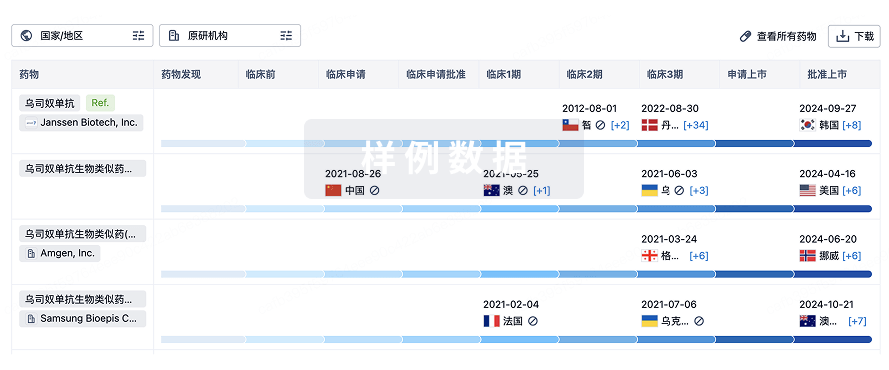
生物类似药在不同国家/地区的竞争态势。请注意临床1/2期并入临床2期,临床2/3期并入临床3期
登录
或
特殊审评
只需点击几下即可了解关键药物信息。
登录
或

提出任何生物医药研究问题
让每一步生物医药决策都精准制胜
基于十亿级生物数据与全球情报的精准 AI,赋能早期药物发现
立即开始免费试用!
智慧芽新药情报库是智慧芽专为生命科学人士构建的基于AI的创新药情报平台,助您全方位提升您的研发与决策效率。
立即接入生物医药数据包
智慧芽新药库数据也通过智慧芽开放平台,以MCP或API服务形式对外开放。立即使用我们的MCP服务定制您的LLM智能体。
生物序列数据库
生物药研发创新
免费使用
化学结构数据库
小分子化药研发创新
免费使用