预约演示
更新于:2026-06-06
Anti-GD2 antibody (BioNTech)
抗GD2抗体(BioNTech)
更新于:2026-06-06
概要
基本信息
原研机构 |
在研机构 |
非在研机构- |
权益机构- |
最高研发阶段临床前 |
首次获批日期- |
最高研发阶段(中国)- |
特殊审评- |

关联
100 项与 抗GD2抗体(BioNTech) 相关的临床结果
登录后查看更多信息
100 项与 抗GD2抗体(BioNTech) 相关的转化医学
登录后查看更多信息
100 项与 抗GD2抗体(BioNTech) 相关的专利(医药)
登录后查看更多信息
61
项与 抗GD2抗体(BioNTech) 相关的文献(医药)2026-04-01·PEDIATRIC BLOOD & CANCER
The Price of Survival: Global Inequities in Anti‐GD2 Immunotherapy for Neuroblastoma
Article
作者: Demirtshyan, Ester ; Howard, Scott C. ; Matthay, Katherine ; Hoveyan, Julieta ; Lowe, Jennifer ; Hylton, Jennifer ; Villanueva, Gabriella ; Guscott, Martin ; Lam, Catherine G. ; Papyan, Ruzanna ; Tamamyan, Gevorg ; Streby, Keri A. ; Tadevosyan, Emma
ABSTRACT:
Background:
Long‐term survival for high‐risk neuroblastoma has increased from 40% to 60% by optimizing chemotherapy, surgery, radiation therapy, and the addition of anti‐GD2 antibody therapy. However, the high cost of this antibody presents access issues globally. This study evaluates the availability, financial coverage, and barriers to accessing these therapies across diverse healthcare settings.
Methods:
An online survey collected data on demographics, treatment practices, financial coverage, regulatory status, and barriers to anti‐GD2 therapy. Fisher's exact test was used to compare categorical variables between high‐income countries (HICs) and low‐ and middle‐income countries (LMICs). A retrospective cost analysis estimated the financial burden of anti‐GD2 therapies using standardized dosing for a representative 3‐year‐old patient.
Results:
Responses came from 100 facilities in 80 cities and 59 countries. Anti‐GD2 therapy for frontline maintenance was available in 93% of HIC centers, but only 21% of LMIC centers; 65% of LMIC centers reported no access, while the remainder had limited or irregular availability (
p
< 0.0001, Fisher's exact test). When unavailable, isotretinoin was most often used alone. Financial coverage differed significantly: HICs relied on government or insurance funding, while LMICs depended on out‐of‐pocket or non‐profit support. Cost analysis showed a full treatment course would cost approximately $192,750 for dinutuximab, $142,695 for dinutuximab beta, and $610,800 for naxitamab, highlighting the substantial financial burden these therapies impose.
Conclusion:
Global access to anti‐GD2 therapy is highly unequal. Strategic measures, including negotiations for reduced drug costs, research‐based access, and WHO Essential Medicines List inclusion, could help address these disparities.
2026-01-21·BIOCONJUGATE CHEMISTRY
Utilization of Neutrophil Elastase Tetrapeptide Substrate as a Linker Agent for Anti-GD2 Antibody Drug Conjugates
Article
作者: Zhang, Junyi ; Zheng, Yanbo ; Gong, Jianhua ; Zheng, Yijia ; Gao, Lingli ; Yang, Jigang ; Zhang, Jiajia ; Wei, Hanrui
Disialoganglioside GD2 (GD2) is highly expressed in several tumors. While anti-GD2 antibodies and GD2-based antibody-drug conjugates (ADCs) have shown some therapeutic efficacy, their activity requires enhancement. Elastase, abundant in tumor microenvironment, has substrates that can serve as ADC linkers. Here, we constructed an anti-GD2 ADC by conjugating the anti-GD2 antibody Hu3F8 to the payload monomethyl auristatin E (MMAE) via an elastase-cleavable tetrapeptide linker (BMOA). Hu3F8 was produced using a 293F expression system, and its specific binding to GD2-positive cells was confirmed. The cytotoxicity of the ADCs was evaluated in both GD2-positive and GD2-negative tumor cell lines with or without elastase and its antitumor effects were investigated. It showed GD2-dependent cytotoxicity, with a significantly decreased IC50 in GD2-positive cells upon elastase addition, while no cytotoxicity was observed in GD2-negative cells. Additionally, Hu3F8-BMOA-MMAE induced significant cell cycle arrest and apoptosis in GD2-positive cells, with stronger effects in the presence of elastase. In M21 melanoma mouse models, Hu3F8-BMOA-MMAE achieved an obvious tumor inhibition rate compared to the control. These findings demonstrate that utilizing a neutrophil elastase tetrapeptide substrate as a linker in anti-GD2 ADCs is a potential strategy for the therapy of GD2-positive tumors.
2026-01-01·ANTICANCER RESEARCH
Near-infrared Photoimmunotherapy Targeting High-risk Human Neuroblastoma Cells Expressing GD2
Article
作者: Tanimoto, Terutaka ; Kobayashi, Hisataka ; Kagawa, Shunsuke ; Tazawa, Hiroshi ; Noda, Takuo ; Watanabe, Hinako ; Kuroda, Shinji ; Tani, Morimichi ; Nouso, Hiroshi ; Noma, Kazuhiro ; Oyama, Takanori ; Fujiwara, Toshiyoshi
BACKGROUND/AIM:
Neuroblastoma (NB) is a primary malignant tumor of the peripheral sympathetic nervous system in infancy. Despite advances in treatment, the prognosis remains poor for high-risk NB patients. Although immunotherapy using anti-GD2 antibodies is available for high-risk NB, the therapeutic efficacy is insufficient. Near-infrared photoimmunotherapy (NIR-PIT) is an antitumor strategy that induces tumor-specific cytotoxicity by combining an antibody-photoabsorber conjugate (APC) with NIR light irradiation. In this study, we investigated the therapeutic efficacy of GD2-targeted NIR-PIT against human NB cells.
MATERIALS AND METHODS:
GD2 expression was analyzed on the surface of high-risk human NB cells (CHP-134, LA-N-5, IMR-32) and non-high-risk human NB cells (SK-N-SH) by flow cytometry. The APC was synthesized by incubating anti-GD2 antibody and IR700. The cytotoxic effect of GD2-targeted NIR-PIT was evaluated using the XTT assay. The distribution of dead cells within tumor spheres was evaluated using a live/dead assay. The in vivo antitumor effect of GD2-targeted NIR-PIT was assessed using a subcutaneous human NB xenograft tumor model.
RESULTS:
GD2 protein was expressed on the surface of CHP-134, LA-N-5, and IMR-32 cells but not SK-N-SH cells. GD2-targeted NIR-PIT significantly suppressed the viability of GD2-positive NB cells but not GD2-negative NB cells, compared to the control and monotherapy groups. GD2-targeted NIR-PIT significantly reduced the volume of GD2-positive CHP-134 tumor spheres by inducing the accumulation of dead cells. Subcutaneous CHP-134 xenograft tumor models demonstrated that GD2-targeted NIR-PIT significantly inhibited tumor growth compared with the control and monotherapy groups.
CONCLUSION:
GD2-targeted NIR-PIT is a promising antitumor strategy for treating high-risk NB tumors expressing GD2.
100 项与 抗GD2抗体(BioNTech) 相关的药物交易
登录后查看更多信息
研发状态
10 条进展最快的记录, 后查看更多信息
登录
| 适应症 | 最高研发状态 | 国家/地区 | 公司 | 日期 |
|---|---|---|---|---|
| 肿瘤 | 临床前 | 德国 | 2023-09-19 |
登录后查看更多信息
临床结果
临床结果
适应症
分期
评价
查看全部结果
| 研究 | 分期 | 人群特征 | 评价人数 | 分组 | 结果 | 评价 | 发布日期 |
|---|
No Data | |||||||
登录后查看更多信息
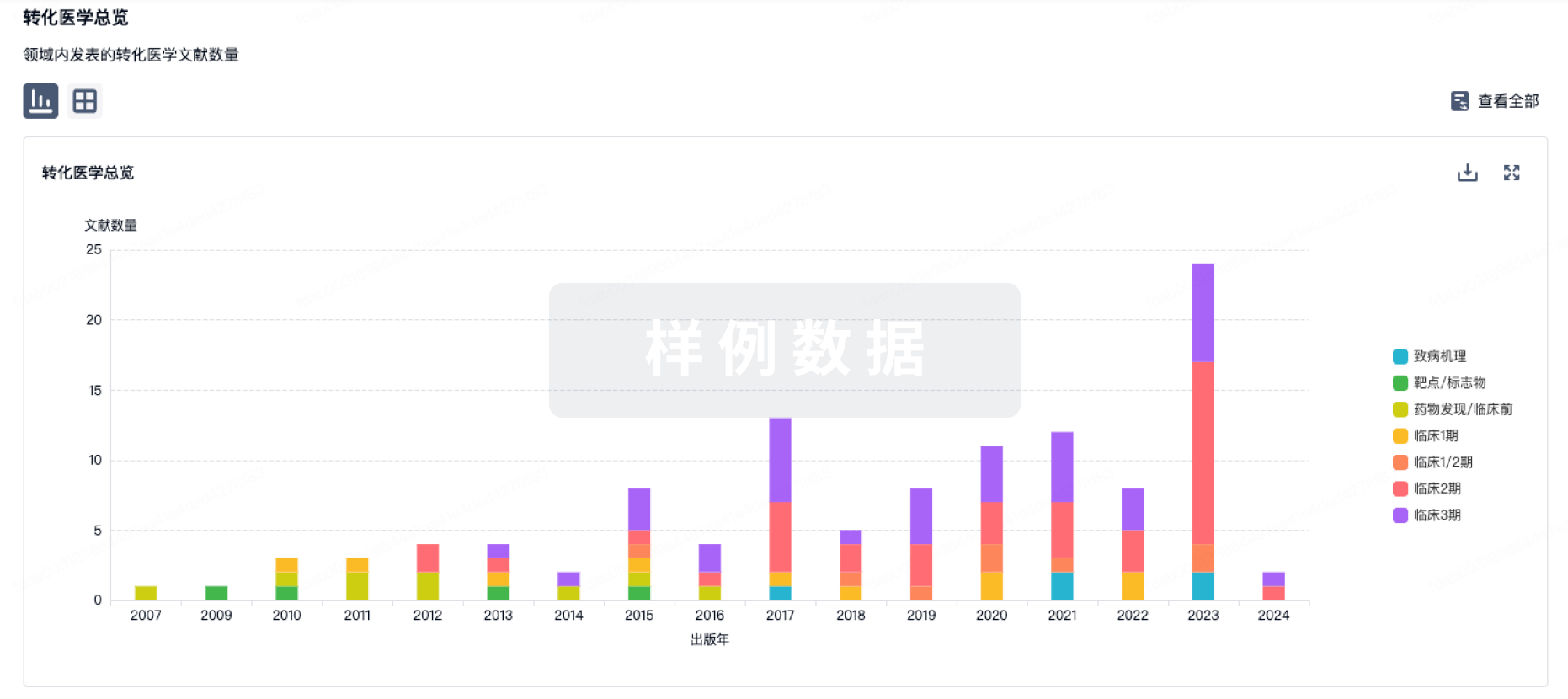
转化医学
使用我们的转化医学数据加速您的研究。
登录
或
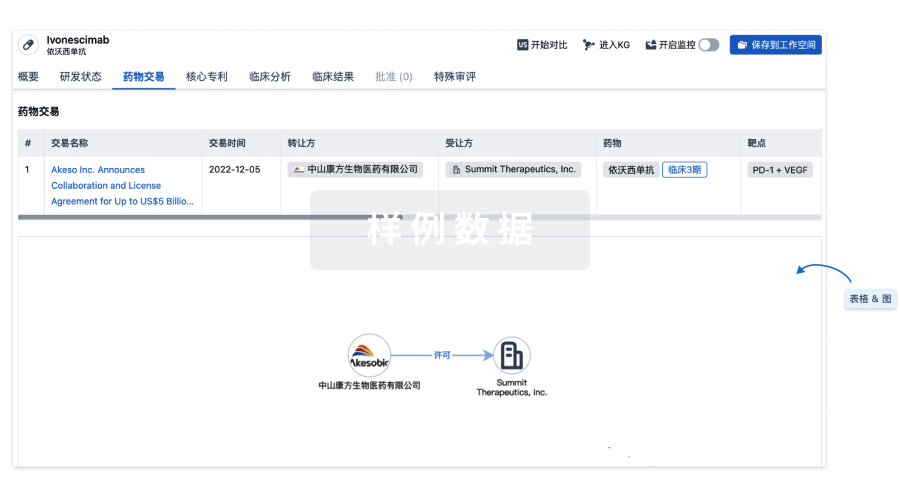
药物交易
使用我们的药物交易数据加速您的研究。
登录
或
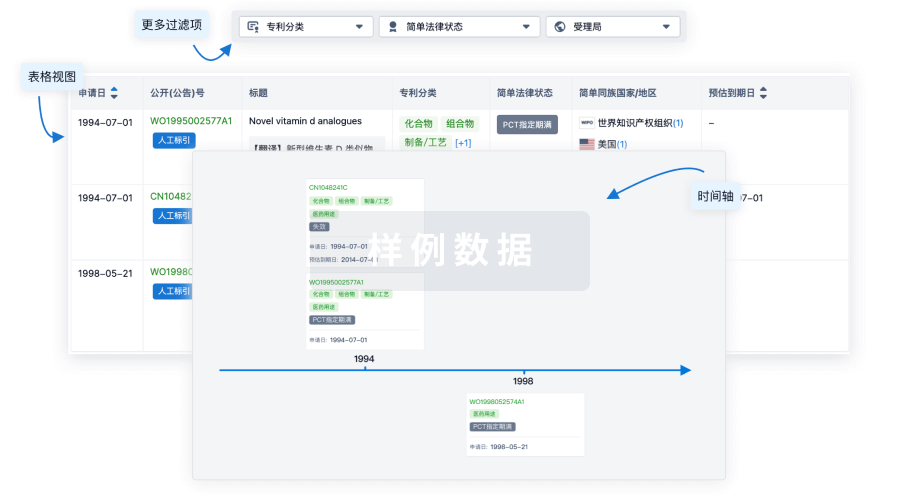
核心专利
使用我们的核心专利数据促进您的研究。
登录
或
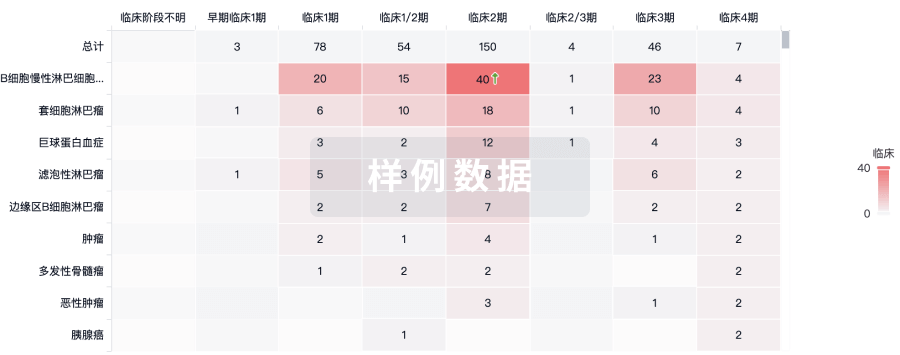
临床分析
紧跟全球注册中心的最新临床试验。
登录
或
批准
利用最新的监管批准信息加速您的研究。
登录
或
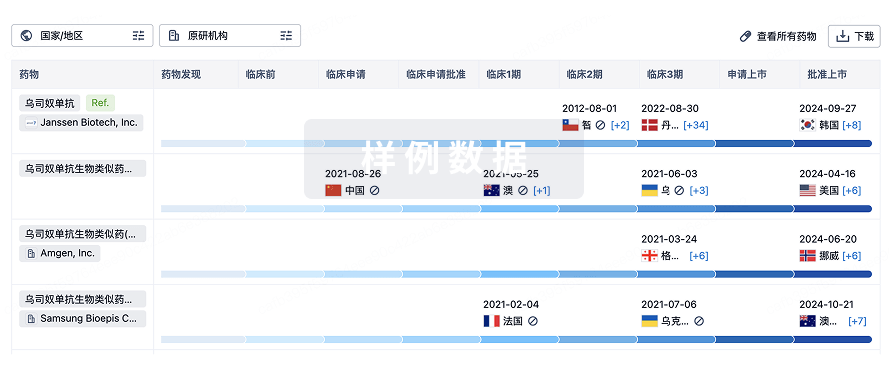
生物类似药
生物类似药在不同国家/地区的竞争态势。请注意临床1/2期并入临床2期,临床2/3期并入临床3期
登录
或
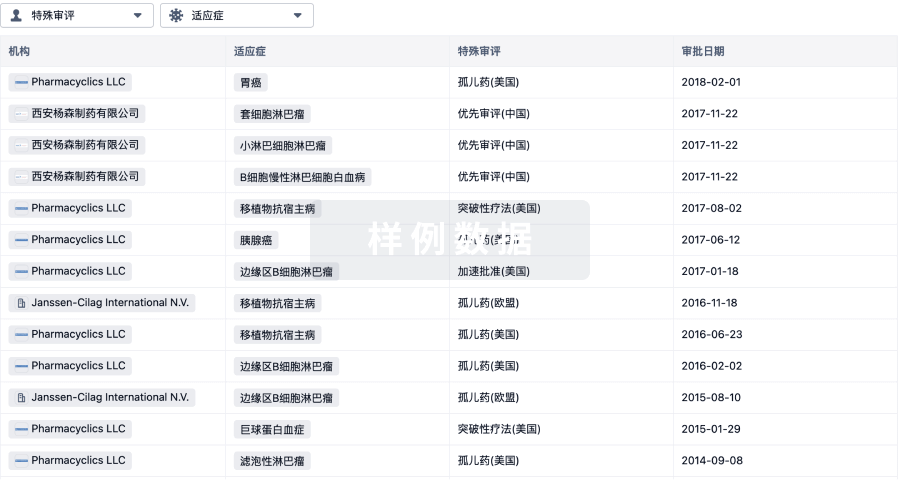
特殊审评
只需点击几下即可了解关键药物信息。
登录
或
生物医药百科问答
全新生物医药AI Agent 覆盖科研全链路,让突破性发现快人一步
立即开始免费试用!
智慧芽新药情报库是智慧芽专为生命科学人士构建的基于AI的创新药情报平台,助您全方位提升您的研发与决策效率。
立即开始数据试用!
智慧芽新药库数据也通过智慧芽数据服务平台,以API或者数据包形式对外开放,助您更加充分利用智慧芽新药情报信息。
生物序列数据库
生物药研发创新
免费使用
化学结构数据库
小分子化药研发创新
免费使用