预约演示
更新于:2026-01-10
SMOi2-17
更新于:2026-01-10
概要
基本信息
在研机构- |
权益机构- |
最高研发阶段无进展药物发现 |
首次获批日期- |
最高研发阶段(中国)- |
特殊审评- |

关联
100 项与 SMOi2-17 相关的临床结果
登录后查看更多信息
100 项与 SMOi2-17 相关的转化医学
登录后查看更多信息
100 项与 SMOi2-17 相关的专利(医药)
登录后查看更多信息
51
项与 SMOi2-17 相关的文献(医药)2025-11-01·BIOCHEMICAL AND BIOPHYSICAL RESEARCH COMMUNICATIONS
Mechanistic insights into pharmacokinetic interactions between simvastatin and vismodegib: Implications for optimization of combination therapy in medulloblastoma
Article
作者: Han, Wanjun ; Feng, Tao ; Wang, Yuan ; Zhen, Xuechu ; Zhang, Li ; Wu, Hao ; Zou, Xing ; Zheng, Chaonan ; Zhang, Jinhui ; Song, Zining ; Gui, Chunshan
Aberrant Sonic Hedgehog (Shh) pathway activation drives medulloblastoma pathogenesis. As previously shown, the smoothened antagonist vismodegib and cholesterol synthesis inhibitor simvastatin exhibit synergistic growth inhibition against subcutaneous medulloblastoma allografts in SCID mice. Critically, at the tested dose, simvastatin alone showed no significant bone developmental toxicity. This suggests that the combination may reduce vismodegib dosage and mitigate its associated skeletal developmental toxicity. To elucidate pharmacokinetic mechanisms underlying this synergy, we investigated vismodegib-simvastatin interactions. Mice received oral single-dose vismodegib, simvastatin, or their co-administration for pharmacokinetic profiling. In vitro assessments included the effects of vismodegib on organic anion transporting polypeptide 1B1 (OATP1B1) (using HepG2 and CHO-OATP1B1 cells) and cytochrome P450 (CYP) enzymes (using mouse liver microsomes and molecular docking). Co-administration significantly increased the systemic exposure of simvastatin and simvastatin acid, reflected by 1.97-fold and 2.16-fold increases in AUC (P < 0.01), respectively, and reduced their clearance to 42.9 % (P = 0.11) and 53.5 % (P < 0.05) relative to simvastatin alone. Enhanced tissue (brain/cartilage) exposure of simvastatin and simvastatin acid was also observed. In vitro, vismodegib (1) significantly inhibited OATP1B1 transport function (IC50: 2.0 ± 0.3 μM; determined with the model substrate 2',7'-dichlorofluorescein (DCF)); (2) concentration-dependently downregulated SLCO1B1 (encoding OATP1B1) transcription in HepG2 cells; and (3) competitively inhibited CYP3A4-mediated simvastatin acid metabolism (IC50: 15.8 ± 3.3 μM); (4) is predicted to inhibit CYP3A4 and OATP1B1 via steric hindrance, as revealed by molecular docking analysis. This study provides the novel mechanistic insights of vismodegib-simvastatin pharmacokinetic synergy through dual OATP1B1/CYP3A4 inhibition. Taken together, these findings establish a mechanistic foundation for a proposed therapeutic optimization strategy: Reducing vismodegib dosing while leveraging its inhibition-driven elevation of simvastatin systemic/tissue exposure, thereby mitigating dose-limiting skeletal toxicity while maintaining anti-tumor efficacy. This mechanism-based strategy provides a clinically actionable framework for pediatric medulloblastoma with urgent unmet therapeutic needs.
2025-10-31·FASEB JOURNAL
Smoothened Agonist Treatment Mitigates Vasogenic Edema, Neuroinflammation, and Neurological Dysfunction Following Traumatic Brain Injury in Mice
作者: Ogawa, Yasuhiro ; Takahashi, Kenta ; Mizuguchi, Hiroyuki ; Hishinuma, Shigeru ; Michinaga, Shotaro
ABSTRACT:
Traumatic brain injury (TBI)—a serious brain damage caused by accidents, falls, and sports—causes vasogenic edema, neuroinflammation, and neurological dysfunction resulting from blood–brain barrier disruption. Sonic hedgehog (Shh), a secretory protein belonging to the hedgehog family, protects cerebrovascular and neuronal function via the patched‐1 (Ptch‐1)–smoothened (Smo)–Gli pathway. In this study, we investigated the effects of Smo agonists (Shh and SAG) and antagonist (Jervine) on vasogenic edema, neuroinflammation, and neurological dysfunction in mice following TBI. Male ddy mice (8 weeks old) were used to minimize the influence of gonadal hormones on the results. A TBI model was established by inflicting a fluid percussion injury (FPI) on mouse cerebrum or cultured cells. Shh expression increased in mouse cerebrums and cultured astrocytes after FPI. Vasogenic edema was assessed by Evans blue extravasation into brain tissue and increased brain water content. Evans blue extravasation and brain water content increased after FPI. Repeated intracerebroventricular administration of recombinant Shh reduced Evans blue extravasation and brain water content in the cerebrum after FPI, whereas treatment with Jervine, an Smo antagonist, aggravated these conditions. Recombinant Shh administration also decreased the expression of inflammatory cytokines and chemokines in the cerebrum after FPI. Notably, repeated intravenous administration of SAG, a small‐molecule Smo agonist, reduced FPI‐induced vasogenic edema and neuroinflammation, and improved neurological dysfunction in mice. Furthermore, SAG treatment increased the expression of vascular protective factors and tight junction proteins. These results suggest that Smo agonists are promising therapeutic agents for TBI.
2025-10-01·EUROPEAN JOURNAL OF MEDICINAL CHEMISTRY
Docking for Smoothened antagonist chemotypes not susceptible to a vismodegib-resistance mutation
Article
作者: Klindert, Sebastian ; Taylor, Corey ; Siebold, Christian ; Kolb, Peter ; Schwab, Rebekka A ; Titulaer, Willem H C
The G protein-coupled receptor Smoothened (SMO) plays a pivotal role in embryonic development transducing the Hedgehog morphogen signal into the cell. Aberrant activation of the pathway is associated with various cancer types. Antagonizing SMO has been recognized as a therapeutic strategy exemplified by drugs such as vismodegib and sonidegib, but despite initial remission, cancer recurrence is frequent due to resistance mutations. Utilizing a structure-based design approach, we have identified three unprecedented chemotypes to antagonize SMO with potencies in the low micromolar range. In total, 67 compounds identified through molecular docking were assayed in four rounds with hit rates of 27% and 63% during hit identification, i.e. the first two rounds. Importantly, the potency of ligands with two of the chemotypes identified in this work is not strongly affected by the vismodegib resistance mutation D473G. The mutation affects potency and maximal inhibitory effect of these ligands only in a way similar to SANT-1, a SMO ligand unencumbered by the mutation. Our study thus shows a successful application of structure-based design for the discovery of novel SMO antagonist chemotypes.
100 项与 SMOi2-17 相关的药物交易
登录后查看更多信息
研发状态
10 条进展最快的记录, 后查看更多信息
登录
| 适应症 | 最高研发状态 | 国家/地区 | 公司 | 日期 |
|---|---|---|---|---|
| 肿瘤 | 药物发现 | 美国 | - |
登录后查看更多信息
临床结果
临床结果
适应症
分期
评价
查看全部结果
| 研究 | 分期 | 人群特征 | 评价人数 | 分组 | 结果 | 评价 | 发布日期 |
|---|
No Data | |||||||
登录后查看更多信息
转化医学
使用我们的转化医学数据加速您的研究。
登录
或
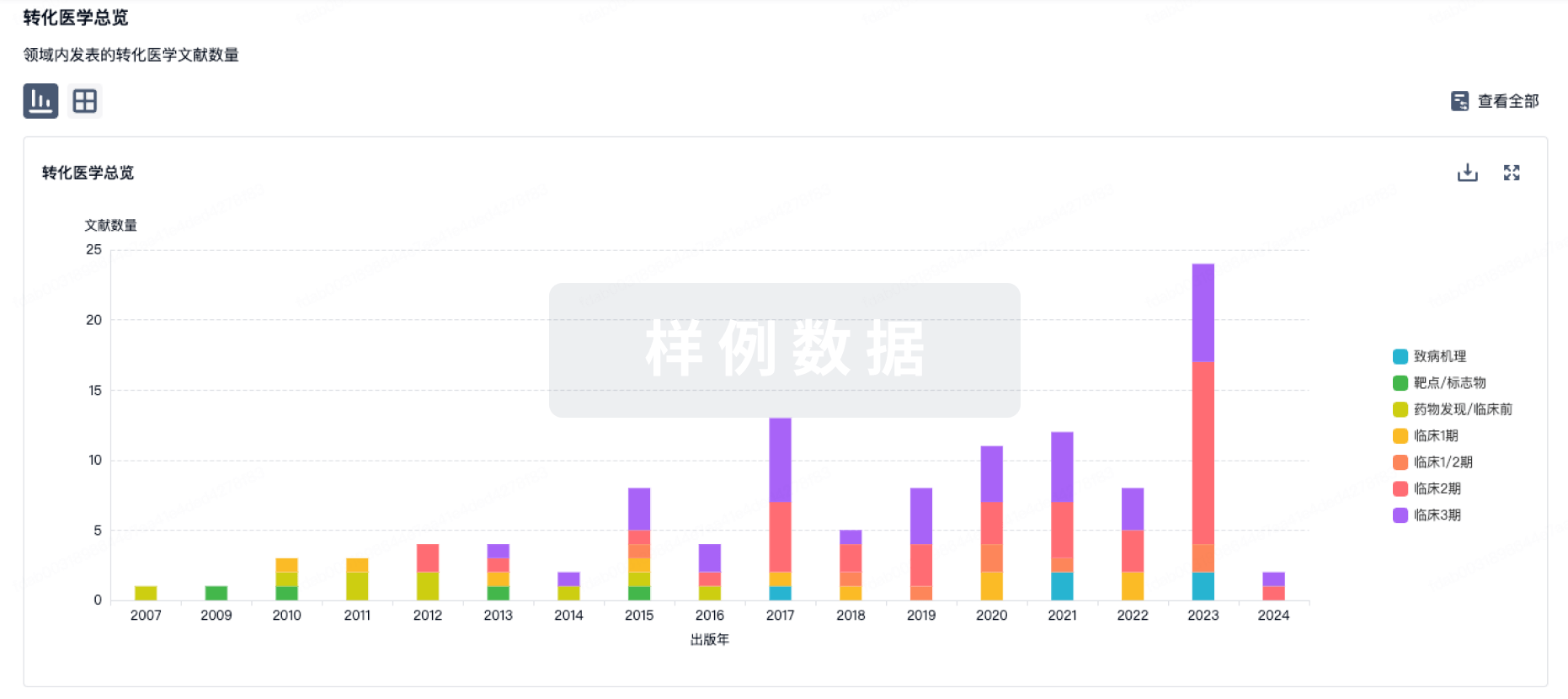
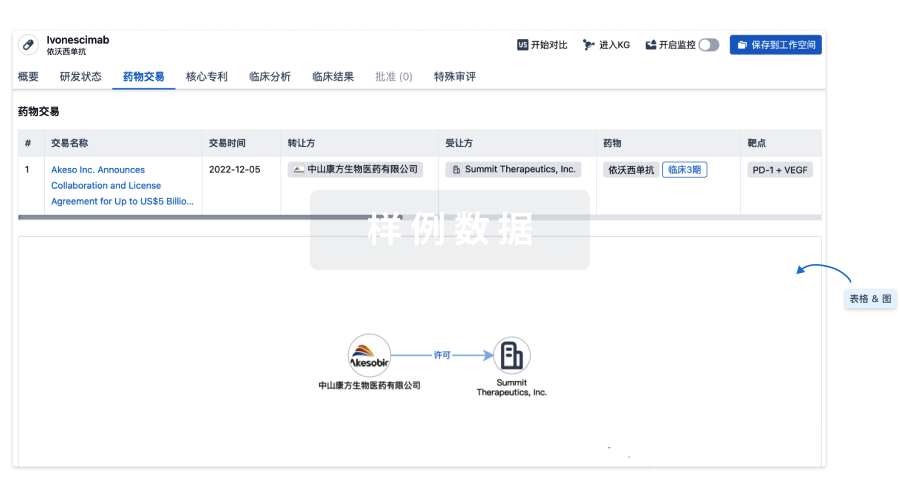
药物交易
使用我们的药物交易数据加速您的研究。
登录
或
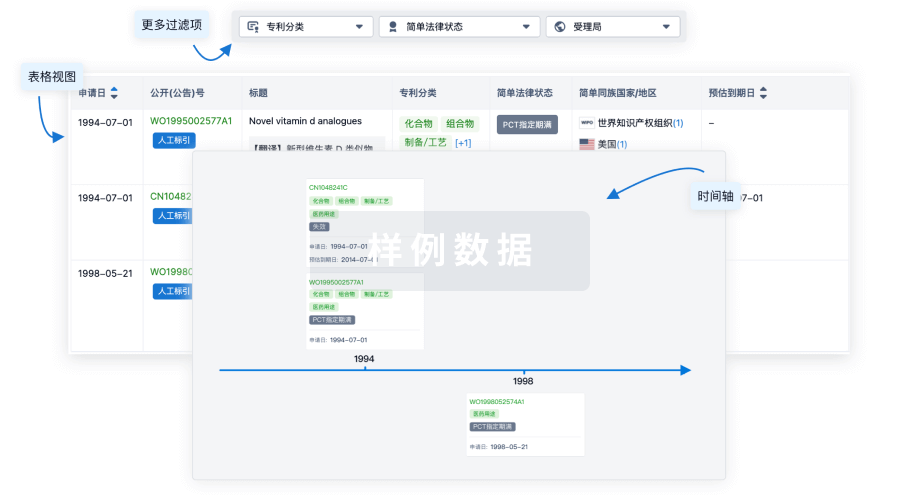
核心专利
使用我们的核心专利数据促进您的研究。
登录
或
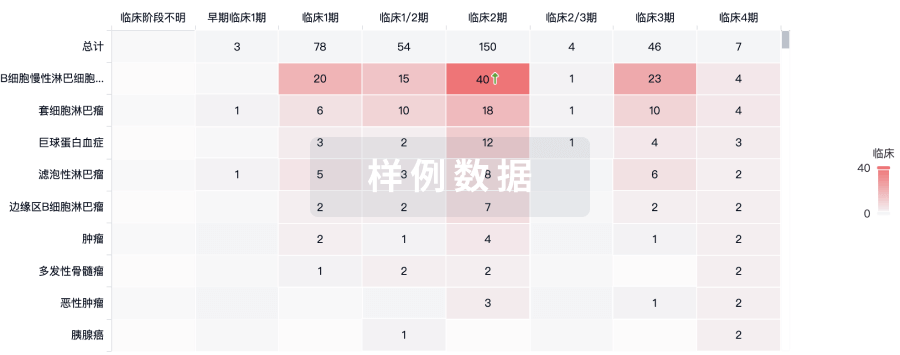
临床分析
紧跟全球注册中心的最新临床试验。
登录
或
批准
利用最新的监管批准信息加速您的研究。
登录
或
生物类似药
生物类似药在不同国家/地区的竞争态势。请注意临床1/2期并入临床2期,临床2/3期并入临床3期
登录
或
特殊审评
只需点击几下即可了解关键药物信息。
登录
或
生物医药百科问答
全新生物医药AI Agent 覆盖科研全链路,让突破性发现快人一步
立即开始免费试用!
智慧芽新药情报库是智慧芽专为生命科学人士构建的基于AI的创新药情报平台,助您全方位提升您的研发与决策效率。
立即开始数据试用!
智慧芽新药库数据也通过智慧芽数据服务平台,以API或者数据包形式对外开放,助您更加充分利用智慧芽新药情报信息。
生物序列数据库
生物药研发创新
免费使用
化学结构数据库
小分子化药研发创新
免费使用