预约演示
更新于:2026-02-13
Recombinant Zoster vaccine (Shanghai Institute of Biological Products)
重组带状疱疹疫苗(CHO细胞)(上海生物制品研究所)
更新于:2026-02-13
概要
基本信息
原研机构 |
在研机构 |
非在研机构- |
权益机构- |
最高研发阶段临床1/2期 |
首次获批日期- |
最高研发阶段(中国)临床1/2期 |
特殊审评- |

登录后查看时间轴
关联
2
项与 重组带状疱疹疫苗(CHO细胞)(上海生物制品研究所) 相关的临床试验CTR20251556
评估重组带状疱疹疫苗(CHO细胞)用于40岁及以上健康人群安全性的随机、盲法、对照Ⅰ期临床试验
NCT06932523
Randomized, Blinded, Controlled Phase I/Ⅱ Clinical Trial Evaluating the Safety and Immunogenicity of Recombinant Herpes Zoster Vaccine (CHO Cells) for Healthy Individuals Aged 40 Years and Above
100 项与 重组带状疱疹疫苗(CHO细胞)(上海生物制品研究所) 相关的临床结果
登录后查看更多信息
100 项与 重组带状疱疹疫苗(CHO细胞)(上海生物制品研究所) 相关的转化医学
登录后查看更多信息
100 项与 重组带状疱疹疫苗(CHO细胞)(上海生物制品研究所) 相关的专利(医药)
登录后查看更多信息
18
项与 重组带状疱疹疫苗(CHO细胞)(上海生物制品研究所) 相关的文献(医药)2025-12-01Population Health Management
Disparities in Recombinant Zoster Vaccine Coverage in the United States
Article
作者: Berger, Ariel ; Lee, Lydia ; Evans, Kathryn ; Singer, David ; Stempniewicz, Nikita ; Huse, Samuel
Recombinant zoster vaccine (RZV) was recommended in 2020 in the US for adults aged ≥50 years. This retrospective study used cross-sectional data from 2020 National Health Interview Survey respondents aged ≥50 years. Sample weights were applied to allow results to be representative of the non-institutionalized US population. Associations between respondent characteristics and coverage were explored using logistic regression. An estimated 14.1% of US adults aged ≥50 years had received ≥1 dose of RZV by 2020. Coverage varied by race and ethnicity (6.3% Hispanic, 6.9% Black/African American, 13.7% Asian, 16.6% White), education (6.9% for grade 1–11 to 24.1% with master’s degrees), household income (8.8% for <$35,000 to 18.8% for ≥$100,000), age (7.3%, 14.6%, 19.9%, and 18.1% for ages 50–59, 60–64, 65–74, and ≥75 years, respectively), health insurance (2.2% without, 14.8% with), recency of last health visit (1.8% if >3 years prior to 15.1% if <1 year), and receipt of influenza vaccine in the past year (3.9% without, 21.1% with) (all
P
< 0.001). In multivariable analysis, factors associated with lower RZV coverage included Black/African American race, Hispanic ethnicity, age 50–59 years, lower household income, less recent last health visit, and no influenza vaccination. In conclusion, only 1-in-7 non-institutionalized Americans aged ≥50 years reported RZV coverage by 2020, with significant disparities among subgroups defined by race and ethnicity, age, and levels of educational attainment, income, and insurance. These results highlight an opportunity to improve herpes zoster protection through increased vaccination, pursued in a more equitable manner.
2025-08-01VACCINE
Impact of shingles vaccine tolerability on initiation and completion of the two-dose series in adults 50 years and older
Article
作者: Wagner, Abram L ; Floyd, Christopher
Shingles is a painful disease, commonly affecting older adults, and caused by the reactivation of the Varicella Zoster Virus (VZV). The currently available recombinant zoster vaccine, brand name Shingrix (SHX), has relatively low uptake. This study aimed to quantify the possible impact on initiation and completion of the two-dose SHX series related to concerns of SHX side effects among adults aged 50 and older. We implemented both a nationally representative sample in the US (N = 1004) and a hospital-based sample from Michigan (N = 566). In the national sample, 206 (17 %, 95 % CI: 14 %, 20 %) respondents had 2 doses of SHX, 52 had 1 dose (4 %, 95 % CI: 3 %, 5 %), and 555 (61 %) were unvaccinated (95 % CI: 57 %, 65 %). In the Michigan sample, concerns about tolerability were significantly associated with the number of SHX doses received (p < 0.0001). Among those who had not received any doses, 46 % reported being concerned about tolerability, compared to 39 % among those with 1 dose, and only 22 % of those who had received two doses. Individuals concerned about side effects were 1.22 times more likely to not receive any dose (95 % CI: 1.11, 1.34), and 1.83 times more likely to receive only one dose (95 % CI: 1.26, 2.65) than to receive the full two dose series. That tolerability was the leading reason for both initiation and completion of the SHX vaccine series underscores the need for increased attention on perceptions about vaccine tolerability, as separate from safety, in the introduction and promotion of vaccines. Addressing concerns about vaccine tolerability could improve SHX coverage, ultimately reducing the burden of shingles in older populations.
2025-03-01JOURNAL OF MEDICAL VIROLOGY
Recombinant Zoster Vaccine Reduces All‐Cause Mortality, But Not Major Adverse Cardiovascular Events, in Patients With Immune‐Mediated Inflammatory Diseases Receiving Janus Kinase Inhibitors: A Large‐Scale Real‐World Retrospective Cohort Study
Article
作者: Shih, Po-Cheng ; Huo, An-Ping ; Wei, James Cheng-Chung ; Leong, Pui-Ying ; Wang, Shiow-Ing
ABSTRACT:
This study aims to assess the impact of recombinant zoster vaccine (RZV) on the risk of major cardiovascular events (MACE) in patients with rheumatoid arthritis (RA), spondyloarthritis (SpA), or psoriatic diseases who are receiving Janus kinase inhibitors (JAKi). We conducted a new user design study utilizing the TriNetX database. We identified patients diagnosed with RA, SpA, or psoriatic diseases receiving JAKi. Two cohorts were constructed based on RZV vaccination status. Propensity score matching was performed. The primary outcome was MACE, analyzed using Cox regression with hazard ratios (HR) and Kaplan−Meier plots. Subgroup analyses were performed by age, sex, race, and zoster history. Sensitivity analyses were conducted with different follow‐up periods and diseases. Of the 1 528 771 eligible patients initially included, each cohort included 1756 patients after propensity score matching. No significant difference in MACE risk was observed between the two cohorts (HR 1.121, 95% CI: 0.901−1.395). Subgroup and sensitivity analyses were consistent with the main findings. However, RZV vaccination was associated with a significant reduction in all‐cause mortality (HR 0.610, 95% CI: 0.427−0.870). Subgroup analyses indicated that the mortality benefit was particularly evident in females (HR 0.585, 95% CI: 0.379−0.901) and those aged 65 years and older (HR 0.500, 95% CI: 0.301−0.806). In patients with immune‐mediated inflammatory diseases receiving JAKi, RZV vaccination is associated with a 39% reduction in all‐cause mortality compared to unvaccinated individuals. RZV vaccination should be considered for this high‐risk population.
100 项与 重组带状疱疹疫苗(CHO细胞)(上海生物制品研究所) 相关的药物交易
登录后查看更多信息
研发状态
10 条进展最快的记录, 后查看更多信息
登录
| 适应症 | 最高研发状态 | 国家/地区 | 公司 | 日期 |
|---|---|---|---|---|
| 带状疱疹 | 临床2期 | 中国 | 2025-04-04 |
登录后查看更多信息
临床结果
临床结果
适应症
分期
评价
查看全部结果
登录后查看更多信息
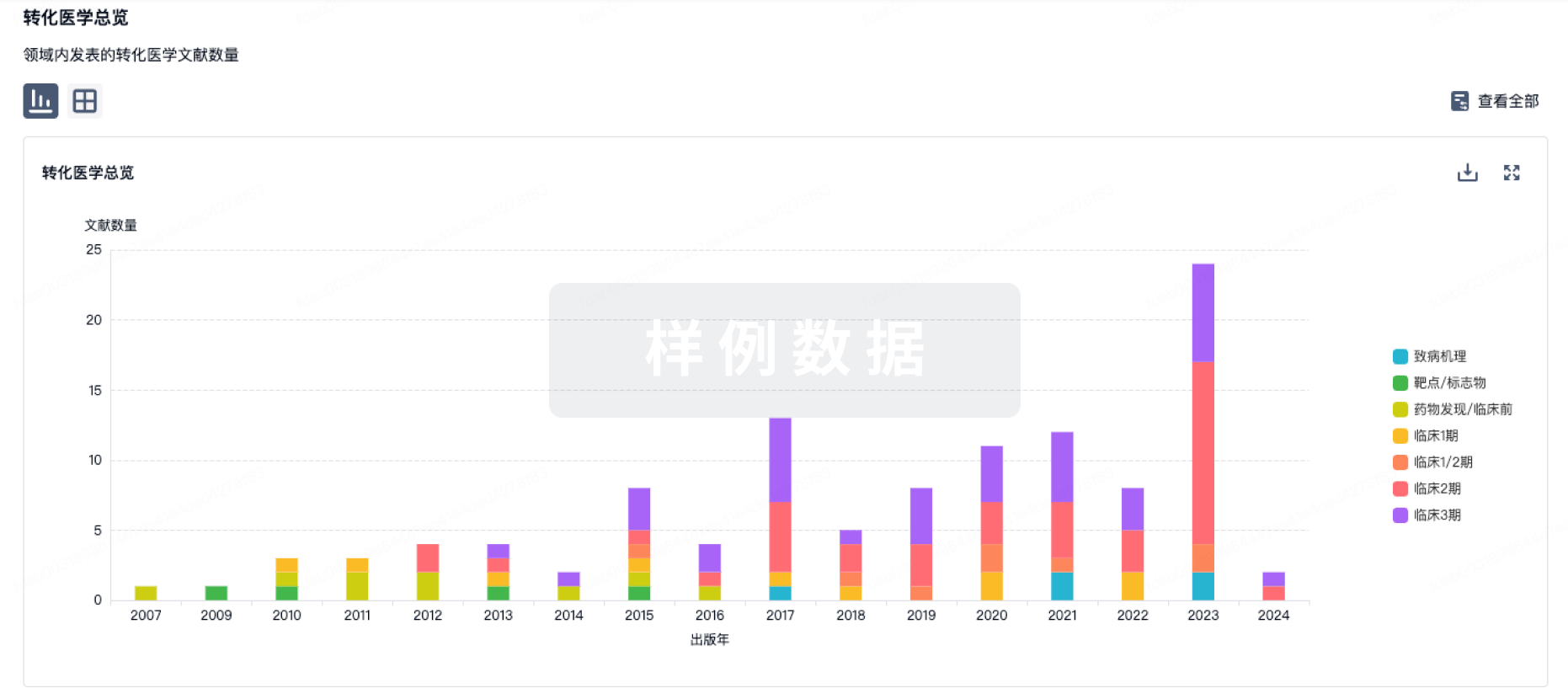
转化医学
使用我们的转化医学数据加速您的研究。
登录
或
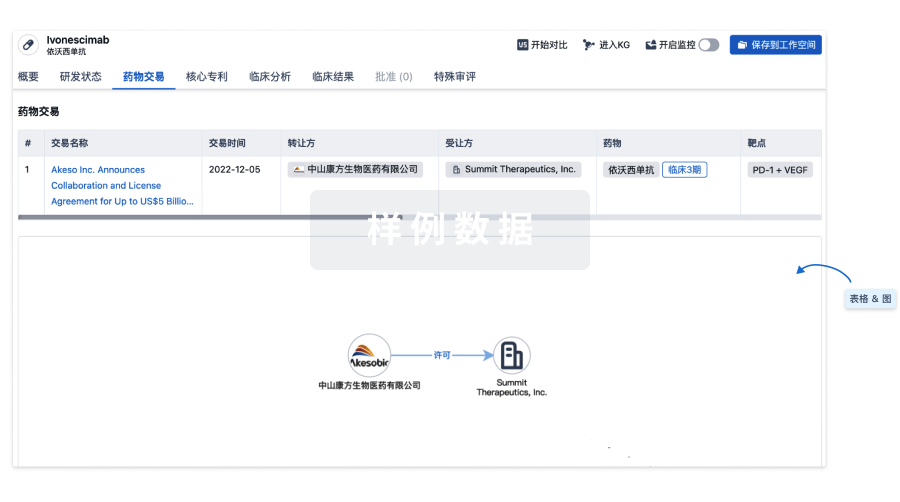
药物交易
使用我们的药物交易数据加速您的研究。
登录
或
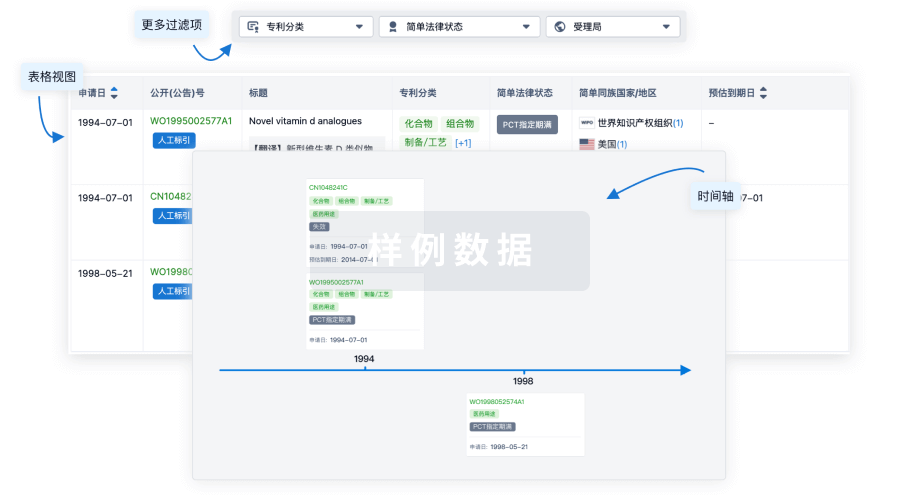
核心专利
使用我们的核心专利数据促进您的研究。
登录
或
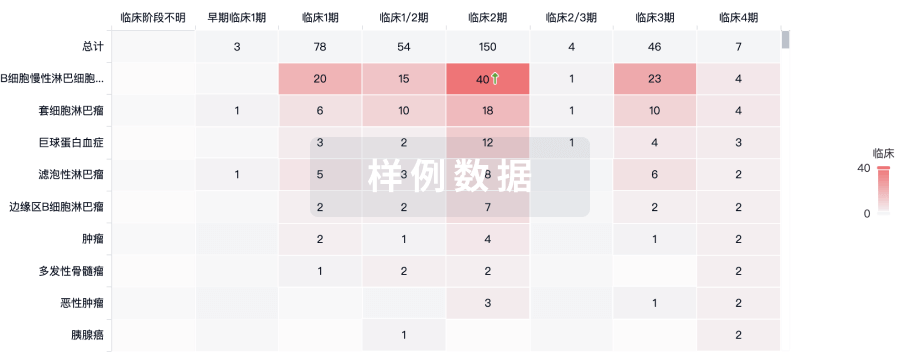
临床分析
紧跟全球注册中心的最新临床试验。
登录
或
批准
利用最新的监管批准信息加速您的研究。
登录
或
特殊审评
只需点击几下即可了解关键药物信息。
登录
或
生物医药百科问答
全新生物医药AI Agent 覆盖科研全链路,让突破性发现快人一步
立即开始免费试用!
智慧芽新药情报库是智慧芽专为生命科学人士构建的基于AI的创新药情报平台,助您全方位提升您的研发与决策效率。
立即开始数据试用!
智慧芽新药库数据也通过智慧芽数据服务平台,以API或者数据包形式对外开放,助您更加充分利用智慧芽新药情报信息。
生物序列数据库
生物药研发创新
免费使用
化学结构数据库
小分子化药研发创新
免费使用