预约演示
更新于:2026-01-28
DH-1047
更新于:2026-01-28
概要
基本信息
药物类型 单克隆抗体 |
别名 DH1047 |
作用方式 抑制剂 |
作用机制 SARS-CoV-2 S protein抑制剂(冠状病毒刺突糖蛋白抑制剂) |
治疗领域 |
在研适应症 |
非在研适应症- |
非在研机构- |
权益机构- |
最高研发阶段临床前 |
首次获批日期- |
最高研发阶段(中国)- |
特殊审评- |


关联
100 项与 DH-1047 相关的临床结果
登录后查看更多信息
100 项与 DH-1047 相关的转化医学
登录后查看更多信息
100 项与 DH-1047 相关的专利(医药)
登录后查看更多信息
4
项与 DH-1047 相关的文献(医药)2022-01-26·Science translational medicine1区 · 医学
A broadly cross-reactive antibody neutralizes and protects against sarbecovirus challenge in mice
1区 · 医学
Article
作者: Zhou, Tongqing ; Manne, Kartik ; Stalls, Victoria ; Schäfer, Alexandra ; Martinez, David R. ; Yount, Boyd ; Mascola, John R. ; De la Cruz, Gabriela ; Haynes, Barton F. ; Shen, Shaunna ; Golding, Hana ; Montefiori, David C. ; Edwards, Robert J. ; Lu, Xiaozhi ; Mansouri, Katayoun ; Khurana, Surender ; Parks, Robert ; Gobeil, Sophie ; Wiehe, Kevin ; Beaudoin, Esther ; Cronin, Kenneth ; Tang, Juanjie ; Alam, S. Munir ; Acharya, Priyamvada ; Li, Dapeng ; Saunders, Kevin O. ; Sempowski, Gregory D. ; Janowska, Katarzyna ; Anasti, Kara ; Barr, Maggie ; Kwong, Peter D. ; Graham, Barney S. ; Montgomery, Stephanie A. ; Baric, Ralph S.
Severe acute respiratory syndrome coronaviruses 1 (SARS-CoV) and 2 (SARS-CoV-2), including SARS-CoV-2 variants of concern, can cause deadly infections. The mortality associated with sarbecovirus infection underscores the importance of developing broadly effective countermeasures against them, which could be key in the prevention and mitigation of current and future zoonotic events. Here, we demonstrate the neutralization of SARS-CoV; bat coronaviruses WIV-1 and RsSHC014; and SARS-CoV-2 variants D614G, B.1.1.7, B.1.351, P.1, B.1.429, B.1.526, B.1.617.1, and B.1.617.2 by a receptor binding domain (RBD)–specific human antibody, DH1047. Prophylactic and therapeutic treatment with DH1047 was protective against SARS-CoV, WIV-1, RsSHC014, and SARS-CoV-2 B.1.351 infection in mice. Binding and structural analysis showed high affinity binding of DH1047 to an epitope that is highly conserved among sarbecoviruses. Thus, DH1047 is a broadly protective antibody that can prevent infection and mitigate outbreaks caused by SARS-related strains and SARS-CoV-2 variants. Our results also suggest that the conserved RBD epitope bound by DH1047 is a rational target for a universal sarbecovirus vaccine.
bioRxiv : the preprint server for biology
A broadly neutralizing antibody protects against SARS-CoV, pre-emergent bat CoVs, and SARS-CoV-2 variants in mice
作者: Kwong, Peter D ; Wiehe, Kevin ; Montgomery, Stephanie A ; Yount, Boyd ; Acharya, Priyamvada ; Saunders, Kevin O ; Mascola, John R ; De la Cruz, Gabriela ; Edwards, Robert J ; Manne, Kartik ; Lu, Xiaozhi ; Parks, Robert ; Gobeil, Sophie ; Mansouri, Katayoun ; Montefiori, David C ; Anasti, Kara ; Li, Dapeng ; Graham, Barney S ; Schaefer, Alexandra ; Martinez, David R ; Haynes, Barton F ; Alam, Munir ; Barr, Maggie ; Baric, Ralph S ; Shen, Shaunna ; Sempowski, Gregory D ; Zhou, Tongqing
Abstract:
SARS-CoV in 2003, SARS-CoV-2 in 2019, and SARS-CoV-2 variants of concern (VOC) can cause deadly infections, underlining the importance of developing broadly effective countermeasures against Group 2B Sarbecoviruses, which could be key in the rapid prevention and mitigation of future zoonotic events. Here, we demonstrate the neutralization of SARS-CoV, bat CoVs WIV-1 and RsSHC014, and SARS-CoV-2 variants D614G, B.1.1.7, B.1.429, B1.351 by a receptor-binding domain (RBD)-specific antibody DH1047. Prophylactic and therapeutic treatment with DH1047 demonstrated protection against SARS-CoV, WIV-1, RsSHC014, and SARS-CoV-2 B1.351infection in mice. Binding and structural analysis showed high affinity binding of DH1047 to an epitope that is highly conserved among Sarbecoviruses. We conclude that DH1047 is a broadly neutralizing and protective antibody that can prevent infection and mitigate outbreaks caused by SARS-like strains and SARS-CoV-2 variants. Our results argue that the RBD conserved epitope bound by DH1047 is a rational target for pan Group 2B coronavirus vaccines.
Biomolecules
Allosteric Control Overcomes Steric Limitations for Neutralizing Antibodies Targeting Conserved Binding Epitopes of the SARS-CoV-2 Spike Protein: Exploring the Intersection of Binding, Allostery, and Immune Escape with a Multimodal Computational Approach
Article
作者: Parikh, Vedant ; Alshahrani, Mohammed ; Verkhivker, Gennady ; Foley, Brandon
Understanding the atomistic basis of multi-layer mechanisms employed by broadly reactive neutralizing antibodies of the SARS-CoV-2 spike protein without directly blocking receptor engagement remains an important challenge in coronavirus immunology. Class 4 antibodies represent an intriguing case: they target a deeply conserved, cryptic epitope on the receptor-binding domain yet exhibit variable neutralization potency across subgroups F1 (CR3022, EY6A, COVA1-16), F2 (DH1047), and F3 (S2X259). The molecular basis for this variability is not fully understood. Here, we employed a multi-modal computational approach integrating atomistic and coarse-grained molecular dynamics simulations, binding free energy calculations, mutational scanning, and dynamic network analysis to elucidate how these antibodies engage the receptor-binding domain (RBD) of the SARS-CoV-2 spike protein and influence its function. Our results reveal that neutralization efficacy arises from the interplay of direct interfacial interactions and allosteric effects. Group F1 antibodies (CR3022, EY6A, COVA1-16) primarily operate via classic allostery, modulating flexibility in RBD loop regions to indirectly interfere with the ACE2 receptor binding through long-range effects. Group F2 antibody DH1047 represents an intermediate mechanism, combining partial steric hindrance—through engagement of ACE2-critical residues T376, R408, V503, and Y508—with significant allosteric influence, facilitated by localized communication pathways linking the epitope to the receptor interface. Group F3 antibody S2X259 achieves potent neutralization through a synergistic mechanism involving direct competition with ACE2 and localized allosteric stabilization, albeit with potentially increased escape vulnerability. Dynamic network analysis identified a conserved “allosteric ring” within the RBD core that serves as a structural scaffold for long-range signal propagation, with antibody-specific extensions modulating communication to the ACE2 interface. These findings support a model where Class 4 neutralization strategies evolve through the refinement of peripheral allosteric connections rather than epitope redesign. This study establishes a robust computational framework for understanding the atomistic basis of neutralization activity and immune escape for Class 4 antibodies, highlighting how the interplay of binding energetics, conformational dynamics, and allosteric modulation governs their effectiveness against SARS-CoV-2.
1
项与 DH-1047 相关的新闻(医药)2021-11-10
Ashley Yarber/Replay Photos via Getty Images
A research team at the University of North Carolina – Chapel Hill (UNC) and Duke University, in Durham, NC, identified an antibody that attacks SARS-CoV-2, the virus that causes COVID-19, but also its variants and other types of coronaviruses. In their studies, the antibody, DH1047, works at preventing infection and fighting it after a person is diagnosed with COVID-19.
The investigators isolated two other antibodies that worked against some types of coronaviruses that infect animals and humans, but not all. These were DH1235 and DH1073. DH1073 was only effective against SARS-CoV-2.
“This antibody (DH1047) has the potential to be a therapeutic for the current epidemic,” said Barton Haynes, M.D., director of Duke Human Vaccine Institute and co-author of the study. “It could also be available for future outbreaks, if or when other coronaviruses jump from their natural animal hosts to humans.”
The new antibody was isolated from the blood of a patient infected with SARS in early 2000. That illness is caused by SARS-CoV-1, a close relative of the coronavirus, SARS-CoV-2, that causes COVID-19. They also isolated it from a current COVID-19 patient.
In their research, they identified more than 1,700 antibodies from the two individuals. Of them, 50 could bind to SARS-CoV-1 and SARS-CoV-2. Then they discovered that one of those cross-binding antibodies was particularly potent, able to attach to a range of coronaviruses as well as to SARS-C0V-1 and 2.
“This antibody binds to the coronavirus at a location that is conserved across numerous mutations and variations,” Haynes said. “As a result, it can neutralize a wide range of coronaviruses.”
The UNC team was led by co-senior author Ralph S. Baric, Ph.D., William R. Kenan, Jr. Distinguished Professor of epidemiology at the UNC Gillings School of Global Public Health. That group tested DH1047 in mice to see if it could block infections or minimize ongoing infections. It did both. Not only did it prevent the mice from developing SARS and COVID-19, but it also prevented variants such as Delta and other animal coronaviruses.
“The findings provide a template for the rational design of universal vaccine strategies that are variant-proof and provide broad protection from known and emerging coronaviruses,” Baric said.
In animals with severe lung symptoms, treatment with the antibody decreased the symptoms compared to the control group.
“The therapeutic activity even after mice were infected suggests that this could be a treatment deployed in the current pandemic, but also stockpiled to prevent the spread of a future outbreak or epidemic with a SARS-related virus,” said David Martinez, Ph.D., co-lead author and a postdoctoral researcher in the Department of Epidemiology at UNC’s Gilling School. “This antibody could be harnessed to prevent maybe SARS-COV-3 or SARS-CoV-4.”
Alexandra Schaefer, Ph.D., assistant professor of epidemiology at Gillings, is also a co-lead author.
The research was published in the journal Science Translational Medicine.
The U.S. Food and Drug Administration (FDA) has granted Emergency Use Authorization (EUA) to three monoclonal antibody therapies against COVID-19. They are Eli Lilly’s bamlanivimab plus etesevimab, Regeneron Pharmaceuticals’ Regen-Cov (casirivimab plus imdevimab) and Vir Biotechnology and GlaxoSmithKline’s sotrovimab.
On October 11, AstraZeneca reported high-level results from its Phase III TACKLE trial of its AZD7442, a long-acting antibody (LAAB) combination in COVID-19. The cocktail hit a statistically significant decrease in severe COVID-19 or death compared to placebo in non-hospitalized patients with mild to moderate symptomatic COVID-19.
In a prespecified analysis of patients receiving the treatment within five days of symptoms appearing, the cocktail decreased the risk of severe COVID-19 or death by 67% compared to placebo. It is administered by an intramuscular injection, which is significantly more convenient than other antibody therapeutics against COVID-19, which require infusions. AstraZeneca submitted a request to the FDA for EUA for the antibody cocktail for prophylaxis of COVID-19 on October 5.
抗体疫苗紧急使用授权
100 项与 DH-1047 相关的药物交易
登录后查看更多信息
研发状态
10 条进展最快的记录, 后查看更多信息
登录
| 适应症 | 最高研发状态 | 国家/地区 | 公司 | 日期 |
|---|---|---|---|---|
| 冠状病毒感染 | 临床前 | 美国 | 2022-01-26 | |
| 冠状病毒感染 | 临床前 | 美国 | 2022-01-26 |
登录后查看更多信息
临床结果
临床结果
适应症
分期
评价
查看全部结果
| 研究 | 分期 | 人群特征 | 评价人数 | 分组 | 结果 | 评价 | 发布日期 |
|---|
No Data | |||||||
登录后查看更多信息
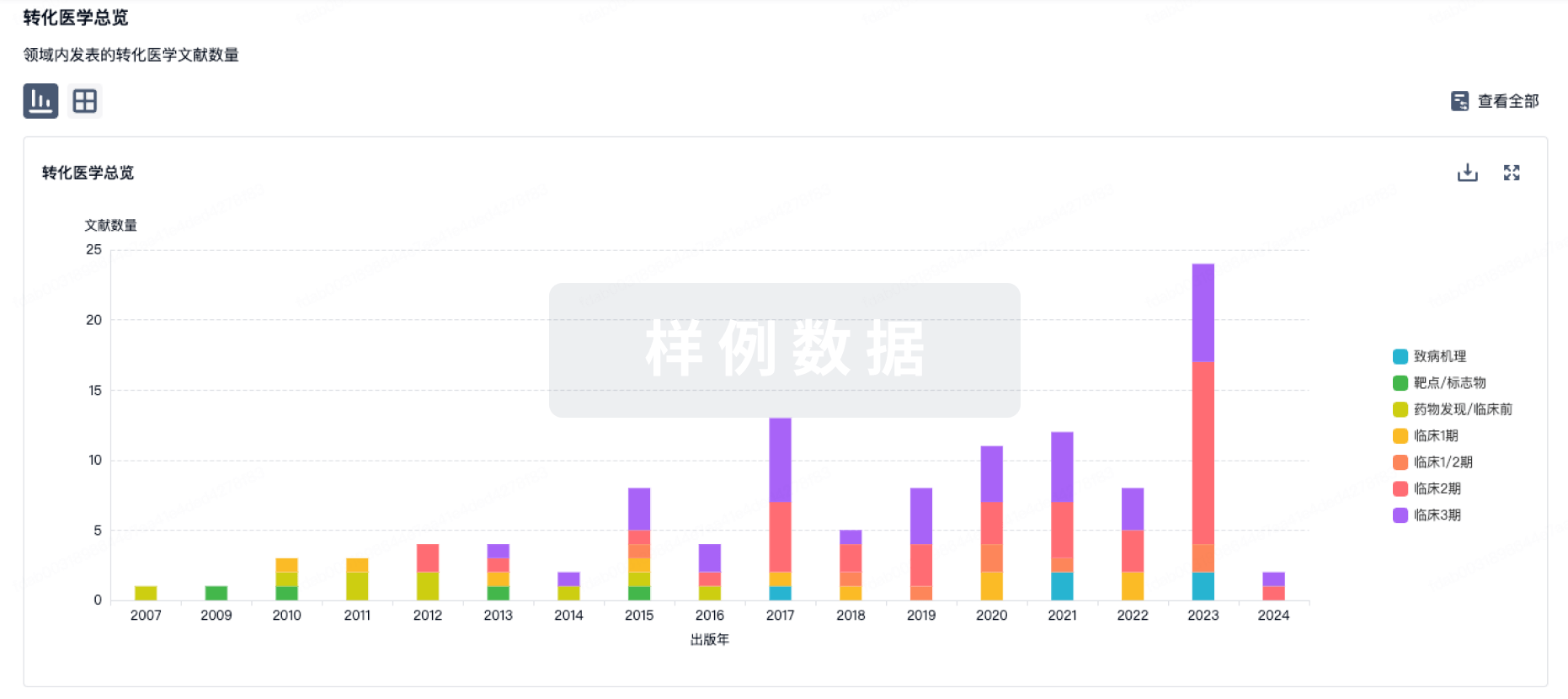
转化医学
使用我们的转化医学数据加速您的研究。
登录
或
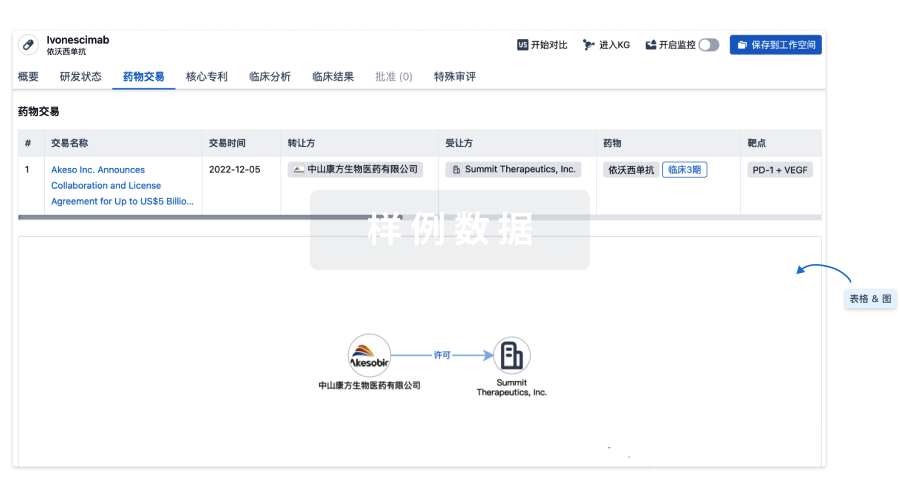
药物交易
使用我们的药物交易数据加速您的研究。
登录
或
核心专利
使用我们的核心专利数据促进您的研究。
登录
或

临床分析
紧跟全球注册中心的最新临床试验。
登录
或
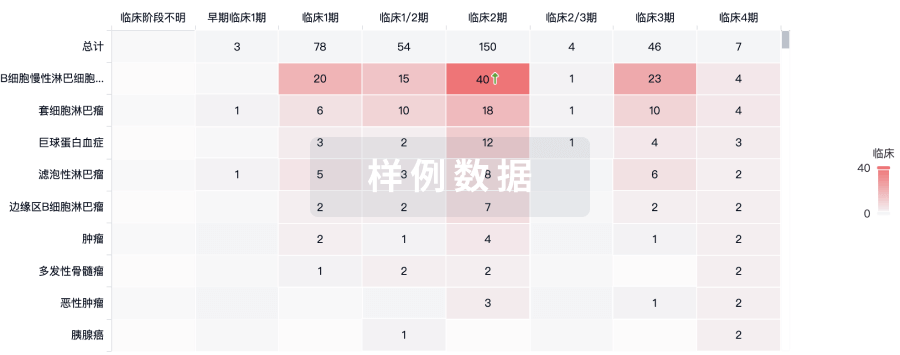
批准
利用最新的监管批准信息加速您的研究。
登录
或
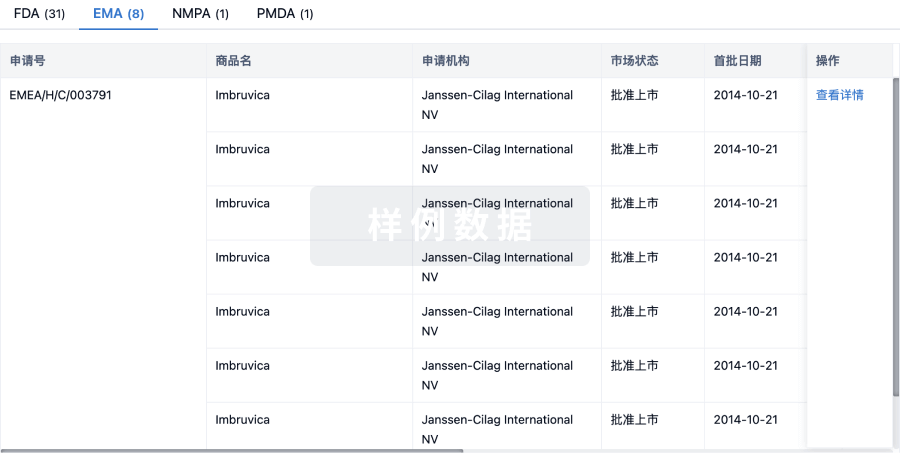
生物类似药
生物类似药在不同国家/地区的竞争态势。请注意临床1/2期并入临床2期,临床2/3期并入临床3期
登录
或

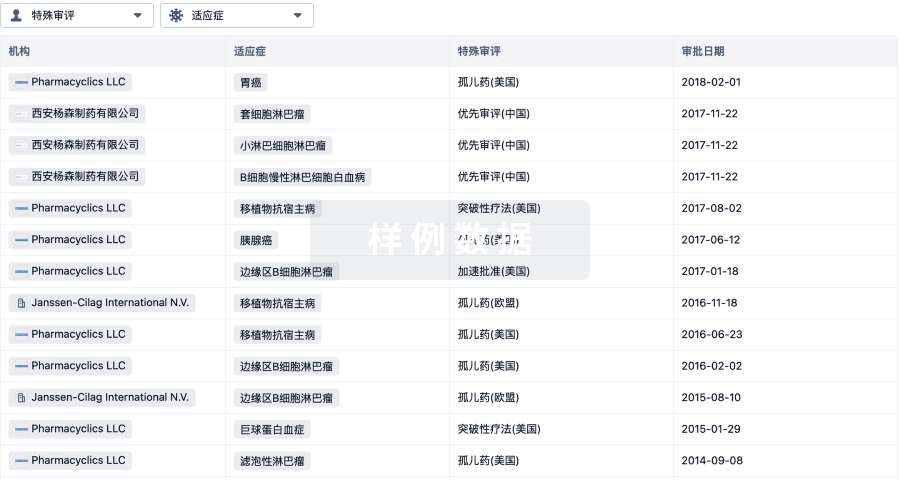
特殊审评
只需点击几下即可了解关键药物信息。
登录
或
生物医药百科问答
全新生物医药AI Agent 覆盖科研全链路,让突破性发现快人一步
立即开始免费试用!
智慧芽新药情报库是智慧芽专为生命科学人士构建的基于AI的创新药情报平台,助您全方位提升您的研发与决策效率。
立即开始数据试用!
智慧芽新药库数据也通过智慧芽数据服务平台,以API或者数据包形式对外开放,助您更加充分利用智慧芽新药情报信息。
生物序列数据库
生物药研发创新
免费使用
化学结构数据库
小分子化药研发创新
免费使用