预约演示
更新于:2026-04-08
Fomivirsen sodium
福米韦生钠
更新于:2026-04-08
概要
基本信息
在研机构- |
最高研发阶段撤市 |
首次获批日期 美国 (1998-08-26), |
最高研发阶段(中国)- |
特殊审评- |


登录后查看时间轴
结构/序列
使用我们的RNA技术数据为新药研发加速。
登录
或
Sequence Code 29273872
来源: *****
关联
4
项与 福米韦生钠 相关的临床试验NCT00002356
An Open-Label Study of the Safety and Efficacy of Intravitreal ISIS 2922 in Acquired Immune Deficiency Syndrome (AIDS) Patients With Cytomegalovirus Retinitis (NOTE: Restricted to Patients Who Rollover From Another Controlled ISIS 2922 Trial)
NCT00002355
A Randomized Comparison of Immediate Versus Delayed Treatment With Intravitreal Injections of ISIS 2922 in Patients With Peripheral Cytomegalovirus (CMV) Retinitis
NCT00002187
A Randomized Comparison of Two Dosage Schedules of Intravitreal ISIS 2922 for Patients With Advanced Cytomegalovirus Retinitis
100 项与 福米韦生钠 相关的临床结果
登录后查看更多信息
100 项与 福米韦生钠 相关的转化医学
登录后查看更多信息
100 项与 福米韦生钠 相关的专利(医药)
登录后查看更多信息
43
项与 福米韦生钠 相关的文献(医药)2024-05-01Analytical sciences : the international journal of the Japan Society for Analytical Chemistry
Detection of the phosphorothioate oligonucleotide fomivirsen using a ligase detection reaction with polymerase chain reaction
Article
作者: Uchiyama, Takumi ; Kakuda, Haruka ; Shinomiya, Kazufusa ; Zaima, Kazumasa ; Yamamoto, Tsubaki ; Harikai, Naoki
This study aimed to develop a simple and sensitive detection method for fomivirsen, a 21-nucleotide phosphorothioate oligonucleotide used as a nucleic acid medicine, using a ligase detection reaction. A ligation probe was designed to hybridize with fomivirsen and polymerase chain reaction (PCR) primers, with a deoxyuridine part between the primer binding sites. The probe was ligated to a circular product by Taq DNA ligase, and the resulting product was converted to a linear form through the removal of the uracil base using uracil DNA glycosylase. The linear product was then quantified using real-time PCR. The developed method could detect 0.025-6.4 nM of fomivirsen in water and HeLa genomic DNA solutions and 0.6-160 nM of fomivirsen in mouse serum in combination with an extraction method based on alkalinization and neutralization. This method could be useful for not only detecting fomivirsen but also other functional oligonucleotides composed of phosphorothioate oligonucleotides. In summary, this study presents a practical and effective approach to the detection of the nucleic acid medicine fomivirsen.
2023-09-01Bioanalysis
Volumetric Absorptive Microsampling Coupled with Hybridization LC–MS/MS for Quantitation of Antisense Oligonucleotides
Article
作者: Dutt, Muskaan ; Chen, Ming-Luan ; Keyhani, Anahita ; Mekhssian, Kevork ; Plomley, Jeff
Background: Volumetric absorptive microsampling has emerged as a less invasive alternative to venous sampling for small-molecule pharmacokinetic studies, but its application to novel therapeutics such as antisense oligonucleotides (ASOs) is not well-established. Results: A workflow was developed using Mitra microsampling coupled with hybridization LC-MS/MS for accurate determination of fomivirsen, a 21-mer ASO, in human blood. Quantitative recovery was achieved regardless of blood hematocrit level or microsample age by implementing impact-assisted extraction. A thorough method evaluation confirmed sensitivity, linearity, precision/accuracy, matrix effect, metabolite interference and four months of microsample stability. Conclusion: The combined impact-assisted extraction and hybridization LC-MS/MS workflow demonstrated the successful quantitation of fomivirsen, establishing the validity and applicability of the approach for ASO drug candidates.
2022-12-01BioTechniques
Real-time PCR Method for Detection of Short DNA using a Deoxyuridine Probe and Application for Detection of Fomivirsen
Article
作者: Zaima, Kazumasa ; Tanaka, Yuko ; Shinomiya, Kazufusa ; Miyashita, Satoshi ; Harikai, Naoki
This study sought to develop a short DNA detection method using a deoxyuridine probe and polymerase chain reaction. The probe was hybridized to the target short DNA, which was then extended by DNA polymerase. The extended DNA was used for real-time PCR after the probe was removed by uracil DNA glycosylase. This method measured from 0.01 to 10 nM of a model short DNA sequence of 17 nucleotides. The method was then used to detect the nucleic acid medicine fomivirsen, as well as 21 phosphorothioate nucleotides, and to quantify 0.1-100 nM of fomivirsen. This method may be useful for detecting short DNA fragments, such as functional nucleotides.
100 项与 福米韦生钠 相关的药物交易
登录后查看更多信息
研发状态
10 条最早获批的记录, 后查看更多信息
登录
| 适应症 | 国家/地区 | 公司 | 日期 |
|---|---|---|---|
| 巨细胞病毒视网膜炎 | 美国 | 1998-08-26 |
登录后查看更多信息
临床结果
临床结果
适应症
分期
评价
查看全部结果
登录后查看更多信息
转化医学
使用我们的转化医学数据加速您的研究。
登录
或
药物交易
使用我们的药物交易数据加速您的研究。
登录
或
核心专利
使用我们的核心专利数据促进您的研究。
登录
或
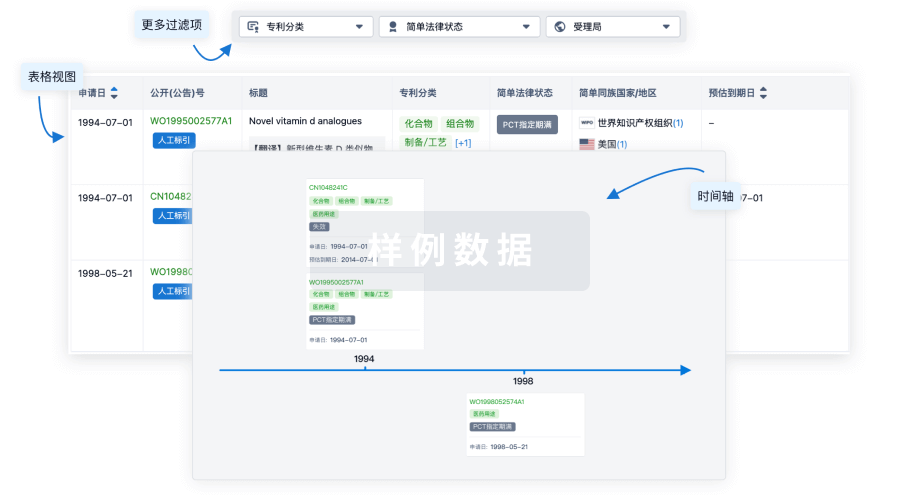
临床分析
紧跟全球注册中心的最新临床试验。
登录
或
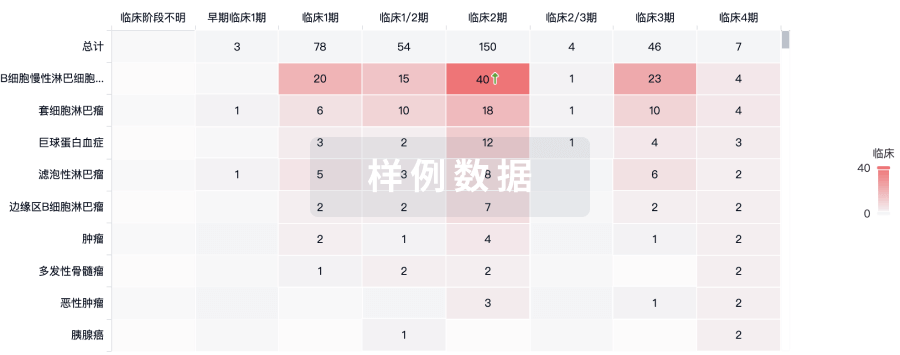
批准
利用最新的监管批准信息加速您的研究。
登录
或
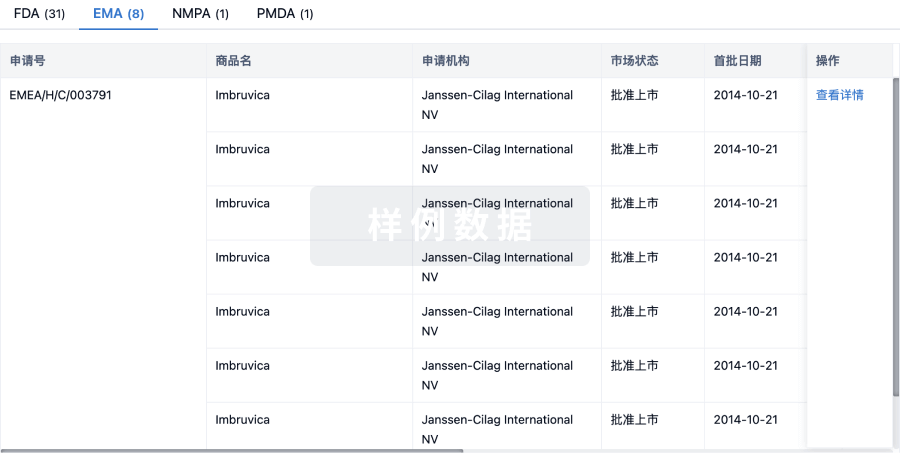
特殊审评
只需点击几下即可了解关键药物信息。
登录
或
生物医药百科问答
全新生物医药AI Agent 覆盖科研全链路,让突破性发现快人一步
立即开始免费试用!
智慧芽新药情报库是智慧芽专为生命科学人士构建的基于AI的创新药情报平台,助您全方位提升您的研发与决策效率。
立即开始数据试用!
智慧芽新药库数据也通过智慧芽数据服务平台,以API或者数据包形式对外开放,助您更加充分利用智慧芽新药情报信息。
生物序列数据库
生物药研发创新
免费使用
化学结构数据库
小分子化药研发创新
免费使用