预约演示
更新于:2026-02-02

Novartis Pharmaceuticals Corp.
更新于:2026-02-02
概览
标签
肿瘤
其他疾病
皮肤和肌肉骨骼疾病
小分子化药
单克隆抗体
治疗用放射药物
疾病领域得分
一眼洞穿机构专注的疾病领域

技术平台
公司药物应用最多的技术
靶点
公司最常开发的靶点
关联
靶点 |
作用机制 |
在研机构 |
原研机构 |
在研适应症 |
非在研适应症 |
最高研发阶段 |
首次获批国家/地区 |
首次获批日期 |
靶点 |
作用机制 |
在研机构 |
原研机构 |
在研适应症 |
非在研适应症 |
最高研发阶段 |
首次获批国家/地区 |
首次获批日期 |

靶点 |
作用机制 |
在研机构 |
原研机构 |
在研适应症 |
非在研适应症 |
最高研发阶段 |
首次获批国家/地区 |
首次获批日期 |
NCT05776927
A Double-dummy, Double-blind, Randomized, Parallel-group, Active Controlled Study to Evaluate the Efficacy and Safety of QVM149 (Indacaterol Acetate / Glycopyrronium Bromide / Mometasone Furoate) Compared to Salmeterol Xinafoate/Fluticasone Propionate in Children From 12 Years to Less Than 18 Years of Age With Asthma.
NCT07226986
A Phase Ib/II Open-label, Multi-center Study of AMO959 With Lutetium (177Lu) Vipivotide Tetraxetan (AAA617) in Combination With an Androgen Receptor Pathway Inhibitor (ARPI) in Adult Participants With PSMA-positive Metastatic Castration Resistant Prostate Cancer (mCRPC)
NCT07261631
A Phase I Open-label, Multi-center Study to Evaluate the Safety, Tolerability, Dosimetry, and Preliminary Activity of [177Lu]Lu-DFC413 and Safety and Imaging Properties of [68Ga]Ga-NNS309 in Patients With Solid Tumors
100 项与 Novartis Pharmaceuticals Corp. 相关的临床结果
登录后查看更多信息
登录后查看更多信息
2026-01-10JOURNAL OF CLINICAL ONCOLOGY
Five-Year Analysis of the JULIET Trial of Tisagenlecleucel in Patients With Relapsed/Refractory Large B-Cell Lymphoma
Article
作者: Kato, Koji ; Mielke, Stephan ; Ma, Wanying ; Wagner-Johnston, Nina ; Andreadis, Charalambos ; Kersten, Marie José ; Maziarz, Richard T. ; Mundt, Kirsten E. ; Holte, Harald ; Ghosh, Monalisa ; Awasthi, Rakesh ; Jaglowski, Samantha ; Majdan, Marta ; Worel, Nina ; McGuirk, Joseph P. ; Ho, P. Joy ; Borchmann, Peter ; Nuortti, Marja ; Bishop, Michael R. ; Han, Xia ; Teshima, Takanori ; Tam, Constantine S. ; Fleury, Isabelle ; Jegerlehner, Andrea ; Schuster, Stephen J. ; Hsu, Jingmei ; Maier, Harald J. ; Corradini, Paolo ; Waller, Edmund K. ; Salles, Gilles ; Janakiram, Murali ; Westin, Jason R. ; Izutsu, Koji ; Foley, Stephen Ronan
We report the 5-year analysis of tisagenlecleucel in 115 infused patients with relapsed/refractory (r/r) large B-cell lymphoma (LBCL) from the single-arm, open-label, multicenter, global, phase II JULIET trial (ClinicalTrials.gov identifier:
NCT02445248
), with a median follow-up of 74.3 months. The median duration of response (DOR) was not reached; the 60-month, relapse-free probability was 61% among responders. Higher relapse-free probability (DOR >70%) was observed in females and those with less than two baseline International Prognostic Index risk factors or with baseline stage I/II disease. The estimated probability of progression-free survival at 60 months was 28%. The probability of overall survival (OS) at 60 months was 32% for all infused patients and 56% for those achieving complete or partial response. Baseline characteristics associated with achieving a response at any time after infusion included relapsed versus refractory disease, one versus two or more bridging regimens, lactate dehydrogenase level ≤upper limit of normal (ULN) versus >ULN, and C-reactive protein levels <15 mg/L versus >15 mg/L. Baseline characteristics associated with long-term OS included lactate dehydrogenase ≤ULN and C-reactive protein <15 mg/L. No new safety signals or secondary T-cell malignancies were reported. These findings continue to support the curative potential of tisagenlecleucel in a subset of patients with r/r LBCL.
2026-01-06JAMA-JOURNAL OF THE AMERICAN MEDICAL ASSOCIATION
Sacubitril/Valsartan vs Enalapril in Heart Failure Due to Chagas Disease
Article
Importance:
The efficacy and safety of guideline-recommended treatments for heart failure (HF) are uncertain in patients with Chagas disease.
Objective:
To evaluate the efficacy and safety of the angiotensin receptor-neprilysin inhibitor sacubitril/valsartan in patients with HF with reduced ejection fraction due to Chagas disease.
Design, Setting, and Participants:
From December 10, 2019, through September 13, 2023, patients with HF, confirmed diagnosis of Chagas disease, left ventricular ejection fraction of 40% or less, and N-terminal pro-B-type natriuretic peptide (NT-proBNP) of 600 pg/mL or greater (or B-type natriuretic peptide [BNP] ≥150 pg/mL) or 400 pg/mL or greater (or BNP ≥100 pg/mL) if hospitalized for HF within the previous 12 months were screened at 83 sites in Argentina, Brazil, Colombia, and Mexico. Statistical analysis was conducted between May and July 2025.
Interventions:
Patients were randomized to receive sacubitril/valsartan (target dose, 200 mg twice daily) or enalapril (target dose, 10 mg twice daily), in addition to standard therapy.
Main Outcomes and Measures:
The primary end point was a hierarchical composite outcome tested, in order, of death from cardiovascular causes, hospitalization for HF, or relative change in NT-proBNP from baseline to 12 weeks. The primary analysis was done using a win ratio approach.
Results:
Overall, 462 participants were randomized to receive sacubitril/valsartan and 460 to receive enalapril (mean [SD] age, 64.2 [10.8] years; 387 [42.0%] were female). Over a median (IQR) follow-up of 25.2 (18.4-33.2) months, cardiovascular death occurred in 110 patients (23.8% [18.3% wins in the hierarchical comparison]) in the sacubitril/valsartan group and 117 patients (25.4% [17.5% wins]) in the enalapril group. A total of 102 patients (22.1% [7.7% wins]) in the sacubitril/valsartan group and 111 (24.1% [6.9% wins]) in the enalapril group experienced a first hospitalization for HF. Patients in the sacubitril/valsartan group had a median (IQR) decrease in NT-proBNP of 30.6% (−54.3% to −0.9%) at 12 weeks, leading to 22.5% wins, while those in the enalapril group had a 5.5% (−31.9% to 37.5%) decrease (7.2% wins). The resulting stratified win ratio was 1.52 (95% CI, 1.28-1.82;
P
&lt; .001) for sacubitril/valsartan compared with enalapril.
Conclusions and Relevance:
In patients with HF with reduced ejection fraction due to Chagas disease, there was no significant difference in clinical outcomes between sacubitril/valsartan and enalapril, but there was a greater reduction in NT-proBNP at 12 weeks in patients in the sacubitril/valsartan group.
Trial Registration:
ClinicalTrials.gov Identifier:
NCT04023227
2026-01-01JOURNAL OF ALLERGY AND CLINICAL IMMUNOLOGY
Remibrutinib in chronic spontaneous urticaria: 52-week results from two phase 3 studies
Article
作者: Metz, Martin ; Wang, Pengpeng ; Yang, Bin ; Field, Claire ; Sussman, Gordon ; Lebwohl, Mark ; Machado, Paula G P ; Mosnaim, Giselle ; Szalewski, Robert ; Martzloff, El-Djouher ; Zharkov, Artem ; Seko, Noriko ; Giménez-Arnau, Ana Maria ; Palumbo, Michael ; Walecka-Herniczek, Irena ; Jain, Vipul ; Hide, Michihiro ; Khemis, Abdallah ; Haemmerle, Sibylle ; Saini, Sarbjit ; Şavk, Ekin ; Lheritier, Karine
BACKGROUND:
Remibrutinib, an oral, highly selective Bruton tyrosine kinase inhibitor, demonstrated significant improvements in disease activity over placebo in the 24-week phase 3 REMIX studies in patients with chronic spontaneous urticaria (CSU) remaining symptomatic despite second-generation H1-antihistamines.
OBJECTIVE:
We sought to evaluate the long-term efficacy and safety of remibrutinib in patients with CSU.
METHODS:
REMIX-1 (NCT05030311) and REMIX-2 (NCT05032157) were two randomized placebo-controlled studies evaluating the efficacy, safety, and tolerability of remibrutinib in patients with CSU. Patients were randomized 2:1 to receive oral remibrutinib 25 mg twice daily or placebo during a 24-week double-blind placebo-controlled period, followed by a 28-week open-label treatment period (up to 52 weeks). The primary end point was change from baseline in weekly Urticaria Activity Score at week 12.
RESULTS:
A total of 470 patients in REMIX-1 and 455 in REMIX-2 were randomly assigned to receive remibrutinib (n = 313 and 300, respectively) or placebo (n = 157 and 155, respectively). At week 52, patients randomized to remibrutinib showed sustained improvements in change from baseline in weekly Urticaria Activity Score (mean [95% confidence interval], REMIX-1: -23.22 [-24.78, -21.66]; REMIX-2: -22.98 [-24.51, -21.44]), with similar responses observed in patients who transitioned from placebo to remibrutinib at week 24 (observed as early as 1 week after transitioning). Exposure-adjusted incidence rates of adverse events, serious adverse events, and adverse events leading to discontinuation with 52-week remibrutinib treatment remained equivalent to those in the 24-week analysis.
CONCLUSION:
Remibrutinib showed sustained efficacy and a consistent, favorable long-term safety profile in patients with CSU remaining symptomatic despite second-generation H1-antihistamines.
2026-01-22
2026-01-18
·百度百家
细胞疗法免疫疗法并购基因疗法ASH会议
100 项与 Novartis Pharmaceuticals Corp. 相关的药物交易
登录后查看更多信息
100 项与 Novartis Pharmaceuticals Corp. 相关的转化医学
登录后查看更多信息
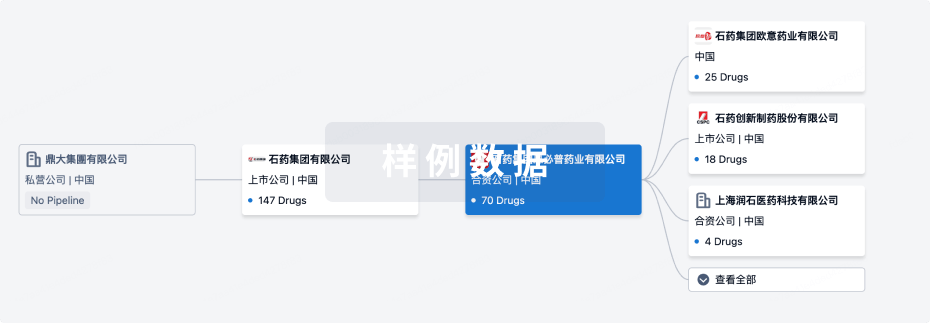
组织架构
使用我们的机构树数据加速您的研究。
登录
或
管线布局
2026年10月11日管线快照
管线布局中药物为当前组织机构及其子机构作为药物机构进行统计,早期临床1期并入临床1期,临床1/2期并入临床2期,临床2/3期并入临床3期
临床前
4
23
临床1期
临床2期
28
14
临床3期
批准上市
55
273
其他
登录后查看更多信息
当前项目
登录后查看更多信息
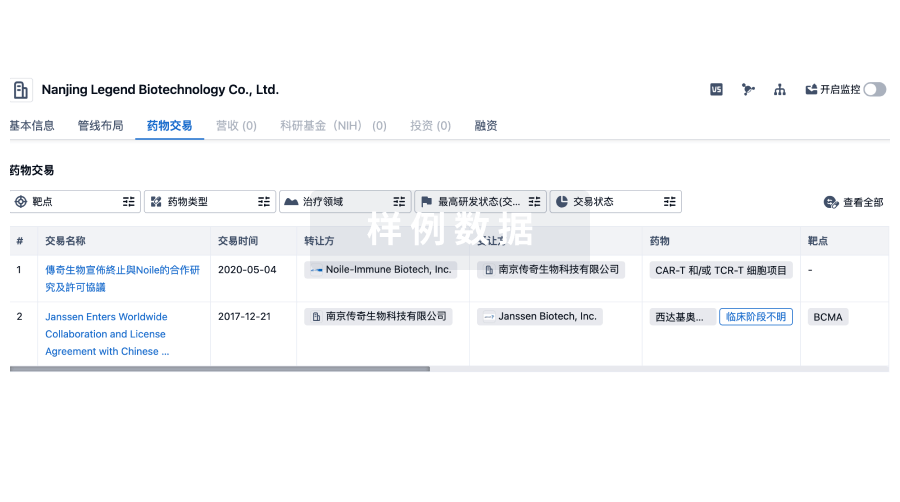
药物交易
使用我们的药物交易数据加速您的研究。
登录
或
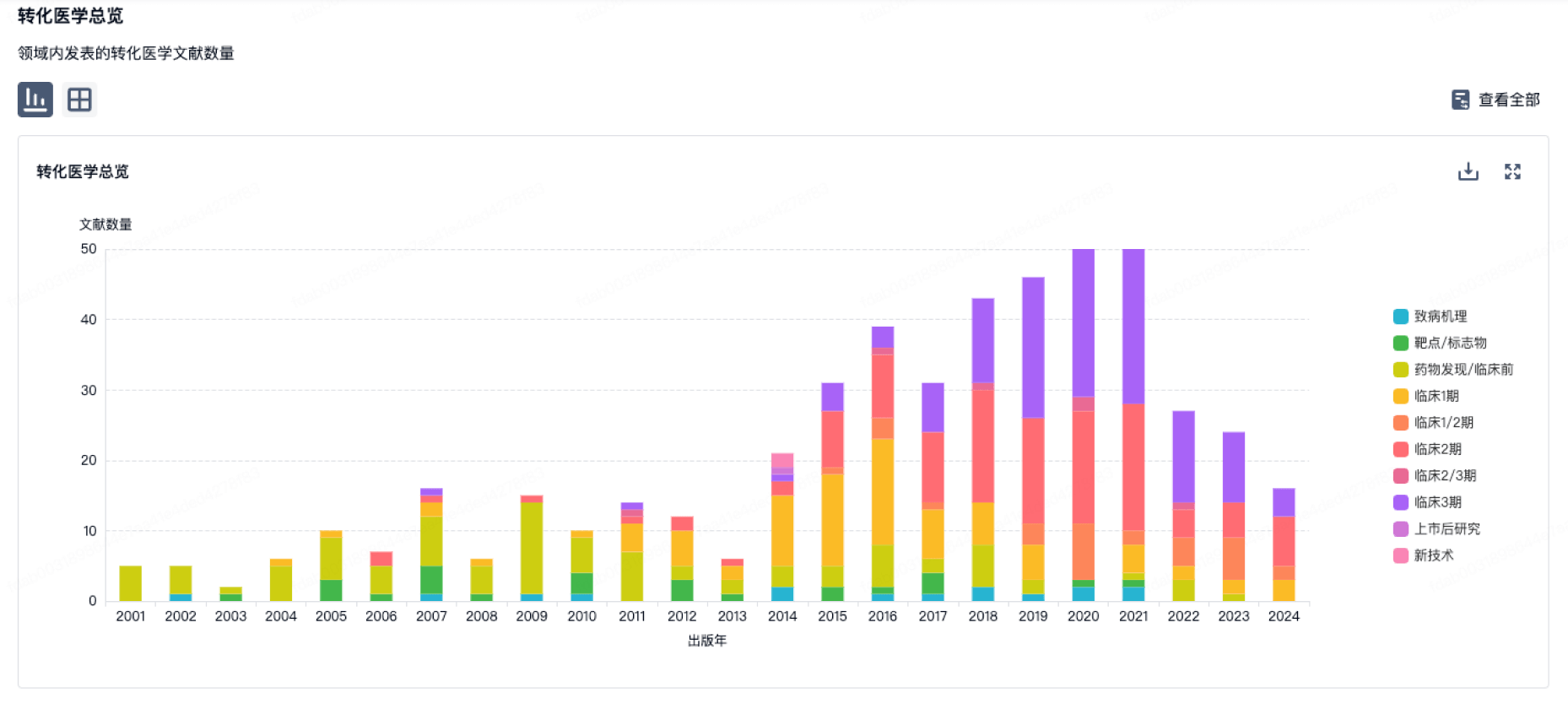
转化医学
使用我们的转化医学数据加速您的研究。
登录
或
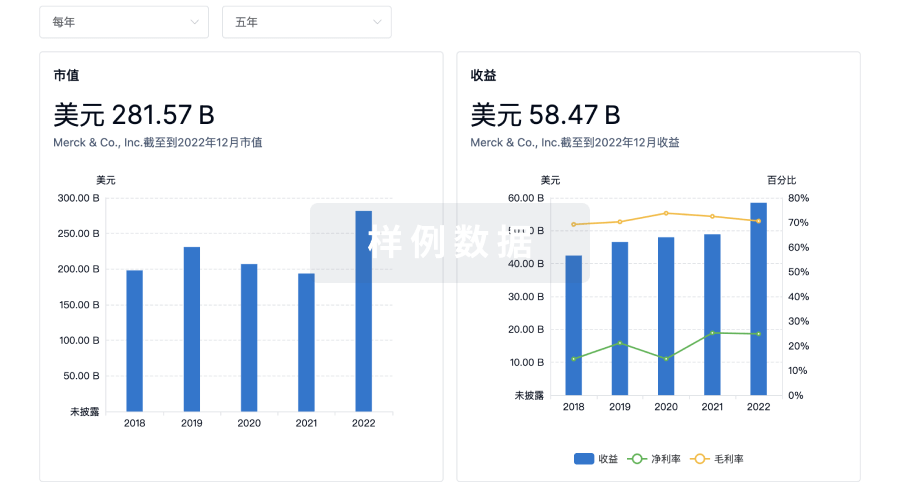
营收
使用 Synapse 探索超过 36 万个组织的财务状况。
登录
或
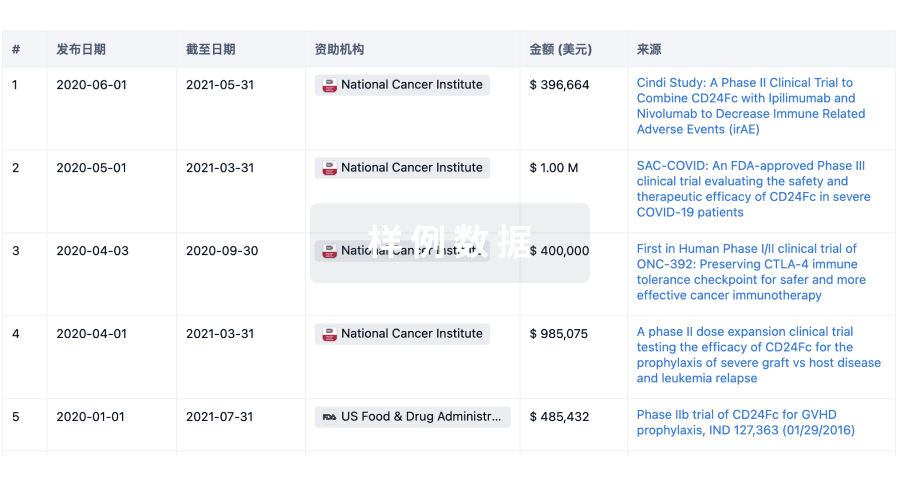
科研基金(NIH)
访问超过 200 万项资助和基金信息,以提升您的研究之旅。
登录
或
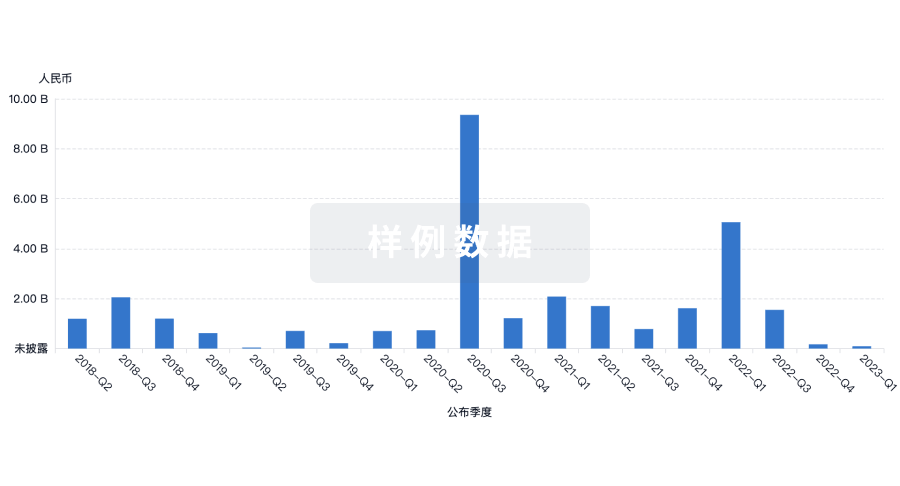
投资
深入了解从初创企业到成熟企业的最新公司投资动态。
登录
或
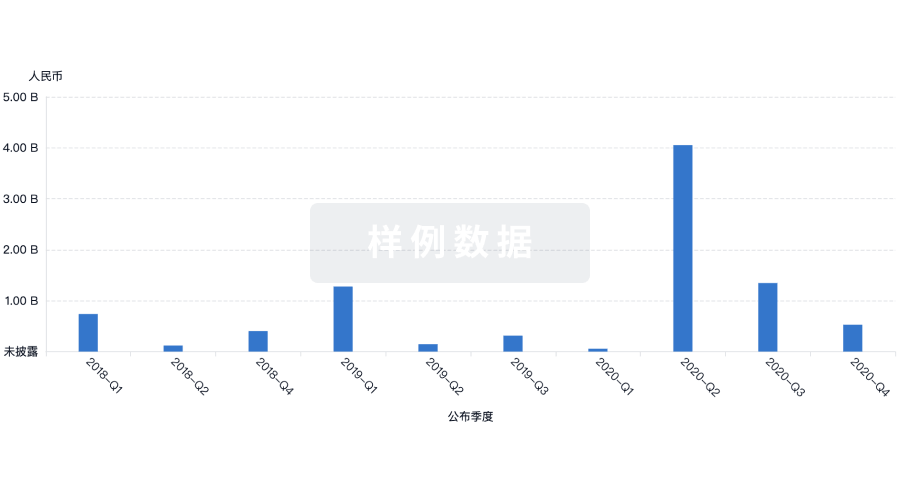
融资
发掘融资趋势以验证和推进您的投资机会。
登录
或
提出任何生物医药研究问题
让每一步生物医药决策都精准制胜
基于十亿级生物数据与全球情报的精准 AI,赋能早期药物发现
立即开始免费试用!
智慧芽新药情报库是智慧芽专为生命科学人士构建的基于AI的创新药情报平台,助您全方位提升您的研发与决策效率。
立即接入生物医药数据包
智慧芽新药库数据也通过智慧芽开放平台,以MCP或API服务形式对外开放。立即使用我们的MCP服务定制您的LLM智能体。
生物序列数据库
生物药研发创新
免费使用
化学结构数据库
小分子化药研发创新
免费使用