预约演示
更新于:2026-02-28
Lithospermum Erythrorhizon Extract
更新于:2026-02-28
概要
基本信息

关联
100 项与 Lithospermum Erythrorhizon Extract 相关的临床结果
登录后查看更多信息
100 项与 Lithospermum Erythrorhizon Extract 相关的转化医学
登录后查看更多信息
100 项与 Lithospermum Erythrorhizon Extract 相关的专利(医药)
登录后查看更多信息
33
项与 Lithospermum Erythrorhizon Extract 相关的文献(医药)2026-03-01·Journal of Advanced Research
Shikonin nasal spray film preparation promoted the repair of nasal mucosal injury by the interaction of shikonin with interleukin-6
Article
作者: Peng, Dong ; Jiang, Qingye ; Ye, Meijing ; Zhang, Bin ; Zhao, Zonghua ; Yuan, Ming ; Chen, Yanger ; Tang, Zizhong ; Yuan, Shu ; Hu, Shenglin ; Cao, Tianyi ; Gao, Tao ; Yan, Xiaorong
INTRODUCTION:
Nasal spray films, an innovative formulation in recent years, have garnered significant acclaim from patients with nasal mucosal injury because it integrate the benefits of spray and film formulation, offering ease of application while reducing the risk of droplet formation and further inhalation into the throat. Furthermore, Lithospermum erythrorhizon is a traditional Chinese medicine frequently employed in the management of dermal injuries, and our previous work suggested its major compound, shikonin, possesses the capacity to promote the repair of nasal mucosal injury. Notwithstanding these encouraging results, research on the development of shikonin nasal spray film preparation (SNSF) and its bioactivity mechanism remains limited.
OBJECTIVES:
This work aimed to formulate SNSF and examine its mechanisms and pharmacokinetic properties in facilitating the repair of nasal mucosal injury, thereby offering insights for its subsequent clinical application.
METHODS:
The SNSF was prepared, and its structural properties were characterized through particle size analysis, thermogravimetric analysis, scanning electron microscopy, and its material properties, including viscosity, film-forming duration, moisture absorption, moisture retention, breathability, and transdermal permeation efficacy, were evaluated. Simultaneously, the repair mechanism of SNSF was explored with RNA-seq, western blotting, RT-PCR, bio-layer interferometry, ultrafiltration affinity, and molecular simulation. Additionally, the pharmacokinetics of SNSF were revealed by HPLC-MS/MS to further demonstrate its clinical application potential.
RESULTS:
Shikonin successfully adsorbs on the surface of spray film to obtain SNSF without affecting its material properties. Meanwhile, SNSF treatment significantly alleviated the inflammatory response and facilitated the repair of nasal mucosal injury. This therapeutic effect might be attributed to its active compound, shikonin, which binds to IL-6 and subsequently activates the IL-17 signaling pathway. Additionally, SNSF possessed the characteristics of fast absorption, short half-life, and further enhanced bioavailability of shikonin.
CONCLUSION:
SNSF is a novel candidate drug with great clinical potential for patients with nasal mucosal injury.
2025-09-01·INTERNATIONAL JOURNAL OF BIOLOGICAL MACROMOLECULES
Lithospermum erythrorhizon polysaccharide alleviates obesity via gut microbiota-mediated reprogramming of bile acid and short-chain fatty acid metabolism
Article
作者: Wang, Xunjiang ; Wang, Xu ; Ding, Lili ; Wang, Zhengtao ; Lin, Wenyuan ; Zhuang, Tongxi ; Tao, Feng ; Yang, Li
Lithospermum erythrorhizon, a traditional Chinese medicinal herb and functional food ingredient, contains bioactive soluble polysaccharide with documented anti-obesity and metabolic regulatory properties. However, the precise mechanisms underlying the anti-obesity effects of Lithospermum erythrorhizon polysaccharide (LEP) fraction remain poorly characterized. In this study, diet-induced obese (DIO) mice treated with LEP exhibited significant suppression of body weight gain and hepatic lipid deposition, accompanied by improved liver function and elevated systemic energy expenditure. Mechanistic investigations revealed that LEP administration selectively suppressed the intestinal colonization of bile salt hydrolase (BSH)-producing bacterial taxa, leading to increased circulating levels of taurine-conjugated bile acids and enhanced cecal short-chain fatty acids (SCFAs) production. Concurrently, LEP activated adipose tissue thermogenesis, as evidenced by upregulated expression of thermogenic markers. Antibiotic-induced gut microbiota ablation abolished these metabolic benefits, whereas fecal microbiota transplantation from LEP-treated mice recapitulated the anti-obesity phenotype in recipient animals. These results establish that LEP ameliorates obesity through a gut microbiota-dependent mechanism involving BSH inhibition, taurine-conjugated bile acid accumulation, SCFAs elevation, and subsequent activation of adipose thermogenic pathways. These findings highlight the potential of LEP as a dietary supplement or microbiota-targeted intervention for obesity management.
2025-06-01·FOOD SCIENCE AND BIOTECHNOLOGY
Gromwell (Lithospermum erythrorhizon) ameliorates age-related loss of skeletal muscle mass and function in mice
Article
作者: Yoo, Ahyoung ; Lee, Hyunjung ; Ha, Tae Youl ; Ahn, Lynn ; Jung, Chang Hwa ; Kim, Young In ; Ahn, Jiyun
Sarcopenia, an age-related disease characterized by the loss of skeletal muscle mass and function, is a growing concern in the aging population. This study investigated the potential of Gromwell (Lithospermum erythrorhizon, LE) to ameliorate sarcopenia in aged mice and the effect of lithospermic acid (LA), a bioactive compound found in LE, on cellular senescence in aged human skeletal muscle myoblast (HSMM) cells. Nineteen-month-old male C57BL/6 mice were fed a diet supplemented with 0.05% LE for 9 weeks. LE supplementation mitigated age-related loss of muscle mass and function, promoted the transition of muscle fiber type from type I to type II, and reduced markers associated with muscle atrophy. In vitro, LA treatment decreased β-galactosidase activity and senescence marker expression in senescent HSMM cells. These findings suggest that LE may serve as a valuable food resource for the prevention and mitigation of sarcopenia, with LA contributing to its effectiveness.
100 项与 Lithospermum Erythrorhizon Extract 相关的药物交易
登录后查看更多信息
研发状态
10 条进展最快的记录, 后查看更多信息
登录
| 适应症 | 最高研发状态 | 国家/地区 | 公司 | 日期 |
|---|---|---|---|---|
| 免疫抑制 | 临床前 | 中国 | 2025-09-29 |
登录后查看更多信息
临床结果
临床结果
适应症
分期
评价
查看全部结果
| 研究 | 分期 | 人群特征 | 评价人数 | 分组 | 结果 | 评价 | 发布日期 |
|---|
No Data | |||||||
登录后查看更多信息
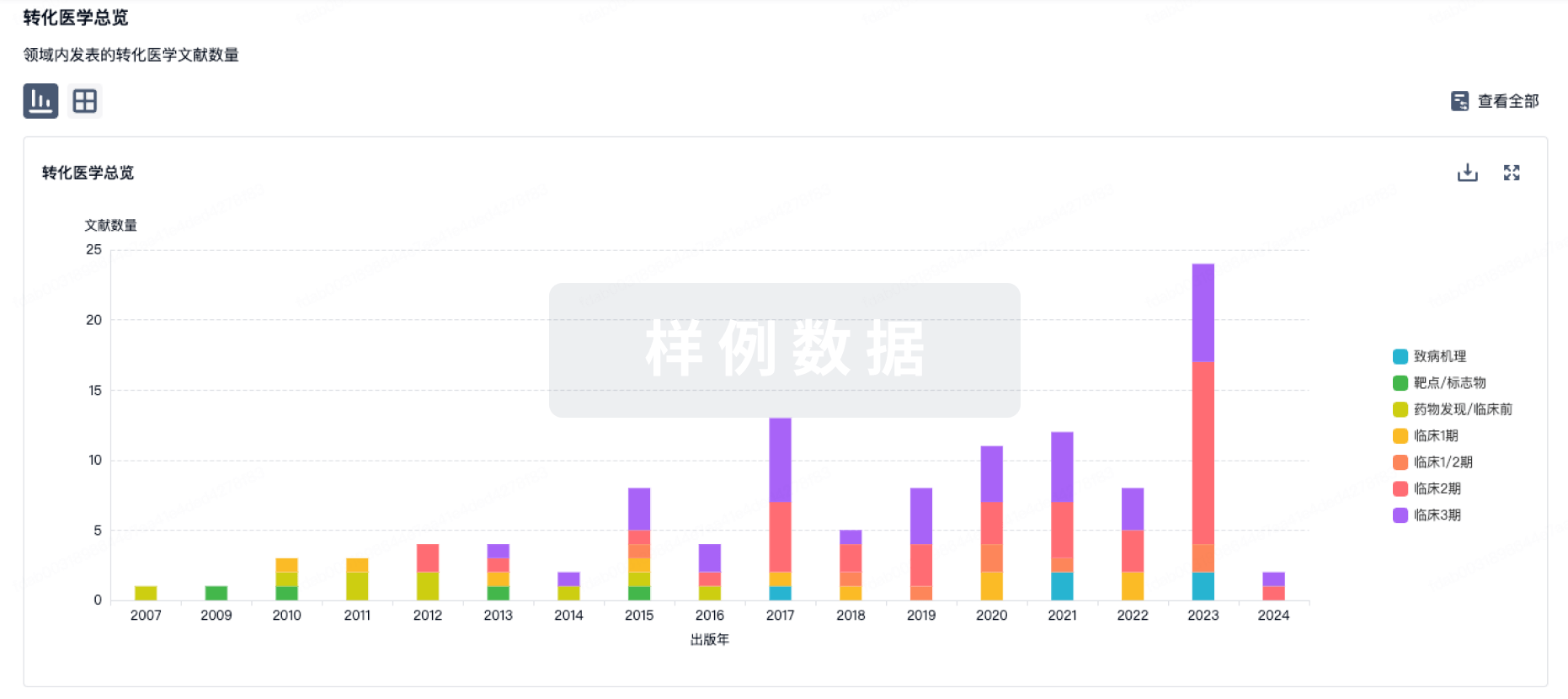
转化医学
使用我们的转化医学数据加速您的研究。
登录
或
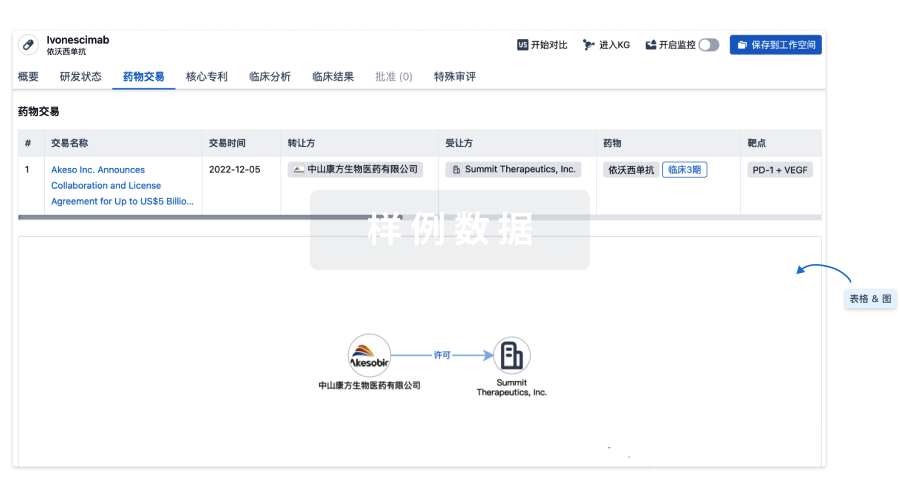
药物交易
使用我们的药物交易数据加速您的研究。
登录
或
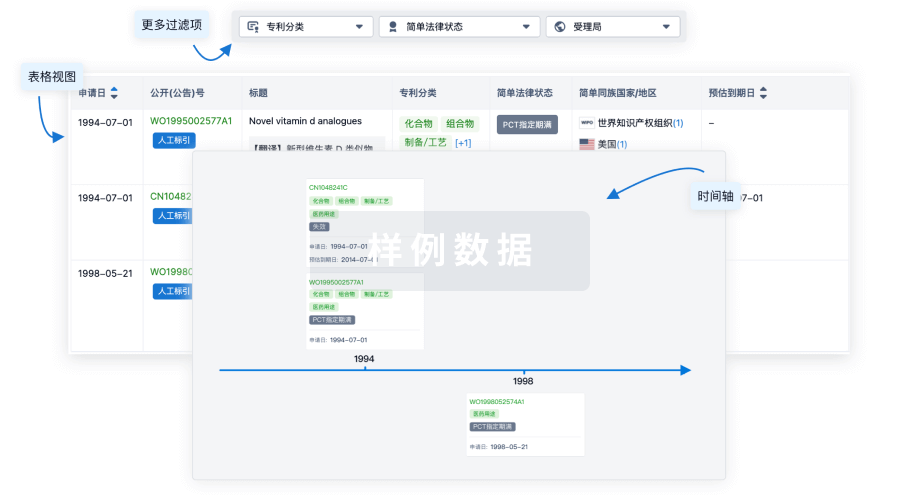
核心专利
使用我们的核心专利数据促进您的研究。
登录
或
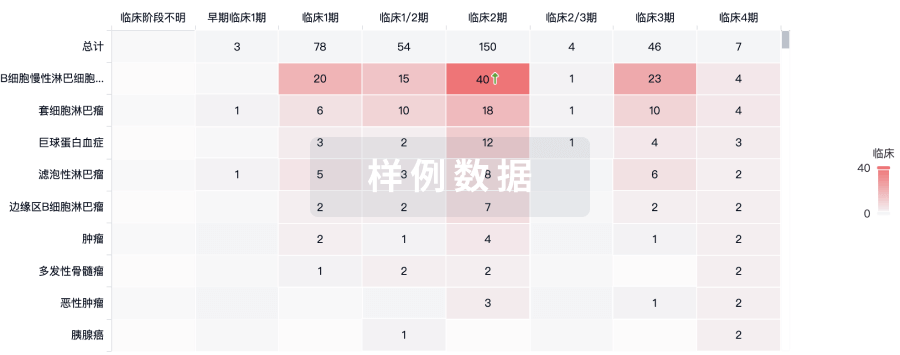
临床分析
紧跟全球注册中心的最新临床试验。
登录
或
批准
利用最新的监管批准信息加速您的研究。
登录
或
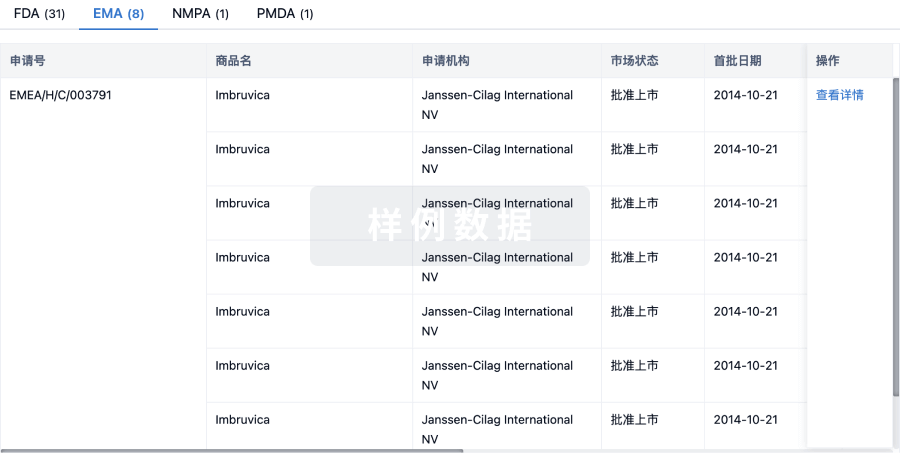
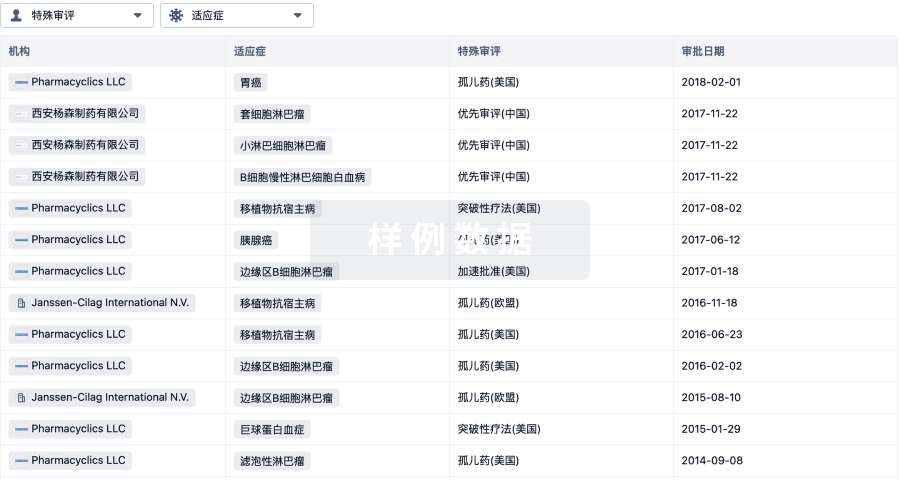
特殊审评
只需点击几下即可了解关键药物信息。
登录
或
生物医药百科问答
全新生物医药AI Agent 覆盖科研全链路,让突破性发现快人一步
立即开始免费试用!
智慧芽新药情报库是智慧芽专为生命科学人士构建的基于AI的创新药情报平台,助您全方位提升您的研发与决策效率。
立即开始数据试用!
智慧芽新药库数据也通过智慧芽数据服务平台,以API或者数据包形式对外开放,助您更加充分利用智慧芽新药情报信息。
生物序列数据库
生物药研发创新
免费使用
化学结构数据库
小分子化药研发创新
免费使用