预约演示
更新于:2026-02-14
HPK1 inhibitor(Gilead)
更新于:2026-02-14
概要
基本信息
非在研机构- |
权益机构- |
最高研发阶段临床前 |
首次获批日期- |
最高研发阶段(中国)- |
特殊审评- |

关联
100 项与 HPK1 inhibitor(Gilead) 相关的临床结果
登录后查看更多信息
100 项与 HPK1 inhibitor(Gilead) 相关的转化医学
登录后查看更多信息
100 项与 HPK1 inhibitor(Gilead) 相关的专利(医药)
登录后查看更多信息
1
项与 HPK1 inhibitor(Gilead) 相关的文献(医药)2025-02-27·JOURNAL OF MEDICINAL CHEMISTRY
Discovery and Optimization of Pyrazine Carboxamide AZ3246, a Selective HPK1 Inhibitor
Article
作者: Bommakanti, Gayathri ; Robbins, Kevin J. ; Zhou, Yanxiao ; Hatoum-Mokdad, Holia ; Cook, Steve ; Li, Min ; Yao, Tieguang ; Morrill, Lucas A. ; Wilson, David M. ; Hariparsad, Niresh ; Stokes, Stephen ; Schuller, Alwin G. ; Jackson, Anne ; Schimpl, Marianne ; Wu, Chengyan ; Shen, Minhui ; Giblin, Kathryn A. ; Sheppeck, James E. ; Lamont, Gillian M. ; Mele, Deanna A. ; Metrano, Anthony J. ; Ye, Minwei ; Grebe, Tyler ; Richards, Ryan ; Gosselin, Eric ; Cao, Shenggen ; Proia, Theresa A. ; Wagner, David J. ; Goldberg, Frederick W. ; Lamont, Scott ; Kettle, Jason G. ; Yang, Yue ; Sha, Li ; Zhai, Xiang ; Pflug, Alexander ; Karapa Reddy, Iswarya ; Peng, Bo ; Xu, Kevin ; Zhang, Andrew X. ; Escobar, Randolph A. ; Sun, Yuanyuan ; Tang, Haoran ; Balazs, Amber Y. S. ; Wu, Allan ; Ziegler, Robert E. ; Howells, Rachel ; Shields, Jason D. ; Lill, Sten O. Nilsson ; Baker, David ; Grimster, Neil P. ; Zhang, Hui ; Wu, Dedong ; Song, Kun ; Wang, Jianyan ; Fawell, Stephen ; Casella, Robert ; Rezaei, Hadi ; Singh, Meha ; Hughes, Samantha J. ; San Martin, Maryann ; Mfuh, Adelphe M. ; Gibbons, Francis D. ; Richter, Magdalena ; Wang, Yanjun ; Wu, Ye
Hematopoietic progenitor kinase 1 (HPK1) is a negative regulator of the T cell receptor signaling pathway and is therefore a target of interest for immunooncology. Nonselective HPK1 inhibitors may affect other kinase components of T cell activation, blunting the beneficial impact of enhanced T cell activity that results from HPK1 inhibition itself. Here, we report the discovery of pyrazine carboxamide HPK1 inhibitors and their optimization through structure-based drug design to afford a highly selective HPK1 inhibitor, compound 24 (AZ3246). This compound induces IL-2 secretion in T cells with an EC50 of 90 nM without inhibiting antagonistic kinases, exhibits pharmacokinetic properties consistent with oral dosing, and demonstrates antitumor activity in the EMT6 syngeneic mouse model.
2
项与 HPK1 inhibitor(Gilead) 相关的新闻(医药)2023-12-06
– Treadwell to focus on advancing first-in-class PLK4 inhibitor CFI-400945 in AML towards potential pivotal studies in 2025
– Approximately 30% reduction in workforce to extend cash runway
– Roger Sidhu, M.D. appointed as Acting CEO replacing founding Co-CEOs, Shane Burgess and Michael Tusche, Ph.D., Shane Burgess to transition to Executive Chair
TORONTO and SAN FRANCISCO, Dec. 06, 2023 (GLOBE NEWSWIRE) -- Treadwell Therapeutics, a clinical-stage biotechnology company developing novel first-in-class medicines for unmet needs in cancer, today announced that it is realigning its pipeline, workforce and management structure to support its highest value program and extend its cash runway to prioritize the execution of key near term value drivers and clinical milestones.
Treadwell has elected to focus on its first-in-class PLK4 inhibitor, CFI-400945, in relapsed/refractory AML by expanding the ongoing company sponsored TWT-202 study, building on exciting signals of efficacy seen at earlier phases, and advancing towards a potential pivotal study in 2025. The company will seek to capitalize on very promising proof-of-concept from sponsored clinical studies of CFI-402257 (TTK/Mps1 inhibitor) and CFI-402411 (HPK1 inhibitor) through further, innovative collaborative studies and work with potential partners to accelerate timelines.
Shane Burgess, co-CEO has transitioned to the role of Executive Chair, while Michael Tusche, Ph.D., co-CEO has left the company to pursue other endeavours. Roger Sidhu, M.D., Chief Medical Officer, has been appointed Acting CEO.
Dr. Sidhu brings to Treadwell an extensive track record of success over the last nearly 20 years in hematologic and solid tumor oncology research and development. He is a seasoned leader with deep translational, clinical and regulatory experience across multiple therapeutic modalities and platforms including small molecules, biologics and cell and gene therapies. Most recently, Dr. Sidhu was the Chief Medical Officer at Eterna Therapeutics, a gene editing and cell therapy company where he advanced multiple novel programs. Previously, Dr. Sidhu served as Executive Vice President and Chief Medical officer at Roivant Sciences. Roger was also the Chief Medical Officer at Cell Design Labs, up until its acquisition by the Gilead subsidiary Kite, where he subsequently served as VP, Clinical Development. Dr. Sidhu also held various roles of increasing responsibility at Amgen over a nearly decade that included managing FDA and EU approval of panitumumab in metastatic colorectal cancer. Dr. Sidhu is a Fellow of the Royal College of Physicians and Surgeons of Canada in both internal medicine and medical oncology. He earned his medical degree from Queen's University in Kingston, Ontario Canada.
“Roger brings a unique and broad set of skills and strategic thinking to Treadwell over a long and successful career. We are confident that under his leadership, Treadwell will aggressively advance into an exciting new chapter in our mission to address unmet needs in difficult to treat cancers with first-in-class medicines,” said Shane Burgess, Executive Chair of Treadwell Therapeutics. “In order to increase operational efficiency and to focus on key, value driving priorities, we have made the difficult business decision to reduce our workforce by approximately 30% and to redirect clinical efforts for several Treadwell-sponsored trials to other avenues. We would like to extend our deep gratitude to the Treadwell team, investigators and patients involved in our clinical programs. These actions allow us to focus on investing in key near term milestones for CFI-400945.”
“Treadwell has developed a broad clinical and research-stage pipeline of first-in-class small molecules, biologics and TCR-based cell therapies. We have reached an inflection point which allows us to focus on the most near-term path to value with CFI-400945 in relapsed/refractory AML with a view to advancing to pivotal stage studies,” said Roger Sidhu, M.D., Acting CEO of Treadwell Therapeutics. “Given the very promising clinical data we have generated, we also look forward to advancing CFI-402257 (TTK inhibitor) and CFI-402411 (HPK1 inhibitor) with external collaborators and investigators moving forward in breast cancer and immunotherapy-based treatment of cancer, respectively, in addition to actively seeking partners for our pre-clinical programs.”
About Treadwell Therapeutics
Treadwell Therapeutics is a clinical-stage oncology company developing novel medicines to address unmet needs in patients with cancer. The Company's robust, internally developed clinical pipeline includes CFI-400945 (PLK4 inhibitor), CFI-402257 (TTK/Mps1 inhibitor) and CFI-402411 (HPK1 inhibitor). Treadwell also has a broad pre-clinical pipeline with multiple biologic and next generation TCR based autologous cell therapy programs. For more information, please visit .
Contact
ir@treadwelltx.com
高管变更基因疗法细胞疗法免疫疗法
2022-12-13
- Nimbus to receive $4 billion in upfront cash, and up to $2 billion in commercial milestone payments -
- NDI-034858 has potential best-in-class pro new therapeutic class of selective allosteric TYK2 inhibitors for immune-mediated diseases -
BOSTON--(BUSINESS WIRE)-- Nimbus Therapeutics, LLC (“Nimbus Therapeutics” or “Nimbus”), a clinical-stage company that designs and develops breakthrough medicines through its powerful computational drug discovery engine, today announced that it has signed a definitive agreement under which Takeda (TSE:4502/NYSE:TAK) will acquire Nimbus Lakshmi, Inc., a wholly-owned subsidiary of Nimbus Therapeutics, and its tyrosine kinase 2 (TYK2) inhibitor NDI-034858. NDI-034858 is an oral, selective allosteric TYK2 inhibitor being evaluated for the treatment of multiple autoimmune diseases following successful recent Phase 2b results in psoriasis.
“Nimbus’ allosteric TYK2 inhibitor has the potential to be a best-in-class medicine in multiple disease areas, and we are confident that Takeda’s commitment and capabilities will enable NDI-034858 to reach its full value to patients,” said Jeb Keiper, M.S., MBA, Chief Executive Officer of Nimbus. “The proposed acquisition highlights Nimbus’ ability to discover and develop high-value investigational medicines leveraging our computational structure-based drug design and development engine. We will continue to advance other exciting target programs in our R&D pipeline — including our selective HPK1 inhibitor, currently in a Phase 1/2 study in patients with solid tumors — as we have done since our founding in 2009.”
Under the terms of the agreement, Takeda will pay Nimbus Therapeutics $4 billion upfront, and sales-based milestone payments up to $2 billion. The transaction is expected to be finalized in the first half of 2023. Closing of the transaction is contingent on completion of review under antitrust laws, including the Hart-Scott-Rodino (HSR) Antitrust Improvements Act of 1976. Nimbus Therapeutics will retain ownership of its other research and development subsidiaries. Takeda will be solely responsible for future development and commercialization of NDI-034858 and other TYK2 inhibitors.
J.P. Morgan Securities LLC is acting as exclusive financial advisor to Nimbus Therapeutics and Goodwin Procter LLP is serving as its legal advisor.
About NDI-034858
NDI-034858 is an allosteric TYK2 inhibitor discovered and developed by Nimbus Therapeutics that is being evaluated for the treatment of multiple autoimmune diseases. In preclinical studies, NDI-034858 has demonstrated exceptional functional selectivity and wide therapeutic margins. In Phase 1 studies, NDI-034858 showed a good tolerability profile, a dose-dependent trend in exploratory clinical activity and a pharmacokinetic pro for once-daily solid oral dosing. Results from Nimbus’ Phase 2b clinical trial in patients with moderate-to-severe plaque psoriasis demonstrated a significantly greater proportion of patients in the study achieving the primary endpoint of PASI-75 (a 75% improvement in skin lesions as measured by the Psoriasis Area and Severity Index) compared to placebo after twelve weeks of treatment. Data from this trial will be presented at an upcoming medical conference. In addition to psoriasis, NDI-034858 is in an ongoing Phase 2b trial in active psoriatic arthritis (NCT05153148).
About Nimbus Therapeutics
Nimbus Therapeutics is a clinical-stage, structure-based drug discovery company developing novel small molecule medicines designed to act against well-validated but difficult-to-drug targets implicated in multiple human diseases. Nimbus combines leading-edge computational technologies with a tailored array of machine learning-based predictive modeling approaches. Nimbus’ pipeline includes clinical-stage programs targeting TYK2 and HPK1 (NCT05128487), as well as a diverse portfolio of preclinical programs focused on cancer, inflammatory and autoimmune conditions and metabolic diseases. Nimbus is headquartered in Boston, MA. To learn more about Nimbus, please visit .
临床2期临床结果临床1期并购
100 项与 HPK1 inhibitor(Gilead) 相关的药物交易
登录后查看更多信息
研发状态
10 条进展最快的记录, 后查看更多信息
登录
| 适应症 | 最高研发状态 | 国家/地区 | 公司 | 日期 |
|---|---|---|---|---|
| 肿瘤 | 临床前 | 美国 | 2022-06-15 |
登录后查看更多信息
临床结果
临床结果
适应症
分期
评价
查看全部结果
| 研究 | 分期 | 人群特征 | 评价人数 | 分组 | 结果 | 评价 | 发布日期 |
|---|
No Data | |||||||
登录后查看更多信息
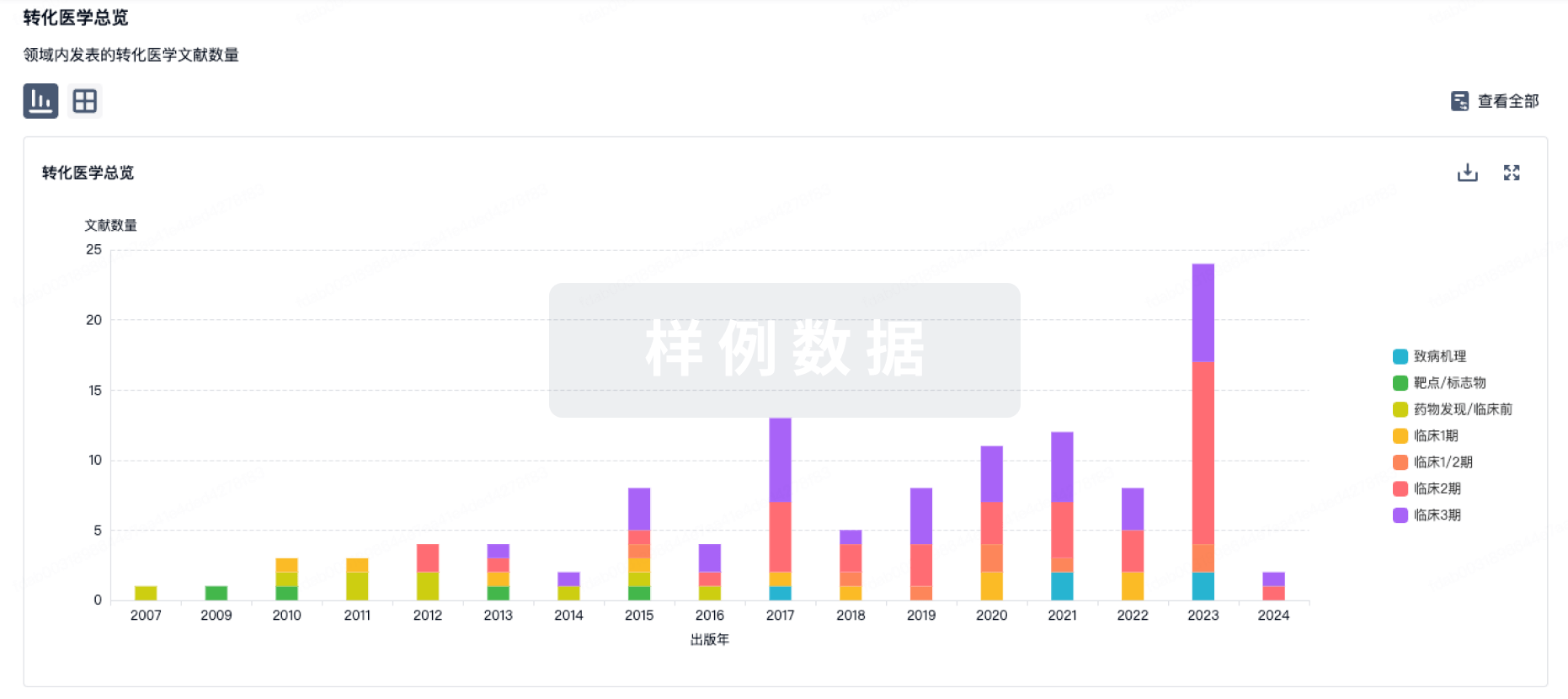
转化医学
使用我们的转化医学数据加速您的研究。
登录
或
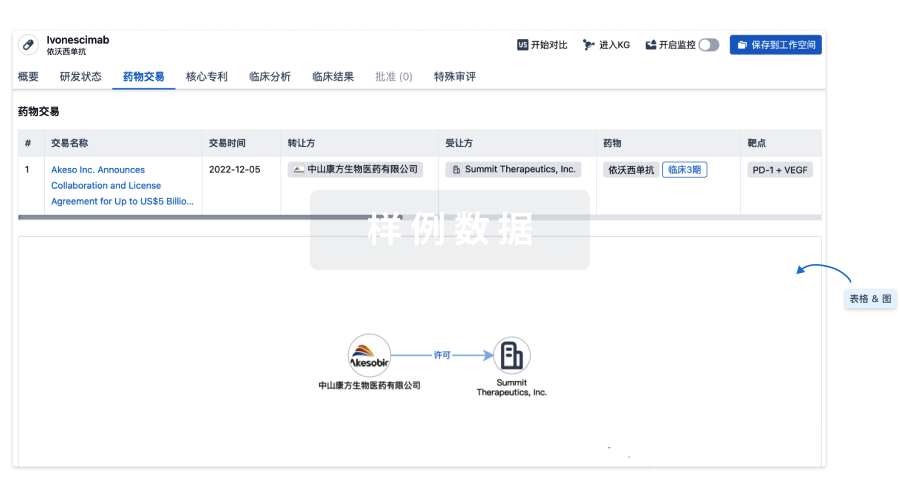
药物交易
使用我们的药物交易数据加速您的研究。
登录
或
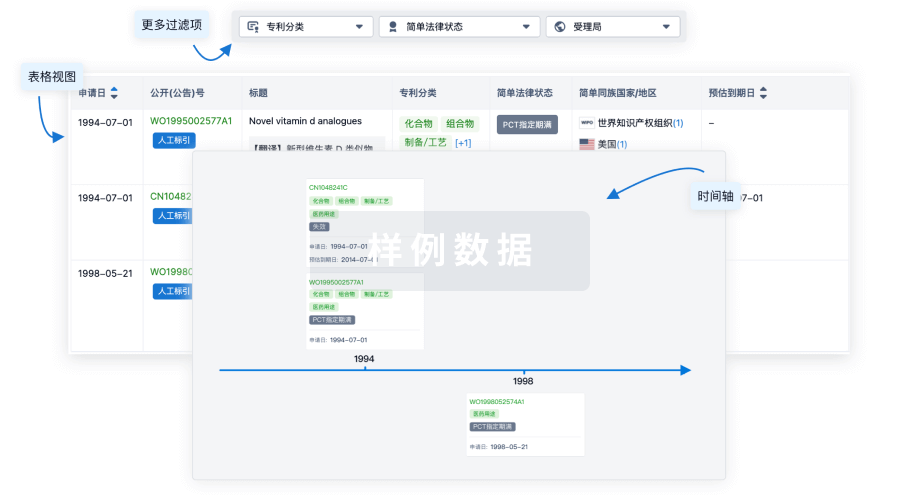
核心专利
使用我们的核心专利数据促进您的研究。
登录
或
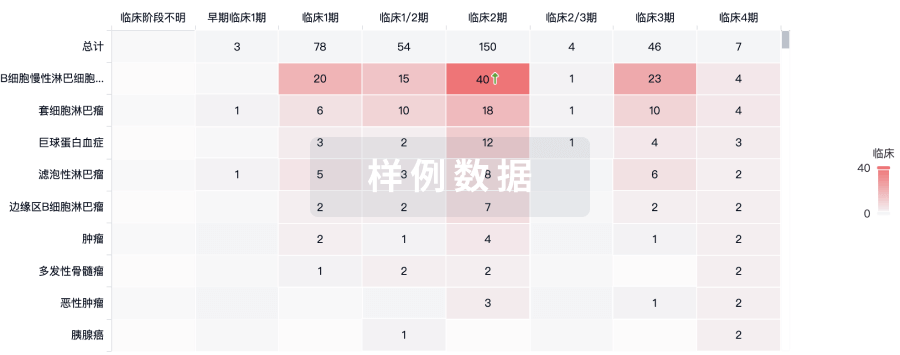
临床分析
紧跟全球注册中心的最新临床试验。
登录
或
批准
利用最新的监管批准信息加速您的研究。
登录
或
特殊审评
只需点击几下即可了解关键药物信息。
登录
或
生物医药百科问答
全新生物医药AI Agent 覆盖科研全链路,让突破性发现快人一步
立即开始免费试用!
智慧芽新药情报库是智慧芽专为生命科学人士构建的基于AI的创新药情报平台,助您全方位提升您的研发与决策效率。
立即开始数据试用!
智慧芽新药库数据也通过智慧芽数据服务平台,以API或者数据包形式对外开放,助您更加充分利用智慧芽新药情报信息。
生物序列数据库
生物药研发创新
免费使用
化学结构数据库
小分子化药研发创新
免费使用