预约演示
更新于:2026-04-04
EPI-326
更新于:2026-04-04
概要
基本信息
非在研机构- |
权益机构- |
最高研发阶段临床1期 |
首次获批日期- |
最高研发阶段(中国)- |
特殊审评- |

登录后查看时间轴
关联
1
项与 EPI-326 相关的临床试验NCT07462377
A First-in-Human, Open-label, Multicenter, Phase 1 Study of EPI-326 in Patients With Epidermal Growth Factor Receptor-Mutant Non-small Cell Lung Cancer and Head and Neck Squamous Cell Carcinoma
A phase 1 study to determine the safety, tolerability, PK, PD, and preliminary anti-tumor activity of ascending doses of EPI-326 administered to patients with locally advanced or metastatic HNSCC and to patients with any documented EGFR-mutant locally advanced or metastatic NSCLC.
开始日期2026-04-01 |
申办/合作机构 |
100 项与 EPI-326 相关的临床结果
登录后查看更多信息
100 项与 EPI-326 相关的转化医学
登录后查看更多信息
100 项与 EPI-326 相关的专利(医药)
登录后查看更多信息
18
项与 EPI-326 相关的新闻(医药)2026-03-13
California-based EpiBiologics has posted details of a Phase I clinical trial (NCT07462377) for EPI-326, a tissue-selective bispecific antibody targeting EGFR in patients with locally advanced or metastatic EGFR-mutant non-small cell lung cancer (NSCLC) and head and neck squamous cell carcinoma (HNSCC). EPI-326 is designed to trigger lysosomal degradation of EGFR rather than block its activity. The antibody binds EGFR and a second cell-surface receptor enriched in tumor tissue, promoting internalization and breakdown of the receptor.
EpiBiologics describes the approach as extracellular targeted protein degradation, an antibody-based strategy intended to remove disease-driving proteins from the cell surface. The molecule was developed using the company’s EpiTAC platform, which traces to work from UCSF chemist Jim Wells. EpiBiologics raised USD 107 million in Series B financing in 2026, co-led by GV and Johnson & Johnson Innovation.
The open-label, multicenter, sequential dose-escalation study plans to enroll approximately 110 adults with confirmed NSCLC harboring any documented EGFR mutation, or pathologically confirmed HNSCC. Disease must be locally advanced or metastatic. The study, set to initiate in Q2 2026, will assess safety, dose-limiting toxicities, PK/PD, and aim to establish maximum dosing. Primary completion is estimated for Q3 2029. Sites include MD Anderson Cancer Center in Houston, Sarah Cannon Research Institute in Nashville, START centers in San Antonio and Los Angeles, and Astera Cancer Care in New Jersey.
Research context
EPI-326’s mechanism diverges from existing EGFR-directed therapies in two respects. First, by inducing degradation of the EGFR protein rather than inhibiting its enzymatic function, the molecule eliminates both kinase-dependent and kinase-independent survival signaling, a limitation of small-molecule TKIs such as osimertinib, erlotinib, and afatinib. Second, the bispecific format engages a second receptor that is enriched in tumor tissue, which in principle confines EGFR degradation to malignant cells and spares normal epithelia in skin and gut, the tissues responsible for the rash and diarrhea that constrain dosing of every approved EGFR-targeting agent. The EpiTAC platform from which EPI-326 emerged traces to academic work on engineered bispecific constructs that co-opt surface receptors for targeted degradation.
EGFR-mutant NSCLC remains one of the most intensively targeted areas of oncology drug development. AstraZeneca’s osimertinib (Tagrisso) remains the leading first-line therapy, while Johnson & Johnson’s amivantamab (Rybrevant) targets both EGFR and MET signaling using a bispecific antibody approach.
Other programs are exploring alternative strategies, including antibody-drug conjugates such as patritumab deruxtecan, which targets HER3, and next-generation EGFR inhibitors designed to overcome resistance mutations.
In head and neck cancer, the EGFR-directed pipeline is smaller. Cetuximab remains the only approved anti-EGFR antibody, while newer bispecific antibodies such as Merus’s petosemtamab are being tested in late-stage trials.
If successful, EPI-326 could represent a different approach by eliminating EGFR protein rather than inhibiting its signaling, potentially offering activity across multiple EGFR mutation types.
Leave a Reply Cancel reply
Your email address will not be published. Required fields are marked *
Comment *
Name *
Email *
Website
临床1期抗体药物偶联物上市批准免疫疗法
2026-02-06
根据动脉智库不完全统计,2026年1月,全球医疗健康领域共发生175起融资事件(不包括IPO、定向增发等),披露融资总额约64.84亿美元(约462.83亿人民币)。其中,国内市场共发生76起融资事件,披露融资总额约17.16亿美元;海外市场共发生99起融资事件,披露融资总额约47.68亿美元。
01
2025年8月-2026年1月全球医疗健康产业融资事件对比
从交易金额、融资事件数量及新兴领域专注度等方面环比2025年12月全球医疗健康产业的投融资情况,2026年1月全球医疗健康产业融资事件数量小幅回落6.91%,融资总额则实现21.69%的增长。
大额融资事件方面,本月共发生16起过亿美元事件,累积融资金额达32.54亿美元。其中有13起发生在海外地区,3起发生在国内。这16家企业分别是:抗癌新药研发商Parabilis Medicines、口服小分子心肌肌球蛋白抑制剂研发商箕星药业、创新药研发商济煜医药、非侵入式脑机接口技术解决方案供应商强脑科技、细胞疗法综合开发与制造商Cellares、医学人工智能技术研究商OpenEvidence、非侵入式脑机接口技术研究商Merge Labs、数字医疗解决方案提供商Oviva、肺部疾病治疗药物研发商AirNexis Therapeutics、新型治疗药物研发商Soley Therapeutics、肥胖和代谢疾病疗法开发商Alveus Therapeutics、眼科治疗药物研发商Tenpoint Therapeutics、创新药物研发商Diagonal Therapeutics、抗体靶向疗法开发商EpiBiologics、呼吸系统疾病治疗用新药研发商Kinaset Therapeutics以及靶向癌症疗法研发商Rakuten Medical。
02
2026年1月全球医疗健康产业细分领域融资情况
全球医疗健康产业细分领域融资方面,相较于器械与耗材、数字健康、医疗服务和医药商业,生物医药的融资规模在1月处于主导地位,共发生81起融资事件,占全领域的46.29%,融资金额约41.72亿美元,占全领域的64.35%。
值得一提的是,抗癌新药研发商Parabilis Medicines完成3.05亿美元F轮融资,一举拿下本月融资榜首。Parabilis Medicines(之前叫Fog Pharmaceuticals,成立于2015年)是一家临床阶段的生物制药公司,致力于利用其Helicon™肽平台为癌症患者创造非凡的药物。Parabilis由哈佛大学的先驱学术科学家和成功的生物技术公司建设者Gregory Verdine教授创立,迄今已从领先的生命科学投资者那里筹集了超过8.1亿美元。本次F轮融资将支持其靶向Wnt/β-catenin通路关键下游节点的同类首创疗法FOG-001(zolucatetide)的持续临床开发,并支持公司靶向药物研发管线的进展,包括其有前景的前列腺癌药物系列。
03
2026年1月全球医疗健康产业-融资大事件
眼科新锐药企Tenpoint Therapeutics成功募集2.35亿美元资金
2026年1月28日,眼科新锐药企Tenpoint Therapeutics, Ltd宣布,通过完成B轮优先股融资及一项信贷融资安排,成功募集2.35亿美元资金。本次B轮股权融资规模为8500万美元,由骏利亨德森(Janus Henderson)、殷拓集团关联基金EQT Nexus、高瓴资本(Hillhouse)及英国商业银行(British Business Bank)联合领投。参与本轮融资的现有投资方包括EQT Life Sciences、 Sofinnova Partners、F-Prime、八维资本(Eight Roads)、启明创投美国(Qiming Venture Partners USA)、AdBio以及Wille。除B轮股权融资外,Tenpoint Therapeutics还与Hercules Capital达成协议,获得1.5亿美元的无稀释优先担保定期贷款额度。
首个综合开发与制造组织Cellares获得2.57亿美元D轮融资
2026年1月28日,首个综合开发与制造组织(IDMO)Cellares宣布完成由BlackRock与Eclipse管理基金共同领投的2.57亿美元D轮融资,公司累计融资总额达6.12亿美元。D轮新增一批领先的全球投资者,包括T. Rowe Price Investment Management, Inc、Baillie Gifford、Duquesne Family Office、Intuitive Ventures、EDBI和Gates Frontier,现有支持者DC Global Ventures、DFJ Growth和Willett Advisors也持续参与。本轮融资将用于在全球布局自动化IDMO智能工厂,涵盖加州南旧金山、新泽西州布里奇沃特、荷兰莱顿及日本柏市,以实现细胞疗法的商业化生产,每年为数十万患者提供无限制的细胞疗法制造能力。
箕星药业宣布完成2.87亿美元D1轮融资,加速推进包括其口服小分子GLP-1受体激动剂在内的心血管代谢管线开发
2026年1月23日,箕星药业宣布于1月21日已成功完成D1轮融资,募集资金高达2.87亿美元。本轮融资新增投资者包括SR One、TCGX、Adage Capital Management、RA Capital Management、HBM Healthcare Investments、SymBiosis、Adage Capital Management、Invus、SilverArc Capital及其他投资方。现有投资者RTW Investments和横店资本继续参投,显示其对CX11独特临床优势、箕星临床开发能力及公司长期战略的持续信心。本轮募集资金将用于:推进公司核心在研管线CX11的开发项目,包括正在美国开展的CX11治疗肥胖和超重的2期临床试验,以及计划中的治疗2型糖尿病的全球2期临床试验,并支持CX11 3期临床试验的前期准备工作;推进其他心血管代谢项目的临床开发;强化全球运营和开发能力以支持在全球开展国际多中心临床试验。
数字健康公司Oviva完成2亿美元D轮融资,用于扩大基于循证医学的个性化医疗服务覆盖范围
2026年1月22日,欧洲领先的体重相关及慢性病数字化医疗服务提供商Oviva宣布完成2亿美元D轮融资,本轮融资由Kinnevik领投,多家机构参与投资。此轮资金将用于扩大基于循证医学的个性化医疗服务覆盖范围。Kinnevik通过一级与二级资本组合,领投Oviva 2.2亿美元D轮融资,注资1亿美元。Kinnevik现已成为Oviva最大股东,与Temasek、Sofina等新晋长期投资者及现有支持者共同组成强大投资方阵。本轮融资的其他参与方包括Planet First Partners、A.P. Moller Holding、Lunate、EGS Beteiligungen AG及Norrsken VC。此轮融资将助力Oviva满足日益增长的市场需求,拓展至高血压、2型糖尿病等慢性病领域,并进一步升级其人工智能支持平台。
估值120亿美元,AI医疗公司OpenEvidence完成2.5亿美元D轮融资
2026年1月21日,AI医疗公司OpenEvidence宣布完成2.5亿美元D轮融资,对该公司的估值为120亿美元。这使得OpenEvidence成为世界上最有价值的医疗AI公司。本轮融资由Thrive Capital和DST Global共同领投,使OpenEvidence在过去12个月内筹集的资金总额达到约7亿美元。之前的投资者包括红杉资本、谷歌风险投资公司、英伟达、凯鹏华盈、黑石、Henry Kravis、Coatue、Thrive Capital、Conviction、ICONIQ、Greycroft、Breyer Capital、BOND、Craft Ventures、Goanna、Meritech、Alkeon和Mayo Clinic等。这笔新资金将用于大力投资与OpenEvidence的多AI代理架构相关的研发和计算成本,该架构提供了世界上各类系统中最高质量和最准确的医疗答案。这是通过智能协调一组专有的医学专业人工智能模型来实现的,每个模型都专注于一个不同的临床子专业,就像顶级医院的专家护理团队一样。中央“指挥”人工智能将每个医生问题动态地路由到最相关的子专家模型,确保答案反映了可用的最高水平的数字医疗专业知识。
非侵入式脑机接口技术研究商Merge Labs获得2.5亿美元种子轮融资
2026年1月16日,非侵入式脑机接口技术研究商Merge Lab完成2.5亿美元种子轮融资。本轮融资由OpenAI领投。Merge Labs聚焦非侵入式脑机接口技术,核心愿景是融合生物智能与AI。Merge Labs可借助OpenAI的基础模型与AI工具加速研发。
3家张江药谷企业完成新一轮融资
2026年1月14日,3家张江药谷企业完成新一轮融资,以推动国际化和临床开发进程,加速推动自主创新走向全球。资本密集加持的背后,也彰显了张江生物医药领域的创新活力与资本吸引力。张江药谷企业济煜医药于1月8日完成近20亿元A轮融资,本轮投资方为光华梧桐基金、瑞力投资、联新资本、锡创投、国君创投、江西济烨生物技术有限公司。融资资金将主要用于主营业务发展。
呼吸系统疾病治疗用新药研发商Kinaset Therapeutics获得1.03亿美元B轮融资,开发pan-JAK抑制剂治疗呼吸疾病
2026年1月11日,呼吸系统疾病治疗用新药研发商Kinaset Therapeutics宣布于1月10日完成1.03亿美元B轮融资,新投资者RA Capital Management和Forge Life Science Partners领投,新投资者EQT Life Sciences、Vivo Capital、Schroders Capital、Willett Advisors、Pictet Alternative Advisors、Sixty Degree Capital以及现有投资者Atlas Venture、5AM Ventures和Gimv参与跟投。本次融资所得款项计划用于推进frevecitinib的研发,这是一种新型吸入性干粉药物,正在开发用于那些标准吸入性维持疗法控制不佳的哮喘患者。
生物技术公司AirNexis Therapeutics完成2亿美元A轮融资,推进慢性阻塞性肺病(COPD)二期双PDE3/4抑制剂AN01的发展
2026年1月9日,生物技术公司AirNexis Therapeutics完成2亿美元A轮融资,由Frazier Life Sciences领投,参与者包括OrbiMed、SR One、Life Sciences at Goldman Sachs Alternatives、Longitude Capital和Enavate Sciences等。融资所得将资助AN01的全球临床开发。AN01,也称为HSK39004,是一种双重PDE3/4抑制剂,通过双重作用机理(MOA)发挥协同效应,促进支气管扩张并减少炎症因子的释放。该MOA有望改善气流限制和气道炎症,支持COPD的维持治疗。
创新药物研发商Diagonal Therapeutics获得1.25亿美元B轮融资,开发疾病修饰性聚类抗体
2026年1月9日,创新药物研发商Diagonal Therapeutics于1月8日获得1.25亿美元B轮融资,由Sanofi Ventures和Janus Henderson Investors共同领投。新投资者包括Deep Track Capital、EcoR1 Capital、Logos Capital、Balyasny Asset Management和Woodline Partners 。现有投资者包括Atlas Venture、BVF Partners、Lightspeed Venture Partners、RA Capital Management、Frazier Life Sciences、Viking Global Investors、RV Invest、Velosity Capital、Biovision Ventures和Checkpoint Capital。所得收益将用于支持DIAG723的研发进展,这是一种同类首创的、可改变疾病的聚类抗体,旨在纠正遗传性出血性毛细血管扩张症(HHT)和肺动脉高压(PAH)的根本原因,即内皮细胞中ALK1信号传导失调分别导致脆性动静脉畸形或血管过度增殖的形成。这两种疾病共同影响着全球数十万人。
抗癌新药研发商Parabilis Medicines获得3.05亿美元F轮融资,开发螺旋肽新药
2026年1月8日,临床阶段生物制药公司Parabilis Medicines(之前叫Fog Pharmaceuticals,成立于2015年)宣布成功完成3.05亿美元的F轮融资。本轮融资由RA Capital Management、Fidelity Management & Research Company和Janus Henderson Investors共同领投,新投资者包括Frazier Life Sciences、Soleus Capital和一家专注于生命科学的投资基金。现有投资者也积极参与,包括venBio Partners、Cormorant Asset Management、Nextech Invest、ARCH Venture Partners、Milky Way Investments、GV谷歌风投、T. Rowe Price Associates、Marshall Wace、General Catalyst、Invus、Farallon Capital Management、Foresite Capital、Rock Springs Capital、HBM Healthcare、Samsara BioCapital、Catalio Capital Management、Sixty Degree Capital、Alderline Group等。这笔融资将支持FOG-001(zolucatetide)的持续临床开发,该药物是公司领先的Helicon肽研究药物,也是首个且唯一直接抑制难以捉摸的β-连环蛋白:TCF相互作用的抑制剂,包括推进其在硬纤维瘤中的注册试验,以及在一系列基因简单和更复杂的肿瘤类型中的持续评估。这笔融资还将支持公司靶向药物研发管线的进展,包括其有前景的前列腺癌药物系列,以及利用公司的Helicon平台,进一步探索长期以来被认为“不可成药”的疾病靶点。
肥胖和代谢疾病疗法开发商Alveus Therapeutics获得1.6亿美元A轮融资,开发新型减肥新药
2026年1月8日,临床阶段生物技术公司Alveus Therapeutics Inc.宣布成立并获得1.598亿美元的A轮融资。A轮融资由New Rhein Healthcare Investors、Andera Partners和Omega Funds领投,Sanofi Capital、Kurma Partners、Avego BioScience Capital以及其他医疗保健投资者跟投。此次融资所得将用于支持公司领先项目ALV-100的二期临床开发,以及数个早期专有开发候选药物(包括其高选择性Amylin肽激动剂)的研究性新药(IND)申请。
1.07亿美元B轮融资,开发双抗蛋白降解剂
2026年1月8日,组织选择性细胞外蛋白降解领域的领导者EpiBiologics宣布完成了1.07亿美元B轮融资,由GV和强生旗下JJDC共同领投。诺华创投基金(NVF)、Aulis Capital、Avego BioScience Capital和Samsara BioCapital作为新投资者加入。除GV外,现有投资者Polaris Partners、Digitalis Ventures、Taiho Ventures、Vivo Capital、Codon Capital和Mission BioCapital也参与了本轮融资。EpiBiologics首席执行官Ann Lee-Karlon博士表示:“我们很高兴能与这群杰出的投资者携手,共同迈入EpiBiologics发展的新阶段。这笔融资将使我们能够推进我们的新型双特异性抗体产品线,以选择性地降解肿瘤学和免疫学领域中驱动疾病的膜靶点和可溶性靶点。我们的主打项目EPI-326正迅速走向临床,作为一种高度差异化的疗法,旨在满足EGFR驱动型癌症患者的大量未满足需求。”
新型治疗药物研发商Soley Therapeutics宣布完成2亿美元C轮融资,推动其主要肿瘤学项目进入临床,并扩展其细胞应激感应平台
2026年1月7日,新型治疗药物研发商Soley Therapeutics宣布完成2亿美元C轮融资,本轮融资的新投资者包括主要投资者Surveyor Capital,还有HRTG Partners、RWN Management等公司。Soley的现有投资者,包括Doug Leone Family Fund、Breyer Capital和GordonMD Global Investment® LP,以及其他未披露的投资者也参与了此次投资。本轮融资收益将支持IND支持的项目和临床试验,涵盖两项首创的内部发现和开发肿瘤资产,同时推动神经退行性疾病和代谢疾病非肿瘤减压候选药物的推进,并持续扩大平台规模。
靶向癌症疗法研发商Rakuten Medical完成1亿美元F轮融资,以加速向美国监管机构批准的发展
2026年1月7日,靶向癌症疗法研发商Rakuten Medical宣布完成1亿美元的F轮融资。其中包括7000万美元的新资本和3000万美元带应计利息的可转换本票。F轮融资由TaiAx Life Science Fund L.P.领投,包括公司历史上最大的机构投资者团体,包括Daiwa Securities、Mitsui Sumitomo Insurance、Sumitomo Mitsui bank等日本主要金融机构,以及台湾风险投资公司ABIES Capital和Nexus CVC。战略合作伙伴OEP Group也加入,以及现有投资者包括SBI Group、Rakuten Group, Inc.、乐天集团董事长兼首席执行官、乐天医疗首席执行官Mickey Mikitani。资金用于推动ASP-1929全球三期试验,目标是2028年向美国FDA提交BLA。
20亿元,脑机接口独角兽新融资,哈佛博士创业,打造中国版Neuralink
2026年1月6日,BrainCo强脑科技宣布已于近日完成约20亿元融资,成为仅次于马斯克Neuralink的全球脑机接口领域第二大融资。此前有消息称,强脑科技正洽谈以超过13亿美元的估值筹集资金,之后可能在中国香港或内地IPO。
欢迎立刻扫描二维码添加小助手获取完整月报并申请免费试用数据库,添加过请主动询问:
IPO细胞疗法
2026-02-02
2026 年 1 月 8 日,EpiBiologics 完成 1.07 亿美元 B 轮融资,用于推进多个新型双特异性抗体产品,这些抗体以组织特异性方式靶向膜蛋白和细胞外蛋白靶点,包括其领先项目 EPI-326 治疗 EGFR 驱动型肺癌和头颈癌的首次人体临床试验。
EpiBiologics 针对膜蛋白和细胞外蛋白的蛋白质降解技术
by
TiPLab 木桃
EpiBiologics 致力于将蛋白质降解技术应用于膜蛋白和可溶性细胞外蛋白——这部分蛋白占蛋白质组的 40%,且尚无针对此类蛋白的有效降解疗法。目前的蛋白质降解技术,比如PROTAC等主要集中于细胞内蛋白。
EpiBiologics 专有的模块化双特异性抗体平台 EpiTAC利用基于降解受体的双特异性抗体来实现选择性靶向降解,抗体的一个臂与目标蛋白结合,另一个臂与特定组织富集的降解受体结合,从而激活降解过程。涵盖肿瘤学、免疫学和炎症、神经退行性疾病和代谢等领域。该技术源于其科学创始人加州大学旧金山分校的 Jim Wells 博士的研究成果,相关专利已独家授权给公司。
EpiTACs 包含 270 多种降解受体的 EpiAtlas,包括三类具有细胞或组织特异性的降解受体:跨膜 E3 连接酶、细胞因子和趋化因子受体或内吞受体。通过将目标蛋白与降解受体进行最佳匹配来构建双抗,利用蛋白酶体或溶酶体系统实现对目标蛋白的降解:
AbTAC(E3连接酶,蛋白酶体系统):将目标蛋白和跨膜 E3 连接酶聚集在一起,通过蛋白酶体驱动膜蛋白的泛素化和降解。
KineTAC(细胞因子或趋化因子受体,溶酶体系统):利用趋化因子或细胞因子受体驱动的自然内化过程,通过天然配体与受体结合,驱动可溶性和膜靶标的内化和溶酶体降解。
TrainTAC(内吞受体,溶酶体系统):利用多种内吞受体将膜蛋白和可溶性细胞外蛋白运输到溶酶体进行降解。
参见:官网
领先项目 EPI-326 是一种针对 EGFR 驱动型癌症的组织选择性双特异性抗体,可降解所有致癌形式的 EGFR,且不受突变类型限制。EpiBiologics 计划于 2026 年初启动 EPI-326 治疗非小细胞肺癌(NSCLC)和头颈部鳞状细胞癌(HNSCC)的首次人体临床试验。
Jim Wells 作为发明人的相关专利主要与双特异性平台技术相关:
PCT/US2022/022672 涉及使用溶酶体途径(比如:细胞因子或趋化因子介导)降解细胞表面蛋白的双特异性结合剂(KineTAC相关)。
PCT/US2020/058328 和 PCT/US2023/065803 涉及使用泛素系统来降解细胞表面蛋白的双特异性结合剂。
US20240092893A1涉及利用溶酶体途径(低密度脂蛋白受体介导)降解内源性蛋白质的双特异性结合剂。
Epibiologics 有涉及靶向降解平台技术(PCT/US2024/053738)或涉及降解具体目标蛋白的双特异性结合剂,比如:降解 cMET 的双特异性结合剂(PCT/US2023/080417)和降解 EGFR 的双特异性结合剂(PCT/US2023/072125和PCT/US2025/036166)。
* 以上文字仅为促进讨论与交流,不构成法律意见或咨询建议。
© 作为一家专业服务公司,TiPLab坚持原创的系统的研究,注重系统性知识积累与专业影响力。欢迎读者个人分享转发,各专业平台媒体如需转载请联系TiPLab获得授权。
TiPLab提供基于研究的核心知识产权服务
FTO:技术商业化实施的侵权风险防范
TiPLab通过对细分技术领域内核心技术和重要专利的长期研究,结合自身在数据检索和分析方面的专长,致力于帮助客户深入了解、积极应对潜在的专利侵权风险。
Due Diligence:商业活动中的知识产权尽职调查
在企业许可交易、融资、并购、上市等过程中,TiPLab帮助企业和投资方了解目标技术/产品的专利保护强度及产品商业化过程中潜在的专利侵权风险,从而为商业谈判和决策提供支持依据。
Patenting:全球范围内高价值专利资产的创设
TiPLab熟知全球主要国家和地区的法律实践和细分领域内的前沿技术进展情况,通过前瞻性的专利布局策略,帮助客户通过创设有价值的专利资产而获取、保持和巩固独特的竞争优势。
蛋白降解靶向嵌合体
100 项与 EPI-326 相关的药物交易
登录后查看更多信息
研发状态
10 条进展最快的记录, 后查看更多信息
登录
| 适应症 | 最高研发状态 | 国家/地区 | 公司 | 日期 |
|---|---|---|---|---|
| EGFR突变的非小细胞肺癌 | 临床1期 | 美国 | 2026-04-01 | |
| 非小细胞癌 | 临床1期 | 美国 | 2026-04-01 | |
| 头颈部鳞状细胞癌 | 临床1期 | 美国 | 2026-04-01 |
登录后查看更多信息
临床结果
临床结果
适应症
分期
评价
查看全部结果
| 研究 | 分期 | 人群特征 | 评价人数 | 分组 | 结果 | 评价 | 发布日期 |
|---|
No Data | |||||||
登录后查看更多信息
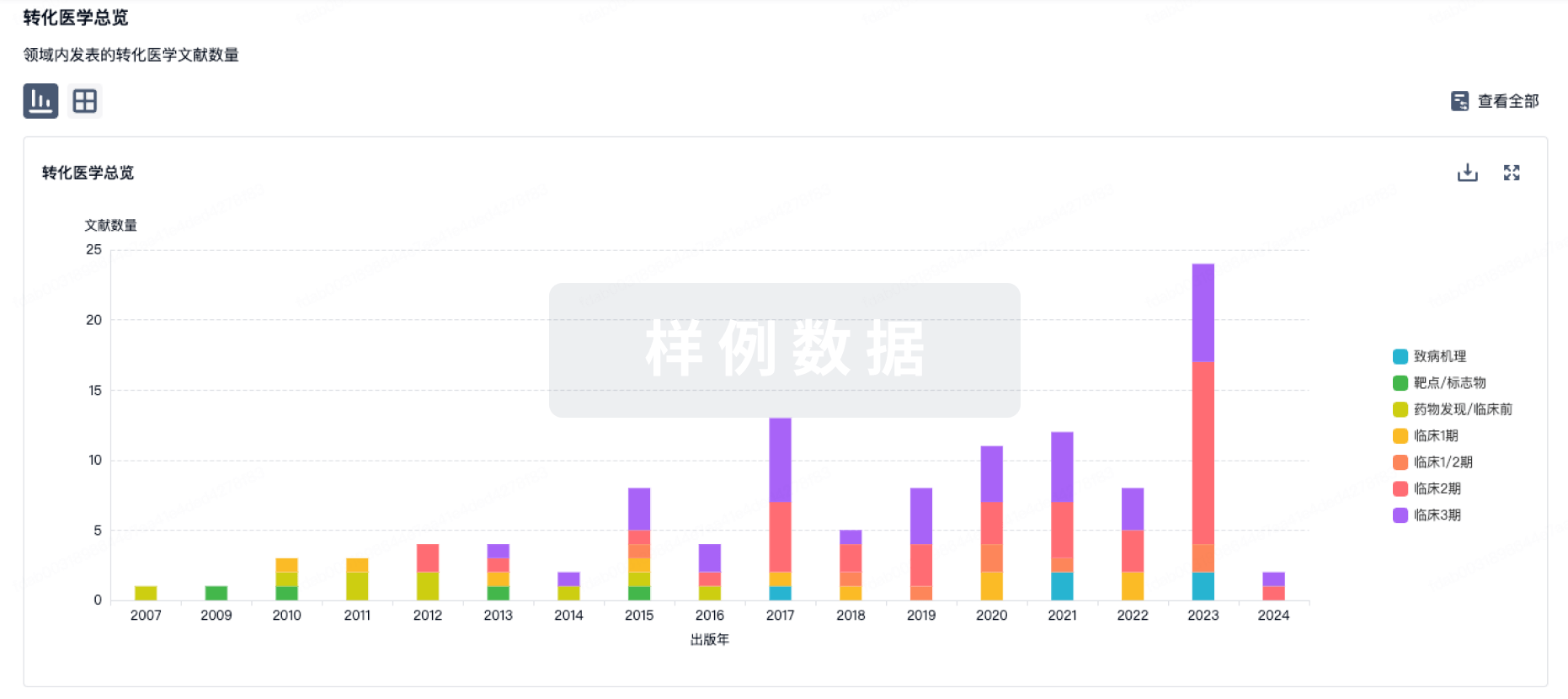
转化医学
使用我们的转化医学数据加速您的研究。
登录
或
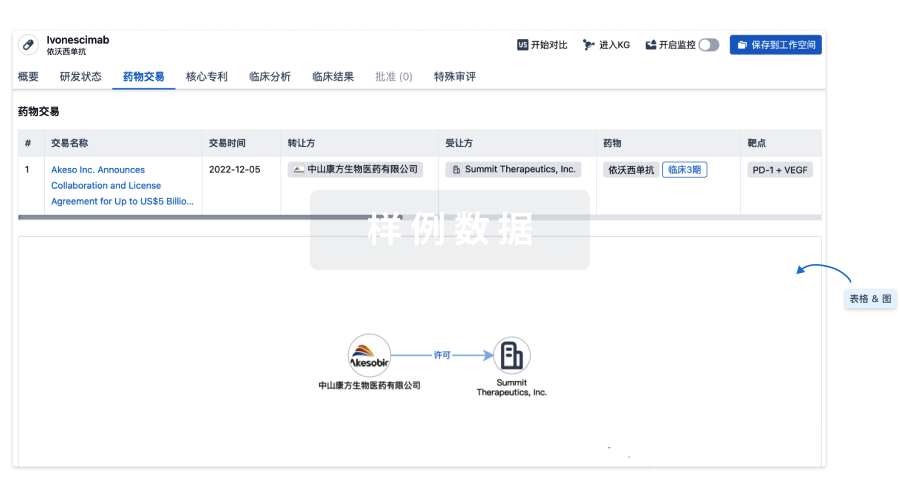
药物交易
使用我们的药物交易数据加速您的研究。
登录
或
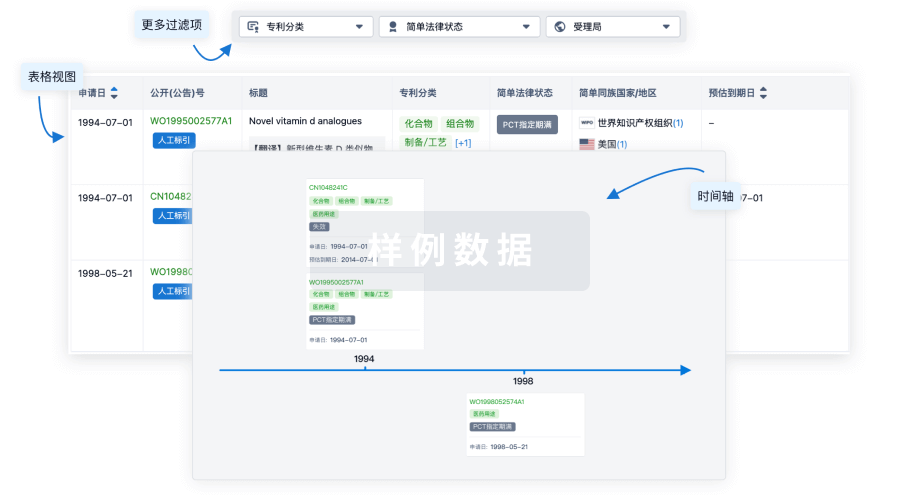
核心专利
使用我们的核心专利数据促进您的研究。
登录
或
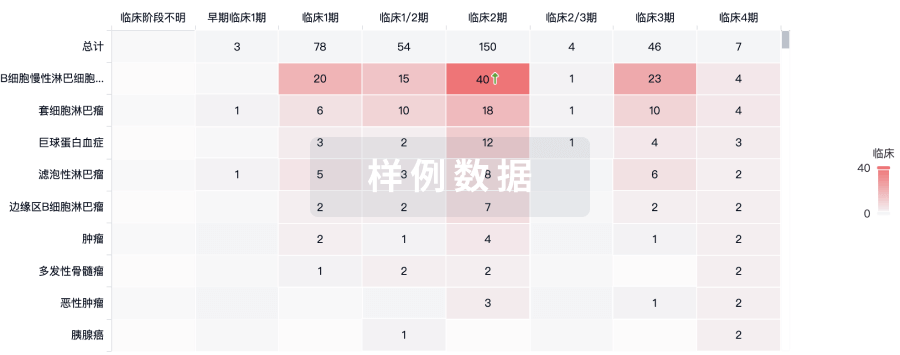
临床分析
紧跟全球注册中心的最新临床试验。
登录
或
批准
利用最新的监管批准信息加速您的研究。
登录
或
生物类似药
生物类似药在不同国家/地区的竞争态势。请注意临床1/2期并入临床2期,临床2/3期并入临床3期
登录
或
特殊审评
只需点击几下即可了解关键药物信息。
登录
或
生物医药百科问答
全新生物医药AI Agent 覆盖科研全链路,让突破性发现快人一步
立即开始免费试用!
智慧芽新药情报库是智慧芽专为生命科学人士构建的基于AI的创新药情报平台,助您全方位提升您的研发与决策效率。
立即开始数据试用!
智慧芽新药库数据也通过智慧芽数据服务平台,以API或者数据包形式对外开放,助您更加充分利用智慧芽新药情报信息。
生物序列数据库
生物药研发创新
免费使用
化学结构数据库
小分子化药研发创新
免费使用