预约演示
更新于:2026-10-24
ME-3241
更新于:2026-10-24
概要
基本信息
非在研机构- |
权益机构- |
最高研发阶段临床1期 |
首次获批日期- |
最高研发阶段(中国)- |
特殊审评- |

登录后查看时间轴
关联
1
项与 ME-3241 相关的临床试验NCT07422207
A Phase 1, First-in-Human, Single-Center, Randomized, Double-Blind, Placebo-Controlled, Single and Multiple Dose Study to Evaluate the Safety, Tolerability, and Pharmacokinetics of ME3241 Administered Intravenously in Healthy Adult Participants
A Study to Investigate the Safety, Tolerability, and Pharmacokinetics of ME3241 Administered Intravenously in Healthy Adult Participants
开始日期2026-03-23 |
100 项与 ME-3241 相关的临床结果
登录后查看更多信息
100 项与 ME-3241 相关的转化医学
登录后查看更多信息
100 项与 ME-3241 相关的专利(医药)
登录后查看更多信息
4
项与 ME-3241 相关的新闻(医药)2026-08-05
🧩导读:明治制果药业株式会社(Meiji Seika Pharma Co., Ltd.)是日本明治控股旗下核心跨国制药企业,传统优势领域聚焦感染症、血液疾病、中枢神经与消化疾病。在 \\ 自身免疫性疾病(Autoimmune Disease, AD)\\ 赛道,公司处于战略布局早期阶段,整体呈现 “血液免疫商业化先行、皮肤自免研发推进、新颖靶点早期探索” 的特征:已上市产品集中于移植相关免疫疾病,自研管线聚焦皮肤免疫与新型免疫调节机制,多数项目处于临床早中期阶段。
🔬一、自免领域商业化产品
明治制果在自免与免疫炎症领域的已上市产品以合作引进品种为主,主要覆盖日本本土市场,聚焦血液移植相关免疫疾病。
通用名
商品名
作用机制
日本获批适应症
合作方
上市时间
备注
甲磺酸贝舒地尔(Belumosudil Mesilate)
REZUROCK®(レズロック錠)
选择性 \\ROCK2(Rho 相关卷曲螺旋蛋白激酶 2)\\ 抑制剂,兼具免疫调节与抗纤维化作用
对类固醇治疗应答不足的慢性移植物抗宿主病(Chronic Graft-versus-Host Disease, cGVHD)
Kadmon(赛诺菲旗下)
2024 年 5 月
双方通过合资公司Romeck Pharma持有日本及亚洲 12 国独家开发与商业化权益;日本 III 期临床达到主要终点;曾获日本厚生劳动省孤儿药认定
注:\\ 慢性移植物抗宿主病(cGVHD)\\ 是造血干细胞移植后常见的免疫紊乱并发症,病理机制涉及自身免疫性炎症与多器官纤维化,属于免疫炎症疾病范畴。
🔬二、自免领域核心产品
核心产品覆盖已上市商业化品种与自研重点管线,是公司自免业务的核心战略支撑。
产品 / 管线名称
类型
作用机制
适应症
阶段
核心定位
甲磺酸贝舒地尔(REZUROCK®)
合作商业化产品
选择性ROCK2抑制剂
慢性移植物抗宿主病(cGVHD)
已上市(日本)
公司自免领域首个商业化产品,血液免疫赛道的核心布局,验证了免疫调节靶点的商业化价值
🔬三、自免领域在研临床管线
明治制果自研自免管线整体处于临床早中期阶段,聚焦差异化小分子与新颖抗体靶点,部分项目与学术机构或海外企业合作开发。
临床 II 期
药物代号(通用名)
作用机制
适应症
开发地区
最新公开状态
备注
ME3183(Morcamilast)
口服高选择性PDE4抑制剂
中度至重度斑块状银屑病、掌跖脓疱病
美国、加拿大、欧盟、日本
斑块状银屑病 II 期完成;掌跖脓疱病获欧盟孤儿药认定
公司自研首创品种,药理研究显示可下调TNF-α;2023 年公布斑块状银屑病 II 期结果,16 周治疗后皮损改善显著优于安慰剂,安全性耐受良好,常见不良反应为轻度胃肠道反应
临床 I 期
药物代号
作用机制
适应症
开发地区
最新公开状态
备注
ME3241
抗PD-1激动剂人源化单克隆抗体
过度免疫激活相关自身免疫性疾病
澳大利亚
临床 I 期进行中(NCT07422207)
与神户生物医药创新基金会(FBRI)合作开发;通过增强PD-1通路抑制过度活化 T 细胞;I 期研究评估安全性、药代动力学与药效学特征
DA-3113
抗TNF-α单克隆抗体(阿达木单抗生物类似药)
类风湿关节炎等自免适应症
日本
临床 I 期完成,后续进展未公开
与韩国Dong-A ST合作开发,2021 年披露 I 期进展,2023 年后无公开更新
🔬四、最有潜力的自免临床管线
综合靶点差异化、临床数据质量、适应症未满足需求等维度,\\Morcamilast(ME3183)\\ 为当前明治制果自免管线中最具开发潜力的品种。
药物代号
作用机制
核心适应症
开发阶段
潜力依据
ME3183(Morcamilast)
口服高选择性PDE4抑制剂
斑块状银屑病、掌跖脓疱病
临床 II 期
1. 靶点优化具备差异化:相较已上市PDE4抑制剂,抗炎活性更强、脑部暴露水平更低,有望平衡疗效与不良反应; 2. 临床 II 期数据支撑充分:斑块状银屑病 II 期达到主要疗效终点,皮损改善优于安慰剂,安全性整体可控; 3. 适应症差异化布局:掌跖脓疱病获得欧盟孤儿药认定,该疾病临床可选方案较少,竞争格局相对缓和; 4. 口服剂型具备依从性优势,适配慢性皮肤免疫疾病长期管理场景
🔬五、总结
整体来看,明治制果作为跨国药企,在自身免疫性疾病领域属于新兴布局者,并未将其作为核心战略赛道,业务呈现清晰的阶梯式特征:
1.商业化端仅有 1 款合作引进的cGVHD治疗产品在日本上市,依托血液疾病渠道完成商业化落地,自免板块现有商业化体量有限;
2.研发端以自研创新为核心,聚焦皮肤免疫与新型免疫调节两大方向;\\ME3183(Morcamilast)\\ 拥有 II 期阳性数据,是近期有望推进至后期临床的重点品种;PD-1 激动剂 ME3241属于前沿机制探索,具备创新空间但开发不确定性更高;
3.公司自免管线整体阶段偏早,自研项目后续临床推进、适应症拓展、对外合作仍存在不确定性,长期发展前景有待持续披露的临床数据验证。
数据来源
1.明治制果药业株式会社官方研发管线与产品公告(2023-2026 年公开披露)
2.[ClinicalTrials.gov](ClinicalTrials.gov)公开临床试验登记信息
3.公开临床研究文献与学术会议披露数据(EADV 2023、PubMed 收录)
4.企业合作授权与监管审批公开公告(赛诺菲 / Kadmon、FBRI 等)
全球自身免疫疾病领域新技术路径汇总
PD-1靶点反向革命:从肿瘤到自免的全新赛道
2026年7月全球自身免疫疾病领域创新药研发进展
头部跨国药企卫材(Eisai Co., Ltd.)在自身免疫性疾病领域的布局
跨国药企默沙东 MSD在自免领域的商业化+在研临床管线布局
日本田边制药(Tanabe Pharma )在自身免疫疾病领域的商业化和临床管线布局
自免领域Top14跨国药企适应症布局和研发汇总
跨国药企大冢制药(Otsuka )在自身免疫疾病领域的商业化+精准临床管线布局
日本头部跨国制药企业|协和麒麟(Kyowa Kirin)在自免领域的管线布局
全球12+头部跨国药企在自身免疫性疾病领域的布局
日本跨国药企第一三共(Daiichi Sankyo)在自身免疫疾病领域的布局
跨国生物公司|渤健(Biogen)在自身免疫疾病领域的商业化产品+临床在研管线+临床管线竞争梳理
制药巨头吉利德科学(Gilead)自身免疫与炎症领域管线
跨国药企安进(Amgen)自身免疫疾病领域管线
百时美施贵宝(BMS)自身免疫疾病领域管线
全球制药企业优时比(UCB)自免领域管线
跨国药企|武田制药Takeda|在自身免疫疾病领域的布局(商业化和临床管线)
葛兰素史克(GSK)在自免和炎症领域的布局|3款重磅药 + 8 条临床管线!
跨国药企|辉瑞(Pfizer)在自身免疫疾病领域的商业化产品与临床研发管线
跨国药企|阿斯利康自身免疫疾病领域商业化产品和临床管线
跨国药企|罗氏(Roche)在自免领域的商业化产品及临床管线
自免领域|通用型CAR-T产品新进展|全球首款靶向CD19与CD38双靶点的通用型CAR-T:FT839
美万亿美元市值制药巨头|礼来(Eli Lilly & Co.)|自身免疫疾病领域商业化产品和临床管线
瑞士全球性制药公司|诺华Novartis自身免疫疾病领域商业化产品和临床管线
勃林格殷格翰|那米司特(Nerandomilast)治疗特发性肺纤维化(IPF)与进展性肺纤维化(PPF)的两项全球多中心 III 期临床试验回溯总结
跨国药企|艾伯维(AbbVie)自身免疫疾病领域|商业化产品和临床管线
跨国制药巨头|赛诺菲(Sanofi)|自身免疫与炎症领域:商业化产品和临床管线
迎接七月|自身免疫疾病领域IL-17A靶点临近上市资产重磅 BD 合作
跨国制药巨头Johnson & Johnson Pharmaceutical(强生制药)自身免疫疾病领域核心产品与临床管线
2026年6月全球自身免疫性疾病创新药研发进展
跨国药企全球 Top15|在自身免疫疾病领域的商业布局与重点研发管线
中国本土创新药企(不含跨国药企)在自免领域的布局总结
CD38单抗达雷妥尤单-治疗系统性红斑狼疮单臂Ⅱ期临床试验完整总结
再闯港股IPO!岸迈生物凭差异化TCE技术,改写自免创新竞争格局
突破SLE治疗瓶颈!惠和生物CC312解锁自免TCE一年长效免疫重置新范式
Kali Therapeutics, Inc:可控型T细胞衔接技术,重塑自身免疫疾病精准治疗赛道
肠道菌群:自身免疫病的关键诱因
2026-08-03
🧩【开篇导读】
PD-1(Programmed Cell Death Protein 1,程序性死亡受体1)靶点因肿瘤免疫疗法而家喻户晓——帕博利珠单抗(Pembrolizumab)、纳武利尤单抗(Nivolumab) 等PD-1抑制剂通过"松开免疫刹车"治疗癌症,改写了整个肿瘤治疗格局。
但很少有人注意到:同一个PD-1靶点,正在自免领域上演一场"反向革命"。
不同于肿瘤领域的"阻断PD-1、激活免疫",自免领域的思路是"激活PD-1、抑制免疫"——通过PD-1激动剂(PD-1 Agonist)主动踩下免疫刹车,抑制过度活化的自身反应性T细胞,重建外周免疫耐受。
截至2026年中,全球已有至少6款PD-1激动剂进入临床阶段,覆盖类风湿关节炎(Rheumatoid Arthritis, RA)、系统性红斑狼疮(Systemic Lupus Erythematosus, SLE)、炎症性肠病(Inflammatory Bowel Disease, IBD)、干燥综合征(primary Sjögrens Syndrome, pSS)、银屑病等主流自免适应症。其中Rosnilimab已推进至III期,成为全球进度最快的PD-1激动剂;礼来Peresolimab的II期数据发表于《新英格兰医学杂志》(NEJM),首次在人体验证了PD-1激动剂的临床疗效;中国金赛药业GenSci120、日本明治制果ME3241也相继进入临床,形成全球竞速格局。
本文将系统拆解:PD-1激动剂的核心机制是什么?与传统自免药物有何本质区别?全球六大管线各有什么差异化策略?这条全新赛道的机遇与挑战在哪里?
🔬01 反向革命:PD-1靶点的"第二人生"
1.1 从"松刹车"到"踩刹车"
PD-1靶点的发现者、诺贝尔生理学或医学奖得主本庶佑(Tasuku Honjo) 教授曾说:"PD-1是免疫系统的刹车。"
在肿瘤领域,科学家们的思路是"松开刹车"——用PD-1抑制剂阻断PD-1/PD-L1通路,让T细胞重新获得杀伤肿瘤细胞的能力。这一思路催生了年销售额超300亿美元的PD-1/L1抑制剂市场,彻底改变了癌症治疗范式。
但在自免领域,问题恰恰相反:免疫系统不是太弱,而是太强。自身反应性T细胞失控,攻击自身组织器官,导致类风湿关节炎、系统性红斑狼疮、多发性硬化等数十种疾病。
那么,一个反直觉的问题诞生了:既然PD-1是免疫刹车,那我们能不能主动"踩下刹车",用PD-1激动剂来抑制过度免疫?
这就是PD-1激动剂的核心逻辑——同一个靶点,两种完全相反的开发方向。
1.2 为什么PD-1激动剂值得关注?
当前自免疾病的治疗手段主要包括:
•传统免疫抑制剂:如甲氨蝶呤、环孢素等,广谱抑制免疫系统,副作用大
•生物制剂:如TNF-α抑制剂、IL-6抑制剂、BLyS抑制剂等,靶向单一炎症因子,但仍有相当比例患者应答不佳
•JAK抑制剂:口服小分子,靶向JAK-STAT通路,但存在感染、血栓等安全性顾虑
这些疗法大多是"下游阻断"——阻断炎症因子或信号通路,但没有从根源上解决"自身反应性T细胞为什么会失控"的问题。
而PD-1激动剂走的是"上游调控"路线:直接激活T细胞表面的天然免疫检查点受体,恢复机体自身的免疫耐受机制。理论上,这是一种更接近生理状态、更精准的免疫调控方式。
如果成功,PD-1激动剂有望成为继JAK抑制剂、生物制剂之后,自免领域的又一重大技术突破——甚至可能复刻PD-1抑制剂在肿瘤领域的辉煌。
🔬02 机制拆解:PD-1激动剂到底如何工作?
2.1 PD-1通路的"双向性"
要理解PD-1激动剂,首先要搞清楚PD-1通路本身是如何工作的。
PD-1是表达在活化T细胞表面的一种抑制性受体,它有两个配体:PD-L1和PD-L2。当PD-1与配体结合后,会激活胞内的ITIM(免疫受体酪氨酸抑制基序)和ITSM(免疫受体酪氨酸转换基序),招募SHP-1/SHP-2磷酸酶,进而抑制TCR下游的PI3K/Akt、ERK等活化信号通路,最终抑制T细胞的增殖、细胞因子分泌和细胞毒功能。
简单说:PD-1通路被激活 → T细胞功能被抑制 → 免疫反应减弱。
在肿瘤微环境中,肿瘤细胞高表达PD-L1,通过激活PD-1通路来"麻痹"T细胞,实现免疫逃逸。所以我们用PD-1抑制剂来阻断这个通路,"唤醒"T细胞。
而在自免疾病中,自身反应性T细胞过度活化,PD-1通路的"刹车"作用不够强。所以我们用PD-1激动剂来主动增强PD-1通路的抑制信号,给过度活化的T细胞"踩刹车"。
2.2 PD-1激动剂的三个关键机制
目前研究认为,PD-1激动剂发挥作用主要通过三个层面:
直接抑制T细胞活化
PD-1激动剂抗体结合PD-1受体后,通过交联作用触发PD-1的抑制性信号,直接抑制自身反应性效应T细胞的增殖和炎症因子(IFN-γ、TNF-α、IL-2等)分泌。
耗竭致病性PD-1high T细胞
部分PD-1激动剂(如Rosnilimab、GenSci120)采用IgG1骨架,保留了ADCC(抗体依赖的细胞介导的细胞毒性作用)活性,可以选择性清除高表达PD-1的致病性T细胞(如Tfh细胞、效应T细胞),而不影响总T细胞和调节性T细胞(Treg)。
这是一种"双重机制":既通过激动PD-1直接抑制T细胞功能,又通过ADCC清除最致病的那部分T细胞。
恢复免疫耐受
通过增强PD-1通路的负调控作用,帮助重建外周免疫耐受,从根源上纠正自身免疫失衡状态。这与传统的"压制炎症"思路有本质区别。
2.3 关键发现:结合表位决定了是激动还是阻断
2023年1月,本庶佑团队在《Science Immunology》发表了一项里程碑式研究,揭示了一个关键发现:
抗PD-1抗体是激动剂还是阻断剂,取决于它结合PD-1的哪个区域。
研究团队分析了81种抗人PD-1单克隆抗体,发现:
•阻断型抗体(如肿瘤领域用的PD-1抑制剂)主要结合PD-1的膜远端区域(membrane-distal region),这个区域正好是PD-L1/PD-L2的结合位点
•激动型抗体则主要结合PD-1的膜近端区域(membrane-proximal extracellular region, MPER),这个区域不参与配体结合
更有意思的是,PD-1激动剂的激动活性依赖于FcγRIIB受体的交联作用——抗体的Fc段与抗原呈递细胞表面的FcγRIIB结合,才能有效交联PD-1分子,传递抑制信号。通过Fc工程化增强FcγRIIB结合,可以显著提升PD-1激动剂的免疫抑制效果。
这一发现不仅解释了PD-1激动剂的分子机制,也为后续的抗体工程优化提供了明确方向。
🔬03 自免领域PD-1全球赛道:六大核心管线竞速
截至2026年中,全球进入临床阶段的PD-1激动剂主要有以下6款:
药物名称
开发企业
国家
作用机制
最高临床阶段
主要适应症
核心特点
Rosnilimab (ANB030)
AnaptysBio
美国
PD-1激动剂 + T细胞耗竭剂
III期
类风湿关节炎(RA)、溃疡性结肠炎(UC)
全球进度最快,双机制设计,膜近端表位
Peresolimab (LY3462817)
礼来(Eli Lilly)
美国
PD-1激动剂
IIb期
类风湿关节炎(RA)
首个NEJM发表II期数据,人源化IgG1抗体
GenSci120
金赛药业
中国
PD-1双重激动 + 选择性T细胞耗竭
II期
RA、SLE、IBD、pSS
中国首款PD-1激动剂,PD-1high细胞清除超90%
ME3241
明治制果+FBRI
日本
PD-1激动剂单抗
I期
自免/炎症疾病(广谱)
本庶佑团队发现,诺贝尔奖背书,原始创新
CC-90006
BMS/新基
美国
PD-1激动剂
II期
银屑病
最早进入临床的PD-1激动剂之一(2016年)
LBL-057
-
中国
ADCC增强型PD-1激动剂VHH-Fc
临床前/早期
RA、IBD等
纳米抗体格式,ADCC增强设计
3.1 赛道格局小结:
•第一梯队:Rosnilimab(III期)、Peresolimab(IIb期)
•第二梯队:GenSci120(II期)、CC-90006(II期)
•第三梯队:ME3241(I期)、LBL-057(早期)
•适应症集中:类风湿关节炎(RA)是PD-1激动剂最集中的适应症,也是验证最快的赛道
•技术分化:纯激动 vs 激动+耗竭,单抗 vs 纳米抗体
🔬04 四大重点管线深度解析
4.1 Rosnilimab:进度最快的"双机制"选手
Rosnilimab(开发代号ANB030)是美国生物技术公司AnaptysBio的核心管线,也是目前全球进度最快的PD-1激动剂——类风湿关节炎适应症已推进至III期临床。
作用机制:
Rosnilimab是一种IgG1型PD-1激动剂抗体,采用"双重机制"设计:
PD-1激动作用:结合PD-1膜近端区域,触发抑制性信号,直接抑制T细胞活化
致病性T细胞耗竭作用:通过IgG1 Fc段介导的ADCC效应,选择性清除高表达PD-1的致病性T细胞(如PD-1high Tfh细胞、效应T细胞)
这种"激动+耗竭"的双重机制,理论上比单纯激动更强效——既抑制功能,又清除细胞。
临床进展:
•类风湿关节炎(RA):已进入III期。IIb期数据显示,在对传统DMARDs应答不佳的RA患者中,Rosnilimab展现出显著疗效,且安全性良好。特别值得注意的是,在使用过JAK抑制剂的患者中,仍有30%的应答率,这意味着Rosnilimab可能覆盖JAK抑制剂失败的患者群体。
•溃疡性结肠炎(UC):处于II期。6个月数据未达TPP(治疗目标产品概况),但安全性良好,公司计划2026年上半年与FDA沟通III期计划。
差异化优势:
•全球进度最快,III期数据有望成为行业风向标
•双机制设计,理论疗效更优
•膜近端表位结合,机制明确
4.2 Peresolimab:首个NEJM验证的先驱
Peresolimab(开发代号LY3462817)是礼来(Eli Lilly) 开发的PD-1激动剂,是首个在顶级医学期刊发表临床数据的PD-1激动剂。
里程碑事件:
2023年5月,礼来在《新英格兰医学杂志》(The New England Journal of Medicine, NEJM)发表了Peresolimab治疗中重度活动性类风湿关节炎的IIa期临床数据(NCT04634253)。
这是PD-1激动剂领域的里程碑——首次在人体临床试验中验证了PD-1激动剂治疗自免疾病的概念。
临床数据要点:
•研究设计:随机、双盲、安慰剂对照IIa期试验
•入组人群:对传统DMARDs、生物制剂或JAK抑制剂应答不佳的中重度RA患者
•主要终点:第12周ACR20应答率(美国风湿病学会20%改善标准)
•结果:Peresolimab组显示出有临床意义的疗效,且安全性可接受
后续进展:
Peresolimab目前处于IIb期剂量探索研究阶段,正在进一步优化剂量方案和疗效数据。
意义:
Peresolimab的NEJM论文,相当于给整个PD-1激动剂赛道"盖了章"——证明了"激活PD-1抑制自身免疫"这个看似反直觉的思路,在人体中确实可行。
4.3 GenSci120:中国力量的差异化路径
GenSci120是长春金赛药业自主研发的PD-1激动剂,是中国首款进入临床的PD-1激动剂,也是全球进度第三的PD-1激动剂管线。
作用机制:
GenSci120被称为"PD-1双重激动与选择性耗竭抗体":
•双重激动:通过结合PD-1膜近端区域,有效激活PD-1抑制性信号通路,招募SHP2磷酸酶,抑制T细胞活化
•选择性耗竭:通过Fc介导的效应功能,选择性清除高表达PD-1的致病性T细胞,而不影响总T细胞和Treg细胞
I期临床数据亮点:
2026年2月,金赛药业发表了GenSci120的首次人体临床试验数据(NCT06827457):
•安全性:50-1000mg剂量范围内安全耐受,未观察到3级及以上药物相关不良事件
•药代动力学:良好的线性药代特征
•药效学:单次给药后,外周血中PD-1+和PD-1high T细胞显著减少,PD-1high细胞减少超过90%,而总T细胞和Treg细胞频率无显著影响
这个数据非常亮眼——90%以上的PD-1high细胞清除率,说明GenSci120的选择性耗竭能力非常强。
临床进展:
•类风湿关节炎(RA):II期临床已启动,2026年6月首例受试者入组
•系统性红斑狼疮(SLE):获批临床
•炎症性肠病(IBD):获批临床(溃疡性结肠炎+克罗恩病)
•原发性干燥综合征(pSS):获批临床
适应症布局非常广,覆盖了四大主流自免疾病,是全球适应症布局最多的PD-1激动剂之一。
差异化优势:
•中国首款,本土市场优势明显
•PD-1high细胞清除率超90%,药效强劲
•适应症布局广泛,RA、SLE、IBD、pSS全覆盖
•金赛药业在生物药领域的产业化能力强
4.4 ME3241:诺奖得主的"原始创新"
ME3241是明治制果药业(Meiji Seika Pharma) 与神户生物医学研究创新基金会(FBRI) 合作开发的PD-1激动剂,由本庶佑(Tasuku Honjo) 教授领衔的研究团队发现。
背景故事:
本庶佑教授是PD-1的发现者、2018年诺贝尔生理学或医学奖得主。可以说,没有人比他更懂PD-1。
ME3241正是源于本庶佑团队对PD-1通路的深度理解——既然PD-1是免疫刹车,那为什么不主动踩刹车呢?
2023年1月,本庶佑团队在《Science Immunology》发表了PD-1激动剂的机制研究(就是前面提到的那篇里程碑论文),ME3241就是这项基础研究的转化成果。
临床进展:
•2026年3月,澳大利亚I期临床试验正式启动(NCT07422207)
•试验设计:随机、双盲、安慰剂对照,在健康受试者中评估单次和多次静脉给药的安全性、耐受性、药代动力学(PK)和药效动力学(PD)
•预计2027年7月完成主要终点采集
•明治制果同时评估后续在日本本土开展临床的计划
差异化特点:
•原始创新:源于PD-1发现者本庶佑团队的基础研究,机制最"正宗"
•诺贝尔奖背书:科学底蕴深厚
•广谱自免适应症:目前未锁定单一病种,面向所有免疫过度活化类自免/炎症疾病
ME3241虽然进度靠后(I期),但它的科学分量很重——毕竟,这是PD-1"亲生父亲"做的PD-1激动剂。
🔬05 技术路线分化:纯激动 vs 激动+耗竭
随着赛道的发展,PD-1激动剂内部也出现了明显的技术路线分化,主要分为两大流派:
5.1 流派一:纯激动派
代表:Peresolimab、ME3241(早期设计)
核心思路:只通过激动PD-1受体来传递抑制信号,不依赖或不强调Fc效应功能。
优势:
•机制相对"干净",纯粹利用生理免疫检查点通路
•对T细胞的影响更温和,理论上免疫抑制过度的风险更低
•安全性可能更好
劣势:
•疗效可能有限,单纯激动可能不足以完全压制过度免疫
•对致病性T细胞没有清除作用,停药后可能容易复发
5.2 流派二:激动+耗竭派
代表:Rosnilimab、GenSci120、LBL-057
核心思路:双重机制——既通过激动PD-1直接抑制T细胞功能,又通过Fc介导的ADCC/ADCP效应选择性清除高表达PD-1的致病性T细胞。
优势:
•双重机制叠加,理论疗效更强
•选择性清除致病性T细胞(PD-1high Tfh、Teff等),不影响Treg和总T细胞,更精准
•清除致病细胞后,可能有更持久的疗效
劣势:
•机制更复杂,安全性需要更仔细评估
•ADCC效应可能导致某些T细胞亚群过度减少
•生产工艺可能更复杂
目前趋势:
从临床数据来看,"激动+耗竭"派似乎更占上风——Rosnilimab进度最快,GenSci120的PD-1high细胞清除率数据也非常亮眼。
这可能是因为:单纯激动PD-1可能不足以"刹住"已经失控的自身免疫反应,需要同时清除最致病的那部分T细胞才能达到满意疗效。
当然,最终哪个路线更好,还需要III期临床数据来验证。
5.3 其他技术变体
除了两大主流路线,还有一些差异化技术路线:
纳米抗体路线
代表:LBL-057(VHH-Fc格式)
优势:分子量小、组织穿透性强、可多价设计
劣势:半衰期可能较短,需要Fc融合延长半衰期
双特异性抗体路线
代表:ImmTAAI(靶向β细胞+PD-1激动双特异)
思路:将PD-1激动剂靶向递送到特定组织或细胞,实现局部免疫抑制,减少全身副作用
应用:1型糖尿病等器官特异性自免疾病
融合蛋白路线
思路:PD-L2-Ig等融合蛋白,通过天然配体激活PD-1通路
特点:更接近生理状态,但可能存在半衰期短、效力不足等问题
🔬06 挑战与争议:PD-1激动剂的三大未解问题
PD-1激动剂赛道虽然火热,但仍面临不少挑战和未解问题:
6.1 挑战一:疗效到底有多强?
这是最核心的问题。
目前PD-1激动剂的临床数据还比较早期:
•Peresolimab的IIa期数据显示"有临床意义的疗效",但具体数据(如ACR20/50/70应答率)需要详细解读
•Rosnilimab的IIb期数据积极,但尚未公布详细数据
•GenSci120只有健康人I期的PD数据,还没有患者疗效数据
PD-1激动剂的疗效能否达到甚至超越现有生物制剂(如TNF-α抑制剂、IL-6抑制剂)和JAK抑制剂?目前还没有答案。
毕竟,PD-1通路是免疫系统的"刹车",但自免疾病的发病机制非常复杂,涉及多种免疫细胞和炎症通路。单纯激活PD-1一个检查点,能否足以压制已经失控的自身免疫反应?这需要更多临床数据来验证。
6.2 挑战二:安全性边界在哪里?
PD-1激动剂的安全性是另一个关键问题。
理论上,PD-1激动剂是通过增强生理免疫检查点来发挥作用,比广谱免疫抑制剂更安全。但实际情况可能更复杂:
感染风险
PD-1通路在抗感染免疫中也发挥重要作用。全身性激活PD-1会不会增加感染风险?特别是结核、乙肝等潜伏感染再激活的风险?
肿瘤风险
这是一个反直觉但必须考虑的问题:PD-1抑制剂是抗癌的,那PD-1激动剂会不会增加肿瘤风险?
目前的临床数据(I/II期)还没有看到明显的肿瘤信号,但长期使用的肿瘤风险需要长期随访数据来评估。
不过值得注意的是:自免疾病患者本身就有更高的淋巴瘤等肿瘤风险,而且传统免疫抑制剂也有肿瘤风险。PD-1激动剂的肿瘤风险是否比现有药物更高,还需要对比研究。
免疫抑制过度
PD-1激动剂会不会导致免疫抑制过度,出现类似免疫缺陷的表现?这也是需要关注的问题。
6.3 挑战三:适应症选择和患者分层
PD-1激动剂适合哪些自免疾病?适合哪类患者?
目前的开发主要集中在类风湿关节炎,但自免疾病有上百种,PD-1激动剂的适应症潜力有多大?
从机制上看,PD-1激动剂可能更适合T细胞驱动明显的自免疾病,如RA、SLE、MS、IBD等。但具体哪些疾病、哪些亚型患者应答最好,还需要更多临床探索。
另外,是否有生物标志物可以预测PD-1激动剂的应答?比如PD-1表达水平、T细胞亚群特征等。精准的患者分层,对提高临床试验成功率非常重要。
🔬07 未来展望:自免领域的下一个"PD-1时刻"?
7.1 PD-1激动剂会复刻肿瘤领域的辉煌吗?
这是很多人都在问的问题。
客观说,PD-1激动剂在自免领域的地位,可能不会像PD-1抑制剂在肿瘤领域那样"神"。原因有几个:
自免疾病的机制更复杂:肿瘤主要是"免疫监视失效",而自免疾病涉及多种免疫细胞、炎症通路和自身抗原,单一靶点很难通吃
现有治疗手段已经很多:自免领域已经有传统DMARDs、生物制剂、JAK抑制剂等多种选择,PD-1激动剂是"锦上添花"还是"雪中送炭",还不好说
安全性要求更高:自免疾病大多是慢性病,需要长期用药,对安全性的要求比肿瘤更高
但这并不意味着PD-1激动剂没有价值。
7.2 PD-1激动剂的真正价值在哪里?
我们认为,PD-1激动剂的真正价值在于:它提供了一种全新的、更接近生理状态的免疫调控方式。
与传统的"压制炎症"不同,PD-1激动剂走的是"恢复免疫耐受"的路线——如果成功,它可能:
•对现有药物应答不佳的患者有效(如JAK抑制剂失败的患者)
•有更持久的疗效,甚至可能实现"停药不复发"
•安全性更好,适合长期使用
•可以与其他药物联合使用,实现更深度的疾病控制
7.3 未来几年的关键节点
未来3-5年,将是PD-1激动剂赛道的关键验证期:
•2027-2028年:Rosnilimab的III期数据读出,将首次验证PD-1激动剂的注册临床疗效
•2026-2027年:Peresolimab的IIb期数据、GenSci120的II期数据陆续读出
•2027年后:更多适应症(SLE、IBD、MS等)的临床数据读出
•长期安全性数据:随着用药时间延长,感染、肿瘤等长期安全性数据逐渐积累
如果Rosnilimab的III期成功,PD-1激动剂赛道将迎来爆发——更多药企会涌入,更多适应症会被探索,整个自免领域的治疗格局可能被重塑。
如果失败,这条赛道可能会沉寂一段时间,但"激活免疫检查点治疗自免"的思路不会消失,可能会以更优化的形式(如双特异、联合治疗等)继续探索。
无论如何,PD-1靶点的"反向革命"已经开始。从肿瘤到自免,同一个靶点,两种完全相反的开发方向——这本身就是免疫学的魅力所在。
🔬08、全文总结
1.PD-1靶点正在自免领域上演"反向革命":不同于肿瘤领域的"阻断PD-1、激活免疫",自免领域通过PD-1激动剂"激活PD-1、抑制免疫",为自免疾病提供了全新的治疗思路。
2.全球已有6款PD-1激动剂进入临床:Rosnilimab(III期,RA)进度最快;Peresolimab(IIb期,RA)首个在NEJM发表临床数据;GenSci120(II期,RA/SLE/IBD/pSS)是中国首款;ME3241(I期)源于本庶佑团队的原始创新;CC-90006和LBL-057也在各自赛道推进。
3.技术路线分化明显:"纯激动派"机制干净但疗效可能有限;"激动+耗竭派"双重机制叠加,理论疗效更强,目前临床进展更快。
4.仍面临三大挑战:疗效强度有待验证、安全性边界需要探索、适应症选择和患者分层需要优化。
5.未来3-5年是关键验证期:Rosnilimab的III期数据将是行业风向标。如果成功,PD-1激动剂有望成为自免领域的下一个重大突破;即使不及预期,"激活免疫检查点治疗自免"的思路也具有重要的科学价值。
📌信息来源
1.Meiji Seika Pharma. Initiates Phase I clinical trial of ME3241 anti-PD-1 agonist antibody[R]. Corporate Official Release, 2026-03-12.
2.Suzuki K, Tajima M, et al. Anti–PD-1 antibodies recognizing the membrane-proximal region are PD-1 agonists that can down-regulate inflammatory diseases[J]. Science Immunology, 2023, 8(79): eadd4947.
3.Tuttle J, et al. A Phase 2 Trial of Peresolimab for Adults with Rheumatoid Arthritis[J]. New England Journal of Medicine, 2023, 388(20): 1853-1863.
4.AnaptysBio. Positive Rosnilimab Data Updated Through Six Months in Robust Phase 2b Trial in RA[R]. Corporate Official Release, 2025.
5.金赛药业. GenSci120注射液临床试验申请获得批准[R]. 公司公告, 2025.
6.金赛药业. 金赛药业国际化再加速:两款创新药获美国FDA临床许可[R]. 公司新闻, 2026-06-04.
7.ClinicalTrials.gov. NCT07422207: Study of ME3241 in Healthy Adult Volunteers[EB/OL]. 2026.
8.ClinicalTrials.gov. NCT04634253: A Study of LY3462817 in Participants With Rheumatoid Arthritis[EB/OL].
9.Patsnap. Rosnilimab anti-PD-1 for rheumatoid arthritis enters Phase III[R]. Industry Analysis, 2026-04-23.
10.Luu et al. Immune inhibitory receptor agonist therapeutics[J]. Frontiers in Immunology, 2025.
2026年7月全球自身免疫疾病领域创新药研发进展
头部跨国药企卫材(Eisai Co., Ltd.)在自身免疫性疾病领域的布局
跨国药企默沙东 MSD在自免领域的商业化+在研临床管线布局
日本田边制药(Tanabe Pharma )在自身免疫疾病领域的商业化和临床管线布局
自免领域Top14跨国药企适应症布局和研发汇总
跨国药企大冢制药(Otsuka )在自身免疫疾病领域的商业化+精准临床管线布局
日本头部跨国制药企业|协和麒麟(Kyowa Kirin)在自免领域的管线布局
全球12+头部跨国药企在自身免疫性疾病领域的布局
日本跨国药企第一三共(Daiichi Sankyo)在自身免疫疾病领域的布局
跨国生物公司|渤健(Biogen)在自身免疫疾病领域的商业化产品+临床在研管线+临床管线竞争梳理
制药巨头吉利德科学(Gilead)自身免疫与炎症领域管线
跨国药企安进(Amgen)自身免疫疾病领域管线
百时美施贵宝(BMS)自身免疫疾病领域管线
全球制药企业优时比(UCB)自免领域管线
跨国药企|武田制药Takeda|在自身免疫疾病领域的布局(商业化和临床管线)
葛兰素史克(GSK)在自免和炎症领域的布局|3款重磅药 + 8 条临床管线!
跨国药企|辉瑞(Pfizer)在自身免疫疾病领域的商业化产品与临床研发管线
跨国药企|阿斯利康自身免疫疾病领域商业化产品和临床管线
跨国药企|罗氏(Roche)在自免领域的商业化产品及临床管线
自免领域|通用型CAR-T产品新进展|全球首款靶向CD19与CD38双靶点的通用型CAR-T:FT839
美万亿美元市值制药巨头|礼来(Eli Lilly & Co.)|自身免疫疾病领域商业化产品和临床管线
瑞士全球性制药公司|诺华Novartis自身免疫疾病领域商业化产品和临床管线
勃林格殷格翰|那米司特(Nerandomilast)治疗特发性肺纤维化(IPF)与进展性肺纤维化(PPF)的两项全球多中心 III 期临床试验回溯总结
跨国药企|艾伯维(AbbVie)自身免疫疾病领域|商业化产品和临床管线
跨国制药巨头|赛诺菲(Sanofi)|自身免疫与炎症领域:商业化产品和临床管线
迎接七月|自身免疫疾病领域IL-17A靶点临近上市资产重磅 BD 合作
跨国制药巨头Johnson & Johnson Pharmaceutical(强生制药)自身免疫疾病领域核心产品与临床管线
2026年6月全球自身免疫性疾病创新药研发进展
跨国药企全球 Top15|在自身免疫疾病领域的商业布局与重点研发管线
中国本土创新药企(不含跨国药企)在自免领域的布局总结
CD38单抗达雷妥尤单-治疗系统性红斑狼疮单臂Ⅱ期临床试验完整总结
再闯港股IPO!岸迈生物凭差异化TCE技术,改写自免创新竞争格局
突破SLE治疗瓶颈!惠和生物CC312解锁自免TCE一年长效免疫重置新范式
Kali Therapeutics, Inc:可控型T细胞衔接技术,重塑自身免疫疾病精准治疗赛道
肠道菌群:自身免疫病的关键诱因
【版权说明】:本公众号欢迎分享朋友圈或大群,但谢绝媒体或机构未经授权转载至其他平台。
【免责声明】:本公众号所有文章仅作信息交流之目的,且已注明创作信息和数据来源。不构成任何诊疗建议、用药指导或投资决策参考。文中观点不代表自免药研社立场,亦不代表自免药研社支持或反对文中观点。药物研发具有不确定性,实际研发进度与结果可能与预期存在差异,具体请以企业官方与监管机构最新披露为准。
分享,点赞,在看,自免领域新知
2026-03-12
TOKYO--(BUSINESS WIRE)--Meiji Seika Pharma Co., Ltd. (Headquarters: Chuo-ku, Tokyo, Japan; President and Representative Director: Toshiaki Nagasato) announced today that it has initiated a Phase I clinical trial of ME3241 (development code), an anti-PD-1 agonist monoclonal antibody discovered through collaborative research with the Foundation for Biomedical Research and Innovation at Kobe (Headquarters: Kobe, Japan; President: Shuh Narumiya; hereinafter “FBRI”). The Phase I clinical trial is designed as a randomized, placebo-controlled, double-blind study, with the objective of evaluating the safety and tolerability of ME3241 following single and multiple dosing, as well as its pharmacokinetics and pharmacodynamics (ClinicalTrials.gov:
NCT07422207
).
ME3241 was discovered through a collaborative research program led by Program Director Tasuku Honjo, a professor emeritus at Kyoto University. PD-1 is a molecule expressed on activated T cells and other lymphocytes that suppresses immune responses. Through this research, Meiji Seika Pharma and FBRI identified the conditions required to induce immunosuppression by stimulating PD-1 with antibodies, and these findings were published in
Science Immunology
on January 13, 2023. ME3241 is a unique anti-PD-1 agonist antibody with enhanced PD-1 agonist activity and has the potential to advance clinical development as a therapeutic agent for inflammatory diseases, including autoimmune diseases caused by excessive immune responses.
Meiji Seika Pharma and FBRI will continue to collaborate to advance the development of ME3241 and strive to provide meaningful benefits to patients with autoimmune diseases at the earliest opportunity.
Message from Tasuku Honjo, Program Director, Honorary President, Foundation for Biomedical Research and Innovation at Kobe (FBRI)
The initiation of the Phase I clinical trial of an autoimmune disease therapy by a PD-1 agonist antibody is highly significant, as our finding marks a major milestone in taking a step toward potential therapeutic application for human disease.
This therapeutic approach, which is completely opposite of the widely used cancer therapy employing a PD-1 antagonist antibody, originated from basic research initiated shortly after my appointment as director. After achieving robust results in animal models, we have now reached this clinical stage.
Should safety be confirmed in Phase I, there is strong expectation that the program will progress to Phase II to evaluate efficacy, and subsequently to Phase III with the aim of practical implementation. I am truly delighted by this advancement toward the practical realization of the vision of Kobe Biomedical Innovation Cluster.
Message from Takeshi Naruse, Senior Managing Executive Officer and Head of Research & Development, Meiji Seika Pharma
We have been advancing collaborative research with Professor Tasuku Honjo to discover and develop new drug candidates for inflammatory diseases, an area closely related to Meiji Seika Pharma’s focus on infectious diseases. We are pleased to begin a Phase I clinical trial of ME3241, a unique PD-1 agonist antibody established based on robust foundational research with Professor Honjo and his colleagues. We will expedite the development of ME3241 and strive to deliver it to patients with autoimmune diseases as soon as possible.
Contacts
Meiji Seika Pharma Co., Ltd.:
Public Relations, Public & External Affairs Dept.
Email: pr-pharma (Please add “@meiji.com” to the end)
Foundation for Biomedical Research and Innovation at Kobe:
Public relations and Strategic planning group
Email: kbic-pr (Please add “@fbri-kobe.org” to the end)
临床1期临床2期高管变更
100 项与 ME-3241 相关的药物交易
登录后查看更多信息
研发状态
10 条进展最快的记录, 后查看更多信息
登录
| 适应症 | 最高研发状态 | 国家/地区 | 公司 | 日期 |
|---|---|---|---|---|
| 自身免疫性疾病 | 临床1期 | 澳大利亚 | 2026-03-23 |
登录后查看更多信息
临床结果
临床结果
适应症
分期
评价
查看全部结果
| 研究 | 分期 | 人群特征 | 评价人数 | 分组 | 结果 | 评价 | 发布日期 |
|---|
No Data | |||||||
登录后查看更多信息
转化医学
使用我们的转化医学数据加速您的研究。
登录
或

药物交易
使用我们的药物交易数据加速您的研究。
登录
或

核心专利
使用我们的核心专利数据促进您的研究。
登录
或

临床分析
紧跟全球注册中心的最新临床试验。
登录
或

批准
利用最新的监管批准信息加速您的研究。
登录
或

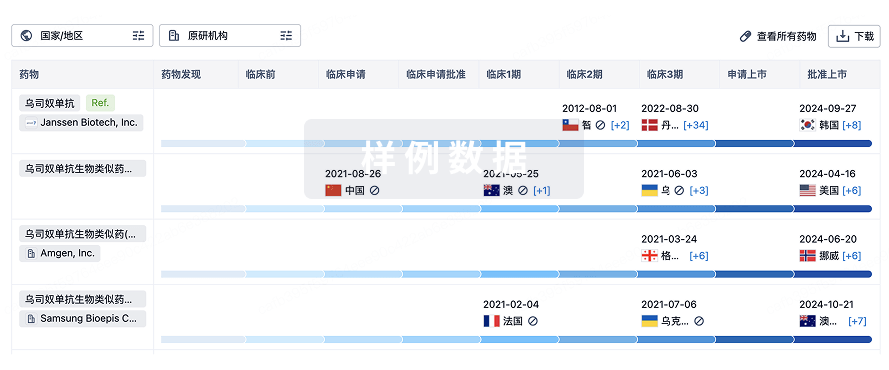
生物类似药
生物类似药在不同国家/地区的竞争态势。请注意临床1/2期并入临床2期,临床2/3期并入临床3期
登录
或
特殊审评
只需点击几下即可了解关键药物信息。
登录
或

提出任何生物医药研究问题
让每一步生物医药决策都精准制胜
基于十亿级生物数据与全球情报的精准 AI,赋能早期药物发现
立即开始免费试用!
智慧芽新药情报库是智慧芽专为生命科学人士构建的基于AI的创新药情报平台,助您全方位提升您的研发与决策效率。
立即接入生物医药数据包
智慧芽新药库数据也通过智慧芽开放平台,以MCP或API服务形式对外开放。立即使用我们的MCP服务定制您的LLM智能体。
生物序列数据库
生物药研发创新
免费使用
化学结构数据库
小分子化药研发创新
免费使用