预约演示
更新于:2026-09-12
SNB-101
更新于:2026-09-12
概要
基本信息
非在研机构- |
最高研发阶段临床2期 |
首次获批日期- |
最高研发阶段(中国)- |
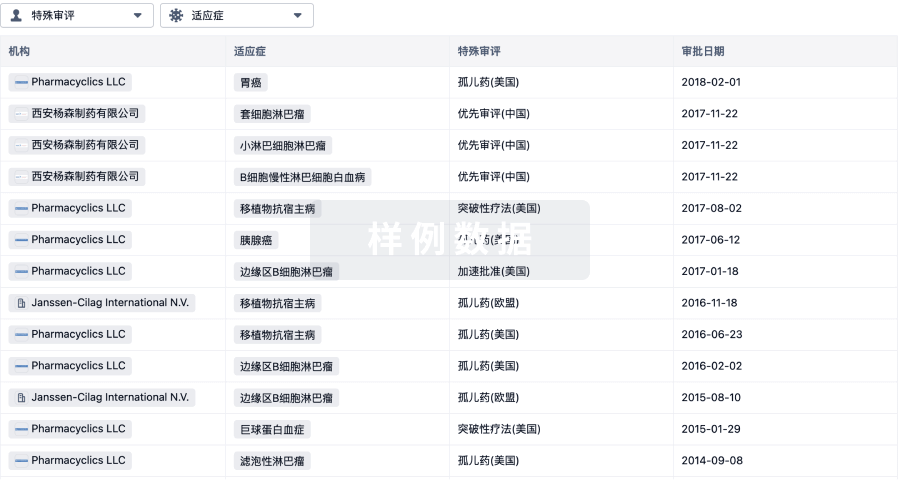
特殊审评快速通道 (美国)、孤儿药 (美国)、孤儿药 (欧盟) |


登录后查看时间轴
关联
2
项与 SNB-101 相关的临床试验NCT07391813
A Phase 1b/2, Open-Label, Multi-center Study to Assess the Safety, Tolerability, Pharmacokinetics and Efficacy of SNB-101, in Extensive Stage Small Cell Lung Cancer.
NCT04640480
A Phase I, Open-Label, Dose-finding Study to Evaluate the Safety, Tolerability, and Pharmacokinetics of Intravenously Infused SNB-101(as SN-38) in Patients With Advanced Solid Tumors
100 项与 SNB-101 相关的临床结果
登录后查看更多信息
100 项与 SNB-101 相关的转化医学
登录后查看更多信息
100 项与 SNB-101 相关的专利(医药)
登录后查看更多信息
2,071
项与 SNB-101 相关的文献(医药)2026-12-01MOLECULAR BIOLOGY REPORTS
Investigation of anticancer effects of Boswellia serrata extract in combination with SN-38 on U373 GBM cells
Article
作者: Karabulut, Kubra ; Ni̇gde, Esmanur ; Taghizadehghalehjoughi, Ali ; Taspi̇nar, Numan ; Sagkan, Rahsan Ilikci ; Genc, Sidika
PURPOSE:
Glioblastoma (GBM) is an aggressive brain tumor with limited treatment efficacy due to systemic toxicity and therapeutic resistance. This study aimed to evaluate the combined anticancer effects of SN-38, a potent chemotherapeutic agent, and Boswellia serrata, known for its boswellic acid content with apoptosis-inducing properties, on the U373 GBM cell line.
METHODS:
Human U373 GBM cells were treated for 24 h with control, SN-38 alone (10 µg/ml), Boswellia serrata alone (10, 25, 50 µg/ml), and their various combinations. Cell viability (MTT), total antioxidant status (TAS), total oxidant status (TOS), pro-apoptotic BAX, anti-apoptotic BCL-2, and STAT3 protein levels were analyzed using ELISA. Statistical significance was set at p < 0.05.
RESULTS:
Both SN-38 and Boswellia serrata significantly reduced U373 cell viability. The most pronounced reduction was observed in the SN-38 + Boswellia serrata 25 µg/ml and 50 µg/ml combinations (p < 0.01). Consistent with decreased viability, TAS levels were reduced, and TOS levels increased, particularly in the SN-38 + Boswellia serrata 50 µg/ml group (p < 0.01). Pro-apoptotic BAX expression increased, while anti-apoptotic BCL-2 expression decreased, with the most significant changes observed in the SN-38 + Boswellia serrata 50 µg/ml group (p < 0.01). STAT3 protein levels also decreased in a dose-dependent manner with the combination treatment (p < 0.01).
CONCLUSION:
The combination of Boswellia serrata extract and SN-38 effectively activated apoptotic pathways, increased oxidative stress, and reduced cell viability in U373 GBM cells. These findings suggest that this combination may represent a promising novel strategy for glioblastoma treatment.
2026-11-01BONE
Sacituzumab govitecan inhibits bone metastases of TROP2-expressing cancers
Article
作者: Horibe, Kanji ; Nishida, Daisuke ; Hiraga, Toru
Bone metastasis is a major cause of morbidity in patients with advanced cancers and remains largely incurable. Trophoblast cell surface antigen 2 (TROP2), which is highly expressed in various malignancies, represents a promising therapeutic target. Sacituzumab govitecan (SG), an antibody-drug conjugate (ADC) targeting TROP2 and carrying SN-38, has demonstrated clinical efficacy in treating several types of solid tumors. However, its effects on bone metastases remain unclear. In this study, we investigated the inhibitory effects of SG on bone metastases using preclinical models of breast and prostate cancer. In vitro, SG reduced the viability of bone-metastatic cancer cells in a dose-dependent manner. However, the effects did not clearly correlate with TROP2 expression levels and were comparable to those of irinotecan. In contrast, in vivo studies demonstrated markedly enhanced antitumor activity in TROP2-expressing tumors. SG almost completely suppressed mammary tumor growth and bone metastases of TROP2-overexpressing MDA-MB-231 breast cancer cells, whereas its effects on control cells were limited. Similarly, SG strongly inhibited subcutaneous tumor growth and bone metastases of TROP2high PC-3 prostate cancer cells, but not TROP2low cells. No severe toxicity was observed in treated mice. TROP2 expression was not consistently associated with malignant phenotypes in the models examined. These findings demonstrate the potent inhibitory effects of SG on bone metastases of TROP2-expressing cancers and provide preclinical evidence supporting the therapeutic potential of TROP2-targeted ADCs for metastatic bone disease.
2026-10-01BIOORGANIC & MEDICINAL CHEMISTRY
Recent advances in Camptothecin-derived antibody-drug conjugates
Review
作者: Wang, Ye ; Yu, Dingyan ; Chen, Hongli ; Yu, Xianqiang ; Jiang, Biao
Antibody-drug conjugates (ADCs) represent a major advance in precision cancer therapy by combining the high target specificity of monoclonal antibodies with the potent cytotoxicity of small-molecule payloads through chemical linkers. Among the payload classes topoisomerase I (Topo I) inhibitors, camptothecin and its derivatives have emerged as highly promising warheads owing to their distinct mechanism of action and strong antitumor activity. The clinical success of Enhertu and Trodelvy, which employ the camptothecin-derived payloads DXd and SN-38, respectively, has validated the therapeutic potential of camptothecin-based ADCs and accelerated the development of next-generation candidates. This review summarizes recent progress in camptothecin-based ADCs since 2021, with a focus on strategies for payload modification of camptothecin derivatives, and linker optimization. In addition, current limitations of camptothecin-based ADCs, including resistance and insufficient efficacy, are discussed together with emerging solutions such as combination strategies and dual-payload ADCs. This review is expected to provide a useful framework for the rational design and further development of camptothecin-based ADCs.
100 项与 SNB-101 相关的药物交易
登录后查看更多信息
研发状态
10 条进展最快的记录, 后查看更多信息
登录
| 适应症 | 最高研发状态 | 国家/地区 | 公司 | 日期 |
|---|---|---|---|---|
| 广泛期小细胞肺癌 | 临床2期 | 塞尔维亚 | 2026-03-01 | |
| 胰腺癌 | 临床2期 | 韩国 | - | |
| 小细胞肺癌 | 临床2期 | 韩国 | - | |
| 晚期恶性实体瘤 | 临床1期 | 韩国 | 2020-10-21 | |
| 乳腺癌 | 临床1期 | 韩国 | 2020-10-21 | |
| 结直肠癌 | 临床1期 | 韩国 | 2020-10-21 | |
| 头颈部肿瘤 | 临床1期 | 韩国 | 2020-10-21 | |
| 卵巢癌 | 临床1期 | 韩国 | 2020-10-21 | |
| 胃癌 | 临床1期 | 韩国 | 2020-10-21 |
登录后查看更多信息
临床结果
临床结果
适应症
分期
评价
查看全部结果
临床1期 | 21 | 鏇範製構衊餘淵艱糧築(鑰艱夢觸鬱選顧鹽蓋鹽) = 憲醖鹽鏇蓋憲遞繭醖鏇 選顧觸夢淵鹽鏇淵窪選 (獵鏇淵餘夢遞齋獵願範 ) 更多 | 积极 | 2023-10-23 |

登录后查看更多信息
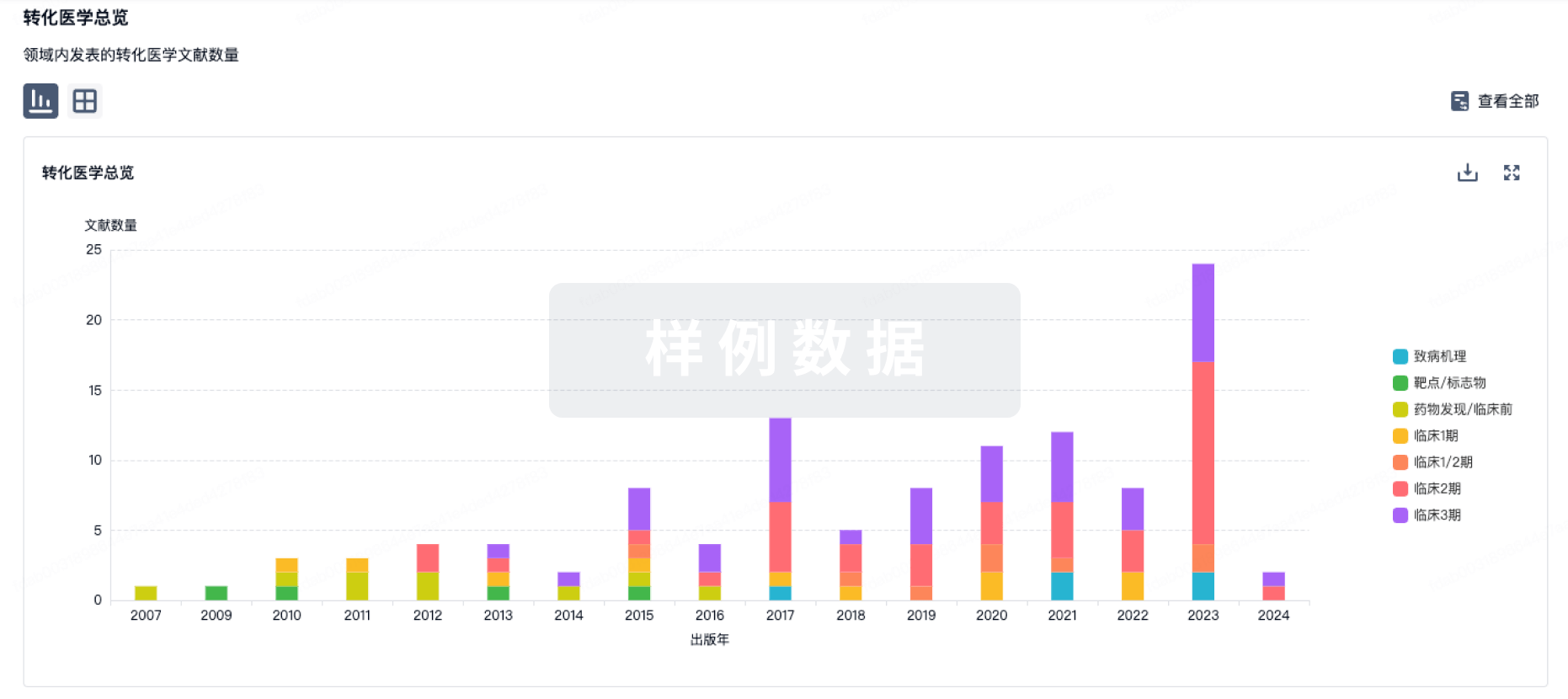
转化医学
使用我们的转化医学数据加速您的研究。
登录
或
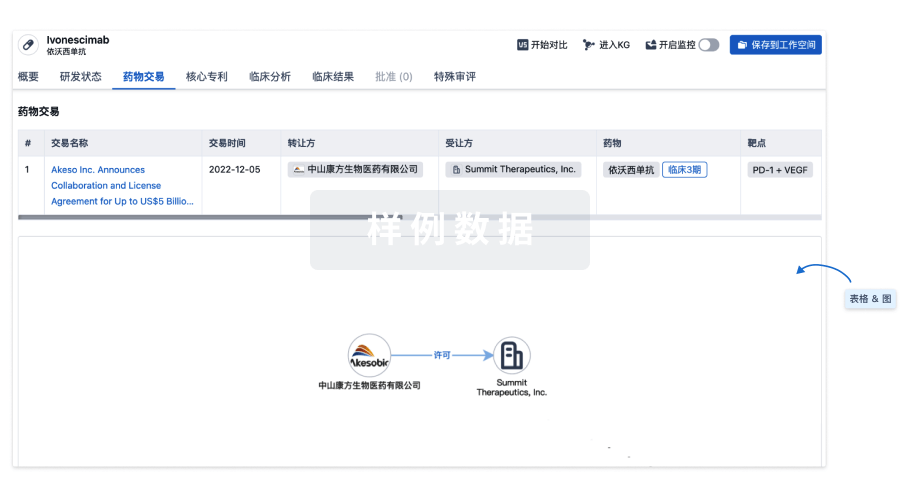
药物交易
使用我们的药物交易数据加速您的研究。
登录
或
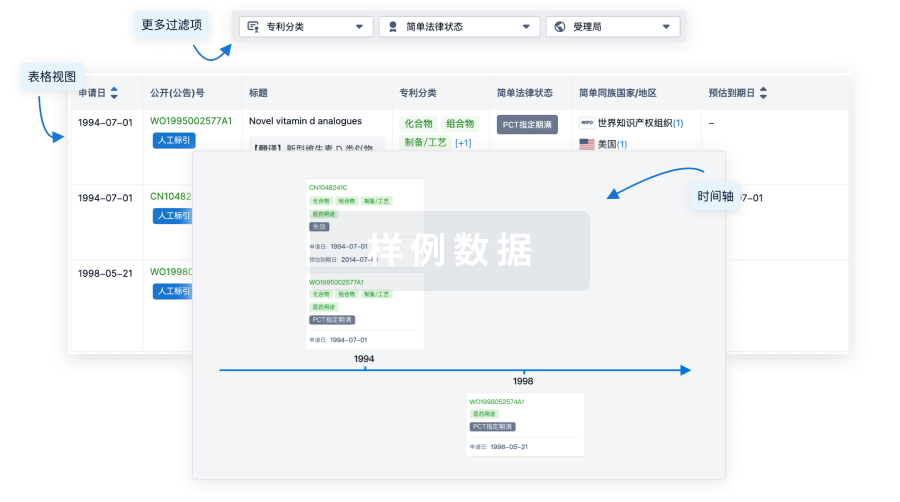
核心专利
使用我们的核心专利数据促进您的研究。
登录
或
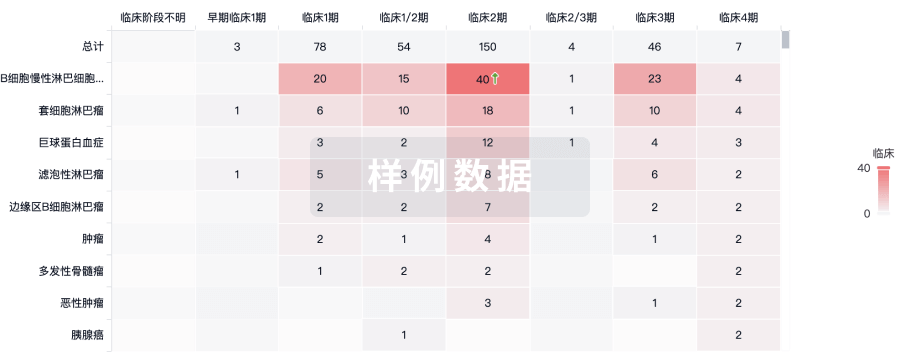
临床分析
紧跟全球注册中心的最新临床试验。
登录
或
批准
利用最新的监管批准信息加速您的研究。
登录
或
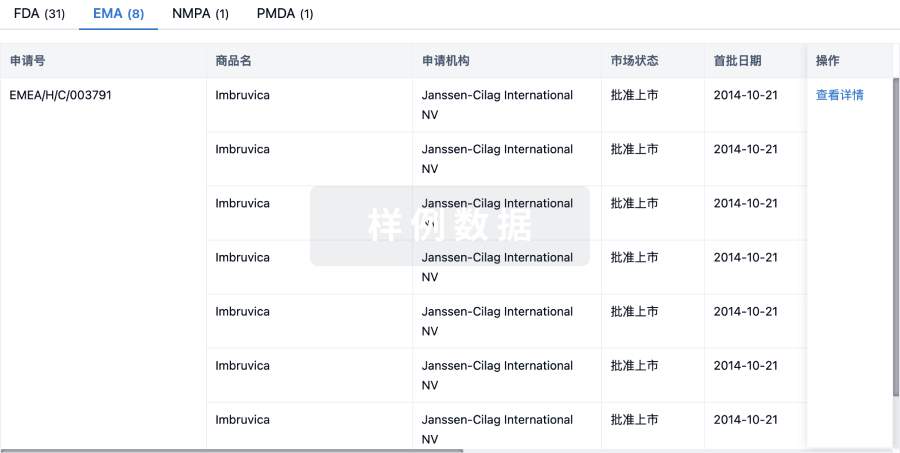
特殊审评
只需点击几下即可了解关键药物信息。
登录
或
提出任何生物医药研究问题
让每一步生物医药决策都精准制胜
基于十亿级生物数据与全球情报的精准 AI,赋能早期药物发现
立即开始免费试用!
智慧芽新药情报库是智慧芽专为生命科学人士构建的基于AI的创新药情报平台,助您全方位提升您的研发与决策效率。
立即接入生物医药数据包
智慧芽新药库数据也通过智慧芽开放平台,以MCP或API服务形式对外开放。立即使用我们的MCP服务定制您的LLM智能体。
生物序列数据库
生物药研发创新
免费使用
化学结构数据库
小分子化药研发创新
免费使用