预约演示
更新于:2026-11-16
Rosavin
更新于:2026-11-16
概要
基本信息

结构/序列
分子式C20H28O10 |
InChIKeyRINHYCZCUGCZAJ-IPXOVKFZSA-N |
CAS号84954-92-7 |
关联
100 项与 Rosavin 相关的临床结果
登录后查看更多信息
100 项与 Rosavin 相关的转化医学
登录后查看更多信息
100 项与 Rosavin 相关的专利(医药)
登录后查看更多信息
97
项与 Rosavin 相关的文献(医药)2027-03-01·TISSUE & CELL
Rosavin-loaded liposomal nanoparticles preserve hepatic architecture and ultrastructure in CCl₄-induced liver injury: In vivo and mechanistic in vitro evidence
Article
作者: Mokhtar, Sara H ; Elmorsy, Ekramy M ; Elghareeb, Mona M ; Farag, Amina A ; Kharboush, Tayseir G ; Meghawry, Asmaa M ; Mousa, Hend R ; Mohammed, Zakariya M S
Carbon tetrachloride (CCl₄)-induced hepatotoxicity involves structural and cellular injury associated with oxidative stress, inflammation, mitochondrial dysfunction, and regulated cell death. This study investigated whether rosavin-loaded liposomal nanoparticles (ROS-LNPs) provide greater hepatoprotection than free rosavin (ROS), with histopathological, ultrastructural, and immunohistochemical changes as principal outcomes. Eighty male Wistar rats were allocated to eight groups (n = 10/group): control, blank LNPs, ROS, ROS-LNPs, CCl₄, CCl₄ + blank LNPs, CCl₄ + ROS, and CCl₄ + ROS-LNPs. CCl₄ markedly disrupted hepatic architecture, whereas ROS attenuated these changes and ROS-LNPs provided greater tissue preservation. Transmission electron microscopy demonstrated hepatocellular and mitochondrial injury following CCl₄ exposure, which was more effectively attenuated by ROS-LNPs. Immunohistochemistry showed increased NF-κB and reduced NRF2 immunoreactivity after CCl₄ exposure, with greater normalization following ROS-LNP treatment. These morphological findings were accompanied by improvements in liver injury indices, redox homeostasis, inflammatory responses, mitochondrial-related markers, apoptosis, and ferroptosis-associated parameters. In primary hepatocytes, ROS-LNPs provided greater cytoprotection than free ROS. ML385 supported the involvement of Nrf2-associated signaling in ROS-LNP-mediated cytoprotection, whereas BAY 11-7082 independently demonstrated the contribution of NF-κB-associated signaling to CCl₄-induced inflammation. Ferrostatin-1 attenuated CCl₄-induced injury and C11-BODIPY-detected lipid oxidation, whereas RSL3 weakened ROS-LNP-mediated protection, increased lipid oxidation and ACSL4, and reduced GPX4. Collectively, ROS-LNPs provided greater structural and cellular protection than free ROS, with complementary mechanistic evidence supporting modulation of redox and inflammatory signaling and ferroptosis-related lipid peroxidation.
2026-12-01·MOLECULAR BIOLOGY REPORTS
Rosavin modulates CX3CL1 secretion and osteoblast morphology under mineralizing conditions in vitro
Article
作者: Wróbel, Edyta ; Szukiewicz, Dariusz ; Mikulska, Agnieszka ; Wojdasiewicz, Piotr ; Stolarczyk, Elżbieta U ; Stolarczyk, Krzysztof
Abstract:
Background:
Rosavin, a bioactive compound derived from
Rhodiola rosea
, has been proposed to modulate osteoblast-associated signaling pathways. Emerging evidence highlights the role of CX3CL1 (fractalkine) in bone–immune interactions. This study aimed to investigate whether rosavin modulates CX3CL1 secretion and osteoblast morphology and confluence in human osteoblasts (HOB) in vitro, thereby providing descriptive cellular evidence relevant to CX3CL1-associated osteoblast responses under mineralizing conditions.
Methods:
Prior to biological testing, the chemical identity of rosavin was verified by high-resolution electrospray ionization quadrupole time-of-flight mass spectrometry (ESI-QTOF-MS). HOB were cultured in growth medium (DMEM-g), mineralization medium (DMEM-m), or DMEM-m supplemented with rosavin at 50 µM (R50) or 100 µM (R100). Cell morphology and confluence were assessed by phase-contrast microscopy, supported by semi-quantitative image-based estimation of cell-covered area using Fiji/ImageJ. Sirius Red staining was performed only in the DMEM-m mineralization control group and was evaluated qualitatively as a supportive assessment of extracellular matrix maturation.
Results:
Rosavin was associated with dose- and time-dependent changes in CX3CL1 secretion and morphology-related observations in HOB cultures. The 50 µM rosavin condition showed significantly increased CX3CL1 secretion at days 14 and 21 compared with DMEM-m alone and was associated with higher cell confluence and predominance of cuboidal cell morphology. In contrast, the 100 µM condition was associated with lower apparent confluence, mixed cellular morphology, and reduced CX3CL1 secretion at later time points.
Conclusions:
These observations are descriptive, preliminary, and hypothesis-generating. Rosavin was associated with concentration-dependent modulation of CX3CL1 secretion and osteoblast morphological characteristics in vitro; however, the biological significance of CX3CL1 modulation in this monoculture model remains uncertain. Further mechanistic and functional studies are required.
2026-09-01·PHYTOMEDICINE
Discovery of natural product-derived rosavin as a programmed death-ligand 1 inhibitor for cancer immunotherapy
Article
作者: Wan, Xueting ; Wang, Aiyun ; Zou, Wei ; Li, Tianle ; Musielak, Bogdan ; Yu, Suyun ; Song, Xiaoxiong ; Wu, Yuanyuan ; Fenical, William ; Magiera-Mularz, Katarzyna ; Zhao, Yang ; Wei, Zhonghong ; Lu, Yin ; Plewka, Jacek ; Gao, Mengyuan ; Luo, Xin ; Li, Xiaoman
BACKGROUND:
Given the limitations of the existing monoclonal antibody (mAb)-based therapies, more efficient and safer small-molecule-based checkpoint therapies targeting the programmed cell death-1 (PD-1) / programmed cell death ligand-1 (PD-L1) axis are gaining growing attention and urgently required.
OBJECTIVE:
To identify a novel PD-L1 small-molecule inhibitor from natural products and systematically evaluate its antitumor activity, mechanism of action, and potential biomarkers.
METHODS:
Based on the co-crystal structure of PD-L1 with BMS-202 (PDB ID: 5J89), molecular docking was employed for high-throughput virtual screening of 16,563 natural products. The binding affinity of candidate compounds to PD-L1 protein was validated through microscale thermophoresis (MST), cellular thermal shift assay (CETSA), drug affinity responsive target stability (DARTS) assays and nuclear magnetic resonance (NMR). The blockade of PD-1/PD-L1 interaction was assessed using homogeneous time-resolved fluorescence (HTRF), NFAT-Luc luciferase reporter gene system, and cell membrane PD-1 binding assays. In vivo antitumor efficacy was systematically assessed in humanized PD-L1 knock-in B16F10 and MC38 tumor-bearing mouse models. The mechanism of action was investigated using RNA-seq transcriptomics, flow cytometry, and immunofluorescence staining. Finally, response mechanisms and potential biomarkers were systematically analyzed by comparing differential responses across distinct tumor models.
RESULTS:
Through high-throughput virtual screening, we identified rosavin as a small molecule with a novel scaffold that targets PD-L1, exhibiting the unusual small-molecule property of inhibiting PD-L1 without inducing its dimerization. Rosavin demonstrated significant antitumor activity in vivo by promoting antitumor immunity through enhancing CD8+ T cell activation, consistent with the effects of PD-L1/PD-1 blockade. Notably, rosavin was particularly effective for fighting against tumor progression in microsatellite instability-high (MSI-H) solid tumors and robustly strengthened the expression levels of CXCL9 and CXCL10 in tumors, which may serve as potential biomarkers for predicting responsiveness to rosavin-mediated PD-1/PD-L1 blockade.
CONCLUSION:
Rosavin serves as a privileged novel and unexpected scaffold for designing potent PD-1/PD-L1 modulators, offering promising candidates for cancer immunotherapy.
2
项与 Rosavin 相关的新闻(医药)2026-09-03
·知乎专栏
过去几年,“多巴胺”几乎成为了一个全民热词。为什么刷短视频停不下来?为什么工作越来越没有动力?为什么有些人明明身体并不疲惫,却始终觉得提不起精神?从“多巴胺戒断”到“多巴胺管理”,围绕这一神经递质的讨论越来越多。但如果把视角真正拉回营养科学领域,就会发现一个问题:许多宣称能够改善情绪、动力、专注力或抗压能力的营养成分,往往只能提供行为学结果,却很难回答一个更加基础的问题——它究竟作用于多巴胺系统的哪个环节?而在2026年,一项发表于《Pharmaceuticals》的研究,第一次为红景天中的核心活性分子——红景天苷 Salidroside——找到了一个非常具体的潜在答案。研究人员通过转录组学、Connectivity Map、分子对接、表面等离子体共振、细胞热迁移以及受体阻断等多层实验发现:红景天苷及其主要体内代谢物酪醇(Tyrosol),能够直接结合多巴胺D2受体(DRD2),并进一步启动DRD2依赖的细胞内信号。换句话说,过去我们更多是通过“抗疲劳”“抗压力”“情绪状态”等终点来理解红景天苷,而现在,研究开始深入到更加底层的神经递质受体机制。为什么D2受体值得关注?理解这项研究之前,要先认识一个重要角色:多巴胺D2受体——DRD2多巴胺并不是简单的“快乐物质”。它参与的实际上是一个极其复杂的神经调控网络,包括:动机、奖励预测、学习强化、注意力、运动控制以及行为驱动力等。而多巴胺想要发挥作用,就必须与相应的多巴胺受体结合。目前已经发现多个多巴胺受体亚型,其中D2受体是研究最深入的核心受体之一。因此,一个营养活性分子如果能够真正与DRD2产生直接相互作用,其意义和单纯观察到“疲劳下降”或“情绪评分改善”完全不同。后者告诉我们:“可能有效。”而受体研究尝试回答的是:“为什么可能有效。”这也是此次红景天苷研究最大的价值所在。这项研究并不是简单做了一次“电脑模拟”天然产物研究中经常会出现一种情况:研究人员通过分子对接发现某个植物成分“可能与某个受体结合”,然后就直接推断它具有某种生理作用。但问题是:分子对接只能提供预测,并不能证明真实结合,更不能证明结合以后受体真的被激活。此次研究采用了一套更加完整的验证路径。整个证据链大致可以概括为:这意味着研究人员并不是先认定“红景天苷作用于多巴胺”,再去寻找支持证据,而是从细胞受到红景天苷刺激以后产生的整体基因表达变化开始,反向寻找它最可能的分子靶点。为什么这项研究对于SalidroPure™这样的标准化红景天苷原料尤其重要?传统红景天产品存在一个长期问题:“红景天提取物”并不等于“红景天苷”。植物原料中往往同时存在多种活性成分,而不同产区、植物品种、提取工艺以及原料批次,都可能导致最终活性成分含量存在差异。2018年针对市售红景天提取物的研究就发现:不同产品之间红景天苷和Rosavin含量存在明显差异,而在神经突触电生理模型中观察到的活性,也与实际活性成分含量存在关联。这也是为什么现在越来越多原料企业开始从:“XX倍红景天提取物”转向:“精准、纯净、小剂量的红景天苷”。例如SalidroPure™采用精密发酵路线生产自然同质的红景天苷,其产品思路并不是单纯把红景天“浓缩更多倍”,而是直接获得可精确定量的单一活性分子。SalidroPure™成品应用第一步:基因表达首先“指向”了D2受体研究人员首先让细胞接触红景天苷以及它的重要代谢物酪醇,然后分析细胞基因表达模式发生了怎样的改变。接下来,他们把这些变化输入到了一个叫做:Connectivity Map,简称CMap的数据库中。CMap可以理解成一个巨大的“药物作用机制指纹库”。不同药物刺激细胞以后,会留下不同的基因表达“指纹”。如果某种未知化合物造成的基因表达模式,与某类已经知道作用机制的药物高度相似,那么研究人员就可以反推出:它们可能共享某些生物学靶点。而此次分析中,红景天苷以及酪醇产生的转录组特征,与已知的:DRD2调节剂表现出了显著相似性。于是,多巴胺D2受体第一次进入研究人员的视野。但这时候仍然只能说:“怀疑DRD2是靶点。”还不能证明它真的发生结合。于是研究继续深入。第二步:红景天苷真的可以进入D2受体的结合区域随后研究人员进行了分子对接。结果发现,红景天苷能够进入DRD2的配体结合区域,并与两个非常值得关注的氨基酸残基产生相互作用:Asp114以及Ser193为什么这两个位点重要?既往研究认为,它们与D2受体不同亲和状态及配体识别密切相关。此次研究显示,红景天苷和多巴胺本身在受体内部存在部分重叠的关键作用位点。这提供了一条非常有意思的线索:红景天苷并不只是通过“抗氧化”“降低压力”等外围机制间接影响多巴胺系统,它可能直接接触多巴胺受体本身。但是还要强调:分子对接仍然属于计算预测。所以研究人员继续进行了真正的物理结合实验。第三步:SPR确认——不是“可能结合”,而是真的发生了物理结合接下来使用的是:Surface Plasmon Resonance,表面等离子体共振,SPR这是药理学和药物研发中非常经典的一种分子相互作用检测技术。它能够实时观察:一个分子是否真正与另外一个分子发生结合。SPR实验最终确认:红景天苷可以直接与DRD2发生物理结合。其主要代谢物酪醇也表现出了类似现象。随后研究人员又进行了:CETSA——细胞热迁移分析其原理简单理解就是:当小分子真正结合到一个蛋白以后,往往能够改变这个蛋白的热稳定性。结果再次发现:红景天苷处理后,DRD2的热稳定性发生了符合靶点结合特征的变化。于是证据从:计算预测进一步升级成了:真实物理结合。但到这里还有最后一个问题:“结合了”是不是就代表“产生了功能”?不一定。所以研究人员还做了最关键的一步。第四步:结合D2受体之后,神经元内部真的开始“传递信号”研究人员随后使用SH-SY5Y神经母细胞瘤细胞进行功能实验。这里重点观察的是:ERK磷酸化,ERK是细胞内部非常重要的信号传递节点,也是DRD2激活以后能够参与调节的一条下游通路。结果发现:红景天苷处理后,ERK磷酸化迅速增加。在60 μM红景天苷条件下,研究报道ERK磷酸化大约升高至对照水平的1.4倍左右。但是科研真正有意思的地方还在后面。研究人员随后使用了D2受体拮抗剂:Sulpiride(舒必利)提前阻断DRD2。结果发现:红景天苷诱导的ERK信号明显消失。随后研究人员干脆进一步使用siRNA技术:把DRD2基因表达沉默。结果同样如此:当D2受体不存在时,红景天苷诱导的ERK信号也随之消失。这一步非常关键。因为它说明这种细胞信号变化并不是红景天苷随机引起的其他效应。它高度依赖:DRD2本身。因此,这项研究最终提出:多巴胺D2受体,是红景天苷以及酪醇的直接分子靶点之一。这项研究把过去十几年的红景天苷研究“串起来了”如果这只是孤立的一篇细胞论文,它的意义其实没有那么大。真正值得关注的是:多年前的研究已经不断发现红景天苷与多巴胺系统有关。只是以前不知道它究竟是怎么做到的。例如2019年的一项脑缺血/再灌注动物研究发现,红景天苷干预后,大脑纹状体中的:多巴胺(DA)以及多巴胺代谢产物:DOPAC和HVA都出现了变化。同时研究还观察到:酪氨酸羟化酶——Tyrosine Hydroxylase,TH表达增加。为什么TH重要?因为人体合成多巴胺的大致路径是:L-酪氨酸↓L-DOPA↓多巴胺而把L-酪氨酸转化为L-DOPA的关键限速酶,就是:酪氨酸羟化酶。也就是说,从早期动物研究来看,红景天苷似乎不仅与多巴胺水平相关,还可能影响多巴胺合成端的生物学过程。而2026年的新研究,则进一步补上了另外一端:多巴胺的“受体端”——DRD2。于是一个越来越完整的机制图谱开始形成:酪氨酸↓TH酪氨酸羟化酶↓多巴胺合成↓DRD2受体↓ERK等下游信号红景天苷研究现在已经分别触及了这条路径的多个环节。当然,目前这些研究来自不同模型,并不能简单理解成一条已经在人体验证完成的完整因果链。但从机制研究角度来看,这种跨研究、跨时间出现的相互呼应,无疑值得关注。红景天苷对多巴胺神经元的研究,其实还不止DRD2此前多个动物和细胞研究还发现:红景天苷可能通过不同机制帮助维持多巴胺能神经元的正常功能。其中包括:① PINK1/Parkin介导的线粒体自噬受损线粒体如果不能及时被清除,会进一步增加氧化应激。已有动物研究提示,红景天苷可以影响PINK1/Parkin相关线粒体质量控制机制,从而帮助维持多巴胺能神经元状态。② PI3K/Akt/GSK3β信号通路另一项MPTP动物模型研究观察到,红景天苷的神经保护作用与PI3K/Akt/GSK3β信号有关。③ DJ-1/Nrf2抗氧化防御与线粒体Complex I还有研究发现,红景天苷能够帮助维持线粒体Complex I活性,并影响DJ-1/Nrf2相关抗氧化防御。如果把这些研究放在一起,就会发现一个非常有意思的变化:过去人们喜欢把红景天苷简单概括成:“抗氧化成分。”但现在越来越多的研究正在表明,它更可能是一个涉及:线粒体稳态 + 神经元生存信号 + 神经递质系统 + 受体信号的多层次活性分子。从“适应原”到“受体级机制”,红景天苷研究正在进入下一阶段传统植物功能成分长期面临一个问题:有效果,但机制说不清。而现代营养科学真正需要完成的,是从:“这株植物用了几百年”走向:“哪一个分子有效?”再进一步走向:“它作用于哪个靶点?”“通过什么信号通路?”“什么剂量能够在人身上产生可重复的结果?”2026年DRD2研究让红景天苷向前迈出了重要一步:从传统适应原活性成分,推进到拥有直接神经递质受体靶点证据的功能分子。当然,目前DRD2部分仍主要来自细胞及生物物理实验。接下来真正值得期待的,是进一步解决几个问题:什么口服剂量可以获得足够的组织暴露?人体内DRD2相关信号是否同样受到影响?不同剂量之间是否存在明确的剂量—效应关系?以及:这种机制最终会体现在哪些可感知的人体功能指标上?当这些问题逐步被回答之后,红景天苷的定位或许也将发生真正的变化。从过去熟悉的:“抗疲劳红景天”走向一个更加现代的方向:“以红景天苷为核心的神经递质与压力适应营养。”这可能才是此次研究最值得关注的意义。参考文献Zhang J, Lin K, Jiang C, et al. Identification of Dopamine D2 Receptor as a Direct Target of Salidroside and Tyrosol by Integrated Transcriptomic and Biophysical Approaches.Pharmaceuticals. 2026;19(4):540. DOI: 10.3390/ph19040540.Zhong ZF, et al. Neuroprotective Effects of Salidroside on Cerebral Ischemia/Reperfusion-Induced Behavioral Impairment Involves the Dopaminergic System.Front Pharmacol. 2019;10:1433.Li R, Chen J. Salidroside Protects Dopaminergic Neurons by Enhancing PINK1/Parkin-Mediated Mitophagy.Oxid Med Cell Longev. 2019:9341018.Zhang W, et al. Neuroprotective Effects of Salidroside in the MPTP Mouse Model: Involvement of the PI3K/Akt/GSK3β Pathway.Parkinson's Disease. 2016:9450137.Li R, et al. Salidroside Protects Dopaminergic Neurons by Preserving Complex I Activity via DJ-1/Nrf2-Mediated Antioxidant Pathway.Parkinson's Disease. 2019:6073496.Schwarz NA, et al. Salidroside and exercise performance in healthy active young adults—an exploratory, randomized, double-blind, placebo-controlled study.J Int Soc Sports Nutr. 2024;21(1):2433744. DOI: 10.1080/15502783.2024.2433744.注:本文为营养科学与原料研究解读,不用于疾病诊断、治疗或药物替代。关于DRD2的最新研究主要属于分子和细胞机制证据,相关人体作用仍需要进一步临床研究验证。
2026-09-03
·补剂前沿
本文适合进阶补剂品牌方
内容标签:红景天苷
过去几年,“多巴胺”几乎成为了一个全民热词。
为什么刷短视频停不下来?为什么工作越来越没有动力?为什么有些人明明身体并不疲惫,却始终觉得提不起精神?
从“多巴胺戒断”到“多巴胺管理”,围绕这一神经递质的讨论越来越多。
但如果把视角真正拉回营养科学领域,就会发现一个问题:
许多宣称能够改善情绪、动力、专注力或抗压能力的营养成分,往往只能提供行为学结果,却很难回答一个更加基础的问题——它究竟作用于多巴胺系统的哪个环节?
而在2026年,一项发表于《Pharmaceuticals》的研究,第一次为红景天中的核心活性分子——红景天苷 Salidroside——找到了一个非常具体的潜在答案。
研究人员通过转录组学、Connectivity Map、分子对接、表面等离子体共振、细胞热迁移以及受体阻断等多层实验发现:
红景天苷及其主要体内代谢物酪醇(Tyrosol),能够直接结合多巴胺D2受体(DRD2),并进一步启动DRD2依赖的细胞内信号。
换句话说,过去我们更多是通过“抗疲劳”“抗压力”“情绪状态”等终点来理解红景天苷,而现在,研究开始深入到更加底层的神经递质受体机制。
为什么D2受体值得关注?
理解这项研究之前,要先认识一个重要角色:多巴胺D2受体——DRD2
多巴胺并不是简单的“快乐物质”。它参与的实际上是一个极其复杂的神经调控网络,包括:动机、奖励预测、学习强化、注意力、运动控制以及行为驱动力等。
而多巴胺想要发挥作用,就必须与相应的多巴胺受体结合。目前已经发现多个多巴胺受体亚型,其中D2受体是研究最深入的核心受体之一。
因此,一个营养活性分子如果能够真正与DRD2产生直接相互作用,其意义和单纯观察到“疲劳下降”或“情绪评分改善”完全不同。后者告诉我们:“可能有效。”
而受体研究尝试回答的是:“为什么可能有效。”这也是此次红景天苷研究最大的价值所在。
这项研究并不是简单做了一次“电脑模拟”
天然产物研究中经常会出现一种情况:研究人员通过分子对接发现某个植物成分“可能与某个受体结合”,然后就直接推断它具有某种生理作用。
但问题是:分子对接只能提供预测,并不能证明真实结合,更不能证明结合以后受体真的被激活。此次研究采用了一套更加完整的验证路径。
整个证据链大致可以概括为:
这意味着研究人员并不是先认定“红景天苷作用于多巴胺”,再去寻找支持证据,而是从细胞受到红景天苷刺激以后产生的整体基因表达变化开始,反向寻找它最可能的分子靶点。
为什么这项研究对于SalidroPure™这样的标准化红景天苷原料尤其重要?
传统红景天产品存在一个长期问题:“红景天提取物”并不等于“红景天苷”。
植物原料中往往同时存在多种活性成分,而不同产区、植物品种、提取工艺以及原料批次,都可能导致最终活性成分含量存在差异。
2018年针对市售红景天提取物的研究就发现:不同产品之间红景天苷和Rosavin含量存在明显差异,而在神经突触电生理模型中观察到的活性,也与实际活性成分含量存在关联。
这也是为什么现在越来越多原料企业开始从:“XX倍红景天提取物”转向:“精准、纯净、小剂量的红景天苷”。
例如SalidroPure™采用精密发酵路线生产自然同质的红景天苷,其产品思路并不是单纯把红景天“浓缩更多倍”,而是直接获得可精确定量的单一活性分子。
SalidroPure™成品应用
第一步:基因表达首先“指向”了D2受体
研究人员首先让细胞接触红景天苷以及它的重要代谢物酪醇,然后分析细胞基因表达模式发生了怎样的改变。
接下来,他们把这些变化输入到了一个叫做:Connectivity Map,简称CMap的数据库中。CMap可以理解成一个巨大的“药物作用机制指纹库”。
不同药物刺激细胞以后,会留下不同的基因表达“指纹”。如果某种未知化合物造成的基因表达模式,与某类已经知道作用机制的药物高度相似,那么研究人员就可以反推出:它们可能共享某些生物学靶点。
而此次分析中,红景天苷以及酪醇产生的转录组特征,与已知的:DRD2调节剂表现出了显著相似性。于是,多巴胺D2受体第一次进入研究人员的视野。但这时候仍然只能说:“怀疑DRD2是靶点。”还不能证明它真的发生结合。于是研究继续深入。
第二步:红景天苷真的可以进入D2受体的结合区域
随后研究人员进行了分子对接。结果发现,红景天苷能够进入DRD2的配体结合区域,并与两个非常值得关注的氨基酸残基产生相互作用:Asp114以及Ser193
为什么这两个位点重要?既往研究认为,它们与D2受体不同亲和状态及配体识别密切相关。此次研究显示,红景天苷和多巴胺本身在受体内部存在部分重叠的关键作用位点。
这提供了一条非常有意思的线索:
红景天苷并不只是通过“抗氧化”“降低压力”等外围机制间接影响多巴胺系统,它可能直接接触多巴胺受体本身。
但是还要强调:分子对接仍然属于计算预测。所以研究人员继续进行了真正的物理结合实验。
第三步:SPR确认——不是“可能结合”,而是真的发生了物理结合
接下来使用的是:Surface Plasmon Resonance,表面等离子体共振,SPR这是药理学和药物研发中非常经典的一种分子相互作用检测技术。
它能够实时观察:一个分子是否真正与另外一个分子发生结合。SPR实验最终确认:红景天苷可以直接与DRD2发生物理结合。其主要代谢物酪醇也表现出了类似现象。
随后研究人员又进行了:CETSA——细胞热迁移分析其原理简单理解就是:当小分子真正结合到一个蛋白以后,往往能够改变这个蛋白的热稳定性。结果再次发现:红景天苷处理后,DRD2的热稳定性发生了符合靶点结合特征的变化。
于是证据从:计算预测进一步升级成了:真实物理结合。但到这里还有最后一个问题:“结合了”是不是就代表“产生了功能”?不一定。所以研究人员还做了最关键的一步。
第四步:结合D2受体之后,神经元内部真的开始“传递信号”
研究人员随后使用SH-SY5Y神经母细胞瘤细胞进行功能实验。
这里重点观察的是:ERK磷酸化,ERK是细胞内部非常重要的信号传递节点,也是DRD2激活以后能够参与调节的一条下游通路。
结果发现:红景天苷处理后,ERK磷酸化迅速增加。
在60 μM红景天苷条件下,研究报道ERK磷酸化大约升高至对照水平的1.4倍左右。但是科研真正有意思的地方还在后面。
研究人员随后使用了D2受体拮抗剂:Sulpiride(舒必利)提前阻断DRD2。
结果发现:红景天苷诱导的ERK信号明显消失。
随后研究人员干脆进一步使用siRNA技术:把DRD2基因表达沉默。结果同样如此:当D2受体不存在时,红景天苷诱导的ERK信号也随之消失。
这一步非常关键。因为它说明这种细胞信号变化并不是红景天苷随机引起的其他效应。它高度依赖:DRD2本身。因此,这项研究最终提出:多巴胺D2受体,是红景天苷以及酪醇的直接分子靶点之一。
这项研究把过去十几年的红景天苷研究“串起来了”
如果这只是孤立的一篇细胞论文,它的意义其实没有那么大。
真正值得关注的是:多年前的研究已经不断发现红景天苷与多巴胺系统有关。
只是以前不知道它究竟是怎么做到的。例如2019年的一项脑缺血/再灌注动物研究发现,红景天苷干预后,大脑纹状体中的:多巴胺(DA)以及多巴胺代谢产物:DOPAC和HVA都出现了变化。同时研究还观察到:酪氨酸羟化酶——Tyrosine Hydroxylase,TH表达增加。
为什么TH重要?因为人体合成多巴胺的大致路径是:
L-酪氨酸
↓
L-DOPA
↓
多巴胺
而把L-酪氨酸转化为L-DOPA的关键限速酶,就是:酪氨酸羟化酶。
也就是说,从早期动物研究来看,红景天苷似乎不仅与多巴胺水平相关,还可能影响多巴胺合成端的生物学过程。而2026年的新研究,则进一步补上了另外一端:多巴胺的“受体端”——DRD2。
于是一个越来越完整的机制图谱开始形成:
酪氨酸
↓
TH酪氨酸羟化酶
↓
多巴胺合成
↓
DRD2受体
↓
ERK等下游信号
红景天苷研究现在已经分别触及了这条路径的多个环节。当然,目前这些研究来自不同模型,并不能简单理解成一条已经在人体验证完成的完整因果链。但从机制研究角度来看,这种跨研究、跨时间出现的相互呼应,无疑值得关注。
红景天苷对多巴胺神经元的研究,其实还不止DRD2
此前多个动物和细胞研究还发现:红景天苷可能通过不同机制帮助维持多巴胺能神经元的正常功能。
其中包括:
① PINK1/Parkin介导的线粒体自噬
受损线粒体如果不能及时被清除,会进一步增加氧化应激。
已有动物研究提示,红景天苷可以影响PINK1/Parkin相关线粒体质量控制机制,从而帮助维持多巴胺能神经元状态。② PI3K/Akt/GSK3β信号通路
另一项MPTP动物模型研究观察到,红景天苷的神经保护作用与PI3K/Akt/GSK3β信号有关。③ DJ-1/Nrf2抗氧化防御与线粒体Complex I
还有研究发现,红景天苷能够帮助维持线粒体Complex I活性,并影响DJ-1/Nrf2相关抗氧化防御。
如果把这些研究放在一起,就会发现一个非常有意思的变化:过去人们喜欢把红景天苷简单概括成:“抗氧化成分。”但现在越来越多的研究正在表明,它更可能是一个涉及:线粒体稳态 + 神经元生存信号 + 神经递质系统 + 受体信号的多层次活性分子。
从“适应原”到“受体级机制”,红景天苷研究正在进入下一阶段
传统植物功能成分长期面临一个问题:有效果,但机制说不清。而现代营养科学真正需要完成的,是从:“这株植物用了几百年”走向:“哪一个分子有效?”
再进一步走向:“它作用于哪个靶点?”“通过什么信号通路?”“什么剂量能够在人身上产生可重复的结果?”
2026年DRD2研究让红景天苷向前迈出了重要一步:从传统适应原活性成分,推进到拥有直接神经递质受体靶点证据的功能分子。当然,目前DRD2部分仍主要来自细胞及生物物理实验。接下来真正值得期待的,是进一步解决几个问题:
什么口服剂量可以获得足够的组织暴露?人体内DRD2相关信号是否同样受到影响?不同剂量之间是否存在明确的剂量—效应关系?以及:这种机制最终会体现在哪些可感知的人体功能指标上?
当这些问题逐步被回答之后,红景天苷的定位或许也将发生真正的变化。
从过去熟悉的:“抗疲劳红景天”
走向一个更加现代的方向:“以红景天苷为核心的神经递质与压力适应营养。”这可能才是此次研究最值得关注的意义。
参考文献
Zhang J, Lin K, Jiang C, et al. Identification of Dopamine D2 Receptor as a Direct Target of Salidroside and Tyrosol by Integrated Transcriptomic and Biophysical Approaches.Pharmaceuticals. 2026;19(4):540. DOI: 10.3390/ph19040540.
Zhong ZF, et al. Neuroprotective Effects of Salidroside on Cerebral Ischemia/Reperfusion-Induced Behavioral Impairment Involves the Dopaminergic System.Front Pharmacol. 2019;10:1433.
Li R, Chen J. Salidroside Protects Dopaminergic Neurons by Enhancing PINK1/Parkin-Mediated Mitophagy.Oxid Med Cell Longev. 2019:9341018.
Zhang W, et al. Neuroprotective Effects of Salidroside in the MPTP Mouse Model: Involvement of the PI3K/Akt/GSK3β Pathway.Parkinson's Disease. 2016:9450137.
Li R, et al. Salidroside Protects Dopaminergic Neurons by Preserving Complex I Activity via DJ-1/Nrf2-Mediated Antioxidant Pathway.Parkinson's Disease. 2019:6073496.
Schwarz NA, et al. Salidroside and exercise performance in healthy active young adults—an exploratory, randomized, double-blind, placebo-controlled study.J Int Soc Sports Nutr. 2024;21(1):2433744. DOI: 10.1080/15502783.2024.2433744.
注:本文为营养科学与原料研究解读,不用于疾病诊断、治疗或药物替代。关于DRD2的最新研究主要属于分子和细胞机制证据,相关人体作用仍需要进一步临床研究验证。
转载须知
标注‘原创’仅代表原创编译,本平台不主张对原文的版权。本平台转载仅仅是出于学术交流和传播信息的需要,并不意味着代表本平台观点或证实其内容的真实性;转载文章版权归原作者所有,作者如果不希望被转载或有侵权行为,请联系本平台删除。
>>>声明
*补剂前沿致力于秉承成分学的理念,标明原创的文章权限非补剂前沿所有,如需转载请得到书面申请并在文章开头注明出处。
*文章中会充列示参考文献,但因商业利益相关造成的不客观可能依然存在,欢迎读者多提出批评意见和建议。
*此公众号中全部内容仅为一般性参考。读者不应在缺乏具体的专业建议的情况下,擅自根据文章内容中的任何信息采取行动。此公众号运营方将不对任何因采用文章内容而导致的损失负责。
*以上内容不用于治疗、诊断、治愈或预防任何疾病。
*文章中涉及的产品、成分、功效仅代表相关企业的观点,补剂前沿仅基于信息传递目的进行转述,并不代表我们绝对认同相关宣称,也不支持任何产品的营销和销售。
100 项与 Rosavin 相关的药物交易
登录后查看更多信息
研发状态
10 条进展最快的记录, 后查看更多信息
登录
| 适应症 | 最高研发状态 | 国家/地区 | 公司 | 日期 |
|---|---|---|---|---|
| 阿尔茨海默症 | 临床前 | 中国 | 2025-10-03 |
登录后查看更多信息
临床结果
临床结果
适应症
分期
评价
查看全部结果
| 研究 | 分期 | 人群特征 | 评价人数 | 分组 | 结果 | 评价 | 发布日期 |
|---|
No Data | |||||||
登录后查看更多信息
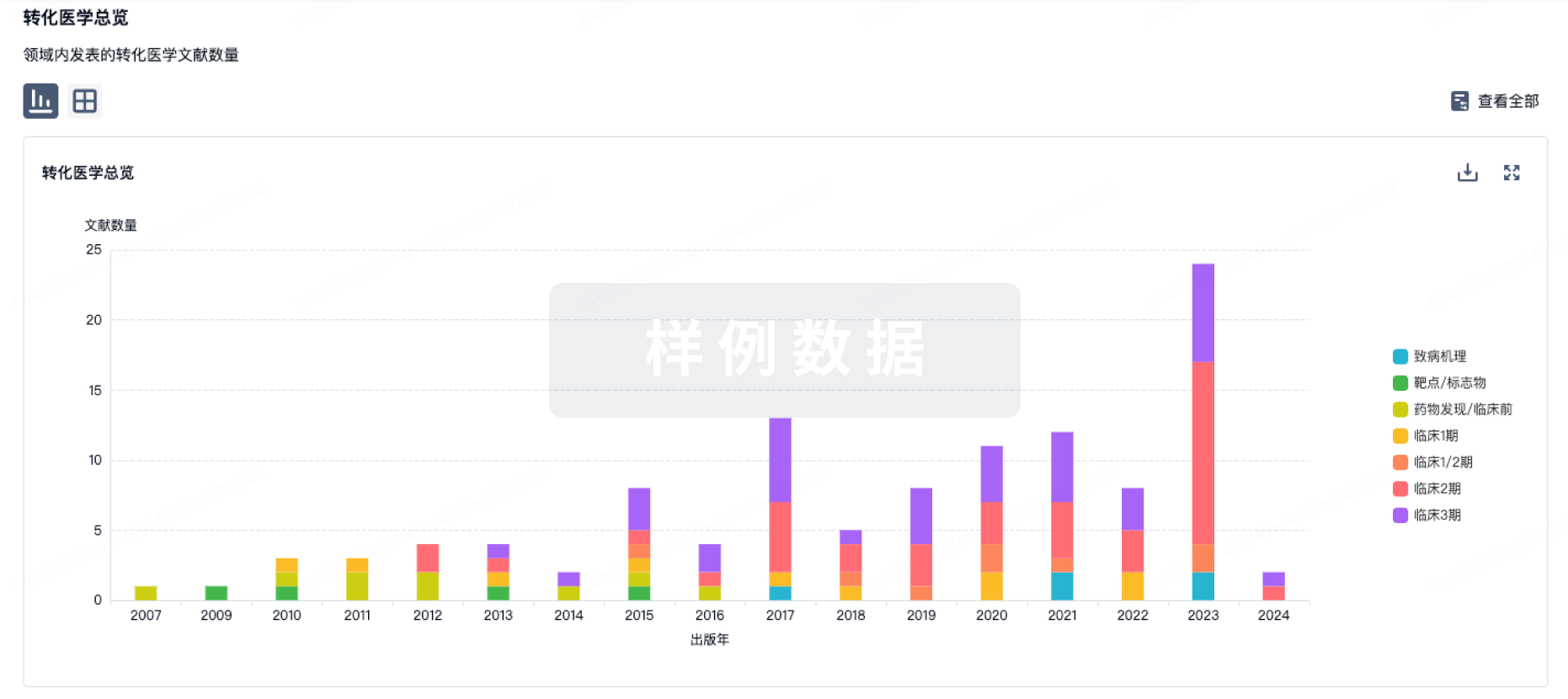
转化医学
使用我们的转化医学数据加速您的研究。
登录
或
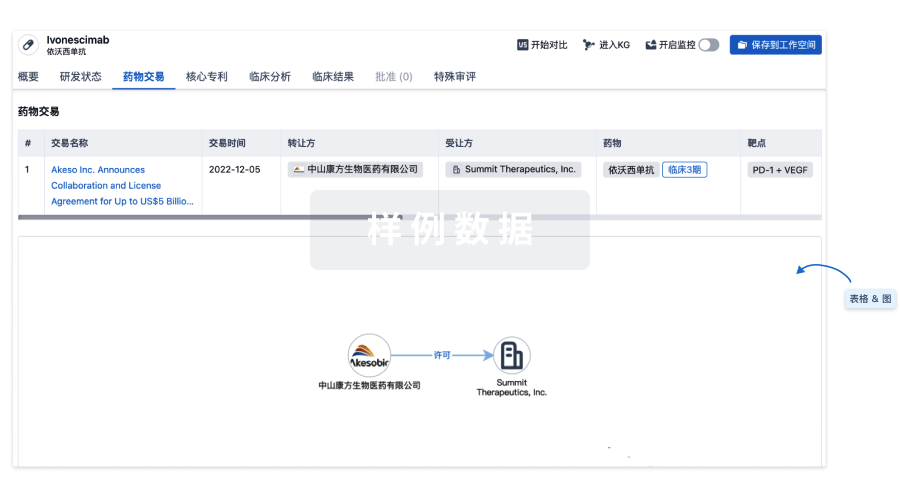
药物交易
使用我们的药物交易数据加速您的研究。
登录
或
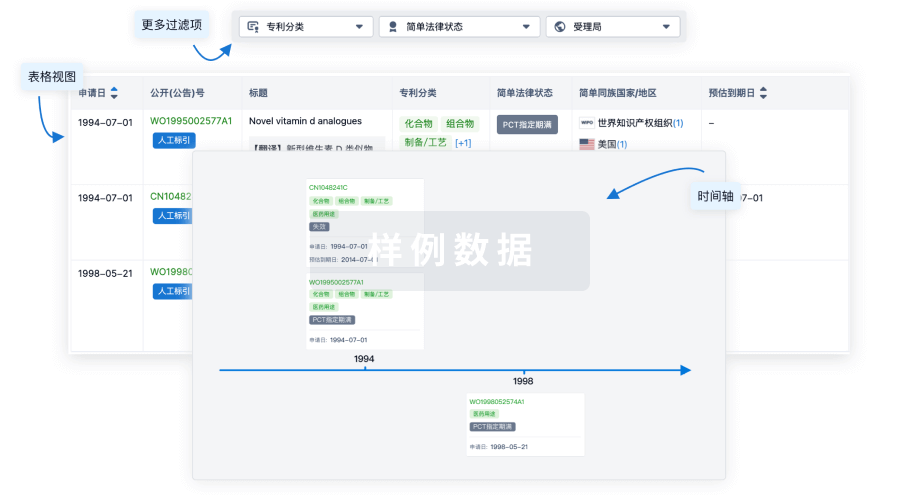
核心专利
使用我们的核心专利数据促进您的研究。
登录
或
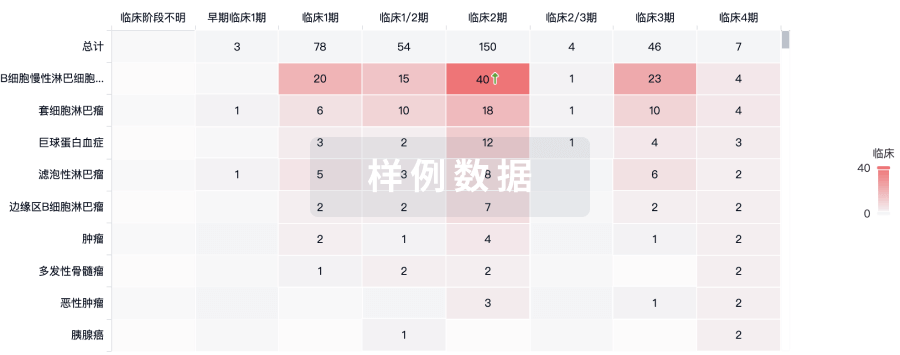
临床分析
紧跟全球注册中心的最新临床试验。
登录
或
批准
利用最新的监管批准信息加速您的研究。
登录
或
特殊审评
只需点击几下即可了解关键药物信息。
登录
或
提出任何生物医药研究问题
让每一步生物医药决策都精准制胜
基于十亿级生物数据与全球情报的精准 AI,赋能早期药物发现
立即开始免费试用!
智慧芽新药情报库是智慧芽专为生命科学人士构建的基于AI的创新药情报平台,助您全方位提升您的研发与决策效率。
立即接入生物医药数据包
智慧芽新药库数据也通过智慧芽开放平台,以MCP或API服务形式对外开放。立即使用我们的MCP服务定制您的LLM智能体。
生物序列数据库
生物药研发创新
免费使用
化学结构数据库
小分子化药研发创新
免费使用