预约演示
更新于:2026-02-07
ERK inhibitor(Kura Oncology)
更新于:2026-02-07
概要
基本信息
在研机构- |
非在研机构 |
权益机构- |
最高研发阶段无进展临床前 |
首次获批日期- |
最高研发阶段(中国)- |
特殊审评- |

关联
100 项与 ERK inhibitor(Kura Oncology) 相关的临床结果
登录后查看更多信息
100 项与 ERK inhibitor(Kura Oncology) 相关的转化医学
登录后查看更多信息
100 项与 ERK inhibitor(Kura Oncology) 相关的专利(医药)
登录后查看更多信息
156
项与 ERK inhibitor(Kura Oncology) 相关的文献(医药)2026-03-01·EXPERIMENTAL CELL RESEARCH
PLA2R1-mediated ERK-Dependent ferroptosis: A key pathogenic mechanism in epileptic neuronal injury
Article
作者: Song, Qiannan ; Chen, Hong ; Wu, Guohang
BACKGROUND:
Phospholipase A2 receptor 1 (PLA2R1) plays a regulatory role in pathological processes, but its mechanism in epileptic neuronal injury remains unclear. This study aimed to elucidate how PLA2R1 promotes epileptic neuronal injury through ERK-dependent ferroptosis.
METHODS:
A kainic acid-induced epilepsy mouse model was employed. PLA2R1 expression was detected using qRT-PCR, Western blot, and immunofluorescence. PLA2R1 knockdown and overexpression vectors were constructed to observe effects on seizure severity and neuronal injury. Ferroptosis indicators (GPX4, ACSL4, PTGS2, MDA, ROS, GSH) were analyzed. HT22 cells were used for in vitro validation with glutamate and Erastin-induced ferroptosis. ERK pathway involvement was verified using inhibitor SCH772984.
RESULTS:
PLA2R1 was upregulated in epileptic tissues. PLA2R1 knockdown prolonged seizure latency, reduced seizure intensity, decreased neuronal injury, and inhibited ERK activation. It upregulated GPX4 and GSH while downregulating ACSL4, PTGS2, MDA, and ROS. PLA2R1 overexpression exacerbated ferroptosis-related neuronal injury. In vitro experiments confirmed that ferroptosis inducers upregulated PLA2R1, while knockdown improved neuronal survival. ERK inhibitor SCH772984 reversed PLA2R1 overexpression-induced neuronal injury.
CONCLUSION:
This study identified the PLA2R1-MEK-ERK-ferroptosis signaling axis, suggesting that PLA2R1 contributes to neuronal ferroptosis through ERK pathway activation in epilepsy. PLA2R1's druggability and ERK inhibitors' clinical safety provide foundation for therapeutic translation.
2026-01-01·JOURNAL OF HAZARDOUS MATERIALS
Perfluorooctane sulfonate aggravates intimal hyperplasia and atherosclerosis by promoting phenotypic switching of smooth muscle cells via ERK/tPA pathway
Article
作者: Wang, Mingliang ; Long, Yunxiang ; Zeng, Zhi ; Yue, Bixuan ; Liao, Yushan ; Qiu, Miaoyun ; Yang, Chaobo ; Wang, Xiaowu ; Wang, Yicheng ; Song, Zhigao ; Li, Fengfeng ; Xia, Luoxing
Perfluorooctane sulfonate (PFOS), a pervasive environmental contaminant, is ubiquitously detected in water, air, soil, and food chains. Emerging evidence has implicated PFOS in the pathogenesis of cardiovascular diseases, particularly atherosclerosis - the fundamental pathological process underlying diverse cardiovascular and cerebrovascular disorders. A previous study demonstrated that PFOS exacerbates atherosclerosis in apolipoprotein E-deficient (ApoE-/-) mice through pro-inflammatory M1 macrophage polarization. However, the effects of PFOS on vascular smooth muscle cells (VSMCs) and their contribution to intimal hyperplasia and atherosclerosis remain unexplored. Our in vitro investigations revealed that PFOS potentiates proliferation, migration, and phenotypic switching in primary human aortic smooth muscle cells (HASMCs). Moreover, we also demonstrated that PFOS exposure aggravated neointimal formation in a femoral artery injury model and promoted atherosclerosis. To elucidate the role of VSMCs in these processes in vivo, we established a VSMCs lineage-tracing model utilizing Myh11-Cre/ERT2; R26-tdTomato; ApoE-/- mice. Following 16 weeks of PFOS exposure, atherosclerotic plaque progression exhibited a positive correlation with intraplaque VSMCs accumulation. RNA sequencing analysis and subsequent validation confirmed PFOS-induced tissue plasminogen activator (tPA) upregulation in VSMCs at both transcriptional and translational levels. Notably, tPA knockdown abrogated PFOS-driven proliferation, migration, and phenotypic switching in HASMCs. Mechanistic studies revealed ERK signaling pathway activation as the primary mediator of PFOS-induced tPA expression. Collectively, these findings provide novel mechanistic insights into how PFOS aggravates intimal hyperplasia and atherosclerosis, highlighting its role in exacerbating cardiovascular pathogenesis. They further suggest that ERK inhibitors may mitigate the detrimental effects of PFOS on the vasculature.
2025-12-31·JOURNAL OF ENZYME INHIBITION AND MEDICINAL CHEMISTRY
Advances in ERK1/2 inhibition: a medicinal chemistry perspective on structure and regulation
Review
作者: Emwas, Abdul-Hamid ; Jaremko, Mariusz ; Singh, Ankit Kumar ; Sah, Vimlendu Kumar ; Verma, Amita ; Kumar, Adarsh ; Kumar, Pradeep ; Prajapati, Vineet ; Kalsi, Amandeep Singh ; Khalilullah, Habibullah
The mitogen-activated protein kinase (MAPK) pathway-also known as the RAS/RAF/MEK/ERK pathway-is a critical signalling cascade involved in regulating cell growth, proliferation, and survival. First discovered in the early 1980s, the pathway's extracellular signal-regulated kinase (ERK) subfamily was identified in the 1990s. The ERK family includes several isoforms-ERK1, ERK2, ERK3, ERK5, and ERK6-with ERK1 (MAPK3) and ERK2 (MAPK1) being the most well-characterised and playing central roles in MAPK signalling. Deregulation of ERK signalling (commonly referred to as the ERK pathway or ERKp) has been implicated in approximately 40% of human cancers. This review focuses on the structural insights of ERK1/2 and their critical role in the MAPK signalling cascade. Despite their clinical significance, no ERK inhibitors have yet been approved by the FDA. Several molecules-such as SCH772984, SCH900353, ulixertinib (BVD-523), CC-9003, KO-947, AZD0364, norathyriol, and FR180204-are currently in preclinical or clinical trial stages. This review also highlights recent advances in the design and synthesis of ERK inhibitors, emphasising their structural uniqueness and potential to inhibit mutant forms of ERK1/2. Finally, we discuss future directions for the development of ERK1/2 inhibitors as FDA-approved cancer therapeutics.
100 项与 ERK inhibitor(Kura Oncology) 相关的药物交易
登录后查看更多信息
研发状态
10 条进展最快的记录, 后查看更多信息
登录
| 适应症 | 最高研发状态 | 国家/地区 | 公司 | 日期 |
|---|---|---|---|---|
| 肿瘤 | 临床前 | 美国 | 2019-06-27 |
登录后查看更多信息
临床结果
临床结果
适应症
分期
评价
查看全部结果
| 研究 | 分期 | 人群特征 | 评价人数 | 分组 | 结果 | 评价 | 发布日期 |
|---|
No Data | |||||||
登录后查看更多信息
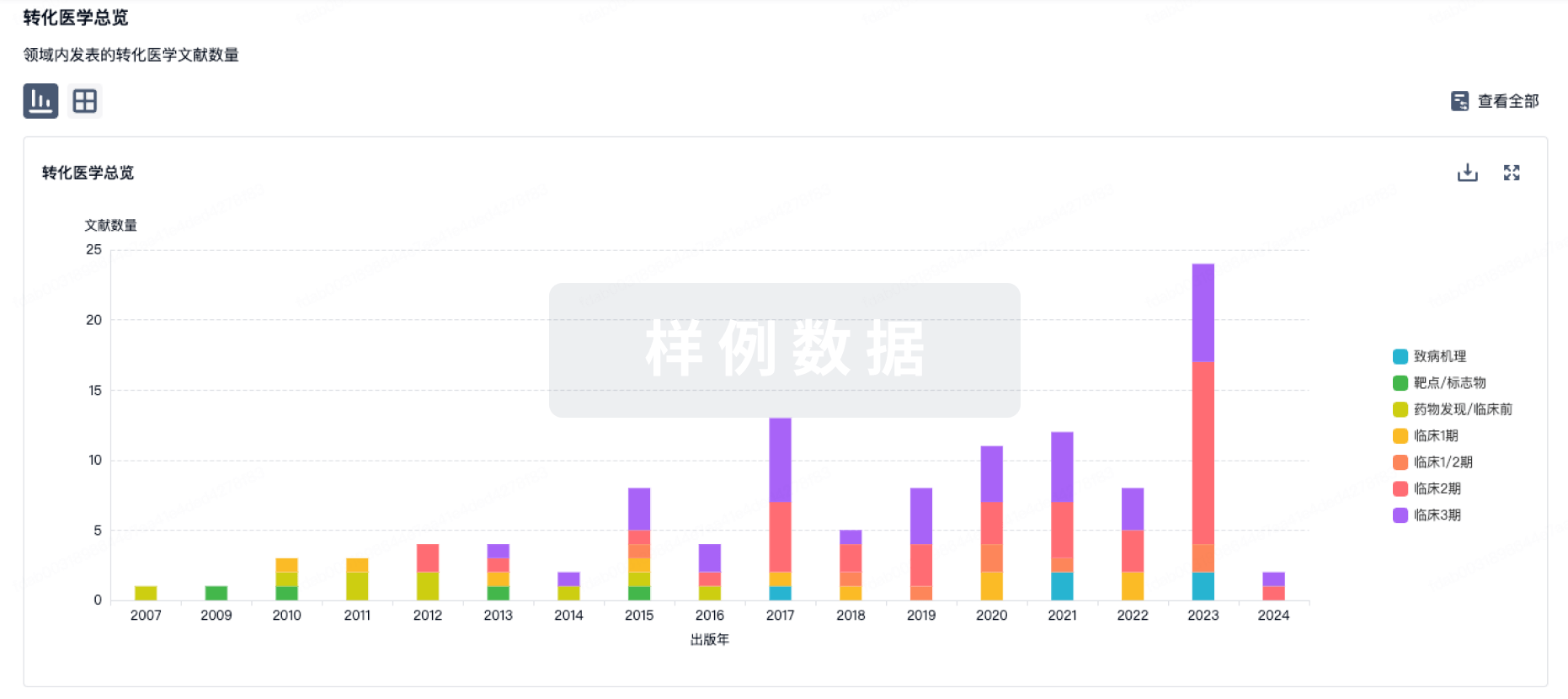
转化医学
使用我们的转化医学数据加速您的研究。
登录
或
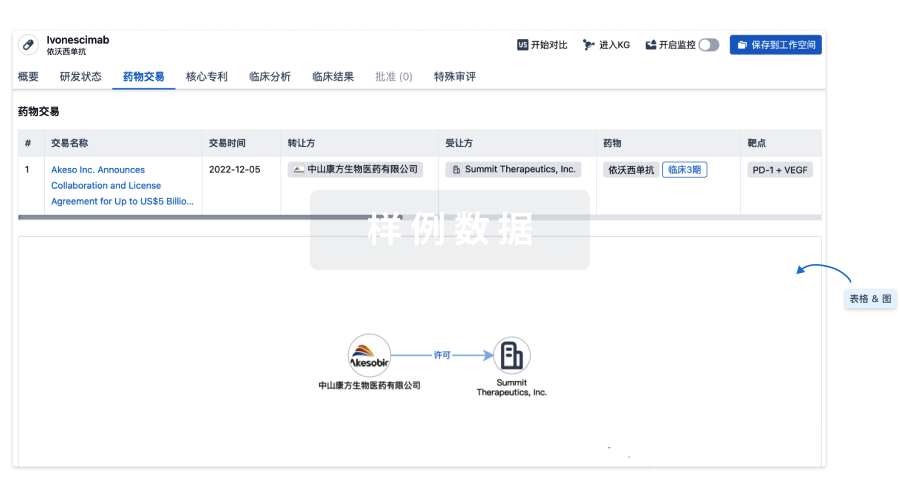
药物交易
使用我们的药物交易数据加速您的研究。
登录
或
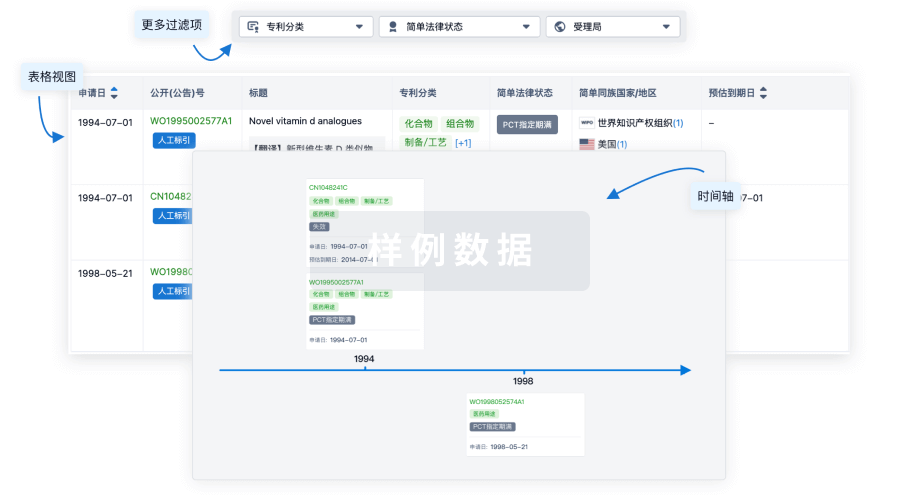
核心专利
使用我们的核心专利数据促进您的研究。
登录
或
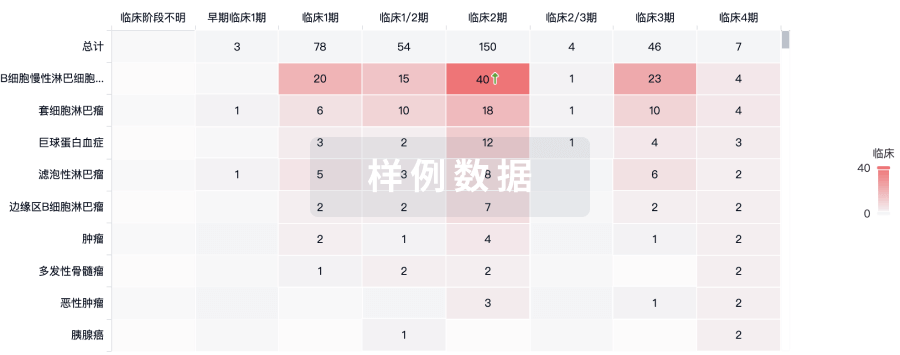
临床分析
紧跟全球注册中心的最新临床试验。
登录
或
批准
利用最新的监管批准信息加速您的研究。
登录
或
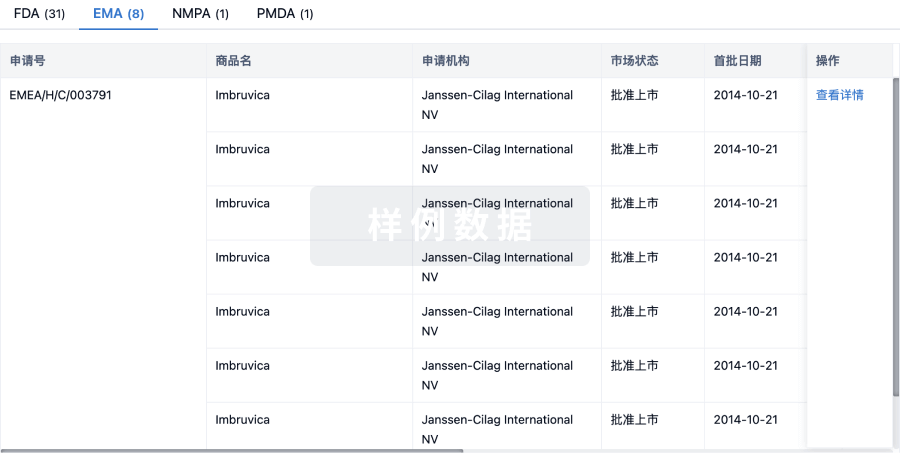
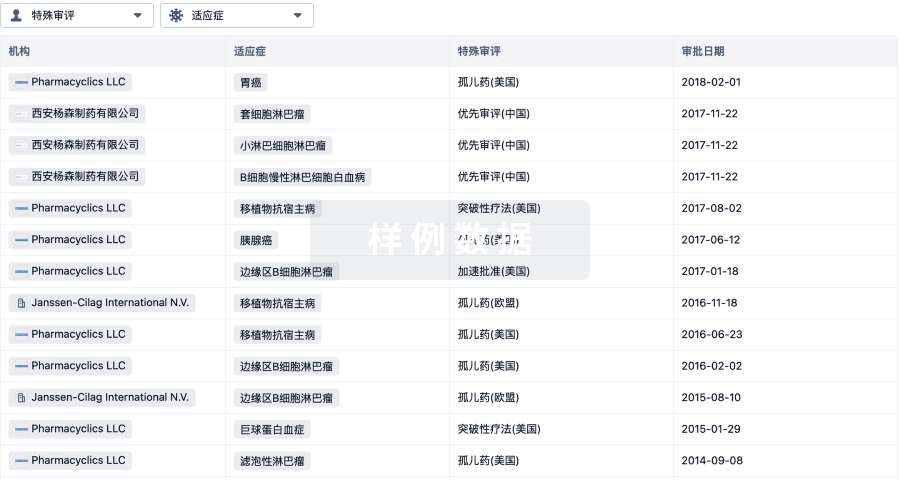
特殊审评
只需点击几下即可了解关键药物信息。
登录
或
生物医药百科问答
全新生物医药AI Agent 覆盖科研全链路,让突破性发现快人一步
立即开始免费试用!
智慧芽新药情报库是智慧芽专为生命科学人士构建的基于AI的创新药情报平台,助您全方位提升您的研发与决策效率。
立即开始数据试用!
智慧芽新药库数据也通过智慧芽数据服务平台,以API或者数据包形式对外开放,助您更加充分利用智慧芽新药情报信息。
生物序列数据库
生物药研发创新
免费使用
化学结构数据库
小分子化药研发创新
免费使用