预约演示
更新于:2025-10-30
TNPs(Ⅲ1)
更新于:2025-10-30
概要
基本信息

关联
100 项与 TNPs(Ⅲ1) 相关的临床结果
登录后查看更多信息
100 项与 TNPs(Ⅲ1) 相关的转化医学
登录后查看更多信息
100 项与 TNPs(Ⅲ1) 相关的专利(医药)
登录后查看更多信息
25
项与 TNPs(Ⅲ1) 相关的文献(医药)2025-06-17·ACS Nano
Photothermal-Responsive Conjugated Polymer Nanoparticles Triggered Precise Augmentation of Microalgal Photosynthesis
Article
作者: Lv, Fengting ; Wang, Shu ; Gao, Chenying ; Li, Cheng ; Wang, Pengcheng ; Li, Rui ; Huang, Yiming ; Zhang, Miaomiao ; Bai, Haotian ; Zhang, Deqing
Exploring precise temperature-based photosynthesis regulation strategies will afford promising opportunities for controllable and efficient enhancement of photosynthesis. In this work, we developed a type of photothermal conjugated polymer nanoparticles (T-NPs) based on TZQ-TDPP (poly[2,5-bis(2-ethylhexyl)-3,6-di(thiophen-2-yl)-2,5-dihydropyrrolo[3,4-c]pyrrole-1,4-dione-co-(6,7-bis(4-((2-decyltetradecyl)oxy)phenyl) -[1,2,5] thiadiazolo[3,4-g]quinoxaline)]). T-NPs possess the desired photothermal conversion performance, with their photothermal conversion efficiency reaching up to 80.52%. The introduction of T-NPs enables the controllable regulation of the microenvironment temperature of Chlorella pyrenoidosa (C. pyre), thereby achieving accurate regulation on its photosynthetic activity. Under optimal conditions, T-NPs accelerate light-dependent reactions, leading to increased oxygen evolution and NADP+, NADPH, and ATP contents up to 46%, 20%, 23%, and 103%, respectively. Moreover, the Rubisco activity of C. pyre under light-independent reactions increased by 258%. The chlorophyll fluorimeter parameters and chlorophyll fluorescence kinetics curves also exhibited varying degrees of increase, demonstrating that the introduction of T-NPs improves the photosystem II (PSII)-related process and enhances the photosynthesis process of C. pyre. Integrated proteomic profiling revealed the regulatory mechanism of T-NPs on the photosynthesis of C. pyre and confirmed the upregulation of the Rubisco activity in C. pyre. This study provides a strategy for precise regulation of photosynthesis through photothermal-responsive conjugated polymer nanoparticles, advancing the development of photosynthetic organism-based sustainable energy and biomanufacturing.
2025-01-01·GENERAL PHYSIOLOGY AND BIOPHYSICS
Co-delivery of circCDR1 and temozolomide with hyaluronic acid-chitosan nanoparticles inhibits glioma progression
Article
作者: Zhong, Bao ; Zhang, Xiaomin ; Tang, Changjiu ; Zhang, Ming ; Wan, Ye
Chemotherapeutic drug/gene nanoparticles (NPs) co-delivery system has great potential in tumor therapy. However, the role of circular RNA (circRNA) cerebellar degeneration-related 1 (CDR1) (circCDR1) and temozolomide (TMZ) NPs in the treatment of glioma remains unclear. circCDR1 was significantly low expressed in glioma tissues and cells. In the term of mechanism, circCDR1 could sponge miR-890 to regulate GJB6. The inhibition of circCDR1 on glioma progression could be reversed by miR-890, and the suppressive effect of miR-890 inhibitor on glioma progression also could be overturned by GJB6 silencing. CNPs could introduce TMZ and circCDR1 into glioma cells. The inhibitory effects of CNPs on glioma cell progression and tumor growth were much better than TMZ, TNPs and CNPs. Our study showed that circCDR1 could regulate the miR-890/GJB6 axis to inhibit glioma progression, and the constructed CNPs had a good inhibitory effect on glioma progression.
2024-07-01·Clinical pharmacology and therapeutics
Transdermal Nicotine Patch Increases the Number and Function of Endothelial Progenitor Cells in Young Healthy Nonsmokers without Adverse Hemodynamic Effects
Article
作者: Tien, Ting‐Yi ; Liu, Yen‐Yu ; Wu, Yih‐Jer ; Hung, Chung‐Lieh ; Su, Cheng‐Huang ; Yeh, Hung‐I
Transdermal nicotine patches (TNPs), administering nicotine into the bloodstream through skin, have been widely used as nicotine replacement therapy, and exposure to nicotine can be detected by measurement of plasma cotinine concentration. In animal studies, nicotine treatment could increase the number of endothelial progenitor cells (EPCs), but the effect of TNPs on circulating EPCs and their activity in humans remained unclear. This study aimed to explore the influence of TNPs on circulating EPCs with surface markers of CD34, CD133, and/or KDR, and colony‐forming function plus migration activity of early EPCs derived from cultured peripheral blood mononuclear cells before and after TNP treatments in young healthy nonsmokers. In parallel, pulse wave analysis (PWA) was applied to evaluate the vascular effect of TNP treatments. Twenty‐one participants (25.8 ± 3.6 years old, 10 males) used TNP (nicotine: 4.2 mg/day) for 7 consecutive days. During the treatment, the CD34+ EPCs progressively increased in number. In addition, the number of EPCs positive for CD34/KDR, CD133, and CD34/CD133 were also increased on day 7 of the treatment. Furthermore, the early EPC colony‐forming function and migration activity were increased with the plasma cotinine level positively correlating with change in colony‐forming unit number. PWA analyses on day 7, compared with pretreatment, did not show significant change except diastolic pressure time index, which was prolonged and implied potential vascular benefit. In conclusion, 7‐day TNP treatments could be a practical strategy to enhance angiogenesis of circulating EPCs to alleviate tissue ischemia without any hemodynamic concern.
100 项与 TNPs(Ⅲ1) 相关的药物交易
登录后查看更多信息
研发状态
10 条进展最快的记录, 后查看更多信息
登录
| 适应症 | 最高研发状态 | 国家/地区 | 公司 | 日期 |
|---|---|---|---|---|
| 金黄色葡萄球菌感染 | 临床前 | 中国 | 2025-06-01 |
登录后查看更多信息
临床结果
临床结果
适应症
分期
评价
查看全部结果
| 研究 | 分期 | 人群特征 | 评价人数 | 分组 | 结果 | 评价 | 发布日期 |
|---|
No Data | |||||||
登录后查看更多信息
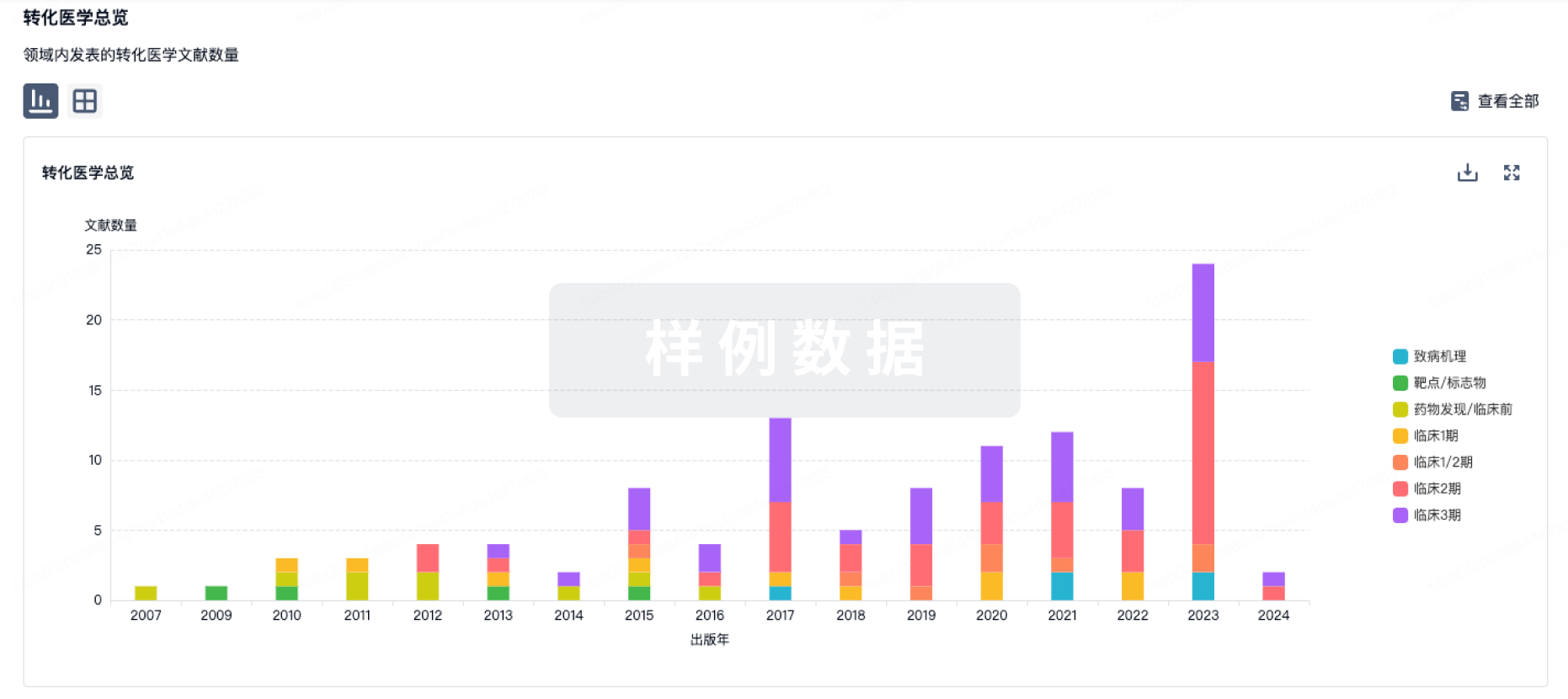
转化医学
使用我们的转化医学数据加速您的研究。
登录
或
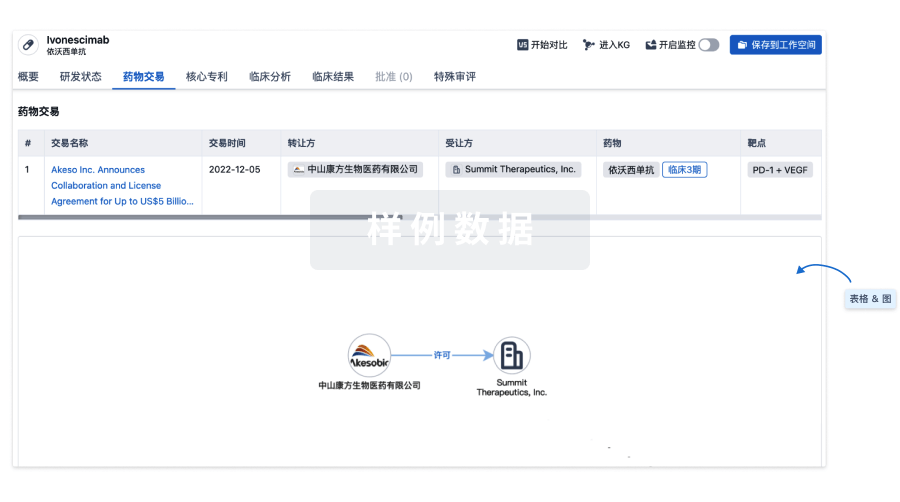
药物交易
使用我们的药物交易数据加速您的研究。
登录
或
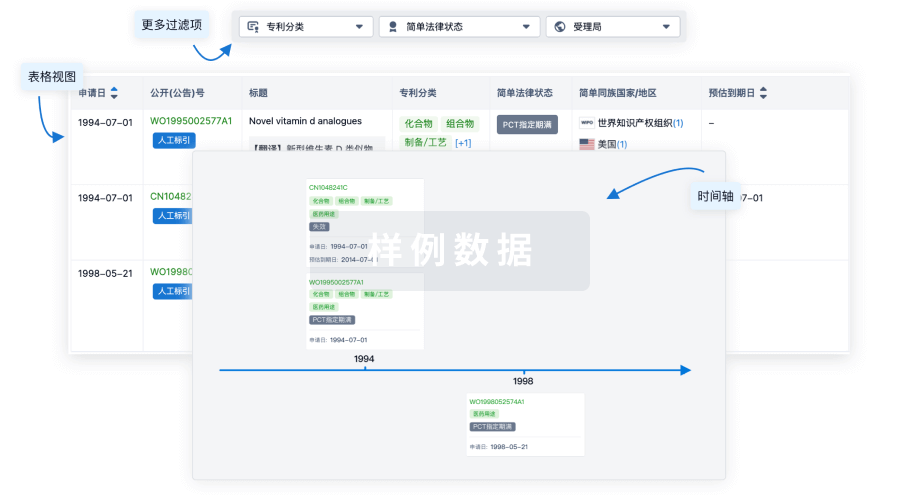
核心专利
使用我们的核心专利数据促进您的研究。
登录
或
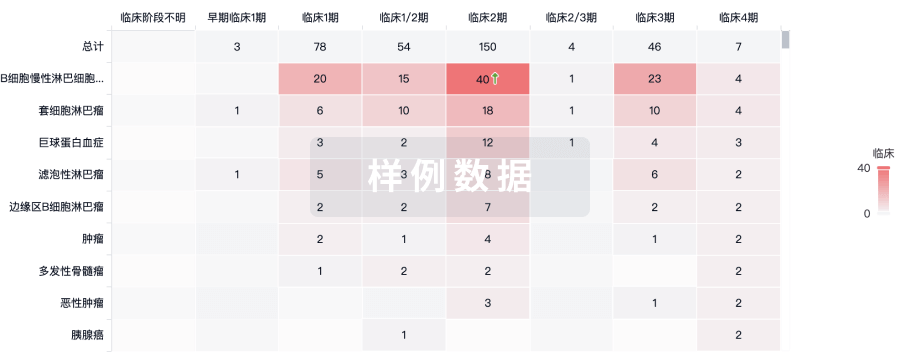
临床分析
紧跟全球注册中心的最新临床试验。
登录
或
批准
利用最新的监管批准信息加速您的研究。
登录
或
特殊审评
只需点击几下即可了解关键药物信息。
登录
或
生物医药百科问答
全新生物医药AI Agent 覆盖科研全链路,让突破性发现快人一步
立即开始免费试用!
智慧芽新药情报库是智慧芽专为生命科学人士构建的基于AI的创新药情报平台,助您全方位提升您的研发与决策效率。
立即开始数据试用!
智慧芽新药库数据也通过智慧芽数据服务平台,以API或者数据包形式对外开放,助您更加充分利用智慧芽新药情报信息。
生物序列数据库
生物药研发创新
免费使用
化学结构数据库
小分子化药研发创新
免费使用