预约演示
更新于:2026-01-30

Donghua University
更新于:2026-01-30
概览
标签
感染
肿瘤
呼吸系统疾病
小分子化药
化学药
蛋白水解靶向嵌合体(PROTAC)
疾病领域得分
一眼洞穿机构专注的疾病领域

技术平台
公司药物应用最多的技术
靶点
公司最常开发的靶点
关联
靶点 |
作用机制 |
在研机构 |
原研机构 |
在研适应症 |
非在研适应症 |
最高研发阶段 |
首次获批国家/地区 |
首次获批日期 |
靶点 |
作用机制 |
在研机构 |
原研机构 |
在研适应症 |
非在研适应症 |
最高研发阶段 |
首次获批国家/地区 |
首次获批日期 |
靶点 |
作用机制 |
在研机构 |
原研机构 |
在研适应症 |
非在研适应症 |
最高研发阶段 |
首次获批国家/地区 |
首次获批日期 |
100 项与 东华大学 相关的临床结果
登录后查看更多信息
登录后查看更多信息
2026-12-01Nano-Micro Letters
Nature-Inspired Upward Hanging Evaporator with Photothermal 3D Spacer Fabric for Zero-Liquid-Discharge Desalination
Article
作者: Li, Haoxuan ; Peng, Ye ; Shao, Yang ; Chen, Zhigang ; Zhu, Meifang ; Zheng, Longqing
Abstract:
While desalination is a key solution for global freshwater scarcity, its implementation faces environmental challenges due to concentrated brine byproducts mainly disposed of via coastal discharge systems. Solar interfacial evaporation offers sustainable management potential, yet inevitable salt nucleation at evaporation interfaces degrades photothermal conversion and operational stability via light scattering and pathway blockage. Inspired by the mangrove leaf, we propose a photothermal 3D polydopamine and polypyrrole polymerized spacer fabric (PPSF)-based upward hanging model evaporation configuration with a reverse water feeding mechanism. This design enables zero-liquid-discharge (ZLD) desalination through phase-separation crystallization. The interconnected porous architecture and the rough surface of the PPSF enable superior water transport, achieving excellent solar-absorbing efficiency of 97.8%. By adjusting the tilt angle (θ), the evaporator separates the evaporation and salt crystallization zones via controlled capillary-driven brine transport, minimizing heat dissipation from brine discharge. At an optimal tilt angle of 52°, the evaporator reaches an evaporation rate of 2.81 kg m−2 h−1 with minimal heat loss (0.366 W) under 1-sun illumination while treating a 7 wt% waste brine solution. Furthermore, it sustains an evaporation rate of 2.71 kg m−2 h−1 over 72 h while ensuring efficient salt recovery. These results highlight a scalable, energy-efficient approach for sustainable ZLD desalination.
2026-12-01Nano-Micro Letters
Scalable and Healable Gradient Textiles for Multi-Scenario Radiative Cooling via Bicomponent Blow Spinning
Article
作者: Miao, Yue-E ; Ji, Baiyu ; Xu, Fankun ; Liu, Ying ; Wang, Yufeng ; Zhang, Chao ; Huang, Jian ; Liu, Tianxi ; Zhao, Yongxu
Abstract:
Radiative cooling textiles with spectrally selective surfaces offer a promising energy-efficient approach for sub-ambient cooling of outdoor objects and individuals. However, the spectrally selective mid-infrared emission of these textiles significantly hinders their efficient radiative heat exchange with self-heated objects, thereby posing a significant challenge to their versatile cooling applicability. Herein, we present a bicomponent blow spinning strategy for the production of scalable, ultra-flexible, and healable textiles featuring a tailored dual gradient in both chemical composition and fiber diameter. The gradient in the fiber diameter of this textile introduces a hierarchically porous structure across the sunlight incident area, thereby achieving a competitive solar reflectivity of 98.7% on its outer surface. Additionally, the gradient in the chemical composition of this textile contributes to the formation of Janus infrared-absorbing surfaces: The outer surface demonstrates a high mid-infrared emission, whereas the inner surface shows a broad infrared absorptivity, facilitating radiative heat exchange with underlying self-heated objects. Consequently, this textile demonstrates multi-scenario radiative cooling capabilities, enabling versatile outdoor cooling for unheated objects by 7.8 °C and self-heated objects by 13.6 °C, compared to commercial sunshade fabrics.
2026-05-01JOURNAL OF COLLOID AND INTERFACE SCIENCE
Microneedle-mediated transdermal delivery of cerium‑iron bimetallic organic frameworks derivatives for melanoma therapy: enhanced peroxidase-like activity and adenosine triphosphate hydrolysis effect
Article
作者: Pan, Haobo ; Huo, Panpan ; Xing, Shun ; Liu, Xuanyong ; Zhang, Haifeng ; Guo, Linghuan ; Chen, Sicong ; Guan, Shiwei ; Liu, Lidan
Cutaneous melanoma is highly metastatic and deadly, with conventional therapies often proving ineffective while causing significant side effects. Cerium-based metal-organic frameworks (Ce-MOFs) and their derivatives have recently attracted attention in antitumor therapy due to their unique physicochemical properties and multi-enzyme-mimicking activities. However, their catalytic efficiency remains suboptimal because of challenges such as ambiguous active sites and low utilization efficiency of metal ions. Their therapeutic efficacy is also frequently hampered by inefficient delivery systems. Here, a microneedle (MN) patch-assisted transdermal delivery system of oxygen vacancy-rich cerium‑iron bimetallic organic framework (CeFe-MOFs) derivatives (CeFeOx) is constructed for synergistic chemodynamic (CDT) and starvation therapy against melanoma. Compared with Ce-MOFs derivatives (CeOx), CeFeOx exhibits superior peroxidase-like (POD-like) activity, which may be attributed to Fe doping increasing the Ce3+/Ce4+ ratio and, consequently, the concentration of oxygen vacancies. Through theoretical calculations, the catalytic pathway of CeFeOx toward H2O2 and the mechanism by which Fe doping enhances the POD-like activity of CeOx are further revealed. The results indicate that the enhanced POD-like activity of CeFeOx originates from local changes in the electronic structure of the cerium lattice induced by Fe doping, which reduces the activation energy of key reaction steps. Meanwhile, Fe doping promotes the adenosine triphosphate (ATP) hydrolysis ability of CeOx, which is attributed to the strong binding affinity between Fe3+ and ATP. The MN patch penetrates the stratum corneum, enabling efficient delivery of CeFeOx to intratumoral regions and thereby inducing melanoma cell death. Taken together, the MN-assisted cutaneous delivery system of CeFeOx provides a reasonable strategy for treating melanoma with highly enhanced catalytic activity.
100 项与 东华大学 相关的药物交易
登录后查看更多信息
100 项与 东华大学 相关的转化医学
登录后查看更多信息
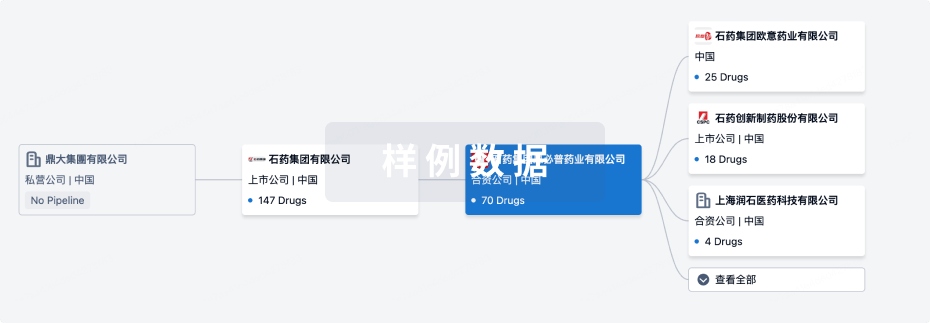
组织架构
使用我们的机构树数据加速您的研究。
登录
或
管线布局
2026年05月20日管线快照
管线布局中药物为当前组织机构及其子机构作为药物机构进行统计,早期临床1期并入临床1期,临床1/2期并入临床2期,临床2/3期并入临床3期
药物发现
2
10
临床前
登录后查看更多信息
当前项目
登录后查看更多信息
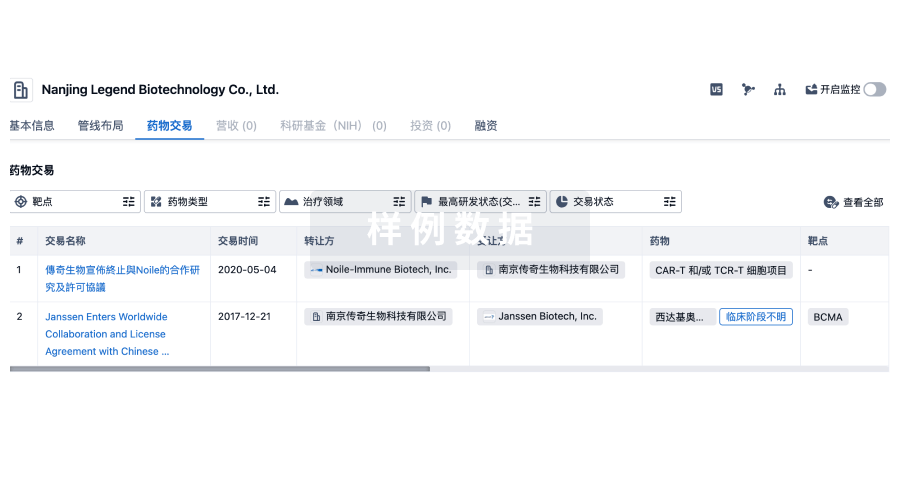
药物交易
使用我们的药物交易数据加速您的研究。
登录
或
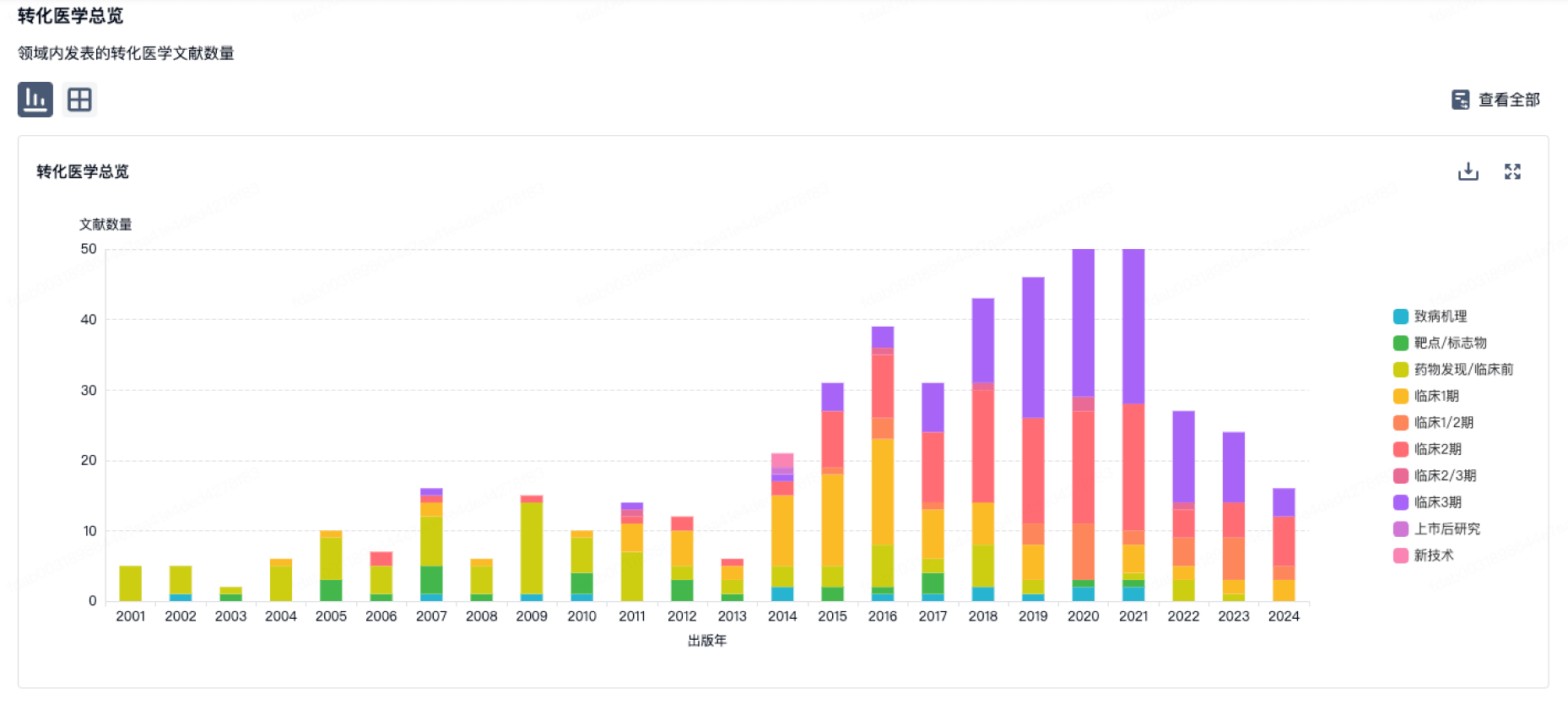
转化医学
使用我们的转化医学数据加速您的研究。
登录
或
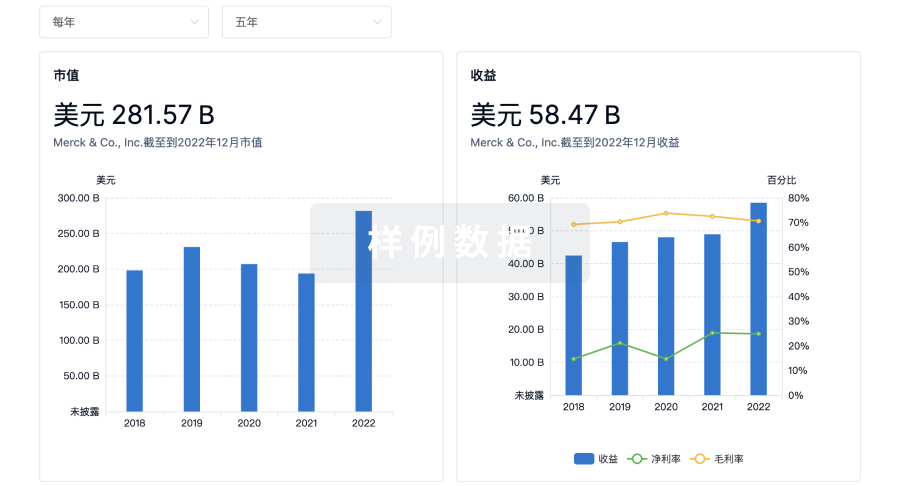
营收
使用 Synapse 探索超过 36 万个组织的财务状况。
登录
或
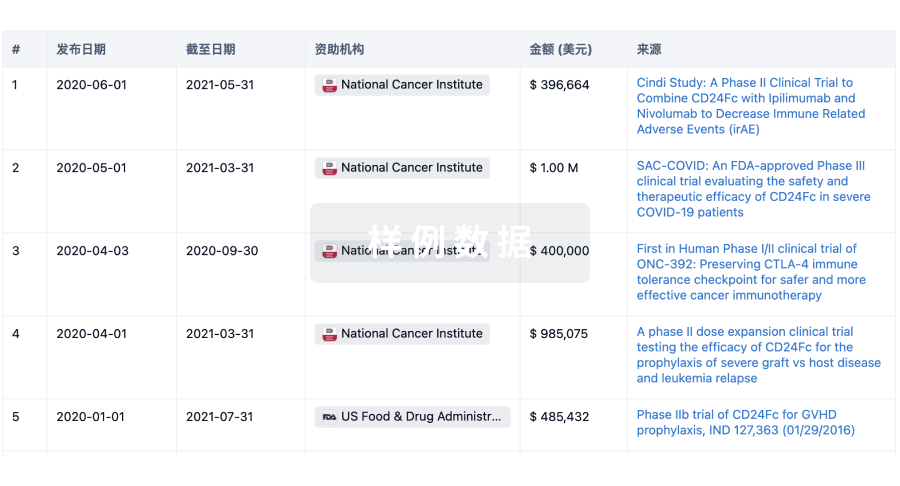
科研基金(NIH)
访问超过 200 万项资助和基金信息,以提升您的研究之旅。
登录
或
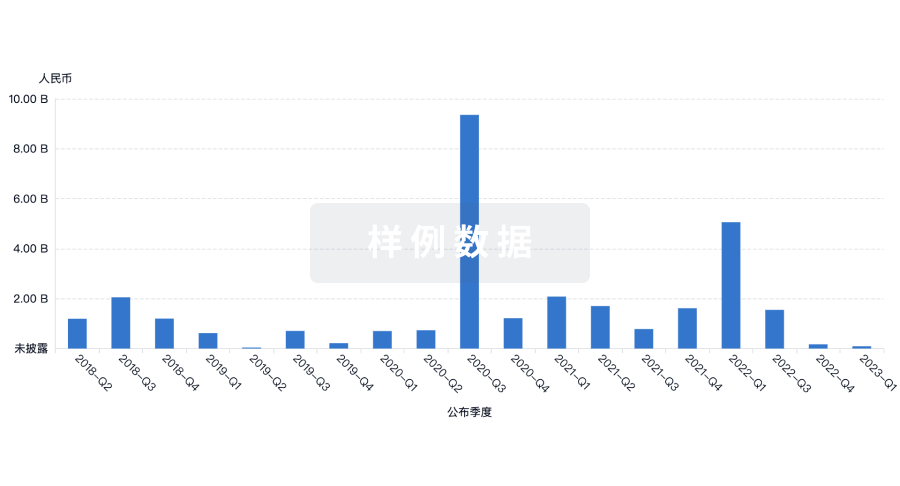
投资
深入了解从初创企业到成熟企业的最新公司投资动态。
登录
或
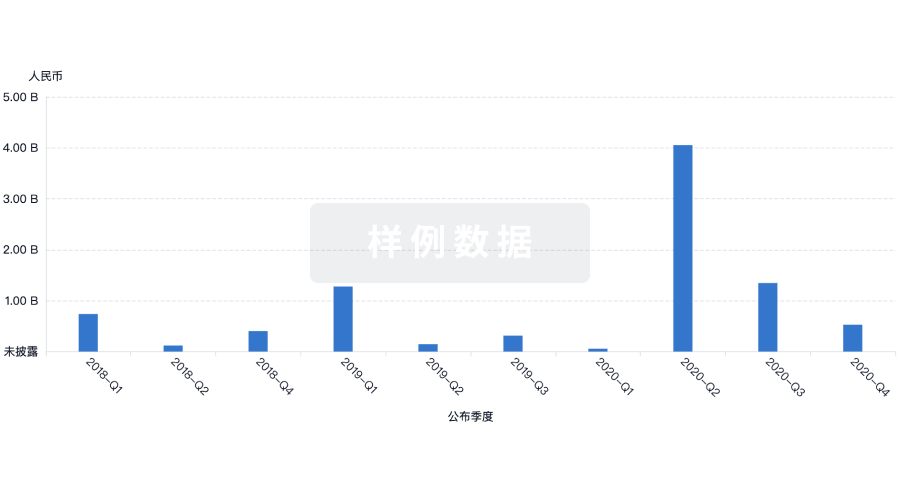
融资
发掘融资趋势以验证和推进您的投资机会。
登录
或
生物医药百科问答
全新生物医药AI Agent 覆盖科研全链路,让突破性发现快人一步
立即开始免费试用!
智慧芽新药情报库是智慧芽专为生命科学人士构建的基于AI的创新药情报平台,助您全方位提升您的研发与决策效率。
立即开始数据试用!
智慧芽新药库数据也通过智慧芽数据服务平台,以API或者数据包形式对外开放,助您更加充分利用智慧芽新药情报信息。
生物序列数据库
生物药研发创新
免费使用
化学结构数据库
小分子化药研发创新
免费使用